

Lisbon: A City Guide
Lisbon guide · Last checked Nov 23, 2026
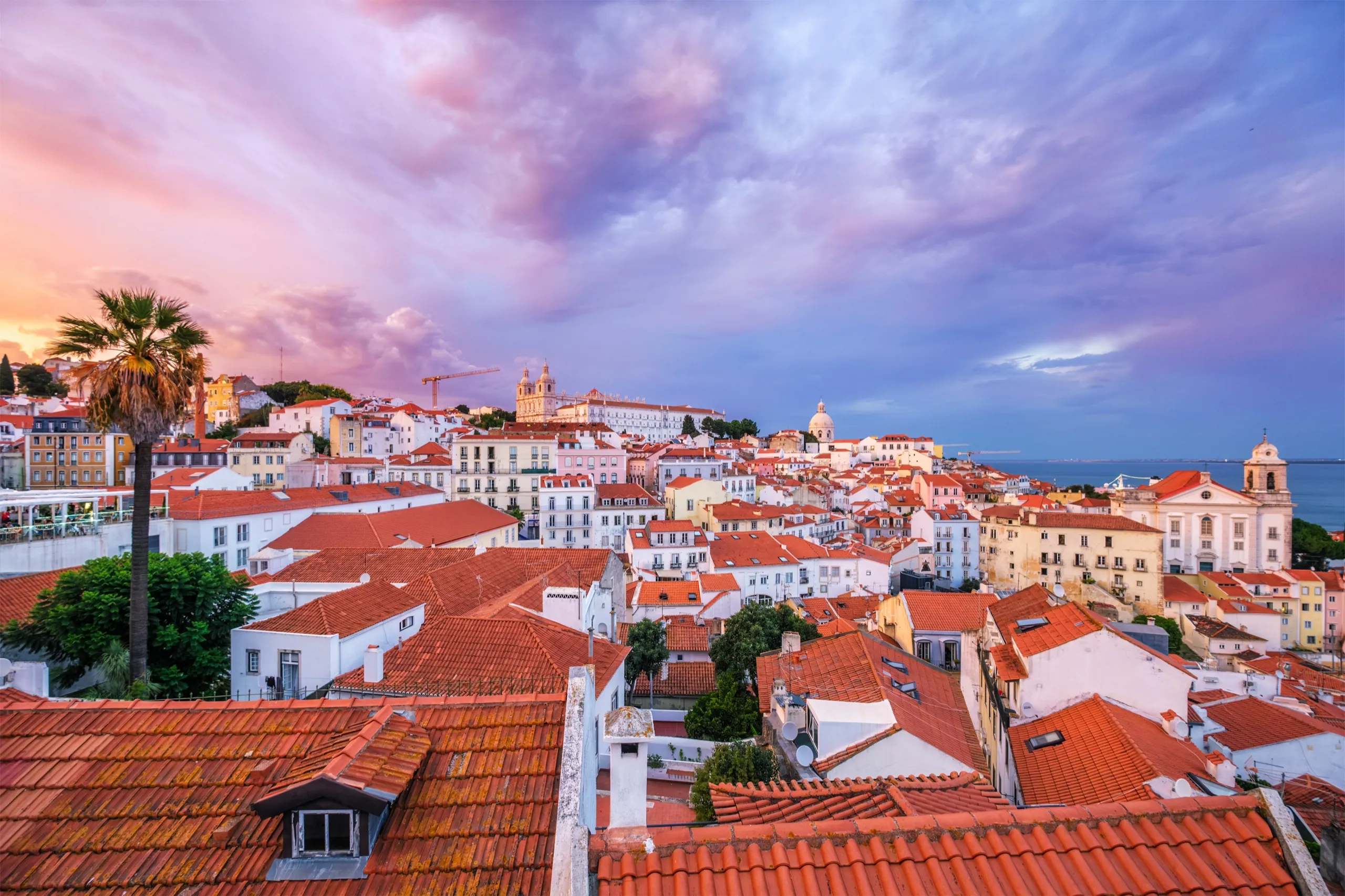
Lisbon is Portugal's capital, on the north shore of the Tagus where the river reaches the Atlantic, and no capital on the European mainland lies further west. About 658,000 people lived inside the city limits in 2025, by estimate, and some 3.35 million in the wider metropolitan area. The old centre climbs over the hills on either side of a flat, gridded downtown, so expect to walk uphill a lot.
A little history
Roman Olisipo passed to the Visigoths after Rome fell, and the Moors took it in the 8th century. Afonso Henriques besieged and captured it in 1147 during the Reconquista and in 1255 it replaced Coimbra as the capital. From the late 15th century to the early 17th, most Portuguese voyages of the Age of Discovery sailed from here, including the one Vasco da Gama led to India.
On 1 November 1755 an earthquake struck, and a tsunami and fires followed. An estimated 30,000 to 40,000 residents died and 85 percent of the city's buildings were destroyed. The Marquis of Pombal had what was left of the medieval downtown torn down and rebuilt it as a grid, which is why that district is still called the Baixa Pombalina. Alfama, Mouraria, Castelo and Graça kept their older, tangled street plans.
On 25 April 1974 the Carnation Revolution, a peaceful coup led by the army, ended the Estado Novo regime, which had ruled since 1926; much of the action took place around Largo do Carmo. In 1998 Lisbon hosted the world exhibition, Expo '98.
What Lisbon is known for
Azulejos, painted ceramic tiles, have been used on Lisbon's walls inside and out since the 15th century. They cover churches, palaces, house fronts and metro stations, and have a national museum of their own.
Fado is the city's song form, melancholy in tone and sung to Portuguese guitars. It grew up in the old working-class quarters of Mouraria and Alfama, and Alfama's restaurants and fado bars still put it on.
The pastel de nata, an egg custard tart in flaky pastry, was first made at Jerónimos Monastery in Belém, and the Pastéis de Belém bakery made it widely known.
Lisbon is said to stand on seven hills, and miradouros, viewpoints built into the slopes, are spread across them: Portas do Sol and Santa Luzia in Alfama, São Pedro de Alcântara in Bairro Alto. The small yellow trams, sized for the steep, narrow streets of the centre, have become an emblem of the city as well.
Neighborhoods
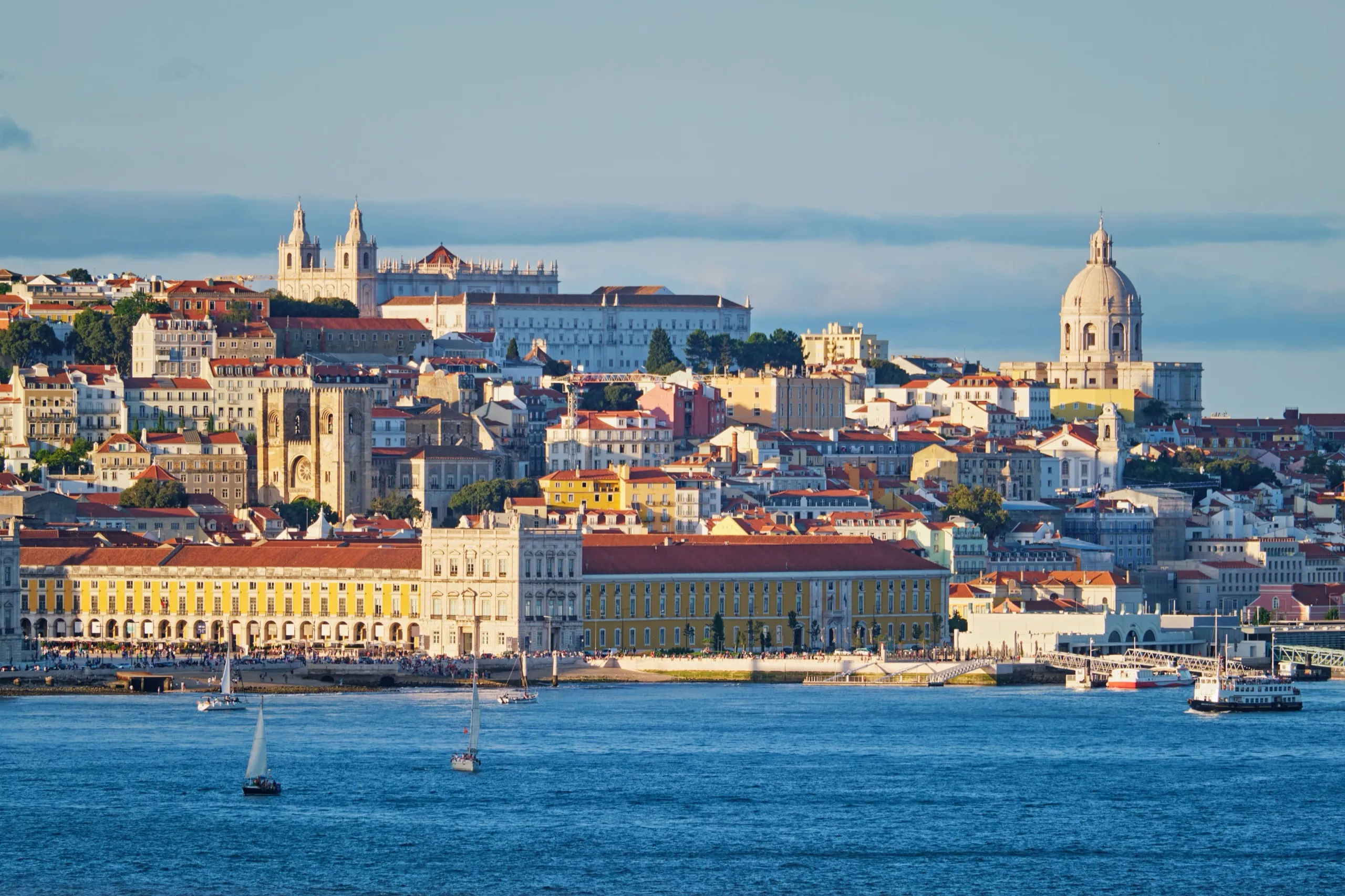
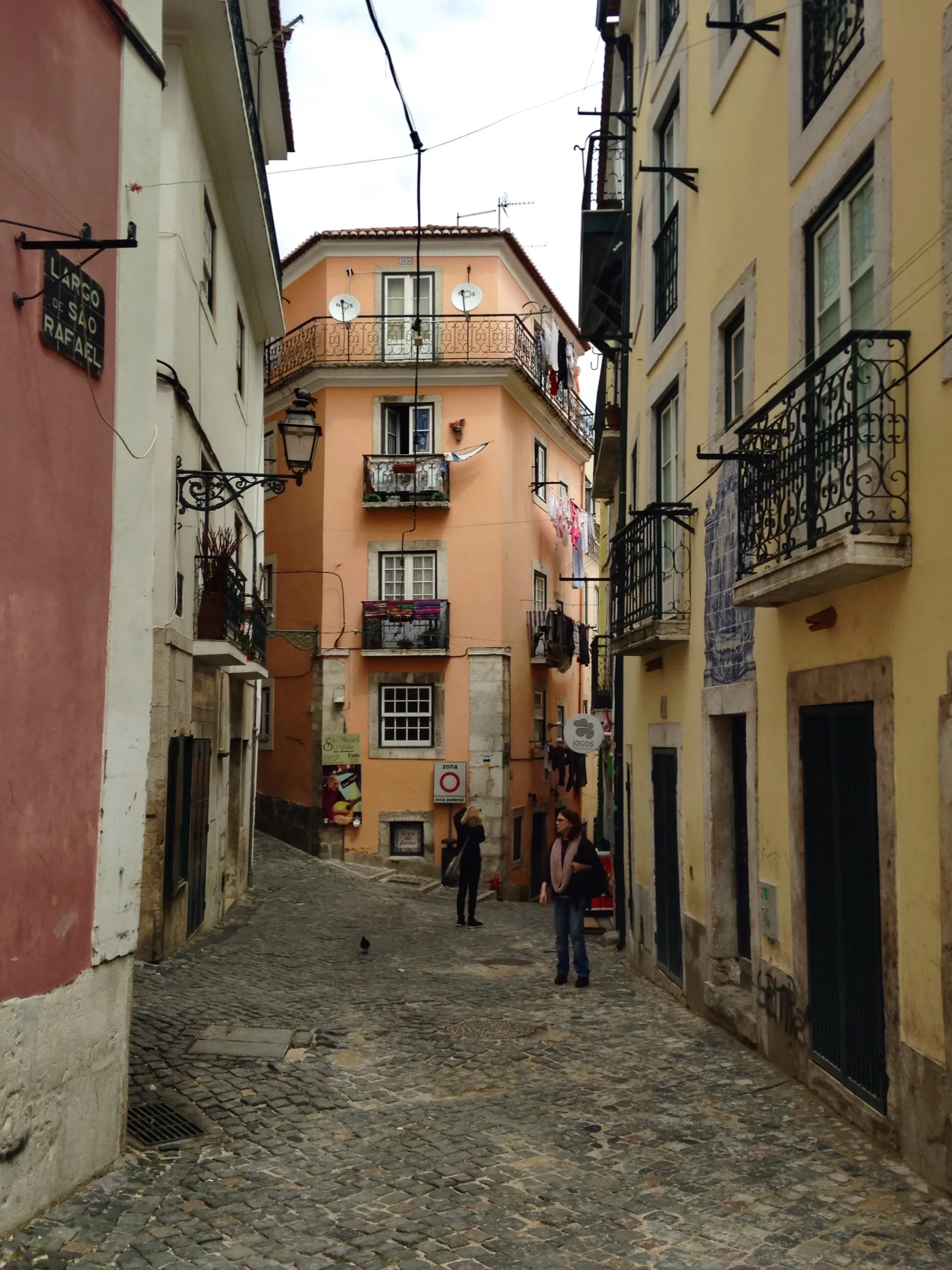
Alfama is the oldest district, running down the slope from São Jorge Castle to the river. Its name comes from the Arabic al-hamma, fountains or baths. The earthquake did it little damage, so its maze of narrow lanes and stairways survives, and the Sé Cathedral stands within it. Miradouro das Portas do Sol and Miradouro de Santa Luzia look out over the Tagus.
Mouraria, beside Alfama, was the Moorish quarter: after the reconquest the city's remaining Muslims were confined to it. Its alleys are narrow and its stairs steep, though the Estado Novo pulled down most of its old buildings.
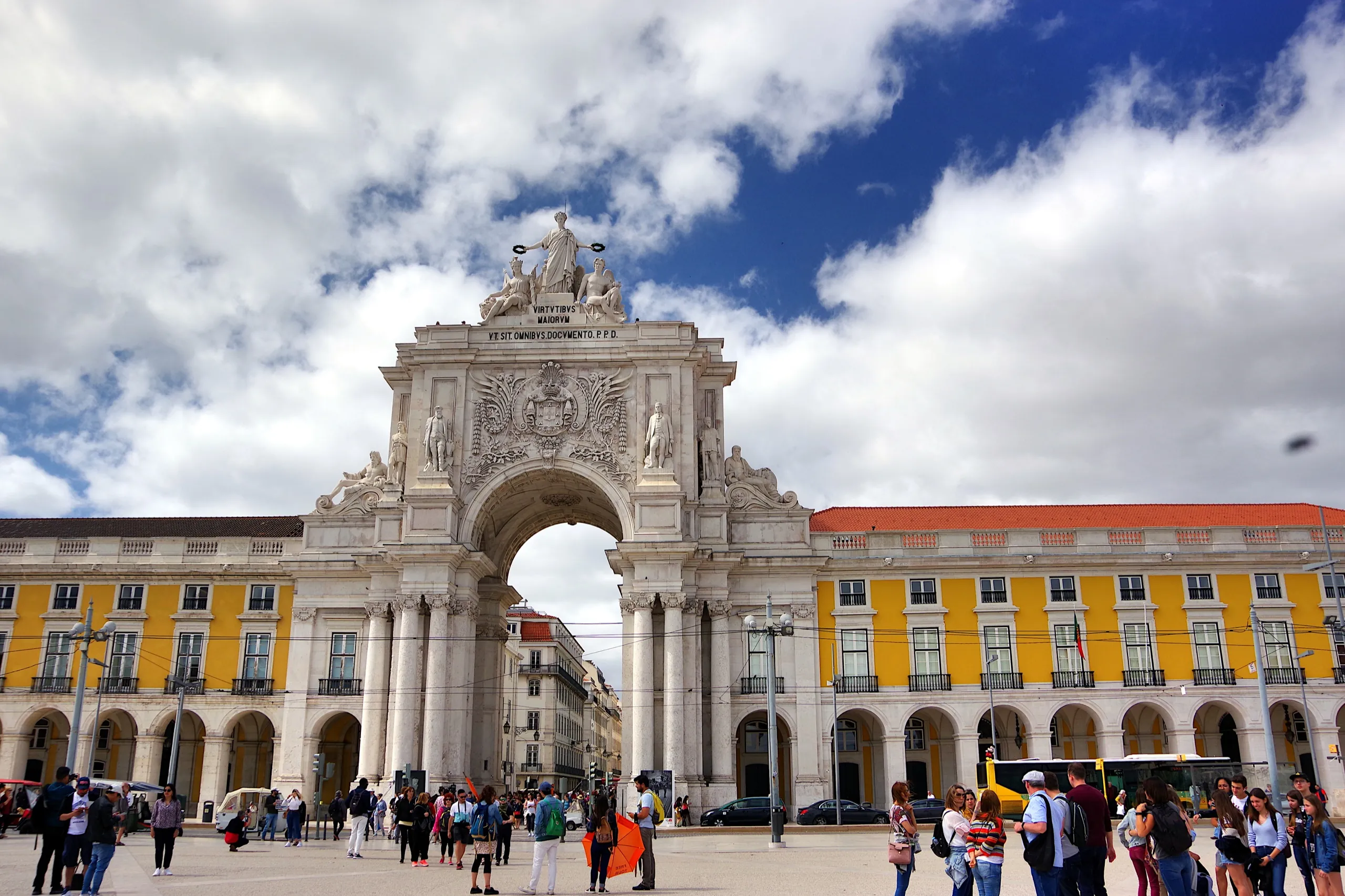
Baixa is the flat Pombaline grid between the hills. Praça do Comércio closes it at the river end and Rossio sits further inland.
Chiado, uphill from the Baixa, has the theatres, bookshops and boutiques, the old cafés with Café A Brasileira among them, and the ruins of the Carmo Convent.
Bairro Alto, next door, is the centre of Lisbon's nightlife: quiet in the daytime, its bars and restaurants fill after dark, and fado is still sung among the clubs.
Cais do Sodré, down by the river below Chiado, has the Time Out Market and Pink Street, which is closed to traffic.
Príncipe Real is a well-off, mostly residential area, its shops and restaurants along Rua Dom Pedro V.
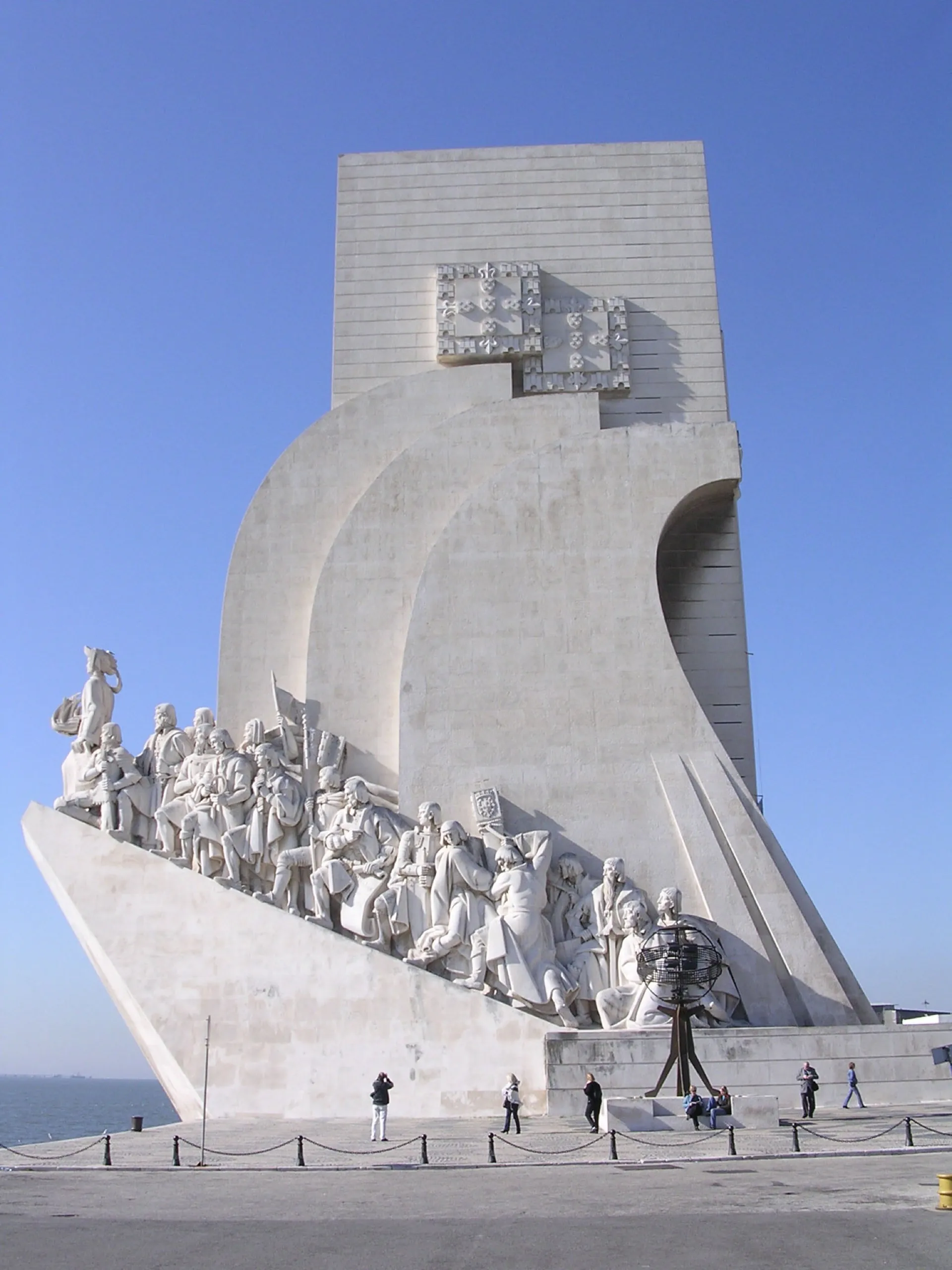
Belém lies west of the centre on the river. Jerónimos Monastery, the Belém Tower and the Monument to the Discoveries stand along the waterfront; UNESCO listed the monastery and the tower together as a World Heritage Site in 1983.
Parque das Nações, the newest district, was built for Expo '98 and keeps its layout. The area's main attraction is the Oceanário de Lisboa.
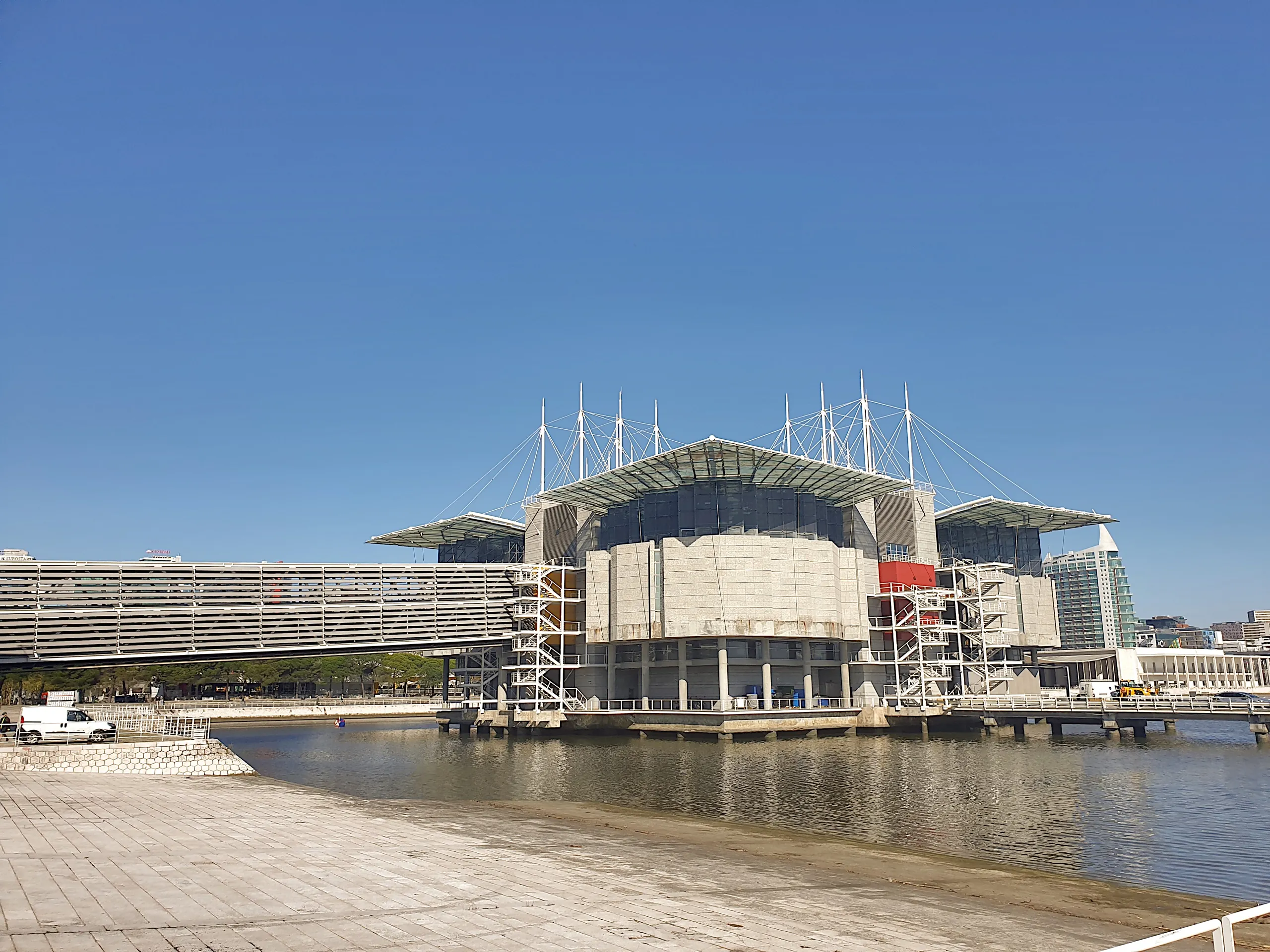
Almada is not part of Lisbon at all but a separate municipality across the river in Setúbal District; Cacilhas is its waterfront quarter. On that bank stands Cristo Rei, the statue of Christ with open arms facing the city, inaugurated in 1959.
When to visit
Spring, March to May, and autumn, September and October, are mild and easier for walking the hills, with fewer people than in high summer. June to August is hot and dry, with August highs of 25 to 32 °C, and the busiest time. In June the Festas de Santo António fill Alfama with street parties; the main nights are 12 and 13 June, and 13 June is the city's holiday. Winter is mild, with January highs of 14 to 19 °C, but it is the wet season: November and December are the rainiest months.
What to book, and what catches visitors out
- Buy timed tickets ahead for Jerónimos Monastery and the Belém Tower.
- Reserve a table at a fado house before you go.
- The limestone paving gets slick, especially when wet. Wear shoes with a good grip rather than sandals.
- City buses limit luggage to 50 × 40 × 20 cm, so with a large suitcase take the metro from the airport.
- In restaurants, bread, olives, cheese or spreads arrive at the table unasked. They are not free: each item you eat goes on the bill.
Getting there and around
Airport: Humberto Delgado Airport is inside the city limits, about 7 km north of downtown. The Red line runs from Aeroporto station into the centre, roughly 20 minutes to Saldanha. Change at Alameda for the Green line, at Saldanha for the Yellow, or at São Sebastião, the end of the line, for the Blue.
Metro: there are four lines. Blue (Azul, the Seagull) runs Santa Apolónia to Reboleira, Yellow (Amarela, the Sunflower) Odivelas to Rato, Green (Verde, the Caravel) Cais do Sodré to Telheiras, and Red (Vermelha, the Orient) São Sebastião to Aeroporto.
Tickets: a standard ticket works on both the metro and the Carris trams and buses. Pay contactless or load the reusable Navegante card; Navegante passes cover either the city or the whole metropolitan area, and Carris sells tickets on board at a separate fare.
Trams: apart from the modern Line 15, the network uses small four-wheel trams built to an early 20th-century design. Tram 28 runs through Alfama toward Prazeres Cemetery. Tram 15E uses Carris's articulated trams to travel to Belém.
Funiculars: the Bica, Glória and Lavra funiculars are closed. Glória has been shut since a fatal derailment in September 2025, and no reopening date has been given for any of the three. The Graça funicular was closed for seven months after the same accident and reopened on 30 April 2026 on its normal daily timetable.
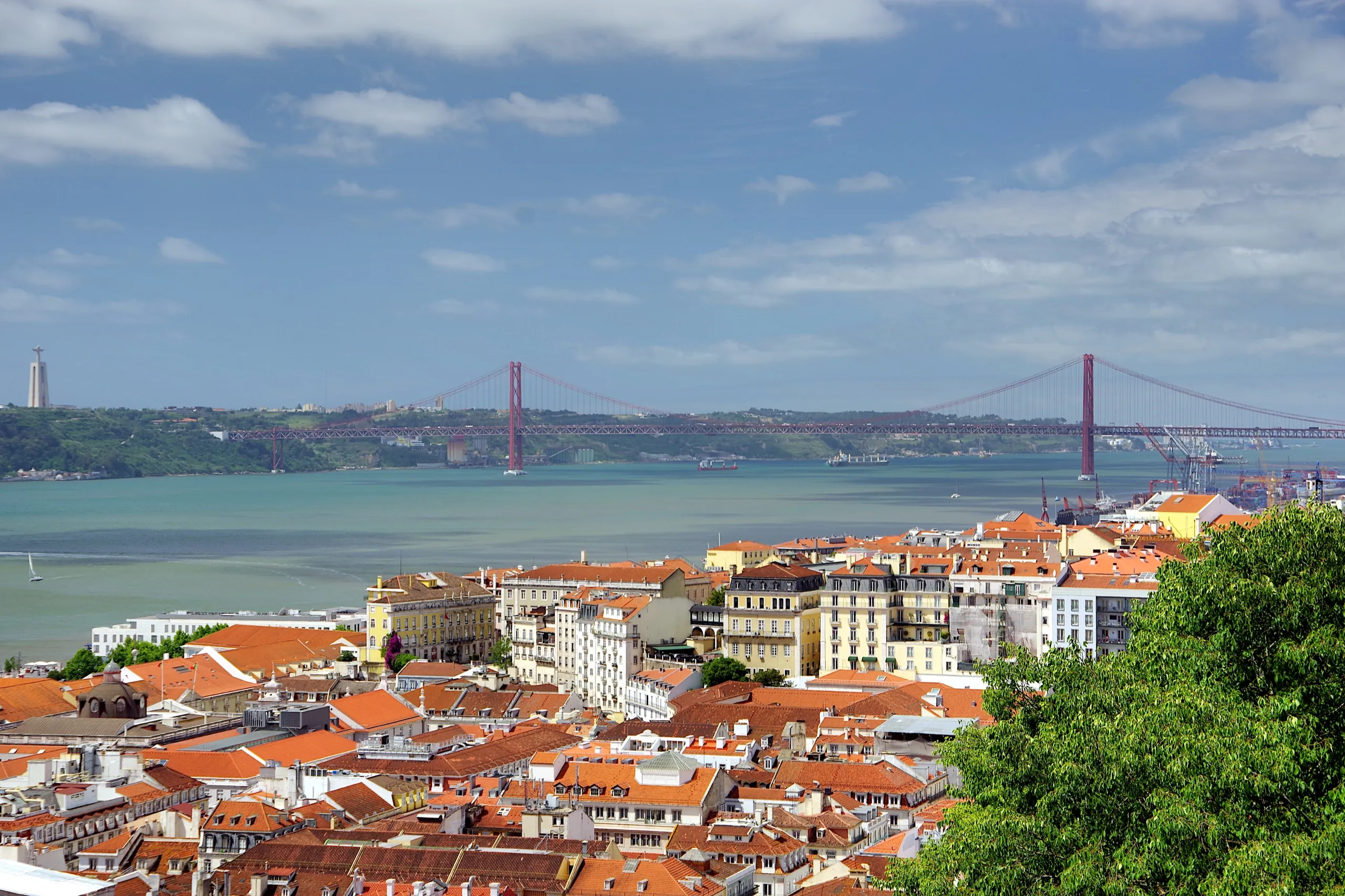
Crossing the river: Transtejo ferries leave Cais do Sodré for Cacilhas. The 25 de Abril Bridge, opened on 6 August 1966 as the Ponte Salazar and renamed after the date of the revolution, links the two banks, and Fertagus trains cross it.
Frequently asked questions
What is Lisbon's population?
About 658,000 people lived inside the city limits in 2025, by estimate, and some 3.35 million in the wider metropolitan area.
When is the best time to visit Lisbon?
Spring, March to May, and autumn, September and October, are mild and easier for walking the hills, with fewer people than in high summer. June to August is hot, dry and the busiest time, and the main nights of the Festas de Santo António are 12 and 13 June.
How do you get from Lisbon Airport to the city center?
The Red metro line runs from Aeroporto station into the centre, roughly 20 minutes to Saldanha, where you can change lines; Alameda is the other change. With a large suitcase take the metro, since city buses limit luggage to 50 × 40 × 20 cm.
Is Lisbon really built on seven hills?
Lisbon is said to stand on seven hills, and miradouros, viewpoints built into the slopes, are spread across them.
What happened in Lisbon in 1755?
On 1 November 1755 an earthquake struck, followed by a tsunami and fires. An estimated 30,000 to 40,000 residents died, and the Marquis of Pombal had the medieval downtown rebuilt as a grid, the Baixa Pombalina.
