

Things to Do in Lisbon: Museums, Monuments and Permanent Attractions
Lisbon guide · Last checked Nov 24, 2026
Plan by area. Belém, on the river, holds Jerónimos, Belém Tower, MAAT and the Monument to the Discoveries. São Jorge Castle and the Sé are in Alfama, with the National Pantheon at its edge. Carmo Convent is in Chiado, the Oceanarium in Parque das Nações, LX Factory in Alcântara.
For the ticketed monuments, buy through official channels such as Museus e Monumentos de Portugal; resellers add a markup.
Jerónimos Monastery
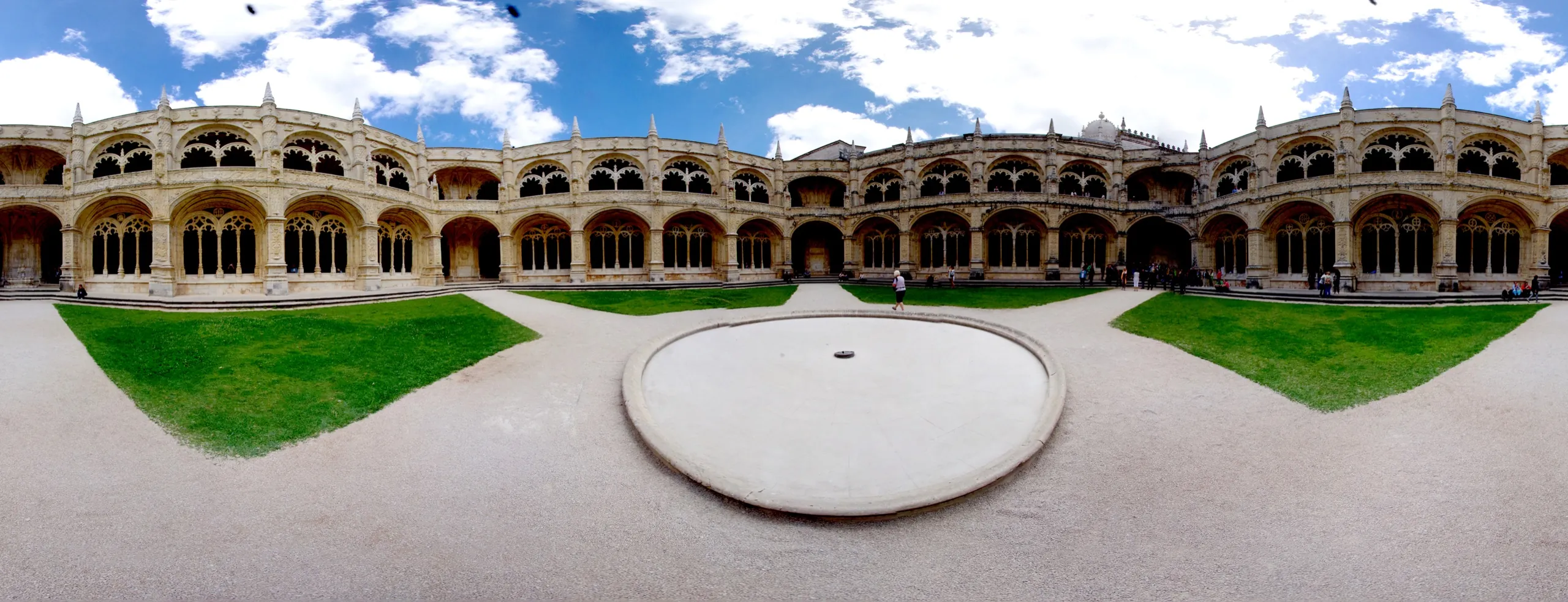
Mosteiro dos Jerónimos stands in Belém, close to the northern bank of the Tagus. Manuel I ordered it built. Work started in 1501–02, and from 1517 João de Castilho ran the site in the late Gothic style called Manueline. It was recognized by UNESCO in 1983.
Inside the monastery church, Santa Maria de Belém, lie the tombs of Vasco da Gama and the poet Luís de Camões.
The church and the cloister are separate visits with separate queues: the church is free, the cloister needs a ticket. Book a timed slot ahead and still expect a queue outside. Tram 15E and buses get you there.
Address: Praça do Império, 1400-206 Lisboa
Belém Tower
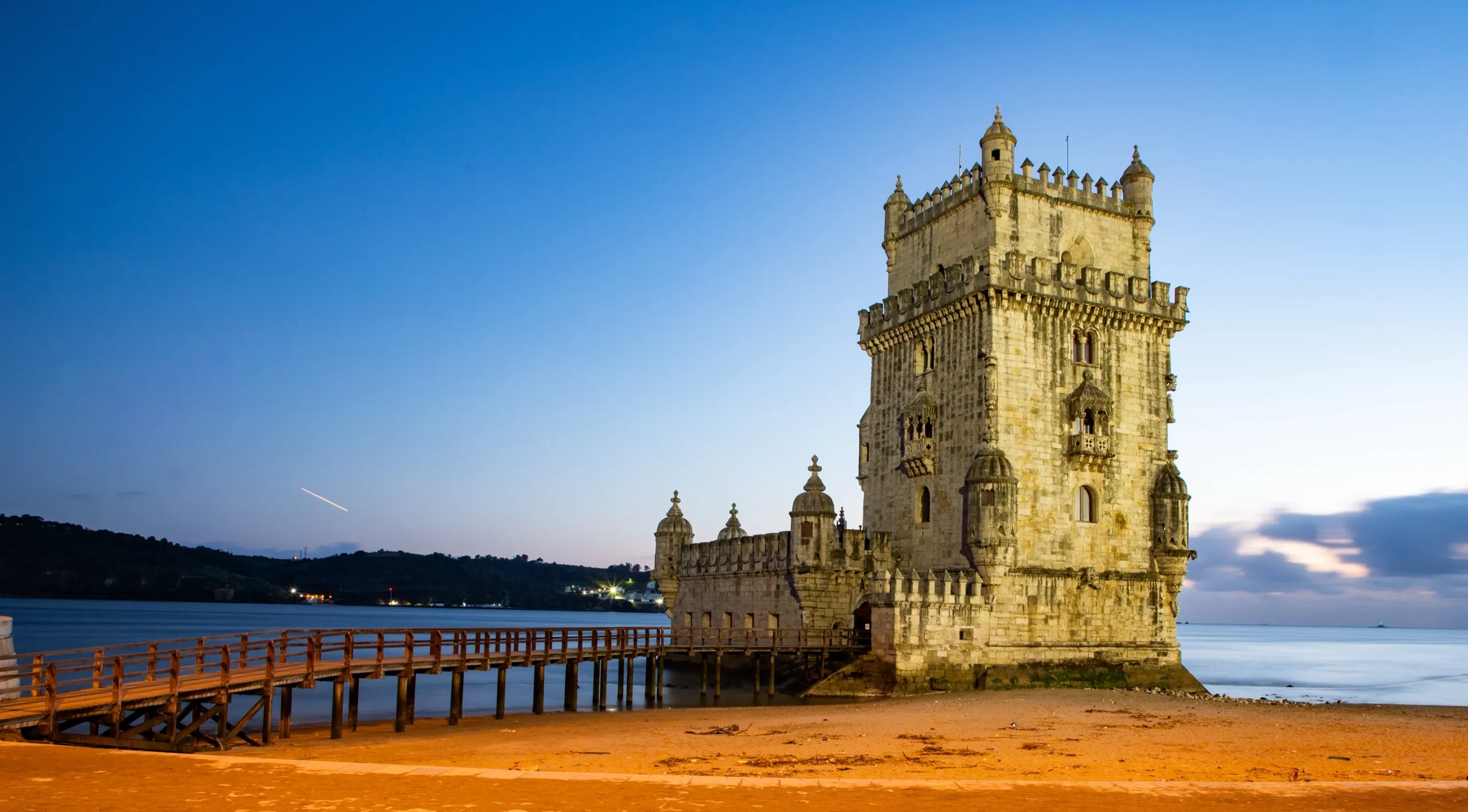
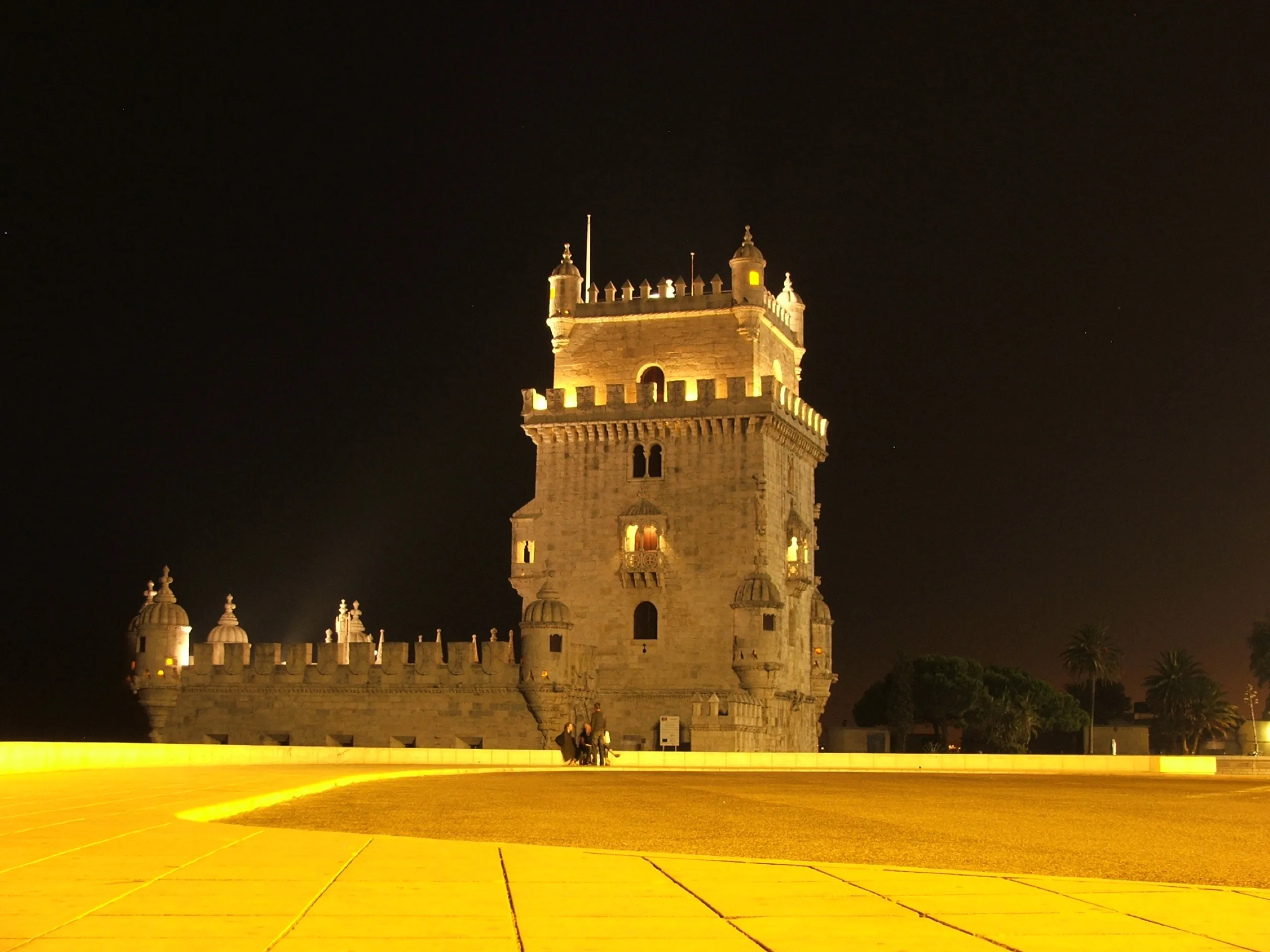
Torre de Belém reopened in May 2026, after 13 months of closure for restoration work. Conservation work, the first big restoration since 1998, had shut it for thirteen months.
It went up between 1515 and 1520, late in Manuel I's reign, as a fortified lighthouse at the entrance to the port, and partly to protect the monastery up the road. It was built on a little island of basalt in the Tagus, and a small bridge links it to the shore.
Entry runs in timed slots of 30 minutes, and the narrow inner stairs back up when it is busy. A Lisboa Card does not let you book a slot online until the physical card has been validated in the city centre, so do that first. Tram 15E, bus 714 and the suburban train to Belém station all get you there.
Address: Av. Brasília, 1400-038 Lisboa
São Jorge Castle
The walls are Moorish, from the tenth and eleventh centuries. Afonso Henriques captured the hill in the Siege of Lisbon of 1147, though the castle was probably named after St George only in the mid-17th century. Its stonework was restored in the 1940s. Inside, the Tower of Ulysses has held a camera obscura since 1999.
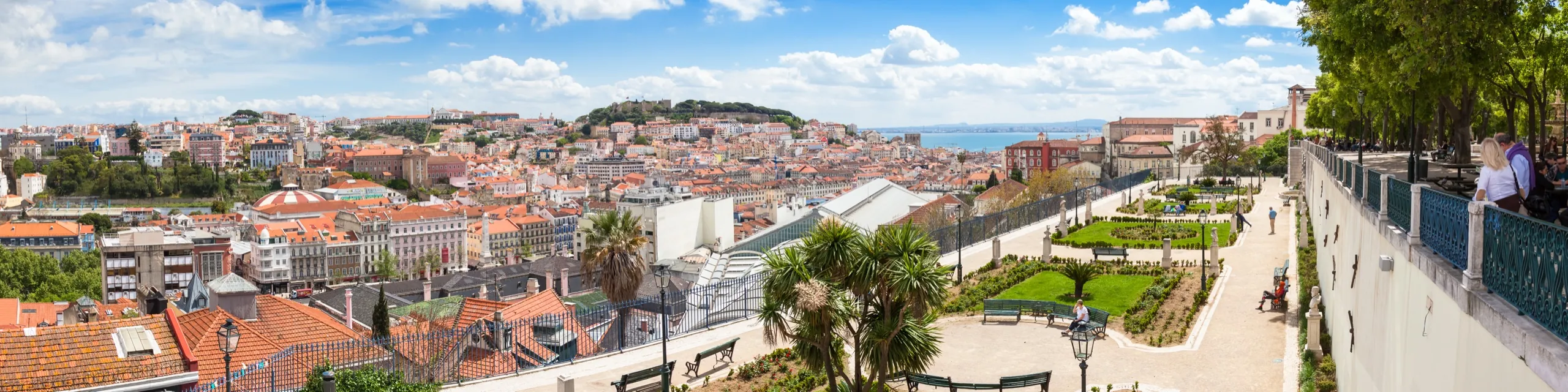
Walking up from the Baixa means steep, uneven cobbles. Bus 737 from Praça da Figueira, trams 28 and 12E, and public escalators and lifts from the lower streets save the climb. Queues at the ticket office grow long around midday, so go early or late.
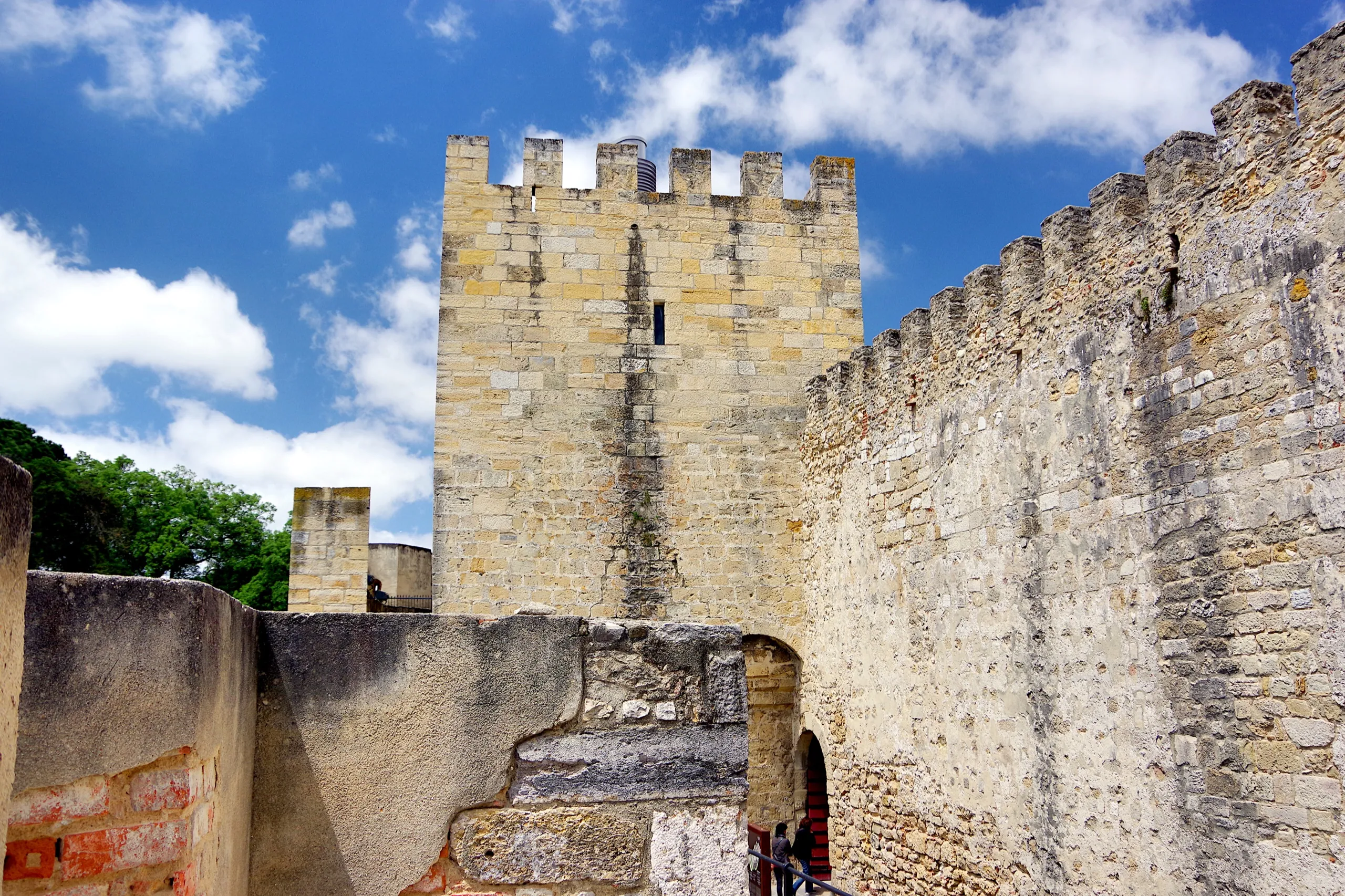
Address: Rua de Santa Cruz do Castelo, 1100-129 Lisboa
National Pantheon
Panteão Nacional began life as the Church of Santa Engrácia. Rebuilding started in the late 17th century under the architect João Antunes, who died with the job unfinished. A law of 1916 ordered it turned into the national mausoleum, and work ended only in 1964–66. The delay gave Portuguese a phrase: "Obras de Santa Engrácia" means a job that never ends. Among the people buried here are the fado singer Amália Rodrigues and the footballer Eusébio.
The terrace around the dome looks over the whole city, up many narrow steps with no lift. Tram 28 stops nearby, and Santa Apolónia station is a short walk away.
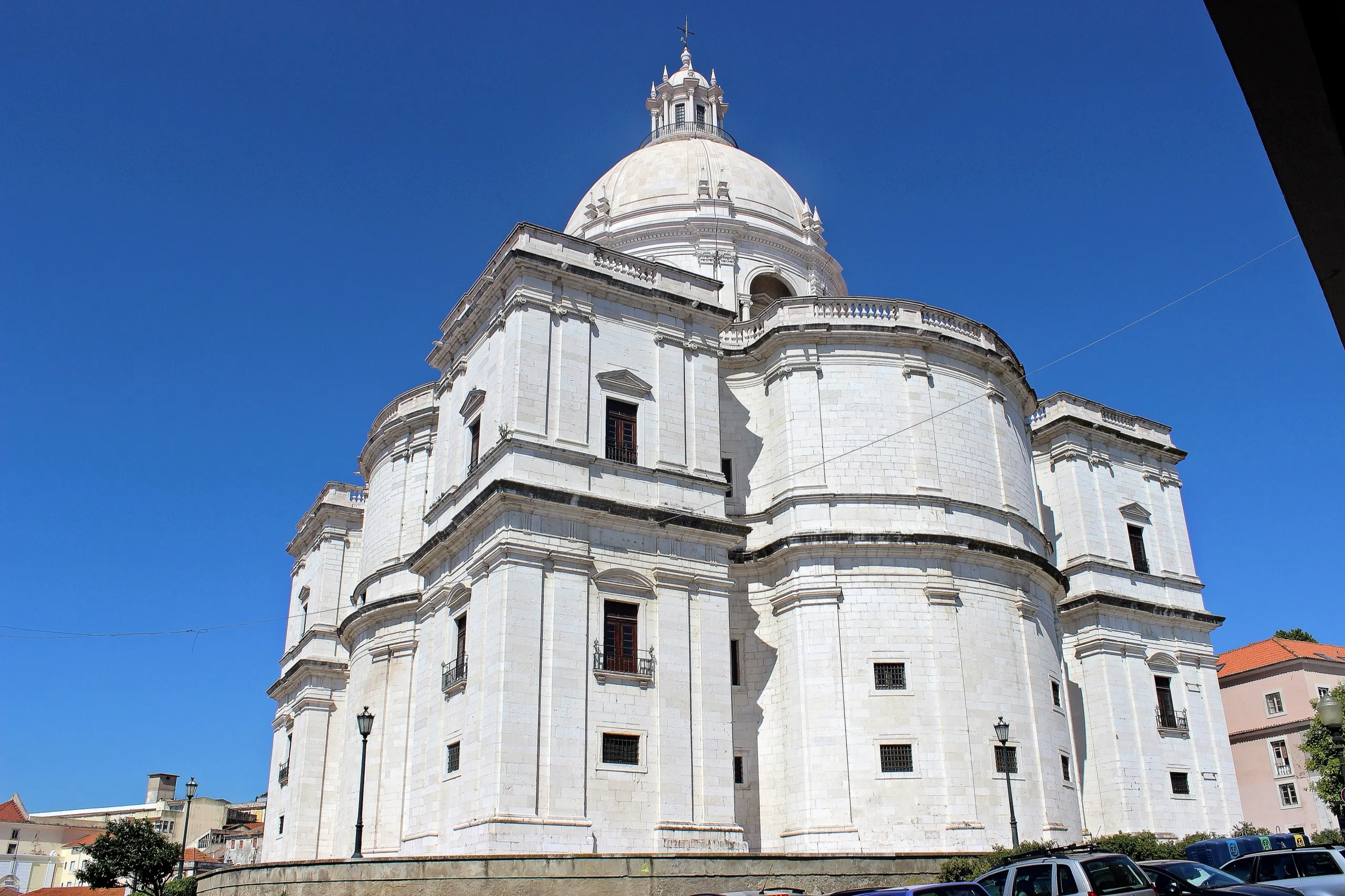
Address: Campo de Santa Clara, 1100-471 Lisboa
Carmo Convent
Nuno Álvares Pereira founded the Carmo convent in 1389. The 1755 earthquake wrecked its Gothic church. Rebuilding ran from 1756 to 1834, and in the mid-19th century the naves were left without a roof on purpose. Since 1864 the ruin has housed the Museu Arqueológico do Carmo, whose collection includes medieval tombs, among them that of King Ferdinand I.
The nearest metro is Baixa-Chiado, with street escalators close by. The Santa Justa Lift next door is closed, so it will not carry you up from the Baixa.
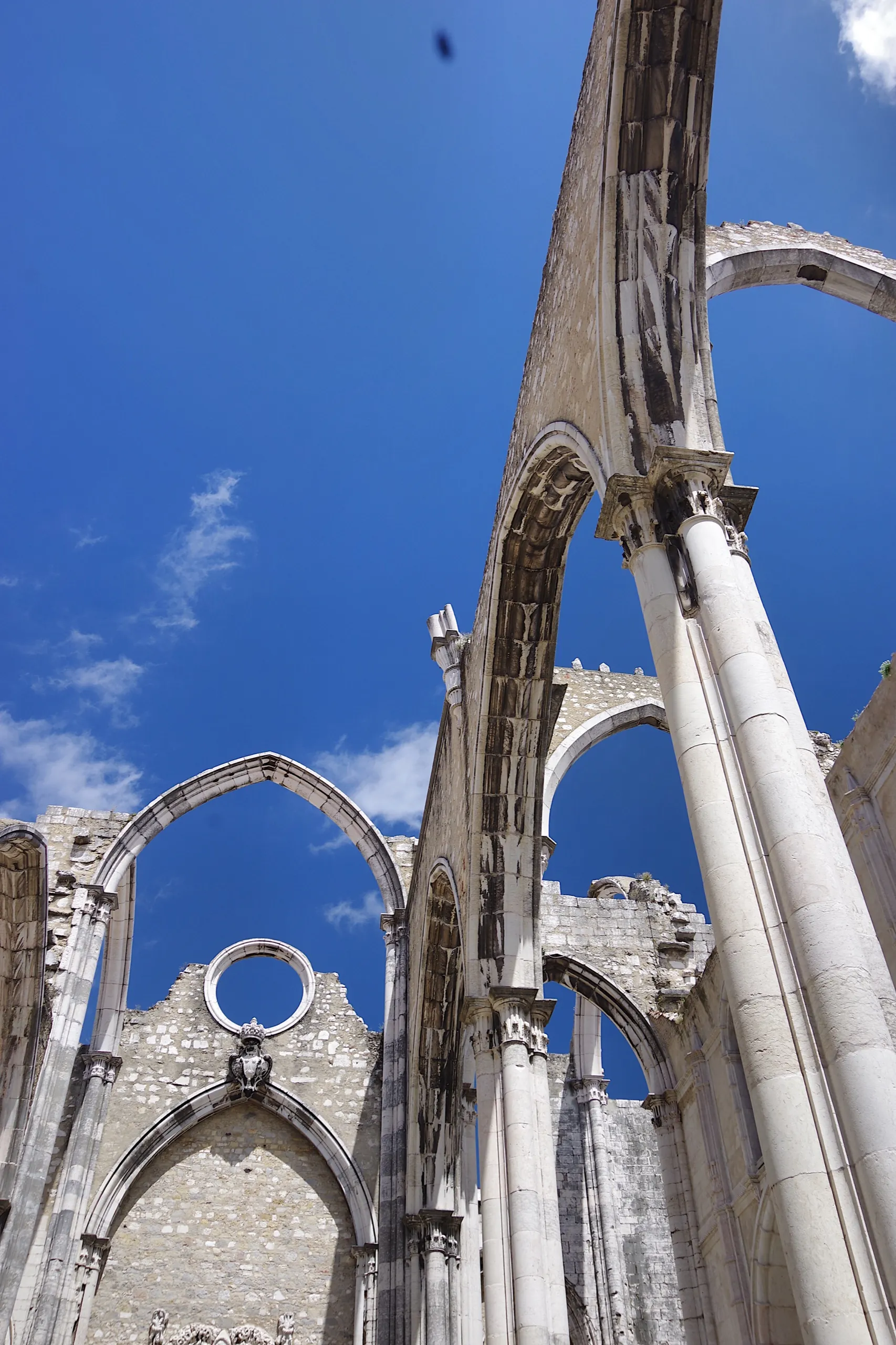
Address: Largo do Carmo, 1200-092 Lisboa
Sé de Lisboa
Work on the cathedral started in 1147, the year Afonso Henriques took the castle, on ground where a mosque had stood. Mestre Roberto drew it as a Romanesque church built like a fortress; Gothic and Baroque changes came later.
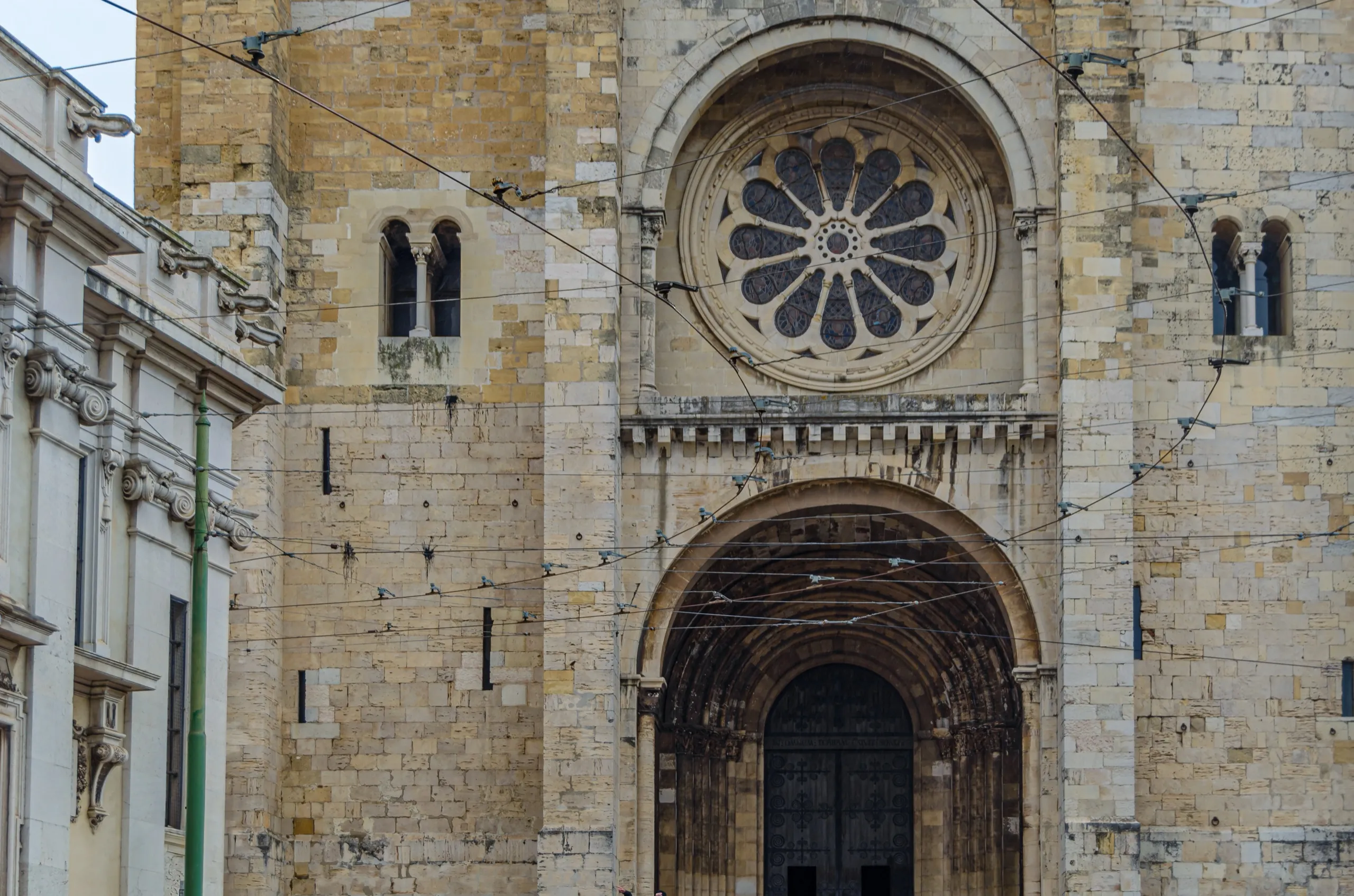
Besides the main nave, you can visit the High Choir, the Treasury Museum, the side naves and the deambulatory. Below, an excavation shows Roman and medieval remains. Services can close parts of the church to visitors. Tram 28 runs right past the front.
Address: Largo da Sé, 1100-585 Lisboa
More worth your time
Monument to the Discoveries
The first version was put up for the Portuguese World Exhibition of 1940 as a temporary piece of iron and cement, its sculptures in staff. In 1960, for the fifth centenary of Henry the Navigator's death, it was rebuilt for good in reinforced concrete faced with several kinds of stone.
Address: Av. Brasília, 1400-038 Lisboa
Santa Justa Lift
Raoul Mesnier du Ponsard designed this iron lift in neo-Gothic style which was opened on 10 July 1902. Carris, which runs it, lists it as temporarily closed and had given no date for reopening as of July 2026.
Address: R. do Ouro, 1150-060 Lisboa
Lisbon Oceanarium
The Oceanarium was built for Expo '98 and stands in Parque das Nações, the district that grew out of the exhibition grounds. It is the second largest aquarium in the world.
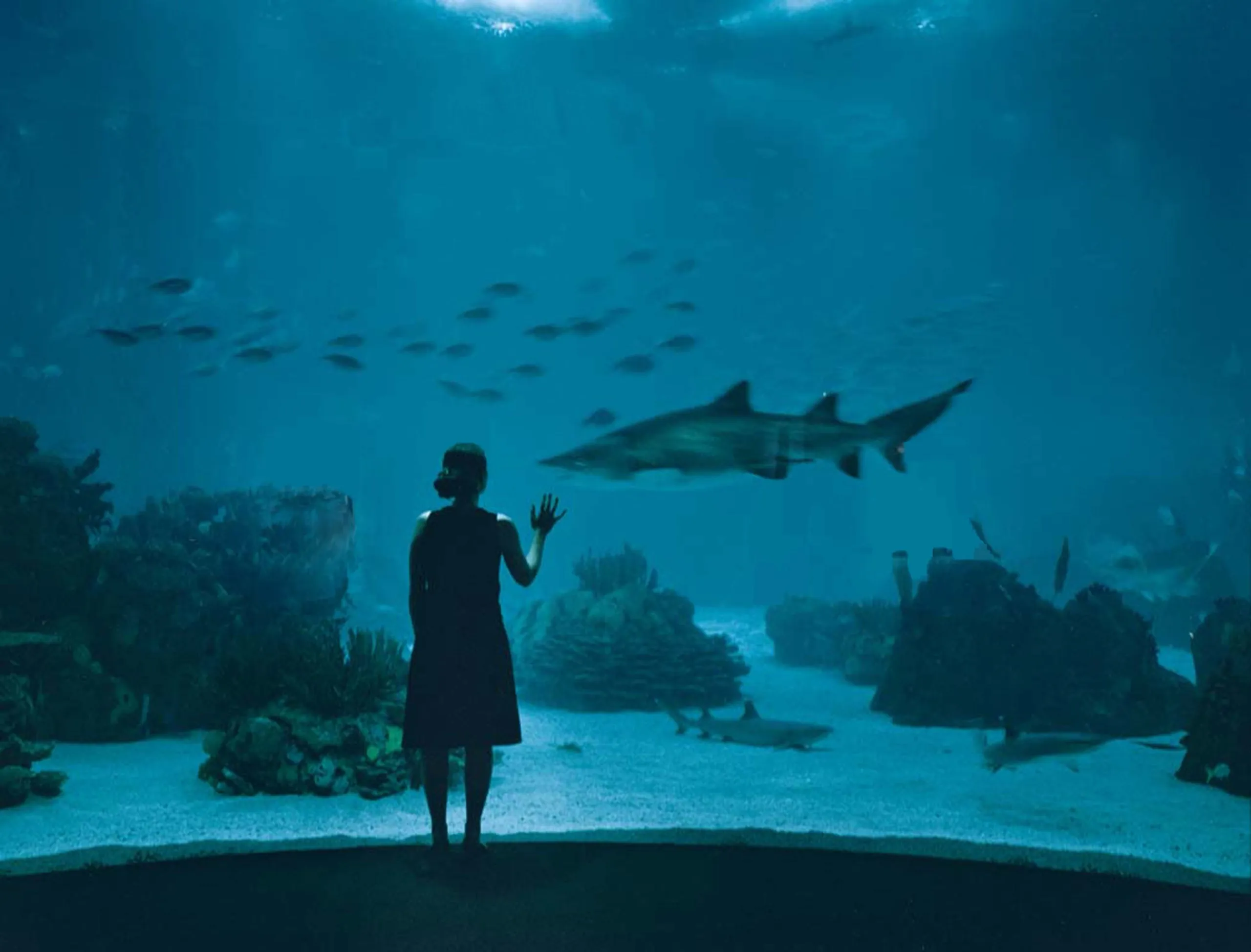
Address: Esplanada Dom Carlos I, 1990-005 Lisboa
MAAT
The Museum of Art, Architecture and Technology opened on 5 October 2016 on the riverfront at Belém.
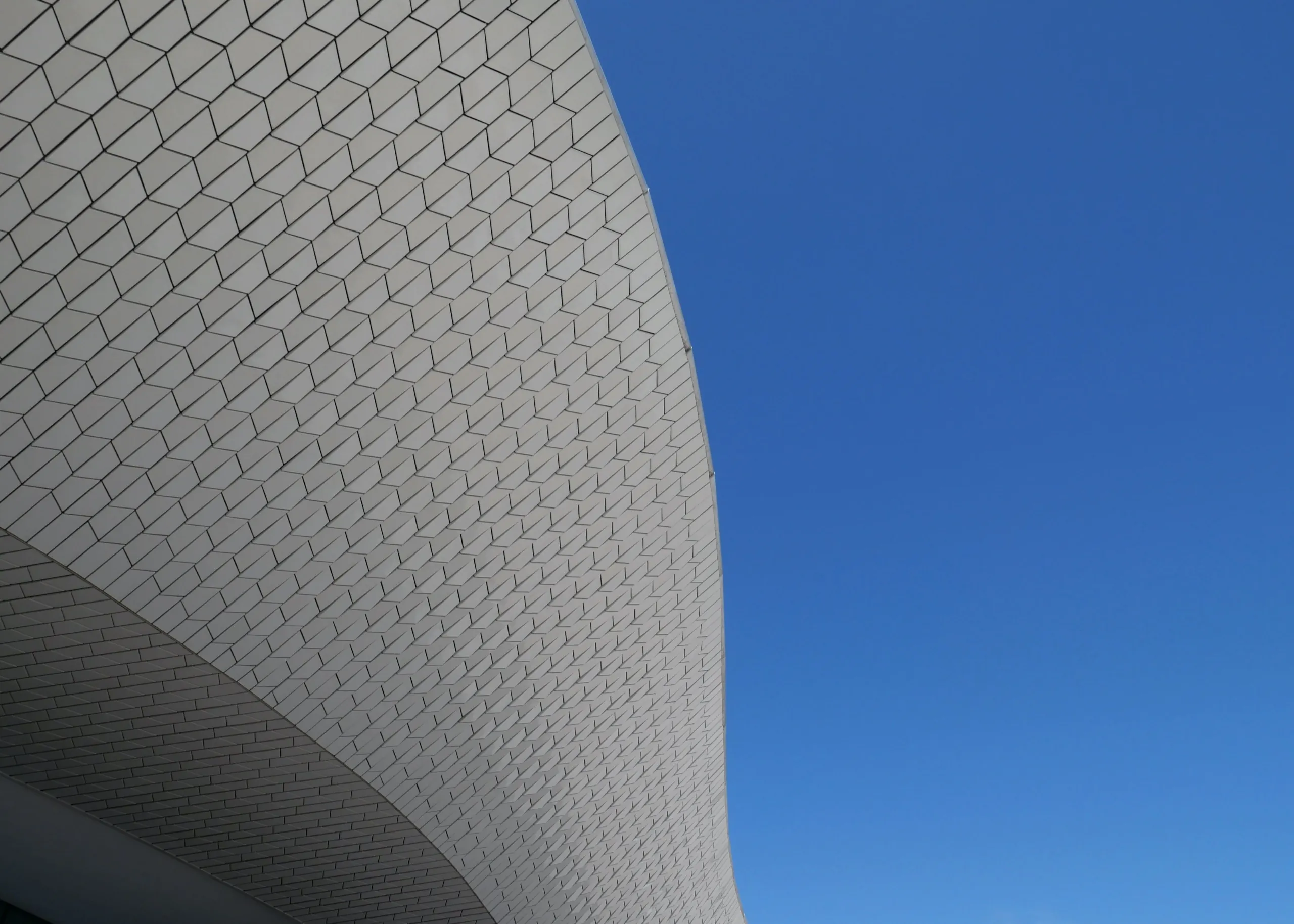
Address: Av. Brasília, Belém, 1300-598 Lisboa
Calouste Gulbenkian Museum
Run by the Calouste Gulbenkian Foundation, the museum opened its collection to the public in 1969: more than 6,000 works, from ancient Egypt to European painting.
Address: Av. de Berna 45A, 1067-001 Lisboa
CAM (Centro de Arte Moderna Gulbenkian)
The modern art centre opened in 1983 in a building by the British architect Leslie Martin. Kengo Kuma redesigned it, and it reopened in September 2024; it was his first finished project in Portugal.
Address: Av. de Berna 45A, 1067-001 Lisboa
National Tile Museum
The museum of azulejo tiles occupies the former Madre de Deus Convent, which Queen D. Leonor founded in 1509. It has been shut since 1 November 2025 for a refurbishment paid for by Portugal's PRR recovery plan, with no confirmed reopening date.
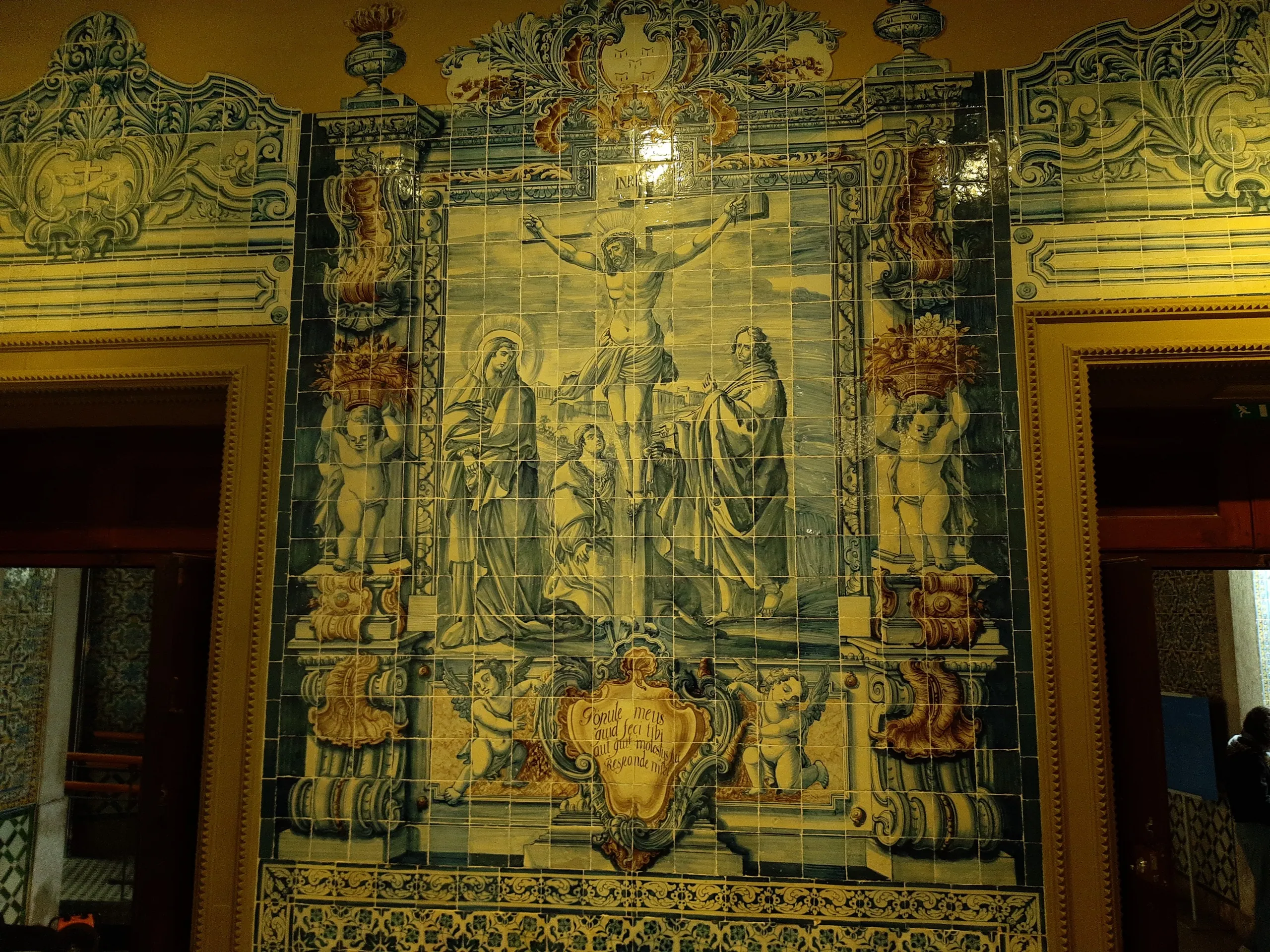
Address: Rua da Madre de Deus, 4, 1900-312 Lisboa
São Vicente de Fora
This monastery, known for its tilework, holds the royal pantheon of the House of Braganza.
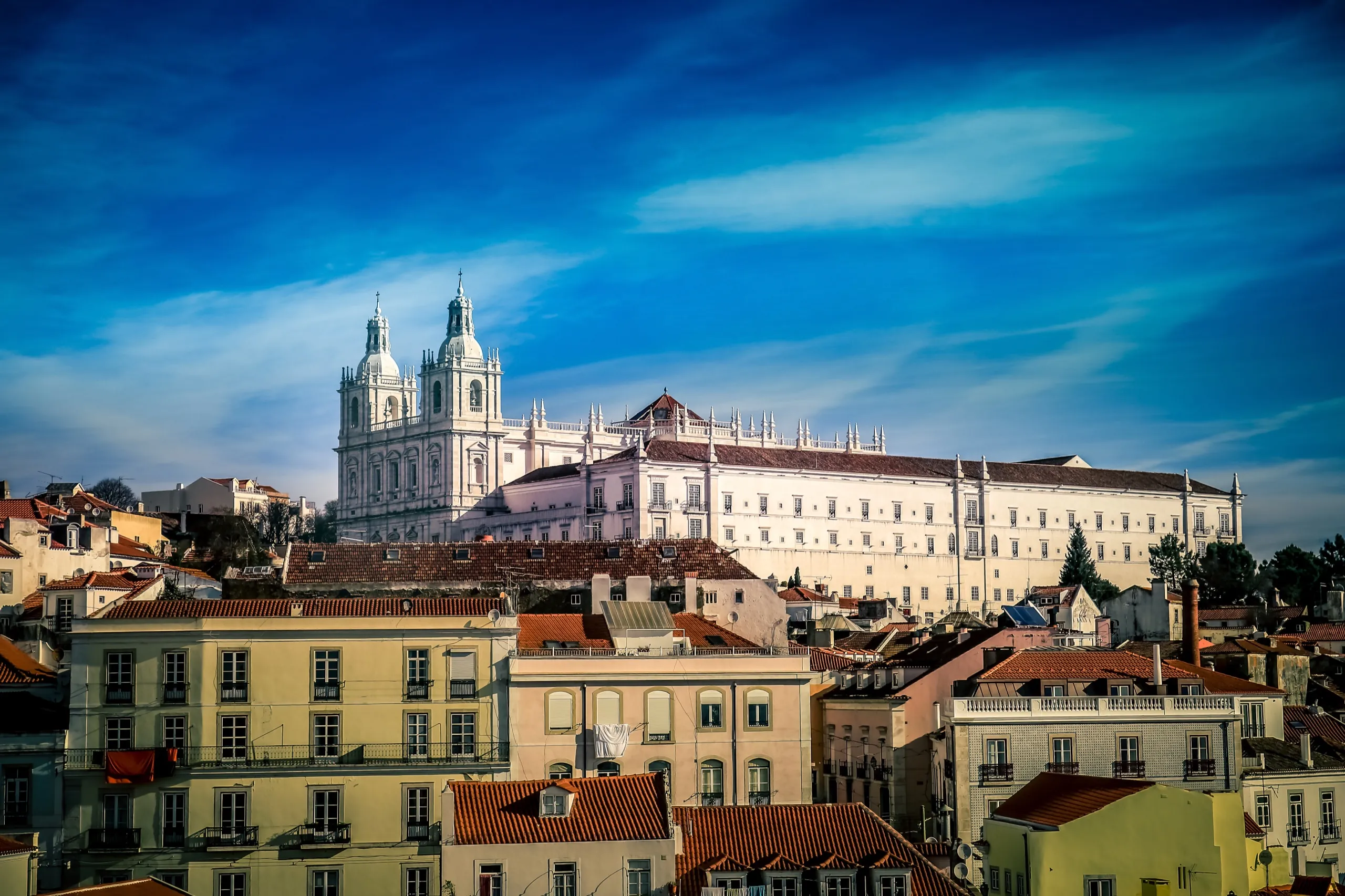
Address: Largo de São Vicente, 1100-472 Lisboa
LX Factory
This former textile mill now holds cafes, restaurants, shops and co-working space, and often hosts markets and exhibitions.
Address: Rua Rodrigues de Faria 103, 1300-501 Lisboa
Frequently asked questions
Is Belém Tower open right now?
Yes. It opened again in May 2026 after conservation work had shut it for thirteen months. Entry runs in timed slots of 30 minutes.
Are any of these sites currently closed?
Two are. Carris lists the Santa Justa Lift as temporarily closed and had given no reopening date as of July 2026. The National Tile Museum has been shut since 1 November 2025 for a refurbishment paid for by Portugal's PRR recovery plan, with no confirmed reopening date.
How do I get to Belém?
Tram 15E and buses reach Jerónimos Monastery. For Belém Tower you can also take bus 714 or the suburban train to Belém station.
What stood on the Sé's site before the cathedral was built?
A mosque. Work on the cathedral started in 1147, the year Afonso Henriques took the castle.
Is Jerónimos Monastery a UNESCO site?
Yes. UNESCO listed Jerónimos Monastery in 1983.
