Sights & Landmarks · Mouraria
Castelo de São Jorge
- Hours
- Mon–Sun 10:00–20:00
- Where
- Rua de Santa Cruz do Castelo1100-129 Lisboa · Mouraria
- Phone
- +351 218 800 620
- Website
- www.castelodesaojorge.pt
About
Castelo de São Jorge, also known as St. George's Castle, stands on the highest hill in the historic centre of Lisbon. Its address is Rua de Santa Cruz do Castelo, 1100-129 Lisboa, in the Mouraria neighbourhood. The listed opening hours are every day of the week from 10:00 to 20:00. The castle has three entrances, and a ticketing site recommends allowing about three hours for a visit, with tickets starting from $6.72.
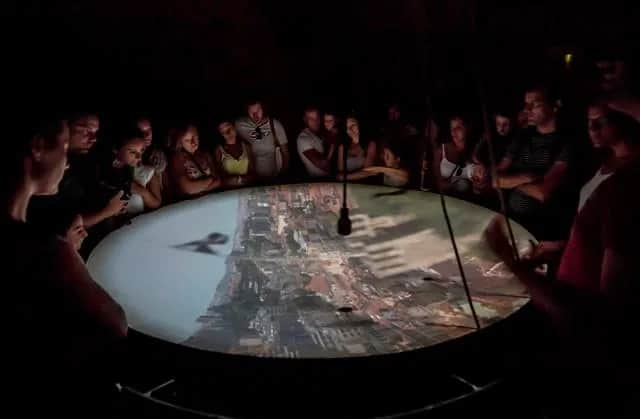
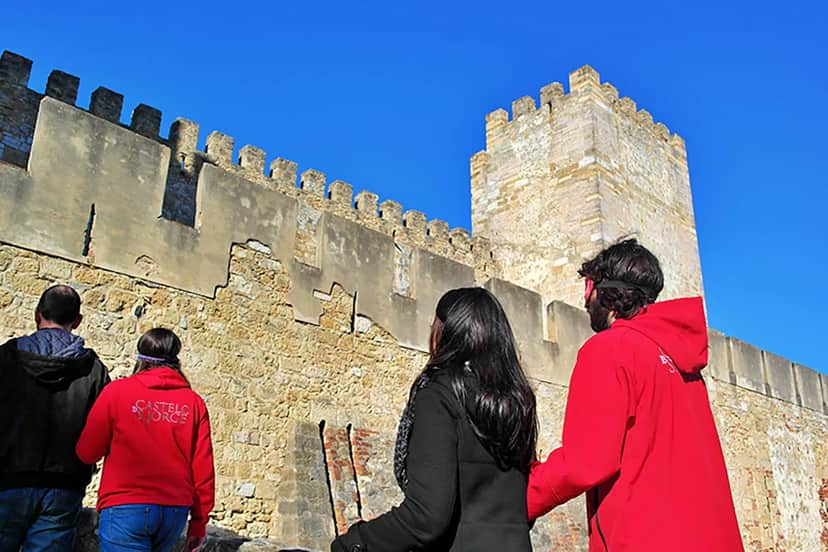
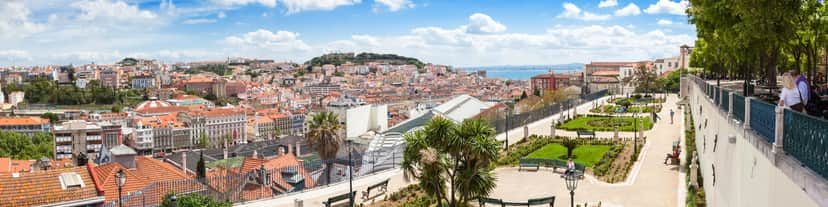
The complex is both a Moorish citadel and a medieval castle. Within it are sturdy stone walls, 11 towers, an archaeological site and a permanent exhibition space. From its position on the hill, it looks out over the historic neighbourhoods of Alfama, the Baixa district and the wide Tagus River. Inside the walls visitors find battlements, towers and an inner courtyard, and the Moorish and medieval architecture is described as exceptionally well preserved.
The Moors built the castle in the 11th century, during their occupation of the Iberian Peninsula, as a fortress to defend Lisbon against invading forces. It was first called the Castle of Alcáçova. The hill has a long history of fortification, since Celtic tribes, Phoenicians, Carthaginians, Romans and Moors all contributed to its fortifications. In 1147, Christian forces led by King Afonso Henriques captured the castle during the Siege of Lisbon, and it became a royal palace and the residence of the Portuguese monarchy. Another account says crusaders aided the king and that the castle served as a royal residence until the 1755 earthquake.
Later rulers left their mark. The castle served as a fortified residence for Alfonso III in 1255, King Denis I carried out renovations, and King Ferdinand I had a protective wall built. In the 16th century it was a military stronghold during the Spanish occupation of Portugal. Across the centuries, renovations and expansions brought Gothic and Manueline styles into a design that began as Moorish.
The original Moorish design is described as using limestone and granite, along with horseshoe arches, decorative tiles and geometric patterns. No specific architect is credited with the castle, because the Moors built it as a military stronghold; its architectural significance lies instead in the blend of styles from different periods of its history. In the 20th century the castle was restored and opened to the public as a historical landmark and tourist attraction. Today it functions as a cultural centre, hosting exhibitions, events and performances that present Portugal's history and culture.