

Filters (1)
Rating▾
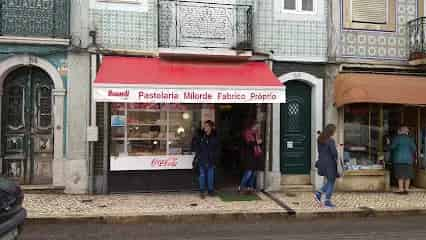
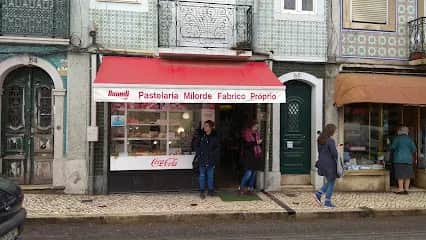 MilordeRua da Graça, 1170-169 LisboaGraçaCafés & Coffee Shops
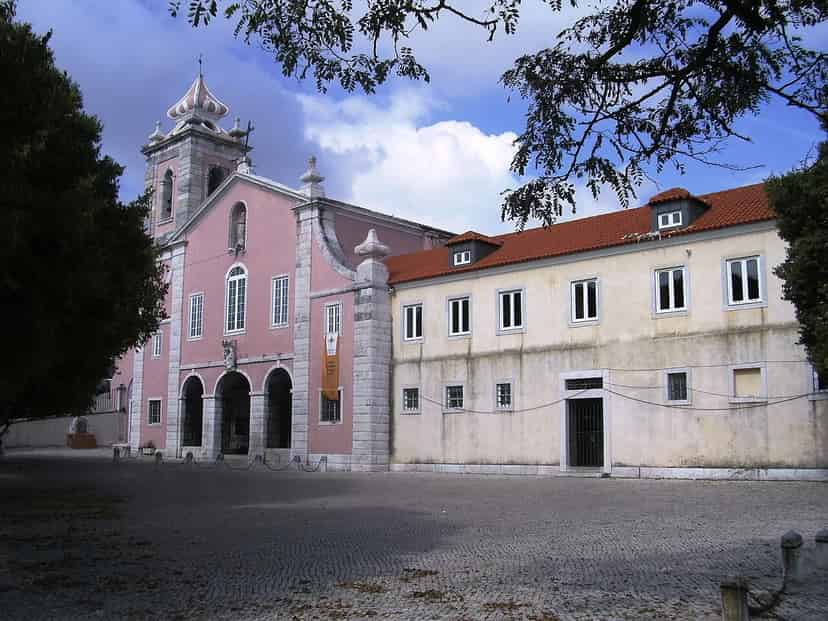
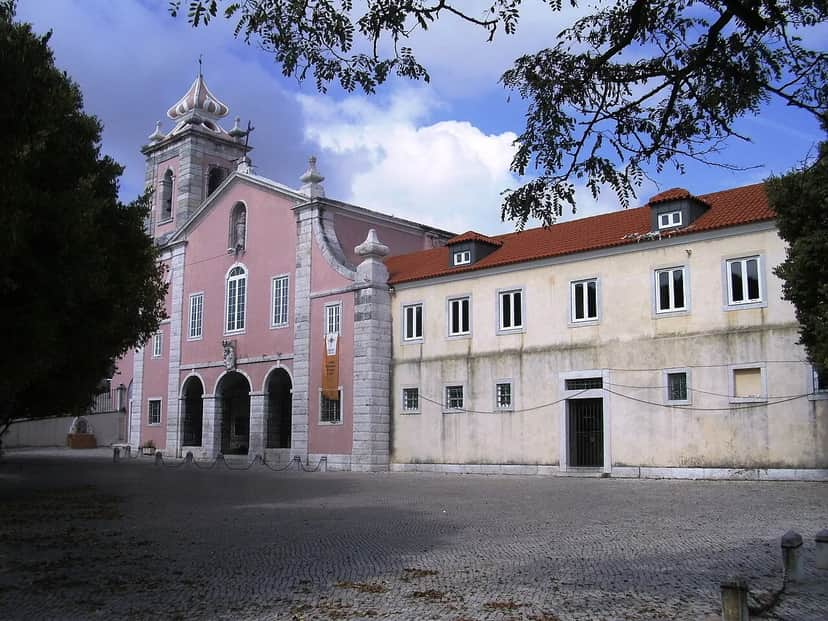 Miradouro de Nossa Senhora da PorciúnculaThe Igreja de Nossa Senhora da Porciúncula, also known as the Parish Church of Santa Engrácia or the Church of Nossa Senhora da Porciúncula of the Convento dos Barbadinhos, is located on Calçada dos Barbadinhos, in the parish of São Vicente, previously in the parish of Santa Engrácia, in Lisbon, Portugal.GraçaViewpoints & Photo Spots
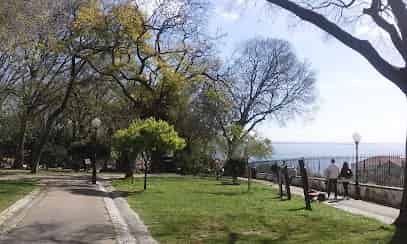
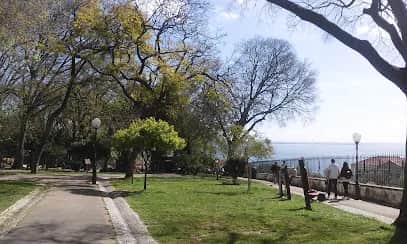 Miradouro do Jardim Botto MachadoCampo de Santa Clara, 1100-116 LisboaGraçaViewpoints & Photo Spots
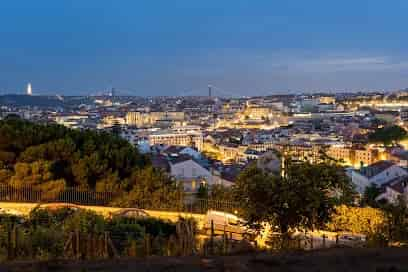
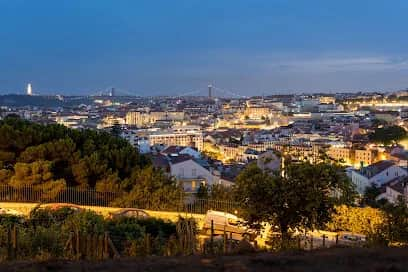 Miradouro dos BarrosRua Damasceno Monteiro s/n, 1170-113 LisboaGraçaViewpoints & Photo Spots
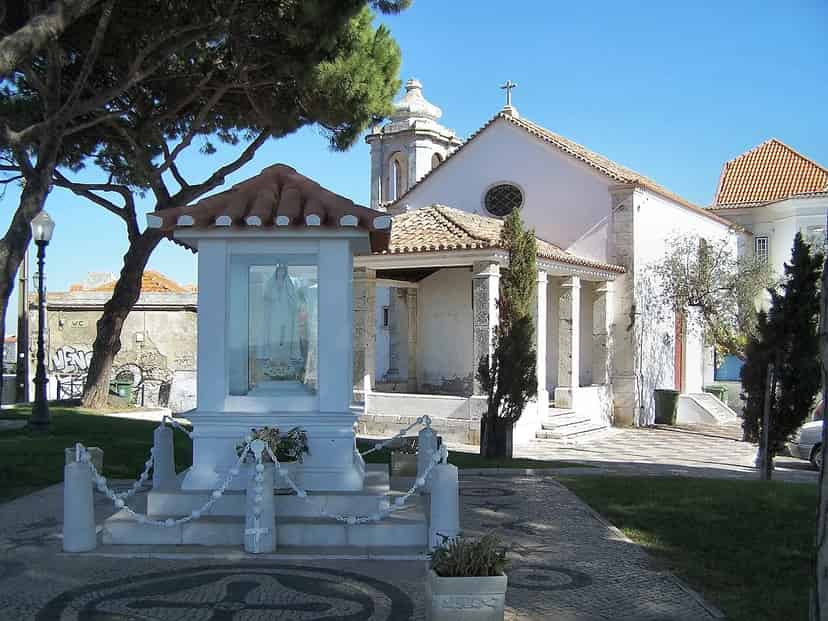
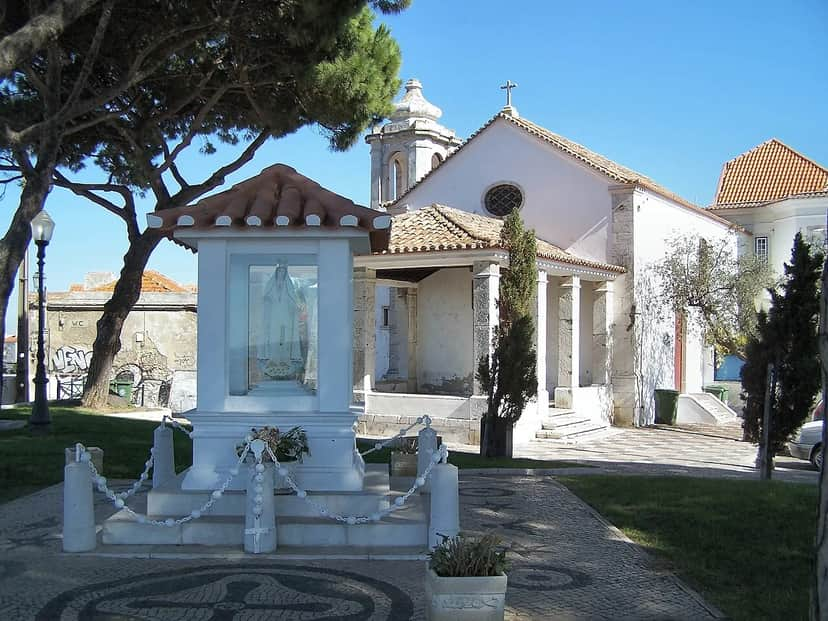 Miradouro Nossa Senhora do MonteCrowned by the small chapel of São Gens, also known as Nossa Senhora do Monte, this is one of the highest viewpoints in the city, looking out over the Tagus estuary, the Igreja da Graça, the Castelo de São Jorge and the Mouraria district. From there one can also see theGraçaViewpoints & Photo Spots
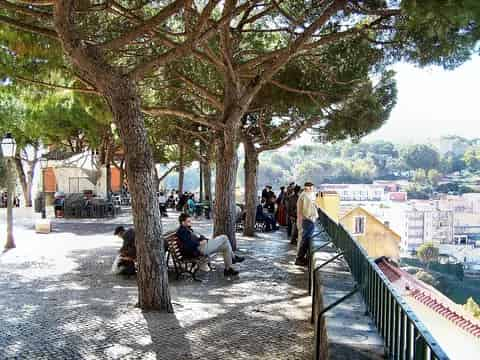
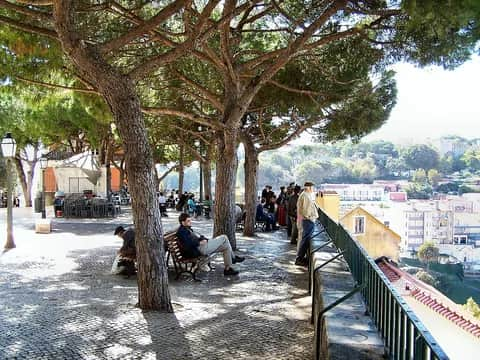 Miradouro Sophia de Mello Breyner AndresenMiradouro Sophia de Mello Breyner Andresen, 1100-266 LisboaGraçaViewpoints & Photo Spots

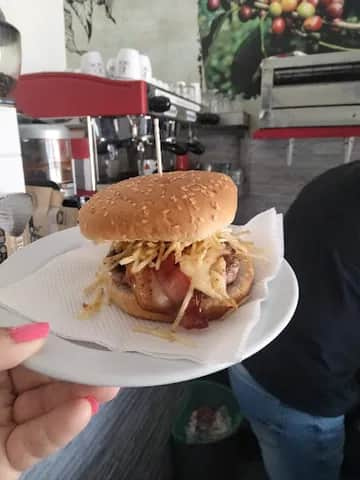 Mira TejoRua General Justiniano Padrel 19, 1170-047 LisboaGraçaFood & Drink Shops
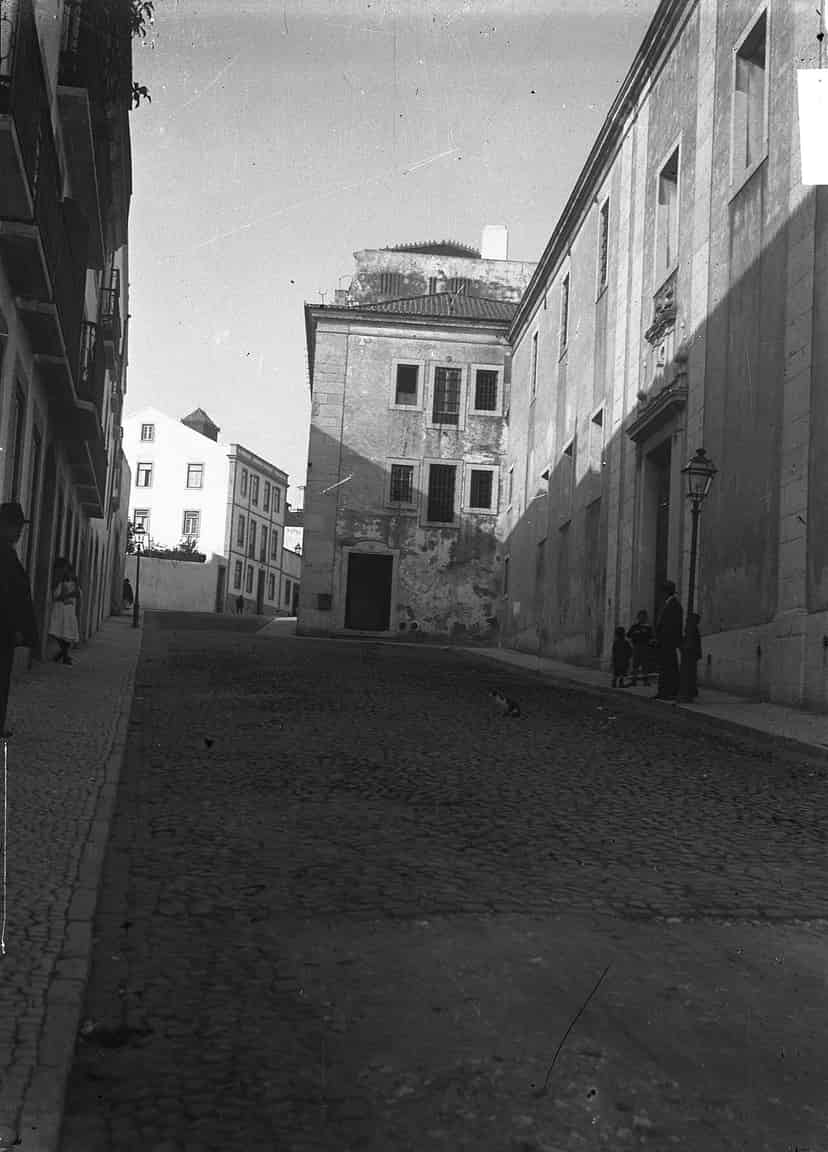
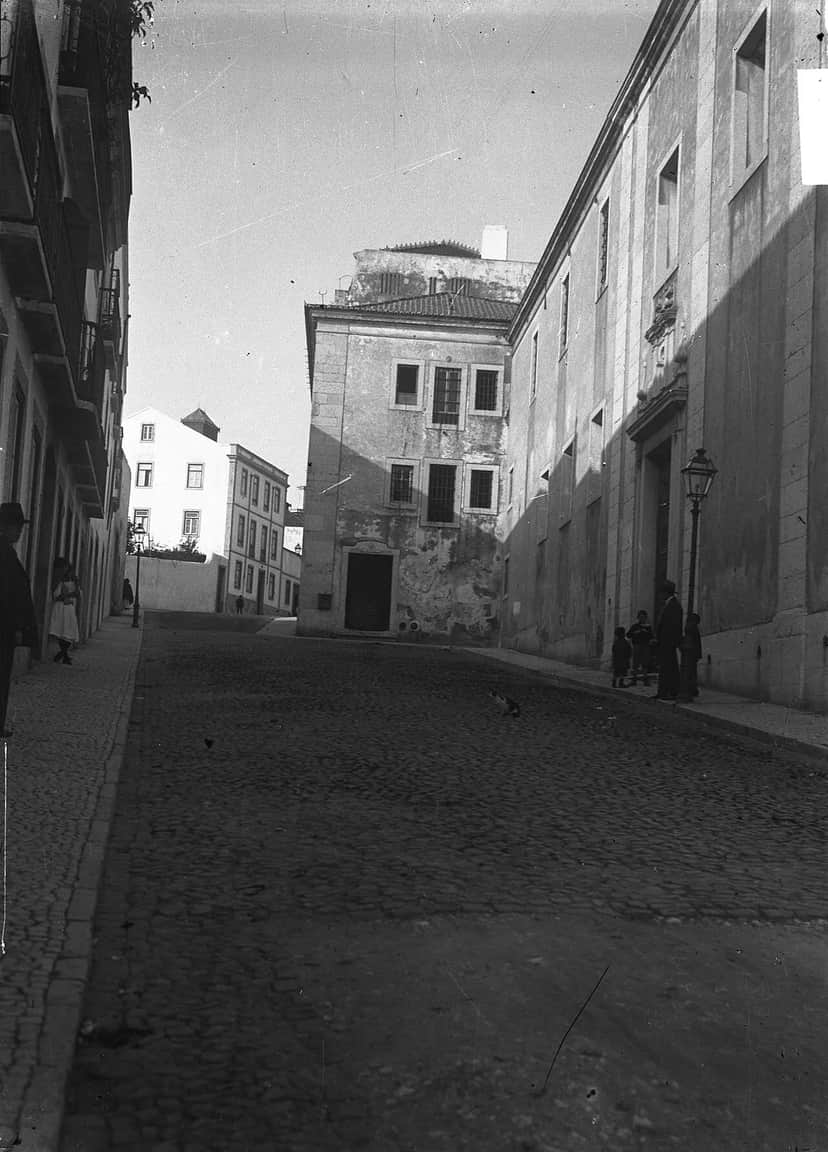 Mosteiro de Santa MónicaThe Convento das Mónicas stands at Travessa das Mónicas, 2-4, in the parish of São Vicente, formerly in the parish of Graça, in Lisbon. It was inhabited by the nuns of Saint Augustine from 1586 until the earthquake of 1755.GraçaChurches & Religious Sites
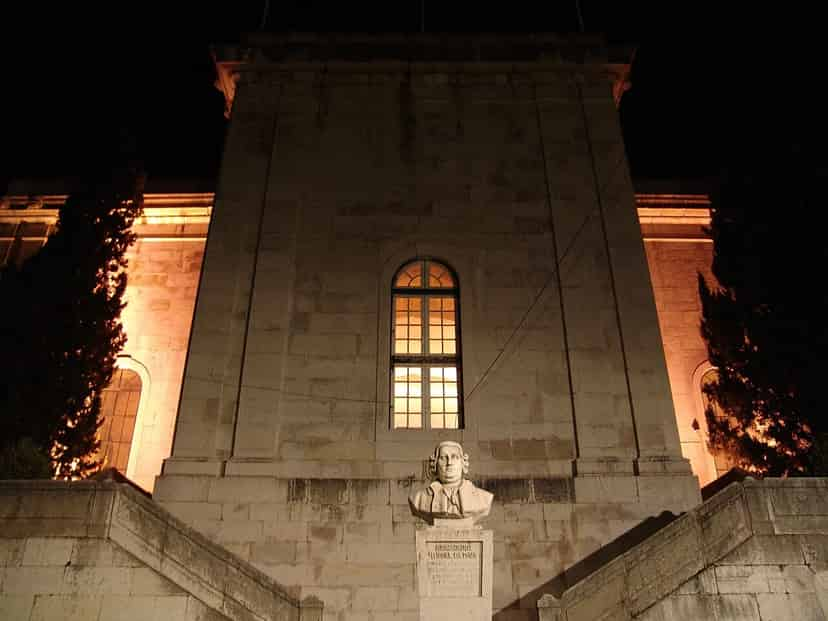
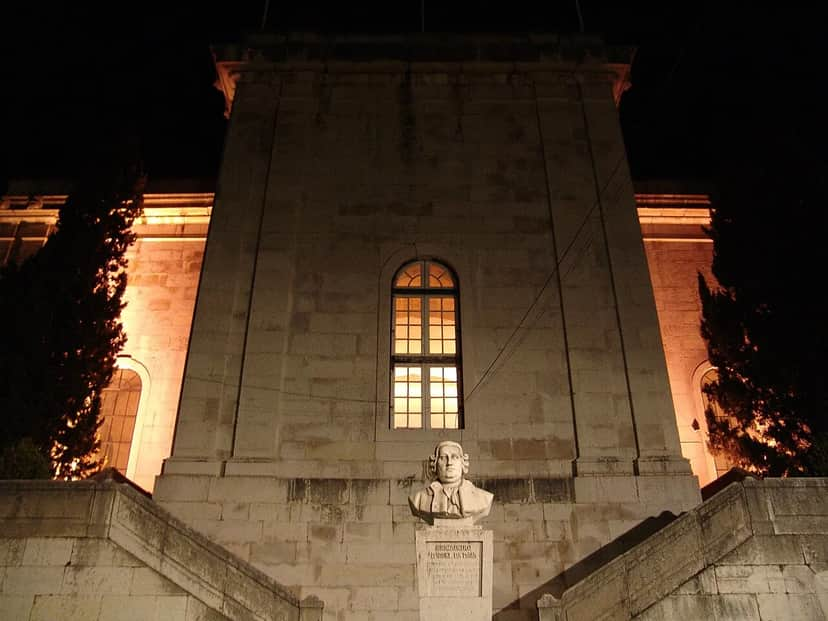 Museu da ÁguaThe Museu da Água (Water Museum), operated by EPAL – Empresa Portuguesa das Águas Livres, is located in Rua do Alviela, 12, in the Graça neighborhood of Lisbon. The headquarters also contains the Barbadinhos Steam Pumping Station (Estação Elevatória a Vapor dos Barbadinhos) which was built in 1880, and was the last section built for the Museum. The Pumping Station represents an important part of Lisbon’s industrial heritage. The Steam Pumping Station represents an important part of Lisbon’s industrial heritage and history. The Steam Pumping Station contains a number of steamed engines, that are still operational. Permanent exhibits provide visitors information on how water is polluted, the water cycle, the history of water supply to the city of Lisbon, the museum’s collection of water supply machinery. Visitors can observe how the water supply history influenced the development of the city of Lisbon. The Museum is designed to be a educational facility for visitors of all ages. One visitor guide describes the museum, which charts the various historical methods of providing the city of Lisbon with water from Roman times, in a small space. It gives details of Lisbon's initial fountains and offers visitors an opportunity to locate them. Still, another guide describes Lisbon's transition from primitive ways of providing water to the public and from fountams to an urban water supply system. The system was made up of numerous water pipes. The museum has numerous displays and exhibits to help visitors understand the water supply system and how it was gradually improved. Other buildings within the Lisbon Museum system include the Águas Livres Aqueduct, the Mãe d'Água das Amoreiras Reservoir which were all constructed between the 17th and 19th centuries. The museum is open from Tuesday to Sunday from 10:00 to 18:00. It is closed on public holidays. The museum can be contacted by telephone on (351) 218 100 215. More information about the museum can be obtained at epal.pt/epal. The Museum also has a Facebook page.GraçaMuseums
 Nest@LisbonRua Damasceno Monteiro s/n, 1170-113 LisboaGraçaApartments & Unique Stays

 Nutrilovers - Heartful FoodA craft beer producer since 2015, Oitava Colina brews beers with a focus on quality — the beers its founders wanted to drink. In Lisbon, the brand has two of its own houses/taprooms, bars with personality.GraçaBars & Nightlife

 Oakberry Açaí bowlsRua da Graça 112, 1170-050 LisboaGraçaIce Cream & Dessert Shops
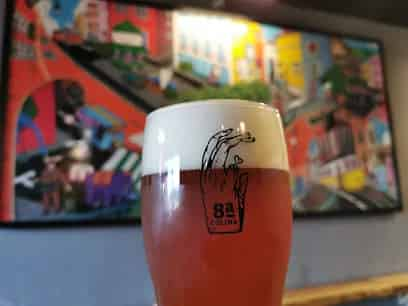
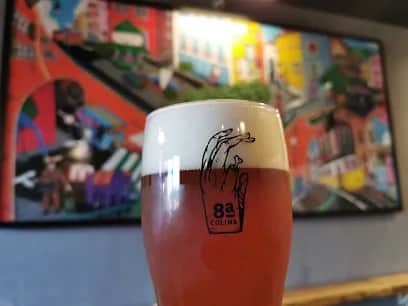 Oitava GraçaRua Damasceno Monteiro 8A, 1170-108 LisboaGraçaNeighbourhood Bars & Pubs
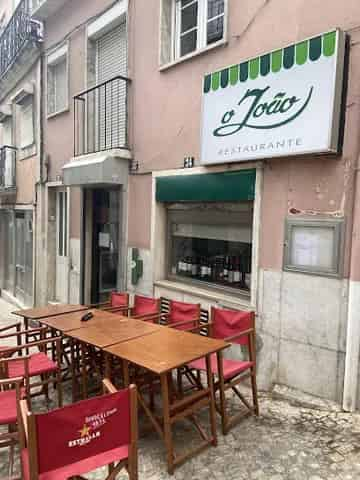
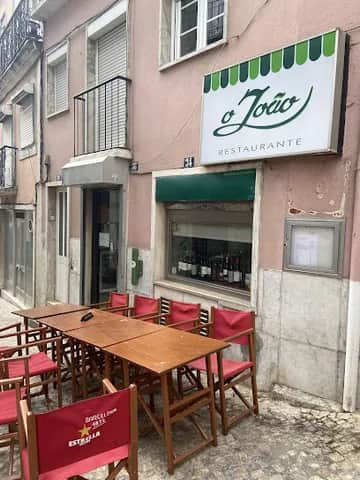 O JoãoTravessa do Monte, 1100-255 LisboaGraçaRestaurants
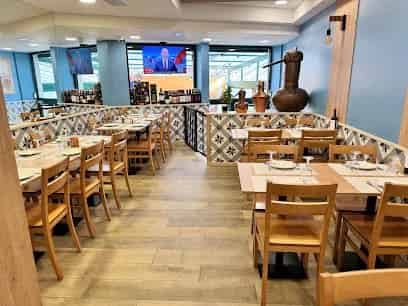
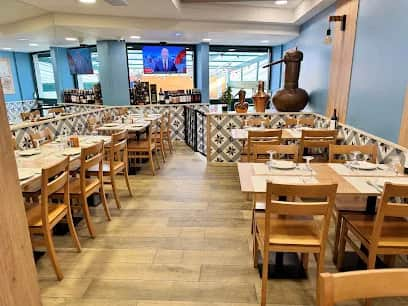 O SatéliteA restaurant in Graça, Lisbon, serving traditional Portuguese food. The menu includes steak, picanha, sardines and octopus in generous portions, plus small plates and desserts. Drinks include wine, beer, coffee and liquor. Outdoor seating is available, and food is served late at night.GraçaRestaurants
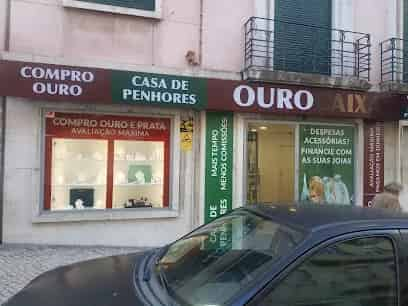
 Ouro CaixaRua Diogo do Couto 6A, 1100-091 LisboaGraçaFashion & Apparel
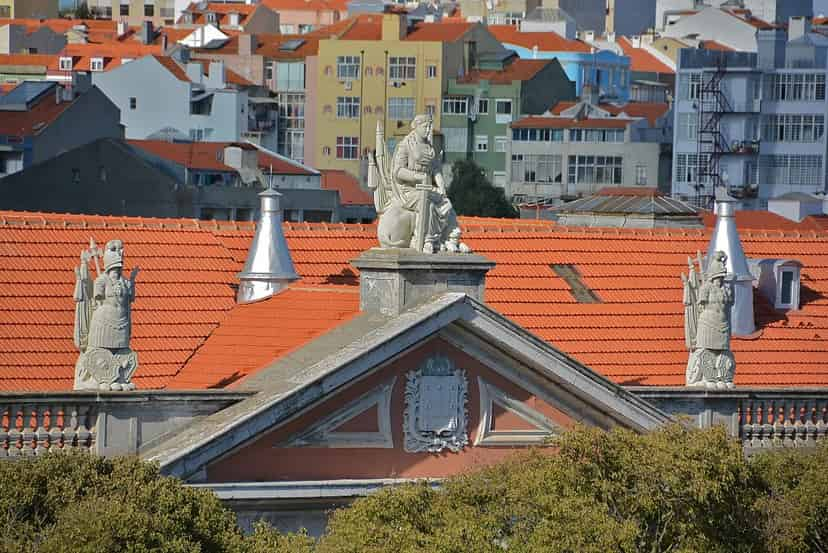
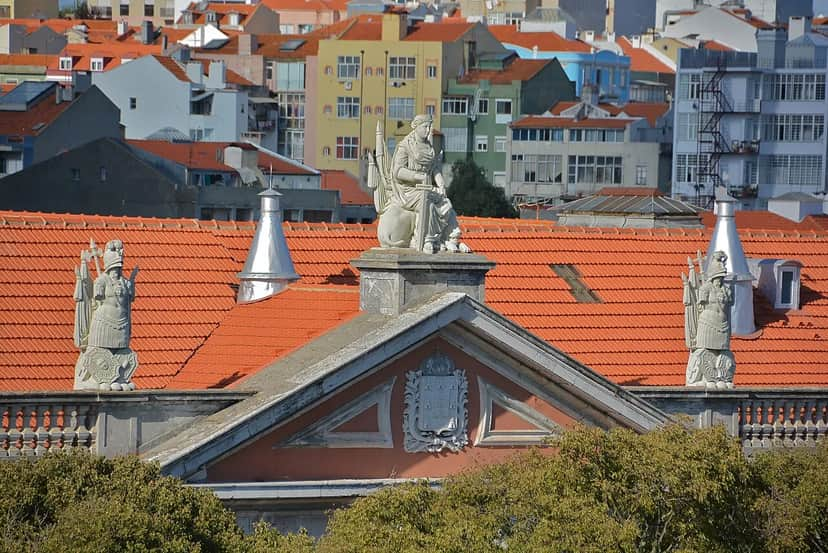 Palace of the Marquesses of LavradioBaroque palace in Campo de Santa Clara, Lisbon, PortugalGraçaMonuments & Historic Buildings
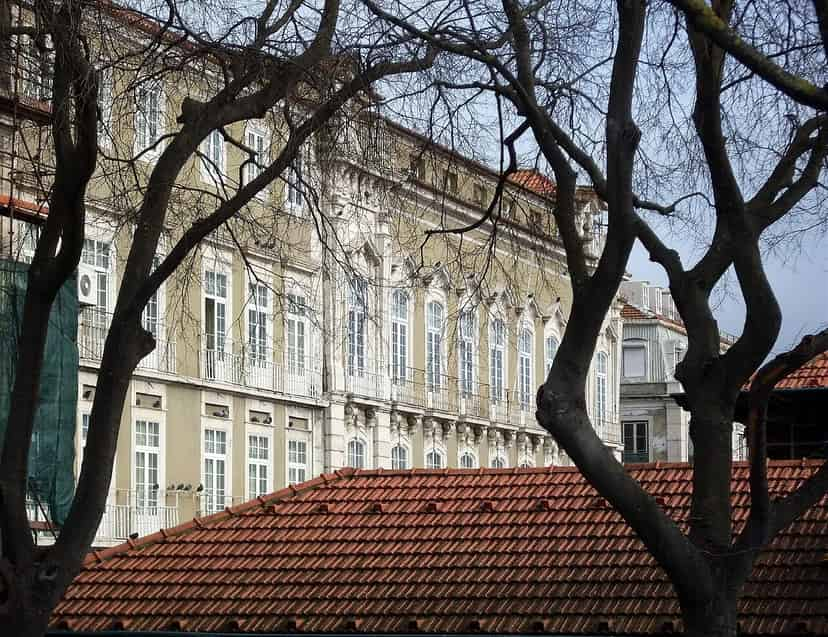
 Palácio BarbacenaAn eighteenth-century palace commissioned in the second quarter of the 18th century by the 4th Viscount of Barbacena, Luís Xavier Furtado de Mendonça, to a design by the architect Manuel da Costa Negreiros. Little affected by the 1755 Earthquake...GraçaMonuments & Historic Buildings
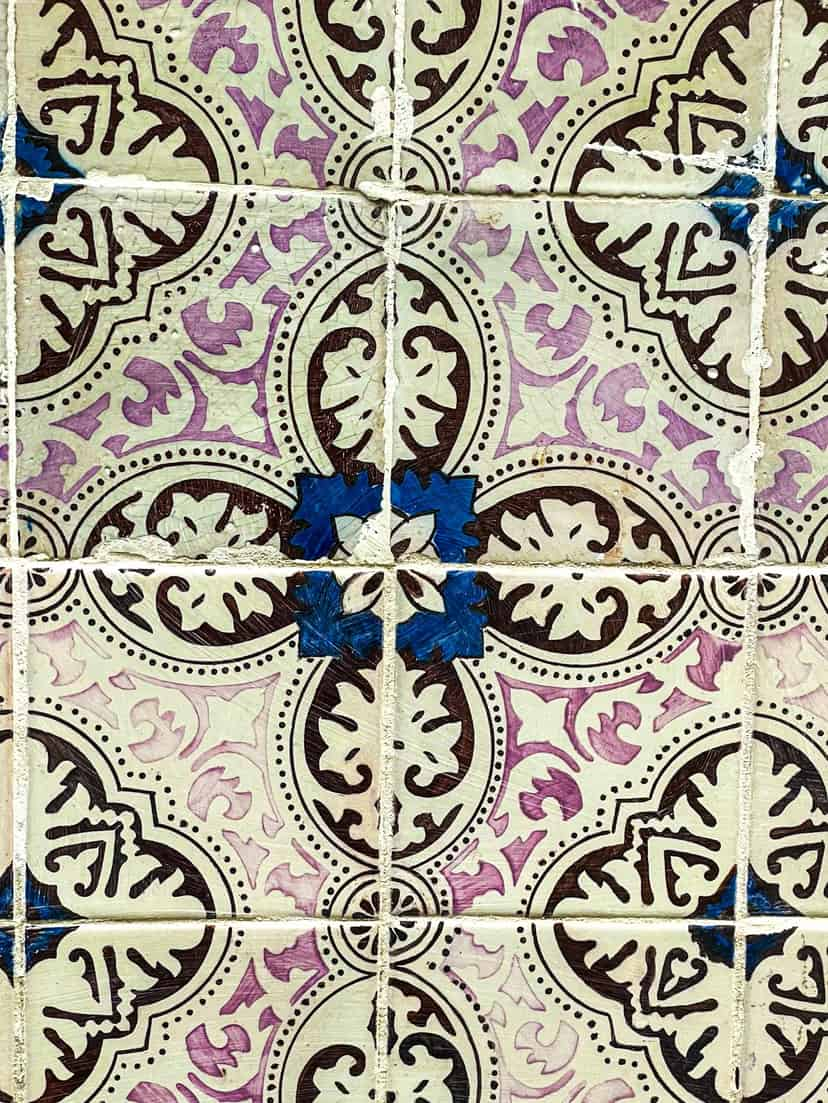
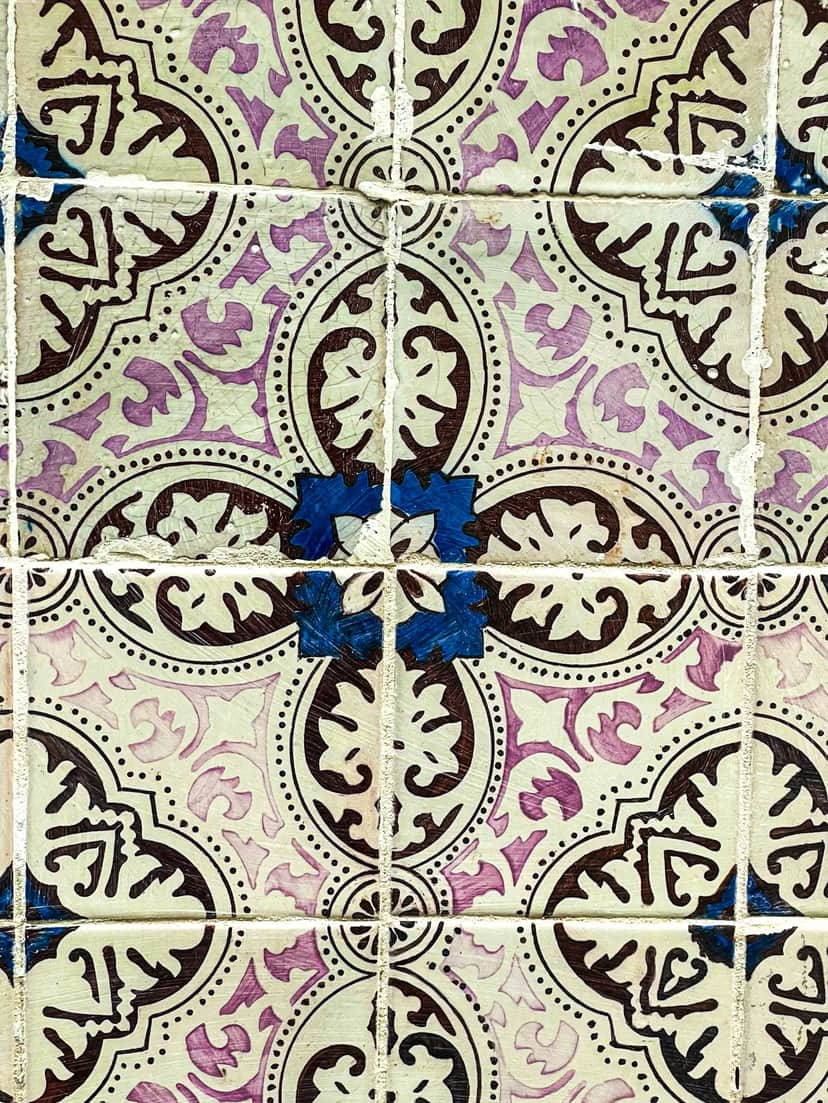 Palácio dos Copeiros-MorAlso known as Palácio dos Sousa-Menezes or Palácio Coimbra. This residence of the Sousa Menezes family was built in the late 17th century. The Duke of Terceira, who inherited it and lived there, sold it to the merchant João PedroGraçaMonuments & Historic Buildings · Illustrative photo
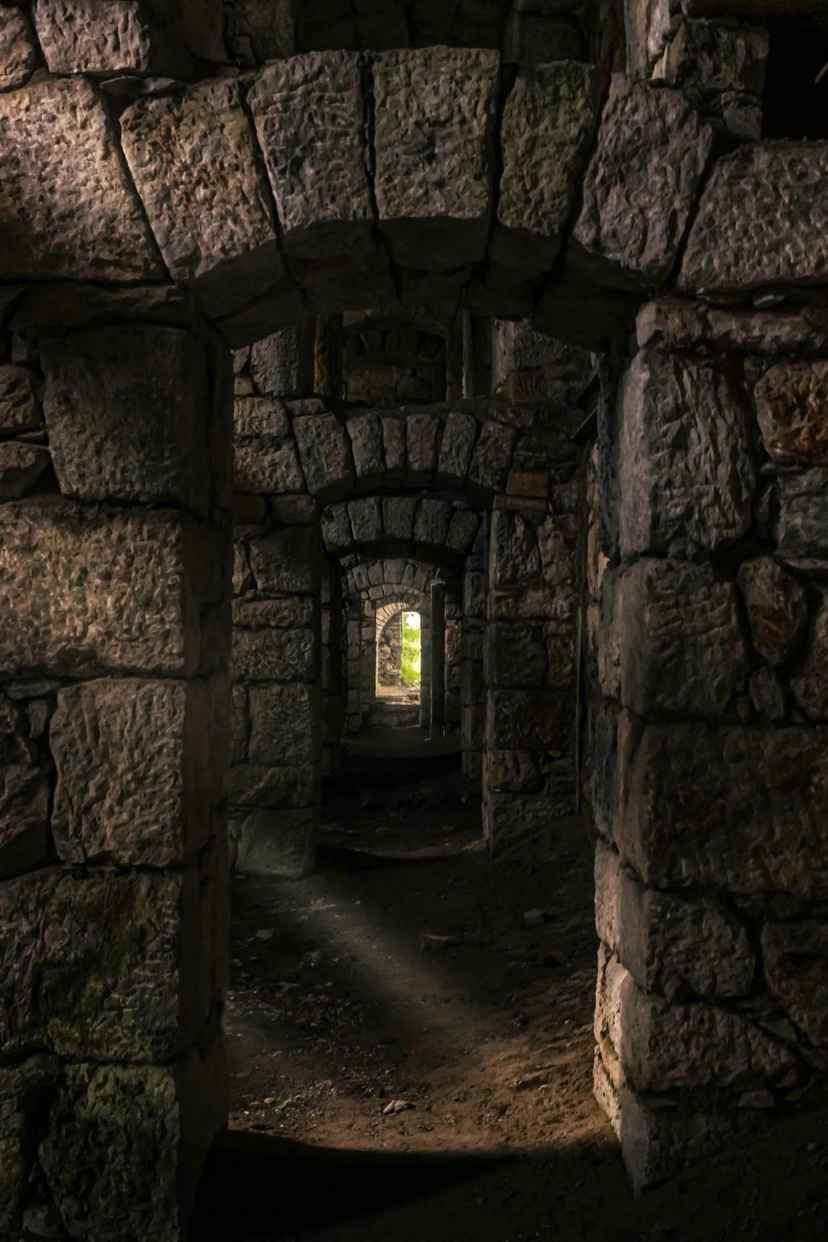
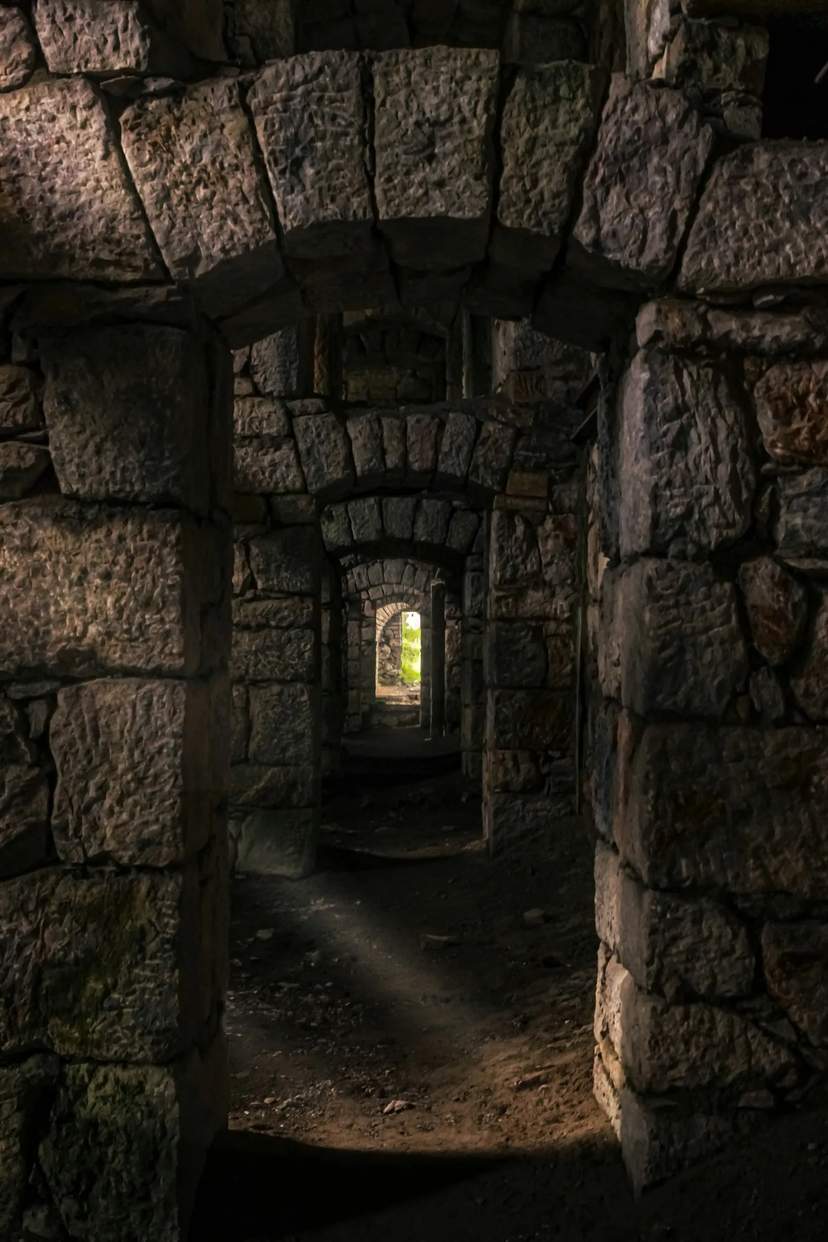 Palácio dos Senhores da TrofaThe building that was the Palácio dos Senhores da Trofa (Carvalhos e Lemos) later came into the possession of Francisco Barbosa, who inherited it from a relative of the same name. It extends along three large blocks between the Cç. da Graça and the Tv. das MónGraçaMonuments & Historic Buildings · Illustrative photo
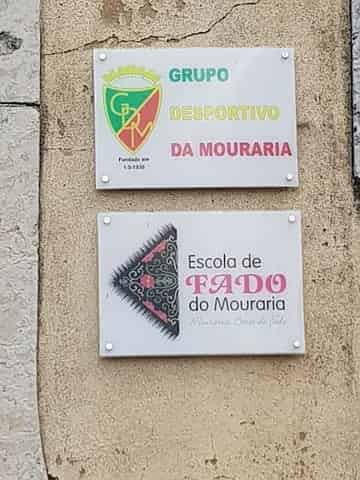
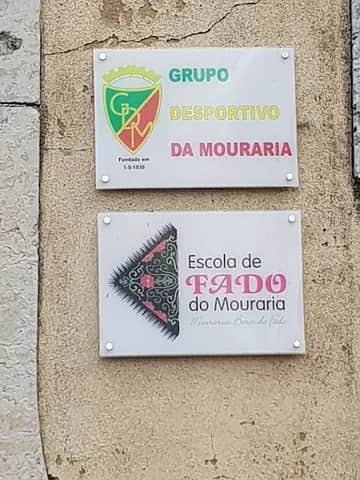 Palácio dos TávoraTravessa da Nazaré s/n, 1100-376 LisboaGraçaMonuments & Historic Buildings
- Palácio LavradioIn 1745, D. Tomás de Almeida, the 1st Cardinal Patriarch of Lisbon, on land he had acquired from his brother, ordered the demolition of the family residence that stood there and the building of this palace in the style of the period, according to a design by the architect João Frederico Ludovice.GraçaMonuments & Historic Buildings · Illustrative photo
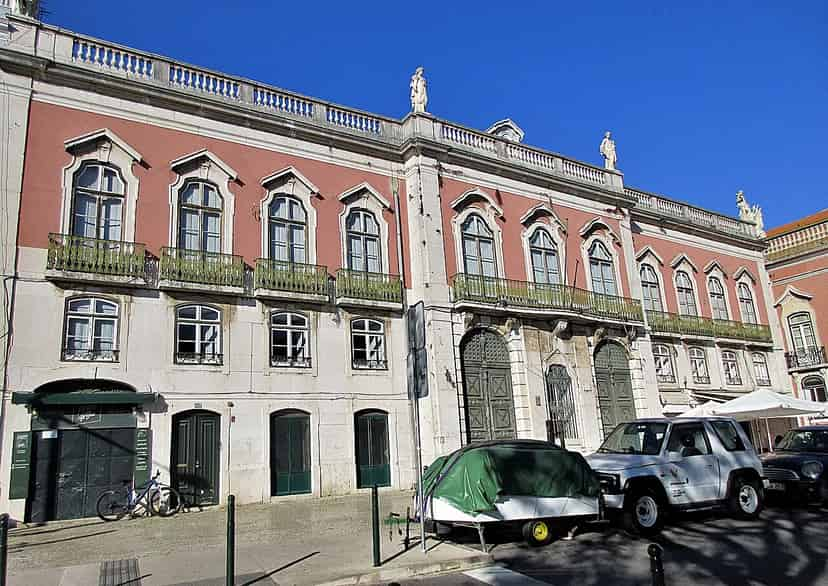
 Palácio Sinel de CordesThe Palácio Sinel de Cordes is a palace on Campo de Santa Clara, in São Vicente de Fora, Lisbon, Portugal.GraçaMonuments & Historic Buildings
- Palácio Teles de MenezesThe initial construction of this palace dates back to the early 17th century, believed to have been commissioned by Diogo Soares, Secretary of State of the Council of Portugal in Madrid, during the reign of Philip II. It passed into the hands of the Teles de Meneses family in 1734, keepinGraçaMonuments & Historic Buildings · Illustrative photo
Photo and data credits ▾
Photos: DataForSEO · Hipersyl (CC BY-SA 4.0), via Wikimedia Commons · Filipe Rocha,user:sacavem (pt) http://pt.wikipedia.org/wiki/Usu%C3%A1rio:Sacavem (CC BY-SA 3.0), via Wikimedia Commons · pt.wikipedia.org · José Artur Leitão Bárcia (Public domain), via Wikimedia Commons · oitavacolina.pt · Alejandro from Mexico City, MEXICO (CC BY 2.0), via Wikimedia Commons · Plaats (CC BY-SA 3.0), via Wikimedia Commons · Photo by Bernd Dittrich on Unsplash · Photo by Sergej Kaldesić on Unsplash · Txemari. (Navarra). from Navarra, España (CC0), via Wikimedia Commons · Data: © OpenStreetMap contributors · Wikidata (CC0) · Wikipedia (CC BY-SA 4.0)
