

Filters (1)
Rating▾
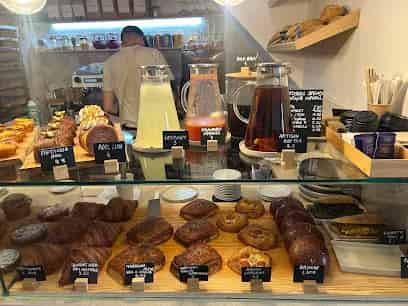
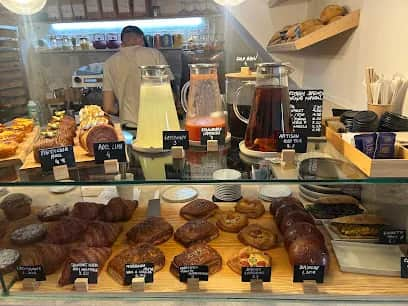 Fora Artisan BakeryCalçada de São Vicente 95, 1100-572 LisboaAlfamaCafés & Coffee Shops
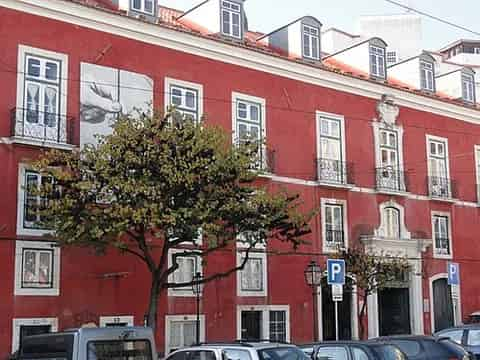
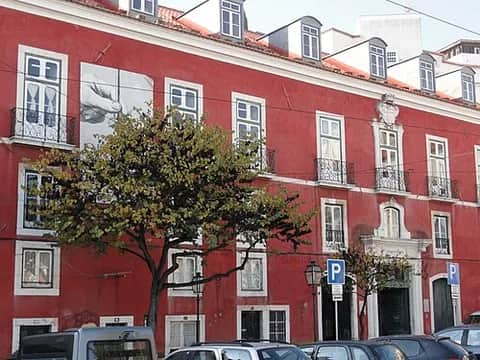 Fundação Ricardo do Espírito Santo SilvaPalácio Azurara, classified as a Property of Public Interest, dates from the 17th century and is thought to have replaced or incorporated some pre-existing buildings, set into the wall of the Cerca Moura, between two towers. Irregular in plan, it is notable for its portAlfamaMuseums
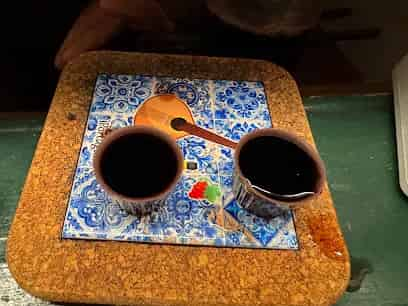
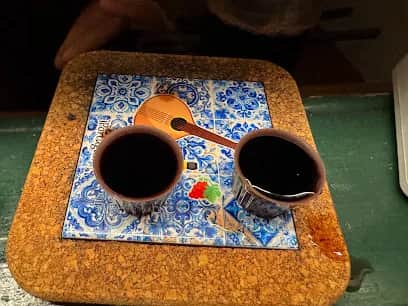 Ginjinha Da Dona AliceA bar in Alfama, Lisbon, focused on ginjinha, including homemade ginjinha. It serves the liqueur in small bottles and in chocolate cups, including white chocolate, and also offers souvenirs.AlfamaBars & Nightlife
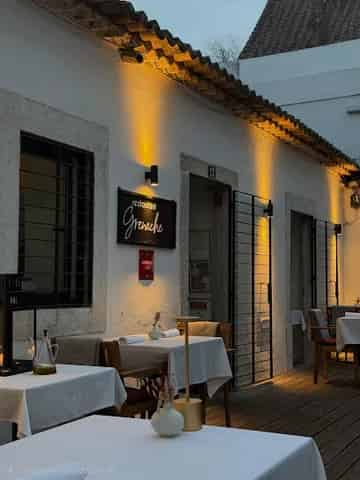
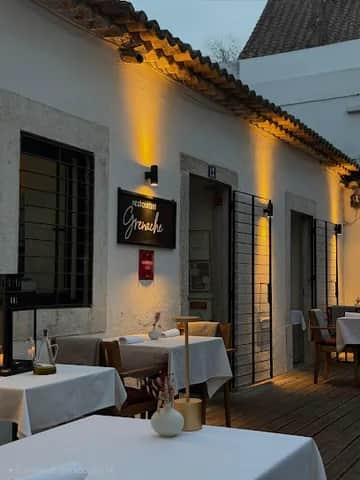 GrenachePátio de Dom Fradique 12, 1100-624 LisboaAlfamaRestaurants
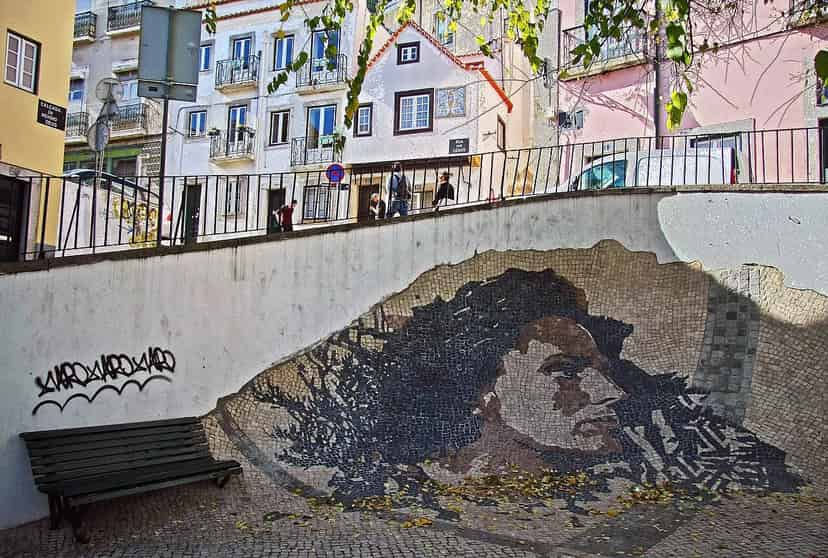
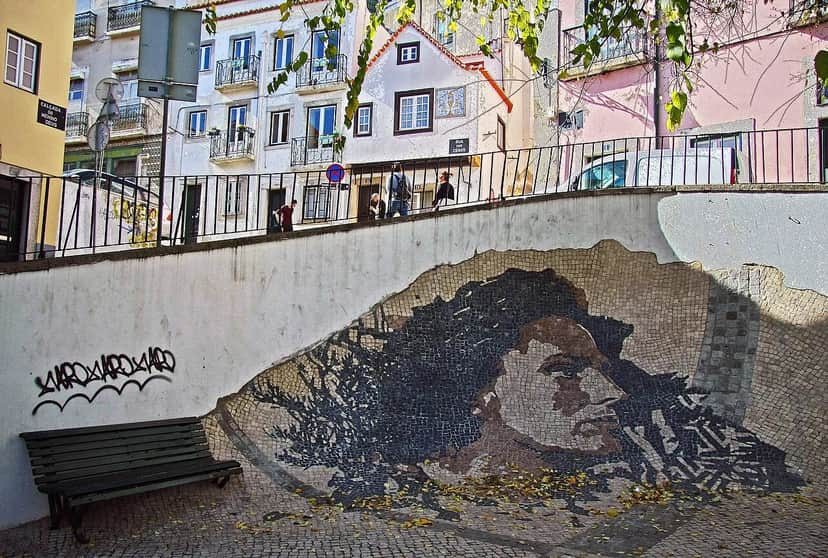 Homenagem a Amália RodriguesRua dos Cegos s/n, 1100-486 LisboaAlfamaMonuments & Historic Buildings
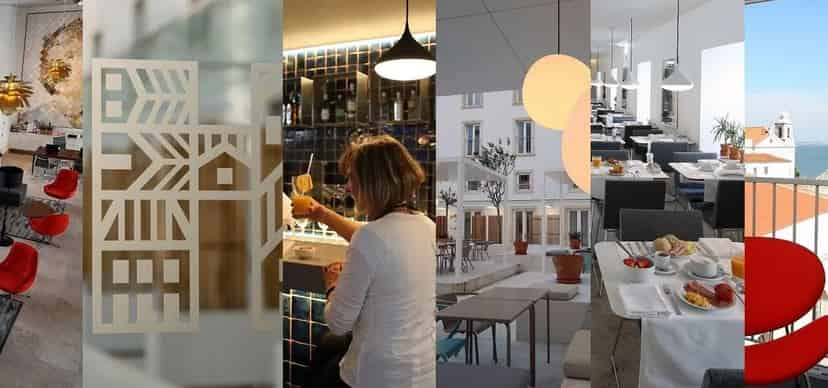
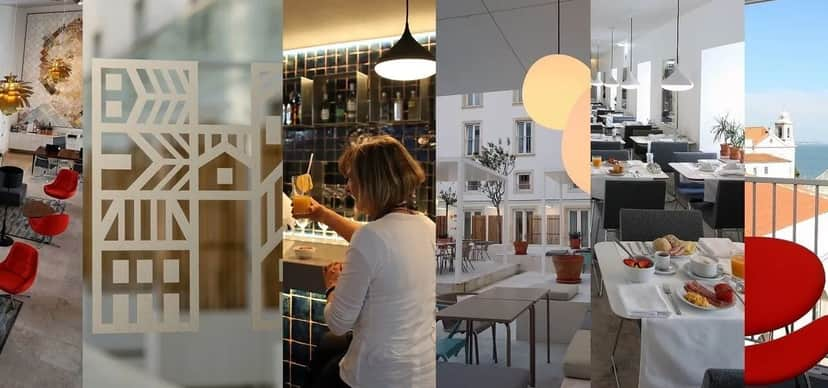 Hotel Convento do SalvadorHotel located in Alfama with panoramic views of the city and the Tagus River. It is within walking distance of almost all of Lisbon's tourist attractions. The result of the conversion of a Lisbon convent, it features contemporary décor.AlfamaHotels
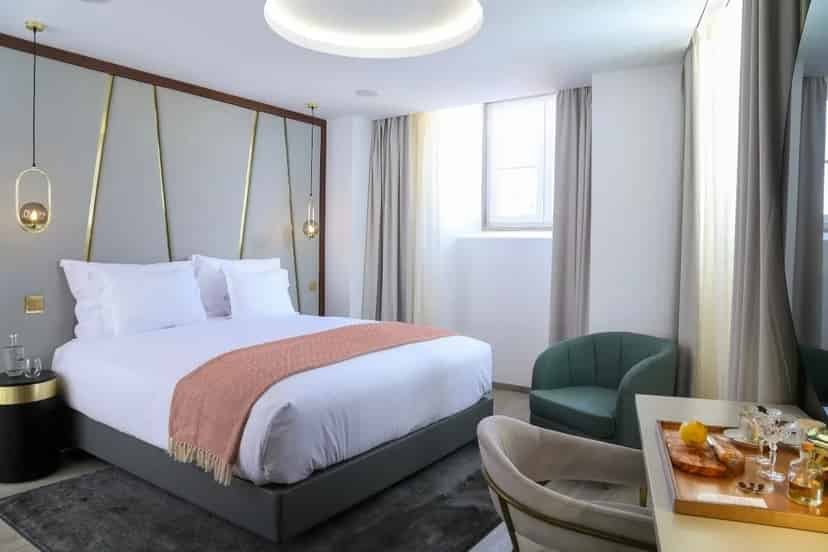
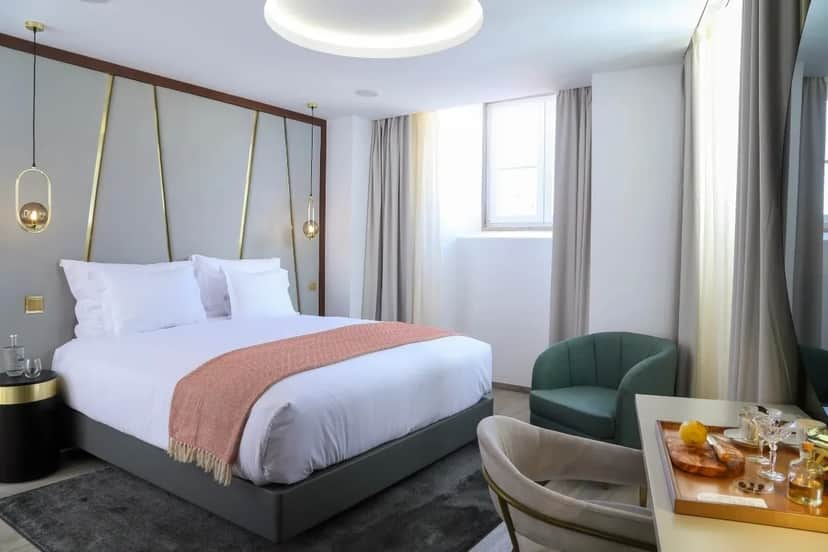 Hotel Vincci AlfamaVincci Alfama 4* is a boutique hotel in Lisbon's historic Alfama neighbourhood, set in a fully restored building that once housed a School of Arts and Crafts.AlfamaHotels
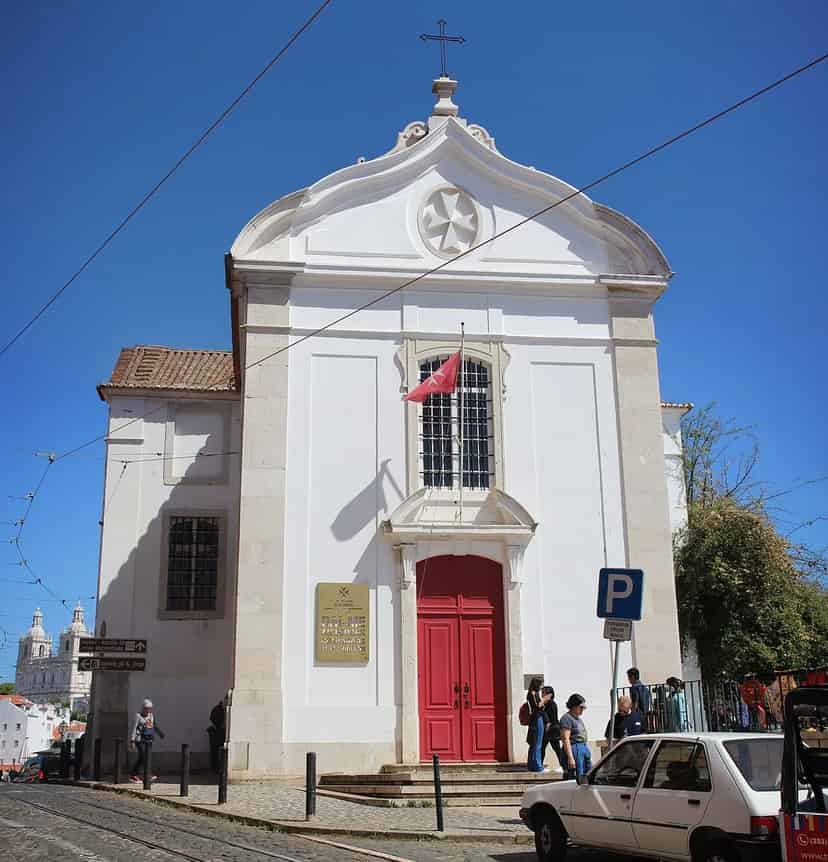
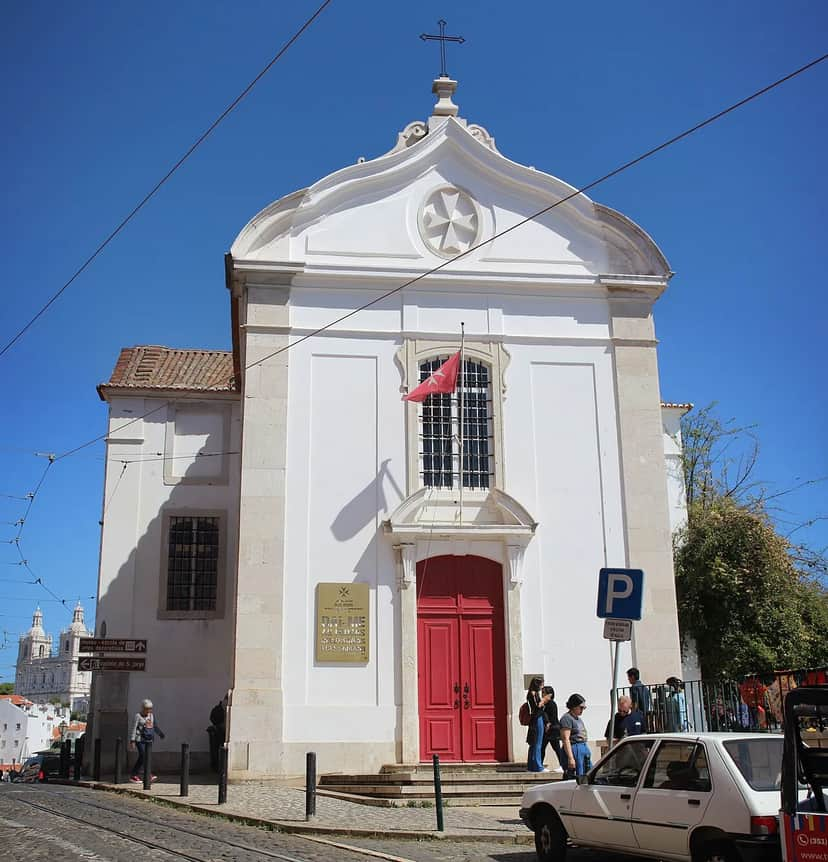 Igreja de Santa LuziaIgreja de Santa Luzia, the Church of St. Lucy, stands at Largo de Santa Luzia, 1100-487 Lisboa, in the Alfama district of Lisbon. It functions as a Roman Catholic parish church and sits beside the Miradouro de Santa Luzia, a viewing terrace. The listed opening hours are Monday to Friday from 14:00 to 17:00, and Saturday and Sunday from 10:00 to 12:00. The church dates back to the 1100s, when the Order of Malta Knights built it. It was reconstructed in the 18th century after an earthquake damaged it, and the current structure was erected in the 1700s and renovated following that quake. A walking tour called Lisbon's Iconic Tiles, created by Context Travel and offered through VoiceMap, includes the church as location 30 of 32. The narrator places this stop near the end of the tile route. The tour points to the blue azulejo tiles on the church's exterior walls, inside the garden, as a notable feature. One panel shows medieval Lisbon and its downtown as seen from Praça do Comércio, before the earthquake of 1755 destroyed that medieval part of town. Above this scene is a depiction of Santa Luzia, the patron saint of the blind and of people with diseases of the eyes. A second panel, a little further along the wall and closer to the bougainvillea, shows Crusaders attacking the castle in 1147. After a five-month siege, they took the city from its Moorish rulers. These tiles originally came from elsewhere: they were first applied in the Church of Santo André in Lisbon, before that church was partially destroyed in 1755. A Google overview also describes the southern exterior wall as an outdoor gallery of traditional Portuguese azulejos. The adjoining terrace is decorated with blue and green azulejos showing animals, historical events and landscapes, and it gives panoramic views of the old town. From the viewpoint, visitors can look out over Alfama and the Tagus and see the façade of the Church of Santo Estêvão, the towers of the Church of São Miguel and the dome of Santa Engrácia. Visit Lisboa's Fado Route description also mentions verandas and a terrace covered in bougainvillea. The viewpoint costs nothing to enter and has no official timetable of its own, and morning and late afternoon are usually the better times to go. Visit Lisboa describes Alfama as the city's oldest and most traditional neighbourhood. The viewpoint is easy to combine with Lisbon Cathedral and São Jorge Castle.AlfamaChurches & Religious Sites
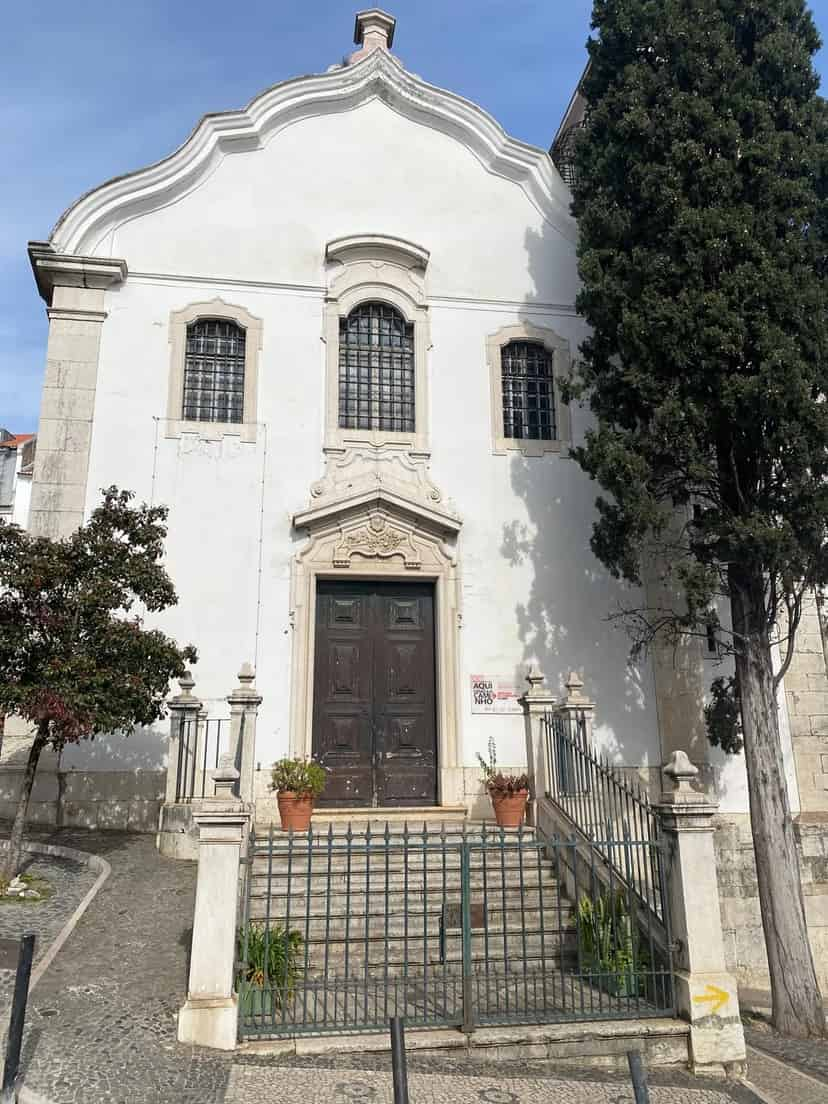
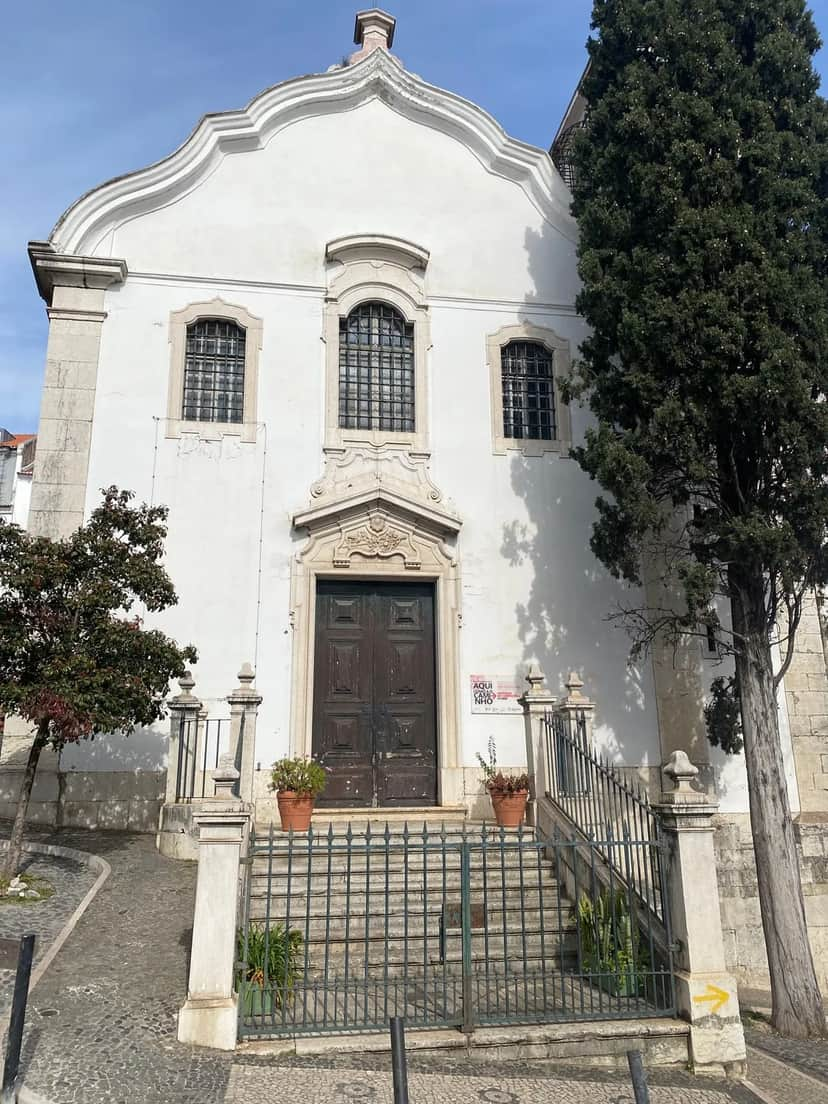 Igreja de SantiagoFounded in the 12th century, according to some authors, and subject to modifications between the 16th and 18th centuries, it was almost entirely rebuilt from 1773 onwards due to damage caused by the earthquake, reusing some earlier structural elements.AlfamaChurches & Religious Sites
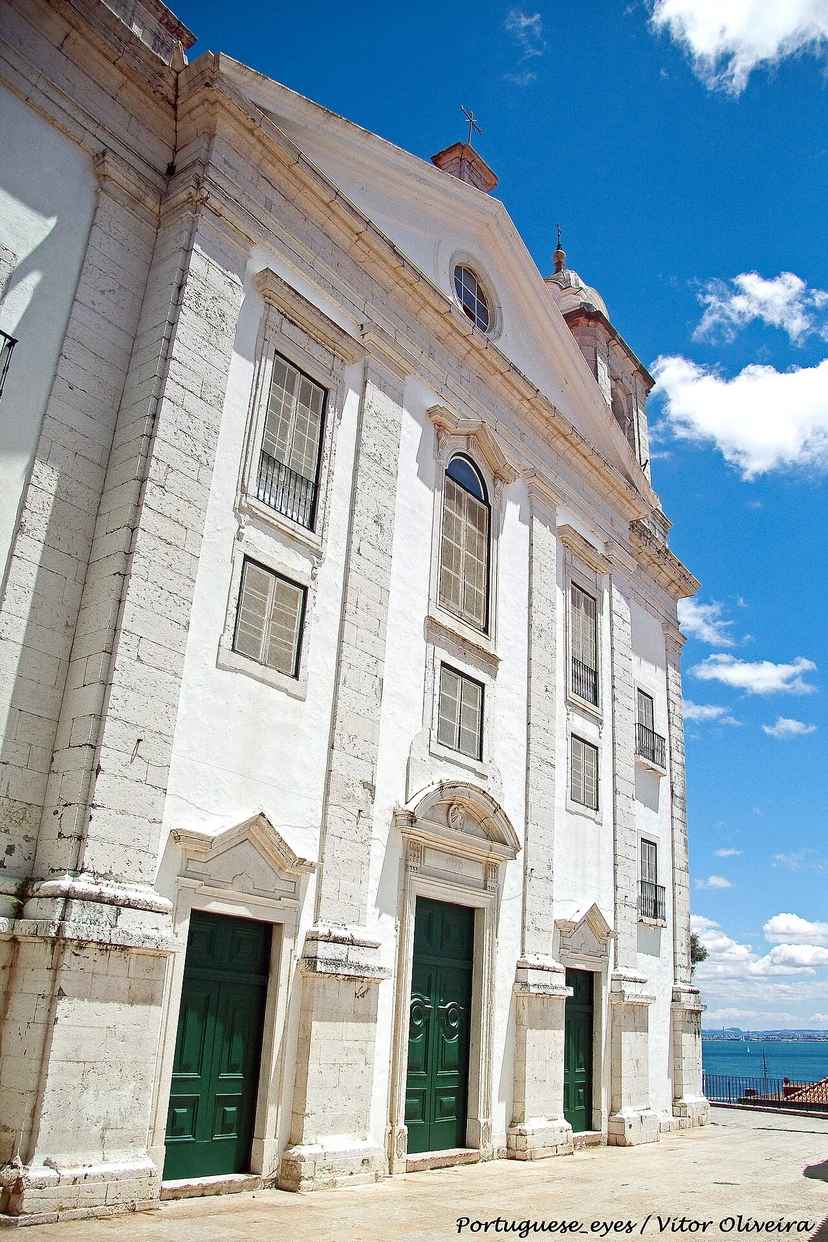
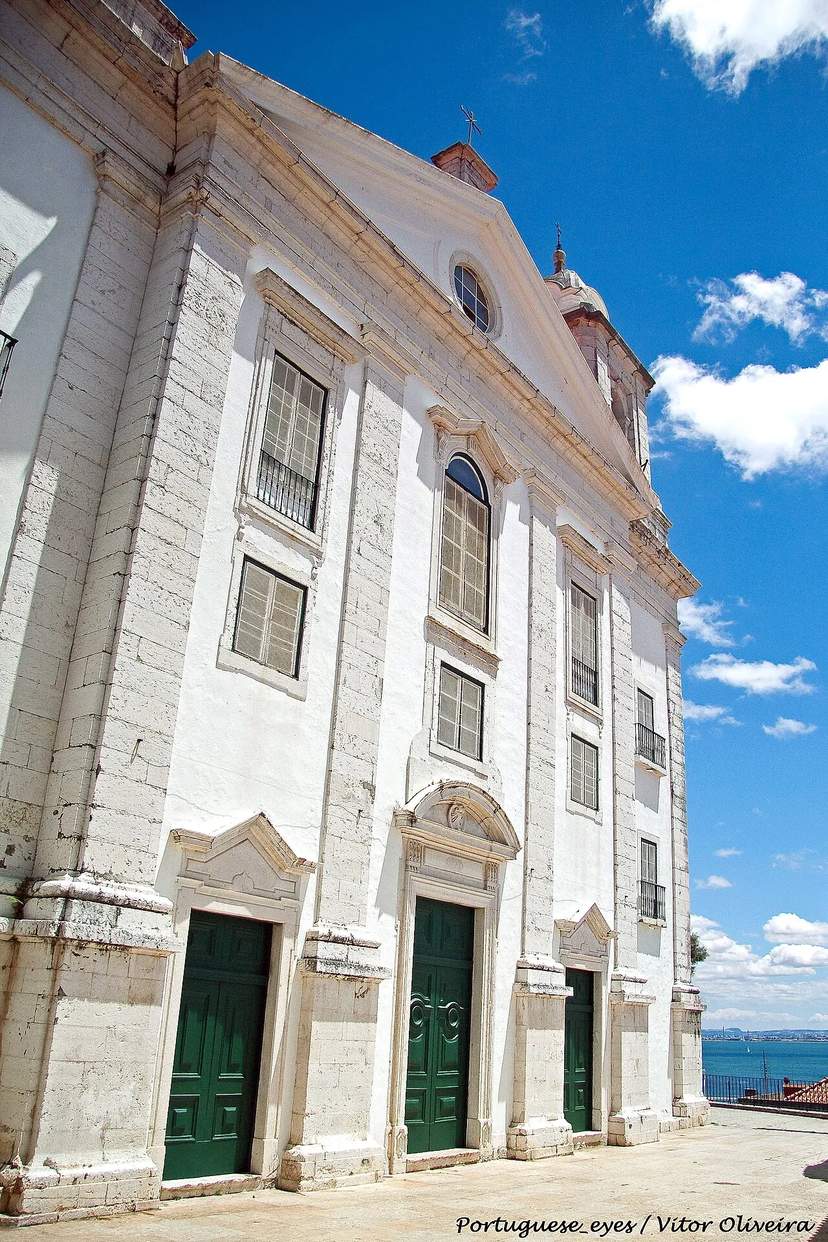 Igreja de Santo EstêvãoIgreja de Santo Estêvão is a church in the Alfama district of Lisbon, at Largo de Santo Estêvão, 1100-505 Lisboa. It belongs to the Roman Catholic Church, follows the Latin Rite and sits within the Diocese of Lisbon. The building is classified as a National Monument, a status dating from 1918 under Decree № 5 046. On the Alfama skyline it stands alongside the National Pantheon and the St. Vincent Monastery. A church of the 12th century occupied this spot. In 1733 it was rebuilt in Baroque style by the architect Manuel da Costa Negreiros, on the foundations of that earlier temple. The 1755 Lisbon earthquake damaged the building, and after renovation it reopened in 1773. The quake harmed part of the exterior and left only one of the two original towers. The church has a rectangular plan. Pilasters divide its facade into three parts, and the central part is crowned by a triangular pediment topped with a cross and flanked by two towers. Inside, the church is an example of Portuguese Baroque. Unlike many churches of its period, including the nearby Igreja de São Miguel, it is not entirely covered in gilt. The main altar has a stone altarpiece, combined with wood ornaments and gold leaf. A group of sculptures shows a crucified Christ surrounded by angels. The interior also holds side altars, statuary and the tiles of the old sacristy. Beside the church is a terrace that serves as a viewpoint, known as Miradouro de Santo Estêvão, overlooking the river and the Alfama neighbourhood. From there, steps lead down the hill towards the waterfront, passing houses and alleys that give the area a village atmosphere. The guide reports no public transportation nearby. It suggests entering Alfama by the steps going down from the Portas do Sol viewpoint, which can be reached by tram 28 or bus 737, or on foot uphill from downtown and the cathedral, following the tram tracks. Entry is free, but the doors are usually closed, so seeing the interior means attending Mass on Sunday morning. Listed hours are 16:00 to 18:00 on Tuesday, Thursday and Saturday, and 10:00 to 12:30 on Sunday, with Monday, Wednesday and Friday off. Another source gives only Sunday at 11:30am and Tuesday at 6pm, with no Tuesday opening in July, August and September, and notes that hours can change without notice. Nearby, the other main church of the neighbourhood is Igreja de São Miguel, and the Fado Museum is down by the riverfront.AlfamaChurches & Religious Sites
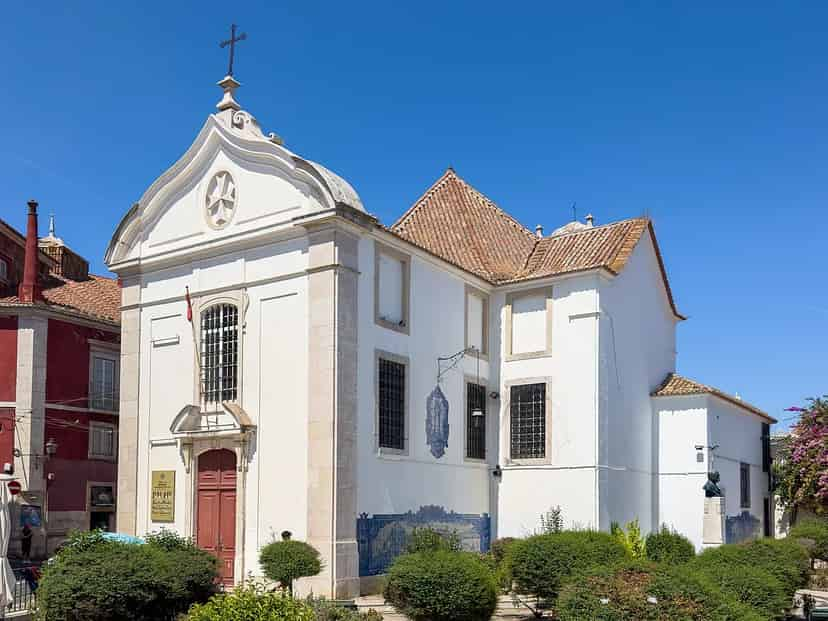
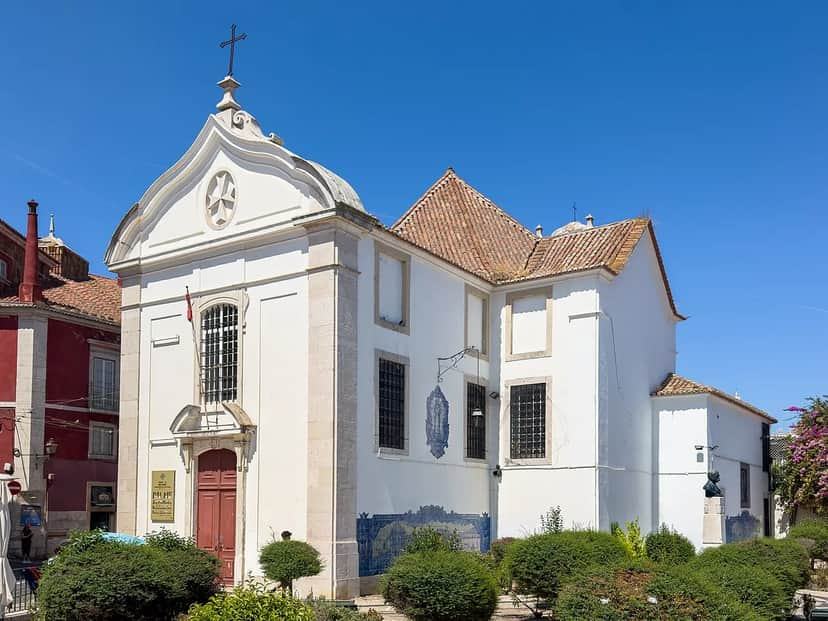 Igreja de São Brás e de Santa LuziaA church built on the Moorish wall and closely linked to the Knights of the Order of Malta, whose origins appear to date back to the 12th century. Originally, it was a fortress-church looking out over the outskirts of the eastern part of the city.AlfamaChurches & Religious Sites
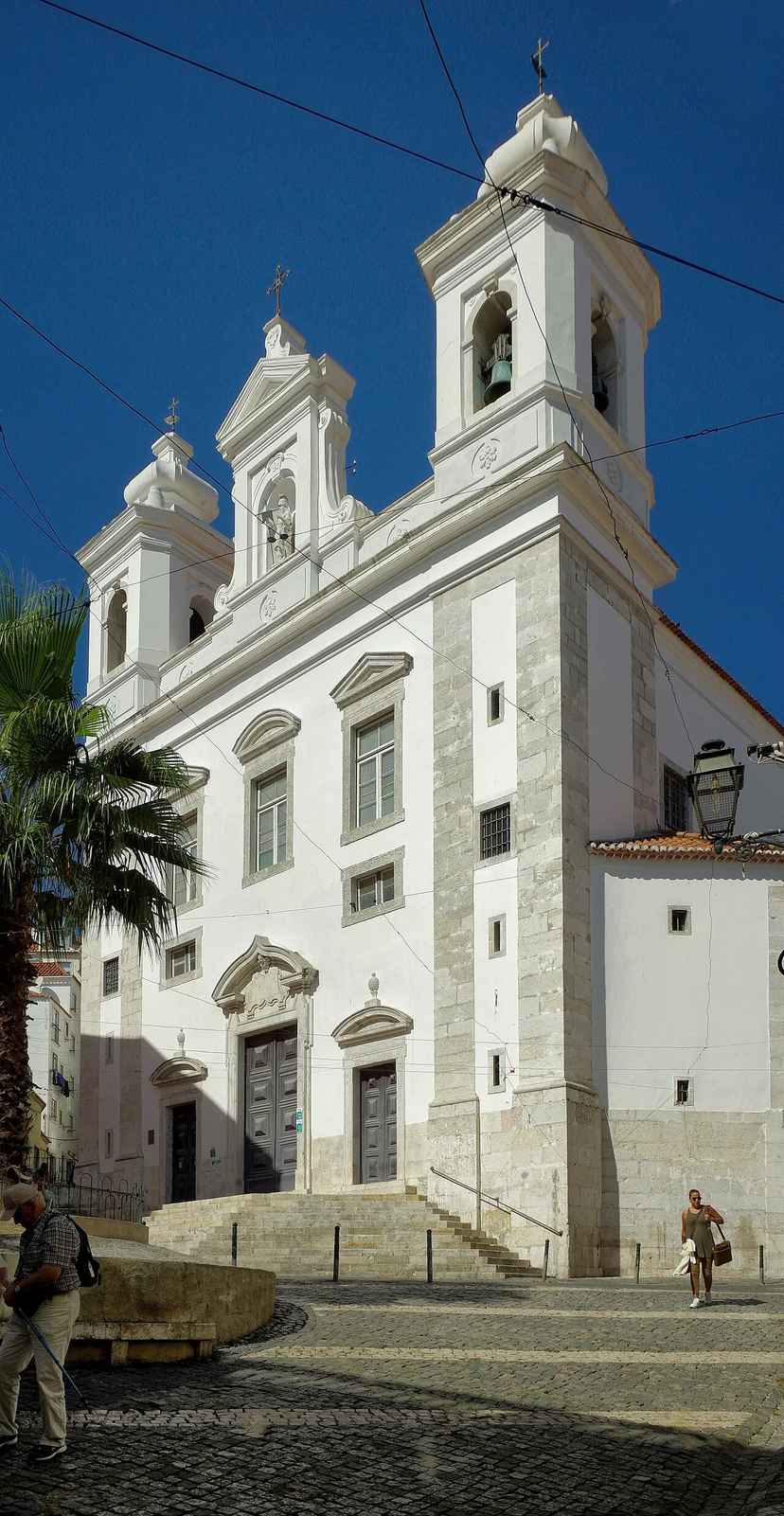
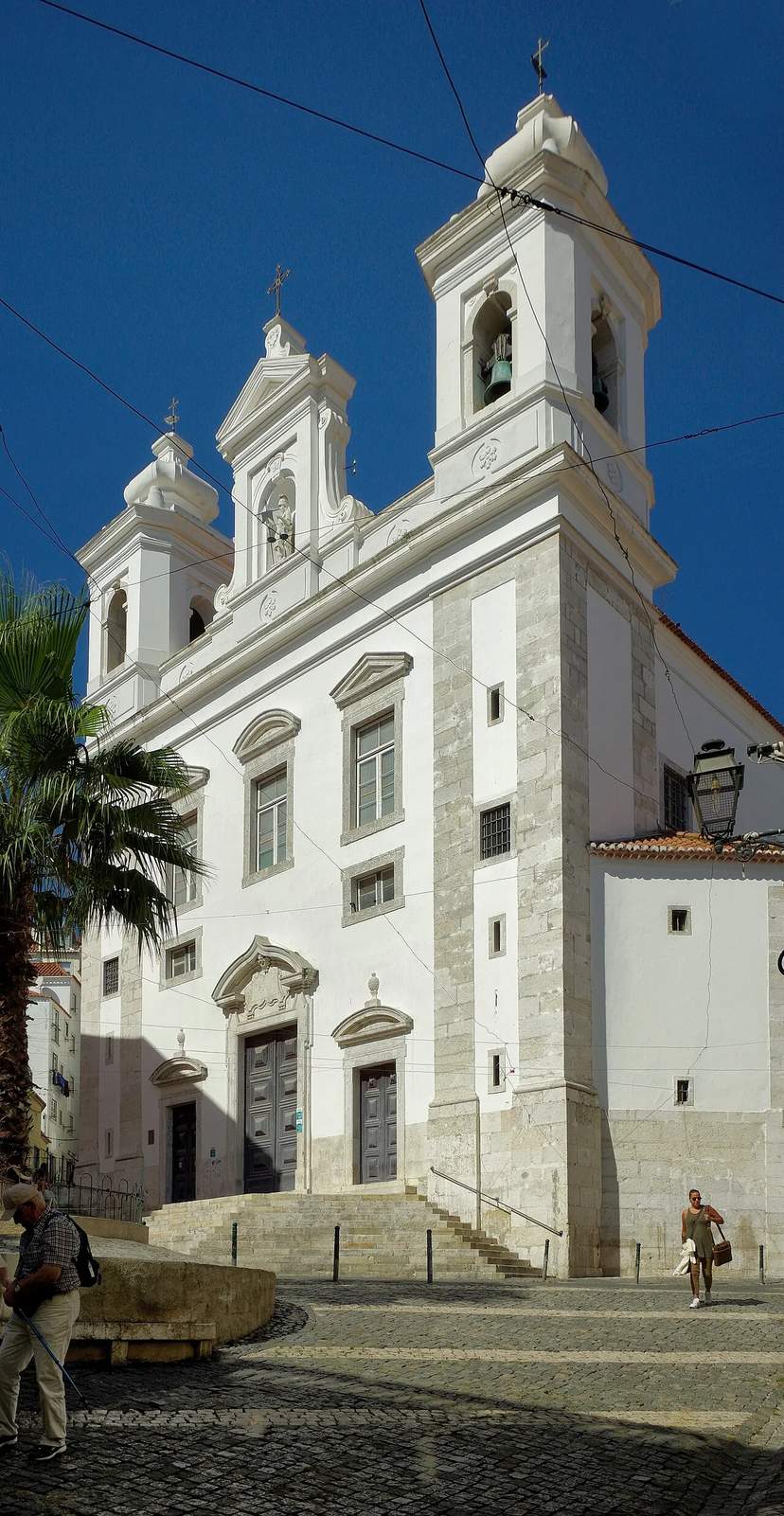 Igreja de São MiguelA Mannerist and Baroque church whose foundation dates back to the mid-12th century. Completely rebuilt between 1673 and 1720 to a design by João Nunes Tinoco, it was damaged by the 1755 earthquake and quickly restored.AlfamaChurches & Religious Sites
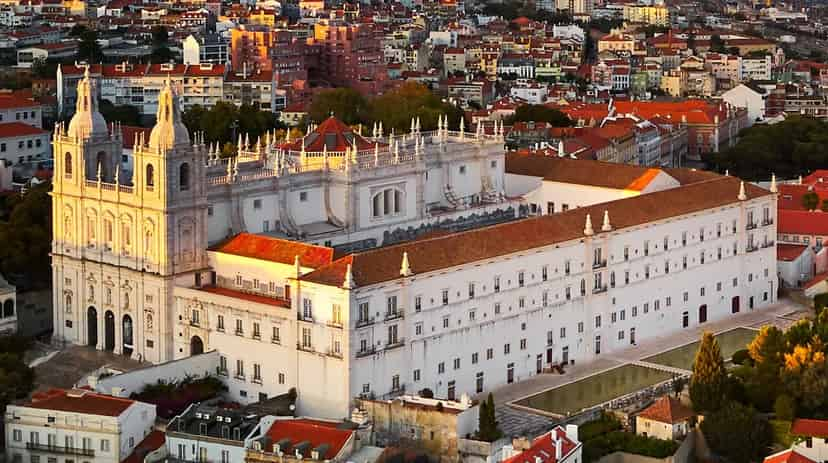
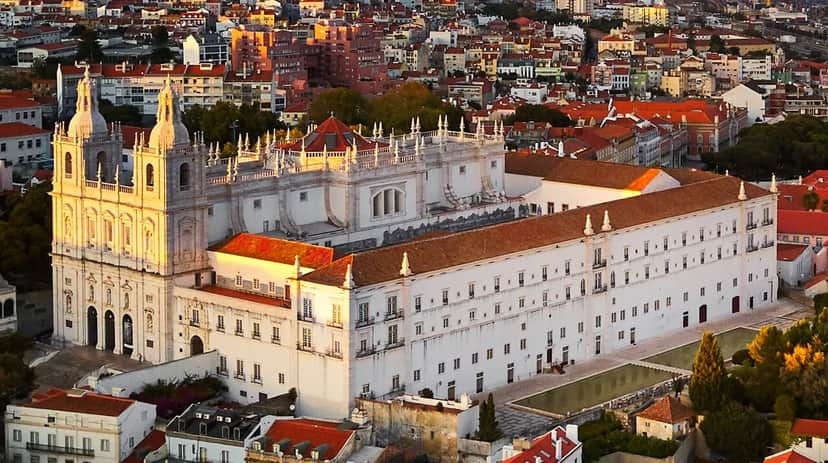 Igreja de São Vicente de ForaIgreja de São Vicente de Fora stands at Largo de São Vicente, 1100-572 Lisboa, on a hill next to Alfama and Graça. The church belongs to a larger complex that also holds an Augustinian monastery, a museum of sacred art and the Royal Pantheon of the Braganza Dynasty. The name, meaning St. Vincent on the Outside, refers to the original church of 1147, which was built outside the city walls. The site grew out of a vow by Portugal's first king to build churches where crusaders from Portugal and northern Europe were buried. The present monastery dates from a reconstruction begun in 1582 by the Spanish architect Juan Herrera, who also designed the Escorial outside Madrid. Its Italian mannerist style served as a model for Portuguese religious architecture, influencing churches across the empire, from Brazil to Macau. The building originally had a dome, but it collapsed onto worshippers during the 1755 earthquake and was never rebuilt. The cloisters are richly decorated with baroque tiles, and the complex is also described as holding a large collection of 18th-century azulejos, the blue-and-white Portuguese ceramic tiles. Among them are 38 panels illustrating the fables of La Fontaine, created by Policarpo de Oliveira Bernardes between 1740 and 1750. Other panels show scenes from the history of Portugal, including the siege of Lisbon in 1147. There is also an ancient cistern. The pantheon of the Bragança dynasty includes the marble tomb of Catherine of Bragança, a Portuguese princess who married King Charles II in 1662 and so became queen of England. The main tomb is that of Carlos I, the next-to-last king of Portugal, who was assassinated shortly before Portugal turned into a republic. A life-size statue of a weeping woman, her hands covering her face, stands over it. Visitors can climb to the rooftop to get close to the towers and look out over Alfama, the river and the National Pantheon. Admission is €4.00 and is not covered by the Lisboa Card. The listed opening hours are Monday to Saturday from 10:00 to 18:00 and Sunday from 10:00 to 19:30, although one guide says the monastery is closed on Mondays. Tram 28 stops right outside, at the stop called Voz do Operário, and holders of the Lisboa Card ride it for free. You can also walk from the Portas do Sol viewpoint by following the tram tracks. Behind the monastery are the National Pantheon and the site of a flea market, held on Tuesday and Saturday mornings. Further up the hill along the tram tracks is the Graça viewpoint.AlfamaChurches & Religious Sites
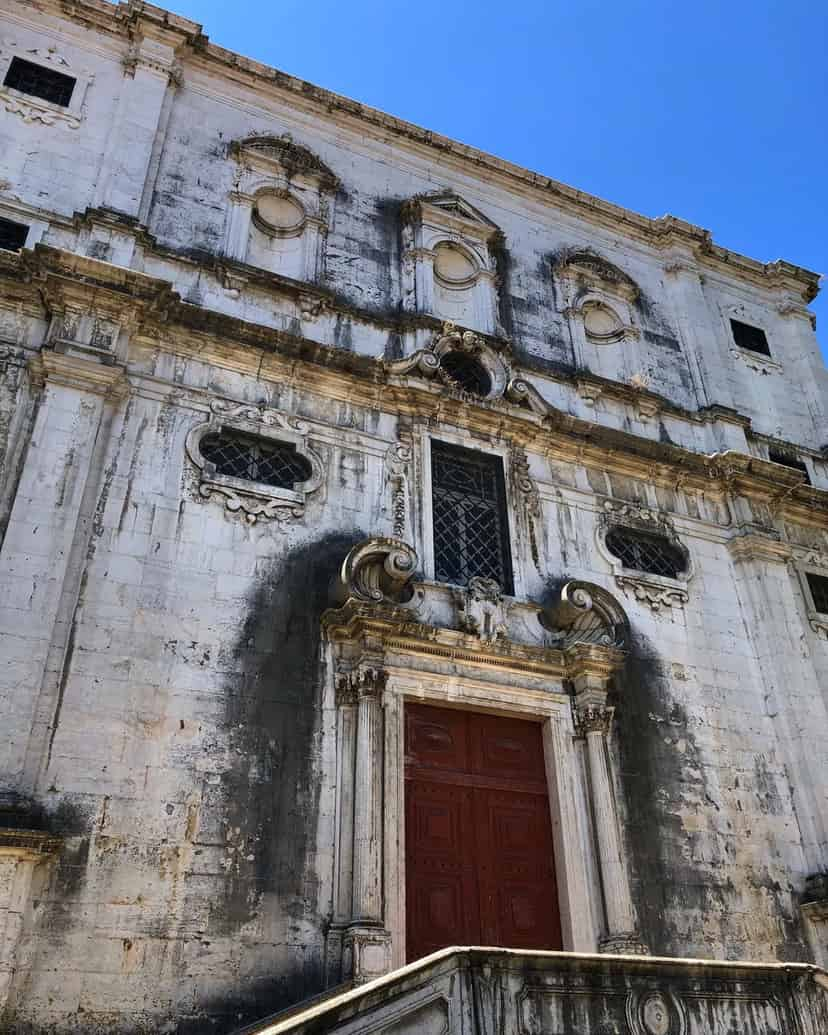
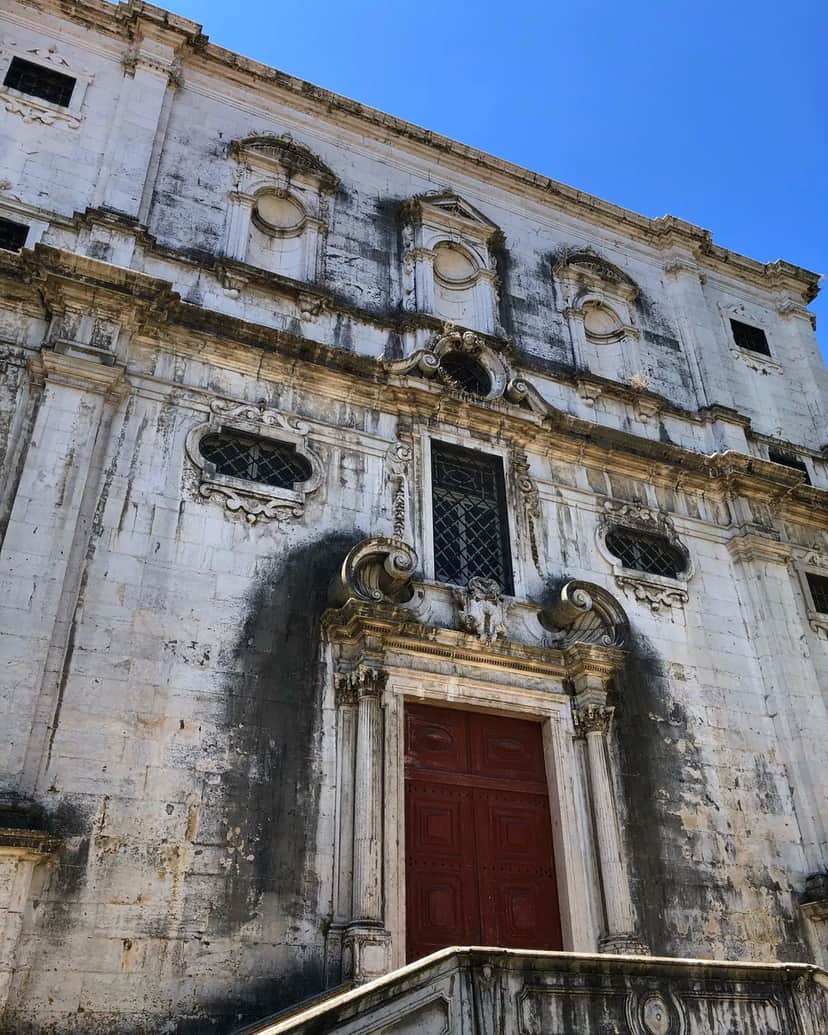 Igreja do Menino DeusCommissioned by King John V in 1711 in thanksgiving for the birth of an heir, it is one of the last examples of early Baroque architecture.AlfamaChurches & Religious Sites
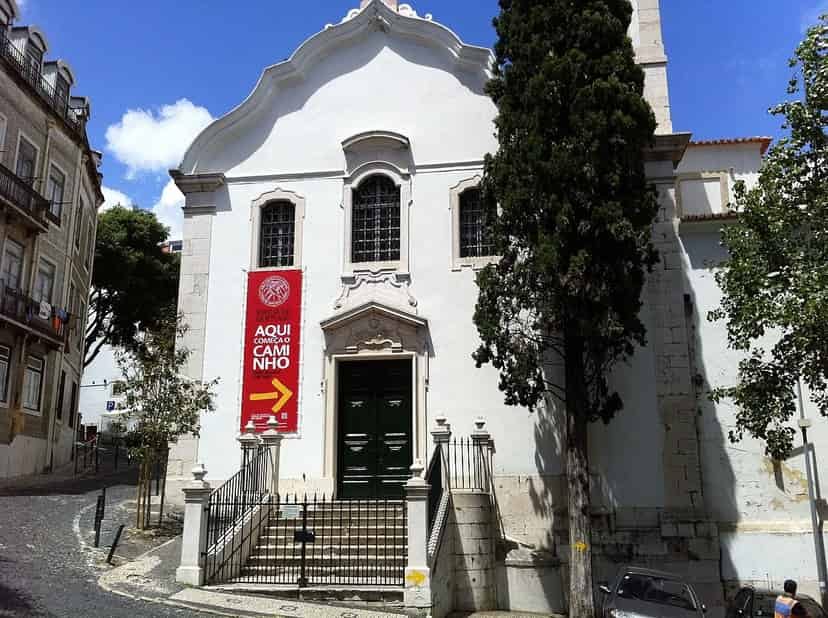
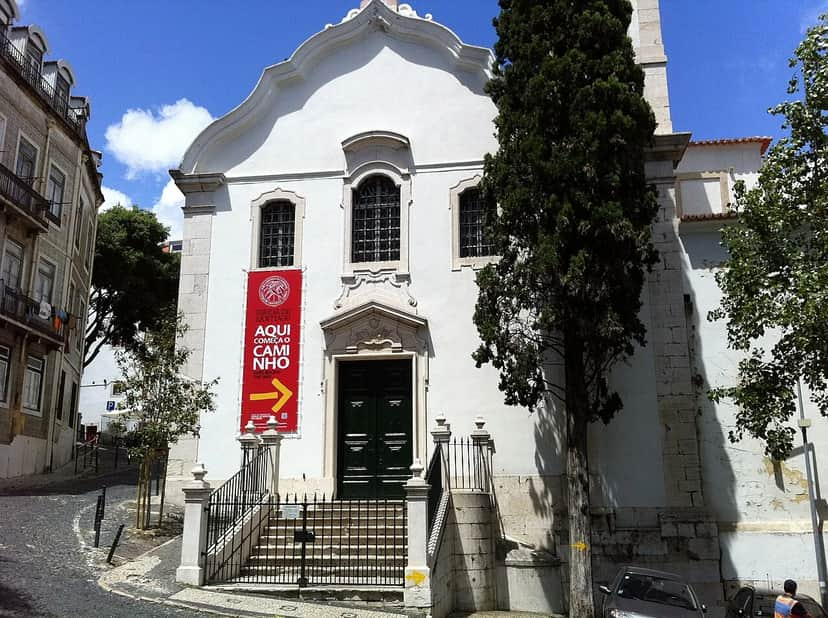 Igreja Paroquial de SantiagoThe Igreja Paroquial de Santiago, also known as the Igreja de São Tiago e São Martinho, stands on Rua de Santiago, in the parish of Santa Maria Maior, municipality and district of Lisbon, Portugal.AlfamaChurches & Religious Sites
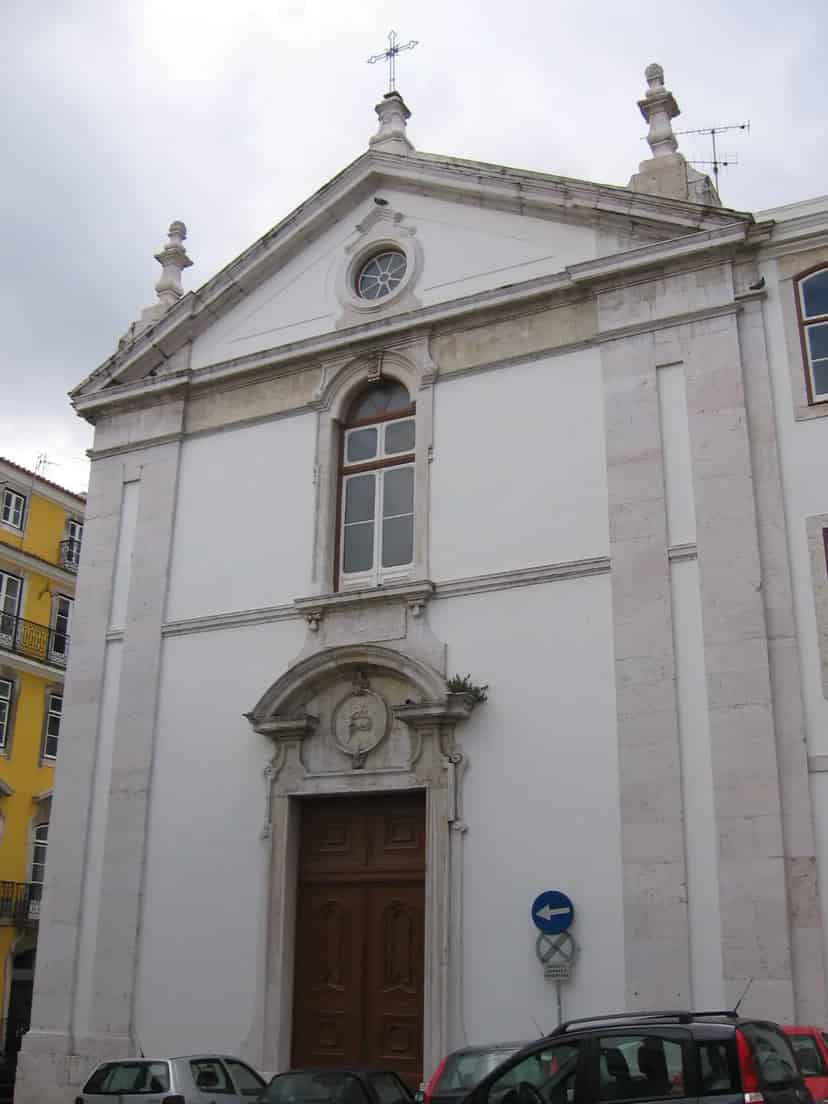
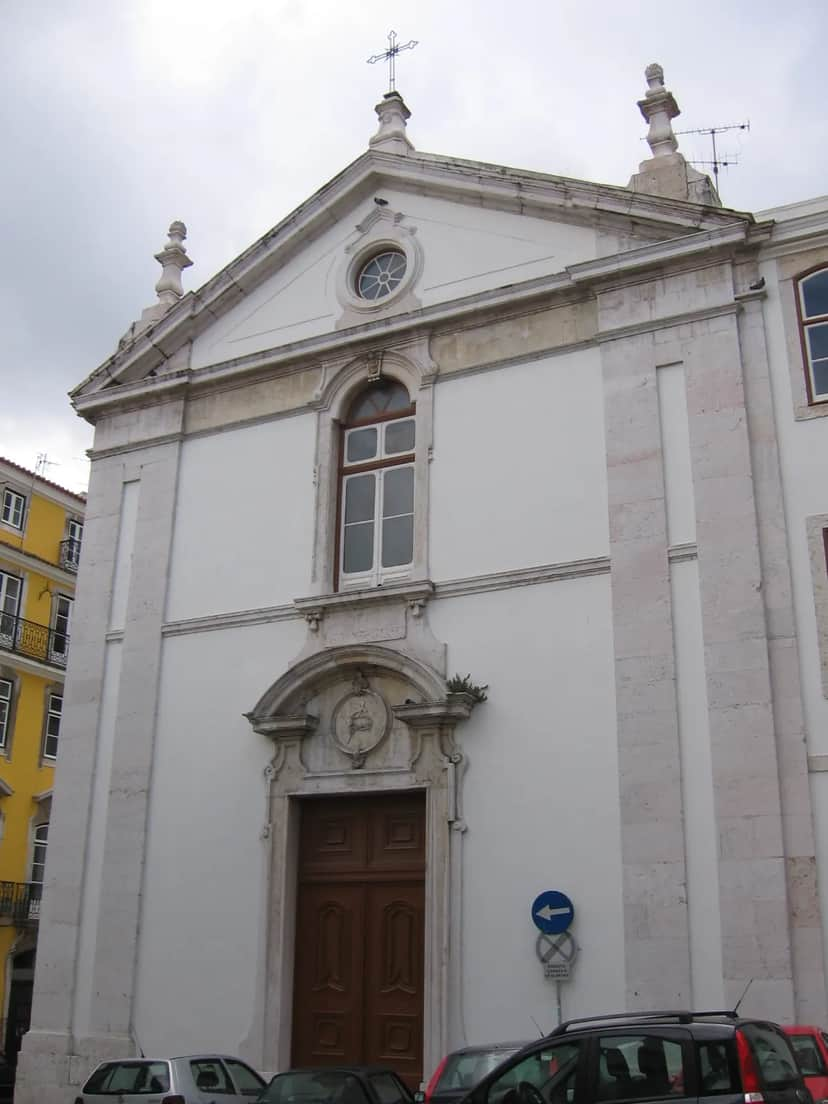 Igreja Paroquial de São João da PraçaThe Church of São João da Praça stands on the street of the same name, in the parish of Santa Maria Maior, previously in the former parish of São João da Praça na Sé, in Lisbon.AlfamaChurches & Religious Sites
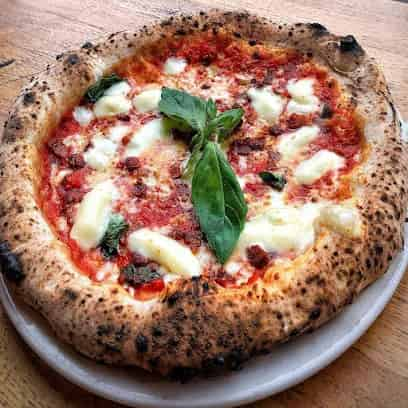
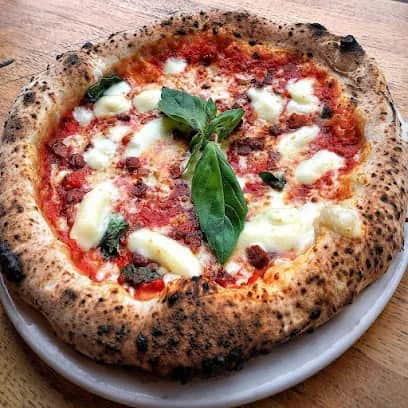 Insanity gelato e pizzaRua das Escolas Gerais 124, 1100-465 LisboaAlfamaIce Cream & Dessert Shops
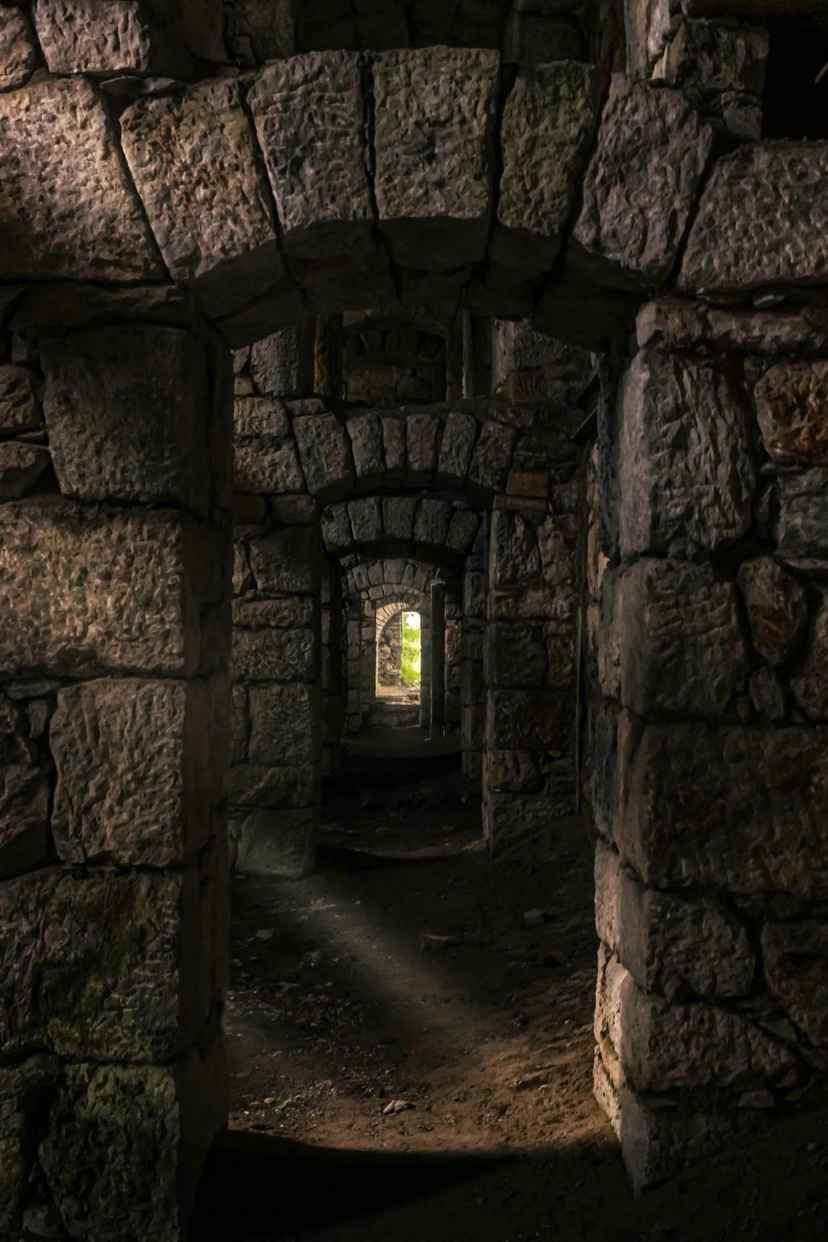
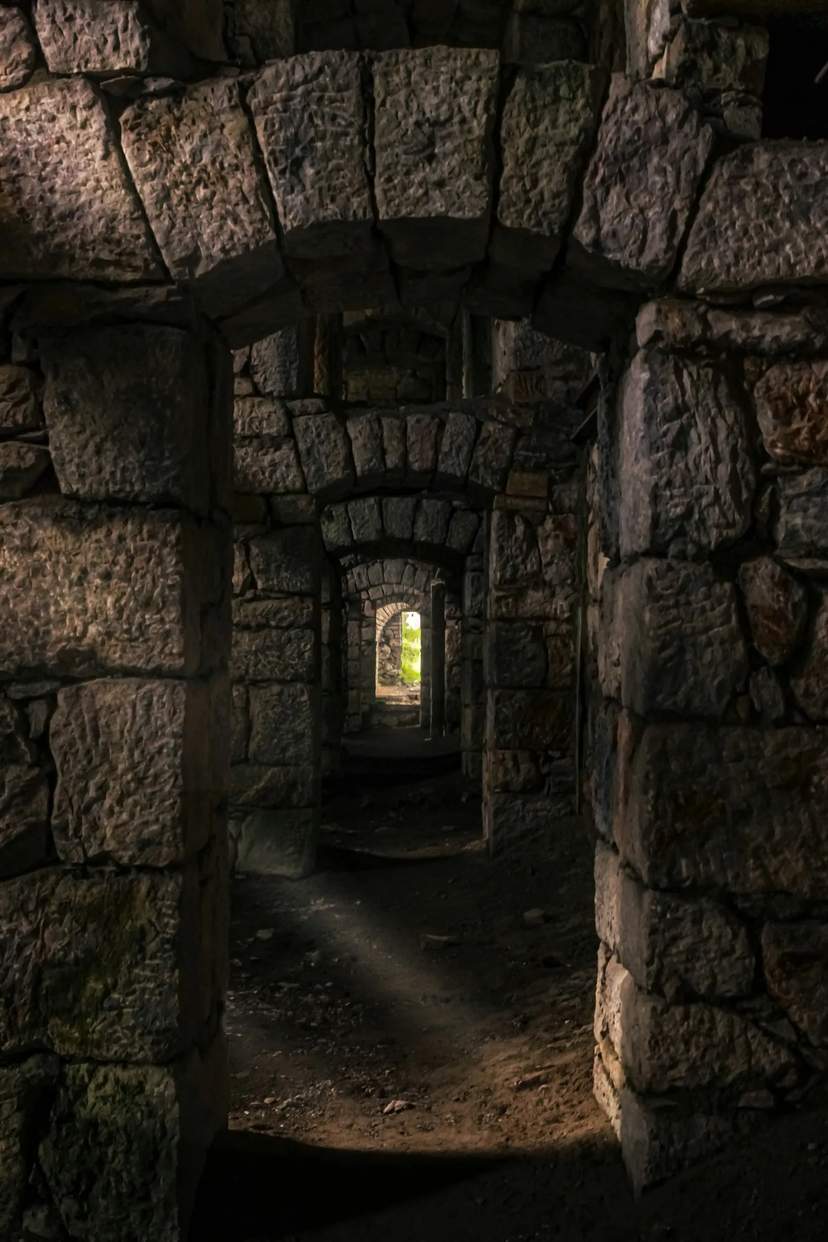 José Luís MoraisJosé Luís Morais was one of the founders of the Associação Protectora da Primeira Infância de Lisboa.AlfamaMonuments & Historic Buildings · Illustrative photo
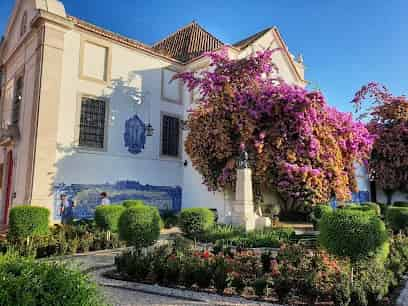
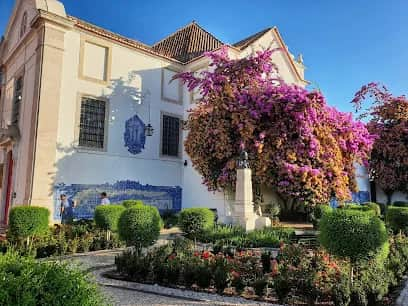 Júlio de CastilhoMonument consisting of a bronze bust, modelled and chiselled by the sculptor Costa Motta (nephew), placed on a lioz stone plinth, erected on the initiative of the Administrative Commission of the Municipality of Lisbon, in honour of this histAlfamaMonuments & Historic Buildings
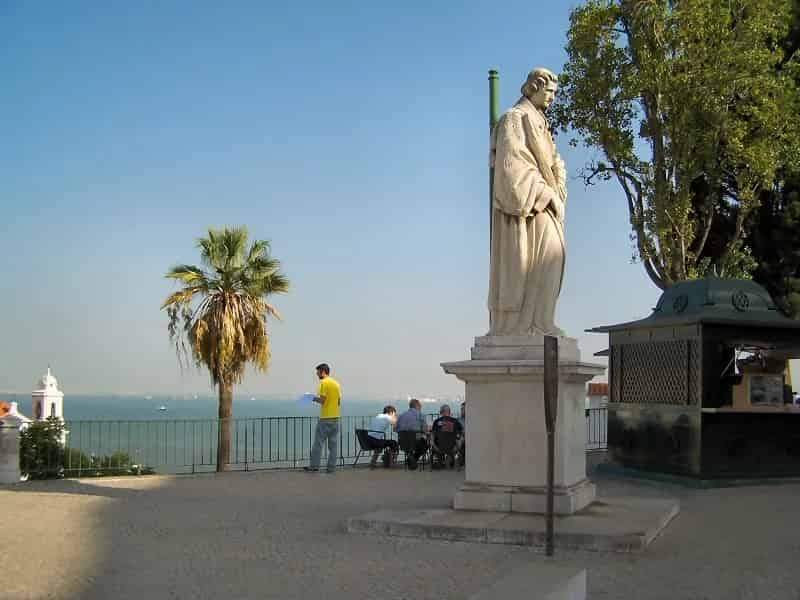
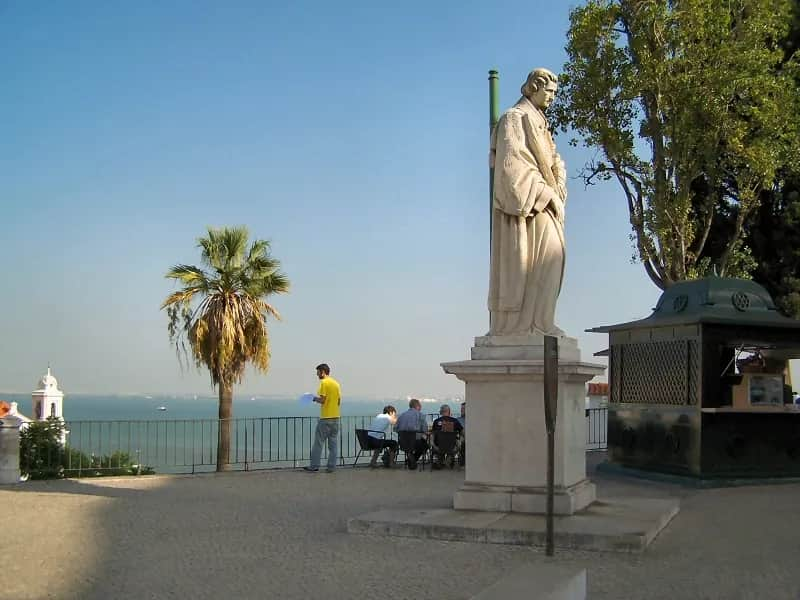 Largo das Portas do SolLargo das Portas do Sol is a street in the city of Lisbon, belonging to the parish of Santa Maria Maior, in the historic Alfama neighbourhood. It takes its name from the former Porta do Sol, part of Lisbon's Moorish wall, which stood on this spot and was ruined in the 1755 earthquake.AlfamaSquares, Streets & Bridges
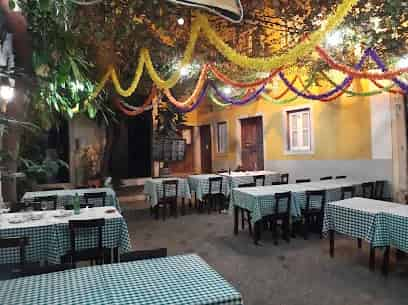
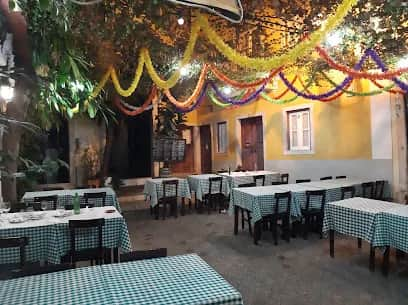 Lautasco (Casa de Fado)Rua de São Pedro s/n, 1100-545 LisboaAlfamaRestaurants
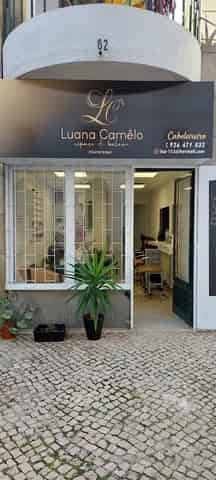
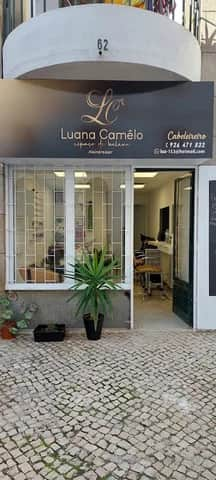 Luana CamêloRua dos Caminhos de Ferro s/n, 1100-094 LisboaAlfamaHair & Beauty Salons
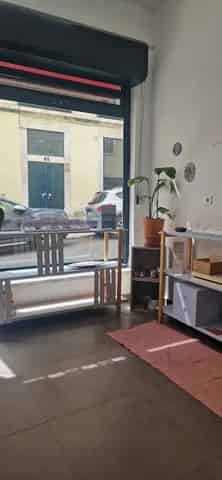
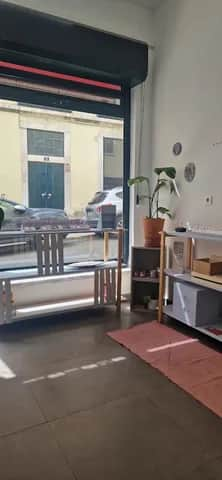 ma-bôRua de São Vicente 14D, 1100-491 LisboaAlfamaBooks, Music & Art Shops
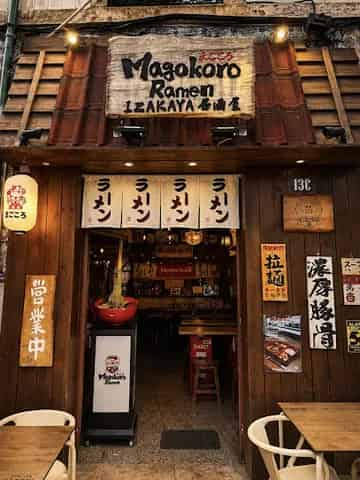
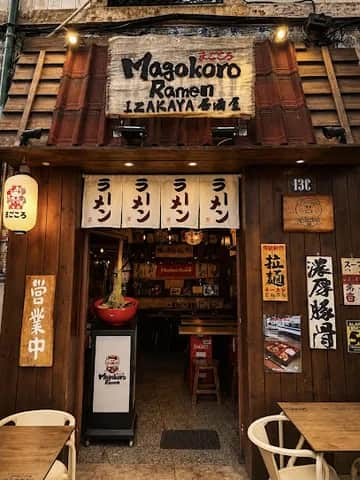 Magokoro RamenA ramen restaurant in Lisbon serving miso tonkotsu, veggie ramen, gyozas, karaage, takoyaki and wontons. It has outdoor seating and offers vegan and vegetarian options, plus beer, wine, cocktails, coffee, dessert, small plates and late-night food.AlfamaRestaurants
Powered by Foursquare ·Photo and data credits ▾
Photos: DataForSEO · pt.wikipedia.org · Vitor Oliveira from Torres Vedras, PORTUGAL (CC BY-SA 2.0), via Wikimedia Commons · conventosalvador.pt · en.vinccihoteles.com · Chabe01 (CC BY 4.0), via Wikimedia Commons · Kent Wang (CC BY 4.0), via Wikimedia Commons · Berthold Werner (CC BY-SA 4.0), via Wikimedia Commons · Deensel (CC BY 2.0), via Wikimedia Commons · LAIS Lisboa (CC BY-SA 3.0), via Wikimedia Commons · CorreiaPM (Public domain), via Wikimedia Commons · Photo by Sergej Kaldesić on Unsplash · Sacavem1 (CC BY-SA 3.0), via Wikimedia Commons · Data: © OpenStreetMap contributors · Wikidata (CC0) · Wikipedia (CC BY-SA 4.0)
