

Filters (1)
Rating▾
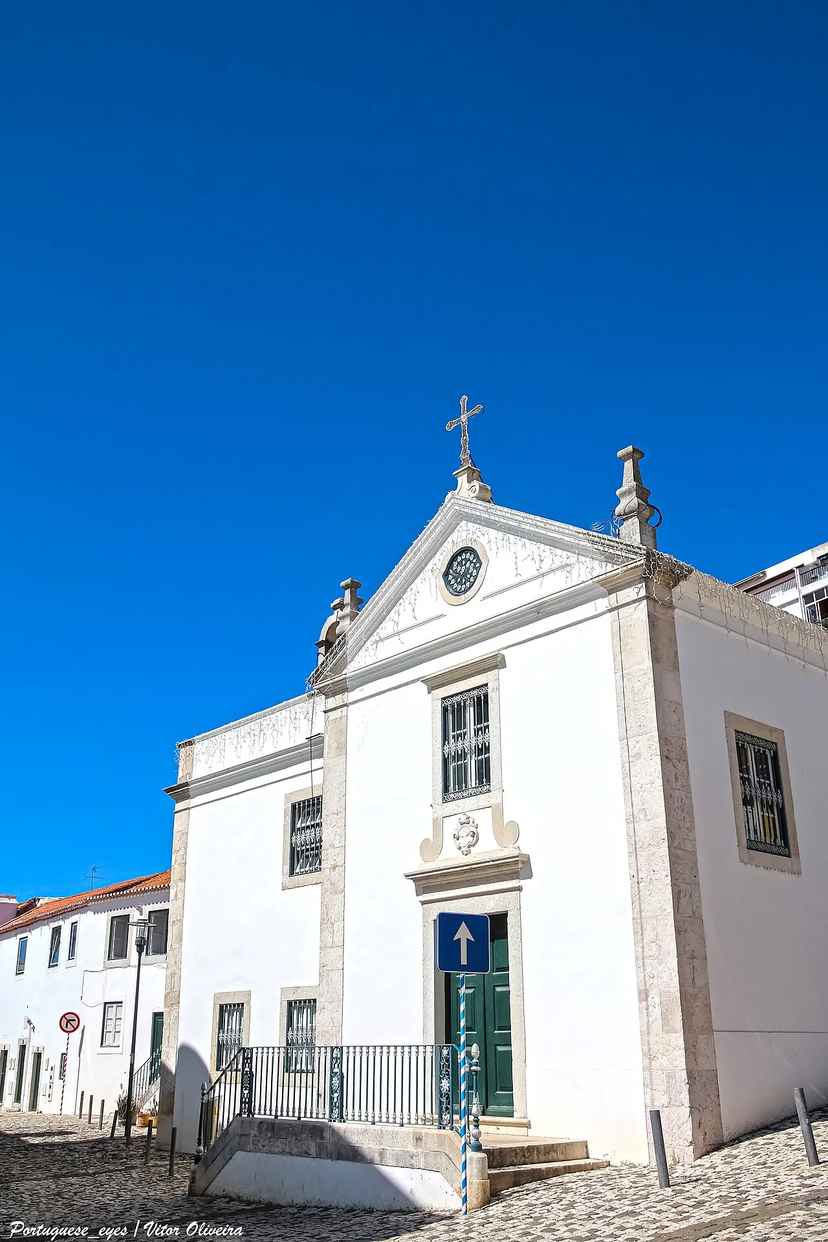
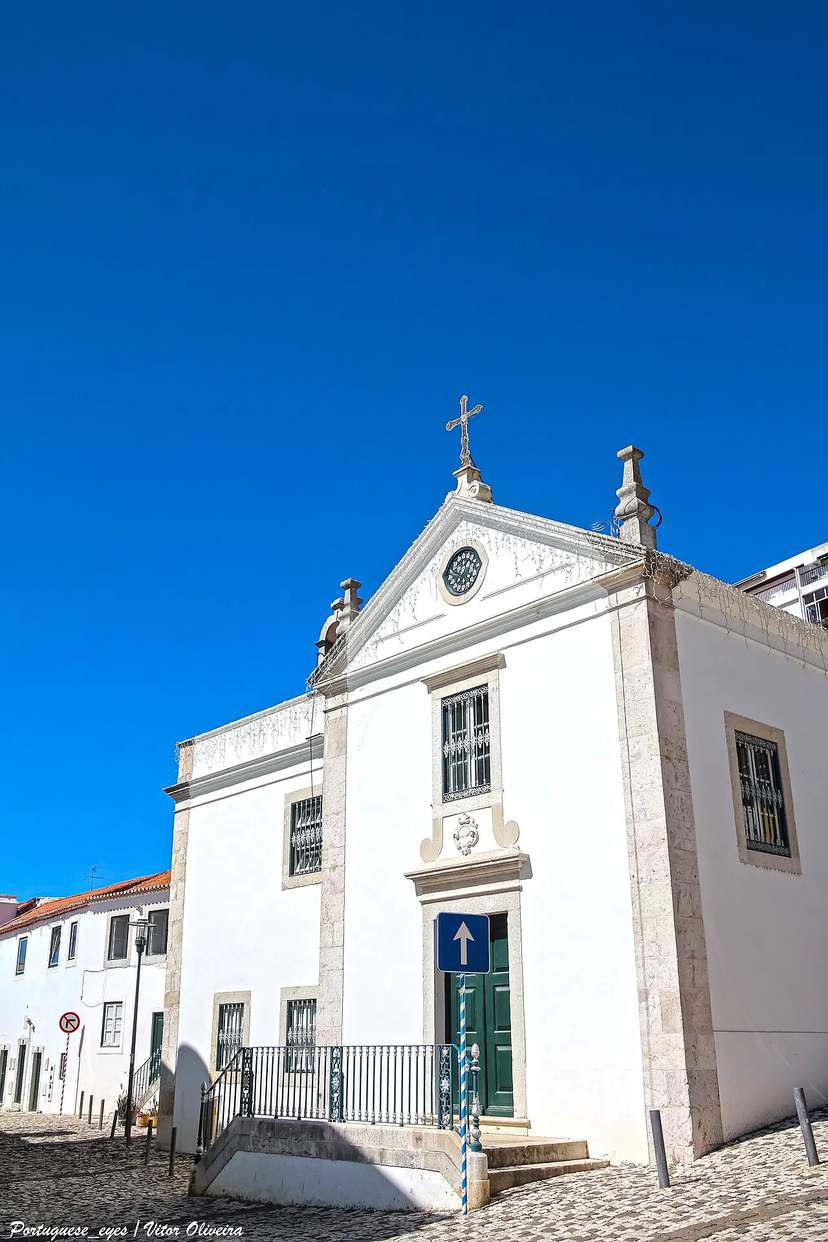 Capela do Senhor Jesus dos NavegantesTravessa Ermida 11B, 2770-044 Paço de ArcosOeirasChurches & Religious Sites
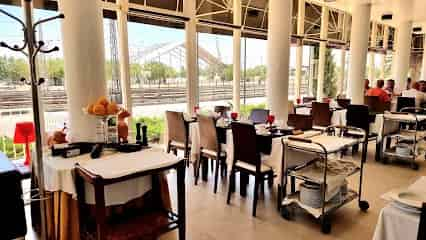
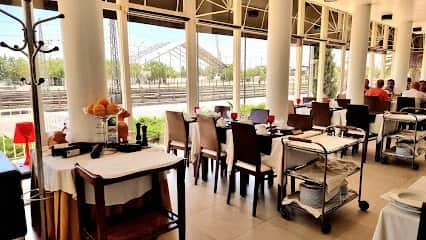 Caravela d'Ouro MarisqueiraAvenida Marginal s/n, 1495-064 AlgésOeirasRestaurants
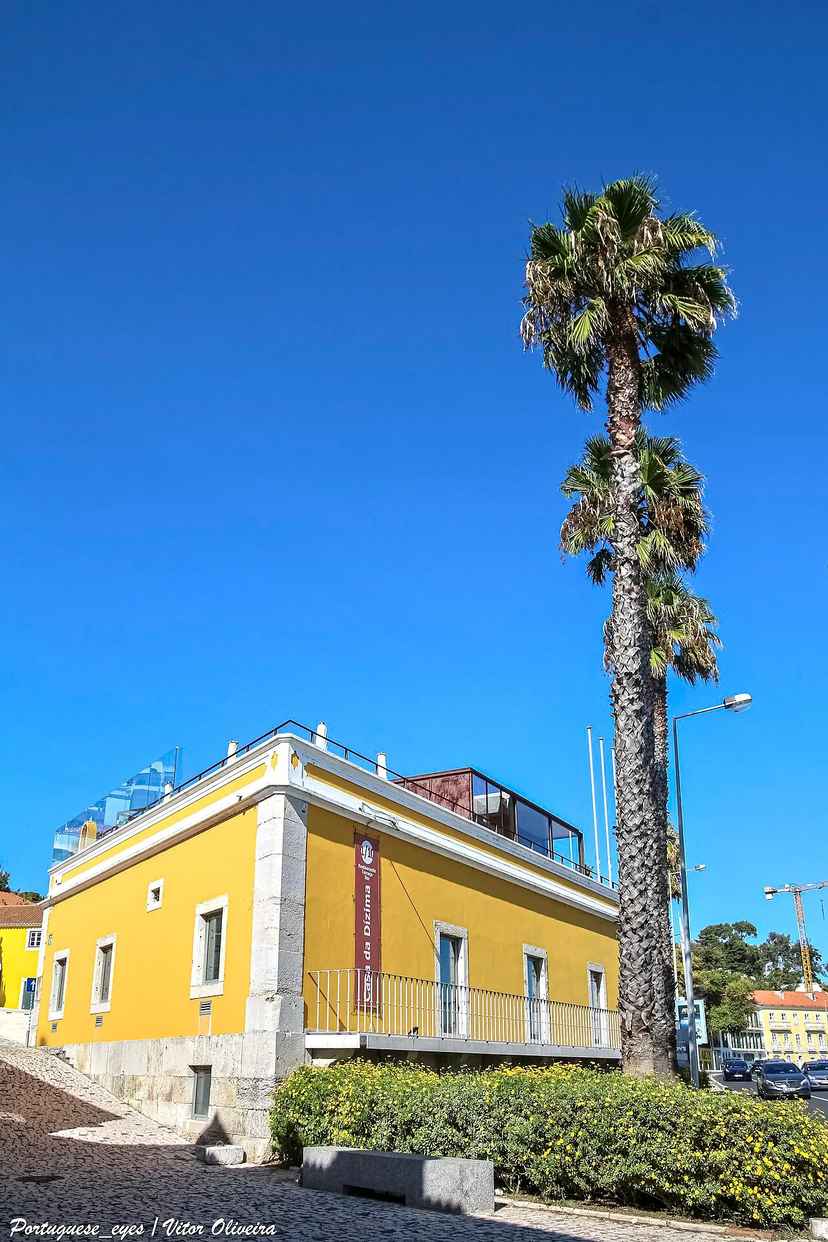
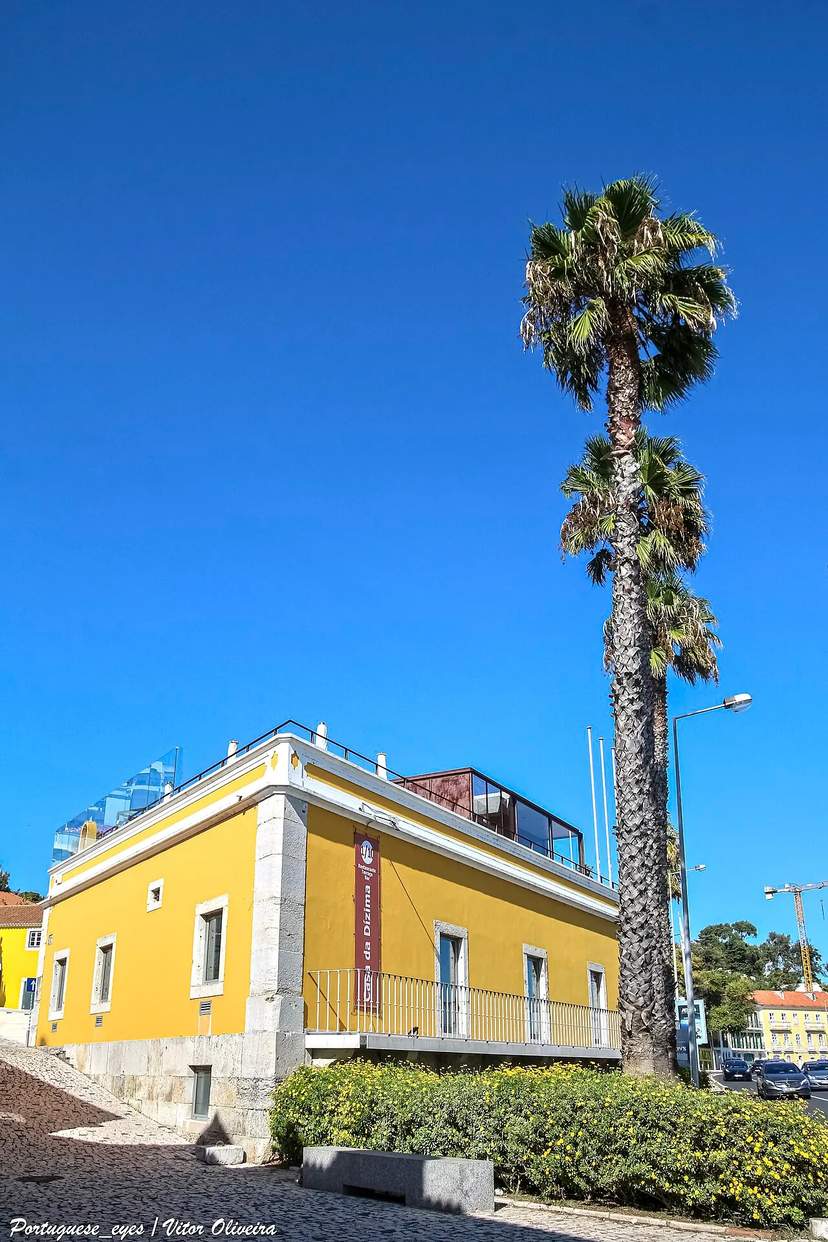 Casa da DizimaThe Casa da Dízima do Pescado is a building belonging to the Municipality of Oeiras, at the mouth of the River Tagus, Portugal. It dates from the late 15th century (1495) and stands next to the Palácio dos Arcos, overlooking the bay of Paço de Arcos.OeirasRestaurants
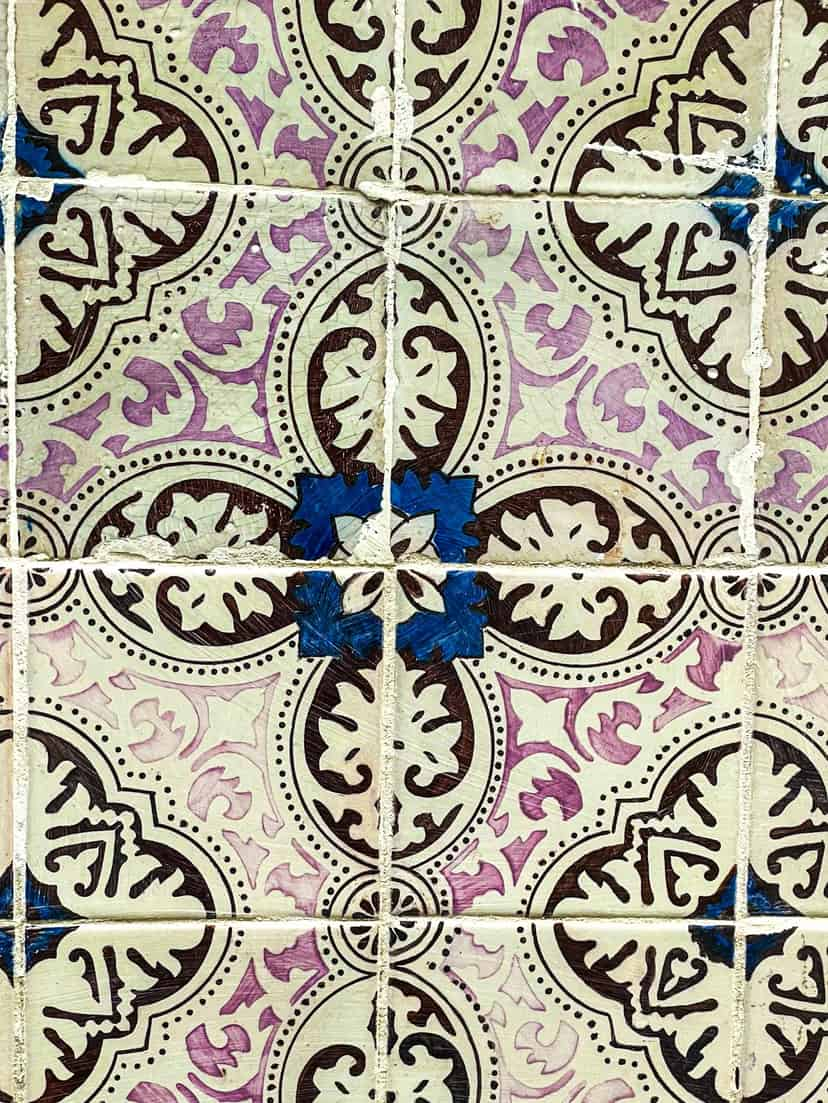
 Casa da Quinta de São João do RioRua Direita do Dafundo s/n, 1495-717 DafundoOeirasMonuments & Historic Buildings · Illustrative photo
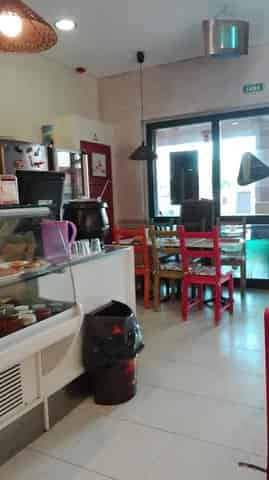
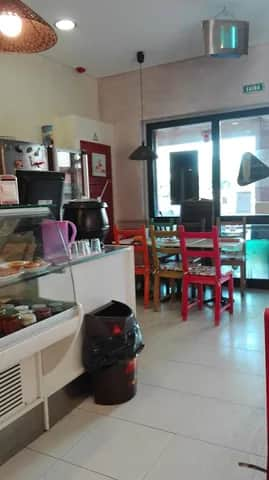 Casa dos Aromas & SaboresRua Virgílio Godinho s/n, 2730-260 Queluz de BaixoOeirasCafés & Coffee Shops
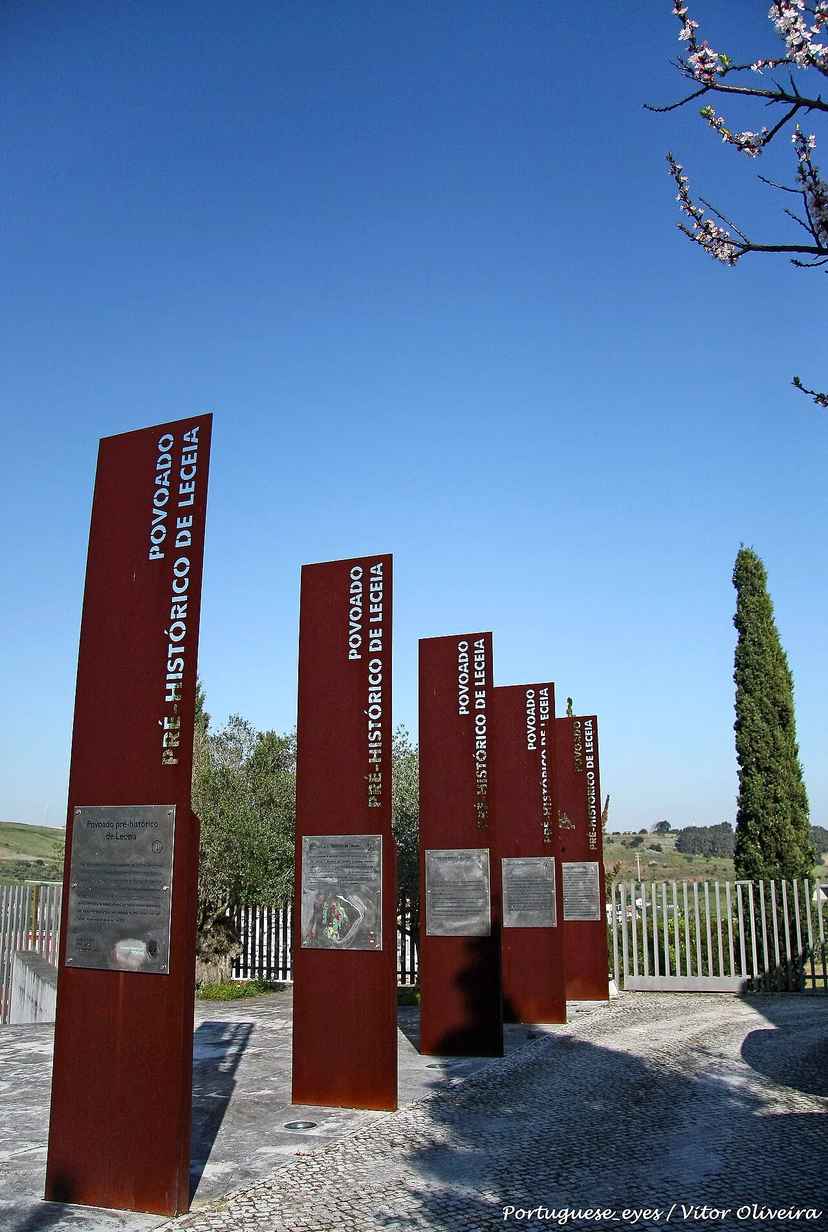
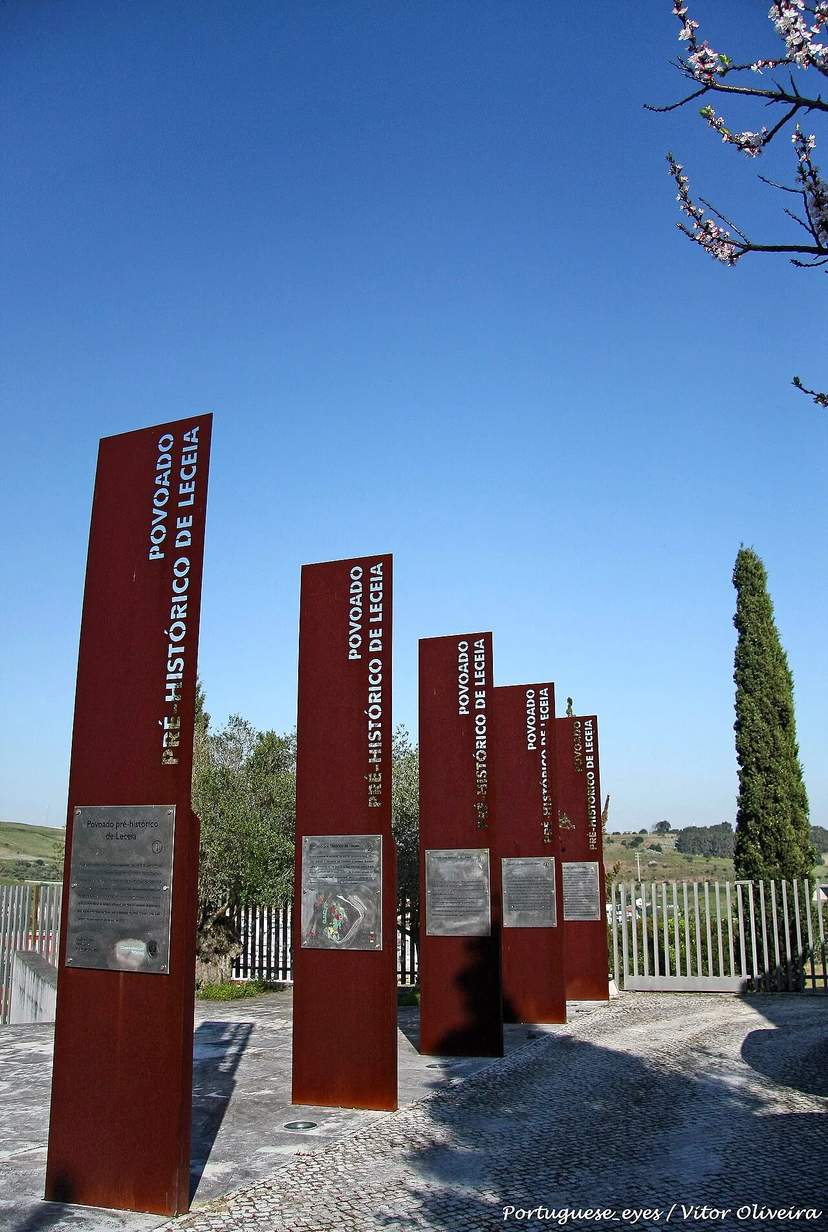 Castro de LeceiaThe Castro de Leceia, also known as the Chalcolithic Settlement of Leceia or the Eneolithic Site of Leceia, is an ancient settlement inhabited for approximately 1,000 years, from the end of the Neolithic and throughout the Chalcolithic, located in Leceia, Barcarena (Oeiras).OeirasParks & Gardens
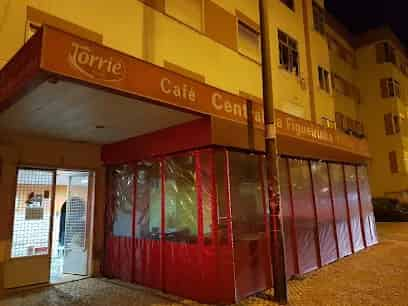
 Central da FigueirinhaAvenida do Ultramar 1, 2780-045 OeirasOeirasCafés & Coffee Shops
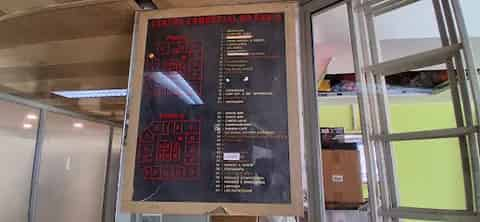
 Centro Comercial BugioCiclovia Empresarial, 2770-107 Paço de ArcosOeirasShops & Markets
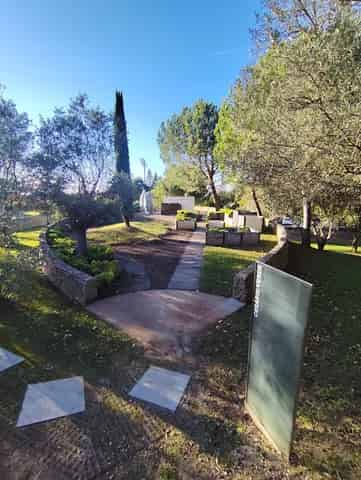
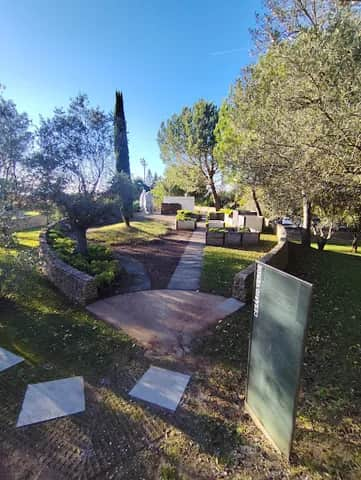 Cesário VerdeRua São Salvador da Baía s/n, 2780-379 OeirasOeirasParks & Gardens
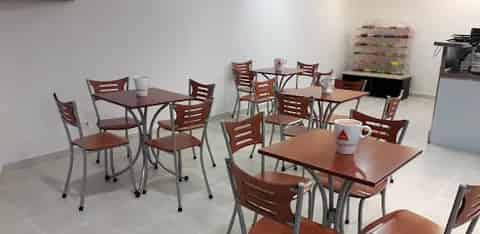
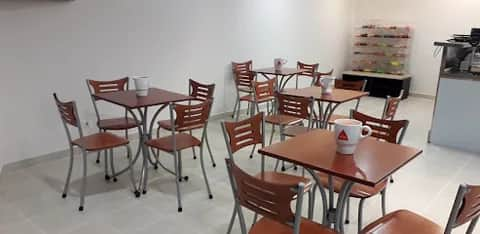 Cheiro a CaféRua Carlos Vieira Ramos, 2770-217 Paço de ArcosOeirasCafés & Coffee Shops
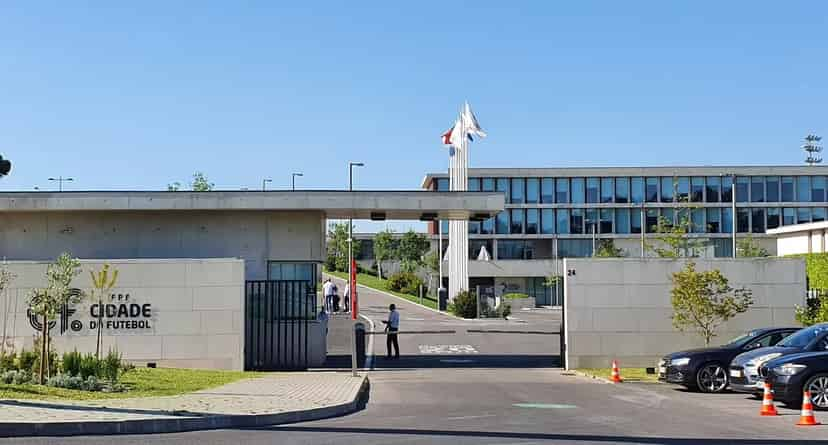
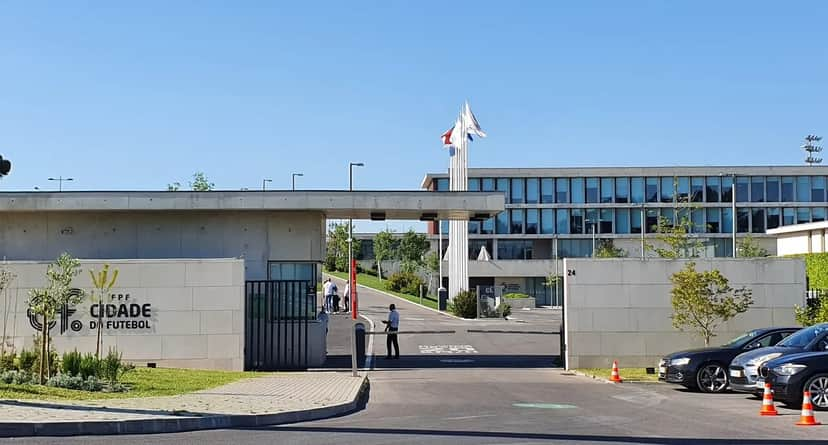 Cidade do FutebolThe Cidade do Futebol is a sports complex of the Portuguese Football Federation that serves as the training centre for the 22 national teams, inaugurated on 31 March 2016. A total of 90 million euros was invested across the three phases of the Cidade do Futebol, said then-president Fernando Gomes, the person chiefly responsible for the achievement.OeirasSports & Fitness
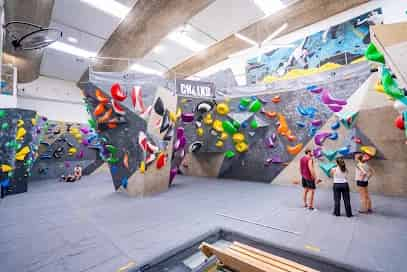
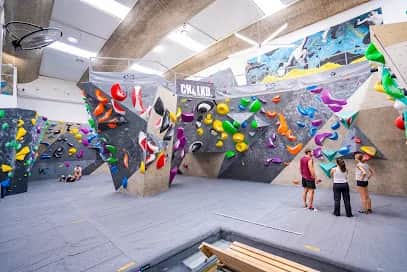 Climb UpRua Nossa Senhora da Conceição s/n, 2790-071 CarnaxideOeirasSports & Fitness
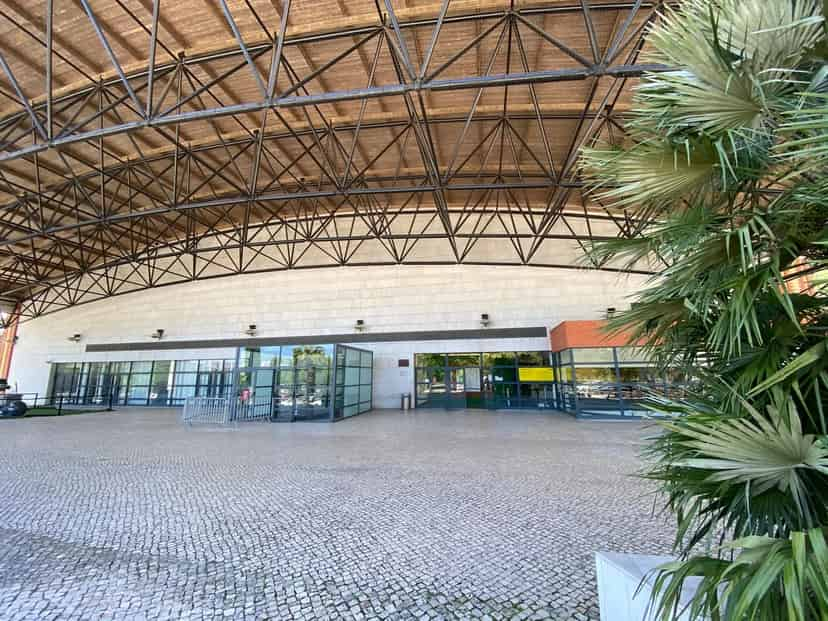
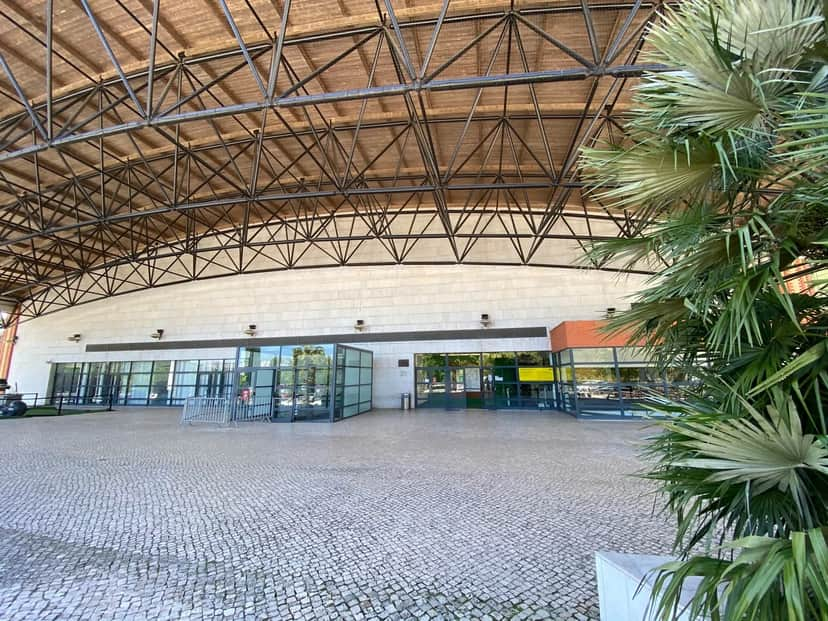 Complexo de Piscinas do JamorA public sports infrastructure complex located in the Jamor river valley, in Oeiras.OeirasSports & Fitness
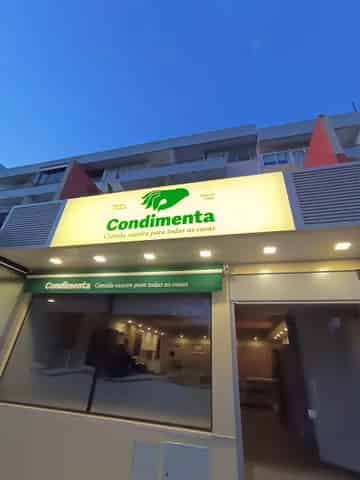
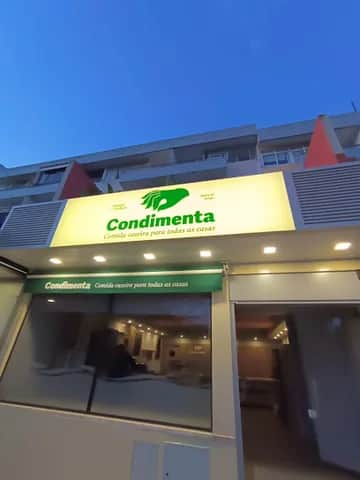 CondimentaRua de Belém 10, 2780-005 OeirasOeirasRestaurants
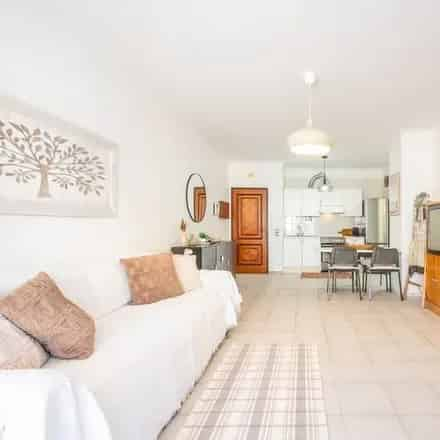
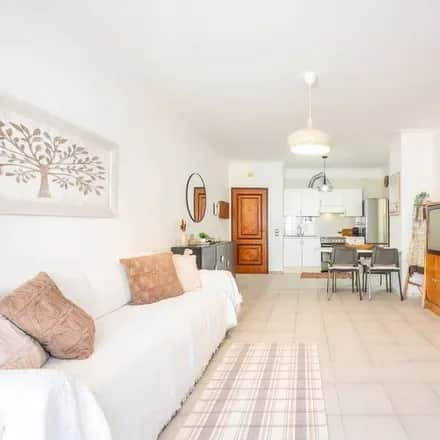 Convento de Nossa Senhora da Boa ViagemAvenida Marginal s/n, 2784-513 OeirasOeirasMonuments & Historic Buildings
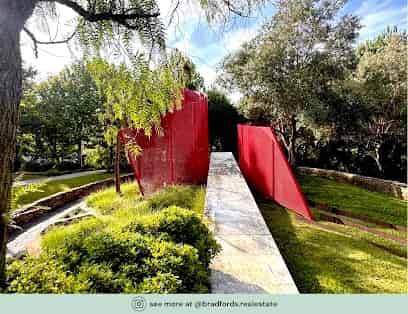
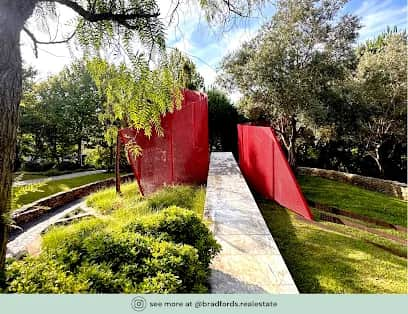 Correia GarçãoRua Carlos Vieira Ramos s/n, 2770-028 Paço de ArcosOeirasParks & Gardens

 CrisveraRua Antero de Quental s/n, 2795-152 Linda a VelhaOeirasHair & Beauty Salons

 Cross And Run-Fitness StoreLargo Comandante Augusto Madureira, 1495-012 AlgésOeirasShops & Markets
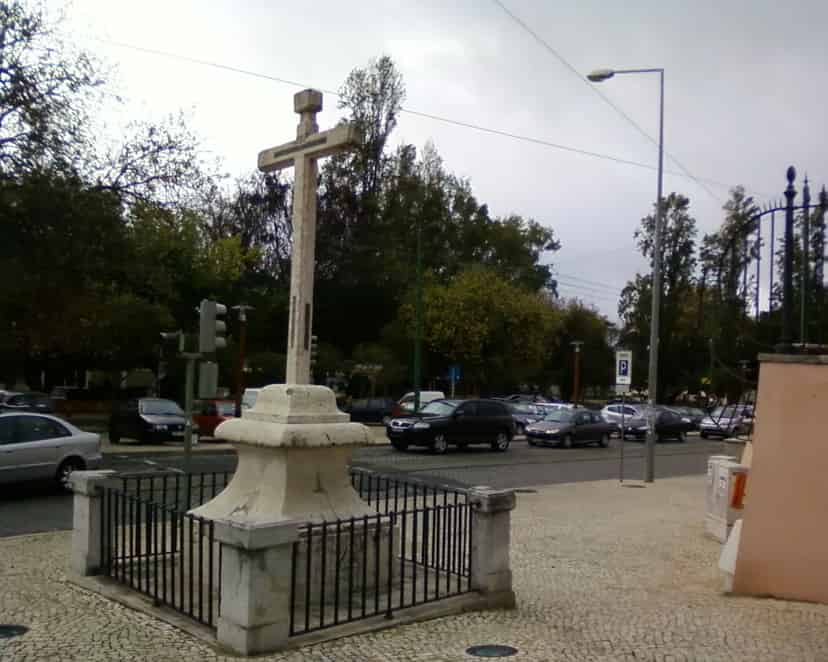
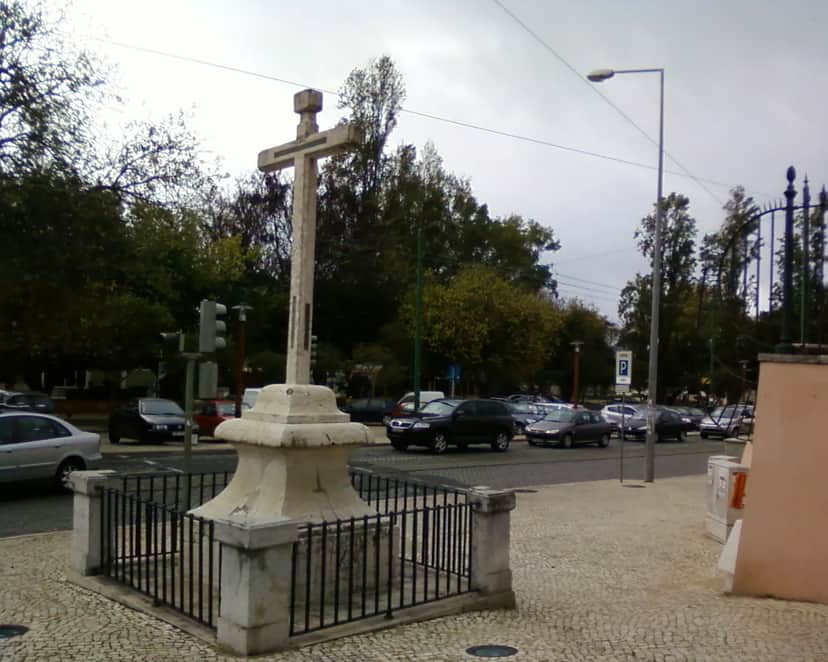 Cruzeiro de AlgésThe Cruzeiro de Algés, located next to the Palácio Ribamar, was built in 1605 during the Philippine period, and differs from the nearby crosses of Cruz Quebrada and Linda-a-Pastora in being larger and of a more refined style.OeirasMonuments & Historic Buildings
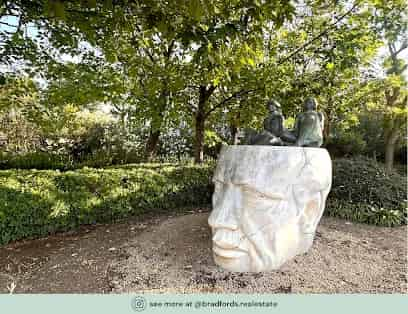
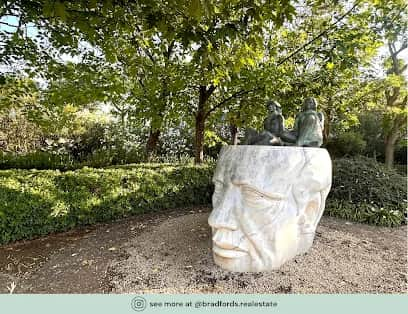 David Mourão-FerreiraRua Coro de Santo Amaro de Oeiras, 2780-379 OeirasOeirasParks & Gardens
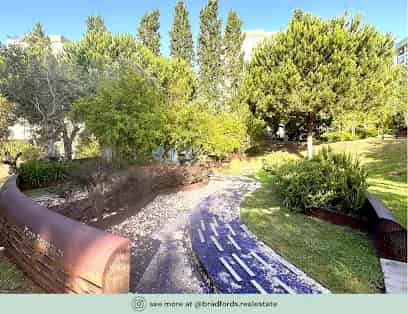
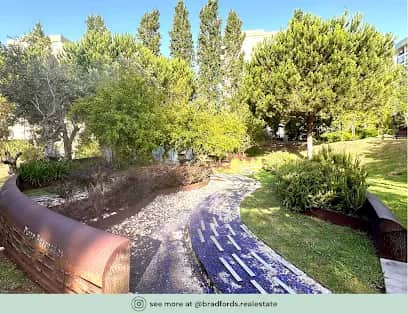 Diogo BernardesAlameda dos Poetas s/n, 2770-028 Paço de ArcosOeirasParks & Gardens
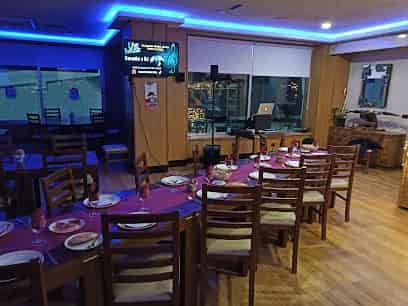
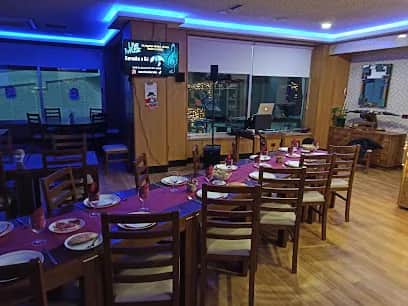 Dom PioRua da Quinta do Pinheiro s/n, 2794-051 CarnaxideOeirasRestaurants
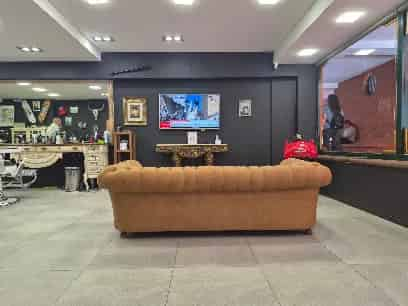
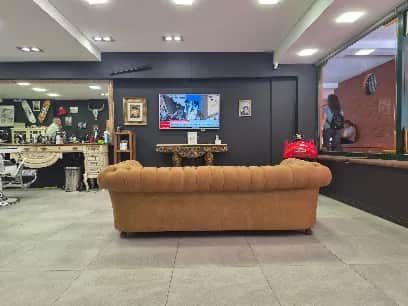 Dragan 21 BarbershopRua Abel Manta s/n, 2780-037 OeirasOeirasHair & Beauty Salons
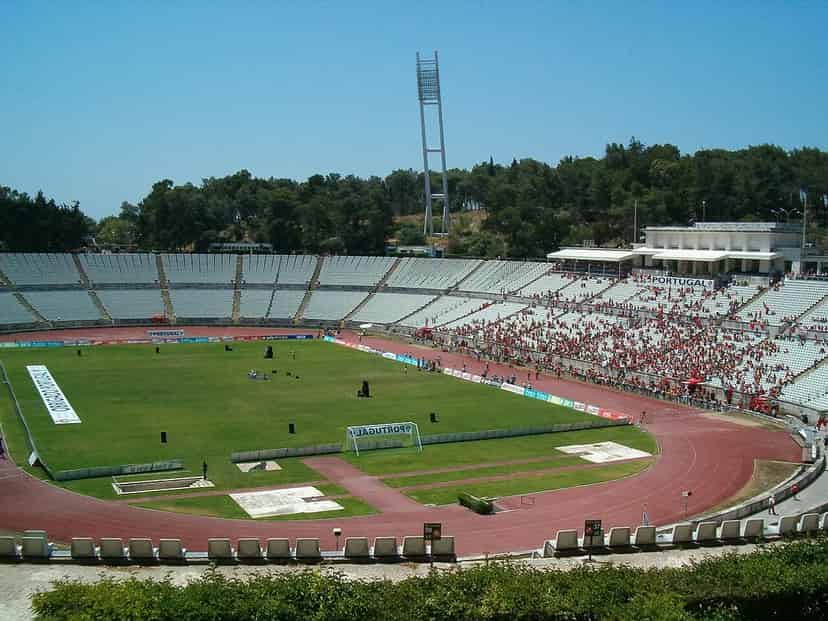
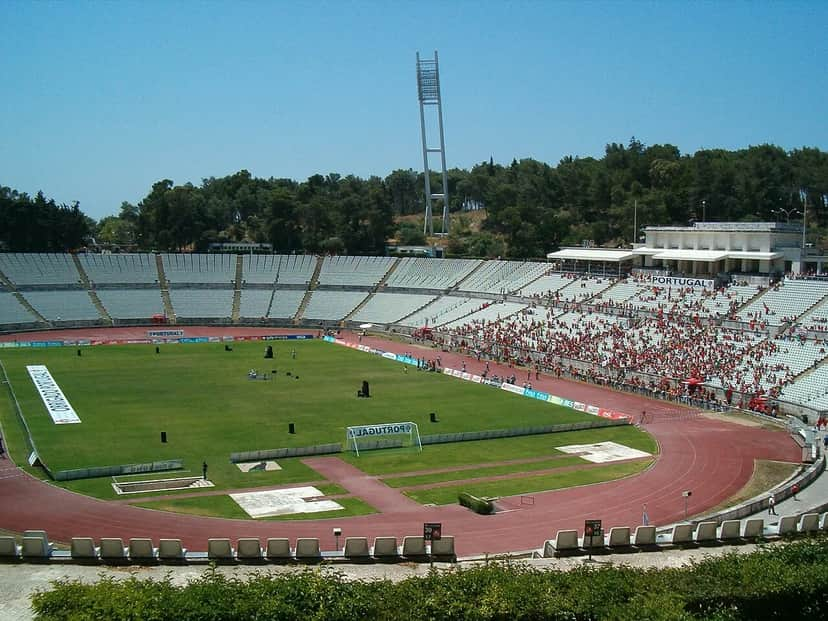 Estádio NacionalThe Estádio Nacional stands at Praça da Maratona, 2790-381 Linda-a-Pastora, in the municipality of Oeiras, roughly 12 kilometres from the centre of Lisbon. It lies in Algés, Linda-a-Velha e Cruz Quebrada-Dafundo, inside the Centro Desportivo Nacional do Jamor, the Jamor National Sports Centre. That complex also holds public green spaces, woods and secondary sports facilities. The stadium goes by several other names: Estádio do Jamor, Estádio Nacional do Jamor and Estádio de Honra, meaning Stadium of Honour. It is owned by the Portuguese Football Federation. The venue is an open-air, multi-purpose bowl with a natural grass pitch measuring 105 by 68 metres and a running track. Its capacity is 37,593 spectators. The bowl shape is part of the reason it is occasionally used for concerts as well as sport. Described as the spiritual home of Portuguese football, the stadium was renovated in September 2012. The decision to build a national stadium in the Jamor valley was taken in 1933, and works began in 1939. The original design is credited to Francisco Caldeira Cabral and Konrad Weisner together with Jacobetty Rosa, and Miguel Jacobetty Rosa is listed as the architect. The stadium was inaugurated on 10 June 1944, Portugal Day, by the Council president António Oliveira Salazar. In 1961, construction began on a hippodrome, alongside a first phase of work on a shooting range. A Jamor Sports Complex Development Plan followed in July 1982. The DGEMN ordered it, and the architects Vasco Croft (coordinator), Nuno Bártolo and Joaquim Cadima wrote it. The stadium has hosted the Taça de Portugal final since 1946 and the women's cup final since 2010, almost without interruption. The Portugal national football team has played there on more than 50 occasions, mostly between 1945 and 1987, with five further matches since, the latest in 2026. The national rugby union team plays selected matches there too, and Lusitanos XV have been tenants since 2021. Clubs have also used it when they lacked a ground of their own. Benfica played there in 2002-03, B-SAD from 2018 to 2022, Casa Pia in 2022–23. Internationally, it staged the 1953 Latin Cup, won by the French side Stade de Reims. On 4 September 1955 it hosted the first ever UEFA club game, a 3-3 tie between Sporting CP and Partizan. The 1967 European Cup Final, Celtic against Inter Milan, was also played here, and the winners earned the nickname "Lisbon Lions".OeirasStadiums & Arenas
Powered by Foursquare ·Photo and data credits ▾
Photos: Vitor Oliveira from Torres Vedras, PORTUGAL (CC BY-SA 2.0), via Wikimedia Commons · DataForSEO · Photo by Bernd Dittrich on Unsplash · GualdimG (CC BY-SA 4.0), via Wikimedia Commons · rentberry.com · JoniFili (Public domain), via Wikimedia Commons · Koshelyev (CC BY-SA 3.0), via Wikimedia Commons · Data: © OpenStreetMap contributors · Wikipedia (CC BY-SA 4.0)
