

Filters (1)
Rating▾
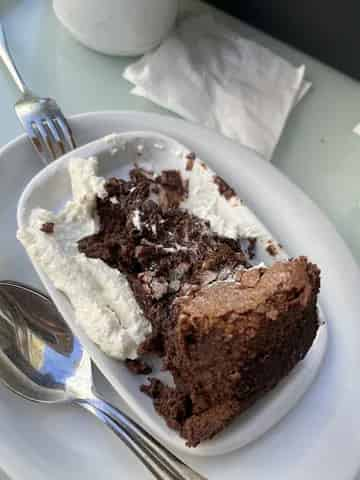
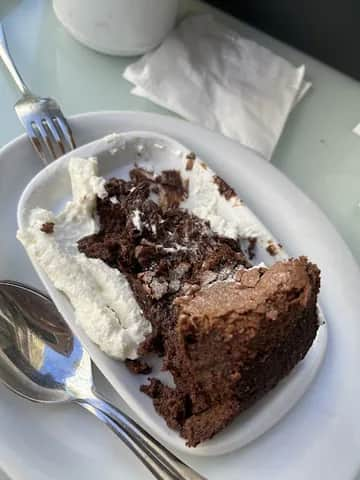 Mousse de ChocolateA café in Lisbon serving coffee, cake and other desserts, along with food, beer and liquor. The space is small, and there is outdoor seating for those who prefer to sit outside.Avenidas NovasCafés & Coffee Shops
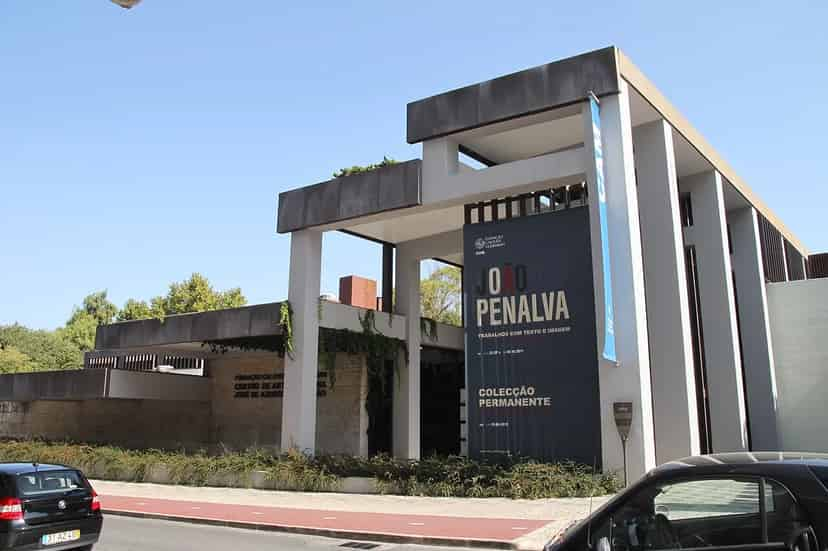
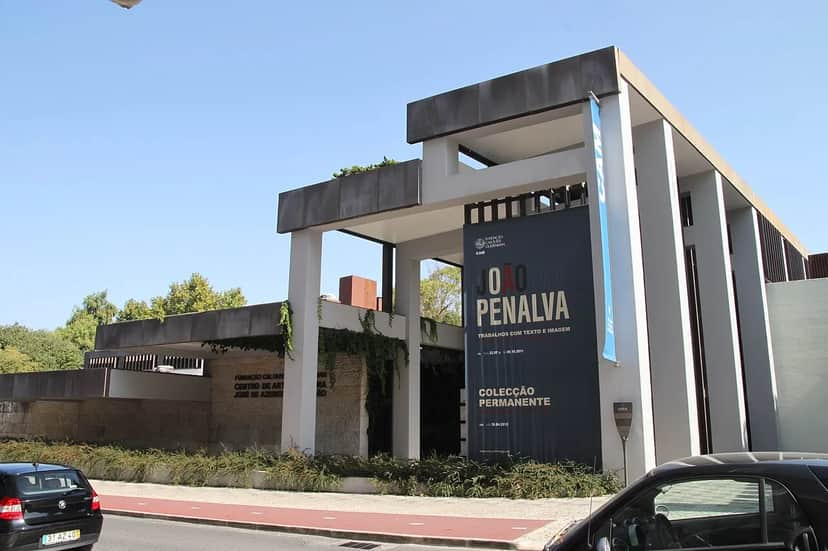 Museu Calouste Gulbenkian - Centro de Arte ModernaThe Museu Calouste Gulbenkian – Centro de Arte Moderna, usually shortened to CAM, stands at Rua Doutor Nicolau de Bettencourt 8A, 1050-021 Lisboa, in the Avenidas Novas neighbourhood of Lisbon. It forms part of the Calouste Gulbenkian Foundation complex, yet it holds its own distinct architectural and creative space, devoted to how modern and contemporary art has evolved. It sits inside the Foundation's park, and one description presents it as a serene, light-filled refuge that links fine art with nature. A British architect, Sir Leslie Martin, conceived it, and it opened in 1983 to house a collection of modern and contemporary Portuguese art. After an extensive reimagining led by the Japanese architect Kengo Kuma, the centre reopened to the public on 21st September 2024. The project was Kuma's first completed work in Portugal. ArchDaily credits Kengo Kuma & Associates together with OODA and VDLA, and gives the year as 2024. Buro Happold and QUADRANTE are listed for structural engineering. Vladimir Djurovic is the landscape architect, with Traços na Paisagem - Lugar Invisível named for the landscape. Benjamin Weil is listed as director and Ana Botella as deputy director. CAM holds roughly 9,000 works. The focus is on modern and contemporary Portuguese creators, shown alongside major international figures. The collection explores how art reflects social change, identity and avant-garde movements, from the 1900s to the present day. One description calls CAM a vibrant cultural hub rather than a static warehouse for paintings. Visit Lisboa says the centre has the largest collection of 20th-century Portuguese art. Visit Lisboa describes the wider Gulbenkian site as including the collections, the centre of modern art, a bookshop, gardens and an open-air auditorium. The foundation was created through the will of Calouste Gulbenkian, whom the listing calls a humanist, and its purpose is to promote the universal values of humankind. Arts, science and education receive special emphasis. The museum, art library, modern art centre and temporary exhibitions attract thousands of visitors every day. Gulbenkian Música, with its choir and orchestra, organises programmes whose tickets sell out quickly. The gardens, research centre and publications draw further visitors. Enquiries can go to +351 217 823 000 or museu@gulbenkian.pt, and further information is at gulbenkian.pt/museu. The listing also mentions 20% with the Lisboa Card.Avenidas NovasMuseums
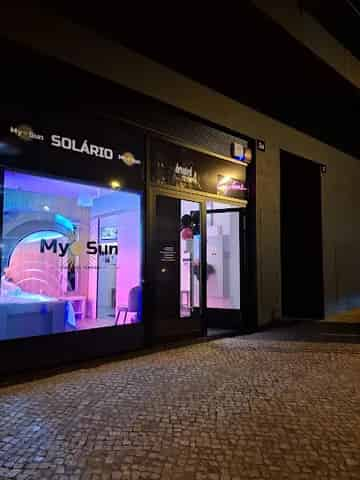
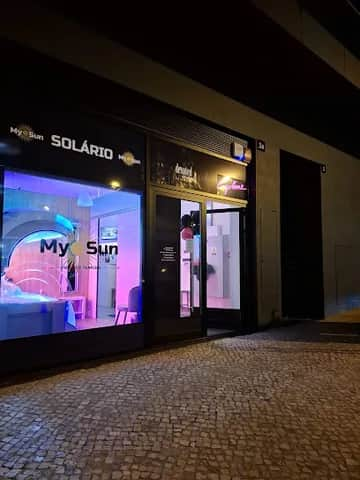 My Sun SolárioRua Dom Francisco Manuel de Melo 3A, 1070-085 LisboaAvenidas NovasHair & Beauty Salons

 Napoli Pizzaria RestauranteAvenida Columbano Bordalo Pinheiro 101, A-B, 1070-063 LisboaAvenidas NovasRestaurants
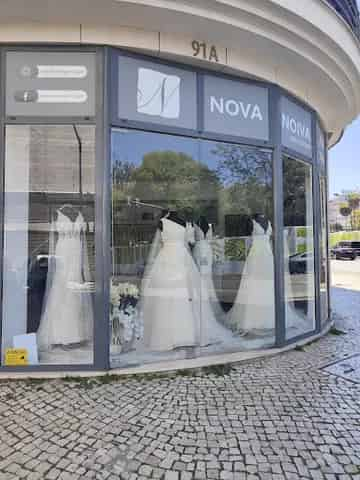
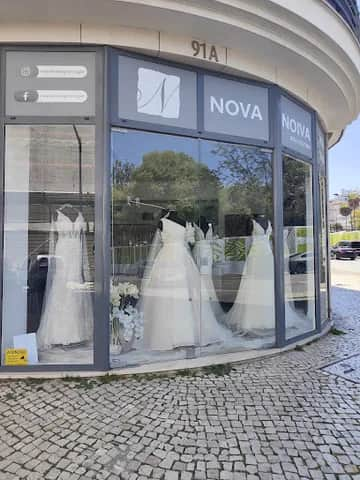 Nova NoivaAvenida João Crisóstomo s/n, 1050-053 LisboaAvenidas NovasFashion & Apparel
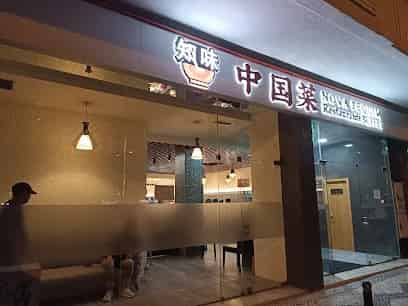
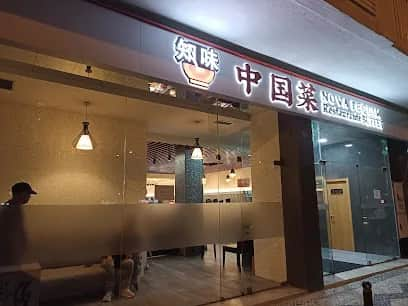 Nova PequimAvenida da República 64A, 1050-197 LisboaAvenidas NovasRestaurants
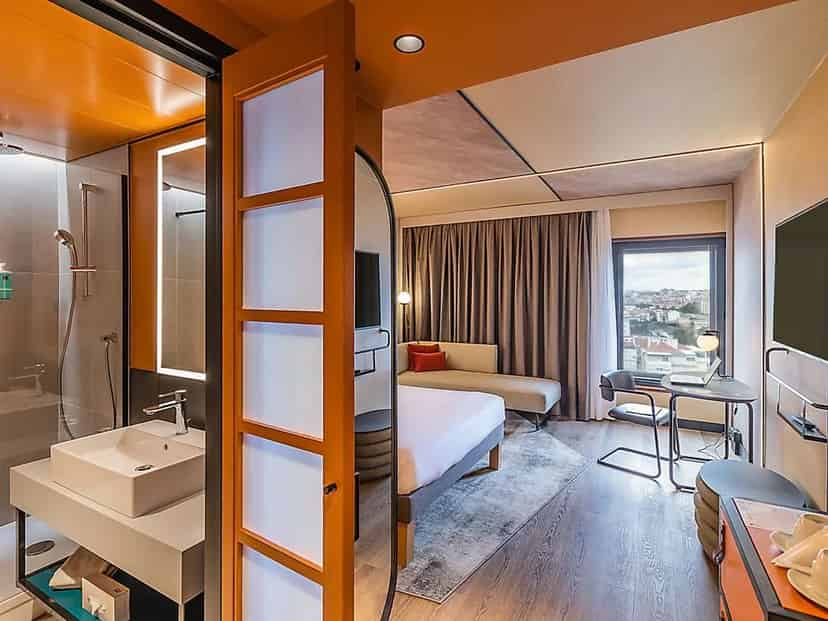
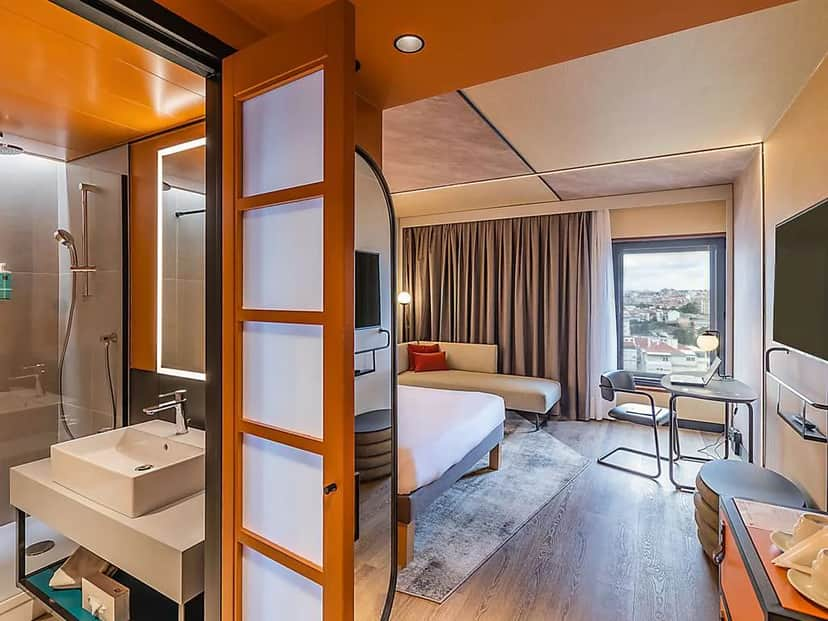 NovotelThe novotel Lisboa is a central 4-star hotel near the Fundação Gulbenkian. Ideal for families and pets too. Book your stay at the novotel Lisboa here.Avenidas NovasHotels
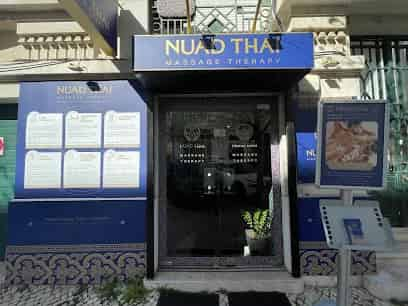
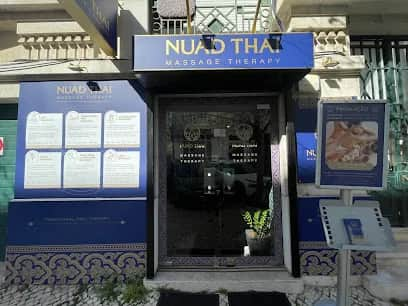 NUAD THAI São SebastiãoRua Fialho de Almeida 4, 1070-128 LisboaAvenidas NovasMassage & Body Care
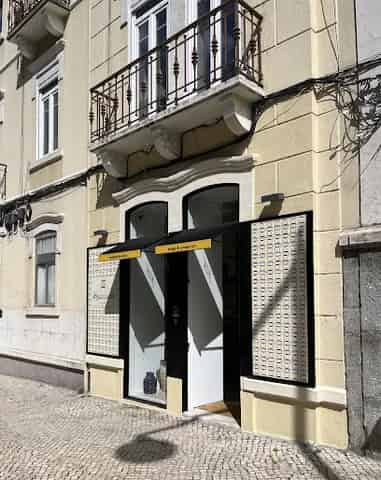
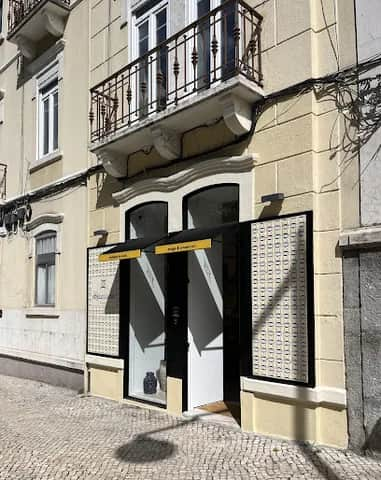 ObjectismoRua Marquês Sá da Bandeira 70, 1050-150 LisboaAvenidas NovasShops & Markets
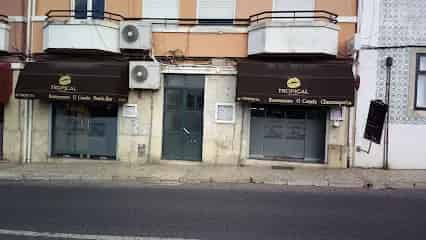
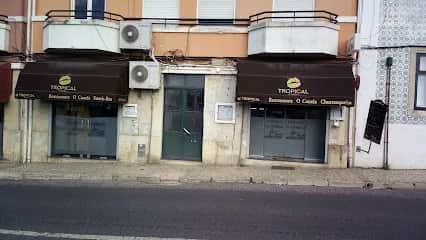 "O Canela" ChurrasqueiraRua de Campolide 258AB, 1070-039 LisboaAvenidas NovasRestaurants
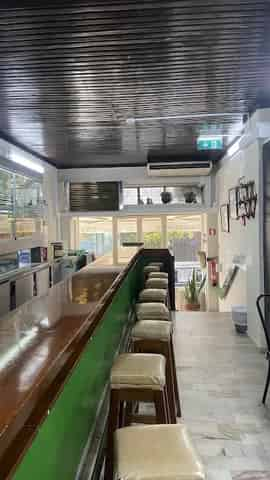
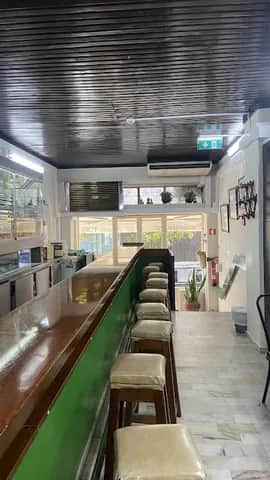 O GuardanapoRua Padre António Vieira s/n, 1099-003 LisboaAvenidas NovasCafés & Coffee Shops
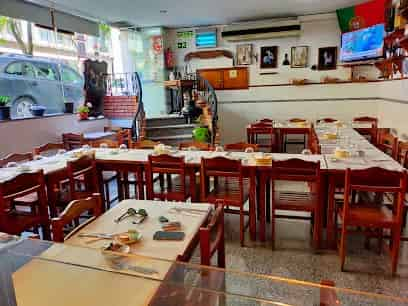
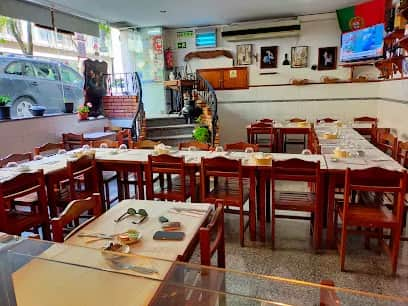 O HélioRua Padre António Vieira s/n, 1099-003 LisboaAvenidas NovasRestaurants
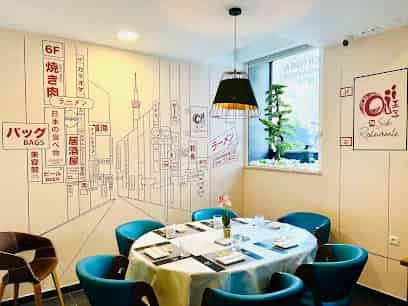
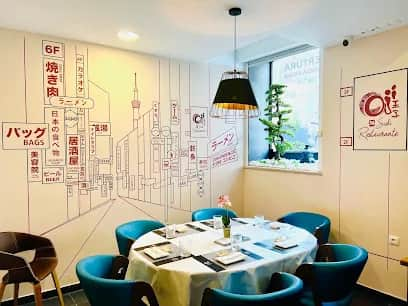 OjiRua Ramalho Ortigão 9, 1070-228 LisboaAvenidas NovasRestaurants
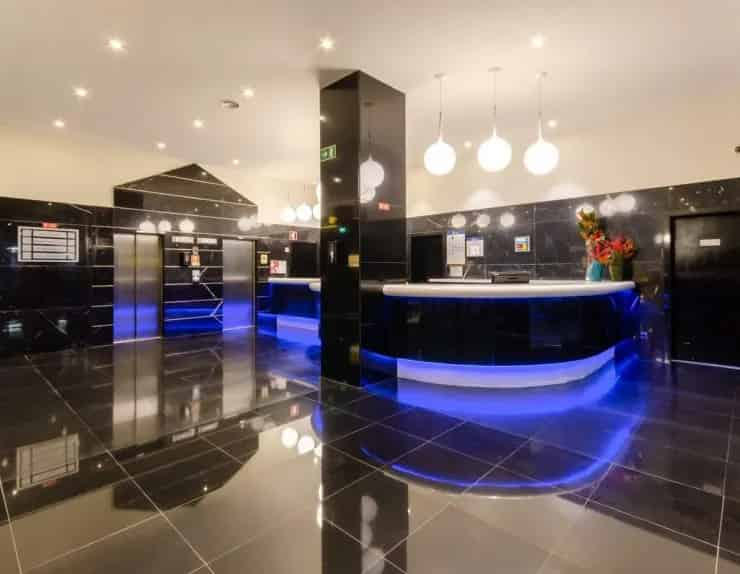
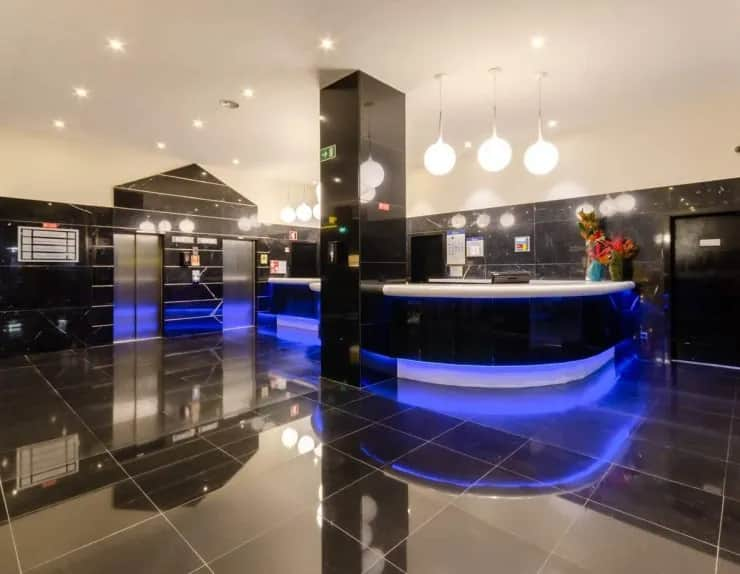 Olissippo Marquês de SáHotel Olissippo Marquês de Sá is located in one of the most elegant areas of Lisbon, near "El Corte Inglês", Gulbenkian and Metro stations.Avenidas NovasHotels
 OliviaAvenida Marquês de Tomar 69, 1069-181 LisboaAvenidas NovasRestaurants
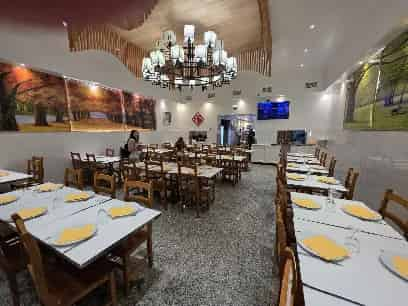
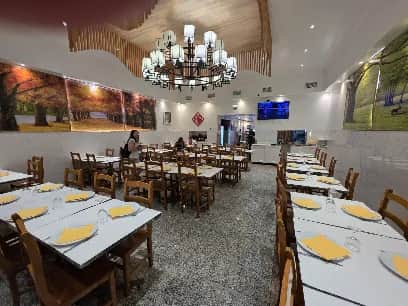 Os ArcosRua de Campolide 66A, 1070-294 LisboaAvenidas NovasRestaurants
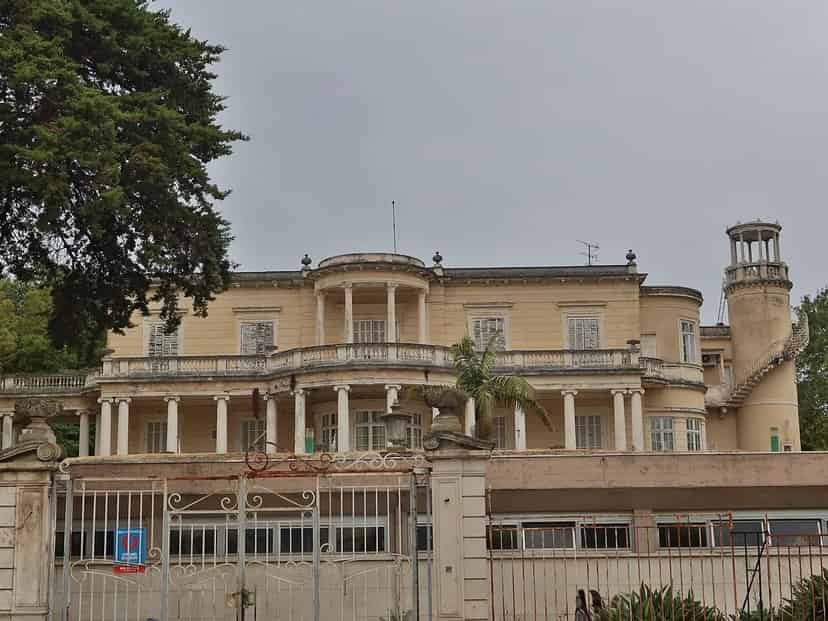
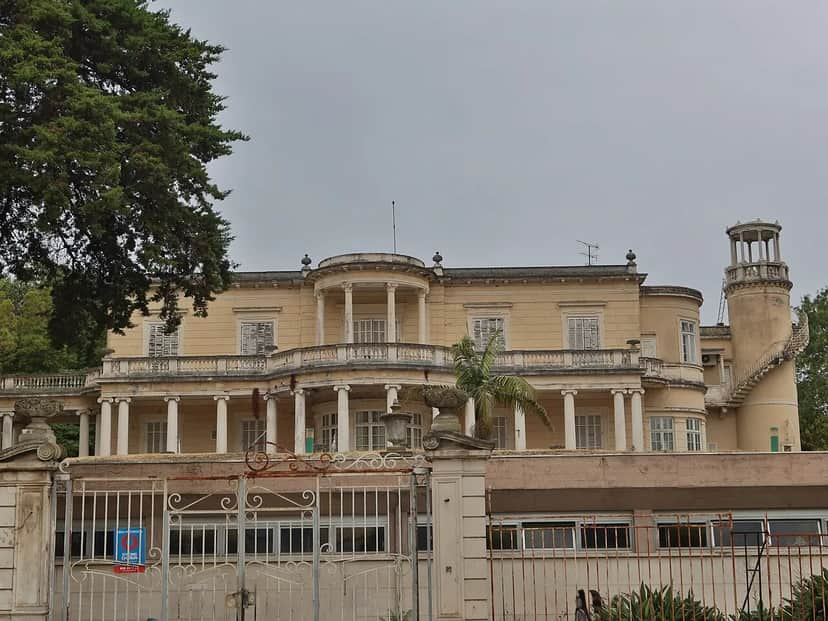 Palacete LeitãoRua Marquês de Fronteira s/n, 1069-413 LisboaAvenidas NovasMonuments & Historic Buildings
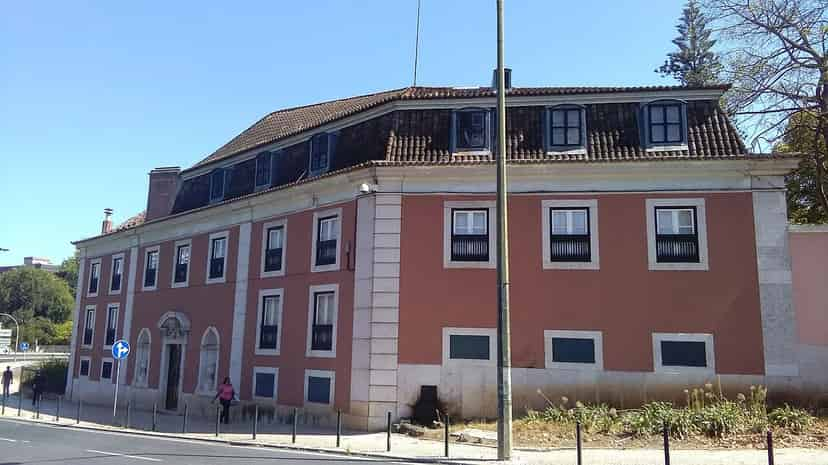
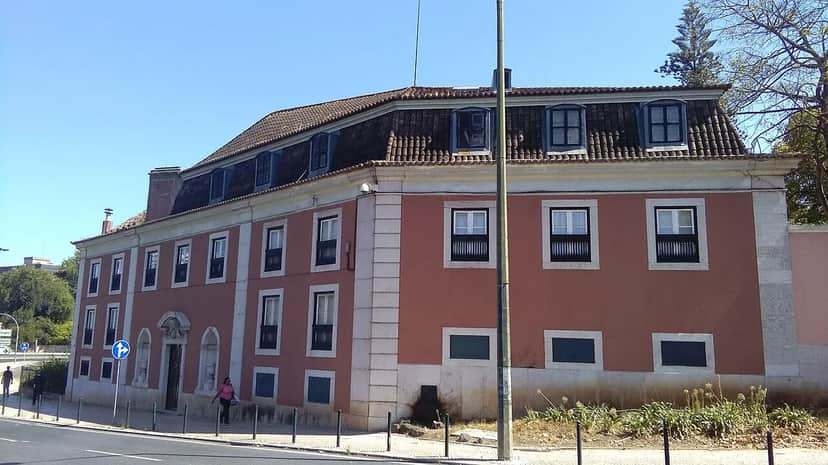 Palácio de PalhavãThe Palácio de Palhavã is a palace in the city of Lisbon, built in the 17th century in an area then considered to lie outside the city, in the rural parish of S. Sebastião da Pedreira. The Palace, as described by the art historian Monterroso Teixeira, has a character "governed by seigneurial display, a setting of power and representation".Avenidas NovasMonuments & Historic Buildings
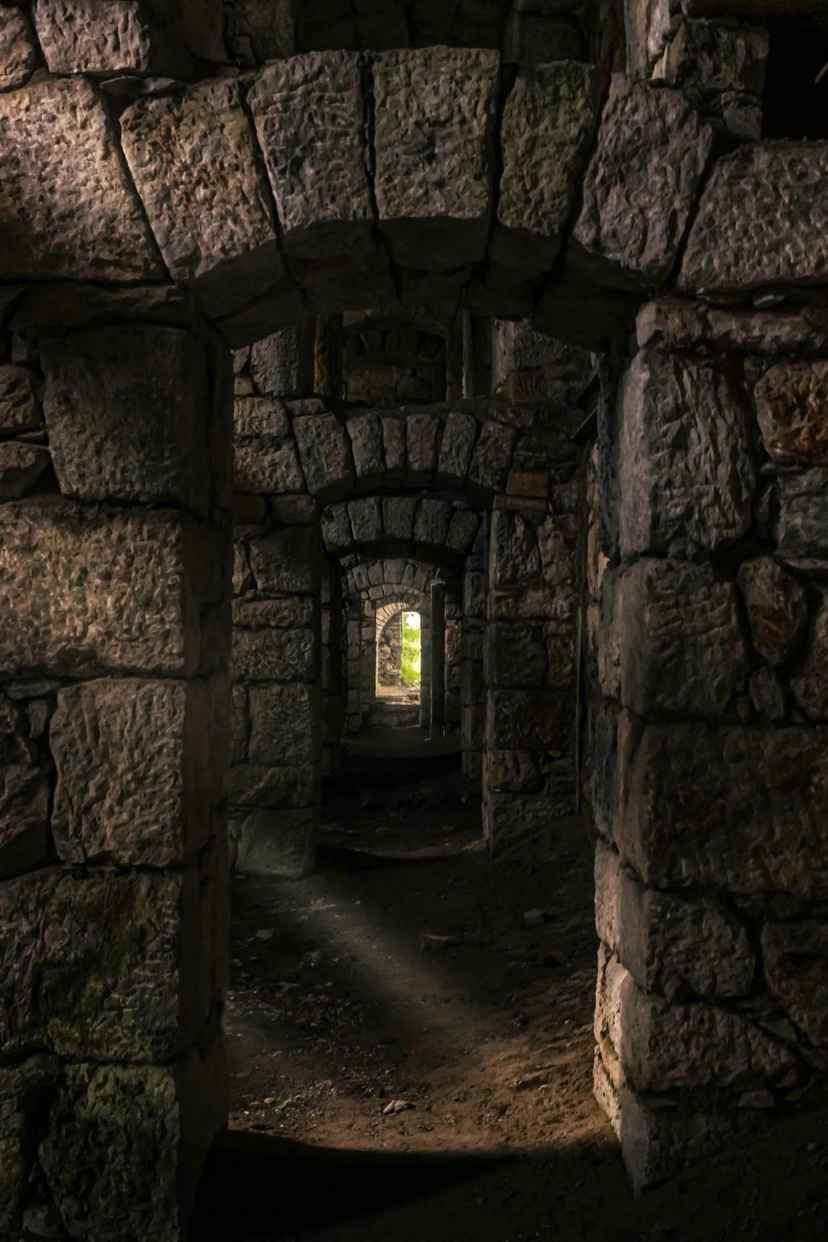
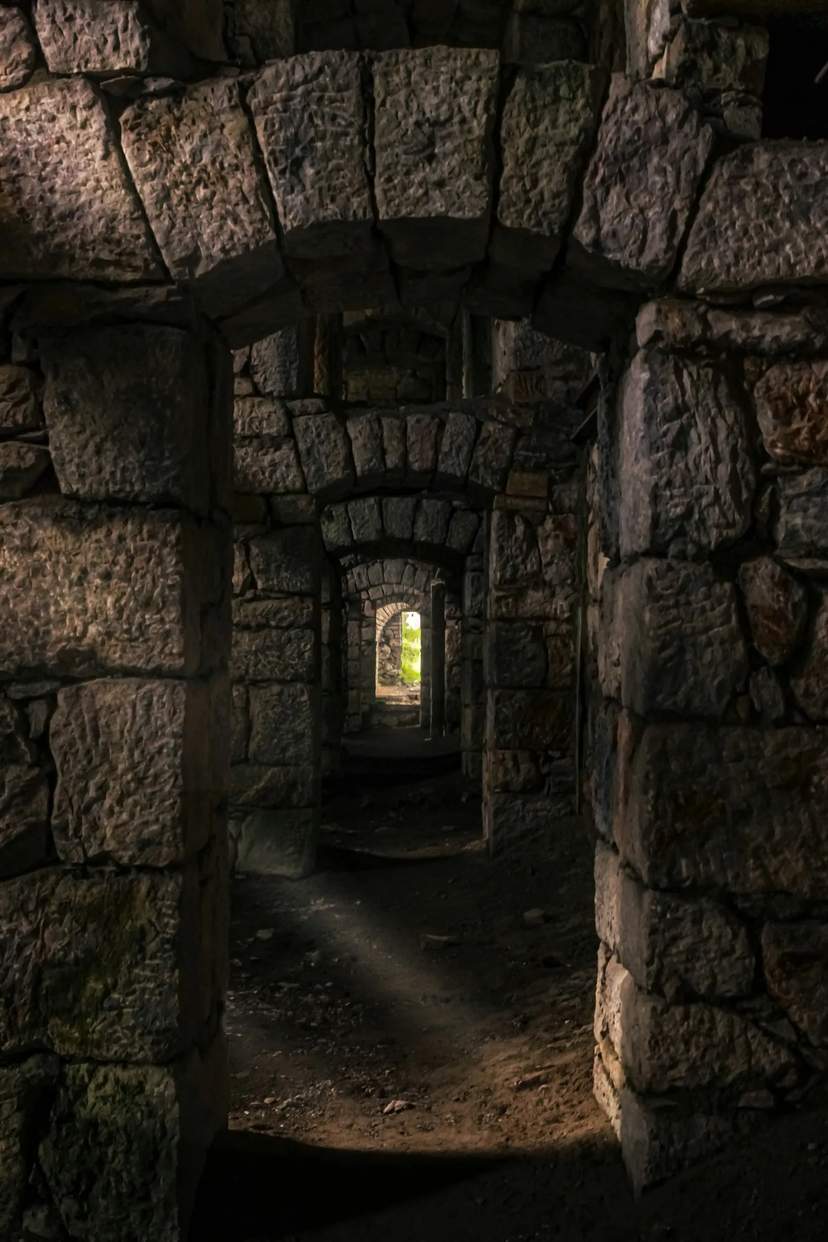 Palácio de Sá da BandeiraLargo de São Sebastião da Pedreira, 1050-019 LisboaAvenidas NovasMonuments & Historic Buildings · Illustrative photo
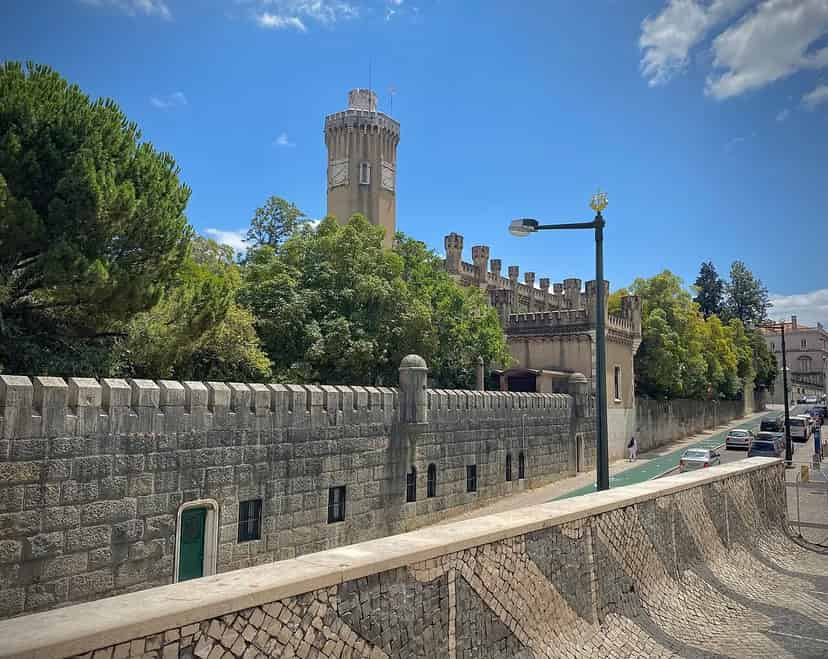
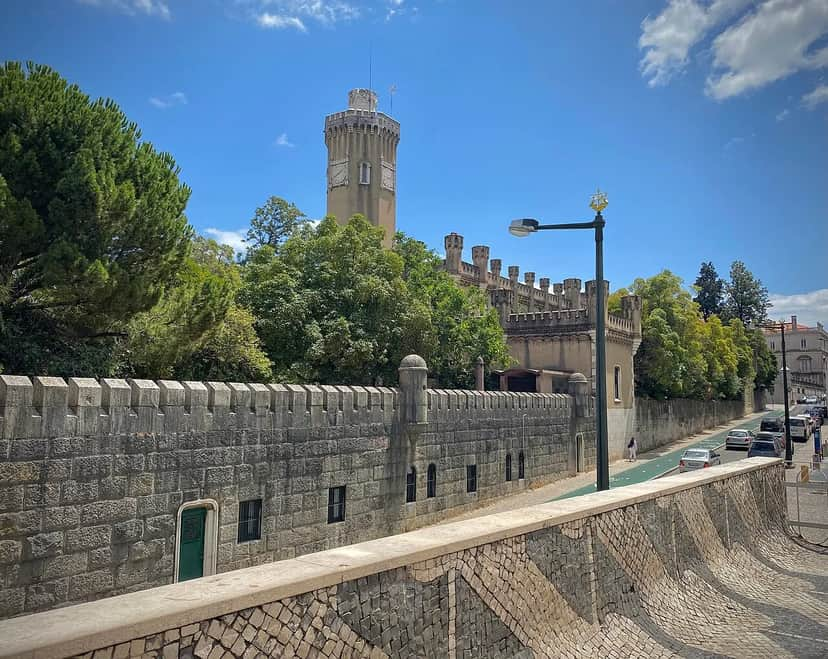 Palácio de Santa GertrudesRua Doutor Nicolau de Bettencourt s/n, 1050-021 LisboaAvenidas NovasMonuments & Historic Buildings
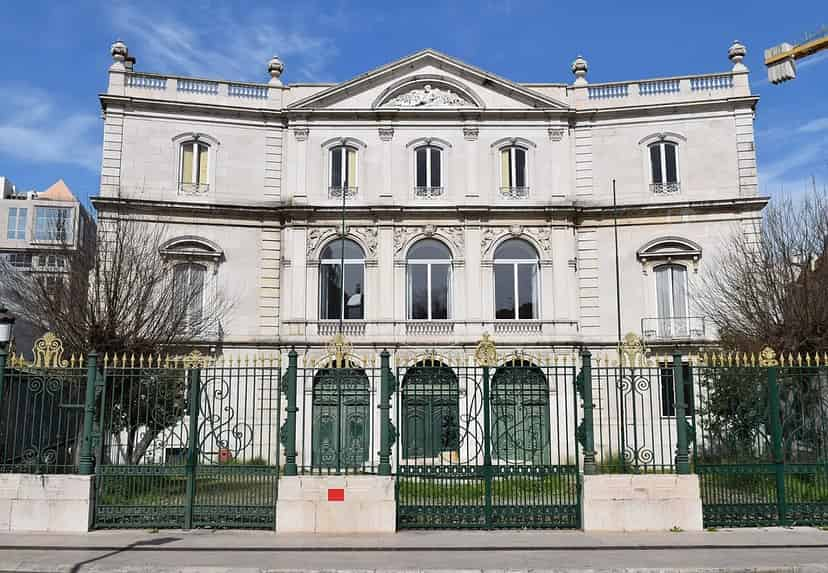
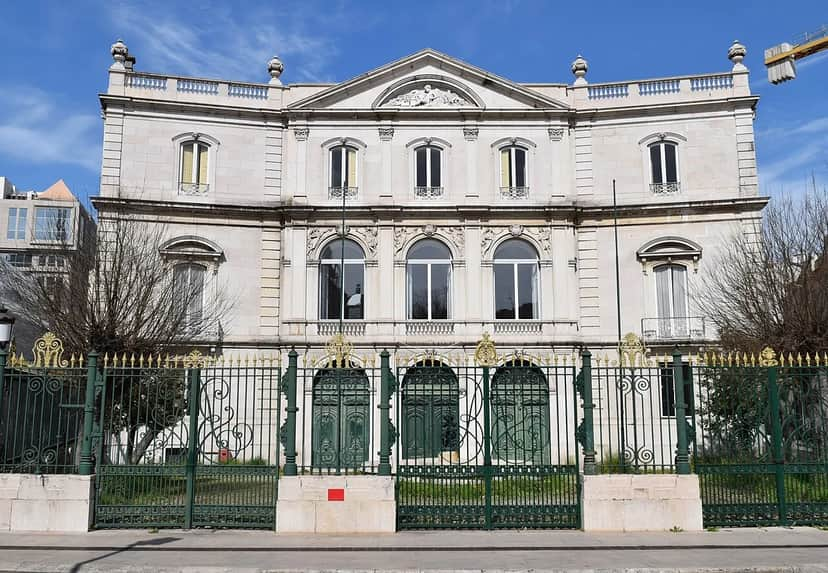 Palácio José Maria EugénioPalácio de Vilalva is an architectural building located in the parish of São Sebastião da Pedreira, in Lisbon.Avenidas NovasMonuments & Historic Buildings
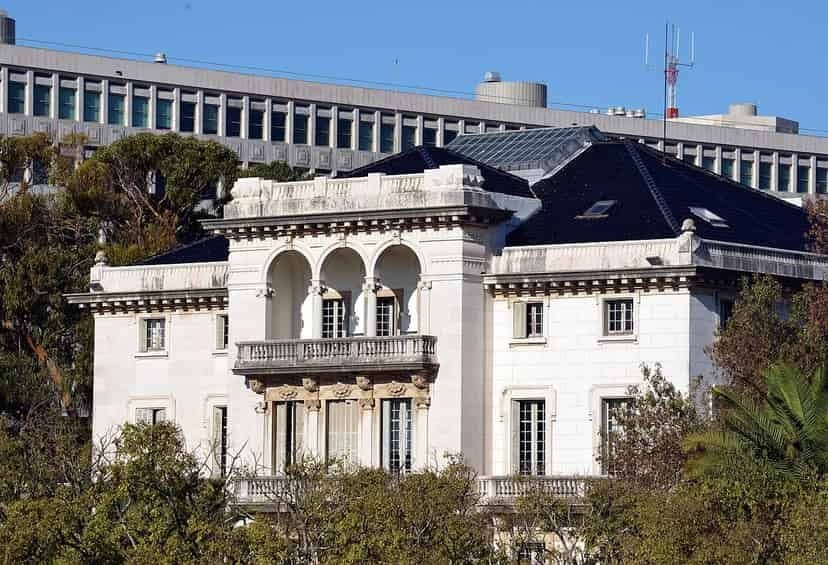
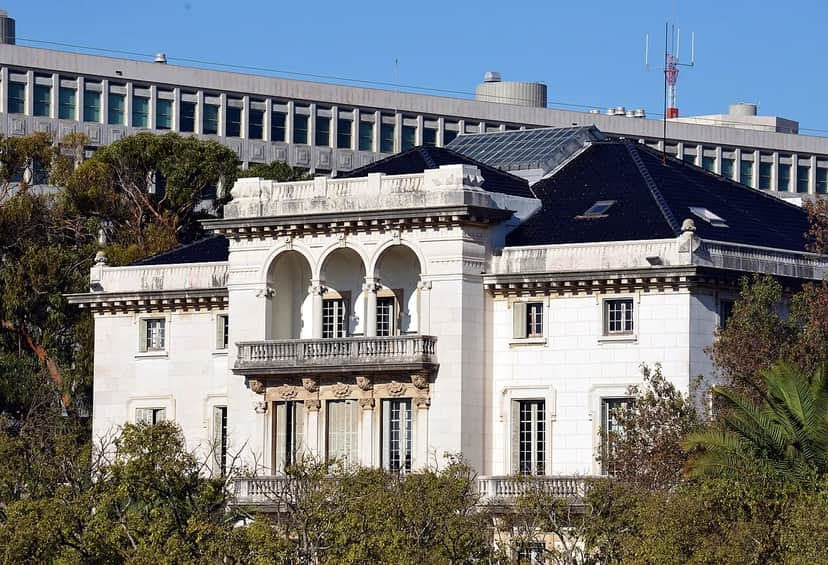 Palácio MendonçaDesigned between 1900 and 1902 by the architect Ventura Terra for Henrique José Monteiro de Mendonça, a plantation owner in S. Tomé, the building, eclectic in style, was completed in 1909, the year it was awarded the Valmor Prize...Avenidas NovasMonuments & Historic Buildings
- Palácio VilalvaRua Marquês de Fronteira, 1069-452 LisboaAvenidas NovasMonuments & Historic Buildings
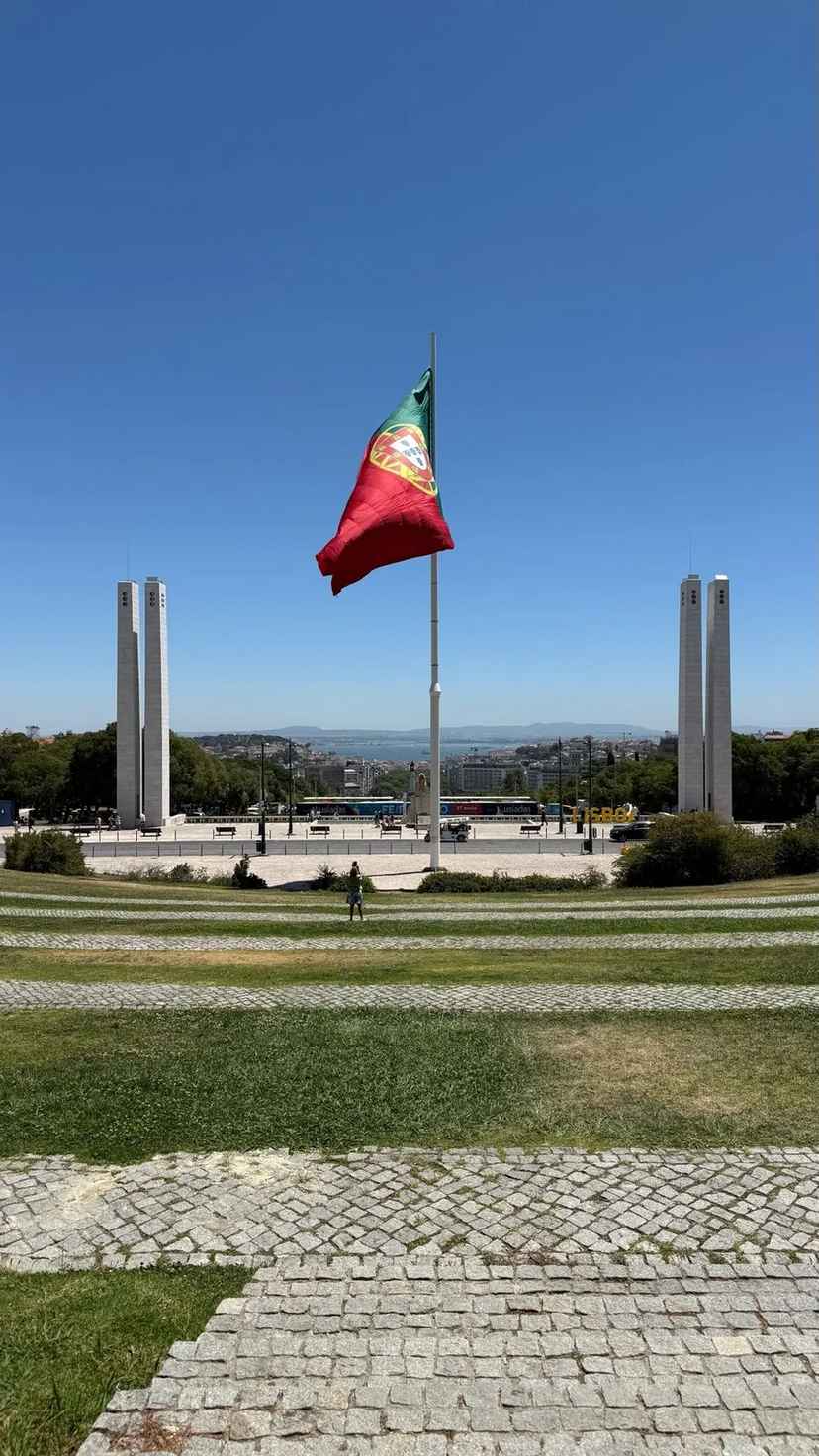
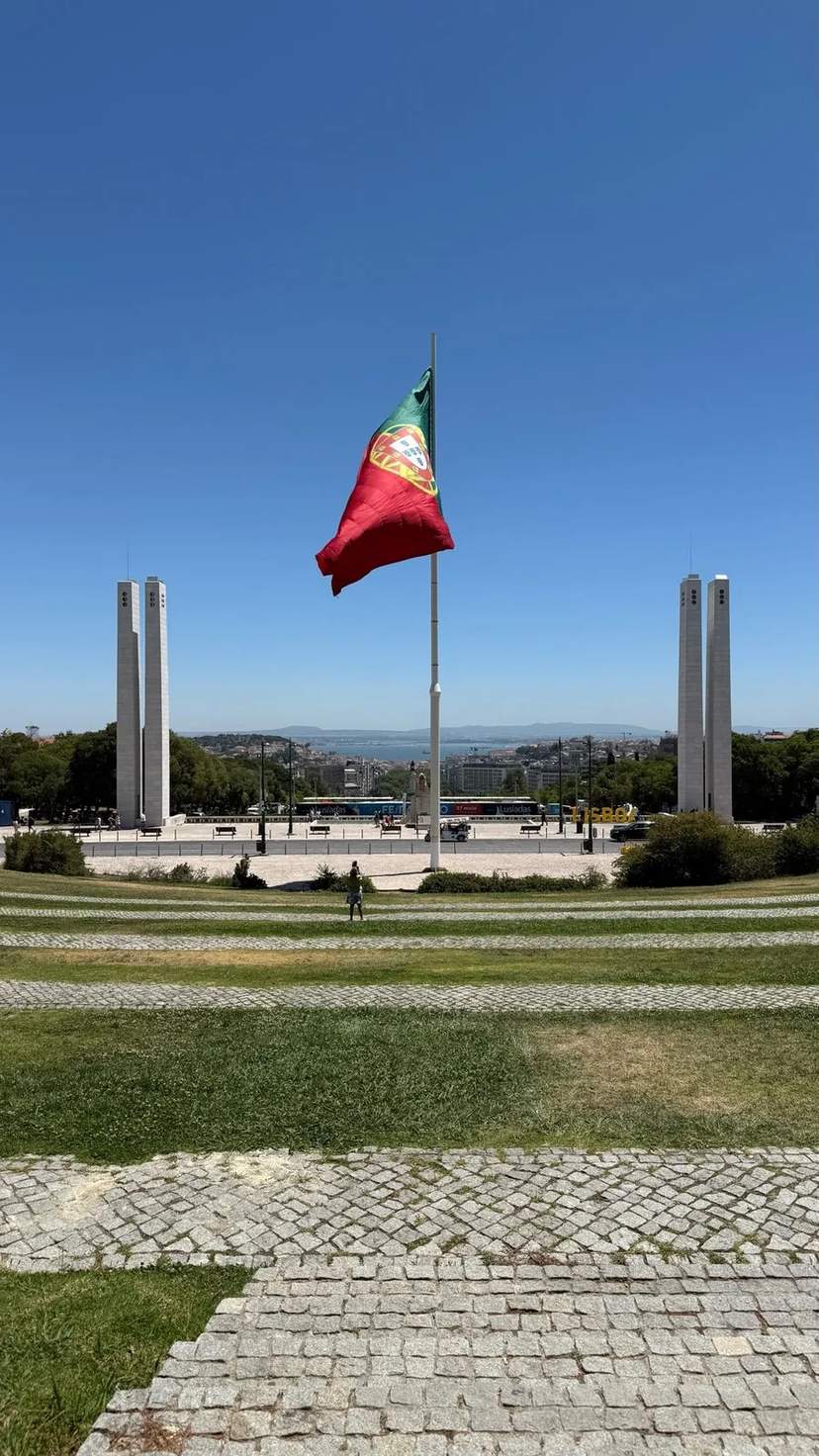 Parque Eduardo VIIParque Eduardo VII lies in the Avenidas Novas neighbourhood of Lisbon. Its address is given as Pq. Eduardo VII, beside Praça do Marquês de Pombal, and some people call it Parque Eduardo Sete. It is described as the largest public park in central Lisbon. It climbs a steep hill directly behind the praça, and one description calls it the city's green geometric spine and a premier vantage point. The park carries the name of King Edward VII. A terrace at the northern end looks across clipped box hedging, down to the city and the Tagus. On the eastern side stands the Carlos Lopes Pavilion. It was built for the 1922 World Expo in Brazil and moved to Lisbon in 1932. The park took the form seen today during the 1940s. The western side holds the Estufa Fria, which is sunken into a former basalt quarry. From the path above, the roof shows beyond the railings. One visitor likened it to an enormous roller-skate rink. The main entrance sits beside a lake, and that visitor, being over 65, paid €1.55. In the late nineteenth century the site was a basalt quarry. A gardener who saw how well plants grew there gathered species in one of its hollows, meaning to replant Avenida da Liberdade and the park. The First World War upset those plans. In 1926 an architect began the project that gave the plants a proper home, and the Estufa Fria officially opened in 1933. The Estufa Fria uses no heating. A slatted roof covers it, with gaps open to the outdoors, and it spans over 8,000 m². The planting includes tree ferns, rhododendrons, camellias, bananas, colocasias and strelitzias. One source counts more than 300 species growing here through the year. Pools, statuary and arches line winding gravel paths and stone steps. A lake has a monumental fountain. The sculptures include a girl pulling on a sock by Leopoldo de Almeida and a seated female figure by Anjos Teixeira. Two glass-roofed sections lie against the quarry's back wall. The Estufa Quente holds coffee plants and mango trees, and the Estufa Doce holds cacti and other succulents. Together the three houses cover some 11,500 m². The park is also where a Winedering van tour of Lisbon begins. The tour lasts about two hours and is priced at €55 for adults. It takes two to seven guests, in English or Português, and runs on Fridays at 10:00 and 15:00. Free cancellation runs until two days before the start. After the park, the route moves on to Avenida da Liberdade, the National Pantheon and Sé de Lisboa, and ends with a glass of wine and a pastel de nata.Avenidas NovasParks & Gardens
Powered by Foursquare ·Photo and data credits ▾
Photos: DataForSEO · João Carvalho (CC BY-SA 3.0), via Wikimedia Commons · accorhotels.com · olissippohotels.com · JJ Merelo (CC BY-SA 2.0), via Wikimedia Commons · RicardoFilipePereira (CC BY-SA 4.0), via Wikimedia Commons · Photo by Sergej Kaldesić on Unsplash · Sharon Hahn Darlin (CC BY 2.0), via Wikimedia Commons · Haydn Blackey from Cardiff, Wales (CC BY-SA 2.0), via Wikimedia Commons · Harvey Barrison from Massapequa, NY, USA (CC BY-SA 2.0), via Wikimedia Commons · Data: © OpenStreetMap contributors · Wikipedia (CC BY-SA 4.0) · Wikidata (CC0)
