

Filters (0)
Rating▾

 Janela da ModaRua Tomás da Anunciação 47B, 1350-332 LisboaCampo de OuriqueFashion & Apparel
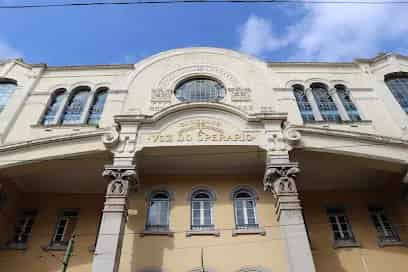
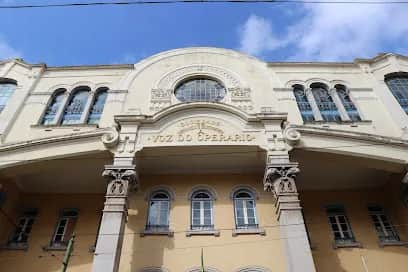 Janela da VozRua voz do operário 13, 1100-620 LisboaGraçaRestaurants

 JardaAvenida Guerra Junqueiro 13, 1000-166 LisboaSaldanhaFashion & Apparel
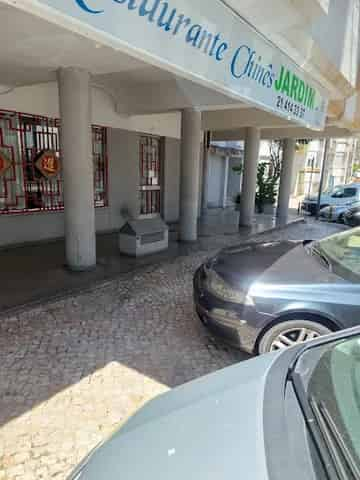
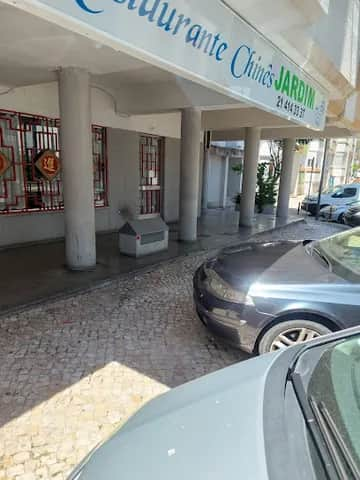 JardimAvenida Carolina Michaelis s/n, 2795-195 Linda a VelhaOeirasRestaurants
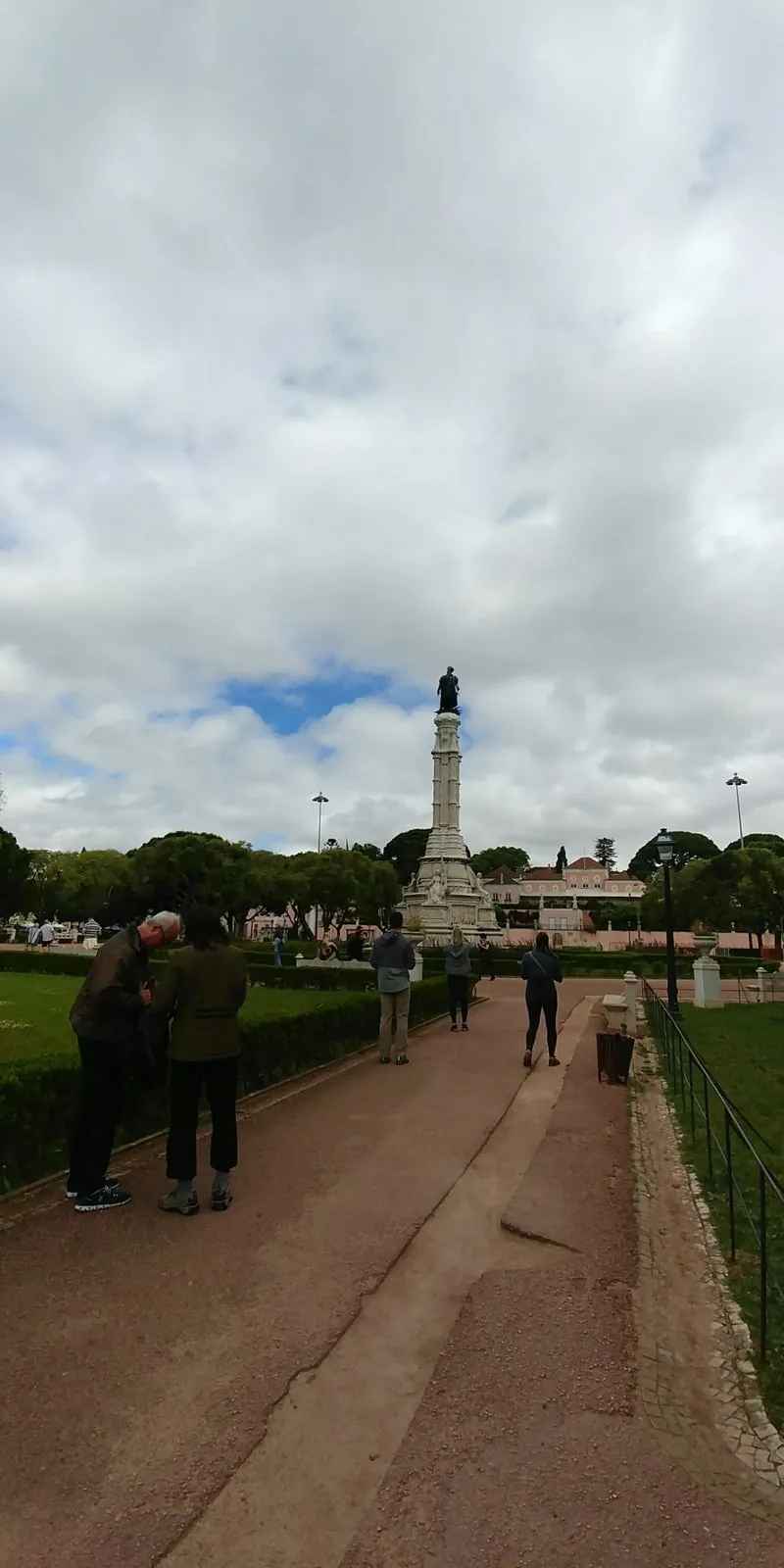
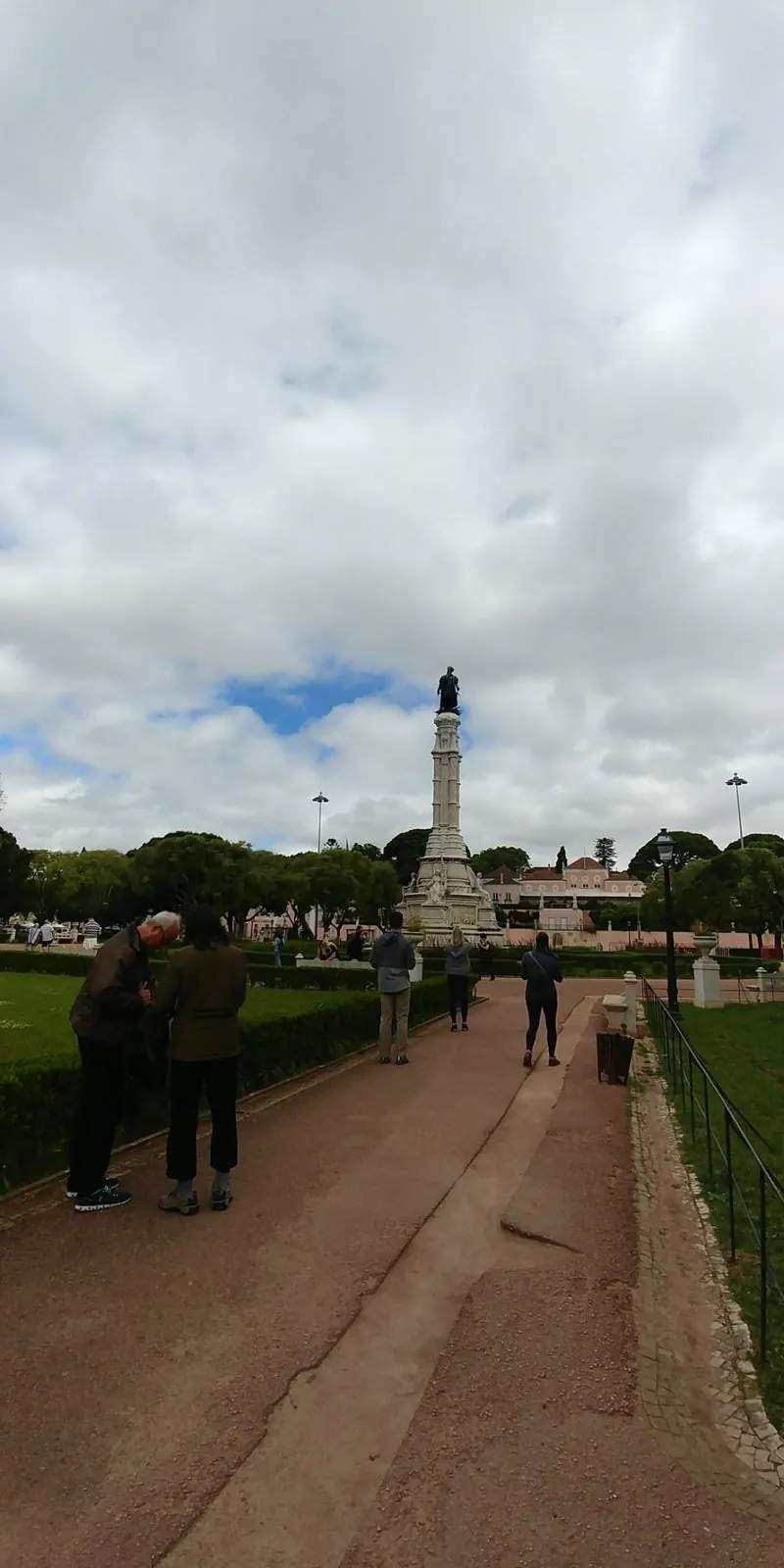 Jardim Afonso de AlbuquerqueThis is the garden facing the Palácio Nacional de Belém, the official residence of the President of the Portuguese Republic. In the center of this garden stands the monument in honor of Afonso de Albuquerque, Governor of Portuguese India between 1507 and 151.BelémParks & Gardens
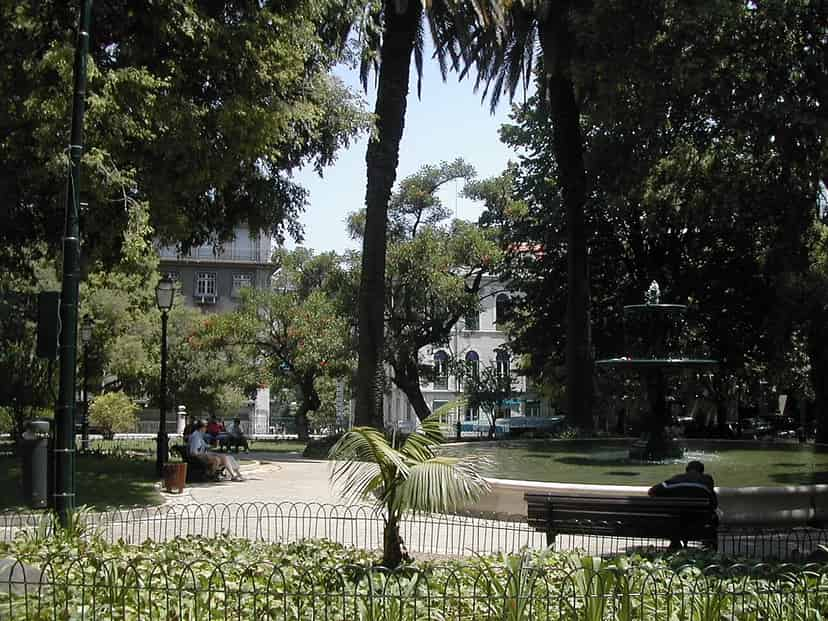
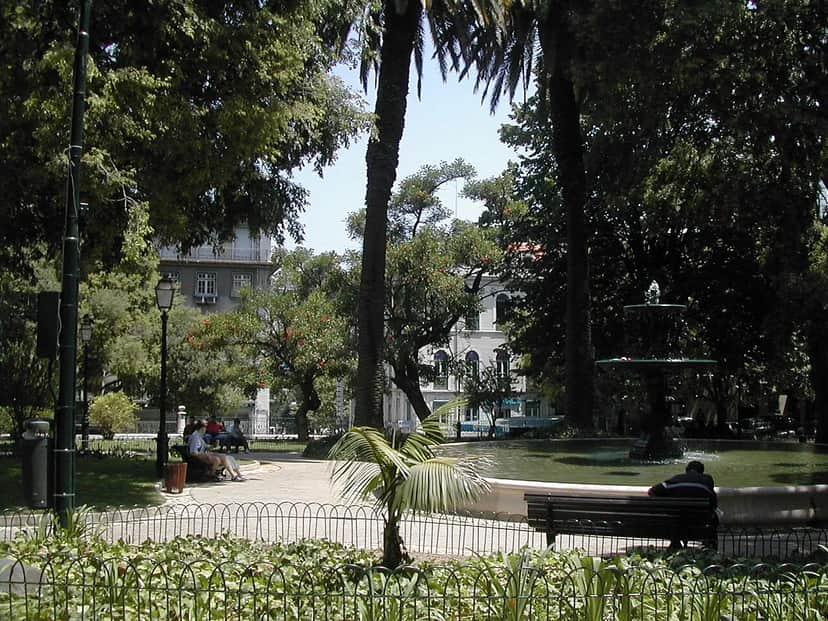 Jardim Alfredo KeilA small Romantic garden, planted in 1882 on the site where, between 1809 and 1835, the Feira da Ladra was held. In 1882 this space (next to the then Passeio Público) was no more than a small, semi-abandoned square set across the hillside, ideal foPríncipe RealParks & Gardens
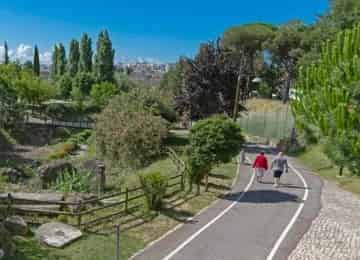
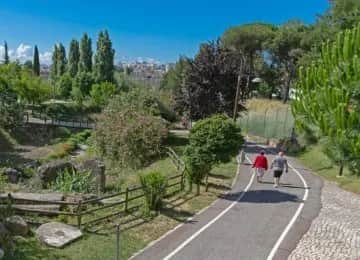 Jardim Alfredo Roque GameiroOver the years, Amadora has invested in the construction and maintenance of various green spaces, designed for walking or simply relaxing and enjoying a pleasant place that is an alternative to the bustle of the city. The creation of a network of pedestrian paths, associated in privileged locations with leisure and sports facilities and equipment for free and informal use, transforms the city itself into an entity that promotes health and well-being. Among the identified spaces are Parque Aventura, Parque da BD – Turma da Mônica / Maurício de Sousa, Parque Urbano do Neudel, Parque Central, Parque Delfim Guimarães, Parque da Fantasia, Parque Fonte das Avencas, Parque da Ilha Mágica do Lido, Parque da Juventude and Parque da Liberdade.AmadoraParks & Gardens
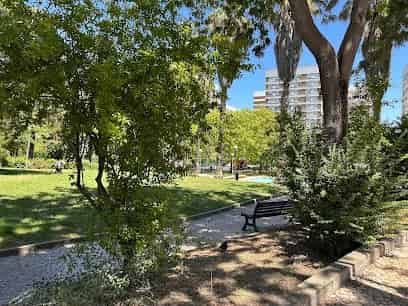
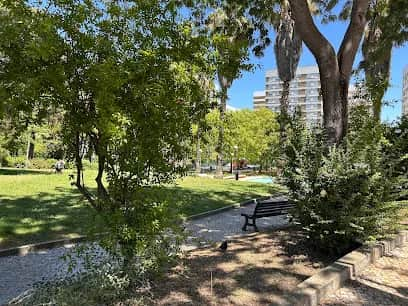 Jardim Almeida GarrettAvenida dos Descobrimentos s/n, 2685-207 PortelaLouresParks & Gardens
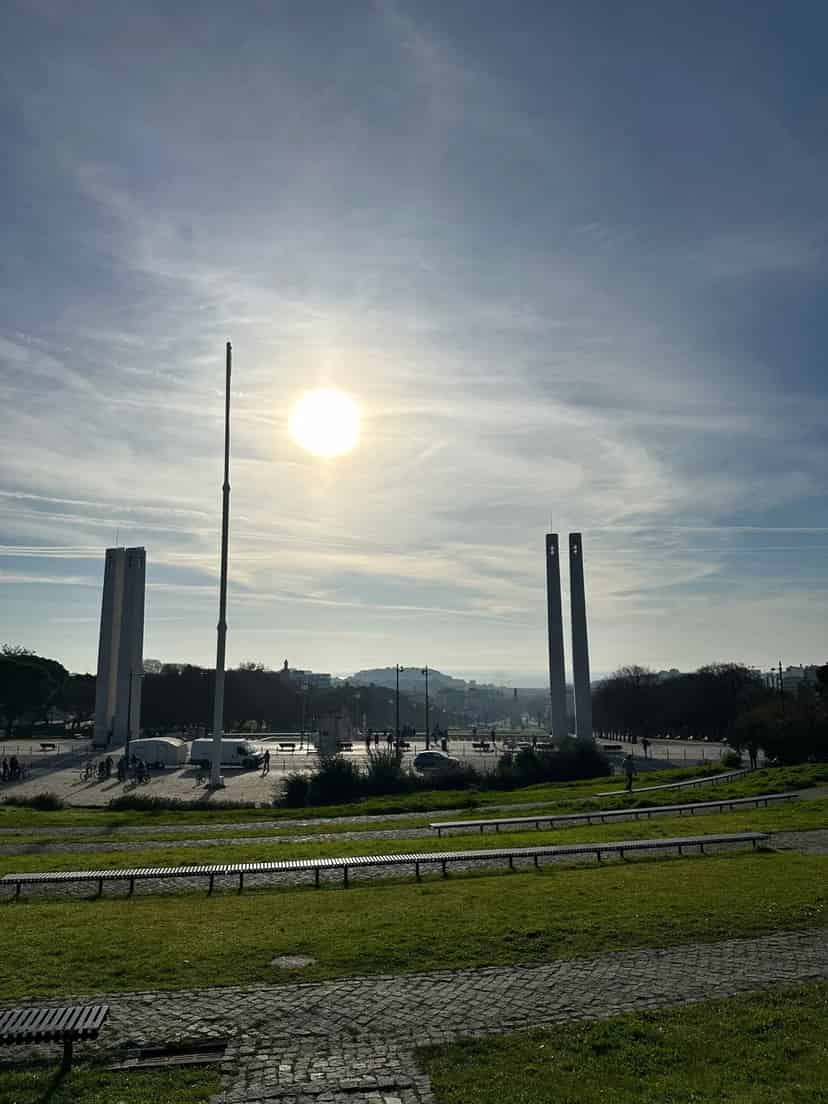
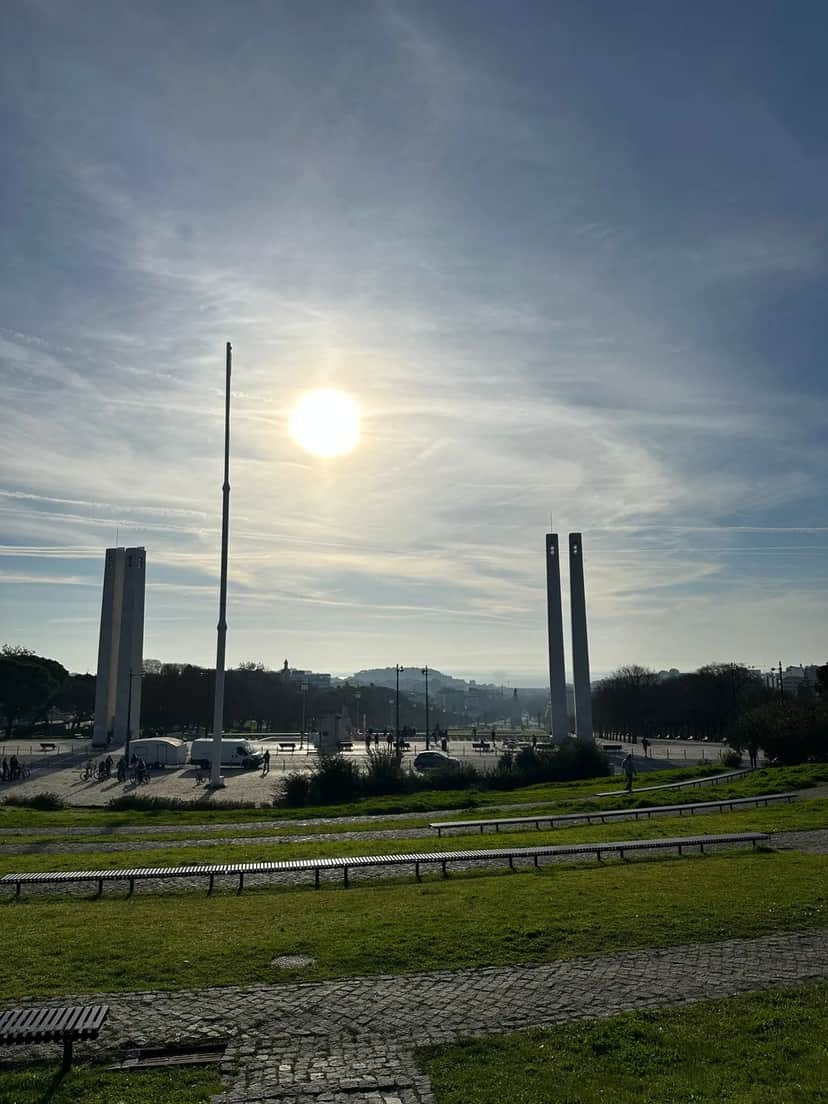 Jardim Amália RodriguesOpened in 1996 under the name Alto do Parque, it was renamed in 2000 to honor the fado singer. It is located north of Eduardo VII Park, in a central area and one of the highest in the city, therefore offering magnificent views. Its terrain andAvenidas NovasParks & Gardens
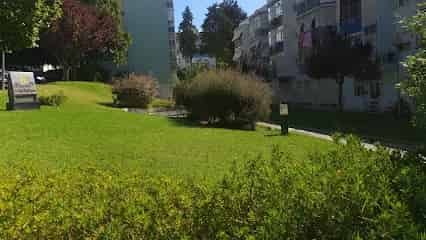
 Jardim Amália RodriguesJardim Amália Rodrigues, 2620-032 Olival BastoOdivelasParks & Gardens
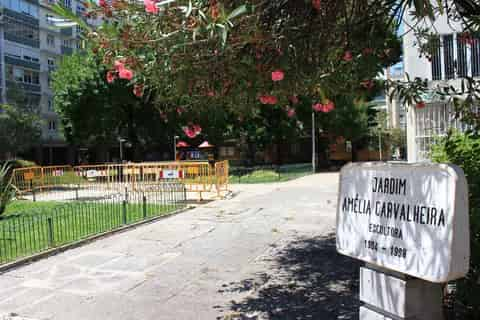
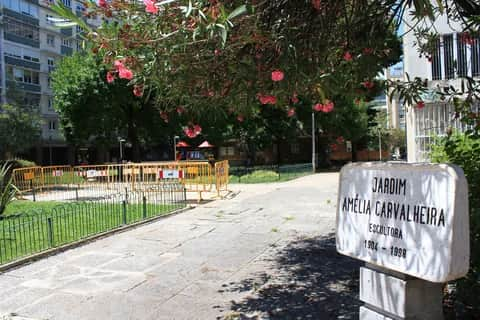 Jardim Amélia CarvalheiraJardim Amélia Carvalheira, 1050-102 LisboaAvenidas NovasParks & Gardens
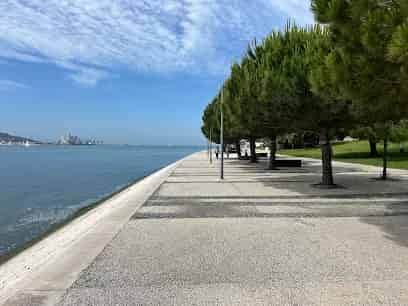
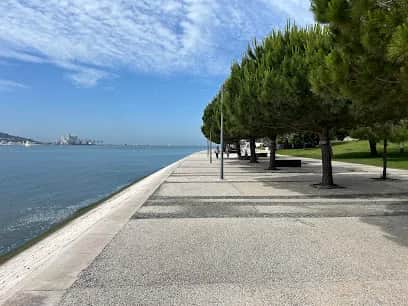 Jardim Anna SommerJardim Anna Sommer is a vast green space, without boundaries or fences, that welcomes visitors arriving at the Centro de Investigação Champalimaud. It was created in honour of the Founder's Mother to be enjoyed by everyone. It forms part of the extensive landscaped pedestrian areas of the Centro Champalimaud, in the historic riverside area of Belém in Lisbon, with shade-giving trees and stone paths that guide the walk.BelémParks & Gardens
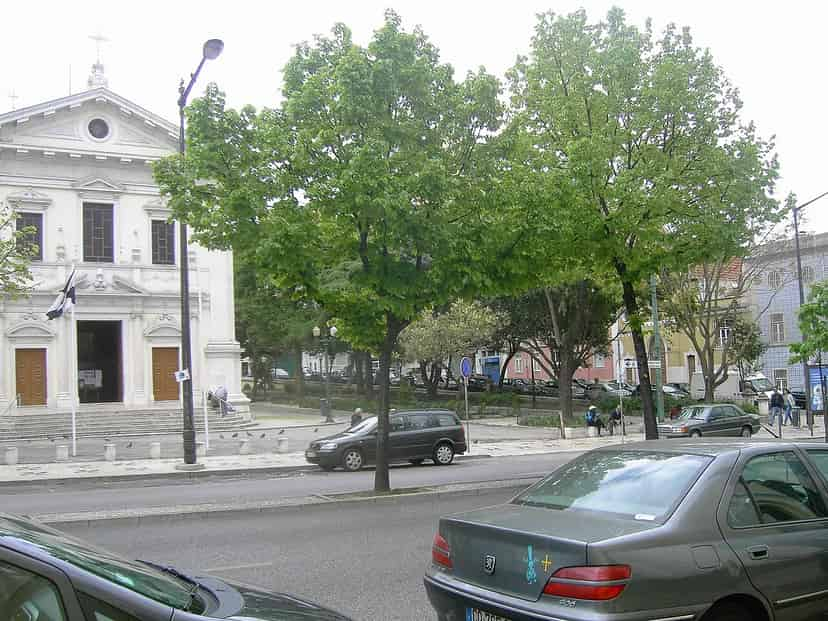
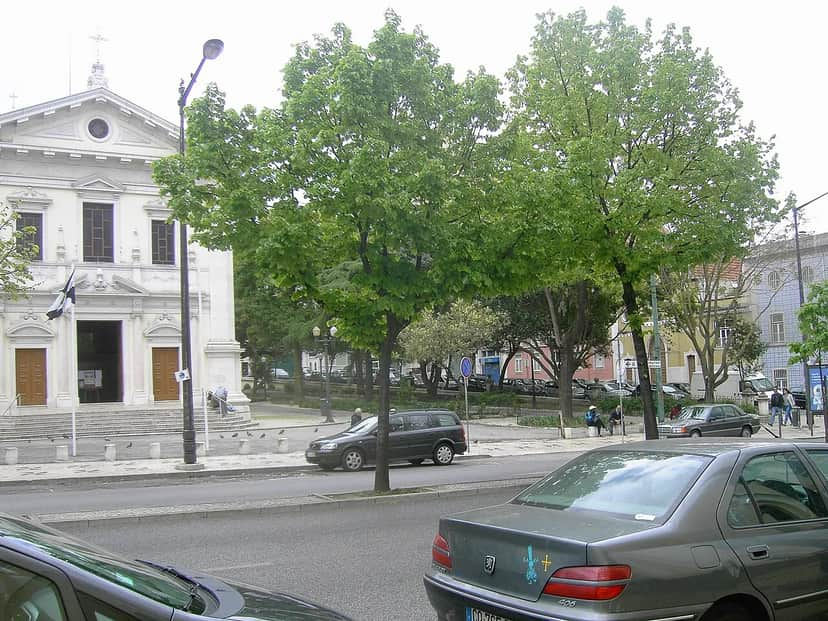 Jardim António FeijóJardim António Feijó, commonly known as the Anjos garden, lies next to the Igreja de Nossa Senhora dos Anjos and dates from the same period as the church's construction, in the early 20th century. A small garden, its greatest pointAnjosParks & Gardens
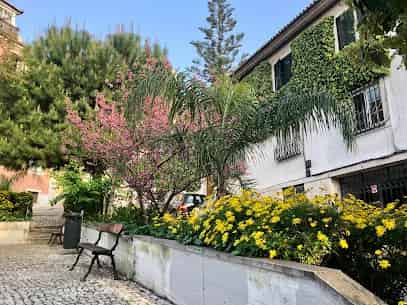
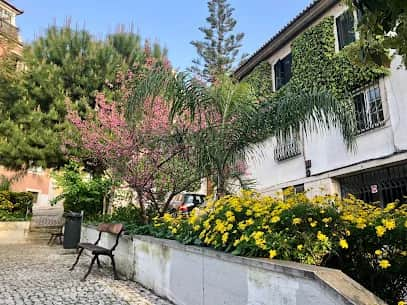 Jardim Antonio TabucchiTravessa da Palmeira s/n, 1200-311 LisboaPríncipe RealParks & Gardens
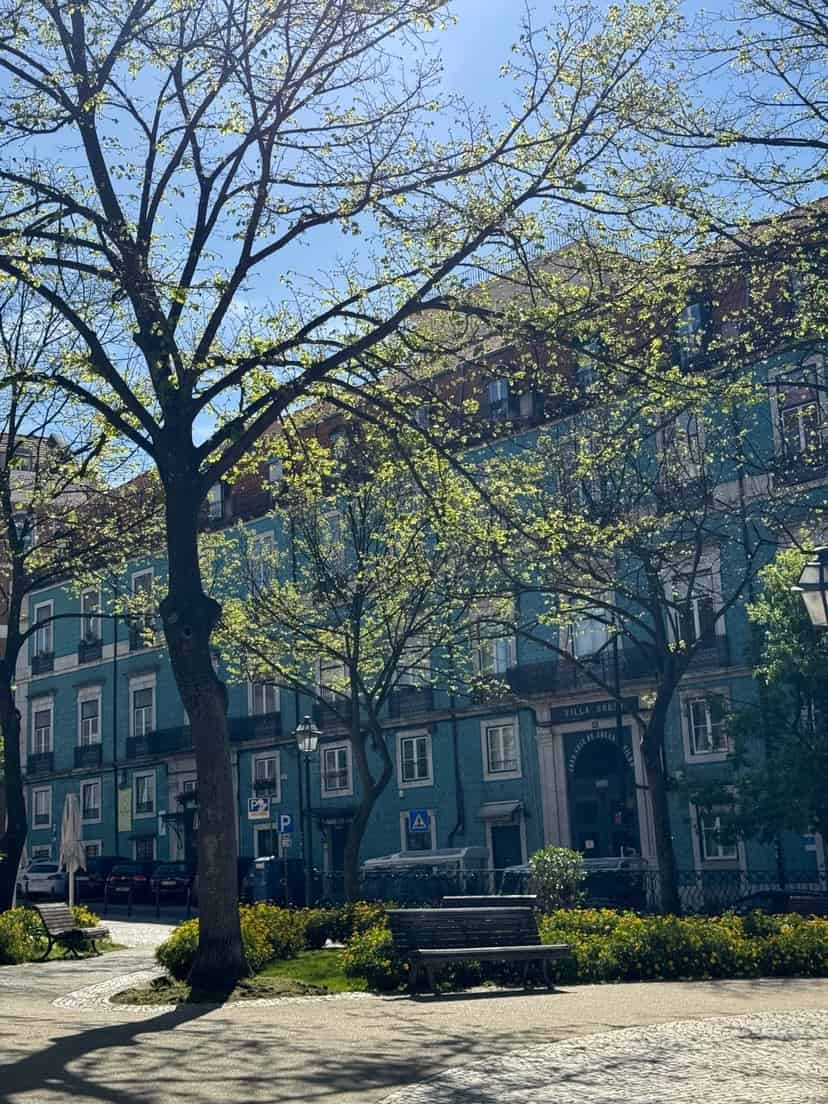
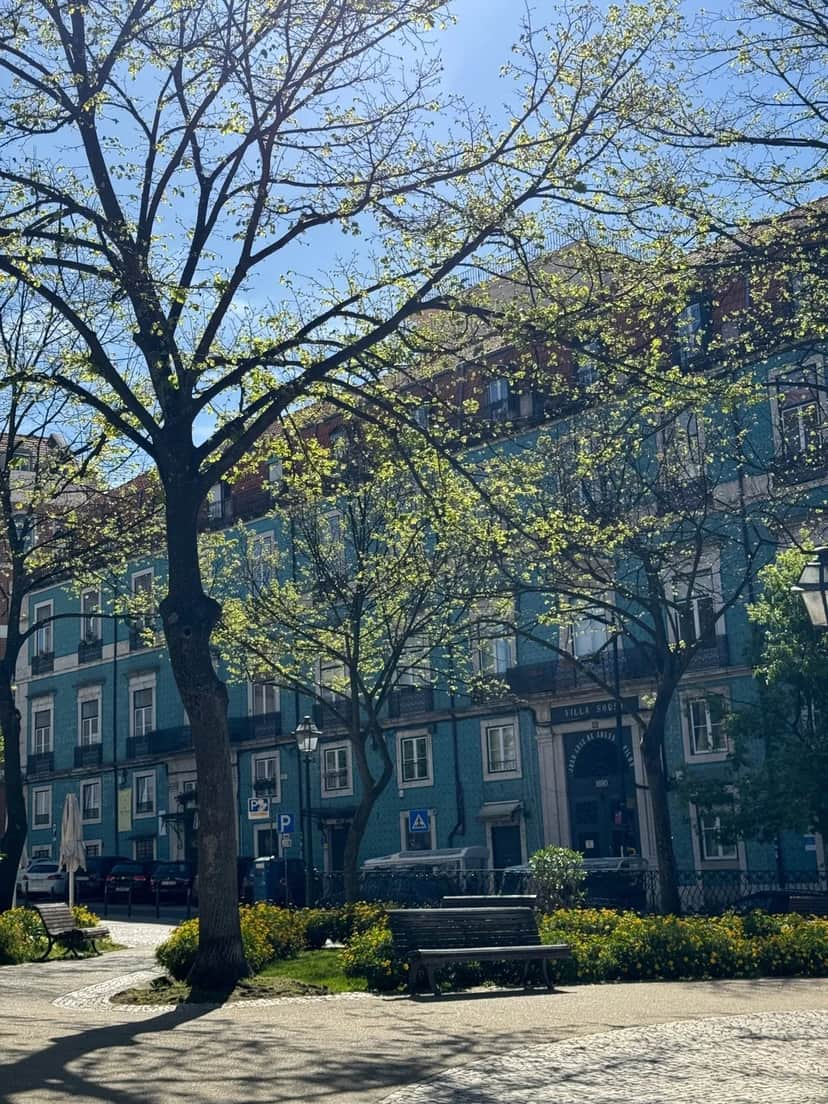 Jardim Augusto GilLocated next to the Church and former Convent of Graça, it is a modest garden, of small dimensions, dotted with some trees and flowerbeds and a figurative bronze statue, titled 'Mother and Child', which evokes the maternal relationship. It also hasGraçaParks & Gardens
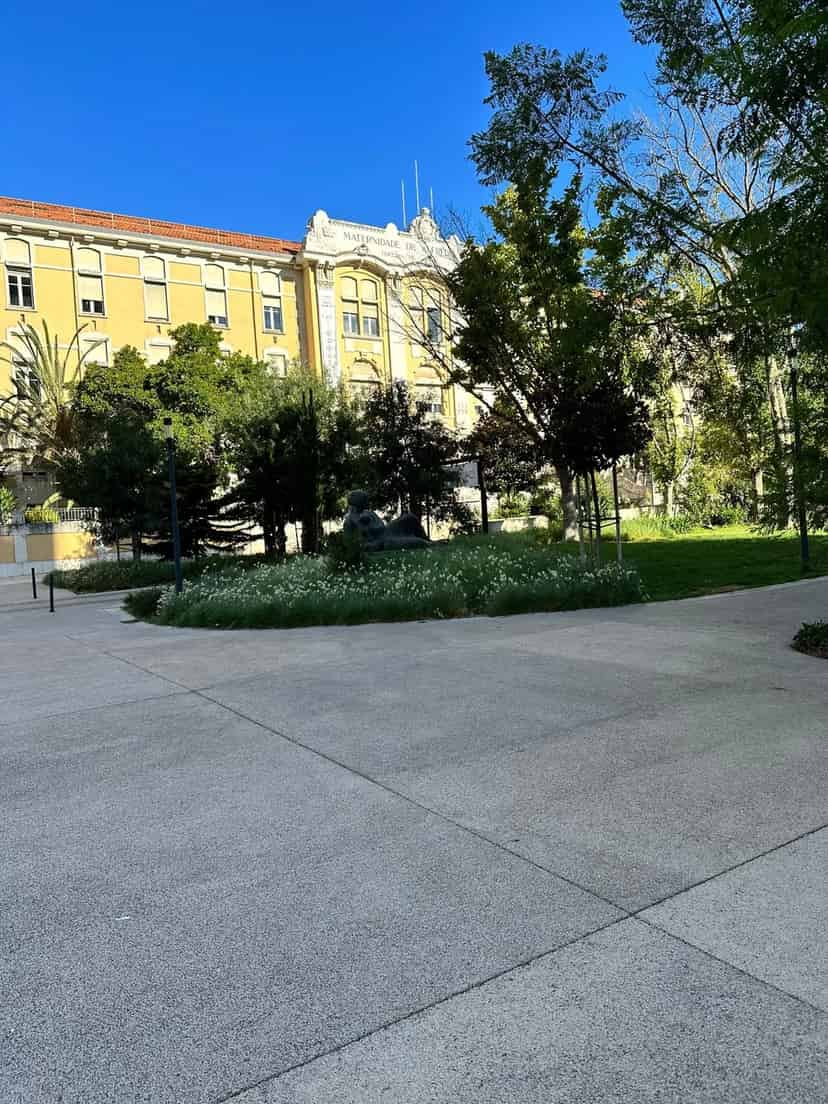
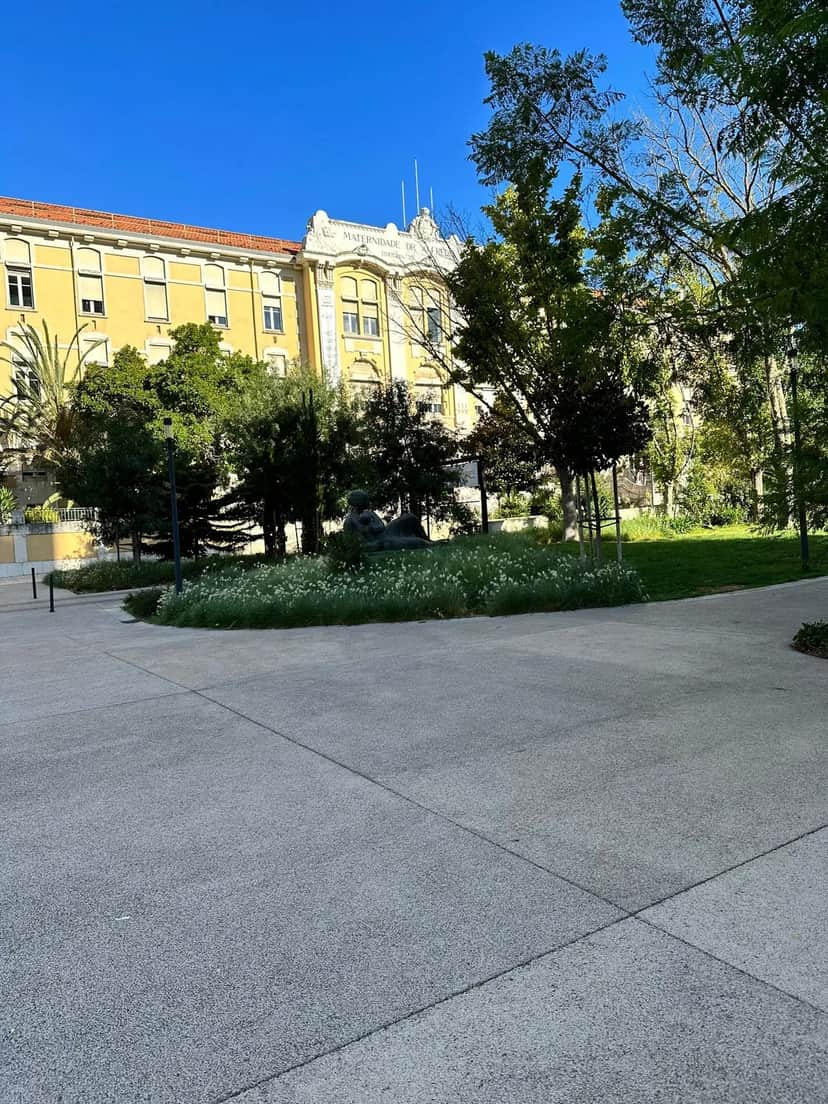 Jardim Augusto MonjardinoToponymy: Physician 1871 - 1941. Beginning: Confluence of Rua Viriato, Rua Latino Coelho and Avenida Cinco de Outubro.SaldanhaParks & Gardens
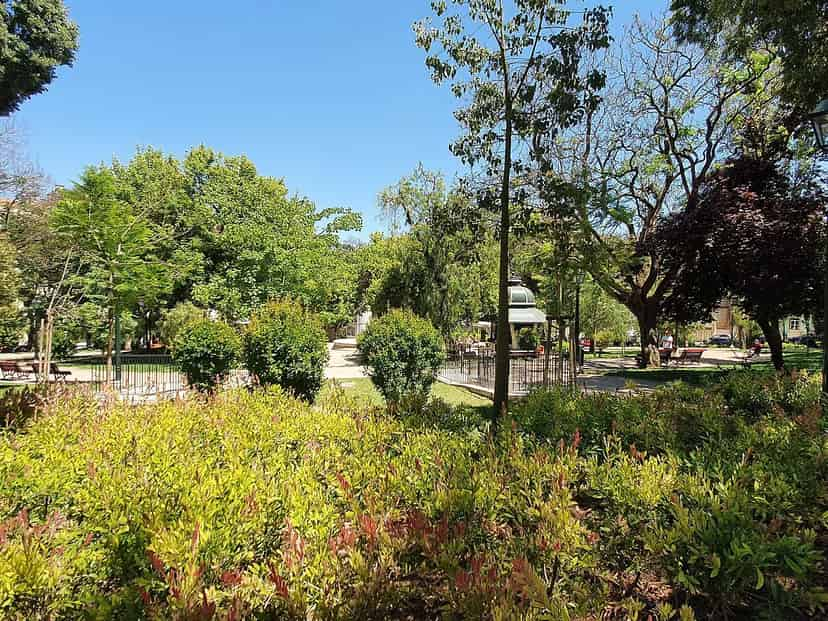
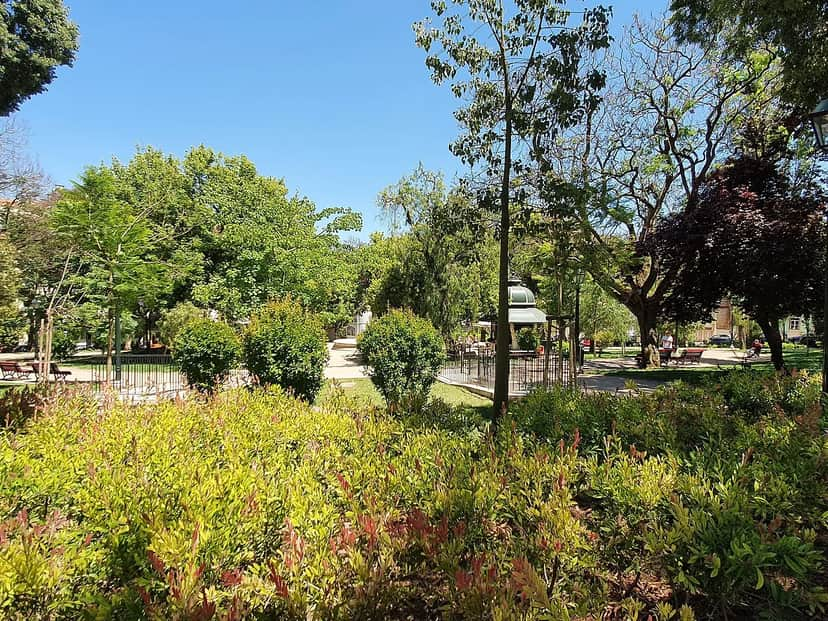 Jardim Avelar BroteroA small neighbourhood garden built in the early twentieth century. The garden takes its name from Félix de Avelar, born in Santo António do Tojal on 25 November 1744, who later adopted the surname «Brotero», meaning «lover of mortalsAlcântaraParks & Gardens
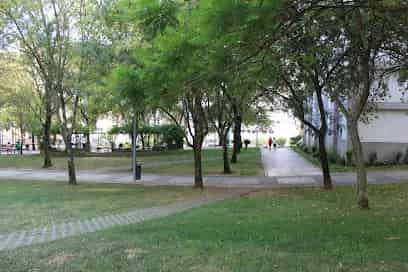
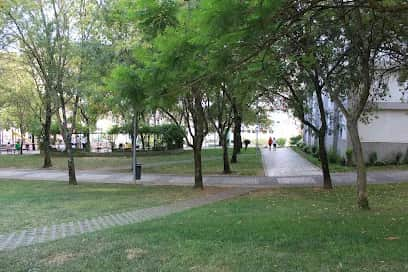 Jardim Bento MartinsA residence garden, located in the Quinta da Luz. The Lisbon City Council (Câmara Municipal de Lisboa), through a proposal from the Carnide Parish Council (Junta de Freguesia de Carnide), paid tribute to the memory of António Bento Martins, a great lover of Amateur Theatre...Rua Ana de Castro OsórioParks & Gardens
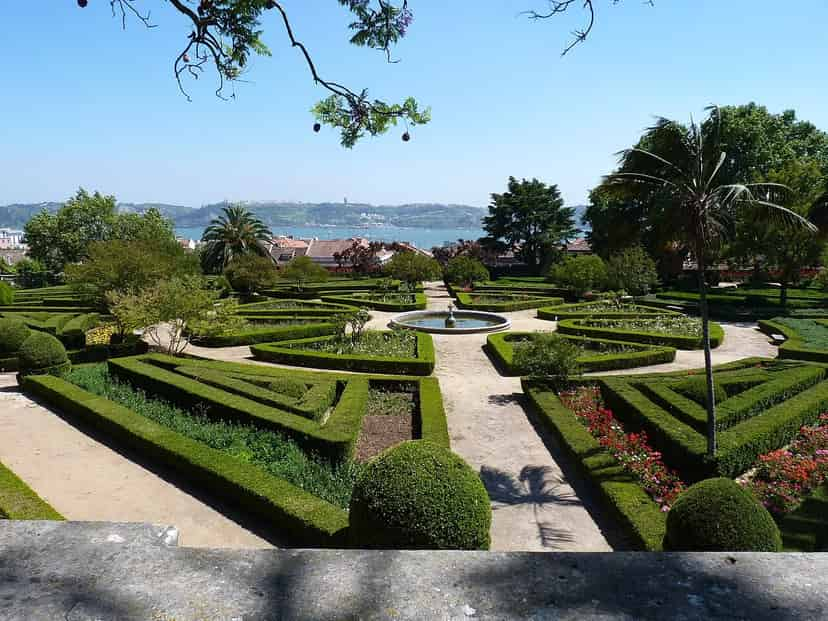
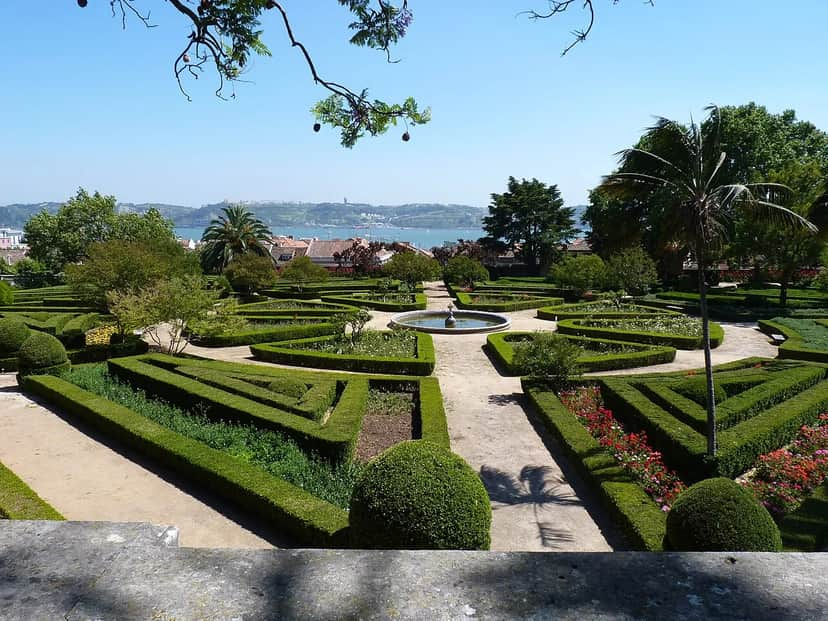 Jardim Botânico da AjudaJardim Botânico da Ajuda, or the Ajuda Botanical Garden, is next to the Palácio Nacional da Ajuda in Lisbon, and is open Monday to Friday from 10:00 to 18:00, and on the weekend from 10:00 to 20:00. The garden has a restaurant and offers scenic views. The land was acquired, following the 1755 Lisbon earthquake, which destroyed the palace along with most of the city. At the time, the land was planned to house a farm which would produce crops for the palace. Miguel Franzini, a royal tutor, later suggested transforming the land to a botanical garden. With this suggestion, the garden would be the 15th in all of Europe and the first in Portugal. A Museum of Natural History and a Physics Office, which provided the king's grandsons with a means of education, were situated nearby. Domingos Vandelli, a graduate of the University of Coimbra, later oversaw the project and collected and cultivated plants from around the world. Martinho de Mello, who would later become the supervisor of the garden, ordered the construction of two greenhouses as well as promoted the use of plants in medicine. He acquired and planted several species from the then Portuguese colonies of Brazil, Angola and Cape Verde. The garden as well as the museum were opened to the public. The garden once again became property of the royal court after it deteriorated. The orchid greenhouse was constructed by the third to last King of Portugal, D. Luís. The diverse plant species and resident peacocks are just some of the attractions of the garden. Plants are organized by continent or region and include Africa, the Mediterranean, North and Central America, Asia, Macaronesia, South Africa, Australia, New Zealand, and South America. It is said that a tour of the gardens is like taking a world tour. The baroque section of the gardens features the Fonte das Quaranta Bicas (Fontain of the Forty Spouts).Calçada da AjudaSights & Landmarks

 Jardim Botânico de LisboaThe Jardim Botânico de Lisboa stands at Rua da Escola Politécnica 58, 1250-102 Lisboa, in the Príncipe Real neighbourhood. It forms part of the Museu Nacional de História Natural e da Ciência of the University of Lisbon. The garden covers 4 hectares and holds over 10,000 plants. The entrance is a gate on a busy street, and only at the ticket office does the dense vegetation come into view. The garden was designed in the middle of the nineteenth century as a modern complement to the teaching and research of botany at the Escola Politécnica de Lisboa. Its site on Monte Olivete already had more than two centuries of botanical study behind it, begun by the Jesuit college of Cotovia, which was based there from 1609 to 1759. A draft regulation was prepared in 1843, yet planting only started in 1873, on the initiative of the Conde de Ficalho and Andrade Corvo, both professors at the school. The first gardeners were the German E. Goeze and the Frenchman J. Daveau. Edmund Goeze, the head gardener, outlined the "Classe", while Jules Daveau was responsible for the "Arboreto". Paths, flowerbeds and terraces follow a whimsical layout and are linked by lakes and cascades. The first seed catalogue appeared in 1878. After 1892, Henri Cayeux embellished the garden by introducing and raising ornamental plants. The largest intervention came in the late 1930s and early 1940s under the director Ruy Telles Palhinha, when the original systematic layout of the upper level gave way to groupings of species in ecological sets. The garden was classified as a national monument on 4 November 2010. The Câmara Municipal de Lisboa renewed it in 2016 through the Orçamento Participativo. Palms from every continent give some corners an unexpectedly tropical character. Cycads, described as living fossils, represent ancient floras that have mostly died out. The garden is also rich in tropical species from New Zealand, Australia, China, Japan and South America. The Australian Cycad stands out for its twisting trunks. The butterfly greenhouse is the only one in Europe open to the public. The garden also runs environmental education programmes and themed visits. It opens every day from 09:00 to 20:00, with hours of 09:00 to 17:00 from 1 October to 31 March. Admission is €3.00, with no discount for Lisboa Card holders. The garden is about a 6-minute walk from Rato metro station, the last stop of the yellow line, and tram 24 from Praça Luís de Camões in Chiado stops nearby. Further down the street lie Jardim do Príncipe Real, in the neighbourhood's main square, and the Miradouro de São Pedro de Alcântara.Príncipe RealParks & Gardens
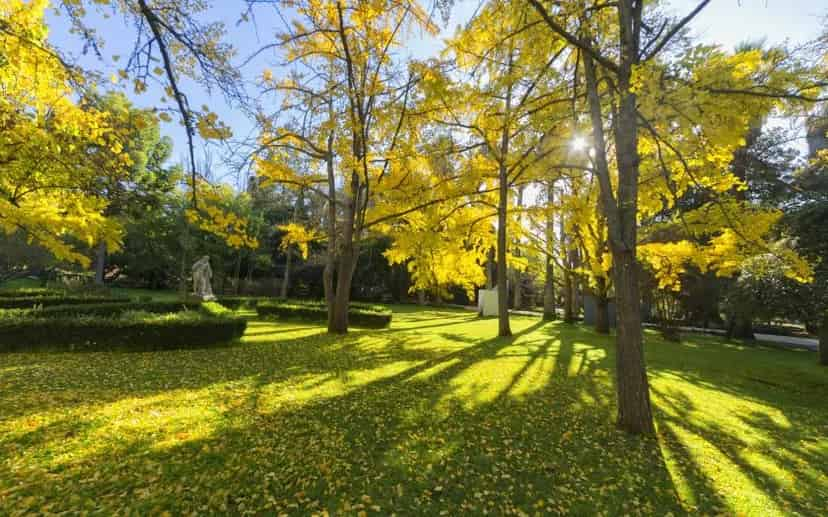
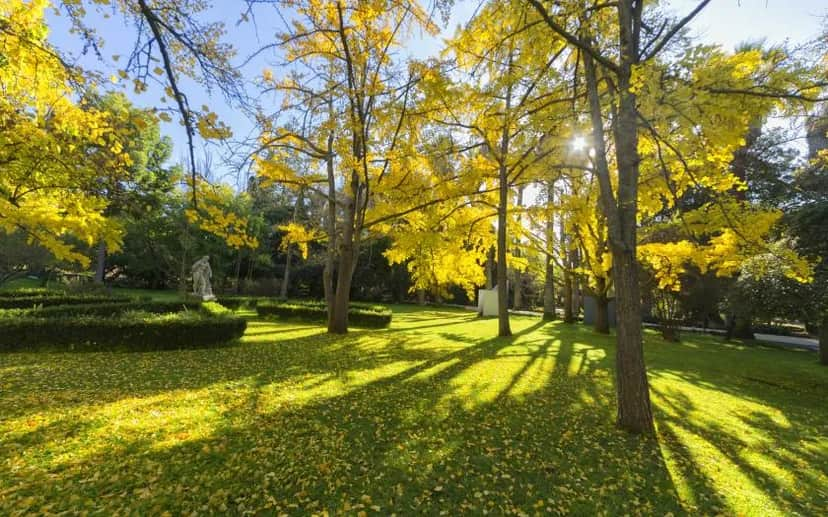 Jardim Botânico TropicalThe Jardim Botânico Tropical, or Tropical Botanical Garden, sits on Calçada do Galvão in the Belém district of Lisbon, beside the Jerónimos Monastery. It covers 5 hectares, about 12 acres, and was laid out in 1912. It has carried several names over time: Colonial Garden, then Garden of the Colonies, and later Tropical Garden. At present it is trying to recover from years of neglect, but it remains a peaceful place to escape the tourist crowds of Belém. The plant collection holds more than 600 species of exotic plants and trees from tropical regions of the world, including Africa, Asia and South America. Most of it is tropical or subtropical and comes from Portugal's former colonies. Palm trees stand by the entrance, and dragon trees native to the Canary Islands and Madeira grow here too. The scent of cinnamon and cacao trees fills the air. Art and architecture are spread through the grounds. There are 18th-century marble sculptures by the Italian artists Giuseppe Mazzuoli and Bernardino Ludovici. Other pieces date from 1940 and the Portuguese World Exhibition, including tile panels with colonial themes, busts of Africans and Asians, and the Arch of Macau, which marks the entrance to an Oriental garden. That garden seeks to recreate the mood of Asian gardens with narrow rails, uneven ground and water features, and bamboo predominates. Calheta Palace, a baroque building from the 1600s, was the residence of the Counts of Calheta until King João V acquired it in 1726. It now houses an exhibition space and a library, and hosts temporary exhibitions. Peacocks, ducks, geese, swans and chickens roam the grounds, waddling among the giant palm trees and around the ponds, and they draw much of the visitors' attention. From April to September the garden opens daily from 09:00 to 20:00, and from October to March daily from 10:00 to 17:00. It is closed on 1 January and 25 December. Admission is €4.00 for adults and €2.00 for children aged 10 to 17, and free for under-10s. A family ticket for two adults and two children costs €10. The Lisboa Card does not include admission. The Cascais train from Cais do Sodré station reaches Belém in 7 minutes, and the garden is a short walk from there. Tram 15 also stops a few feet from the gate. The Jerónimos Monastery, Maritime Museum and National Archaeology Museum are across the road, while the Royal Botanical Garden of Ajuda and Ajuda Palace are about a 15-minute walk uphill.BelémParks & Gardens
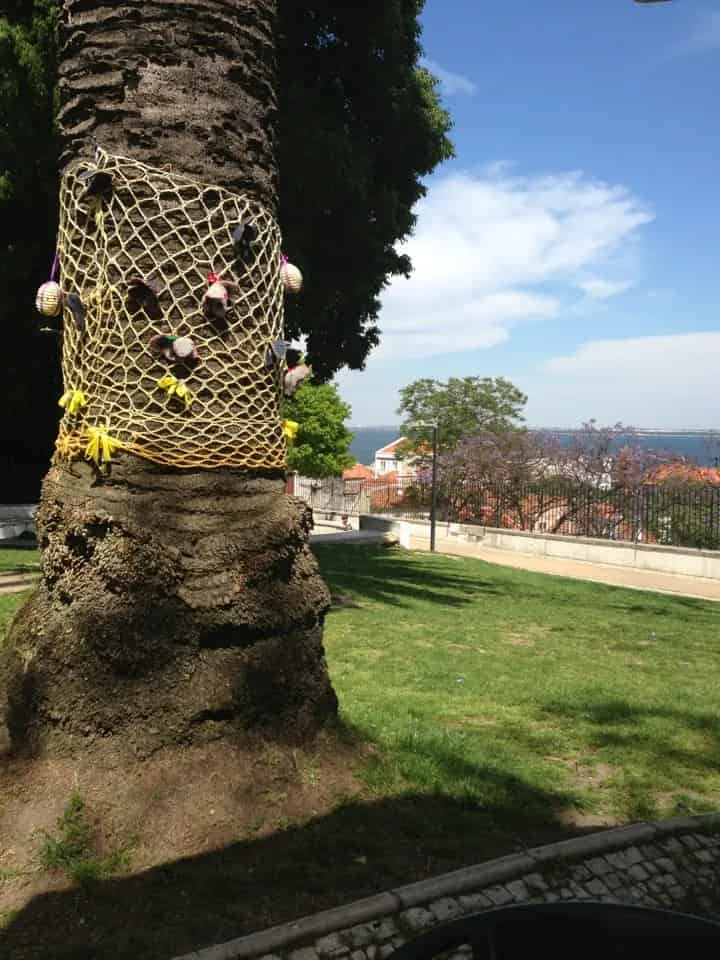
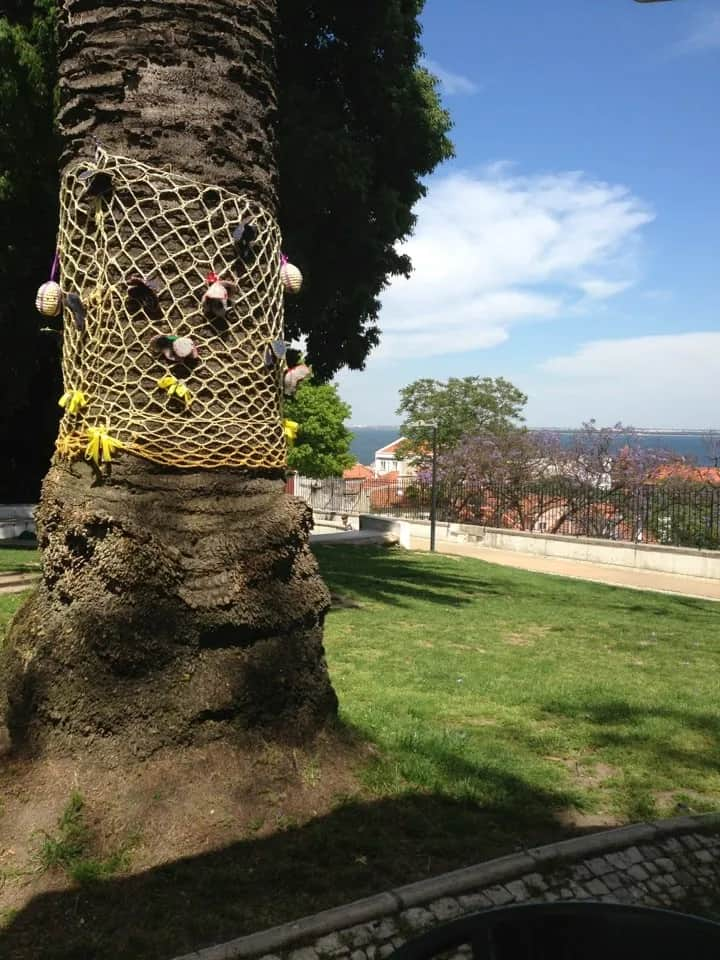 Jardim Botto MachadoA small municipal green space, fenced and with asphalted paths and a well-developed shrub and tree layer. Also known as Jardim de Santa Clara, it was built in 1862, later undergoing improvement works and passed to pGraçaParks & Gardens
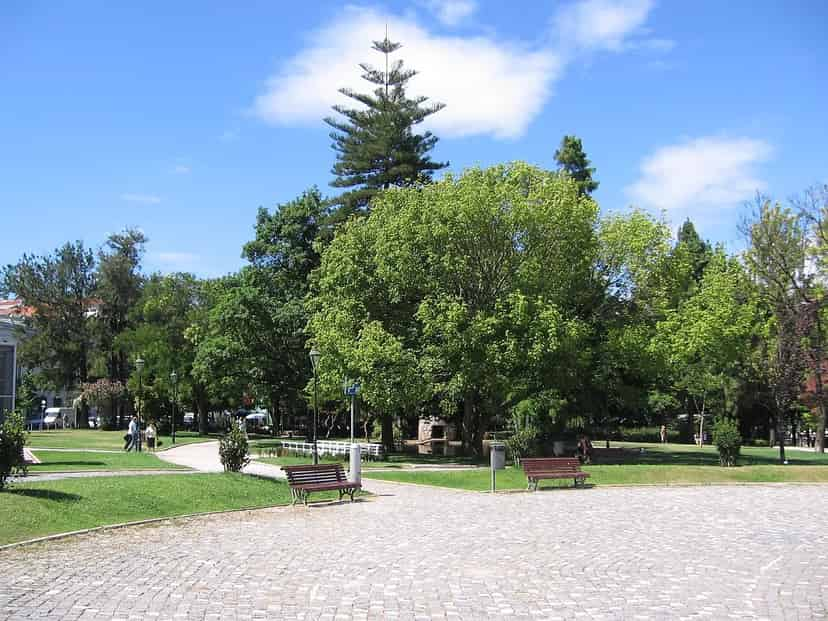
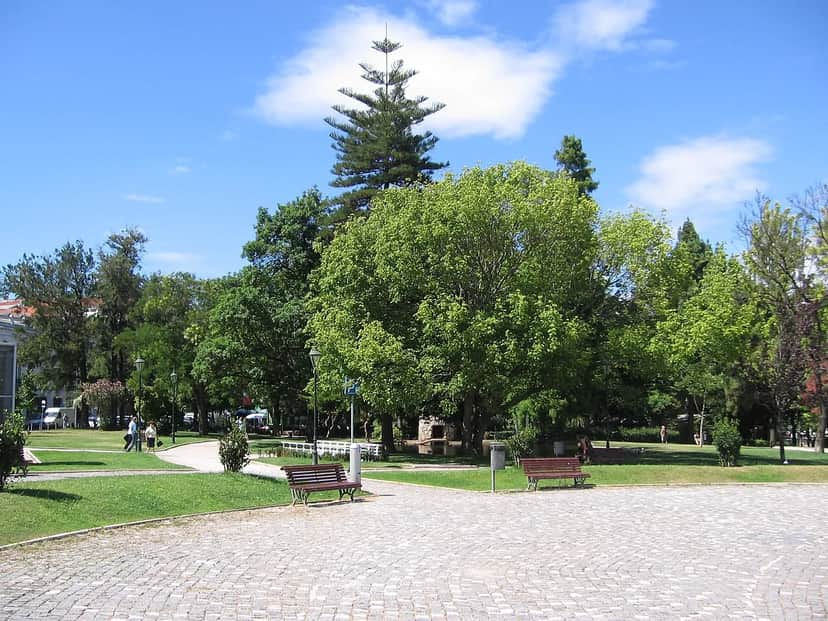 Jardim Braancamp FreireJardim Braamcamp Freire, also referred to as Jardim do Campo de Santana or Jardim do Campo Mártires da Pátria, is a garden located in the southern half of Campo dos Mártires da Pátria, in the parish of Arroios, formerly the parish of Pena, in Lisbon.IntendenteParks & Gardens
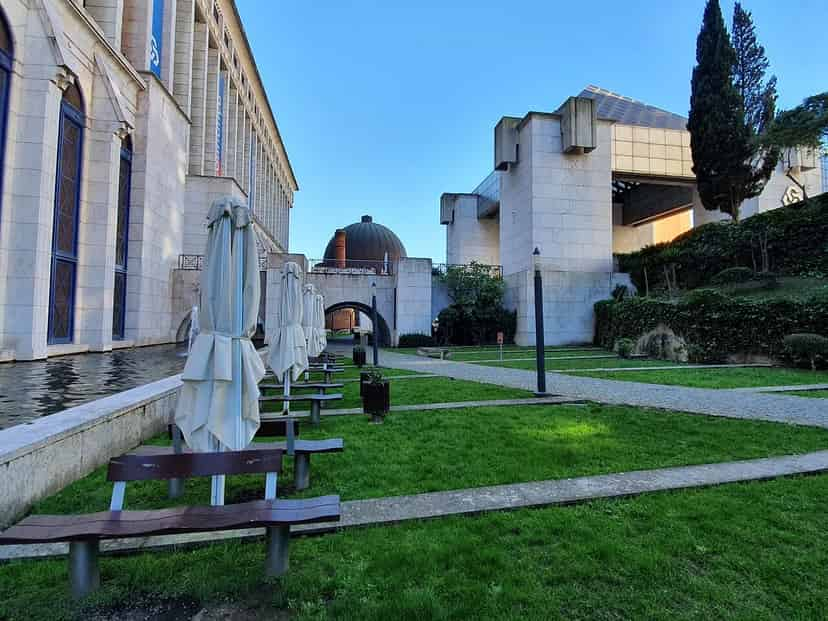
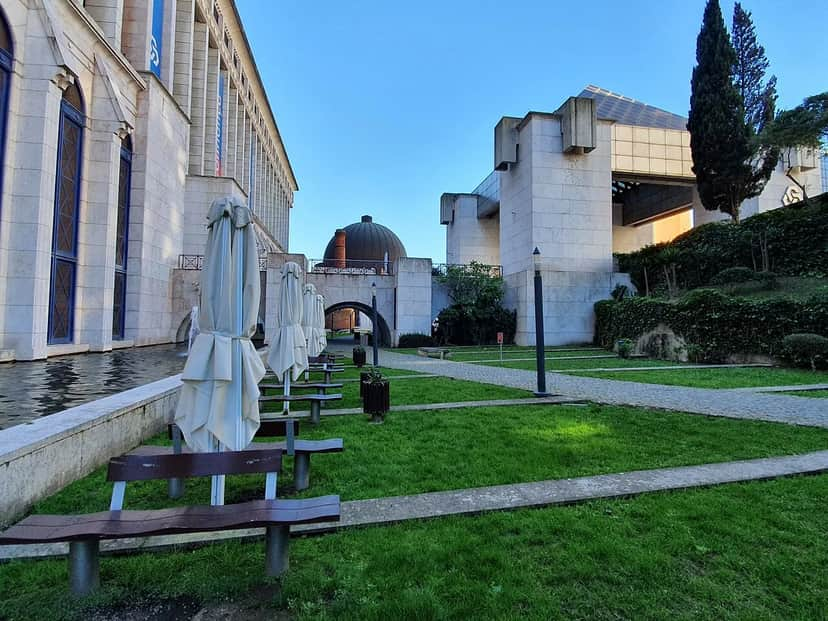 Jardim CaixaAvenida João XXI, 1000-300 LisboaSaldanhaParks & Gardens
Powered by Foursquare ·Photo and data credits ▾
Photos: Lojas de roupa em Portugal · DataForSEO · CorreiaPM (Public domain), via Wikimedia Commons · cm-amadora.pt · playocean.net · Hipersyl (CC BY-SA 4.0), via Wikimedia Commons · GualdimG (CC BY-SA 4.0), via Wikimedia Commons · Duca696 (CC BY-SA 3.0), via Wikimedia Commons · museus.ulisboa.pt · Manuel Correia (Public domain), via Wikimedia Commons · Data: © OpenStreetMap contributors · Wikidata (CC0) · Wikipedia (CC BY-SA 4.0)
