

Places in Lisbon
Loading...
‹
⌕
Areas
⌖Campo de Ourique219⌖Graça151⌖Belém238⌖Alcântara202⌖Estrela40⌖Baixa309⌖Chiado232⌖Príncipe Real451⌖Mouraria161⌖Alfama181⌖Cais do Sodré161⌖Santos111⌖Lapa63⌖São Bento175⌖Saldanha506⌖Anjos166⌖Bairro Alto316⌖Arroios226⌖Avenidas Novas250⌖Alvalade293⌖Parque das Nações175⌖Intendente77⌖AlmadaNearby town533⌖LouresNearby town212⌖OeirasNearby town216⌖AmadoraNearby town177⌖MontijoNearby town125⌖SeixalNearby town82⌖OdivelasNearby town131⌖BarreiroNearby town71⌖SintraNearby town6Places in Lisbon
Loading...
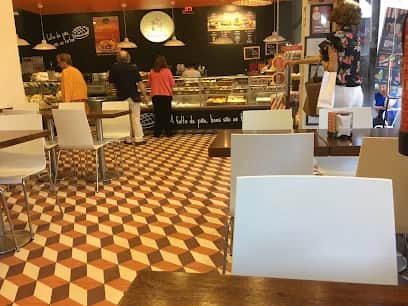 Padaria PortuguesaOpens in a new tabLisbon · Bakeries & Pastry Shops
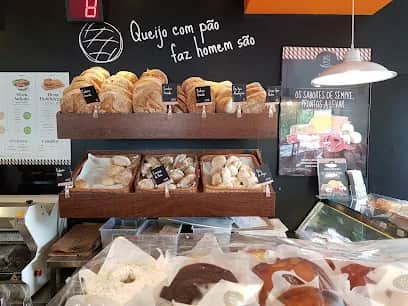 Padaria PortuguesaOpens in a new tabLisbon · Bakeries & Pastry Shops
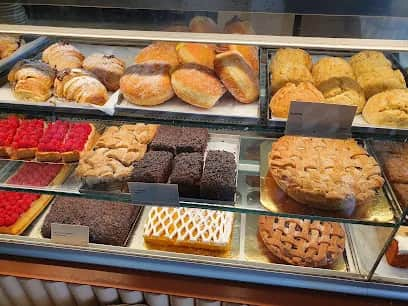 Padaria PortuguesaOpens in a new tabOeiras · Cafés & Coffee Shops
 PADA StudiosOpens in a new tabBarreiro · Art Galleries · Illustrative photo
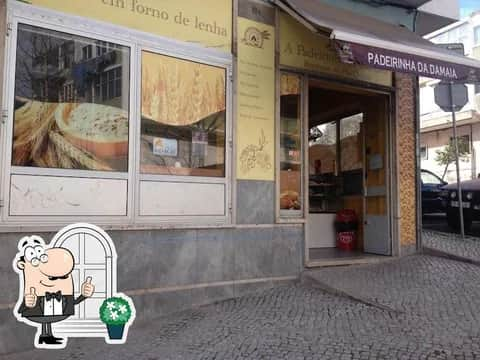 Padeirinha da DamaiaOpens in a new tabAmadora · Bakeries & Pastry Shops
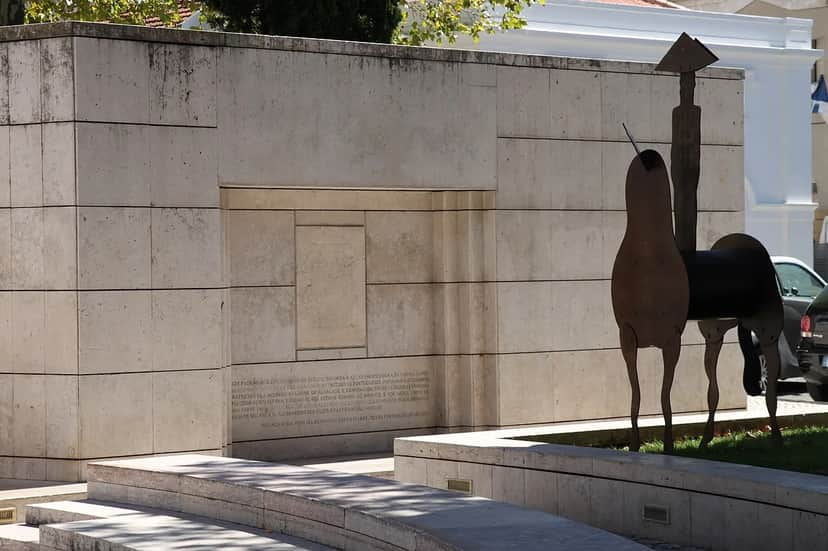 Padrão do Campo PequenoOpens in a new tabSaldanha · Monuments & Historic BuildingsThe Padrão do Campo Pequeno was erected by order of Queen Saint Isabel in the 14th century, as attested by an inscription dating from around 1323, at a spot near the one it occupies today.
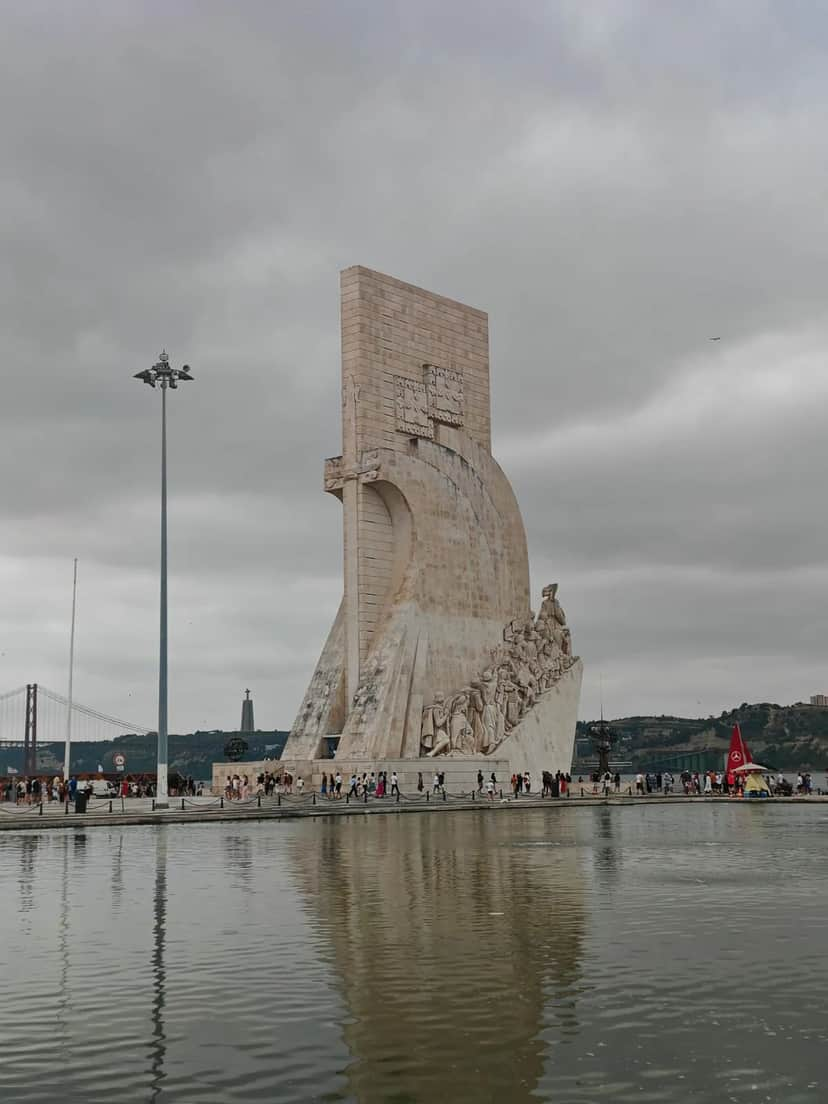 Padrão dos DescobrimentosOpens in a new tabBelém · Sights & LandmarksMonument to the Discoveries, also known as the Padrão dos Descobrimentos, is a stone sculpture created in the form of a ship’s prow, located in Lisbon’s Belém district, Portugal. It stands at 52 meters (170 feet). The monument takes into account the age of discoveries, the 15th and 16th centuries when Portugal explored the continents of Africa, Asia and the Americas. It was built near the site from where Portugal’s naval explorations began. The initial design of the monument was created in 1940 and built for the Portuguese World Exhibition. It was designed by the architect Cottinelli Telmo and the sculptor Leopoldo de Almeida. Due to its popularity, a permanent version of the monument was built in 1960. Prince Henry the Navigator, the patron of explorations, is located in the center front of the monument. Henry is depicted holding a Caravel. Located behind Henry are member of different professions such as; captains, explorers, scientists. Some of the explorers that aided in the discovery of new sea routes and foreign continents are depicted on the monument, including Bartholomew Dias, Vasco da Gama, Pedro Álvares Cabral, and Magellan. Henry lived from 1394 to 1460 and was the son of a Portuguese king. His nickname comes from centuries later, and he never sailed the seas himself. He was a patron and organizer of such endeavors. He contracted cartographers from various Italian cities to create the most updated maps. Henry also created an academy for sail training. His early years’ expenditures were largely funded by the Military Order of Christ. Later, his brother the king allowed Henry to collect a share of the king’s trade profits. The mosaic depicts world exploration routes and is 50 meters long. For more information contact +351 213031950 or email padraodosdescobrimentos@egeac.pt. You can also visit the website padraodosdescobrimentos.pt. Trip Advisor users have ranked the site 4.2 from 11,575 reviews.
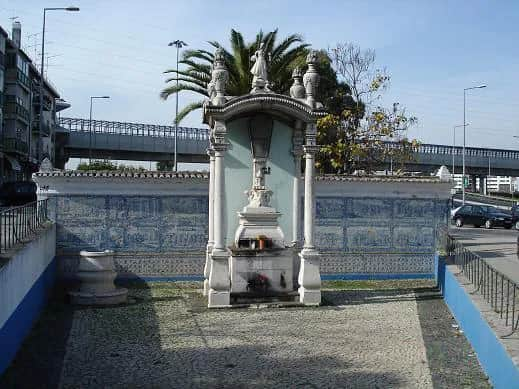 Padrão do Senhor RoubadoOpens in a new tabOdivelas · Churches & Religious SitesThe Padrão do Senhor Roubado is a monument in Odivelas, Portugal, set near the northern start of the Calçada de Carriche, in a small square beside the road leading to the centre of Odivelas. It was built in 1744, following a tragic episode dating from the times of the Inquisition.
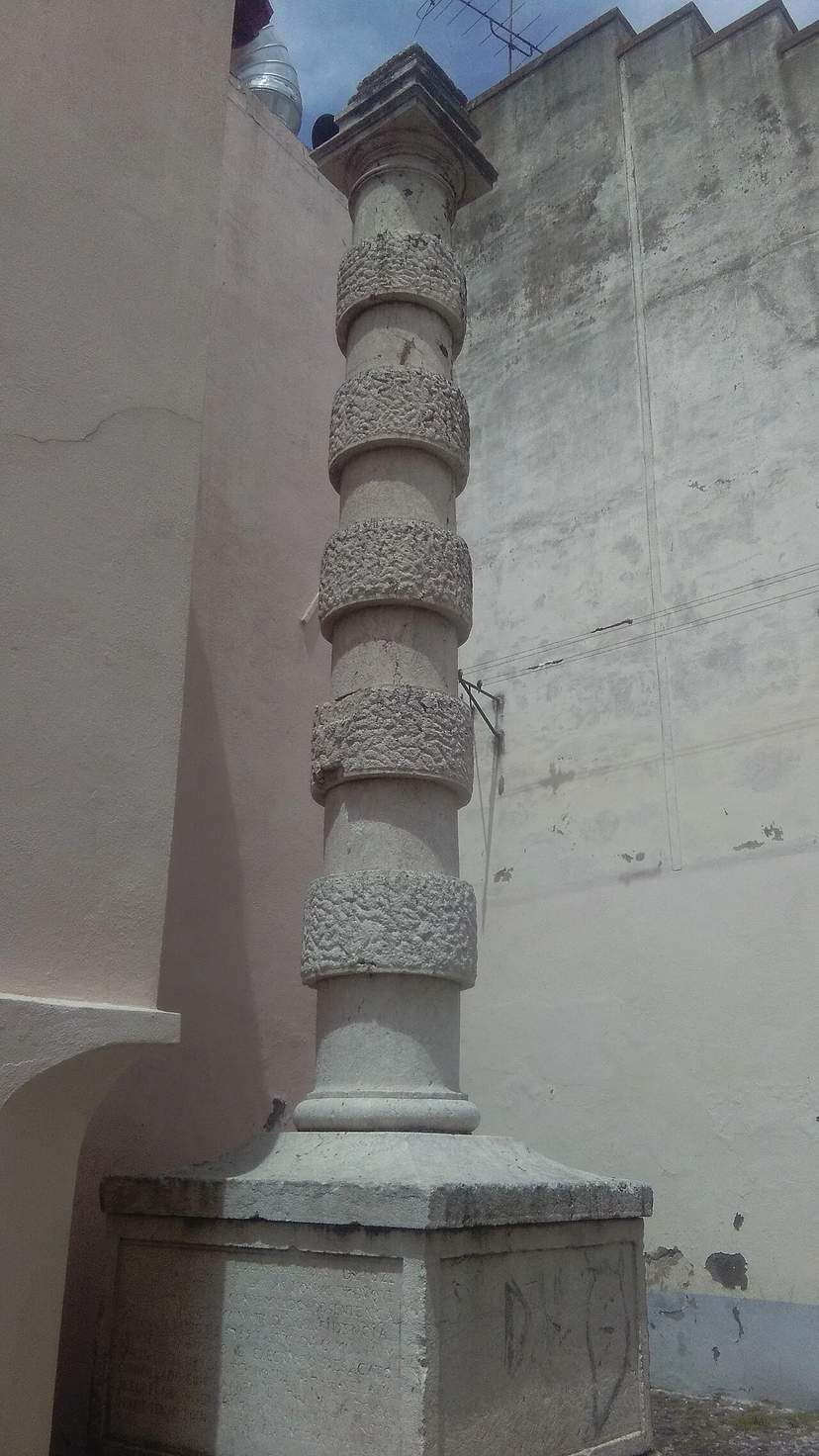 Padrão-Memória do Chão SalgadoOpens in a new tabBelém · Monuments & Historic BuildingsA monument ordered to be erected by the Marquis of Pombal in the 18th century (1759), commemorating the conviction of the Duke of Aveiro and the Marquis of Távora and his family for their alleged involvement in the attempt on the life of King José I.
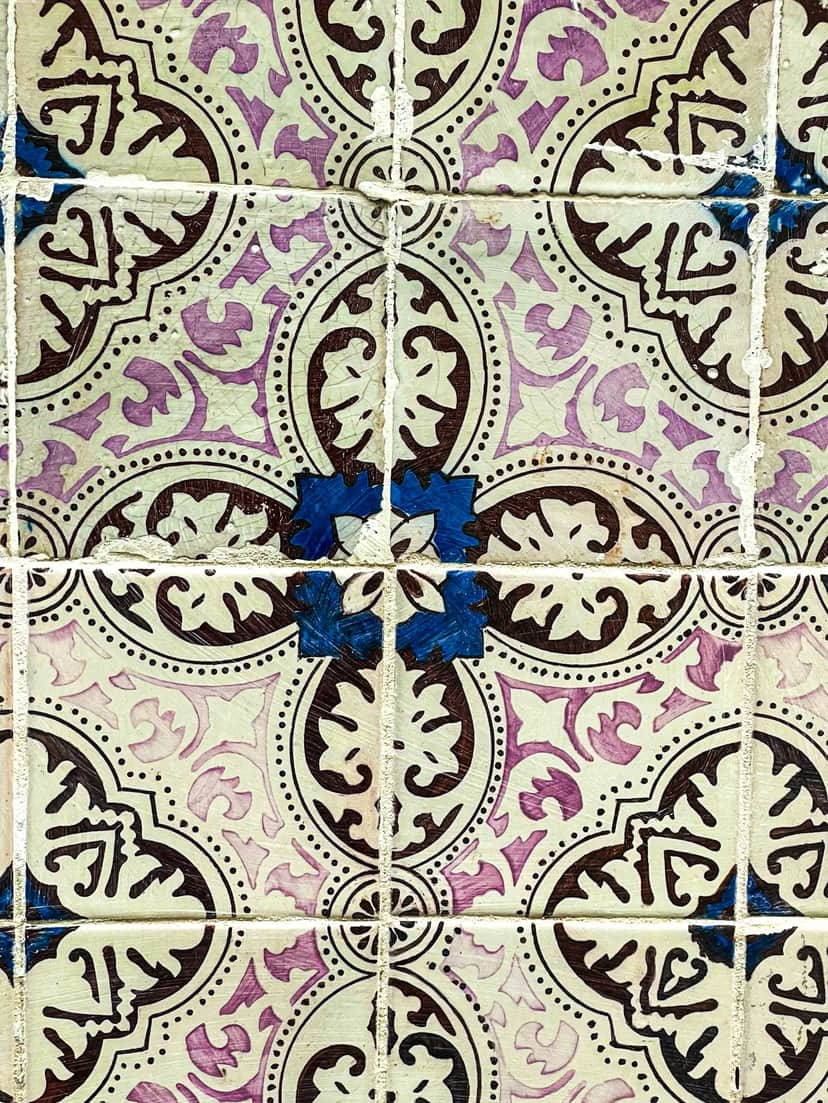 Padre Álvaro ProençaOpens in a new tabLisbon · Monuments & Historic Buildings · Illustrative photoIn memory of Padre Álvaro Proença (1912-1983), Prior of Benfica since 1955, a bronze bust was erected, resting on a column and a base of polished black marble, modelled by the sculptor António Duarte in 1984.
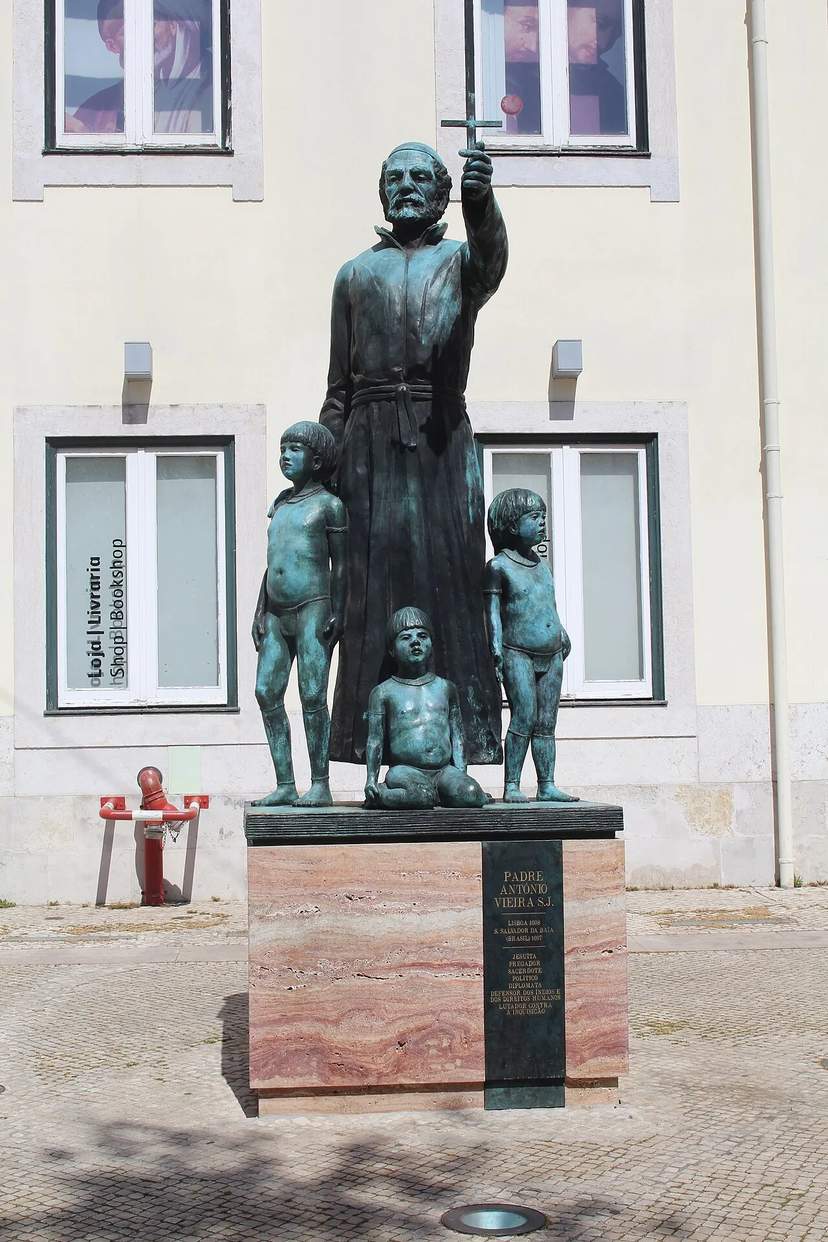 Padre António VieiraOpens in a new tabBairro Alto · Monuments & Historic BuildingsStatue of Padre António Vieira (1608-1697), a member of the Society of Jesus, beside the Church/Museum of São Roque, the former mother house of the Jesuits.
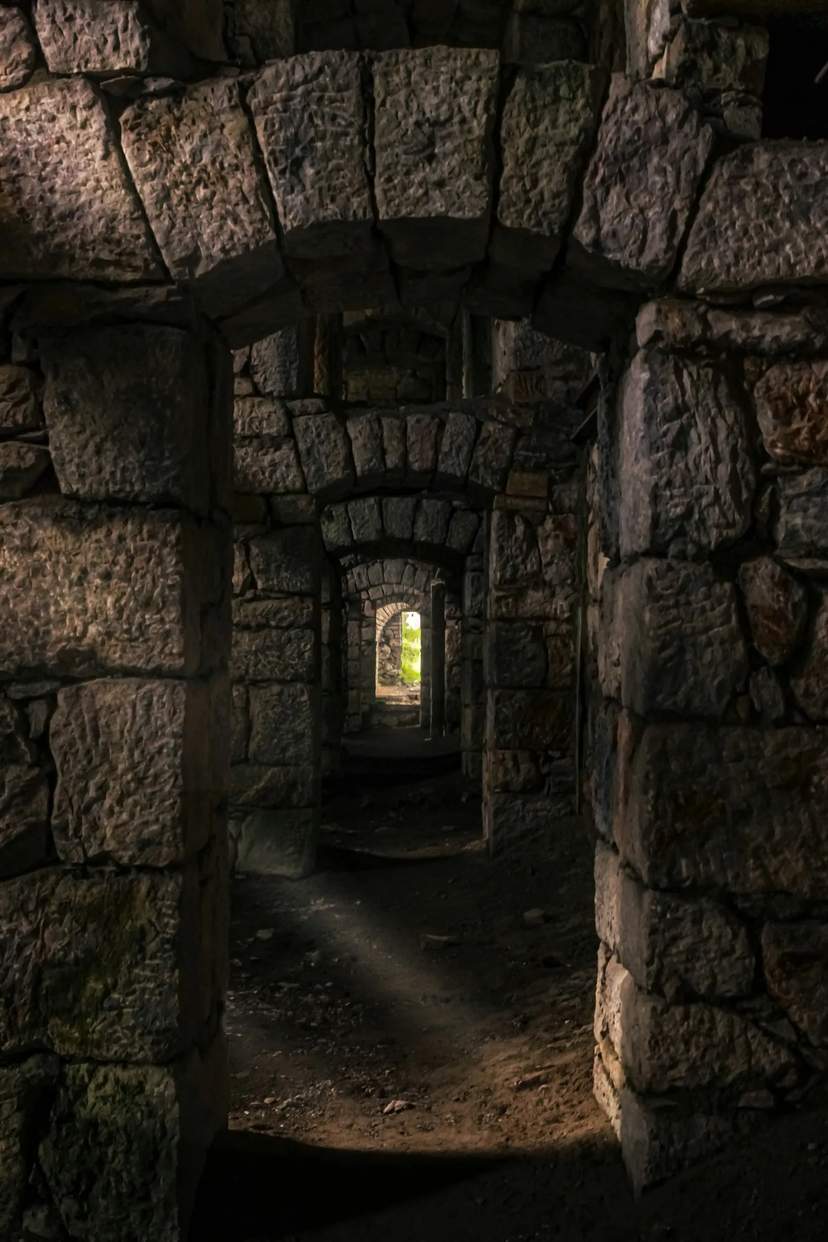 Padre Baltazar Diniz de CarvalhoOpens in a new tabLisbon · Monuments & Historic Buildings · Illustrative photo
- Padre Francisco da CruzOpens in a new tabLisbon · Monuments & Historic Buildings · Illustrative photoFather Francisco da Cruz (1859-1948), a priest of the Patriarchate of Lisbon and later of the Society of Jesus, was in his time one of the most venerated men in Portugal, owing to his generous spirit and his meritorious work.
- Padre Francisco Maria da SilvaOpens in a new tabCampo de Ourique · Monuments & Historic Buildings · Illustrative photoBronze bust placed on a granite plinth, erected on the initiative of Commander Gastão Mendes Barata, in honour of this priest, much esteemed among his parishioners for the way in which he knew how to exercise the priesthood.
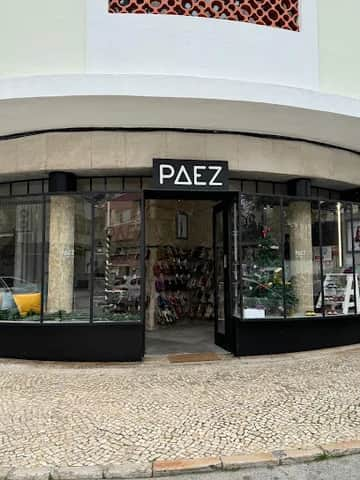 PaezOpens in a new tabCampo de Ourique · Fashion & Apparel
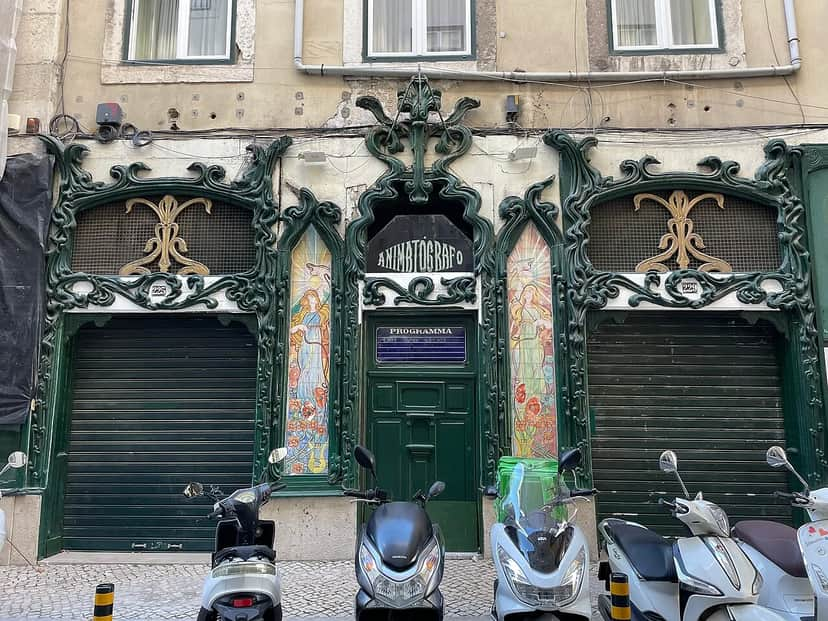 Painéis de Azulejos do Antigo Animatógrafo do RossioOpens in a new tabBaixa · Monuments & Historic Buildingscinema in the municipality of São Nicolau in the Portuguese capital Lisbon
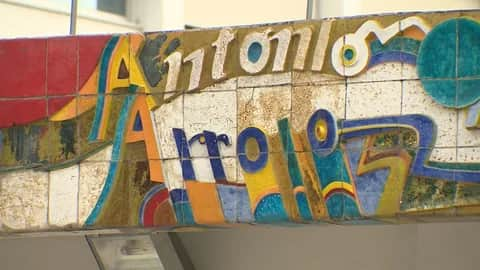 Painel de azulejos na fachada da Escola António ArroioOpens in a new tabLisbon · Monuments & Historic Buildings
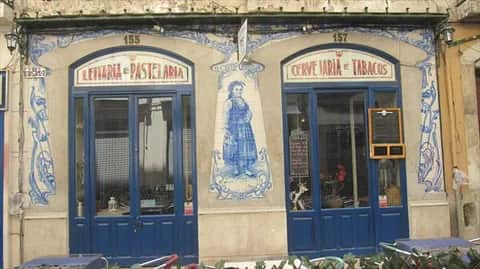 Painel de azulejos na fachada da Leitaria "A Camponeza"Opens in a new tabBaixa · Monuments & Historic Buildings
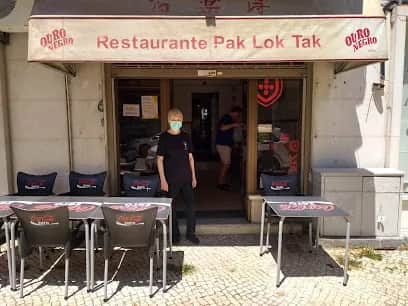 Pak Lok TakOpens in a new tabLisbon · Restaurants
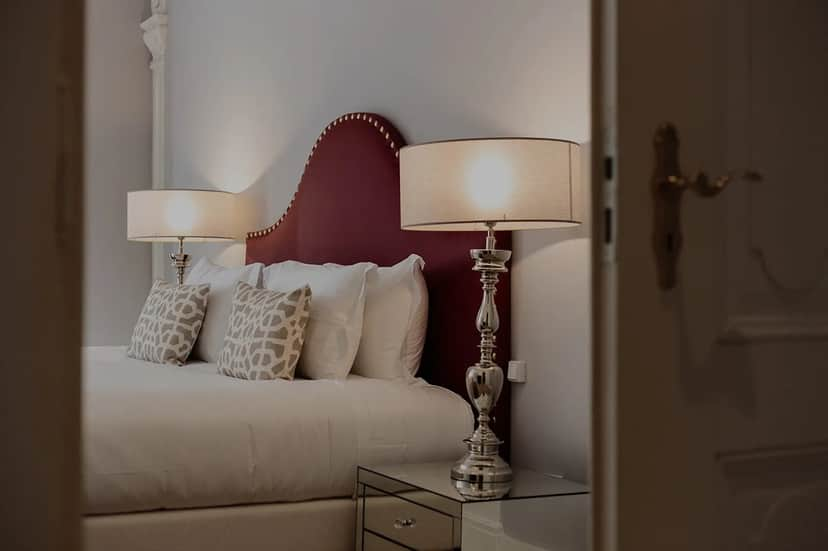 Palace ChiadoOpens in a new tabChiado · HotelsLocated on Rua Ivens, one of Chiado neighborhood’s most emblematic streets, Dear Lisbon Palace Chiado offers 9 exclusive Royal Suites in an icon building.
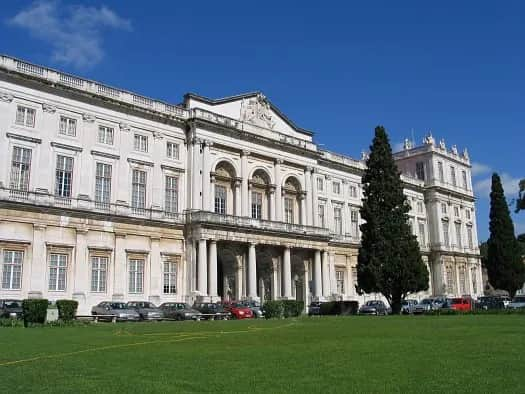 Palace of AjudaOpens in a new tabLisbon · Monuments & Historic BuildingsThe Palace of Ajuda, called Palácio Nacional da Ajuda in Portuguese, stands at Largo da Ajuda, 1349-021 Lisboa. It sits at the top of Calçada da Ajuda, the street that links the Ajuda area with Belém. The building is neoclassical and dates from the first half of the 19th century. It became a royal residence when King Luís I came to the throne and kept that role until the Monarchy ended in 1910. Today the palace is a museum whose decorative artworks remain in place, so the interiors are shown in a manner true to their origins. The private apartments are on the ground floor, starting from the Music Room, while the State Rooms occupy the upper floor. The collections cover decorative arts of the 18th and 19th centuries: gold and silver works, textiles, furniture and ceramics, together with paintings, sculptures and photographs. The palace also still hosts the State ceremonies held by the President of the Republic. Alongside it, the separate Royal Treasury Museum (Tesouro Real) safeguards the Portuguese crown jewels and royal valuables. The palace opens from Thursday to Tuesday, 10:00 to 18:00, and closes on Wednesdays, 1 January, Easter Sunday, 1 May, 13 June and 25 December. Its own website gives last admission as 17:15, whereas Visit Lisboa lists 17:30. Occasional unscheduled closures may happen because of maintenance, conservation and restoration work, formal events or the allocation of spaces. A visit lasts approximately 1 hour and 45 minutes. An online ticket costs €15.00. A 50% discount applies to visitors aged 65 or over, to those from 13 to 24 years old inclusive, and to families made up of one adult and one minor, on presentation of the official document. Entry is free for children up to and including 12 years of age, for unemployed visitors residing in the European Union, and with the Lisboa Card. Residents of Portugal can enter 37 museums, monuments and palaces free of charge 52 days a year with their Citizen Card. Discounts are not cumulative, and groups of more than 20 people must book in advance. Parking is easy nearby, particularly in Largo da Torre, two minutes from the palace. Photography is allowed throughout for personal use, but flash, selfie sticks and tripods are not, video needs prior authorisation, and staff may not be photographed. Smoking and eating are prohibited along the tour circuit. Visit Lisboa shows a Tripadvisor traveller rating of 4.6 from 1480 reviews.
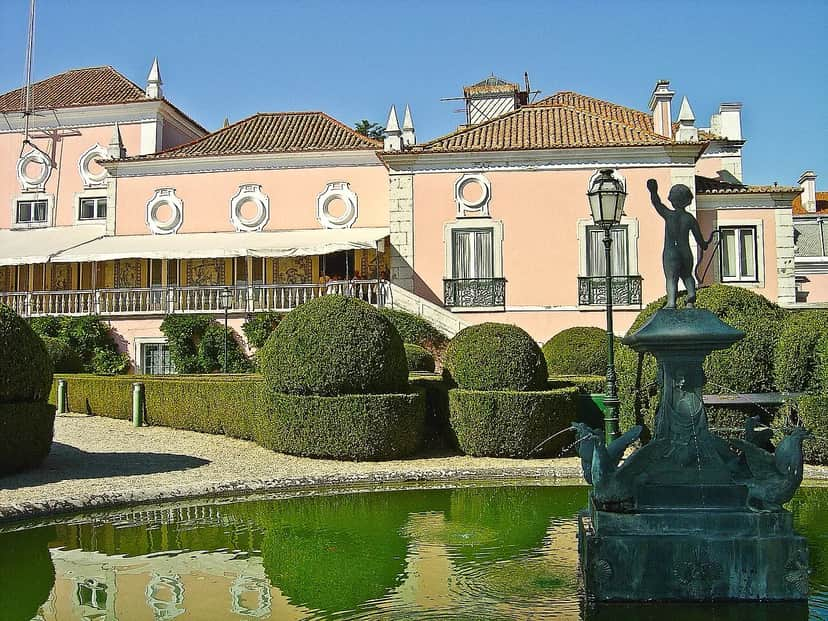 Palace of Belém GardensOpens in a new tabBelém · Parks & GardensThe Jardins do Palácio de Belém are a group of gardens in Lisbon. They form part of the Palácio de Belém, built by order of King João V in 1726 and today the official residence of the President of the Portuguese Republic.
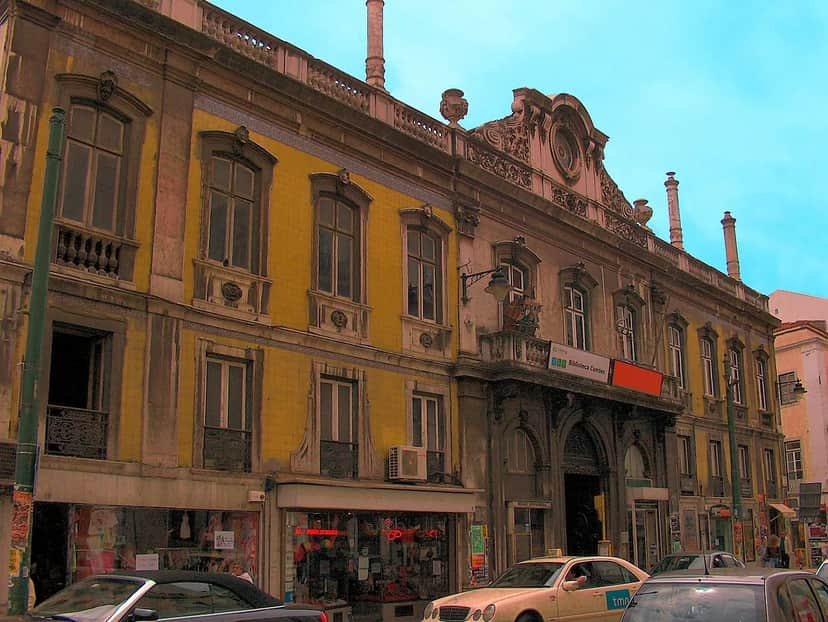 Palace of the Counts of AzambujaOpens in a new tabBairro Alto · Monuments & Historic BuildingsThe Palácio Valada-Azambuja, or Palace of the Counts of Azambuja, because it belonged to them, is located in the civil parish of São Paulo, in Lisbon.
Powered by Foursquare ·Photo and data credits ▾
Photos: DataForSEO · Photo by Dannie Jing on Unsplash · pt.restaurantguru.com · João Carvalho (CC BY-SA 3.0), via Wikimedia Commons · Lmcadete (Public domain), via Wikimedia Commons · RicardoFilipePereira (CC BY-SA 4.0), via Wikimedia Commons · Photo by Bernd Dittrich on Unsplash · Chabe01 (CC BY 4.0), via Wikimedia Commons · Photo by Sergej Kaldesić on Unsplash · DiogoBaptista (CC0), via Wikimedia Commons · sicnoticias.pt · informacoeseservicos.lisboa.pt · dearlisbon.com · Vitor Oliveira from Torres Vedras, PORTUGAL (CC BY-SA 2.0), via Wikimedia Commons · Data: © OpenStreetMap contributors · Wikipedia (CC BY-SA 4.0) · Wikidata (CC0)
