

Filters (0)
Rating▾
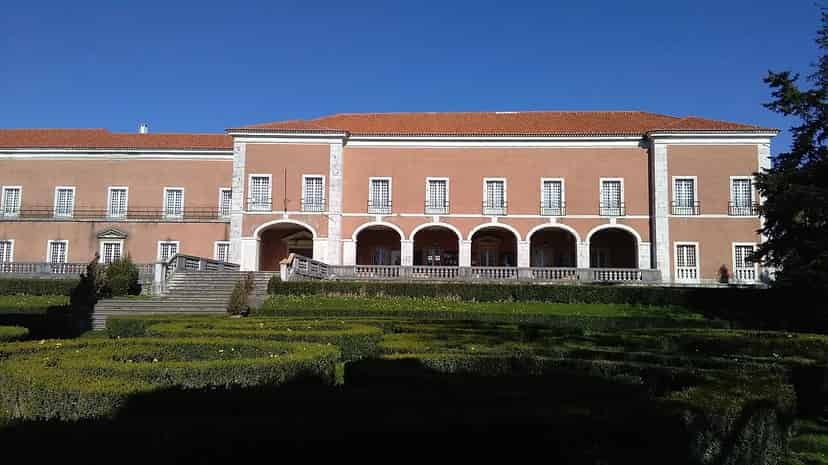
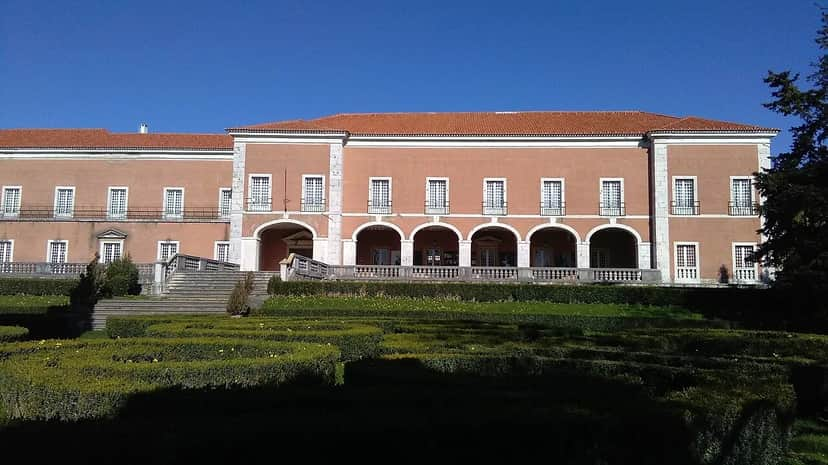 Palácio Calhetahistoric palace and present-day Jardim-Museu Agrícola TropicalBelémMonuments & Historic Buildings
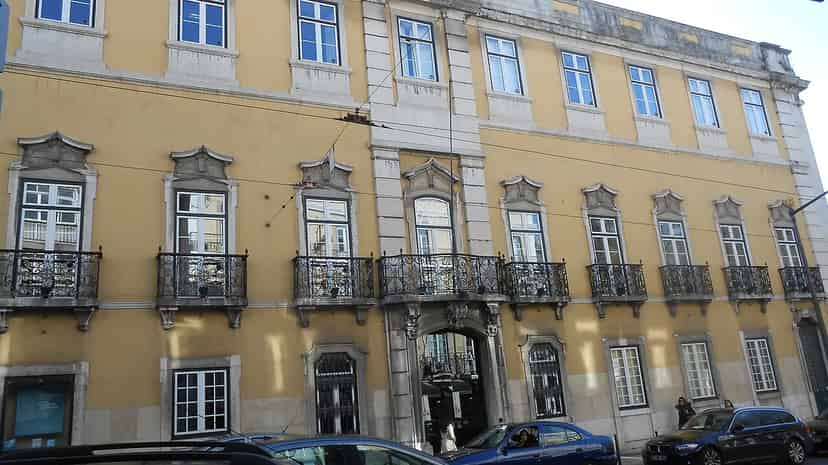
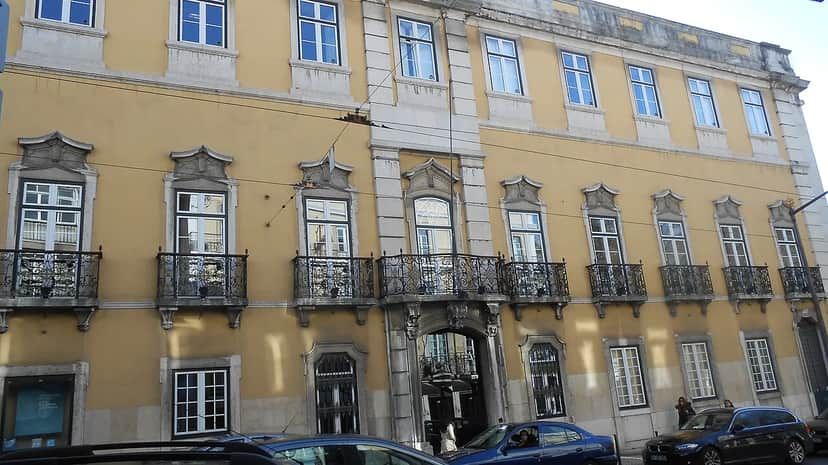 Palácio CeiaBuilt in the second half of the 18th century (1760/61) by the merchant Rebelo de Andrade, it remained in his family until 1805. After that date it had several owners, among them the Counts of Ceia and D. Vasco Sequeira Bramão...Príncipe RealMonuments & Historic Buildings
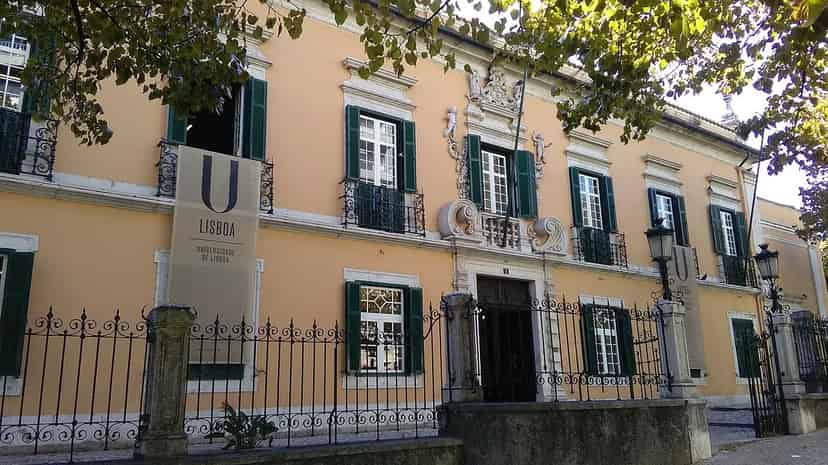
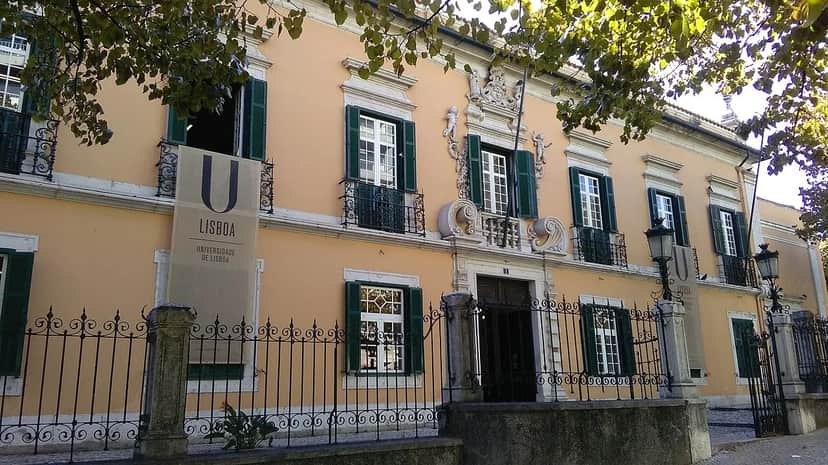 Palácio CentenoAlameda de Santo António dos Capuchos 1, 1150-314 LisboaArroiosMonuments & Historic Buildings
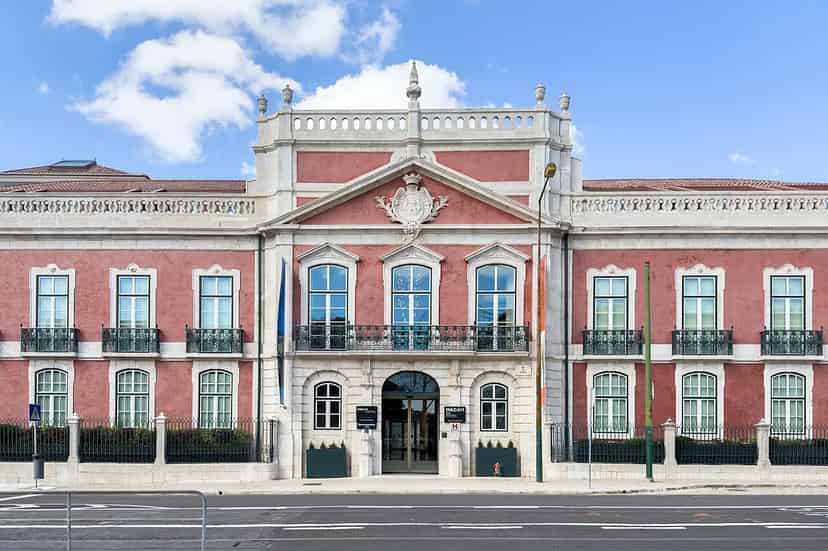
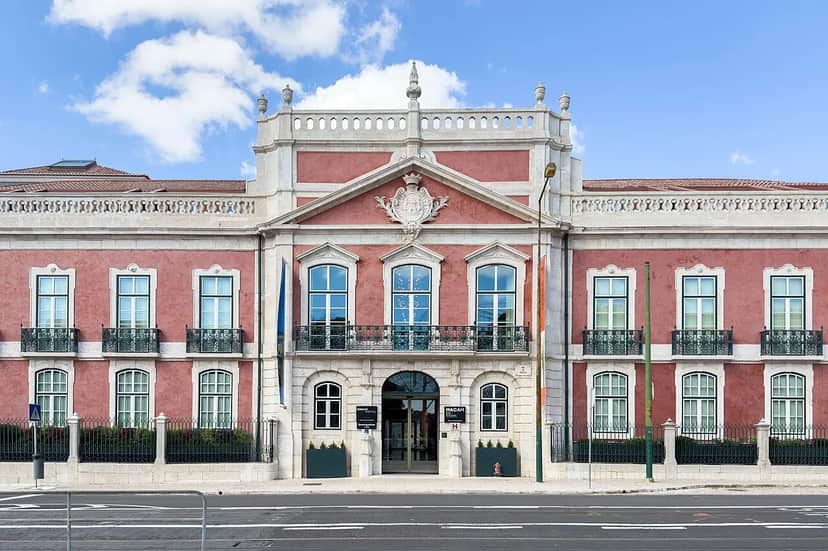 Palácio Condes da Ribeira GrandeThis building resulted from alterations made to an 18th-century noble house by the first Marquis of Ribeira Grande. The façade is divided into two storeys and fifteen bays, with the central section projecting forward from the side sections. The main balcony isAlcântaraMonuments & Historic Buildings
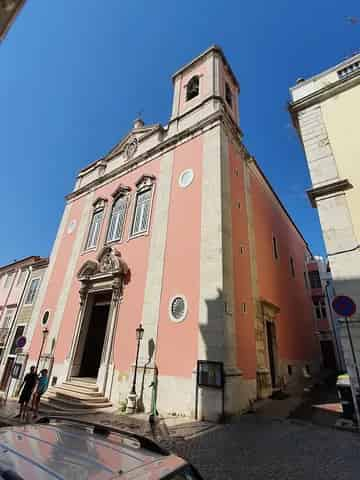
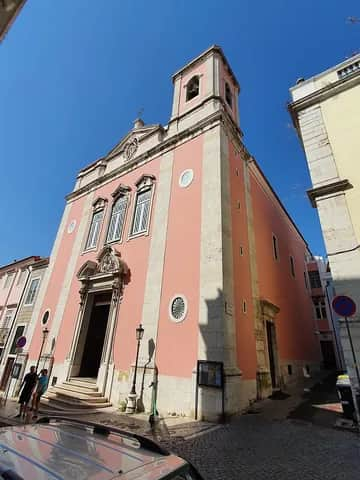 Palácio da Calçada de SantanaPalace built after the earthquake, in the midst of the Pombaline period, it dates from the middle of the third quarter of the 1700s, having been completed in 1764. Built over the ruins or foundations of two pre-existing plots or two pre-existing ground rents on the site...MourariaMonuments & Historic Buildings
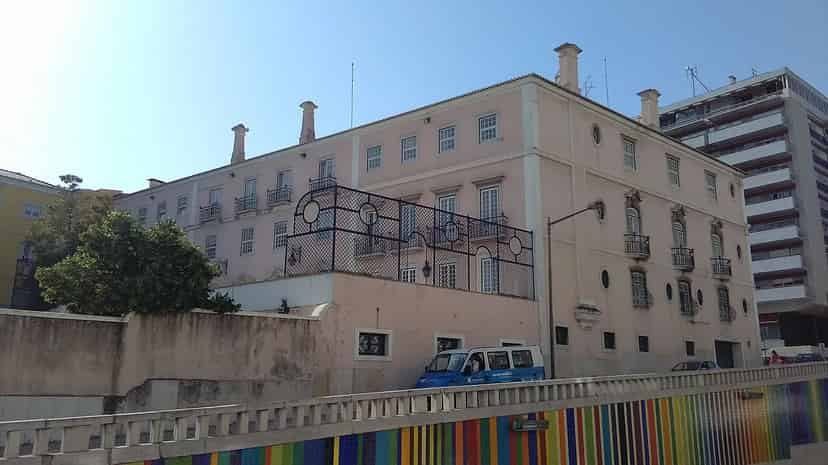
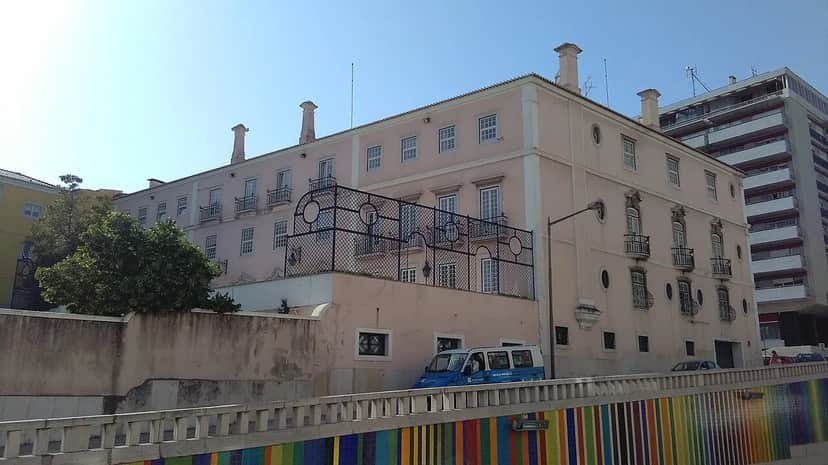 Palácio da Cova da MouraThe restoration of an eighteenth-century palace owned by João Ulrich, to a design by the architect Tertuliano de Lacerda Marques, was regarded by critics of the time as having been carried out "within one of the finest traditionalist Portuguese architectural styles"EstrelaMonuments & Historic Buildings
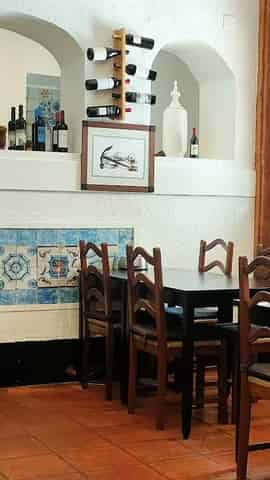
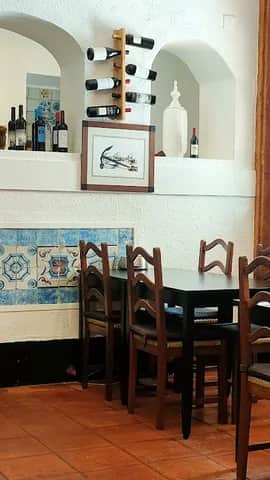 Palácio da Cruz QuebradaRua Sacadura Cabral s/n, 1495-698 Cruz QuebradaOeirasMonuments & Historic Buildings
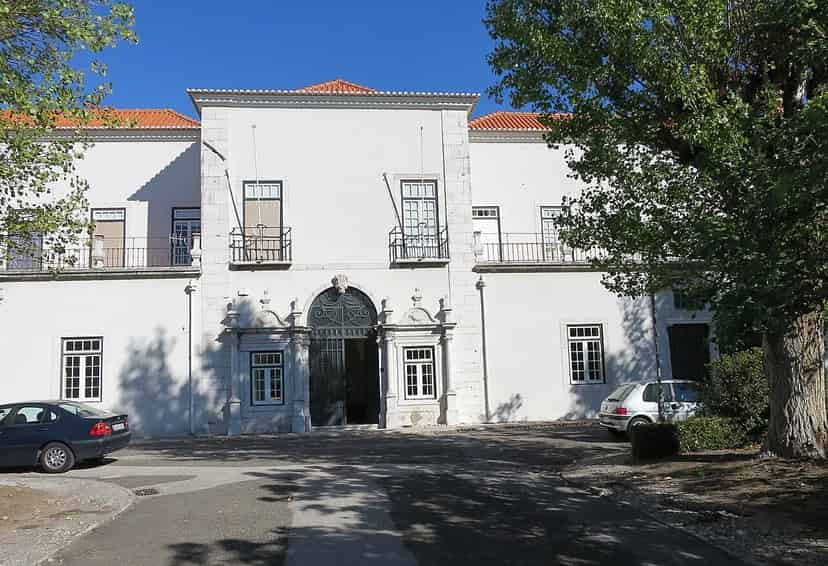
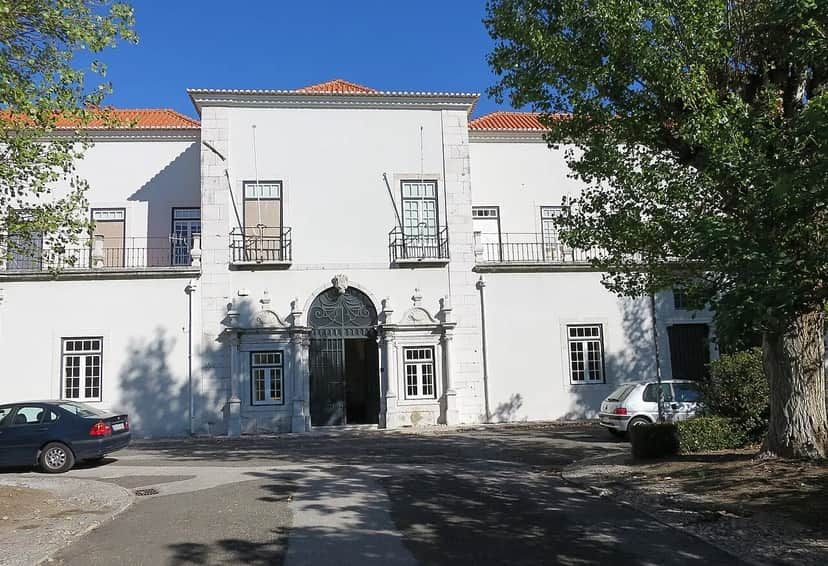 Palácio da EgaThe original core dates back to the 16th century, when it was owned by the Saldanha family. After successive alterations, it now comprises three main sections: the entrance block, the southern block and the Pompeia hall, to the east. Inside, of particular note are the panelAlcântaraMonuments & Historic Buildings
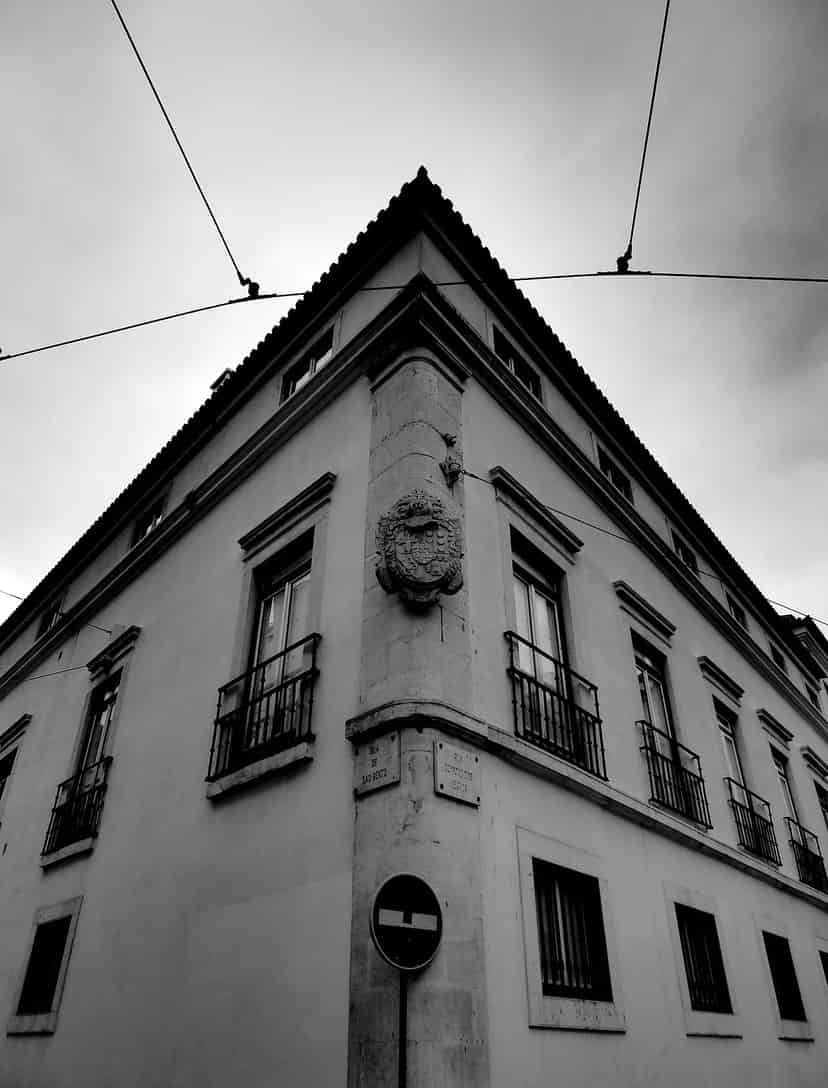
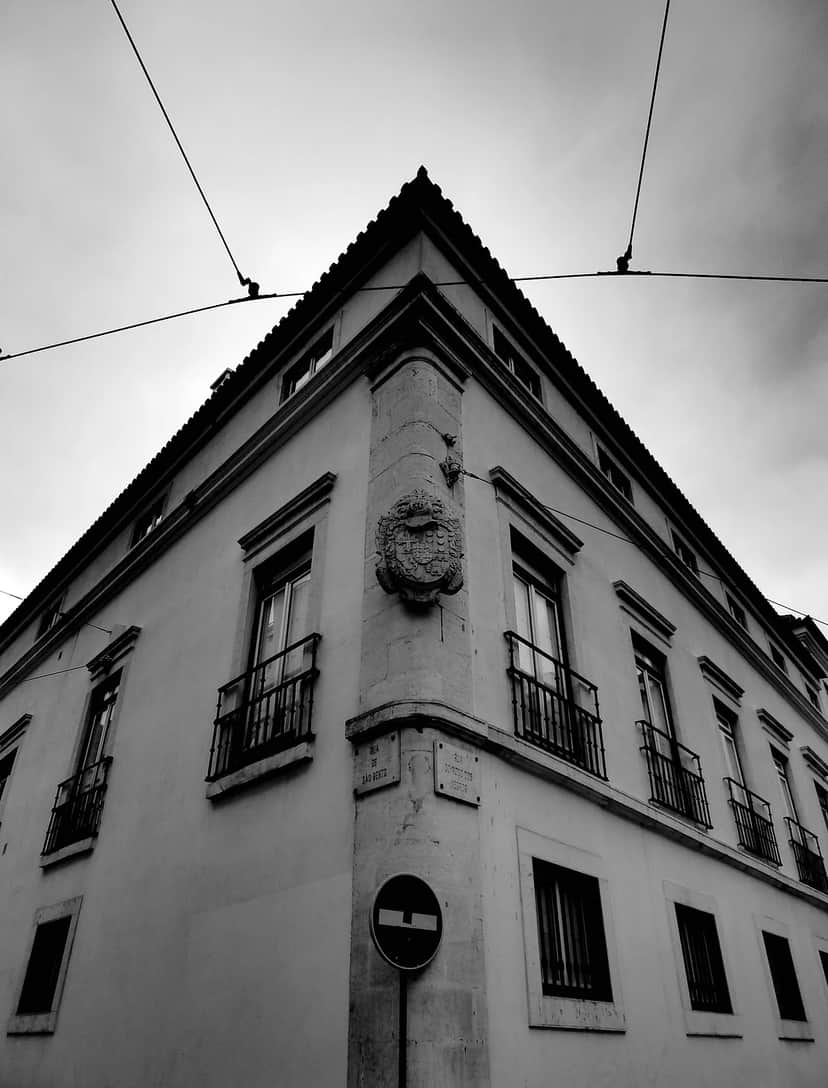 Palácio da Flor da MurtaThe origins of this palace lie in a 16th-century noble house, progressively rebuilt over the 17th and 18th centuries in the hands of the Meneses family, lords of Flor da Murta, which gave it its present Baroque appearance...São BentoMonuments & Historic Buildings
- Palácio da Flor da Murta (antigo)The Palácio da Flor da Murta is located at Rua Poço dos Negros, 158, in the parish of Misericórdia, Lisbon.São BentoMonuments & Historic Buildings
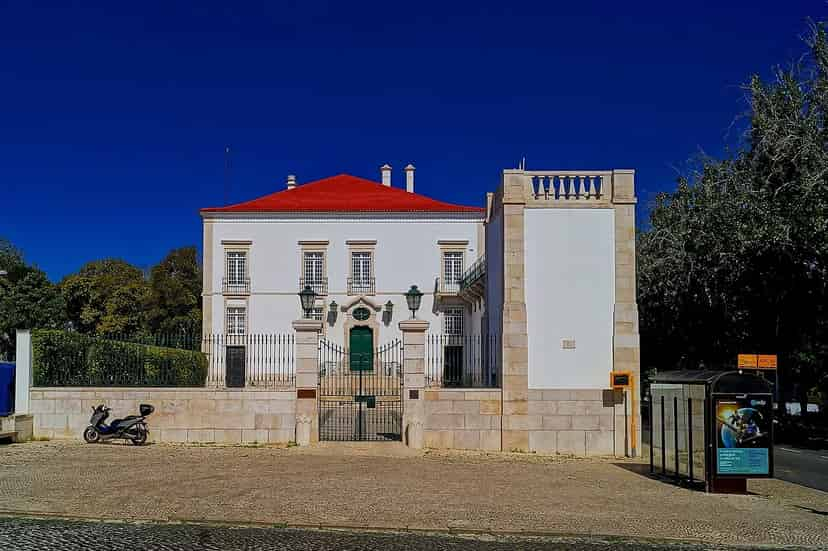
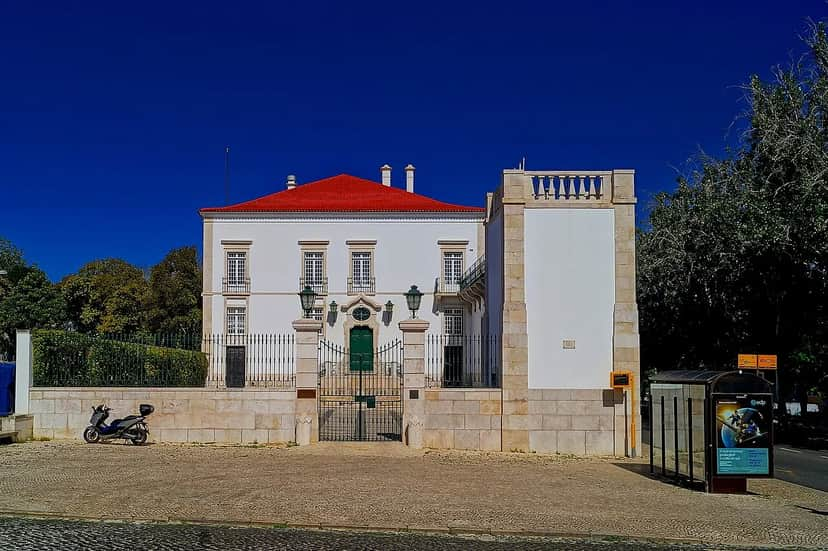 Palácio da MitraThe origins of the Palácio da Mitra in Lisbon date back at least to the early 17th century, although no traces remain of its original country-house design. It is known to have been restored and enlarged in 1676. In 1716-1754, it was restored once again...Rua do Açúcar 56, 1950-408 LisboaMonuments & Historic Buildings
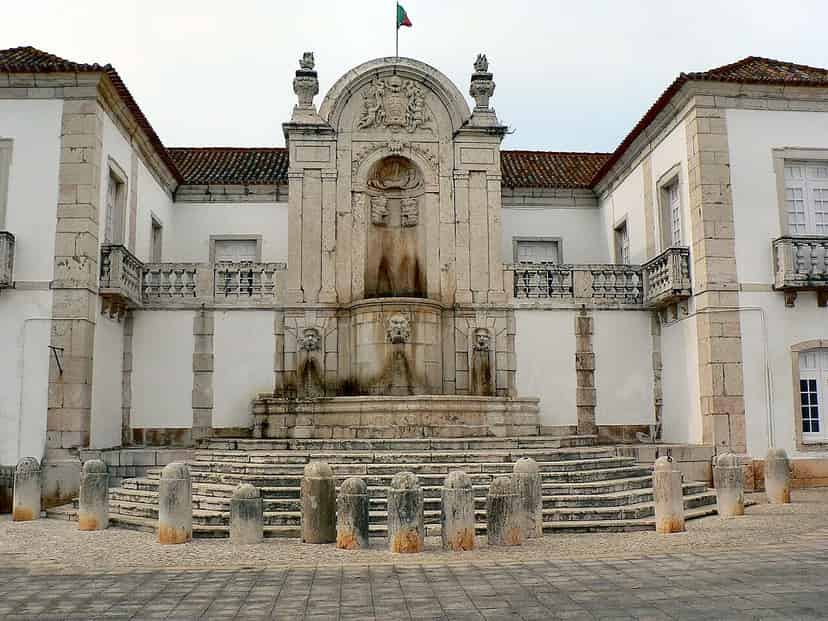
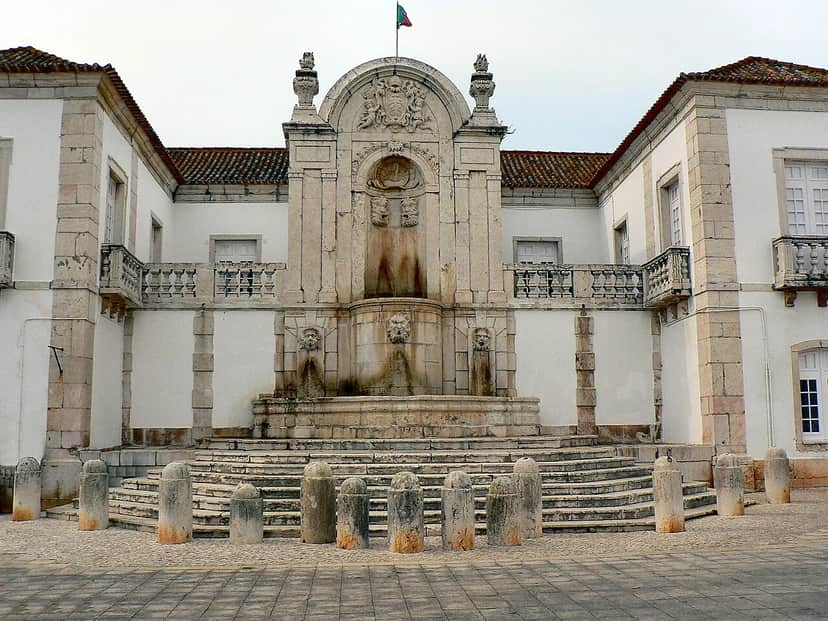 Palácio da Mitra, aqueduto, pombais, chafarizes, igreja, monumental portão de entrada e toda a área murada da antiga quintaThe Palácio da Mitra, commonly known as the Palace of the Archbishops, is a former summer residence, first of the Archbishops and later of the Patriarchs of Lisbon, located in Santo Antão do Tojal, in the present-day parish of Santo Antão e São Julião do Tojal, in the municipality of Loures.LouresMonuments & Historic Buildings
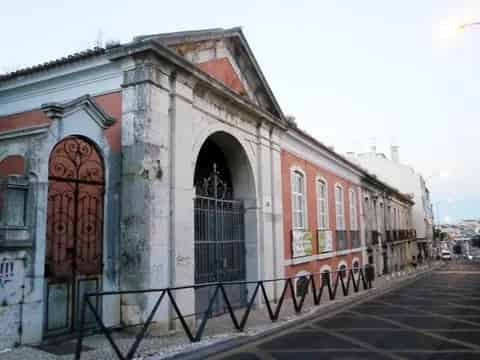
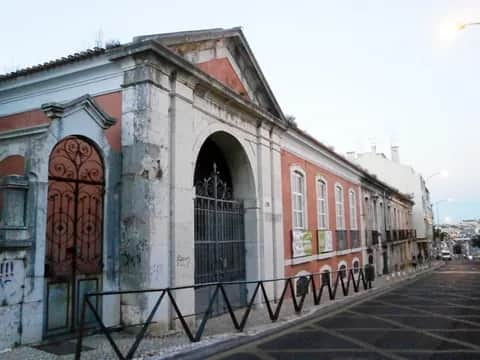 Palácio da PorcalhotaEighteenth-century building, also known as "Palácio da Porcalhota", through which members of the Court staff are said to have passed, seeking a place to rest and a stable to tend to their mounts when they continued their journey to the Palaces of Queluz, Mafra or Sintra; it is called Casa do Infantado because it was probably one of the properties of the Casa do Infantado, inherited after the Restauração in 1640. In 1982 the Quartel da Guarda Republicana and the Escola Oficial operated there, and currently part of the building houses the Externato Verney. It is classified as an imóvel de interesse municipal and is located at R. Elias Garcia, 278, Freguesia da Mina de Água.AmadoraMonuments & Historic Buildings
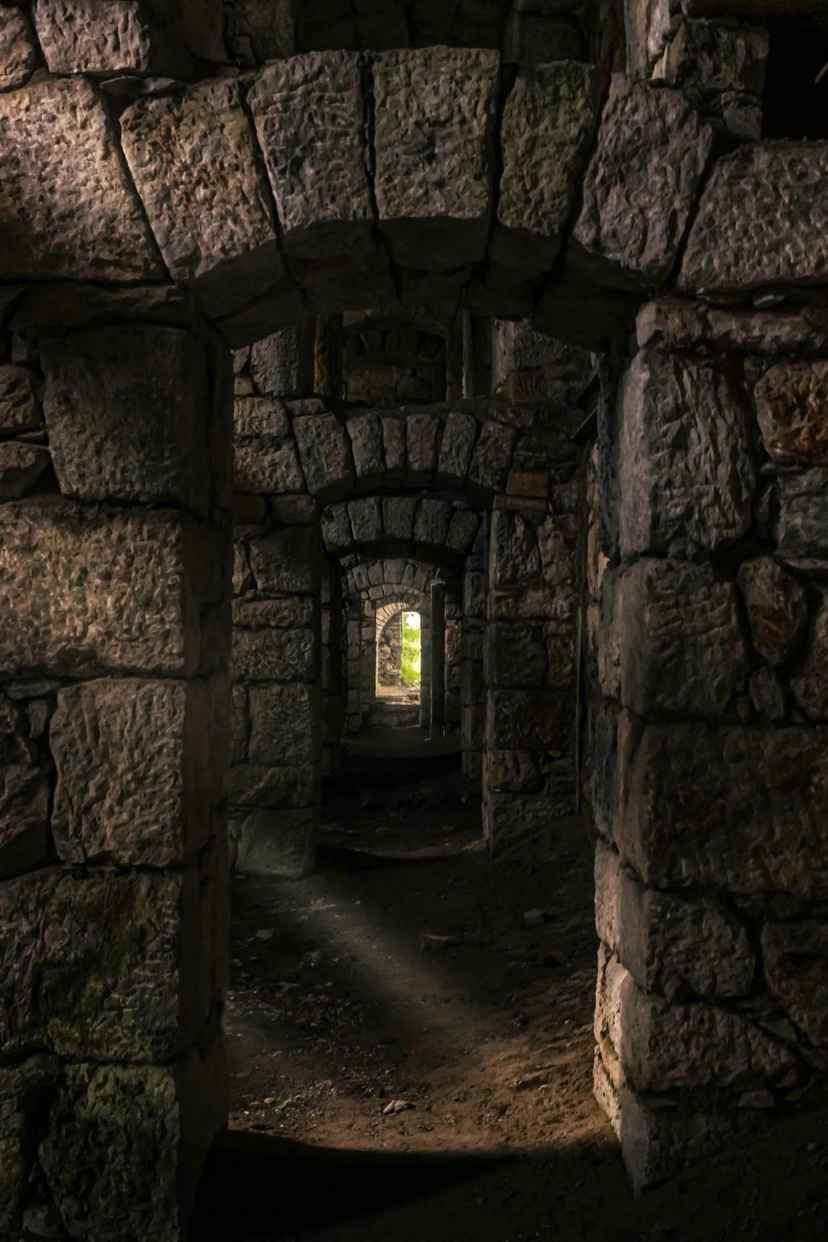
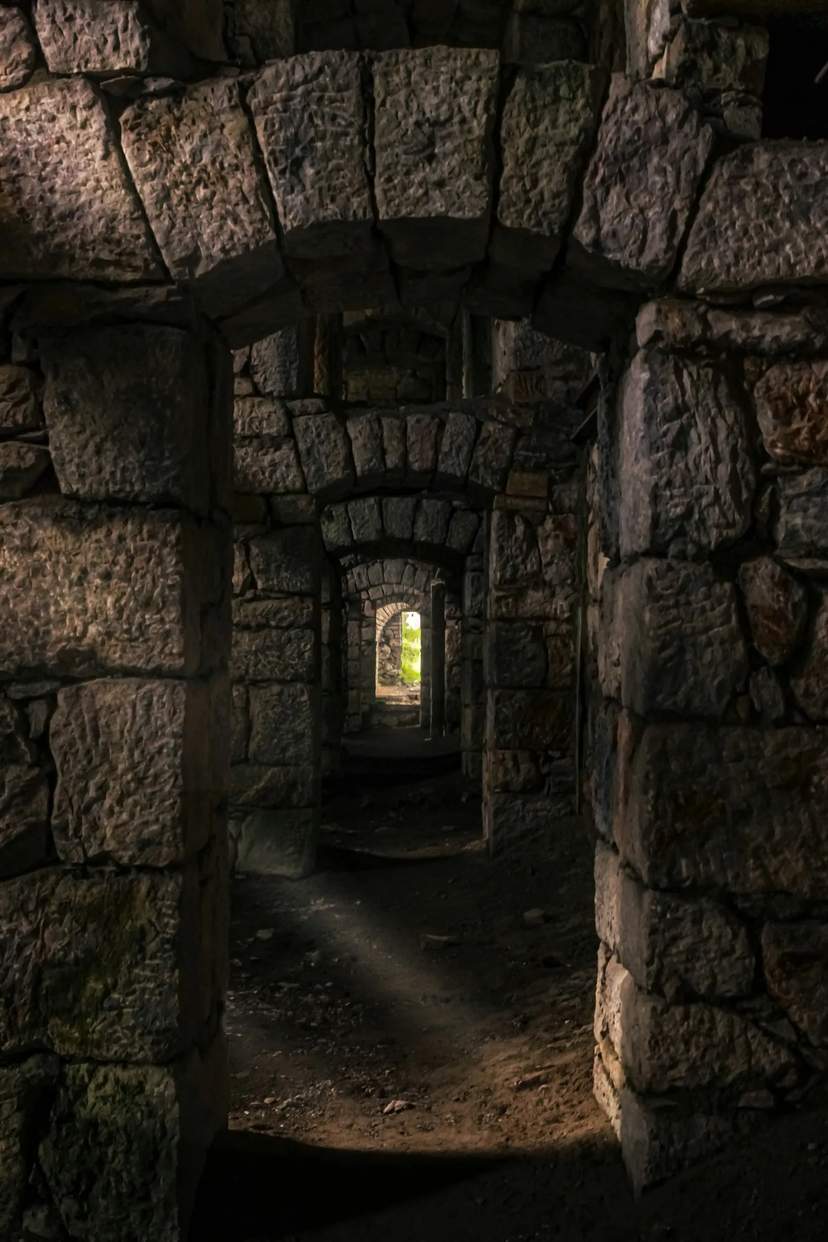 Palácio da Quinta das TorresEstrada da Portela s/n, 2720-461 AmadoraAmadoraMonuments & Historic Buildings · Illustrative photo
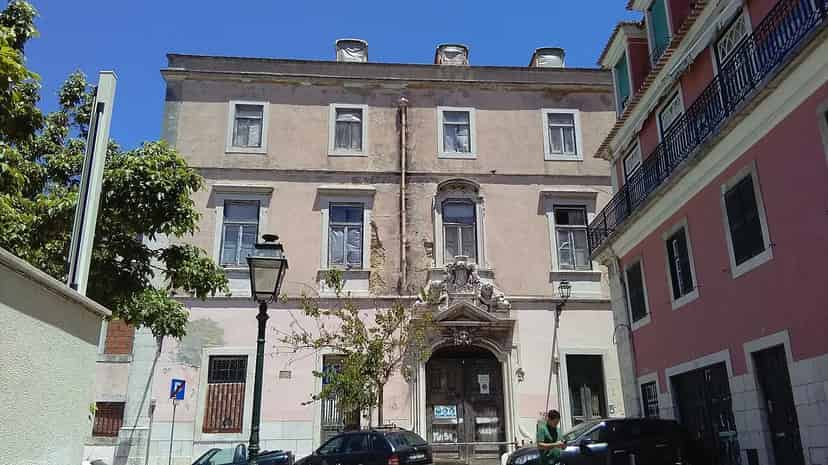
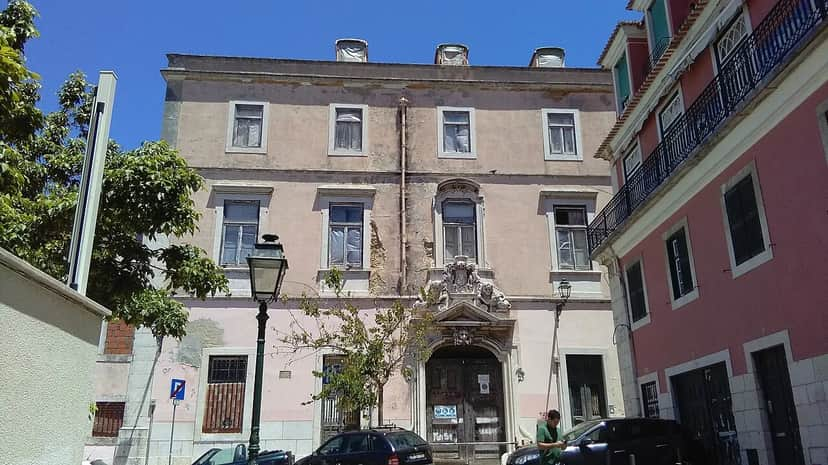 Palácio da RosaAn urban palace whose date of origin is unknown, it underwent a thorough architectural intervention, or even a complete remodelling and reconstruction, in the 18th century, at the expense of Xavier de Lima, an ancestor of the Viscounts of Vila Nova de CerveiraMourariaMonuments & Historic Buildings
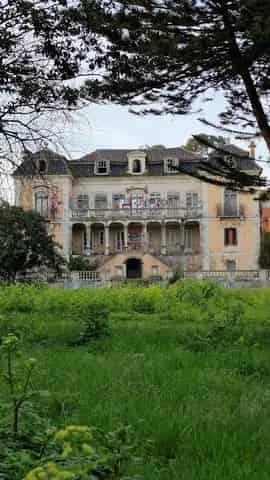
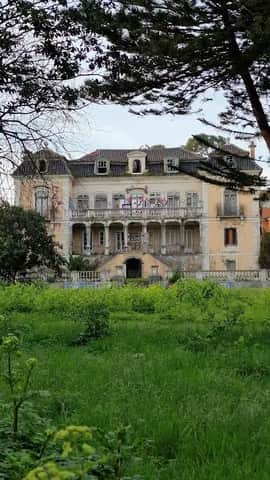 Palácio das ÁguiasThis palace is an integral part of Quinta das Águias, also known as Quinta de Diogo Mendonça, classified as a Property of Public Interest, which originated in the parcel-by-parcel land grant of the Saldanha e Albuquerque estate...AlcântaraMonuments & Historic Buildings
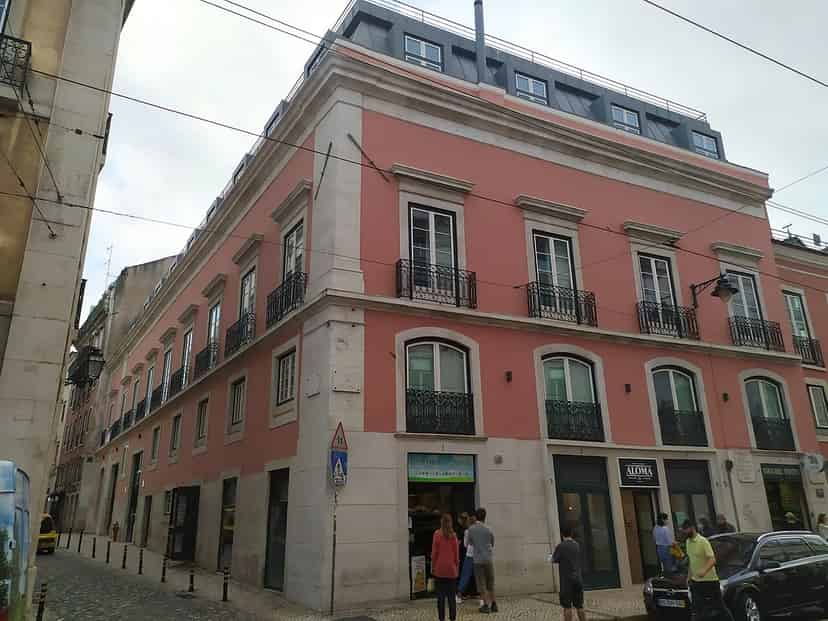
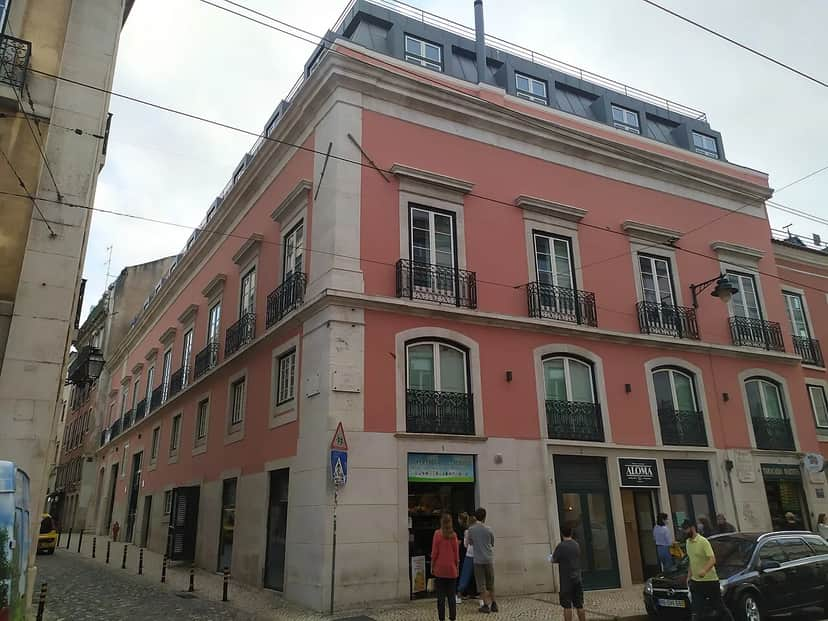 Palácio das ChagasAn eighteenth-century building erected in the second quarter of the 18th century which, at the time of the earthquake, belonged to the Count of Sandomil and suffered no major damage in the disaster. The interest of this palace, classified as a Property of Public Interest...Bairro AltoMonuments & Historic Buildings
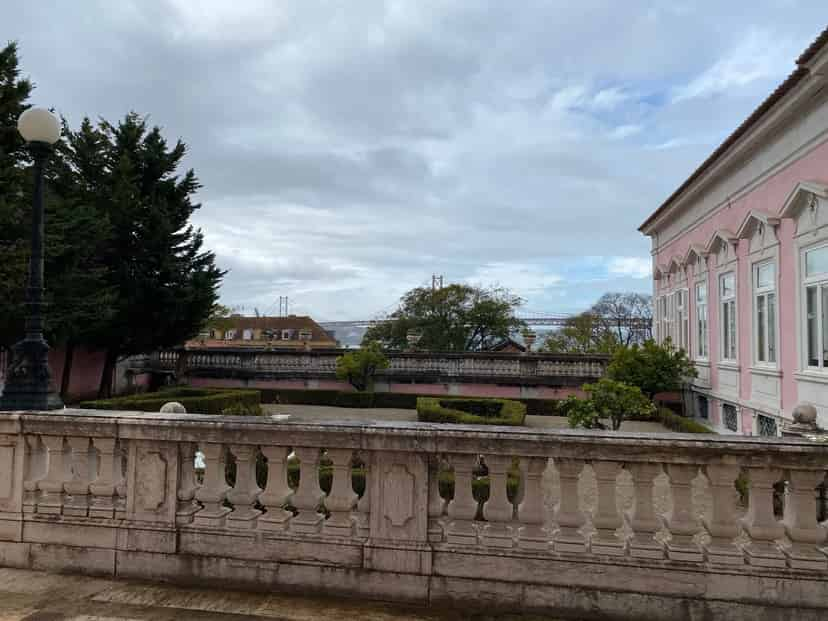
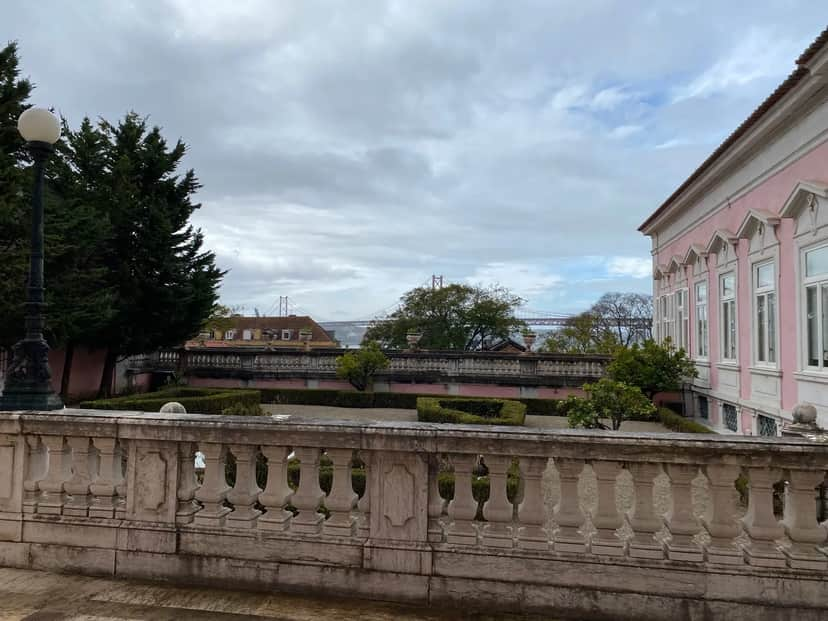 Palácio das NecessidadesThe Crown's acquisition of the land dates from 1742, with the aim of building a temple dedicated to Our Lady of Necessities. King John V immediately took the opportunity to erect a sumptuous church, the Convent of São Filipe Néri, and an adjoining royal palace.Campo de OuriqueMonuments & Historic Buildings
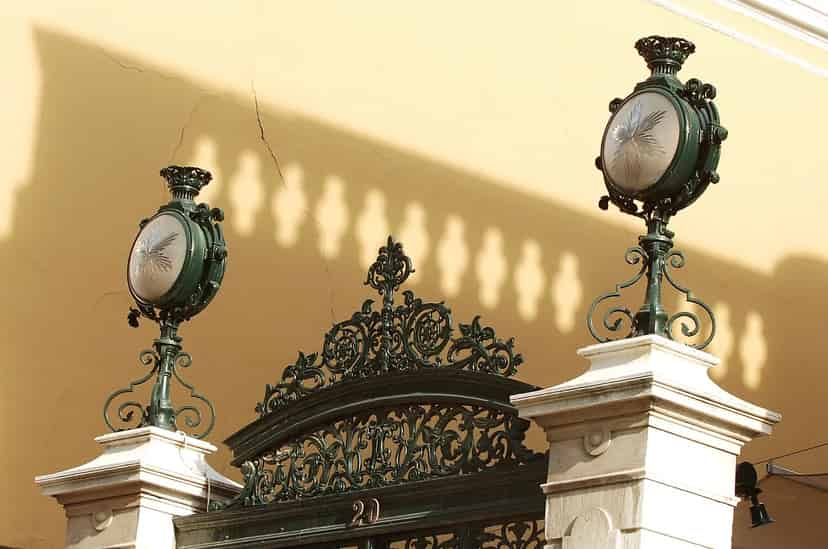
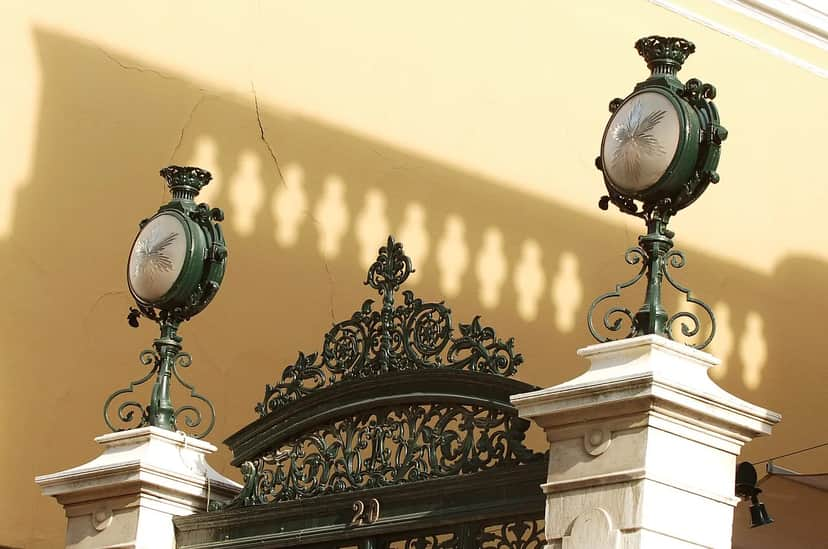 Palácio das PedrosasBuilt in 1764 as the residence and bakery of the Italian merchant Tomás Mongiardino, on land leased from Joaquim Miguel Lopes de Lavre, north of his palace. In 1785 Joaquim Lavre acquired full ownership of the building, which, in 1800,Príncipe RealMonuments & Historic Buildings
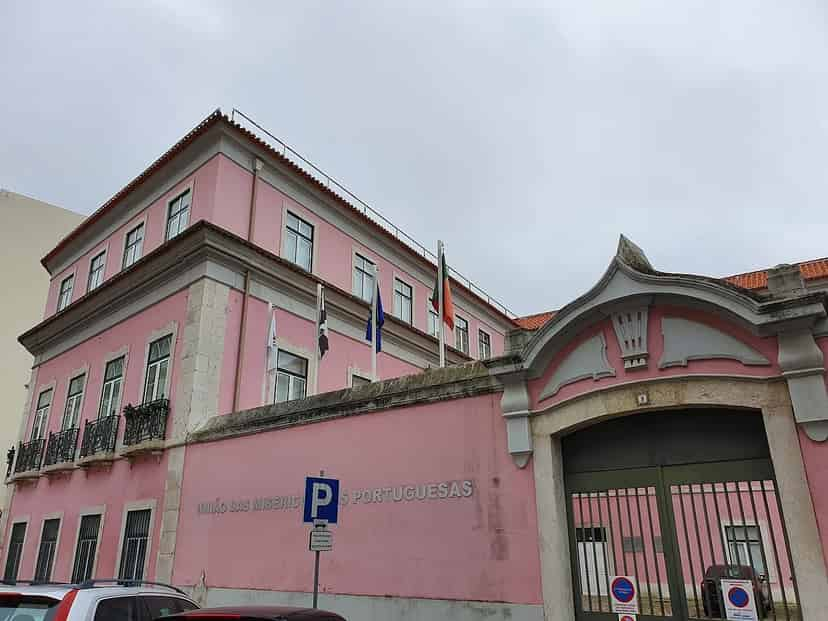
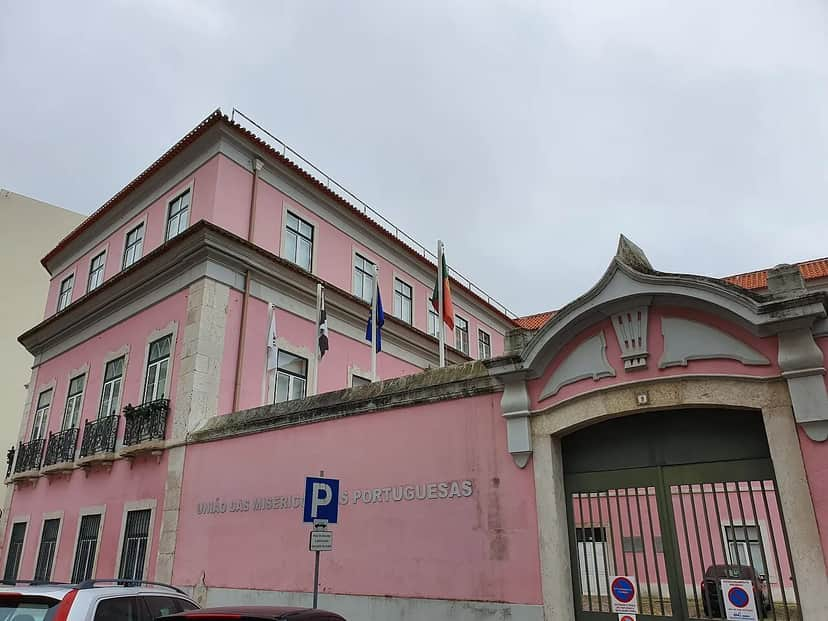 Palácio das VianinhasRua de Entrecampos s/n, 1000-151 LisboaAlvaladeMonuments & Historic Buildings
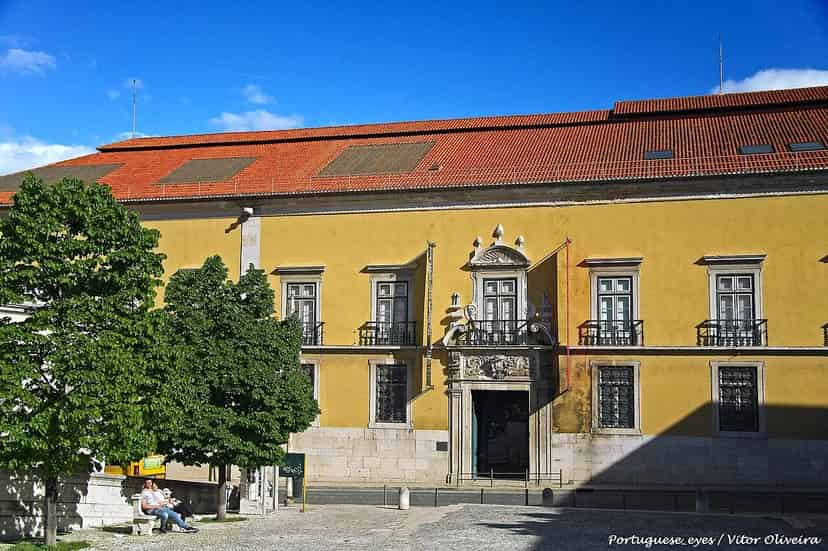
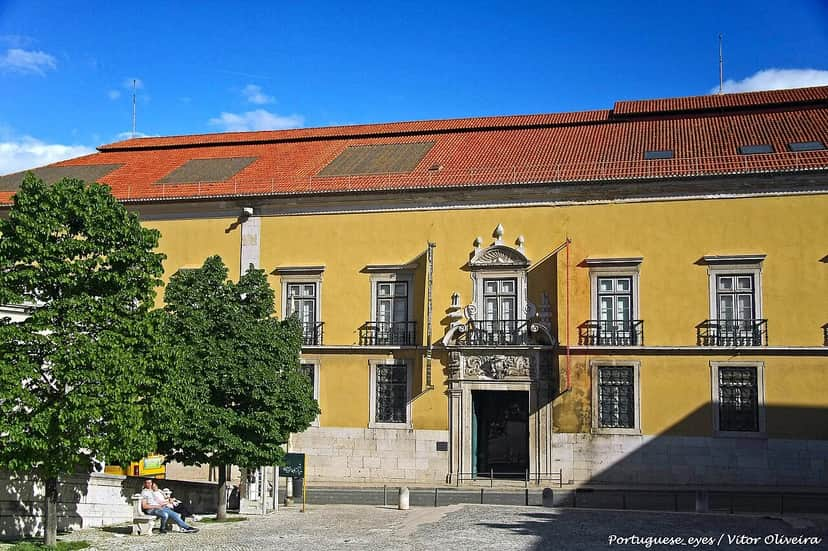 Palácio de Alvor-PombalThe Palácio de Alvor-Pombal, also known as the Palácio das Janelas Verdes, stands on Rua das Janelas Verdes in Lisbon and currently houses the Museu Nacional de Arte Antiga.SantosMonuments & Historic Buildings
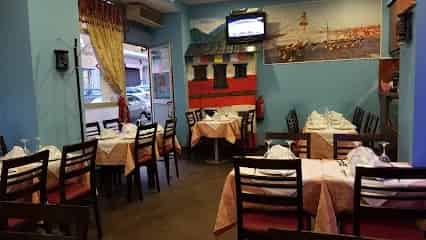
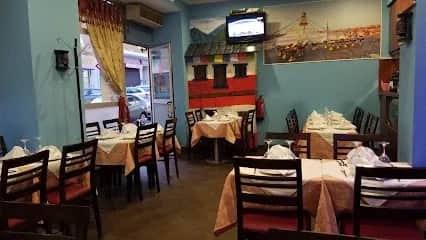 Palácio de BudaRua Marques de Alorna 24, C/D Alvalade, 1700-303 LisboaAlvaladeRestaurants

 Palácio de Exposições1300-118 LisboaAlcântaraMonuments & Historic Buildings
Powered by Foursquare ·Photo and data credits ▾
Photos: RicardoFilipePereira (CC BY-SA 4.0), via Wikimedia Commons · 69joehawkins (CC BY-SA 3.0), via Wikimedia Commons · Ricardo Filipe Pereira (CC BY-SA 4.0), via Wikimedia Commons · Kent Wang (CC BY 4.0), via Wikimedia Commons · Mapcarta · DataForSEO · Senhormario (CC BY-SA 4.0), via Wikimedia Commons · P.G. de Mendonça (CC BY-SA 4.0), via Wikimedia Commons · Paulo Juntas (CC BY-SA 2.5), via Wikimedia Commons · geocaching.com · Photo by Sergej Kaldesić on Unsplash · Vanbasten 23 (CC BY-SA 3.0), via Wikimedia Commons · Pedro Ribeiro Simões from Lisboa, Portugal (CC BY 2.0), via Wikimedia Commons · GualdimG (CC BY-SA 4.0), via Wikimedia Commons · Vitor Oliveira from Torres Vedras, PORTUGAL (CC BY-SA 2.0), via Wikimedia Commons · isa.ulisboa.pt · Data: Wikidata (CC0) · © OpenStreetMap contributors · Wikipedia (CC BY-SA 4.0)
