

Filters (0)
Rating▾
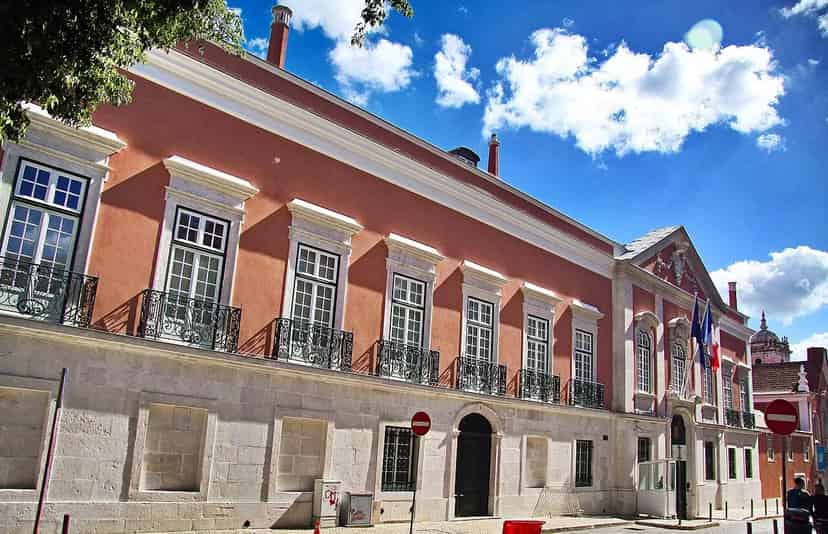
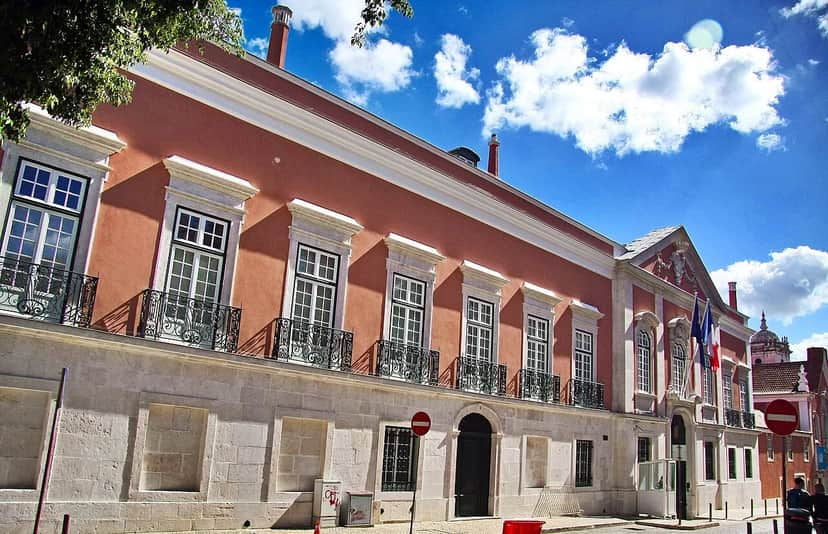 Palácio do Marquês de AbrantesA historic building in Lisbon housing the Embassy of France in Portugal.SantosMonuments & Historic Buildings
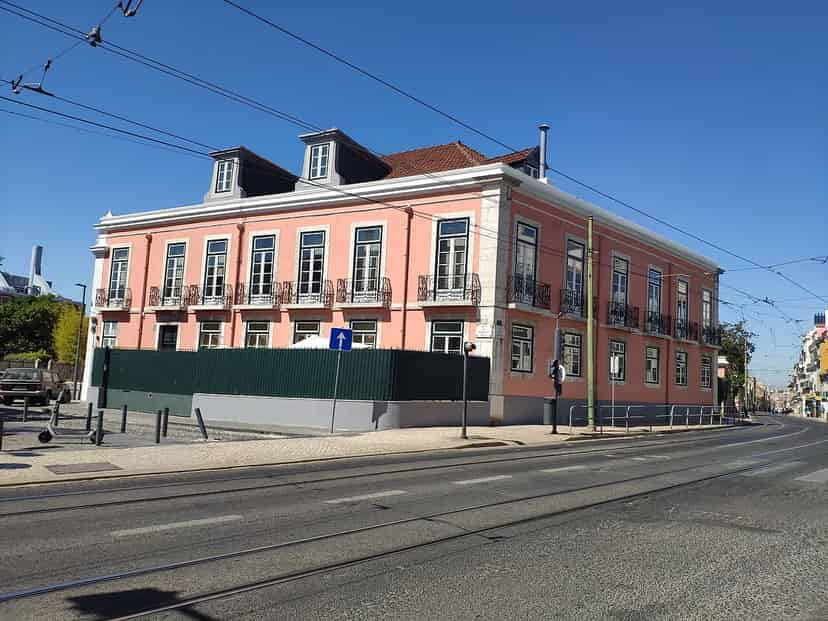
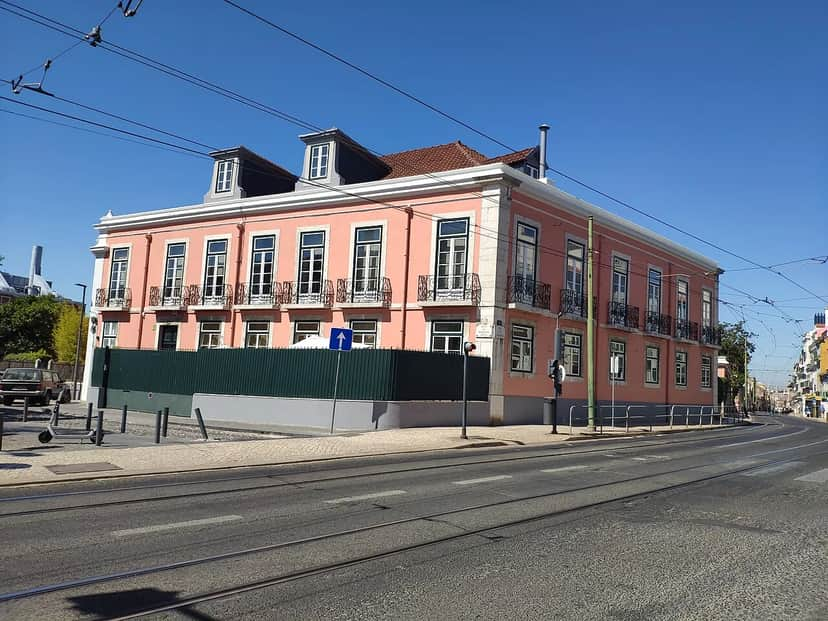 Palácio do Marquês de AngejaThe Palácio dos Marqueses de Angeja, or Palácio do Marquês de Angeja, is located in the Portuguese parish of Belém, in the municipality of Lisbon, more precisely on Rua da Junqueira and Largo do Marquês de Angeja.Largo do Marquês de Angeja, 1300-338 LisboaMonuments & Historic Buildings
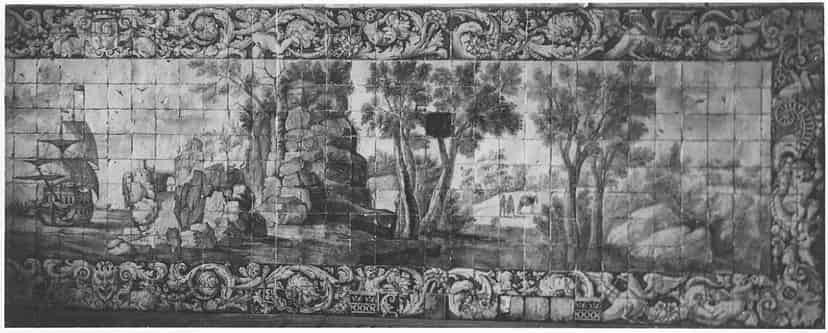
 Palácio do Marquês de TancosThe origins of the Palácio Tancos go back to 1539, with the founding of the former residence of the Ataíde family. The transformation of this 16th-century house into a palace appears to have taken place in the early 17th century, under the 1st Count of Atalaia...MourariaMonuments & Historic Buildings
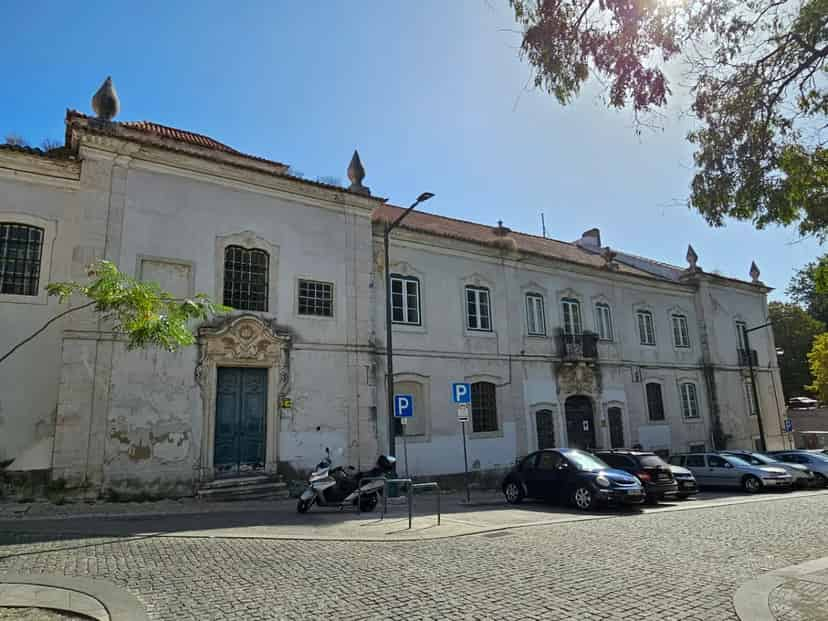
 Palácio do MiteloAn example of Baroque residential architecture, this palace has its origins in a group of noble houses from the first half of the 17th century, which stood in what was then called Campo do Curral. After its purchase in 1672 by Manuel Francisco Mendes...IntendenteMonuments & Historic Buildings
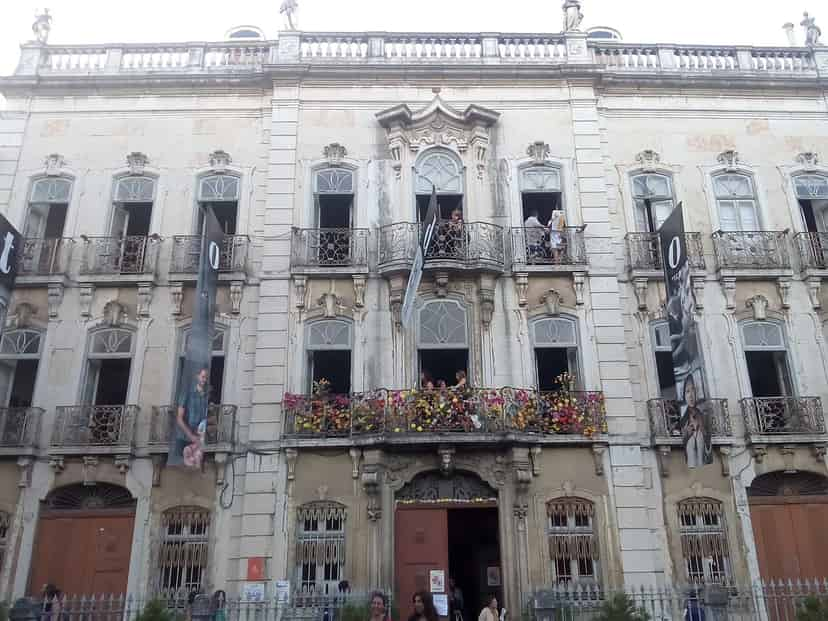
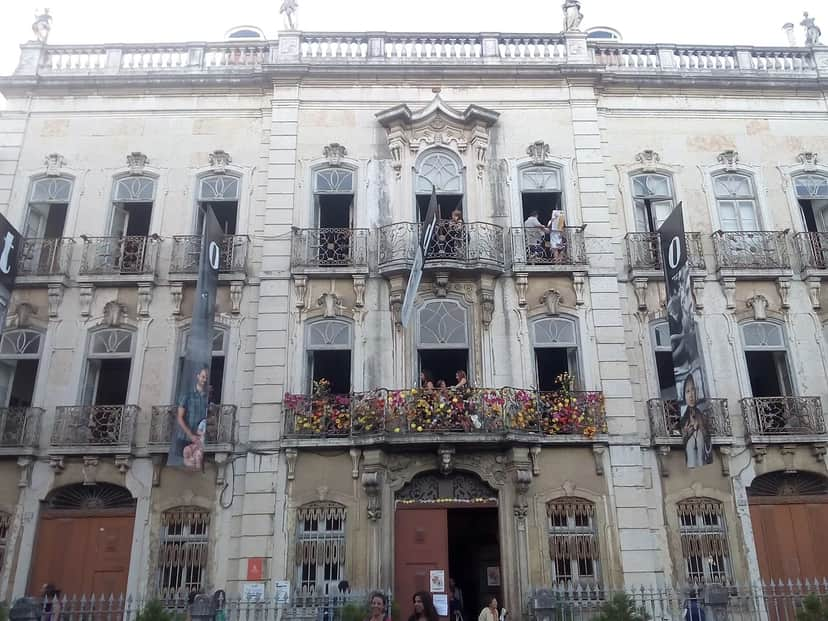 Palácio do PatriarcadoIncluded in the classification of Campo dos Mártires da PátriaIntendenteMonuments & Historic Buildings
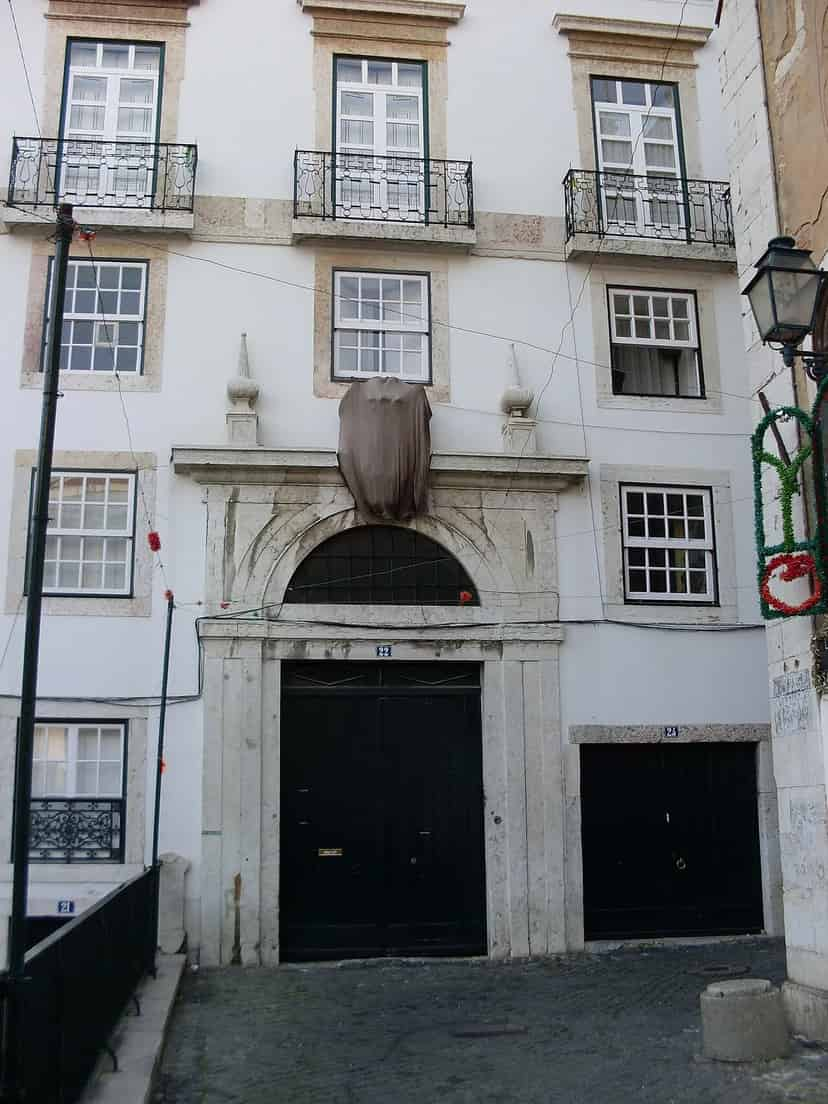
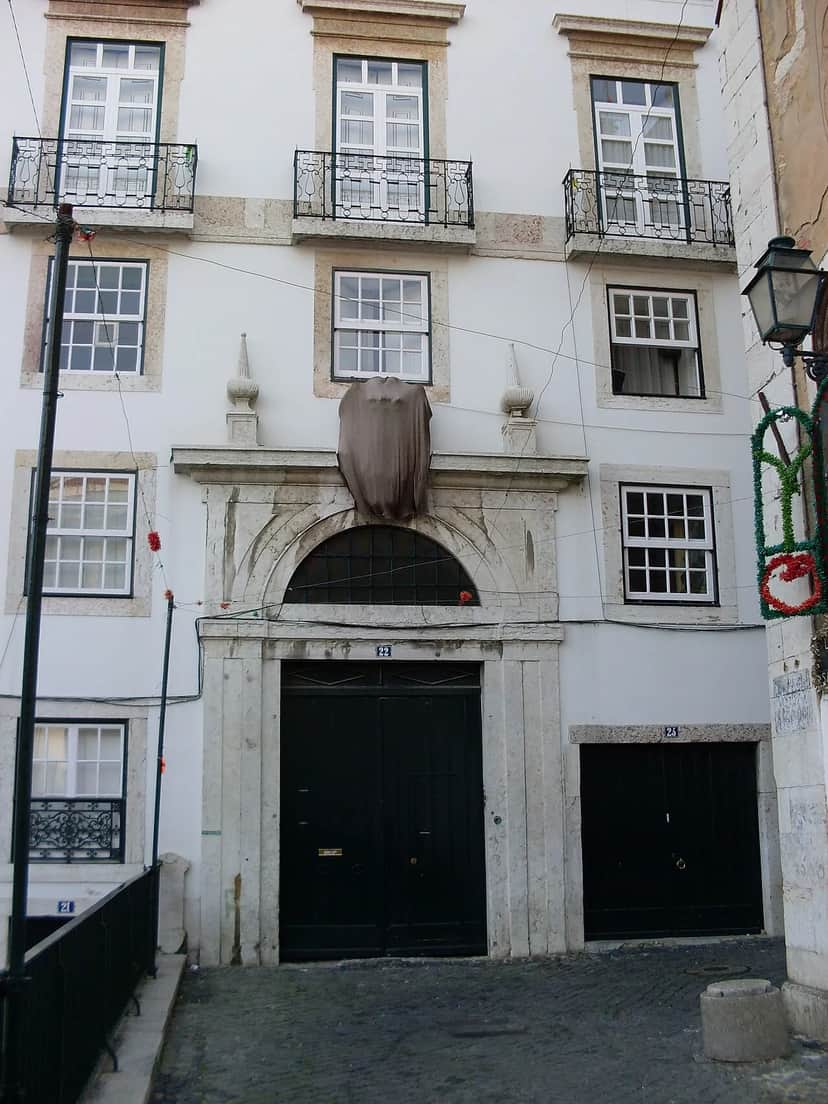 Palácio do SalvadorThe Palácio do Salvador underwent numerous far-reaching changes to its architectural structure over the centuries. With the building's original core having disappeared entirely...AlfamaMonuments & Historic Buildings
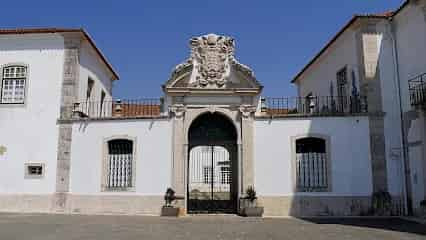
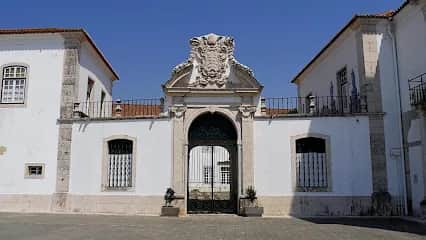 Palácio dos ArcebisposMitra Palace, aqueduct, dovecotes, fountains, church, monumental entrance gate and the entire walled area of the former estateLouresMonuments & Historic Buildings
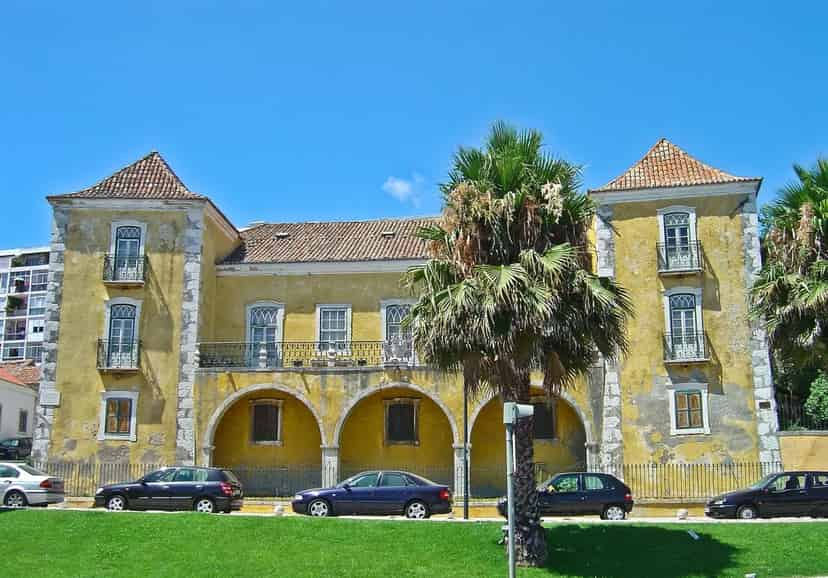
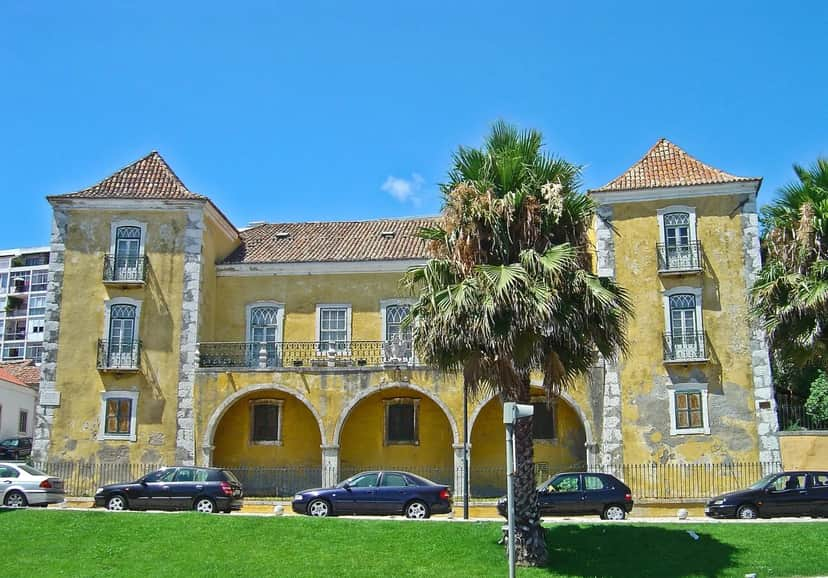 Palácio dos ArcosThe Palácio dos Arcos, also known as Paço dos Arcos, located in Paço de Arcos, the locality that gave it its name, in the Municipality of Oeiras and the District of Lisbon, was built at the end of the 15th century by Antão Martins Homem, a nobleman of the Casa dos Infantes and 2nd captain-donatário of the Vila da Praia (Azores), on the grounds of a large estate that existed there.Largo Conde das Alcáçovas, 2770-031 Paço de ArcosMonuments & Historic Buildings
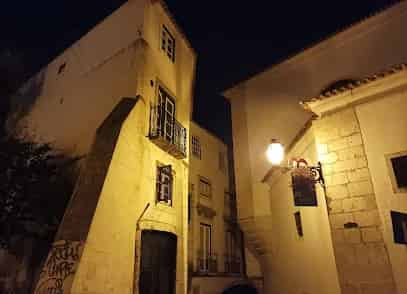
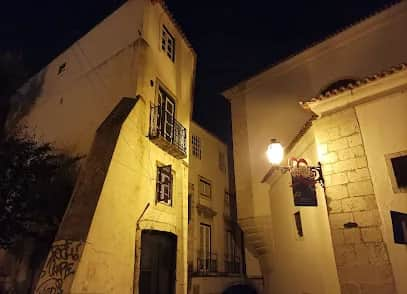 Palácio dos Azevedo CoutinhoThe origin of this palace is disputed: some argue that it dates back to the 14th century, when the Lord Chancellor of King Dinis, Pedro Salgado, owner of noble houses located at Arco do Chanceler, had his own palace built...AlfamaMonuments & Historic Buildings
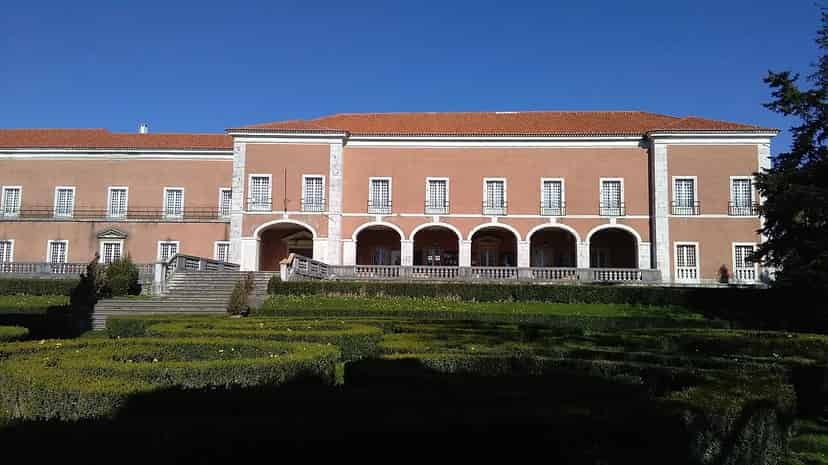
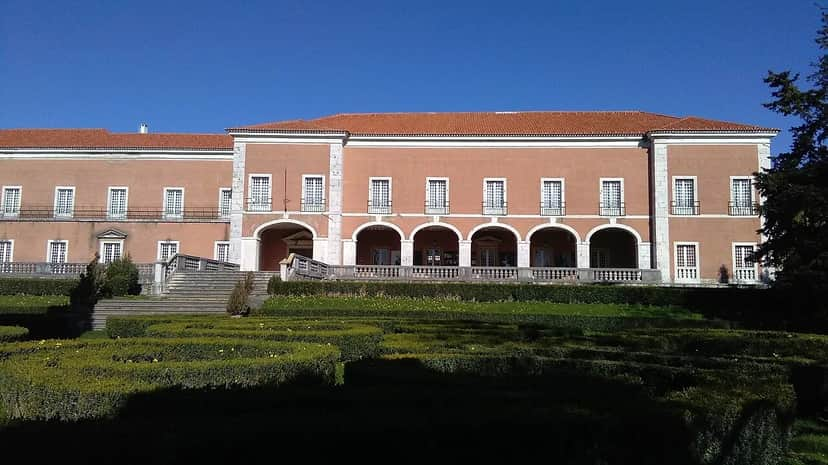 Palácio dos Condes da CalhetaAn example of Baroque residential architecture, this palace was built in the mid-17th century, probably at the initiative of D. João Gonçalves da Câmara, 4th Count of Calheta, as a summer residence. Acquired by King D. João V inBelémMonuments & Historic Buildings
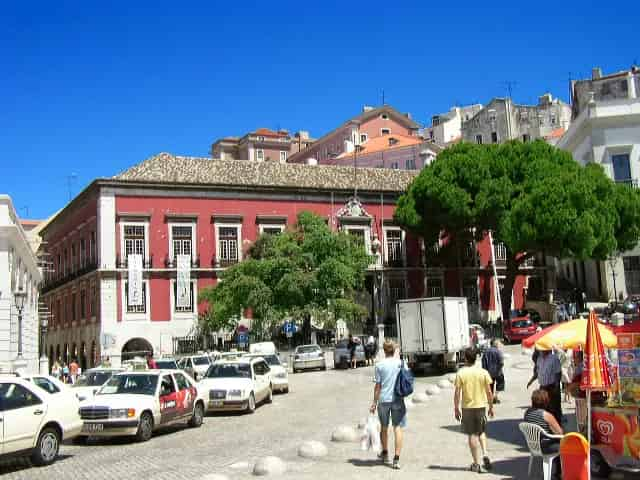
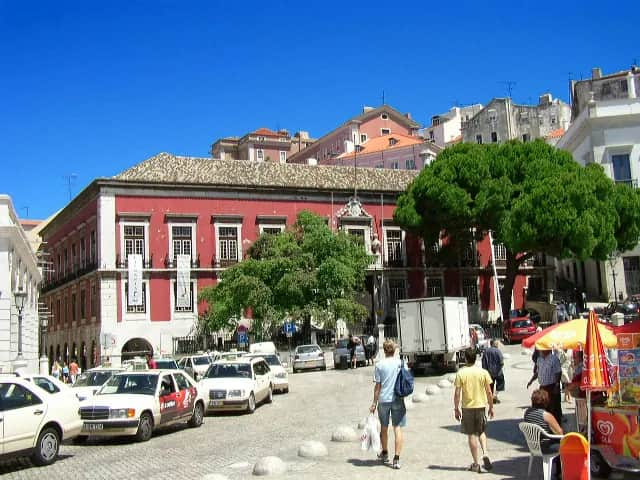 Palácio dos Condes de AlmadaFounded in 1467 by D. Fernando de Almada, its original medieval design underwent successive alterations, with 4 portals and 2 large chimneys with faceted cones surviving from that period, similar to those of Palácio da Vila de Sintra.MourariaMonuments & Historic Buildings
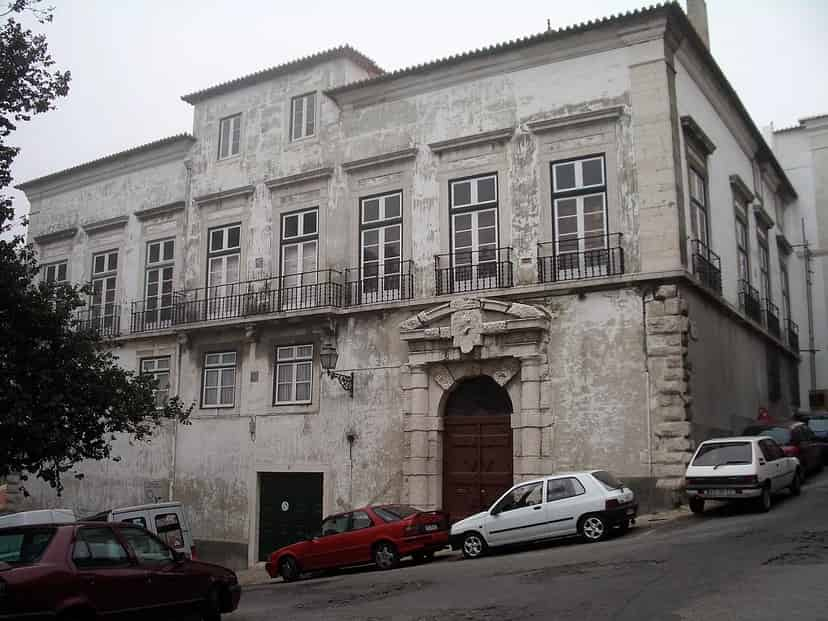
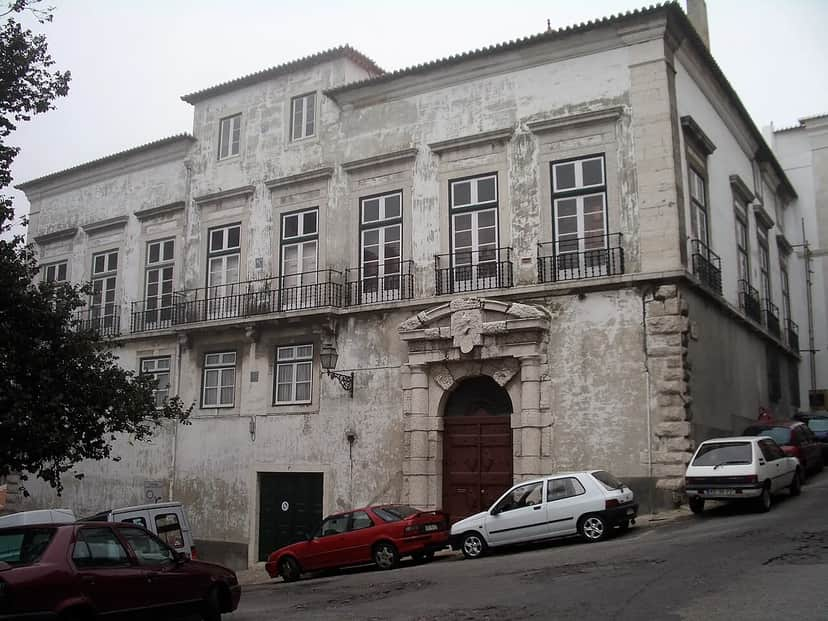 Palácio dos Condes de FigueiraThe origins of this building date back to the 15th century, when in 1490 King João II authorised the nobleman D. João de Mendonça to build a dwelling next to the city wall. It underwent successive phases of construction throughout the 15th, 17th and 18th centuries...MourariaMonuments & Historic Buildings
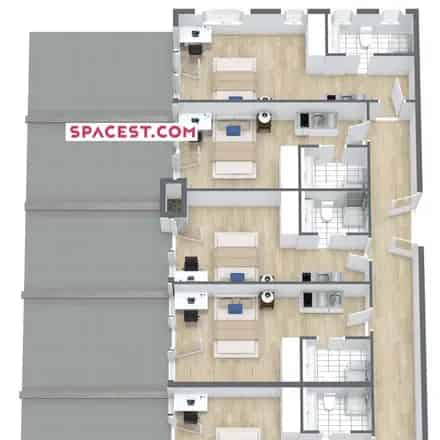
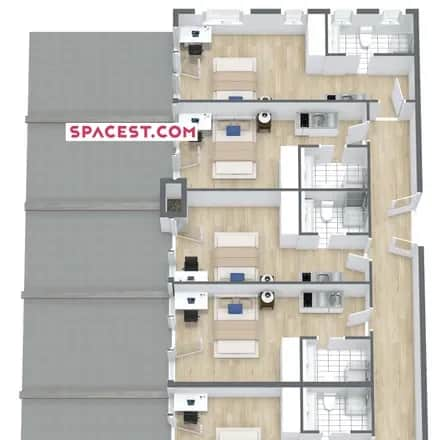 Palácio dos Condes de FigueiróAlso known as Palácio do Marquês de Abrantes or Pátio do Colégio, it dates from the 17th century. Access is through a courtyard whose façade forms an attractive 17th-century architectural feature...Rua de Marvila 34, 1950-200 LisboaMonuments & Historic Buildings
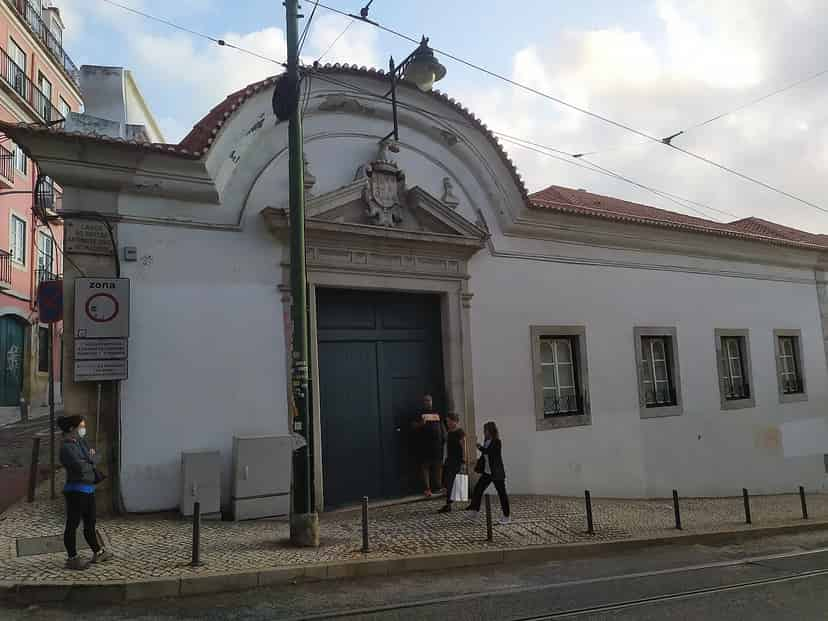
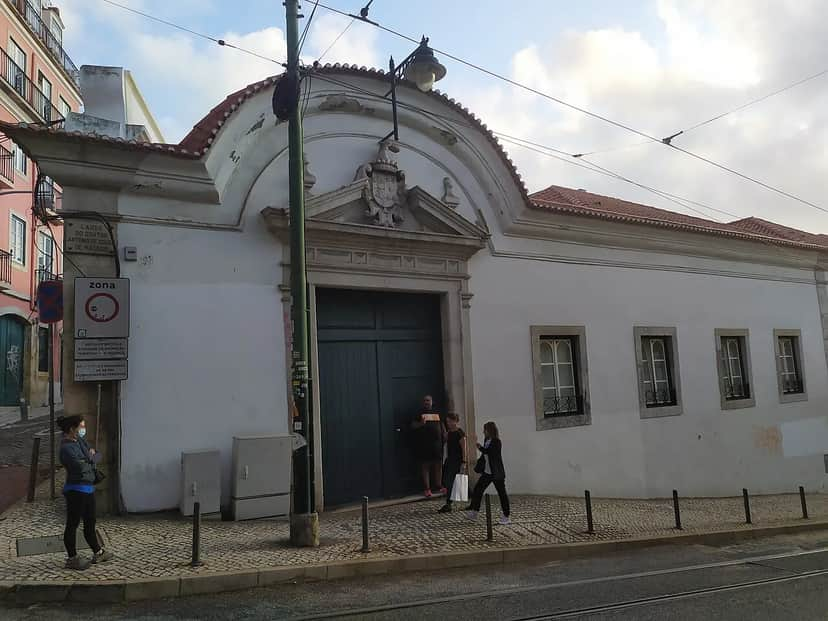 Palácio dos Condes de MesquitelaBuilt in the 17th century at the initiative of the Sousa de Macedo family, which in the 18th century would acquire the title of Counts of Mesquitela, hence the palace's name. Repaired and restored in the period after the earthquake and in the following century...São BentoMonuments & Historic Buildings
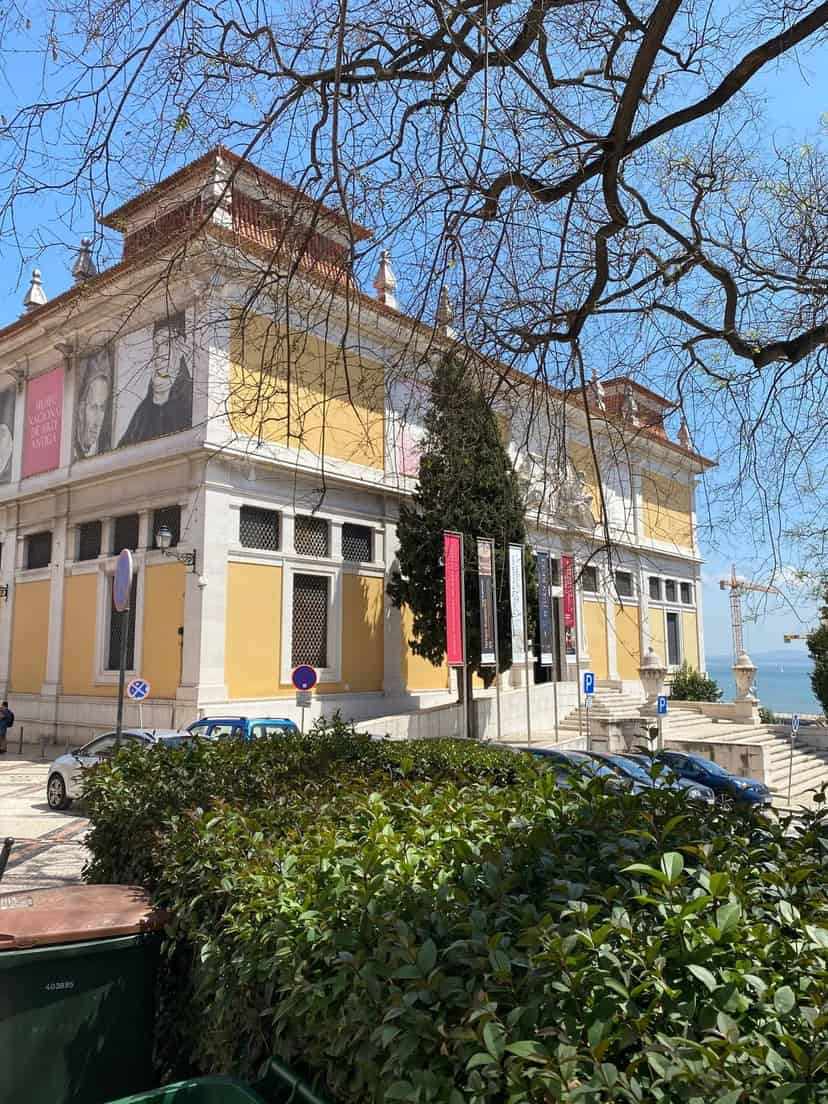
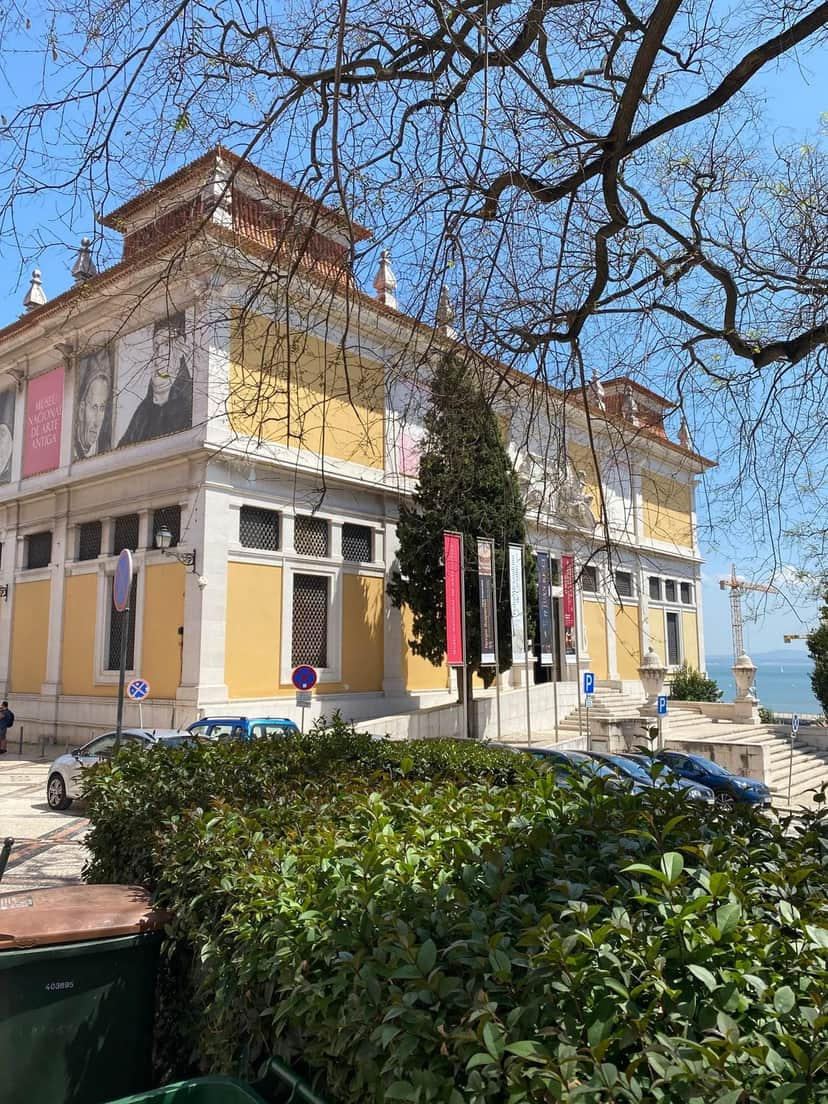 Palácio dos Condes de ÓbidosClassified as a Property of Public Interest, this 17th-century palace remained in the possession of the Óbidos-Sabugal family until 1919, when it was acquired by the Portuguese Red Cross, which established its national headquarters there...SantosMonuments & Historic Buildings
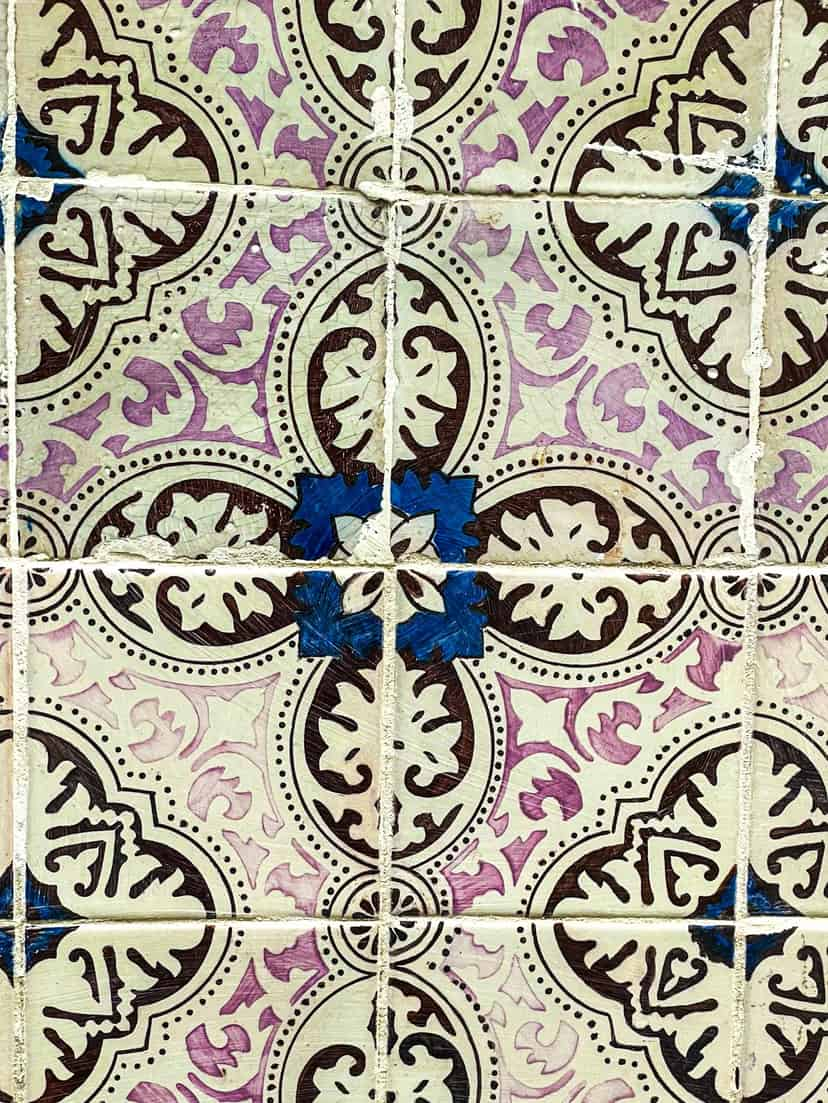
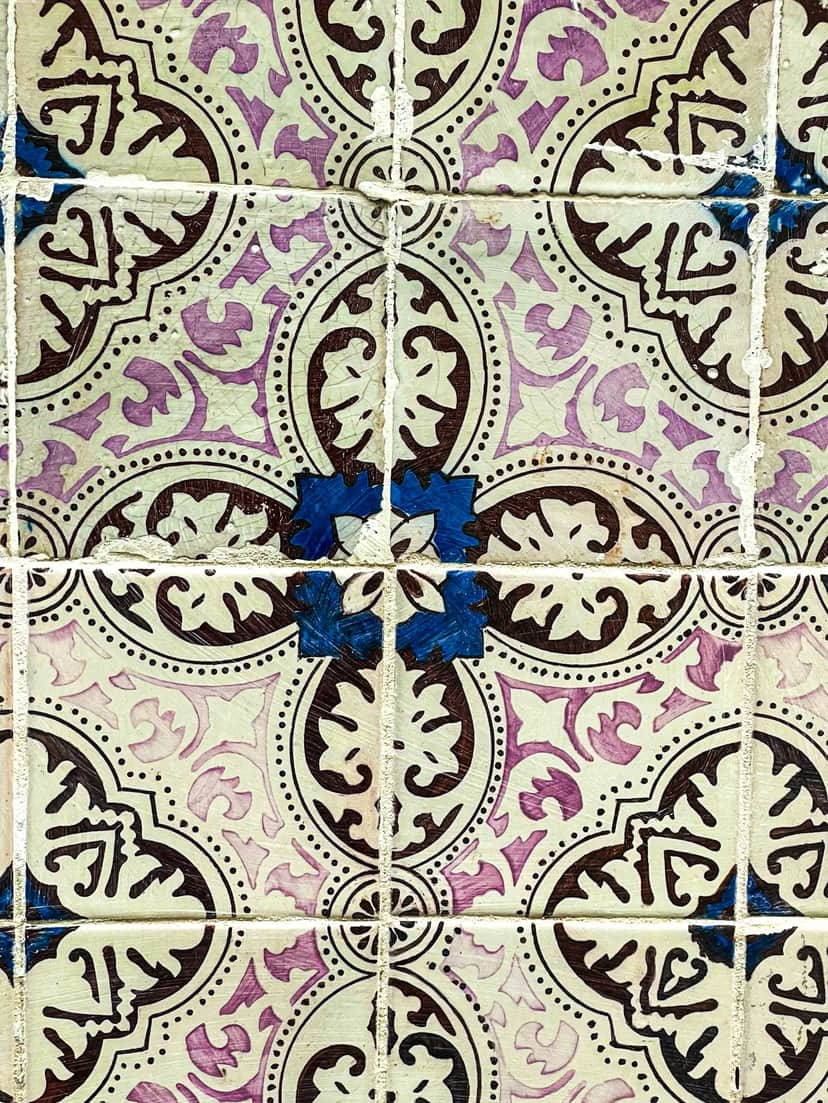 Palácio dos Condes de PenafielThe Palácio do Correio-Mor, Palácio dos Condes de Penafiel or simply Palácio Penafiel is a palace located in the parish of Santa Maria Maior, in Lisbon, in the block bounded by the Ruas de São Mamede and das Pedras Negras, Travessa do Almada, Calçada do Correio Velho and the Largo do Correio Mor, through which the building is accessed.BaixaMonuments & Historic Buildings · Illustrative photo
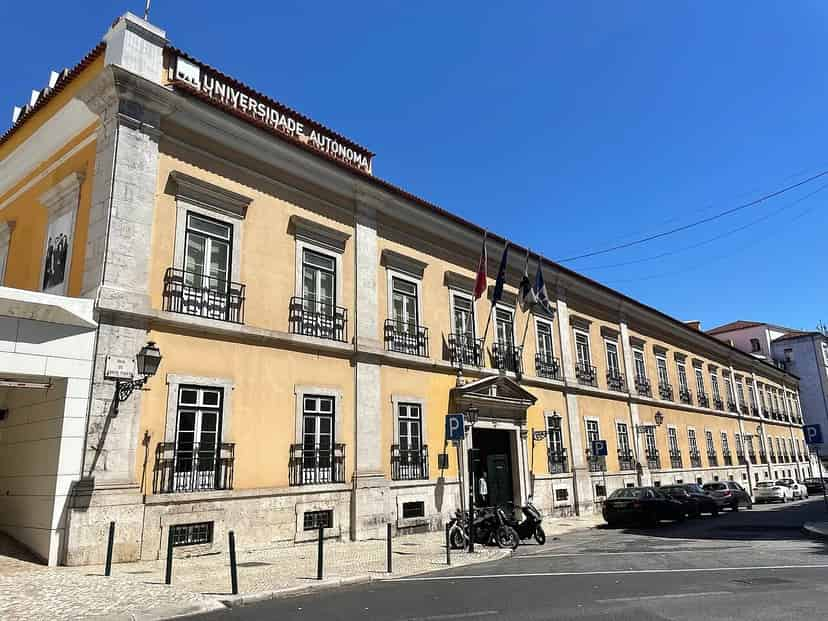
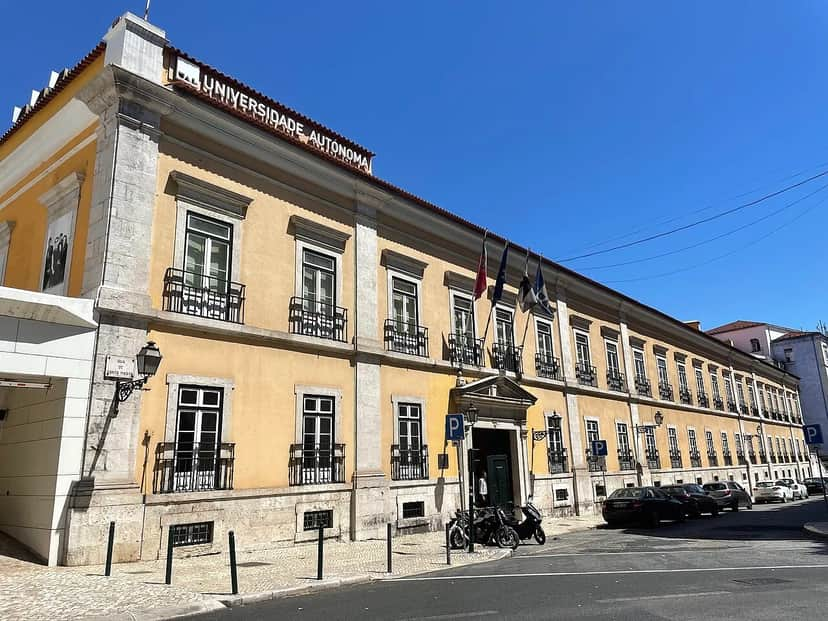 Palácio dos Condes de RedondoBuilt in the third quarter of the 17th century on the initiative of the 7th or 8th Count of Redondo, this palace, classified as a Property of Public Interest and a fine example of Baroque residential architecture, withstood the 1755 Earthquake without damaArroiosMonuments & Historic Buildings
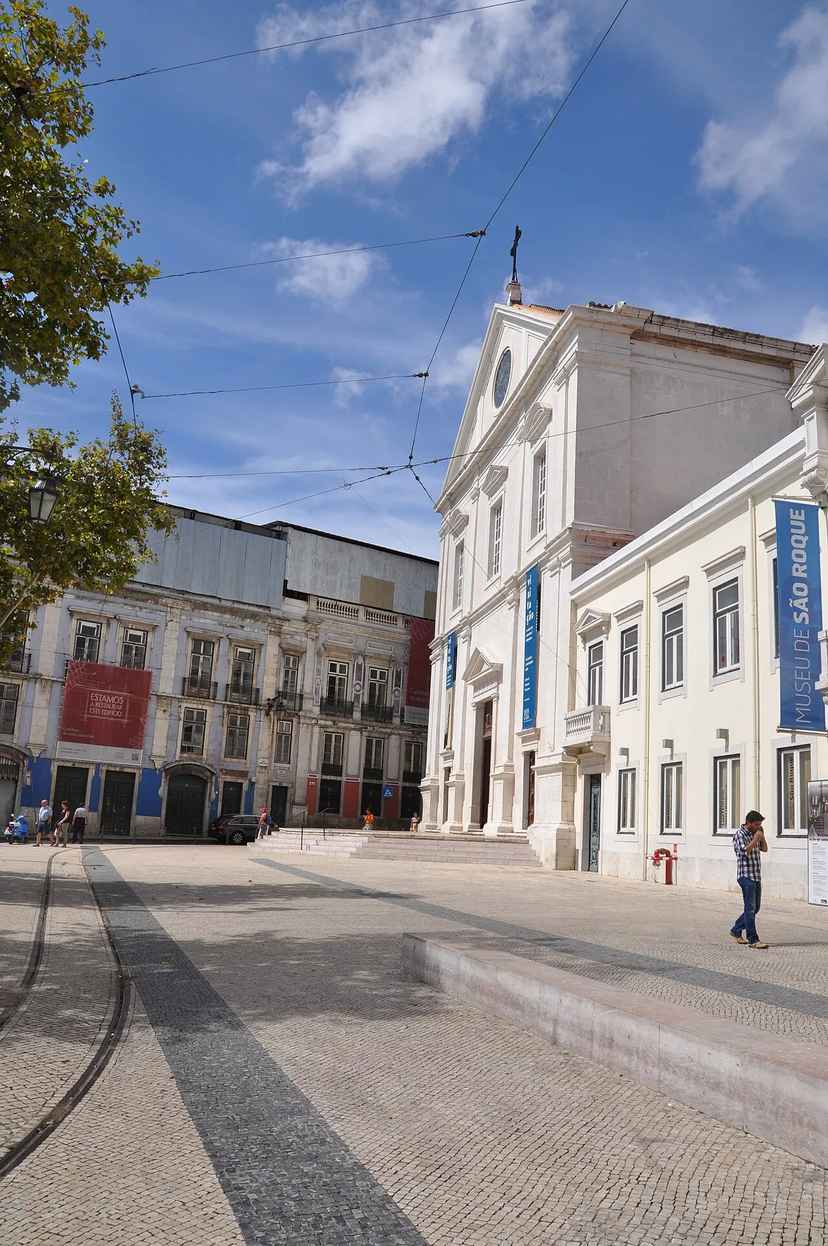
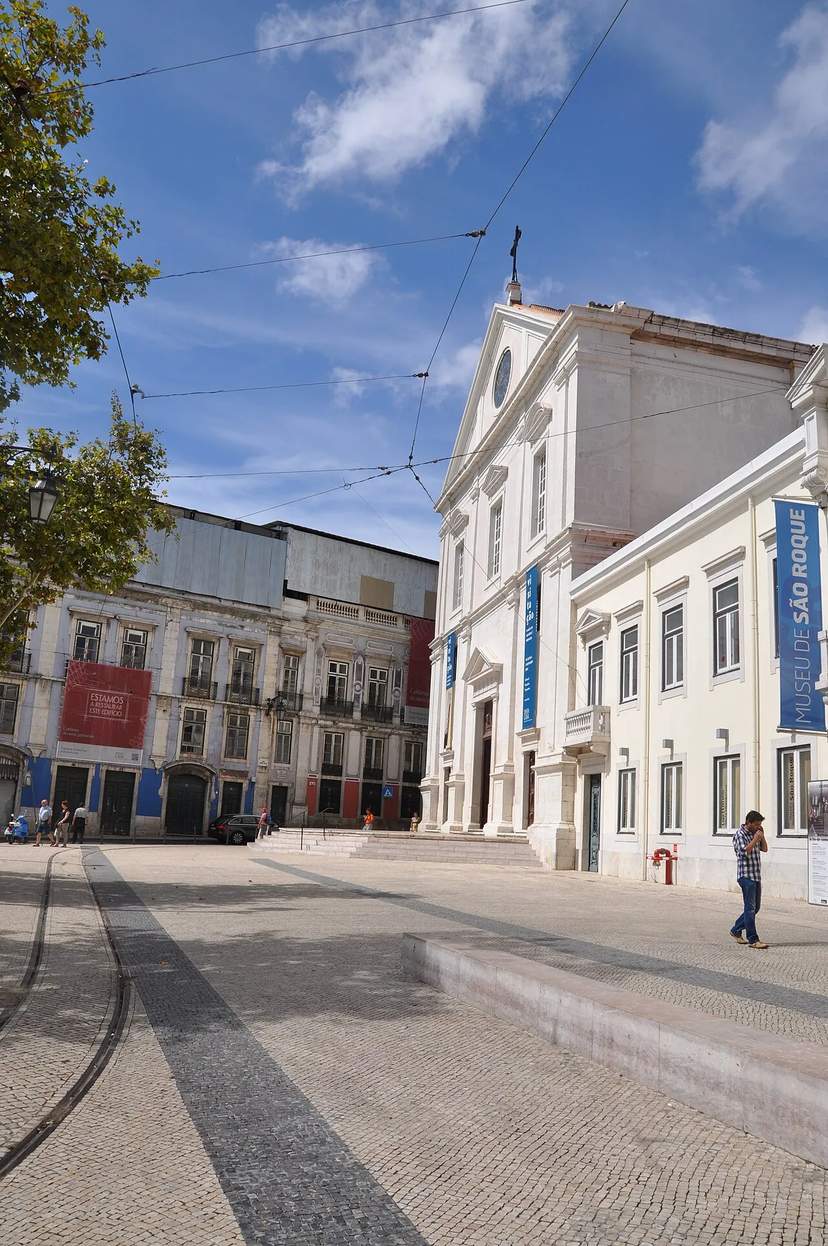 Palácio dos Condes de TomarAn urban palace built in the second half of the 19th century at the initiative of António Bernardo da Costa Cabral, 1st Count and 1st Marquis of Tomar. With an L-shaped plan and a parallelepiped volume, it rises over four floors...Bairro AltoMonuments & Historic Buildings
- Palácio dos Copeiros-MorAlso known as Palácio dos Sousa-Menezes or Palácio Coimbra. This residence of the Sousa Menezes family was built in the late 17th century. The Duke of Terceira, who inherited it and lived there, sold it to the merchant João PedroGraçaMonuments & Historic Buildings · Illustrative photo
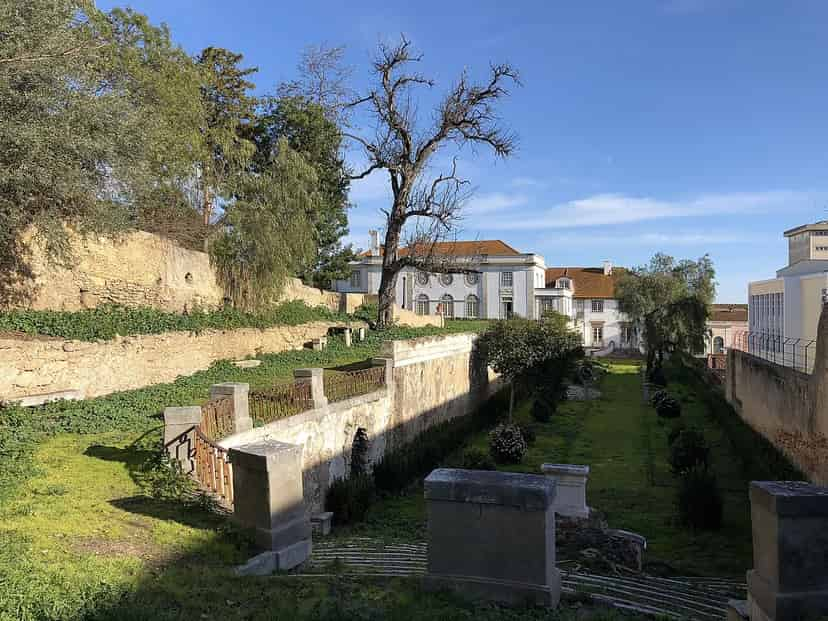
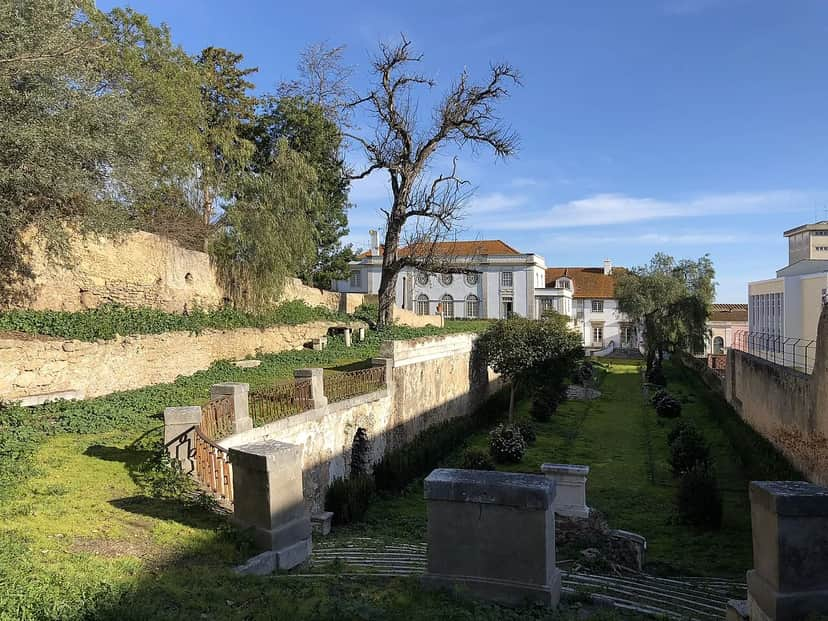 Palácio dos Duques de LafõesThe Palácio do Grilo, classified as a Property of Public Interest (MIP) since 2011 and also known as the Palácio dos Duques de Lafões, stands on the corner of Rua do Grilo and Calçada dos Duques de Lafões, rising in the parish of Beato (Lisbon), in the heart of the city of Lisbon.Calçada do Duque de Lafões 1, 1950-207 LisboaMonuments & Historic Buildings
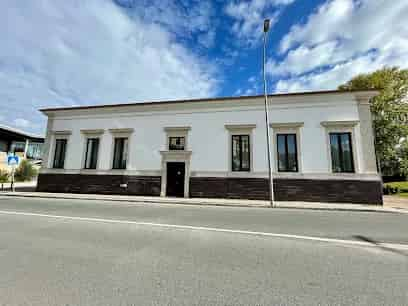
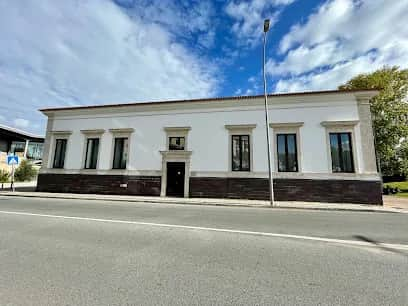 Palácio dos Marqueses da Praia e MonforteRua Cidade Rio de Janeiro s/n, 2670-332 LouresLouresMonuments & Historic Buildings
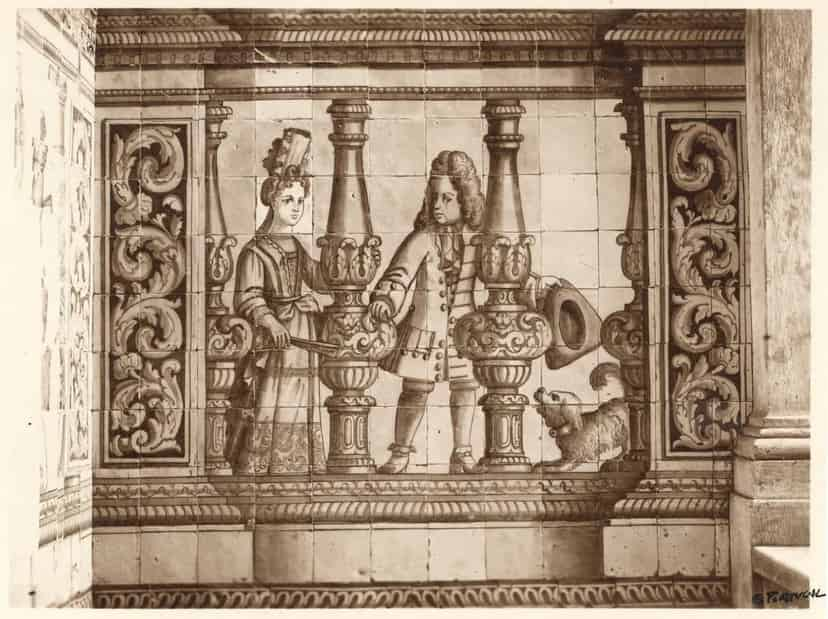
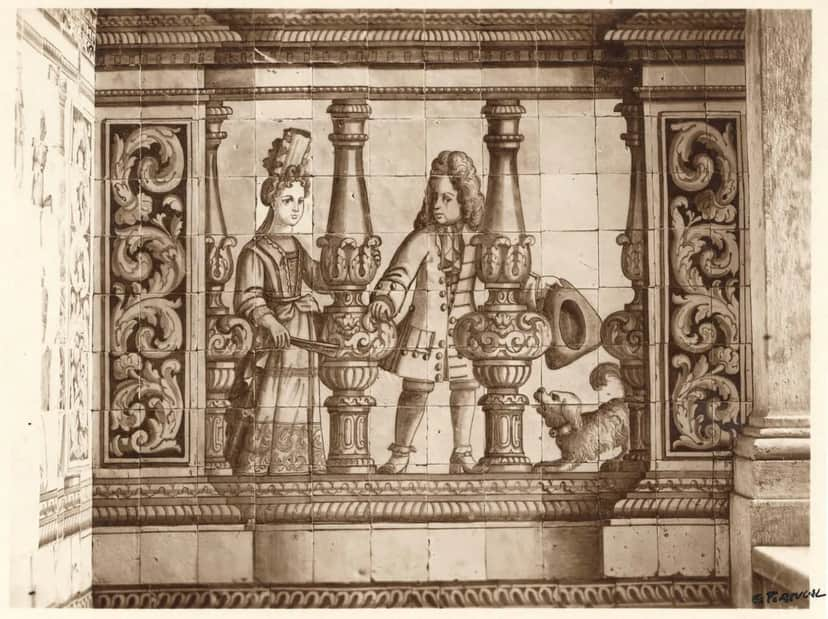 Palácio dos Marqueses de MinasBuilt in the 17th century, from the second quarter of the 18th century it was the residence of the Marquesses of Minas, and is currently under the Santa Casa da Misericórdia. Its exterior retains its 17th-century character.Bairro AltoMonuments & Historic Buildings
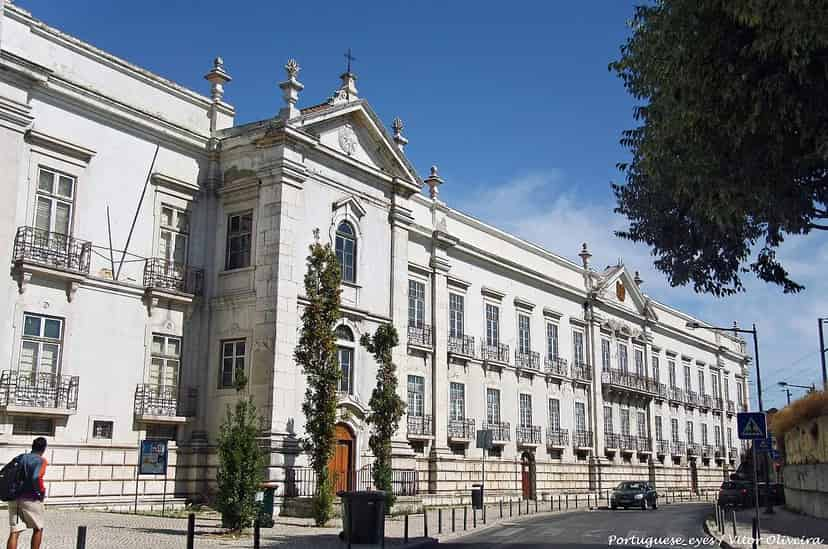
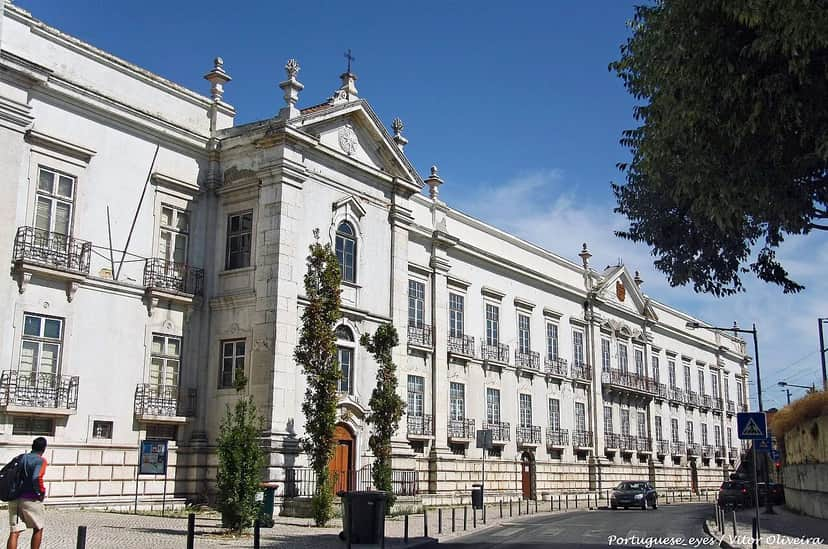 Palácio dos Marqueses de NisaFounded in 1543 by D. Francisco da Câmara, second Count of Vidigueira, the building passed through various owners, among them the descendants of Vasco da Gama, in 1634. Returned to the possession of the Marquises of Nisa in 1672...Largo do Marquês de Nisa, 1900-327 LisboaMonuments & Historic Buildings
 Palácio dos Senhores da TrofaThe building that was the Palácio dos Senhores da Trofa (Carvalhos e Lemos) later came into the possession of Francisco Barbosa, who inherited it from a relative of the same name. It extends along three large blocks between the Cç. da Graça and the Tv. das MónGraçaMonuments & Historic Buildings · Illustrative photo
Powered by Foursquare ·Photo and data credits ▾
Photos: Vitor Oliveira from Torres Vedras, PORTUGAL (CC BY-SA 2.0), via Wikimedia Commons · Reis Quarteu (CC BY-SA 4.0), via Wikimedia Commons · Biblioteca de Arte / Art Library Fundação Calouste Gulbenkian (No restrictions), via Wikimedia Commons · GualdimG (CC BY-SA 4.0), via Wikimedia Commons · RickMorais (CC BY-SA 4.0), via Wikimedia Commons · PESP/ Wikimedia (CC BY-SA 4.0), via Wikimedia Commons · DataForSEO · RicardoFilipePereira (CC BY-SA 4.0), via Wikimedia Commons · Luís Bonifácio (CC BY-SA 3.0), via Wikimedia Commons · Esme Vos (CC BY 2.0), via Wikimedia Commons · rentberry.com · Vanbasten 23 (CC BY-SA 3.0), via Wikimedia Commons · Photo by Bernd Dittrich on Unsplash · DiogoBaptista (CC BY-SA 4.0), via Wikimedia Commons · Laszlo Daroczy from Miskolc, Hungary (CC BY 2.0), via Wikimedia Commons · Roger Evain (CC BY-SA 4.0), via Wikimedia Commons · Photo by Sergej Kaldesić on Unsplash · Data: Wikidata (CC0) · Wikipedia (CC BY-SA 4.0) · © OpenStreetMap contributors
