

Filters (0)
Rating▾
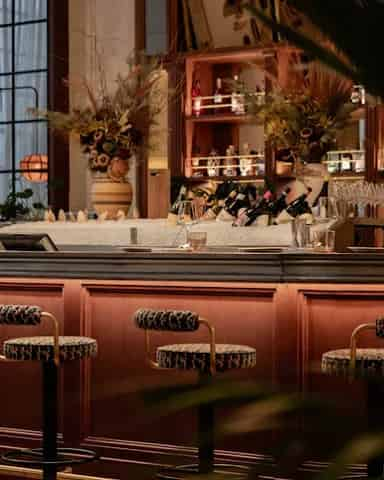
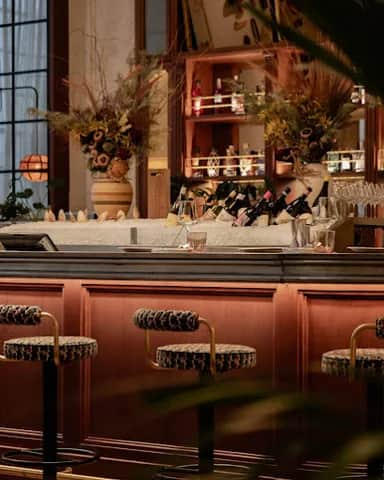 Santa JoanaRua de Santa Marta 61B, 1150-294 LisboaArroiosRestaurants
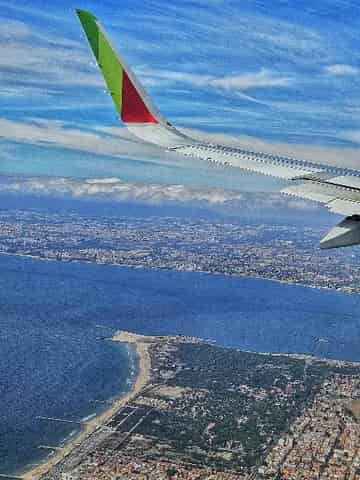
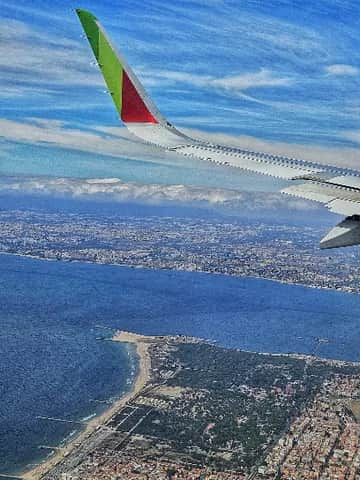 Santa MartaRua de Santa Marta, 1150-083 LisboaArroiosRestaurants
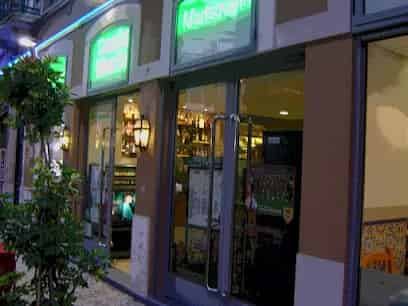
 Santa MartaTravessa do Enviado de Inglaterra s/n, 1100-297 LisboaArroiosRestaurants
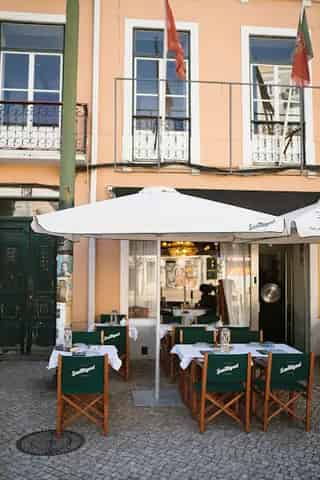
 Sant' AvóLargo da Graça 105, 1170-165 LisboaGraçaRestaurants
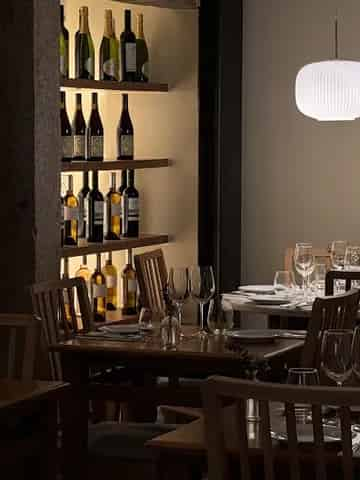
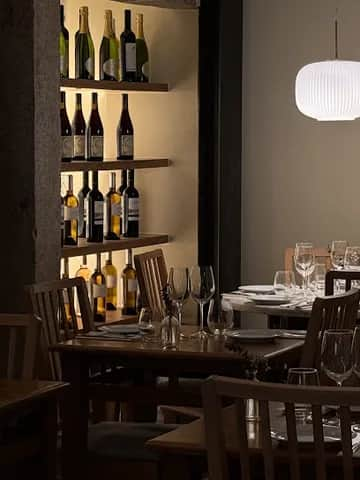 SantelmoRua do Poço dos Negros 188, 1200-425 LisboaSão BentoRestaurants
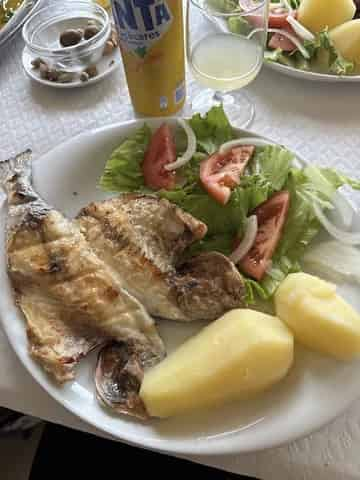
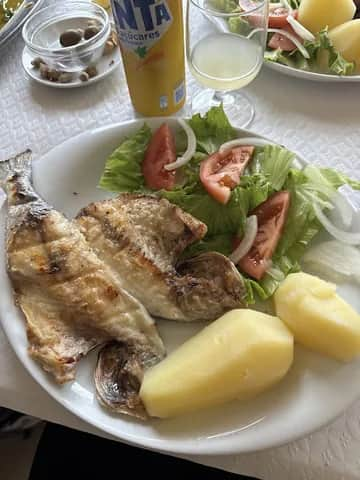 SantiagoRua Antero de Quental s/n, 2675-690 OdivelasOdivelasRestaurants
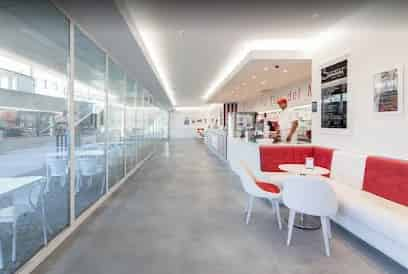
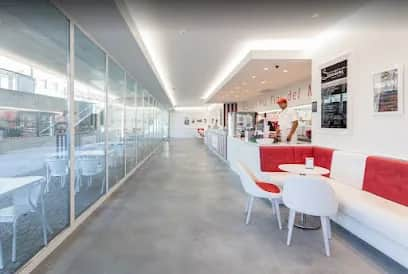 Santini BelémSantini - The ice creams are made with natural fruit, always respecting the traditional recipe and the true fruit flavours. Come and visit.BelémIce Cream & Dessert Shops
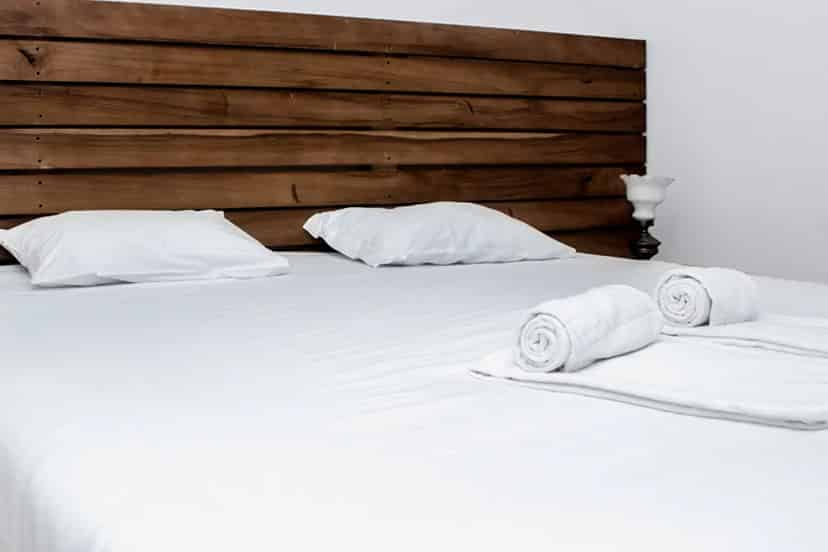
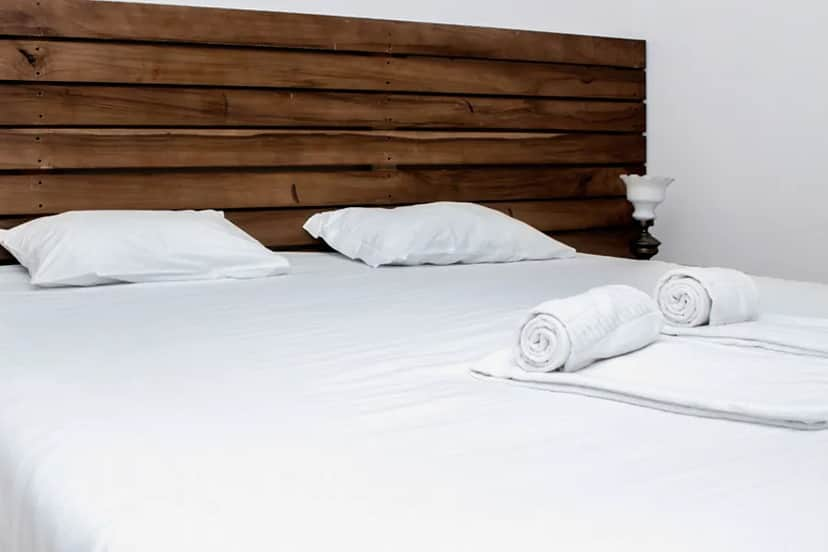 Sant Jordi Hostels LisbonSant Jordi Hostels Lisbon is a stylish hostel with ideal location, outstanding outdoor areas & social atmosphere.AnjosHostels & Budget Stays
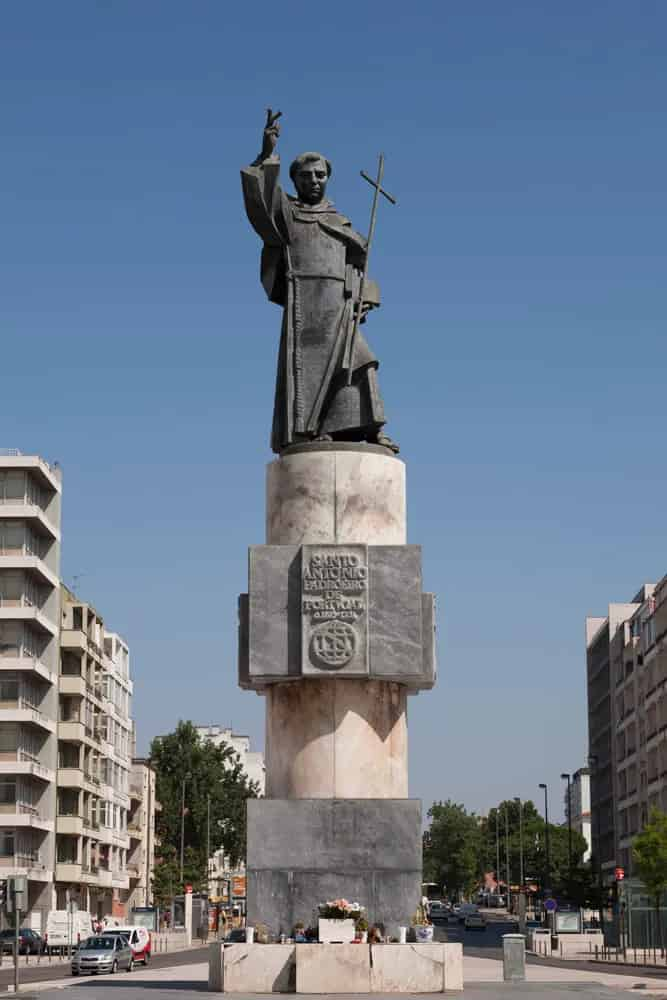
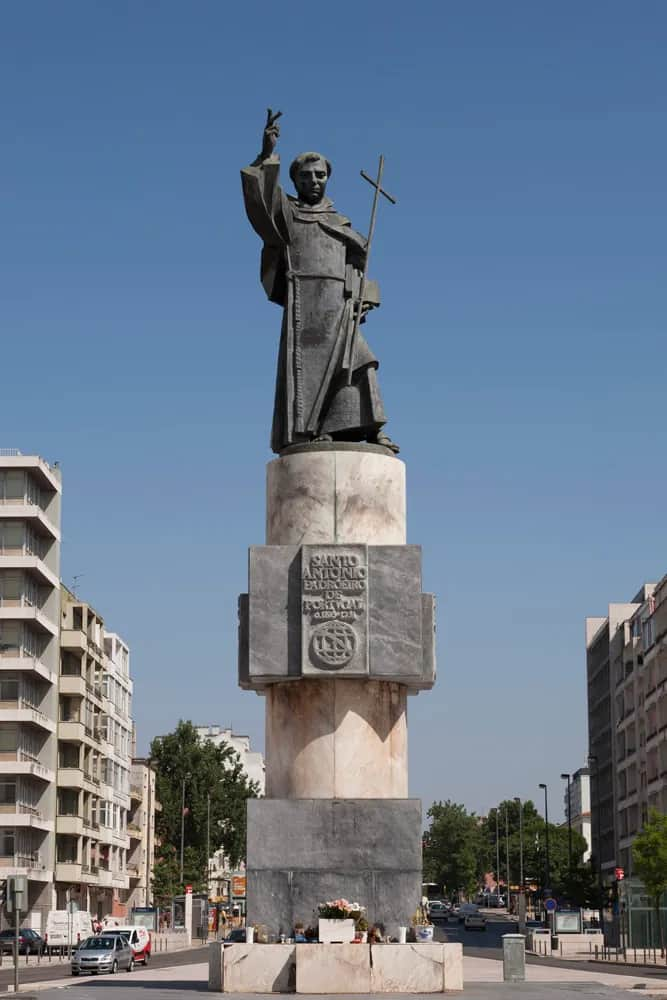 Santo AntónioSaint Anthony, born Fernando de Bulhão, was born in Lisbon in 1195 and died in Padua (Italy) in 1231. As the Patron Saint of Lisbon, he is the most popular saint honoured in the city, celebrated on 13 July.AlvaladeMonuments & Historic Buildings
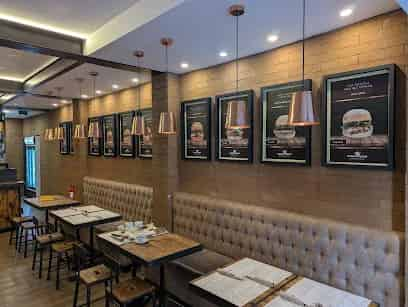
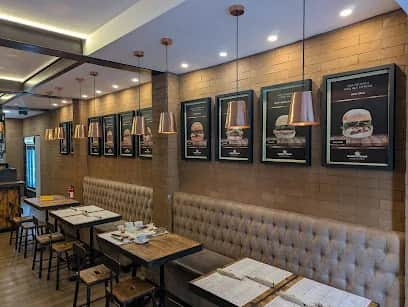 Santo Graal Burger & GrillCalçada da Ajuda 113-115, 1300-566 LisboaBelémQuick Bites & Takeaway
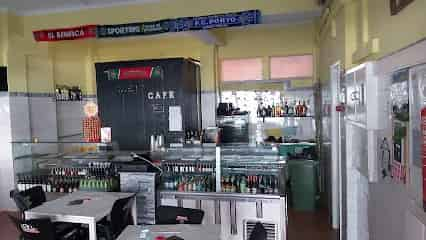
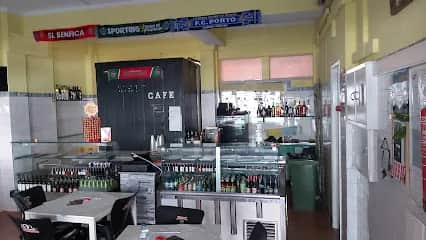 SantolaPraceta Major Aviador Humberto da Cruz 3A, 2745-172 QueluzLisbonRestaurants
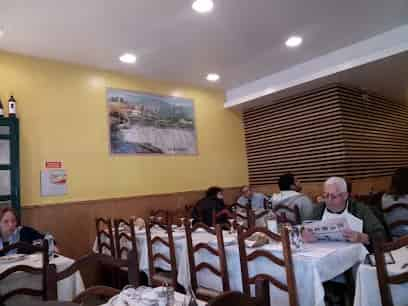
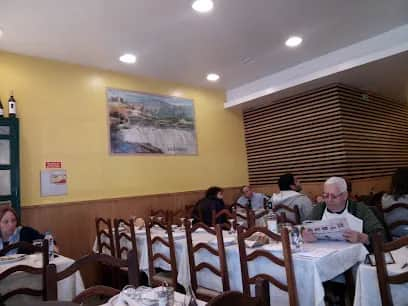 Santos2720-214 AmadoraAmadoraRestaurants
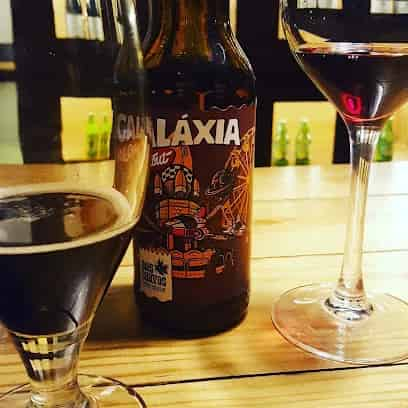
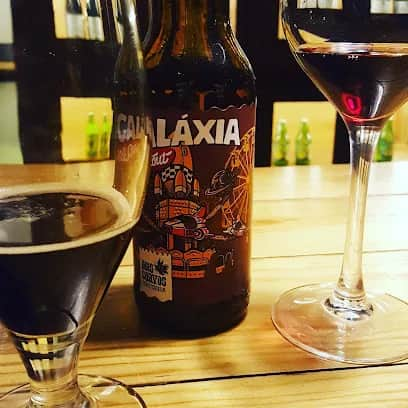 Santos - VinhoRua da Esperança 106, 1200-718 LisboaSantosNeighbourhood Bars & Pubs
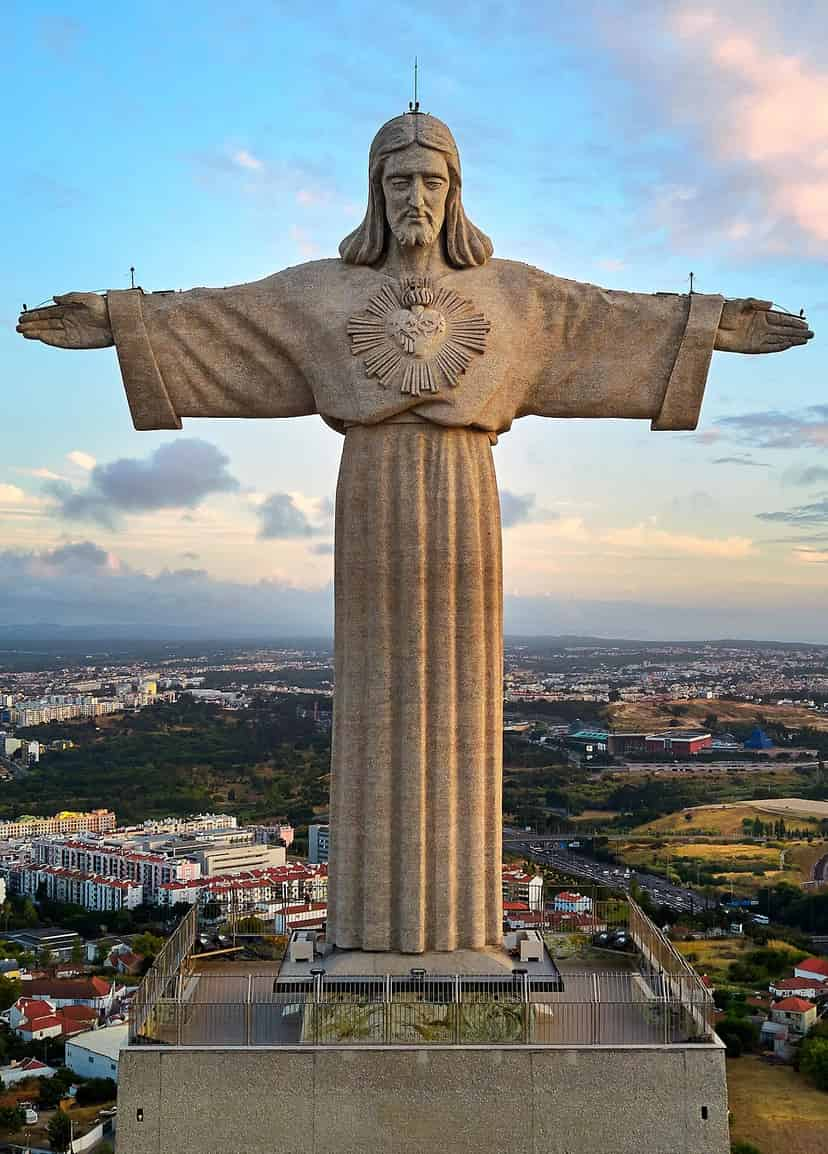
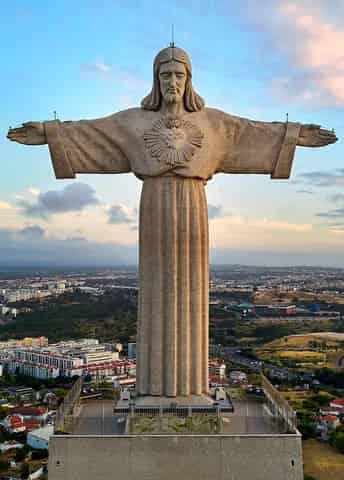
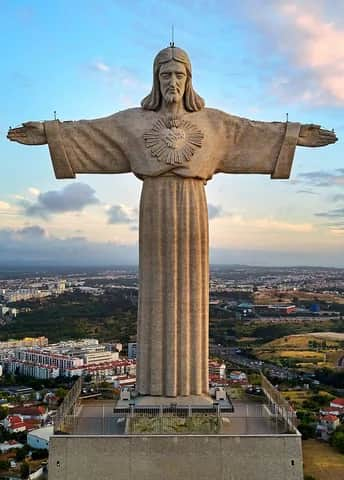
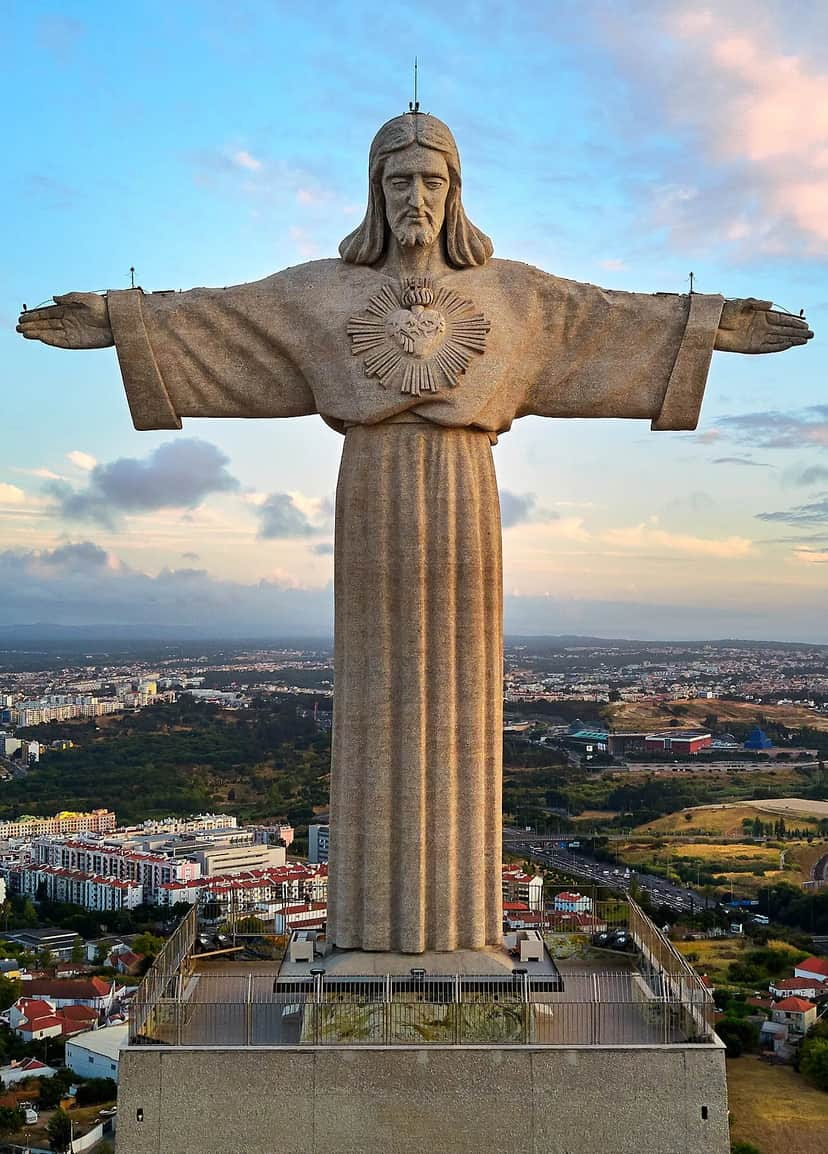 Santuário Nacional de Cristo ReiThe Santuário Nacional de Cristo Rei is a Catholic monument and shrine dedicated to the Sacred Heart of Jesus. It stands on a cliff in Almada, on the southern bank of the Tagus, about 133 metres above the river, with its arms stretched out toward Lisbon. A 28-metre statue of Christ rises from a 75-metre pedestal shaped like a gate, and the whole monument is roughly 110 metres tall. The address is Cristo Rei, 2800-694 Almada. The idea took shape in 1934, when the Cardinal-Patriarch of Lisbon saw the statue in Rio de Janeiro and was inspired to create a similar monument in Portugal. In 1940, at a meeting of the Portuguese bishops in Fátima, the church vowed to build a monument to the Sacred Heart of Jesus, asking that Portugal be spared the war then sweeping Europe. Lisbon stayed neutral and escaped the bombings that destroyed other European capitals, which Catholics saw as a blessing. The monument became a symbol of thanksgiving. It was unveiled in 1959 after several years of planning and construction, seven years before the 25 de Abril Bridge was inaugurated. That bridge can be seen right below. Pope Benedict XVI visited on the monument's 50th anniversary. To reach the observation deck, visitors take an elevator and then climb narrow, tower-like stairs for the last stretch. Views of Lisbon, the river and the 25 de Abril Bridge open up from the deck and from the terrace at the foot of the monument. One guide says you can almost touch the bridge from the terrace by the pedestal. The panorama runs from Belém in the west to the Vasco da Gama Bridge in the east, and on a clear day it reaches the coast of Cascais. Foggy, cloudy or rainy days are best avoided. The base holds a chapel at ground level. Beside the elevator, the Capela dos Confidentes do Coração de Jesus displays four ancient relics that belonged to four saints devoted to the Sacred Heart. Inside the base, the Capela do Santíssimo was renovated in 2006 and has a bronze sacrarium. Mass can still be attended there. The surroundings have been landscaped, with benches, new sculptures and a tall cross brought from Fátima. Walkers can follow the waterfront to the Ponto Final restaurant, turn left, climb the rainbow steps and follow the signs. The terrace by the pedestal is free. Going to the top costs €6.00 from July to October and €5.00 the rest of the year, and children between 8 and 12 pay €2.50. The site is not covered by the Lisboa Card and opens every day. Buses from Cacilhas also run to the beaches of Costa da Caparica.LisbonSights & Landmarks
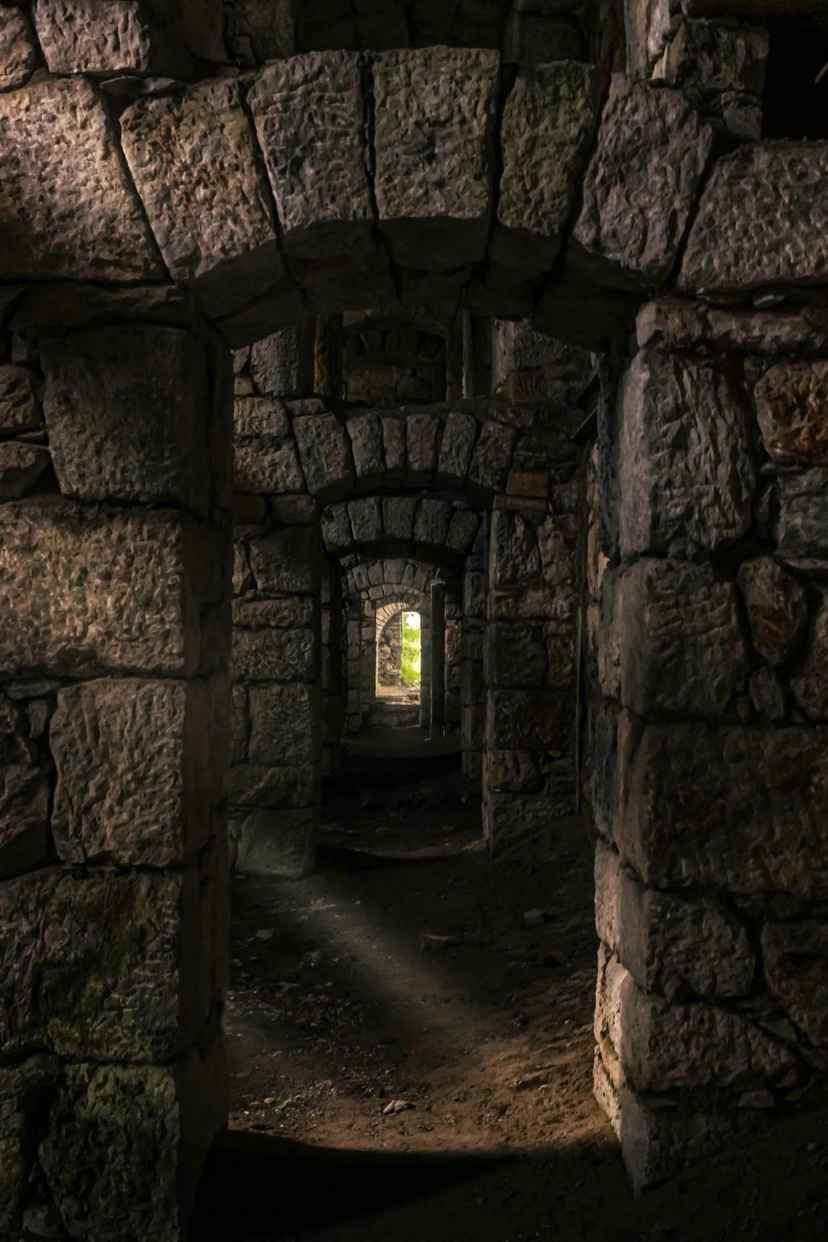
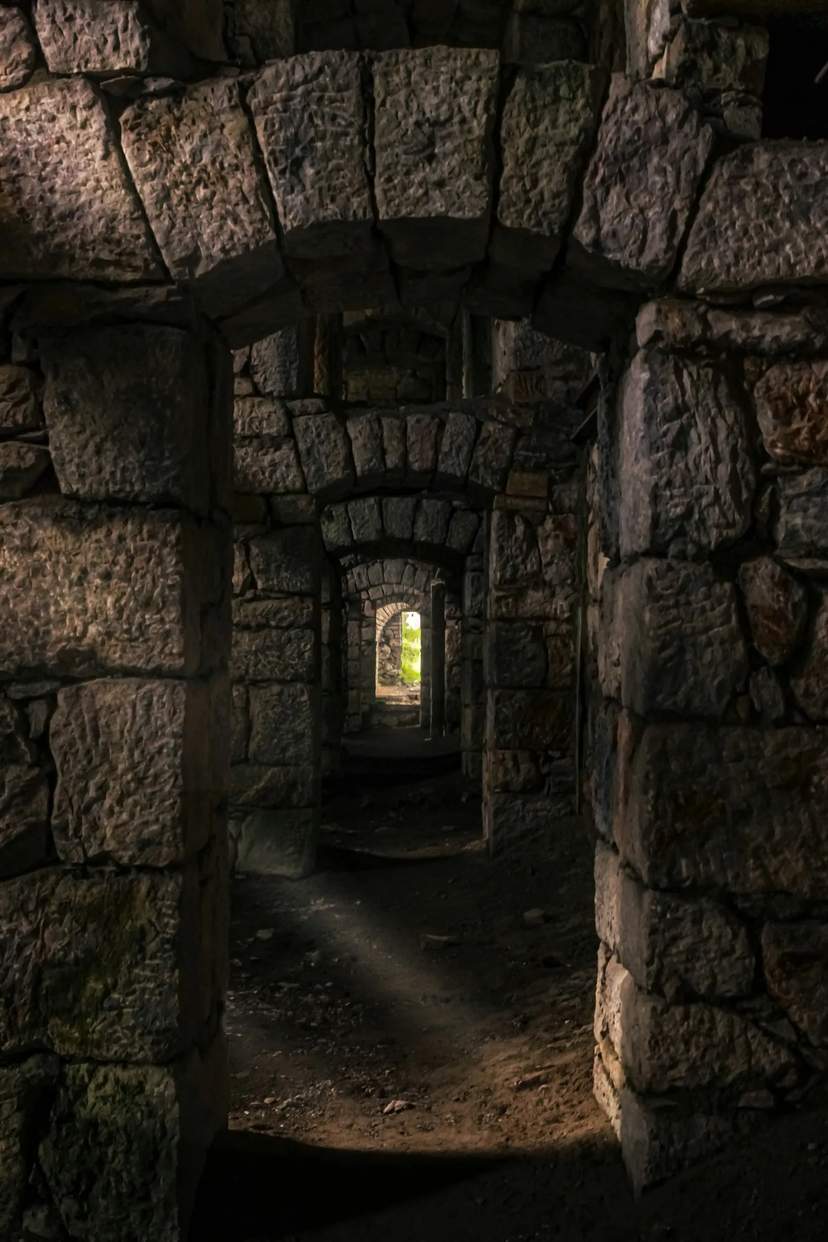 Santuário Nossa Senhora da LuzThe Igreja de Nossa Senhora da Luz de Carnide, also known as Santuário de Nossa Senhora da Luz, Convento de Nossa Senhora da Luz or Igreja Paroquial de Carnide, is an important Catholic temple located in the parish of Carnide, in Lisbon, Portugal. It has been the seat of the Paróquia de Carnide since 1918.LisbonMonuments & Historic Buildings · Illustrative photo
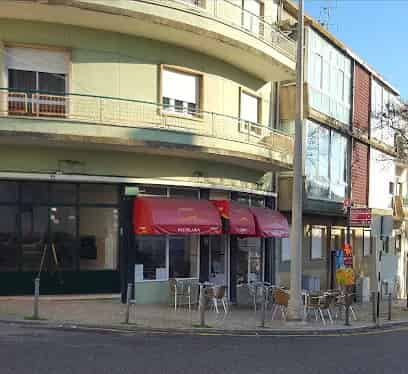
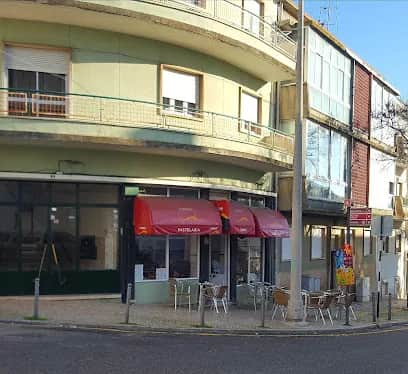 SanyA bakery and pastry shop in Almada, Lisbon, serving coffee, desserts, pastéis de nata and other pastries, along with meat dishes and generous portions of food.AlmadaBakeries & Pastry Shops
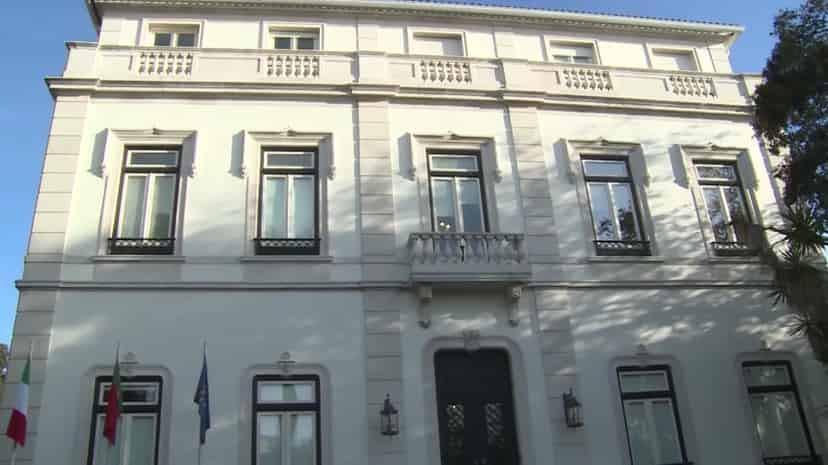
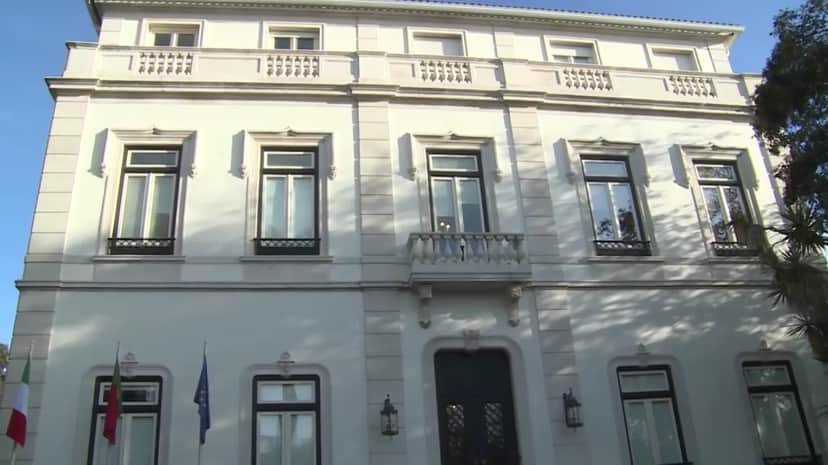 São Bento Mansionofficial residence of the Prime Minister of PortugalSão BentoMonuments & Historic Buildings
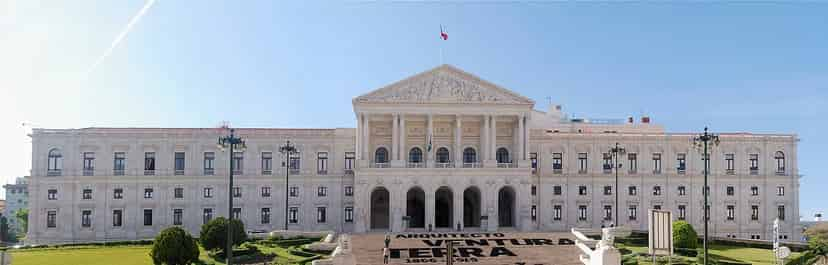
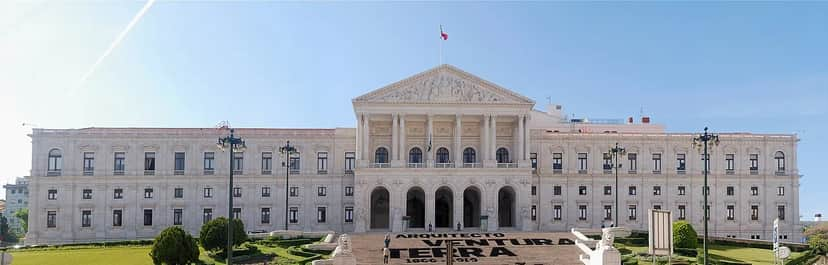 São Bento PalaceSituated in the neighborhood of São Bento, in Lisbon, Portugal, on Largo das Cortes, 1200-995, stands the neoclassical palace, once a monastery, now home to the legislative branch of the Portuguese government, the Assembleia da Republica. The monastery was established by Baltazar de Braga in 1598, in the Order of Saint Benedict, and came to be known as the São Bento da Saúde Monastery. It was affected by the Great Lisbon Earthquake of 1755. The State then seized the monastery, and it became a Palace of the Courts. The Palace of the Assembly of the Republic also houses the Historical Archives of the Portuguese Parliament and the Passos Manuel Library. The monastery's past is evident in the friars' refectory. The rooms of the palace are rarely open to the public. There is also one source that indicates that police security checks are conducted prior to entrance, and that visitors should expect to wait. Two lions guard the stairs. The main facade of the palace displays female allegorical statues. Temperance, Strength, Justice, and Prudence are displayed along the facade. Palacete de São Bento, located behind the palace, is the official residence of the Prime Minister of Portugal, and was built in 1877. Salazar was the first resident of the mansion. The palace’s garden is open to the public. Other temporary exhibitions are held in the palace. Artists whose work is on display include Vhils, João Cutileiro and Leopoldo de Almeida. The palace is located near Tram 28, and Rato metro stop, the end of the yellow line. From there it is a short walk to the palace. The metro and tram in Lisbon are both part of the transit system covered by the Lisboa Card. Across the street from the palaces are stairs leading to Igreja de Jesus. The home of Amália Rodrigues is a short distance from the palaces, and basilica de Estrela is up the hill near the palaces.São BentoMonuments & Historic Buildings
 São CabeleireirosAvenida Cristo ReiAlmadaHair & Beauty Salons
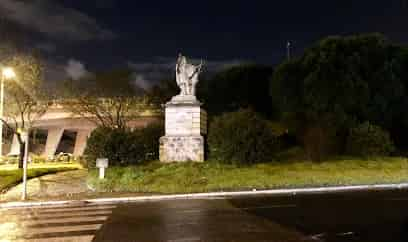
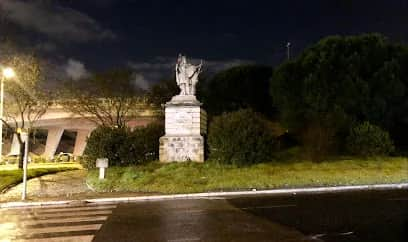 São CristóvãoSão Cristóvão, a martyr, lived in the 3rd century AD and preached in Lycia. Patron saint of travelers, motorists, athletes, and carriers, he is also invoked against storms and hurricanes.LisbonMonuments & Historic Buildings
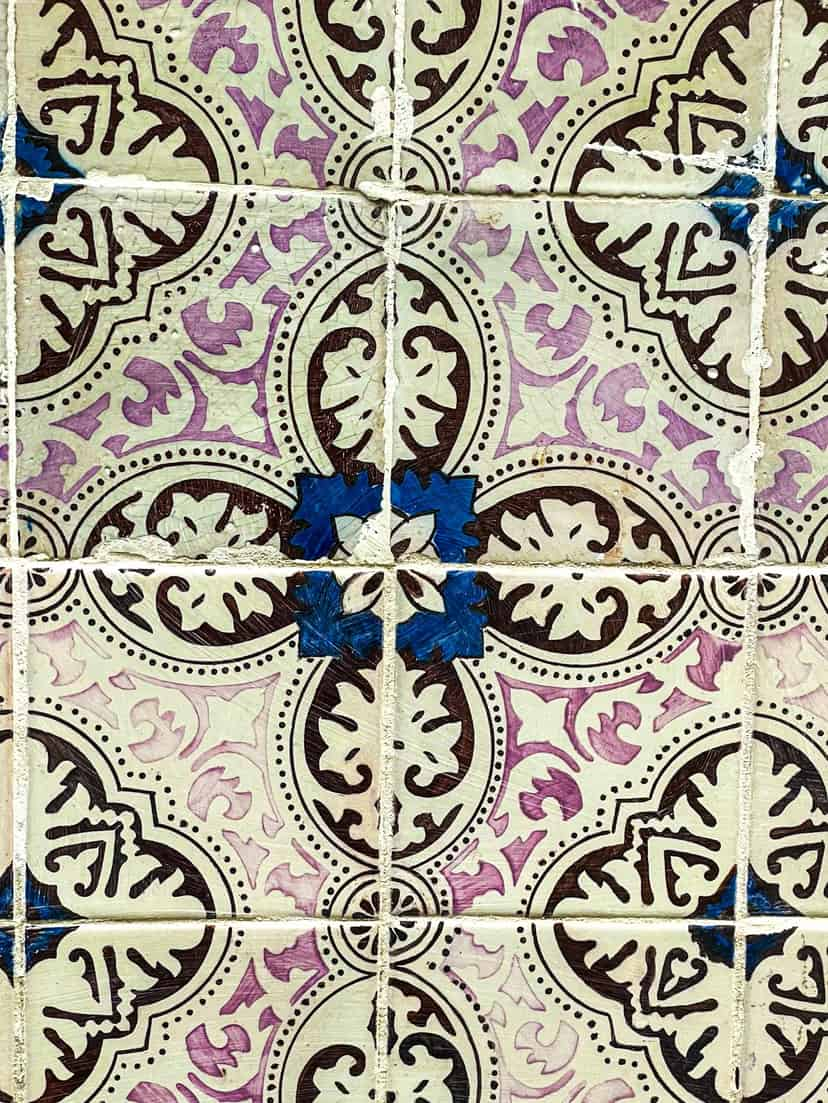
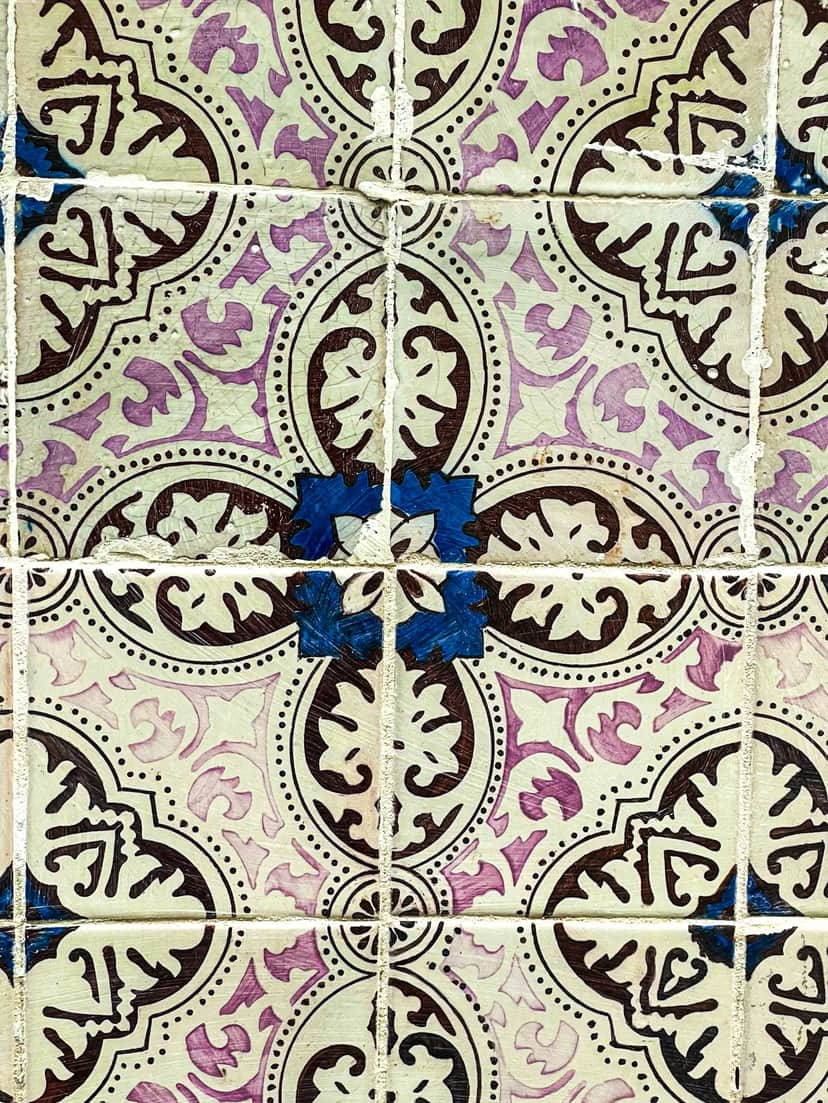 São João BoscoJoão Bosco (1815-1888) was a priest and educator who devoted his entire life to the free popular education of socially disadvantaged children. Founder of the Congregation of the Salesians, he was canonised at Easter 1934 by Pope Pius XI.Campo de OuriqueMonuments & Historic Buildings · Illustrative photo
 São Jorge1100-145 LisboaBaixaRestaurants
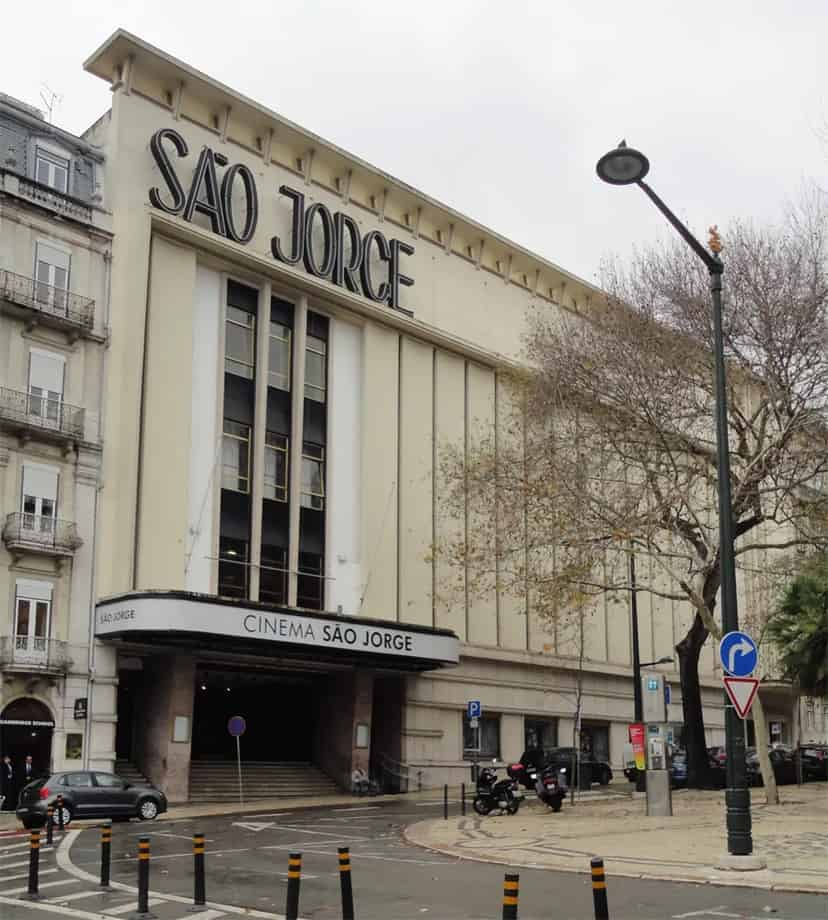
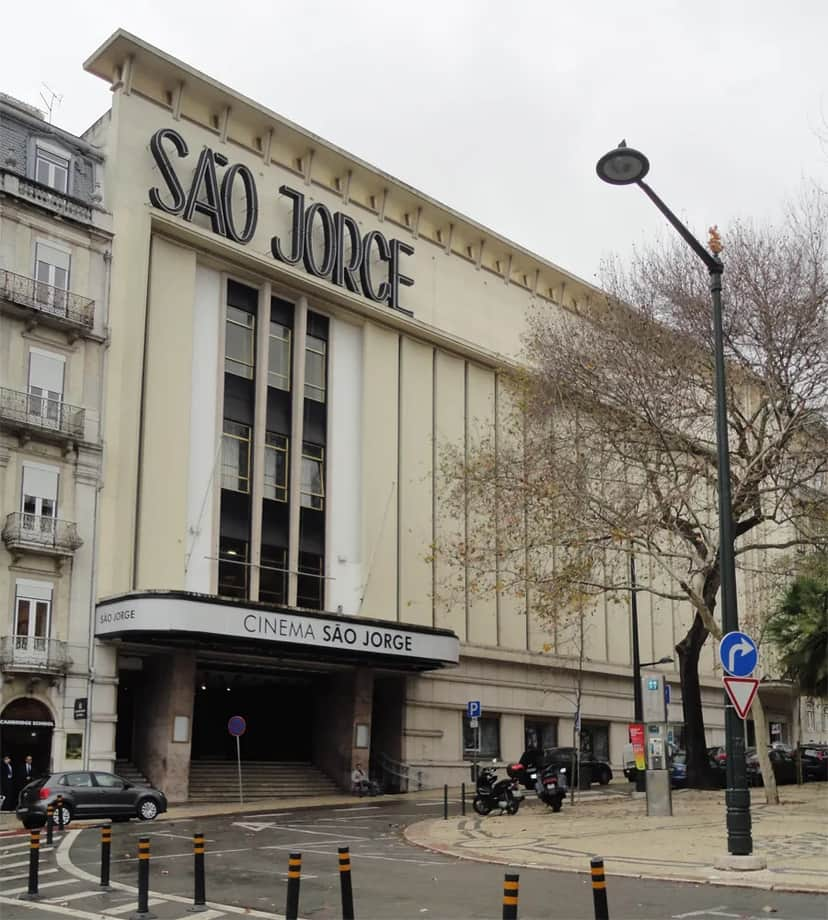 São JorgeThe Cinema de São Jorge is one of the most prestigious in Portugal, officially opened on 24 February 1950. It is located in Lisbon, more precisely at Avenida da Liberdade no. 175. It has only three screens, but all of them with a large capacity. Besides cinema, its premises also host dance and theatre performances, among others.Príncipe RealCinemas
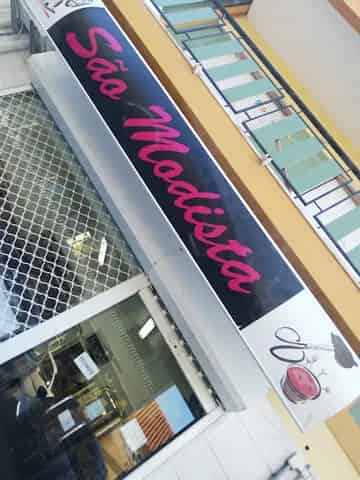
 São Modista - Costura e RetrosariaRua Doutor António Elvas 96, 2810-165 AlmadaLisbonFashion & Apparel
Photo and data credits ▾
Photos: DataForSEO · santjordihostels.com · Manuelvbotelho (CC BY-SA 3.0), via Wikimedia Commons · Deensel (CC BY 2.0), via Wikimedia Commons · Photo by Sergej Kaldesić on Unsplash · Palazzo Chigi - il canale YouTube del Governo italiano (CC BY 3.0), via Wikimedia Commons · Alvesgaspar (CC BY-SA 3.0), via Wikimedia Commons · Mapcarta · Photo by Bernd Dittrich on Unsplash · Data: © OpenStreetMap contributors · Wikipedia (CC BY-SA 4.0) · Wikidata (CC0)
