

Places in Lisbon
Loading...
‹
⌕
Areas
⌖Campo de Ourique219⌖Graça151⌖Belém238⌖Alcântara202⌖Estrela40⌖Baixa309⌖Chiado232⌖Príncipe Real451⌖Mouraria161⌖Alfama180⌖Cais do Sodré161⌖Santos111⌖Lapa63⌖São Bento175⌖Saldanha506⌖Anjos166⌖Bairro Alto316⌖Arroios226⌖Avenidas Novas250⌖Alvalade292⌖Parque das Nações175⌖Intendente77⌖AlmadaNearby town533⌖LouresNearby town212⌖OeirasNearby town215⌖AmadoraNearby town177⌖MontijoNearby town125⌖SeixalNearby town82⌖OdivelasNearby town130⌖BarreiroNearby town71⌖SintraNearby town6Places in Lisbon
Loading...
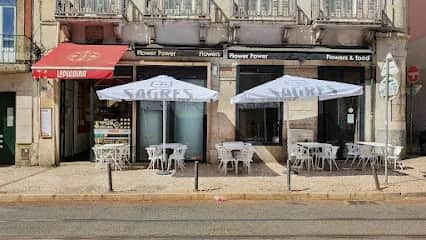 La PiadinaOpens in a new tabBairro Alto · Quick Bites & Takeaway
 Maçã VerdeOpens in a new tabAlfama · Restaurants
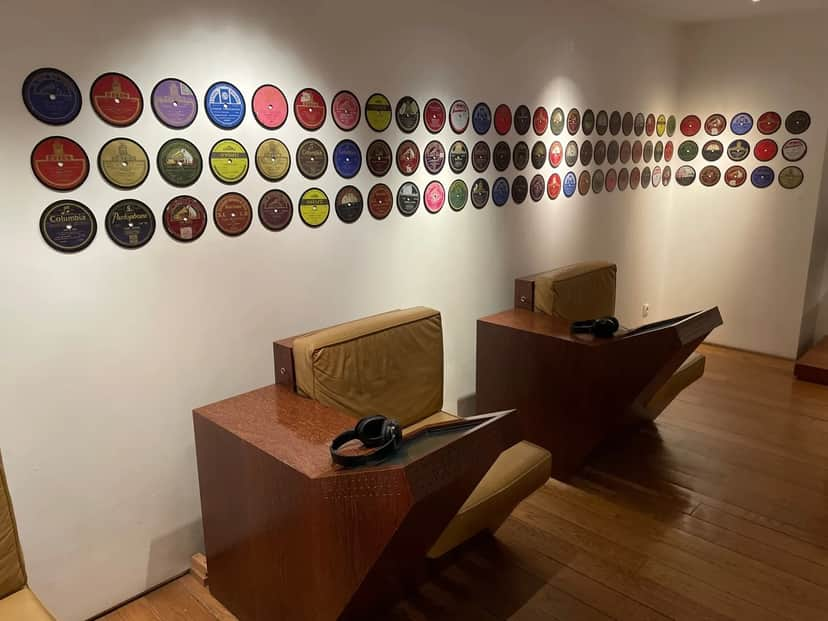 Museu do FadoOpens in a new tabAlfama · MuseumsThe Museu do Fado is a municipal museum in Alfama, Lisbon, at Largo do Chafariz de Dentro 1, 1100-139 Lisboa. It is devoted to fado, the urban song tradition that UNESCO recognised as Intangible Cultural Heritage of Humanity on 27 November 2011. The museum opened on 25 September 1998 and is run by EGEAC, the Lisbon municipal company that rebranded as Lisboa Cultura in 2024. The building opened in 1868 as the Estação Elevatória de Águas de Alfama, a coal-fired steam pumping station designed by engineers Joaquim Pires de Sousa Gomes and Paiva Couceiro to push water uphill into Lisbon's distribution network. Between 1974 and 1990 it served as a work centre for the Portuguese Communist Party. The restoration and extension were designed by architects João and José Daniel Santa-Rita. Inside, the permanent exhibition is interactive and follows fado from its nineteenth-century origins in Lisbon to the present. It covers the Portuguese guitar, fado houses, and fado on stage, radio, film and television, along with hundreds of performers, and listening stations are placed throughout. Instruments, costumes, scores and trophies are displayed among paintings such as José Malhoa's O Fado, from 1910, which shows a guitarist and his listener in a humble Lisbon room and is on loan from the Museu de Lisboa. The museum also stages temporary exhibitions, including Variations to Carlos Paredes, listed for 7 Jun 2025 to 31 Oct, about the Portuguese guitar player Carlos Paredes (1925-2004). Other parts of the museum include a digital sound archive with recordings of fado going back to the early 20th century, a documentation centre, an auditorium, a gift shop and a school of Portuguese guitar. A workshop area, the Oficina da Guitarra, is in Largo das Alcaçarias, 200 metres from the museum. The educational service offers guided visits and singing visits, and audio guides are available in Portuguese, English, French and Spanish, including a children's version. The museum is open Tuesday to Sunday from 10:00 to 18:00, with last admission at 17:30, and closed on Mondays and on 1 January, 1 May, 24 December, 25 December and 31 December. Adult admission is €5, with EUR 2.50 for ages 13-25 and EUR 4 for seniors 65+. Children up to 12, Lisboa Card holders, and Lisbon residents on Sundays and holidays until 14:00 enter free. The museum is wheelchair accessible, and two manual wheelchairs are available on free loan. Santa Apolónia station, served by the Metro Blue line and CP trains, is a five-minute walk away.
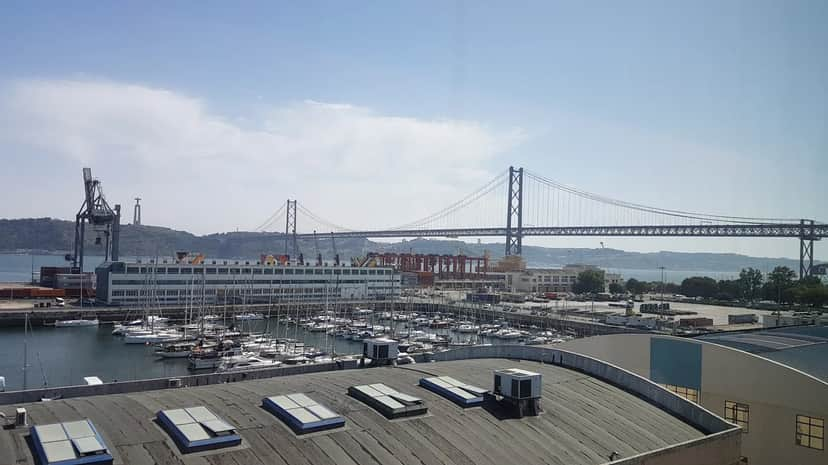 Museu do OrienteOpens in a new tabAlcântara · MuseumsFoundation aiming to promote historical relations between Portugal and the Eastern countries, Macau and China. Culture, education, arts, science, social affairs, and philanthropy.
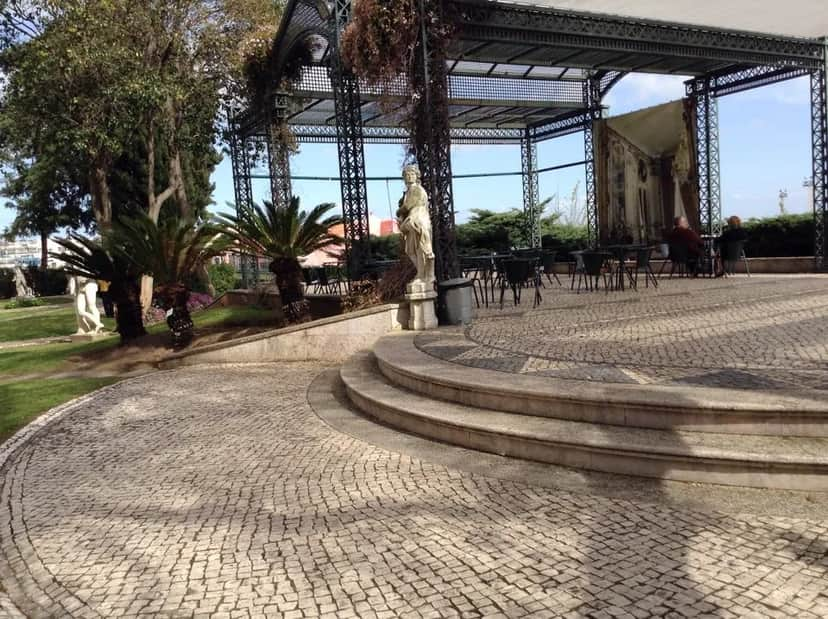 Museu Nacional de Arte AntigaOpens in a new tabSantos · MuseumsThe Museu Nacional de Arte Antiga or the National Museum of Ancient Art of Portugal is situated on Rua das Janelas Verdes, Lisbon. It is located in the Santos area and, as mentioned in a travel guide, is accompanied by Madragoa. The museum was established in 1884 and is housed in the Alvor-Pombal Palace. The Palace was constructed in the 17th century. According to other sources, the palace was owned by the Pombal family. In the 1880s, it was converted to a museum. The museum has been closed to the public since September 29, 2025. The renovations are being done as part of the recovery and resilience plan of Portugal and an reopening date has not been set. Visit the museum website for the latest information. There you can also find hours of operation. You can also find information regarding ticket prices. This collection encompasses a wide range of Portuguese and European painting, sculpture, and decorative arts, including furnishings, and art of the Portuguese Discoveries. One of the guides notes the presence of Portuguese and Dutch primitives, and 15th to 19th century furnishings. The museum also houses a collection of Portuguese medieval and Baroque goldsmith works. The collection of the museum includes a polyptych by Nuno Gonçalves, "The Adoration of St. Vincent", painted in the years between 1460 and 1470. One of the sources states that this polyptych is equal in importance to the painting "The Temptation of St. Anthony" by Hieronymus Bosch. There are several public transport connections to the museum. Buses 713, 714, and 727 stop on Rua das Janelas Verdes, trams 15E, 18E stop on Avenida 24 de Julho. Other points of interest are within walking distance. The Atelier-Museu Júlio Pomar and Casa Fernando Pessoa are 14 and 15 minutes away, respectively, and the Museu do Oriente is 10 minutes away.
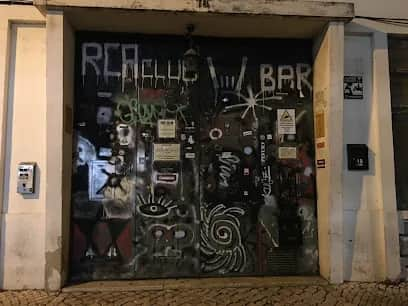 RCA ClubOpens in a new tabAlvalade · Theatres, Cinemas & Music Venues
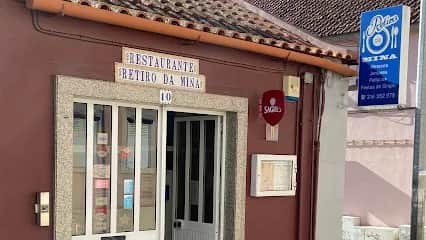 Retiro da MinaOpens in a new tabLisbon · Restaurants
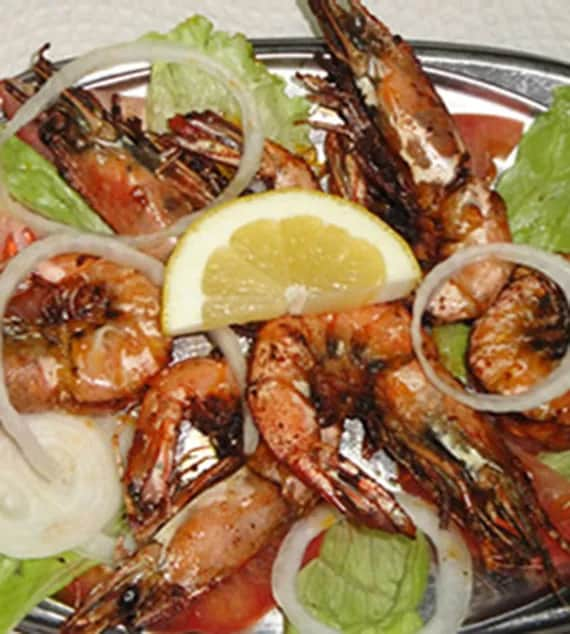 Sabores de GôaOpens in a new tabAnjos · RestaurantsSabores de Goa is a restaurant located in one of Lisbon's most cosmopolitan areas, dedicated to preserving Indo-Portuguese cuisine, characterised by the ancestral fusion between Portugal and Goa. The menu includes specialities such as samosas and bojés, stuffed fish, stuffed prawns and Goan sweets such as bebinca. It offers the hot, exotic flavours typical of Goan gastronomy, with intense, fragrant tastes.
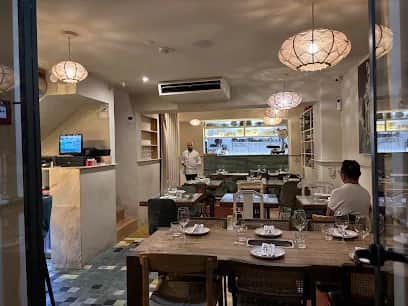 Sr. LisboaOpens in a new tabPríncipe Real · Restaurants
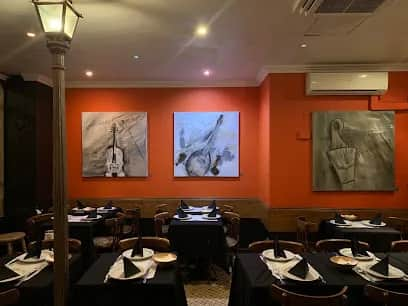 StashaOpens in a new tabBairro Alto · Restaurants
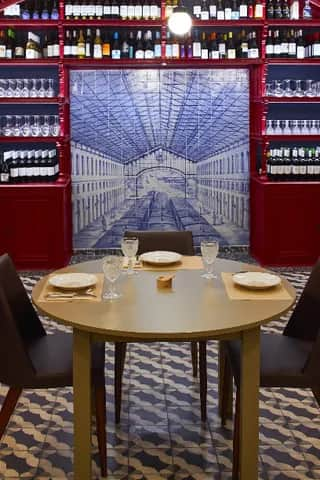 Taberna AlbricoqueOpens in a new tabAlfama · Restaurants
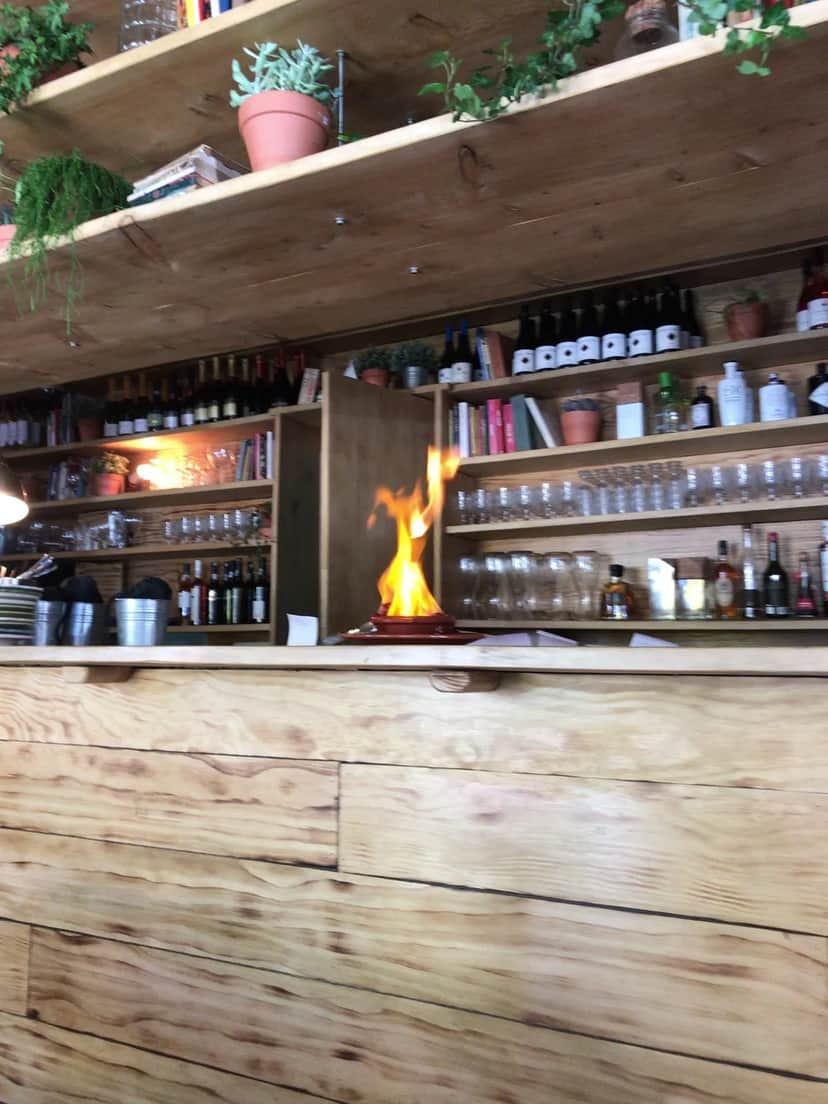 Taberna ToscaOpens in a new tabCais do Sodré · RestaurantsTraditional wines and petiscos, without too many pretensions or sophistications, prepared as if made by our grandmothers. Portugueses Wines and traditional tapas, cooked like our grandmothers use to.
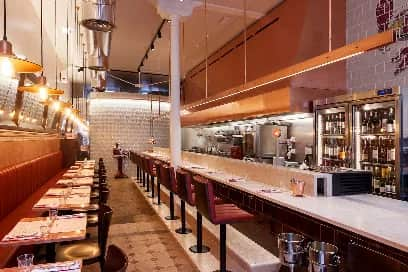 TapiscoOpens in a new tabPríncipe Real · Restaurants
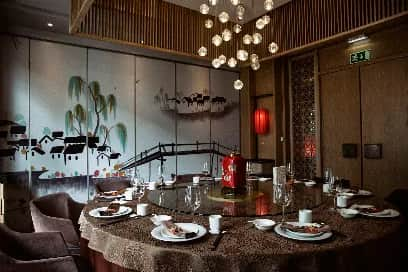 The Old HouseOpens in a new tabParque das Nações · Restaurants
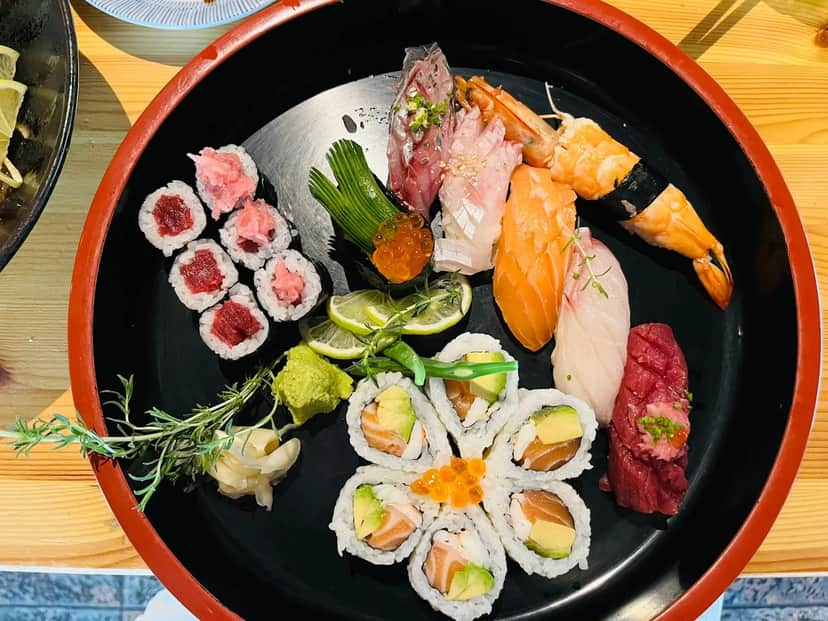 TomoOpens in a new tabOeiras · RestaurantsA small Japanese restaurant whose head chef previously cooked at the Embassy of Japan and at the restaurant Aya. He is also the one who gave the place its name. At lunchtime it operates on a set-menu basis.
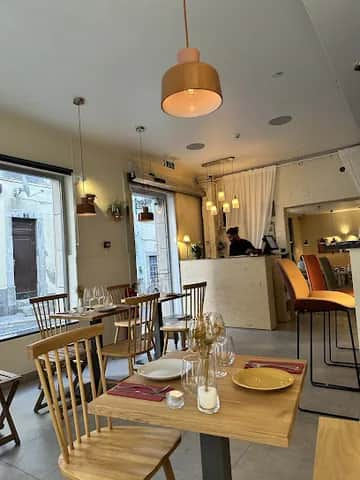 A Nossa CasaOpens in a new tabBairro Alto · Restaurants
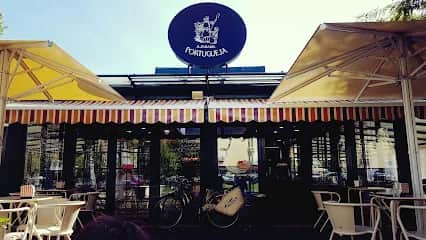 A Padaria PortuguesaOpens in a new tabLisbon · Cafés & Coffee Shops
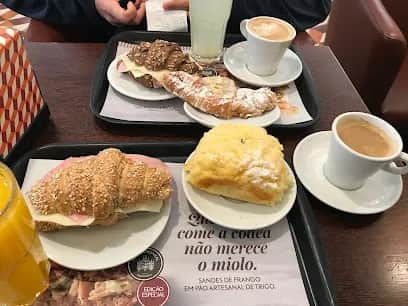 A Padaria PortuguesaOpens in a new tabIntendente · Bakeries & Pastry Shops
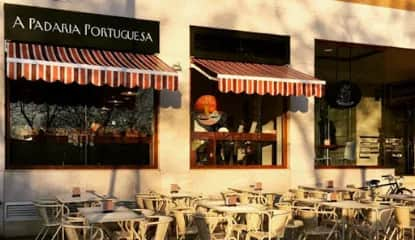 A Padaria PortuguesaOpens in a new tabParque das Nações · Cafés & Coffee Shops
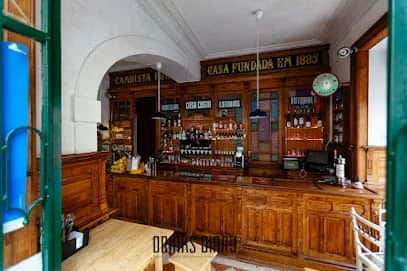 A TabacariaOpens in a new tabCais do Sodré · Bars & Nightlife
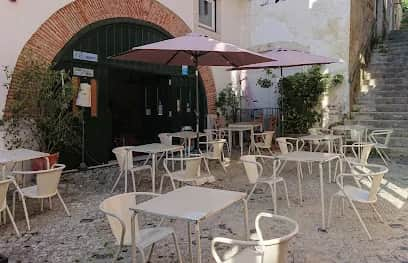 Beco a SérioOpens in a new tabAlfama · Restaurants
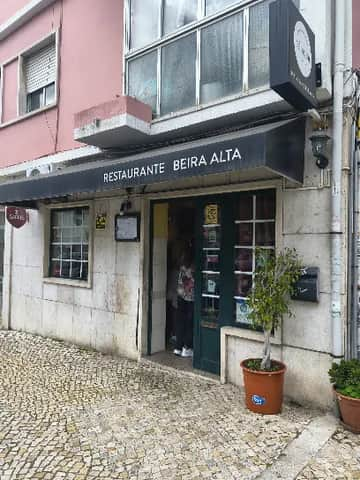 Beira AltaOpens in a new tabAmadora · Restaurants
 B.lezaOpens in a new tabCais do Sodré · Clubs & Dance Floors
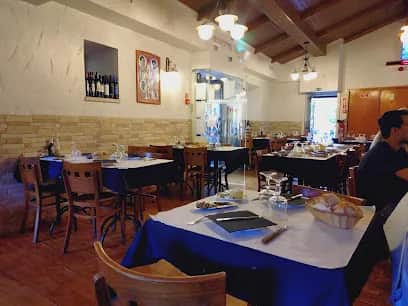 Carvoeiro de PalmaOpens in a new tabLisbon · Restaurants
Powered by Foursquare ·Photo and data credits ▾
Photos: DataForSEO · saboresdegoa.com · Data: © OpenStreetMap contributors
