

Places in Lisbon
Loading...
‹
⌕
Areas
⌖Campo de Ourique218⌖Graça151⌖Belém238⌖Alcântara202⌖Estrela40⌖Baixa308⌖Chiado232⌖Príncipe Real452⌖Mouraria161⌖Alfama180⌖Cais do Sodré161⌖Santos111⌖Lapa63⌖São Bento175⌖Saldanha506⌖Anjos166⌖Bairro Alto316⌖Arroios226⌖Avenidas Novas251⌖Alvalade292⌖Parque das Nações175⌖Intendente77⌖AlmadaNearby town533⌖LouresNearby town212⌖OeirasNearby town215⌖AmadoraNearby town177⌖MontijoNearby town125⌖SeixalNearby town82⌖OdivelasNearby town130⌖BarreiroNearby town71⌖SintraNearby town6Places in Lisbon
Loading...
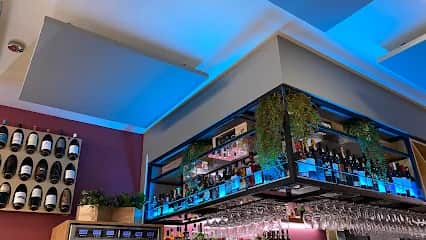 Chu-ChuOpens in a new tabArroios · Restaurants
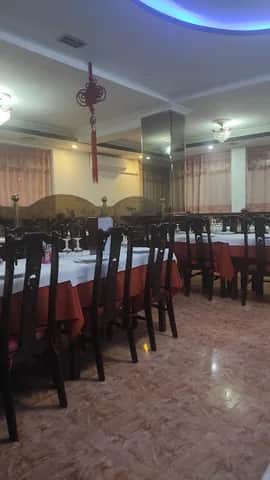 Chun & YingOpens in a new tabAlmada · Restaurants
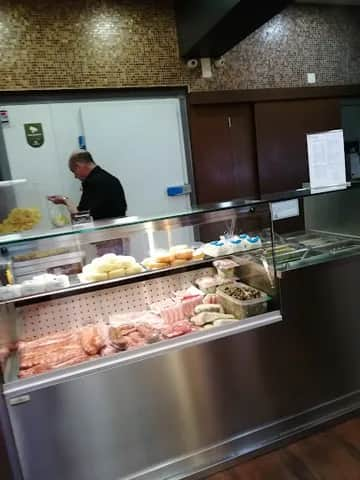 Churasqueira XXI - Take awayOpens in a new tabLisbon · Restaurants
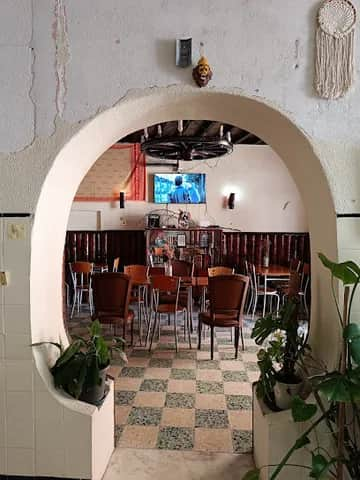 Church LXOpens in a new tabLisbon · Restaurants
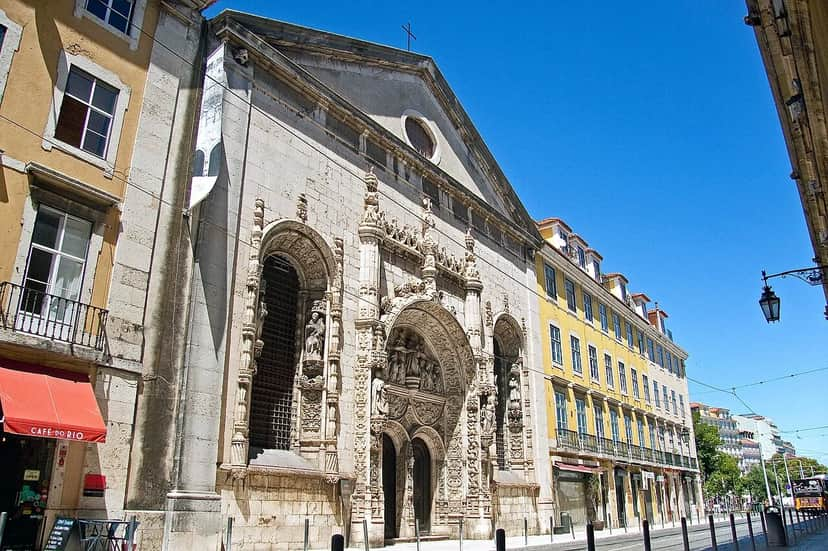 Church of Nossa Senhora da Conceição VelhaOpens in a new tabBaixa · Churches & Religious SitesThe parish church of Nossa Senhora da Conceição Velha is located at 112 Rua da Alfândega, 1100-068 Lisboa, in the Baixa district of Lisbon. A national monument, it is part of the Diocese of Lisbon. Dedicated to the Immaculate Conception, the church measures 24.42 m x 19.75 m and has a combination of Gothic, Renaissance and Manueline styles. The history of the church begins with the Misericórdia, established in 1498 by Eleanor of Viseu and Friar Miguel, and approved by King Manuel and confirmed by Pope Alexander VI. In 1502 Manuel exchanged the Casa da Judiaria Grande (in the Vila Nova district). Igreja da Misericórdia was a church built in 1496 that stood on this location until 1755 when the great earthquake destroyed it. Only the church’s Manueline portal, now the church’s main portal, survives. The portal depicts Our Lady of Mercy protecting King Manuel I. After 1755, the partially ruined church of Conceição was not part of the plan to rebuild Lisbon’s riverfront. King Joseph ordered the church’s rebuilding in 1770. Francisco António Ferreira, known as o Cangalhas, built the church. He designed a church with the lateral entrance, and Misericórdia relief as the main, or principal, entrance. With the move of the Brotherhood of Misericórdia, the church of São Roque, a former Jesuit church, became the brotherhood’s house of prayer. The main entrance features a Manueline portico. Inside, the stucco work represents the Virgin flanked by angels and blessed by God. The work has been restored and shows much care. It houses the statue of the Virgin of Restelo, before which Vasco da Gama and Pedro Álvares Cabral prayed before departing on their voyages. It's open Monday to Friday 09:15-17:00, and Sunday 10:00 to 13:00. According to one source, entrance is free. It's located East of Praça do Comércio, and can be visited en route to Casa dos Bicos. The metro station Terreiro do Paço, which is on the blue line, is the nearest.
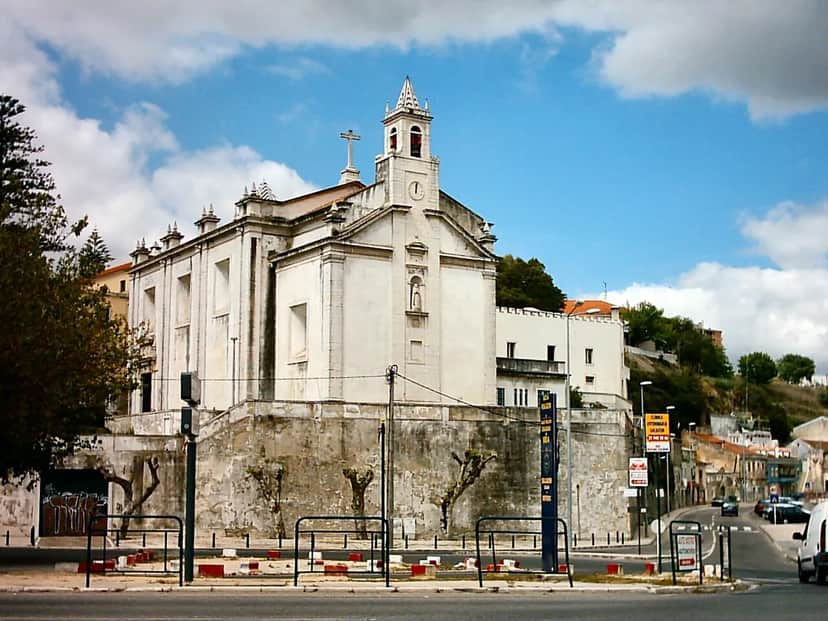 Church of Nossa Senhora da PurificaçãoOpens in a new tabLoures · Churches & Religious SitesThe Church of Nossa Senhora da Purificação is the present-day parish church of Sacavém, set on a small hill in Sacavém de Baixo, beside the River Trancão.
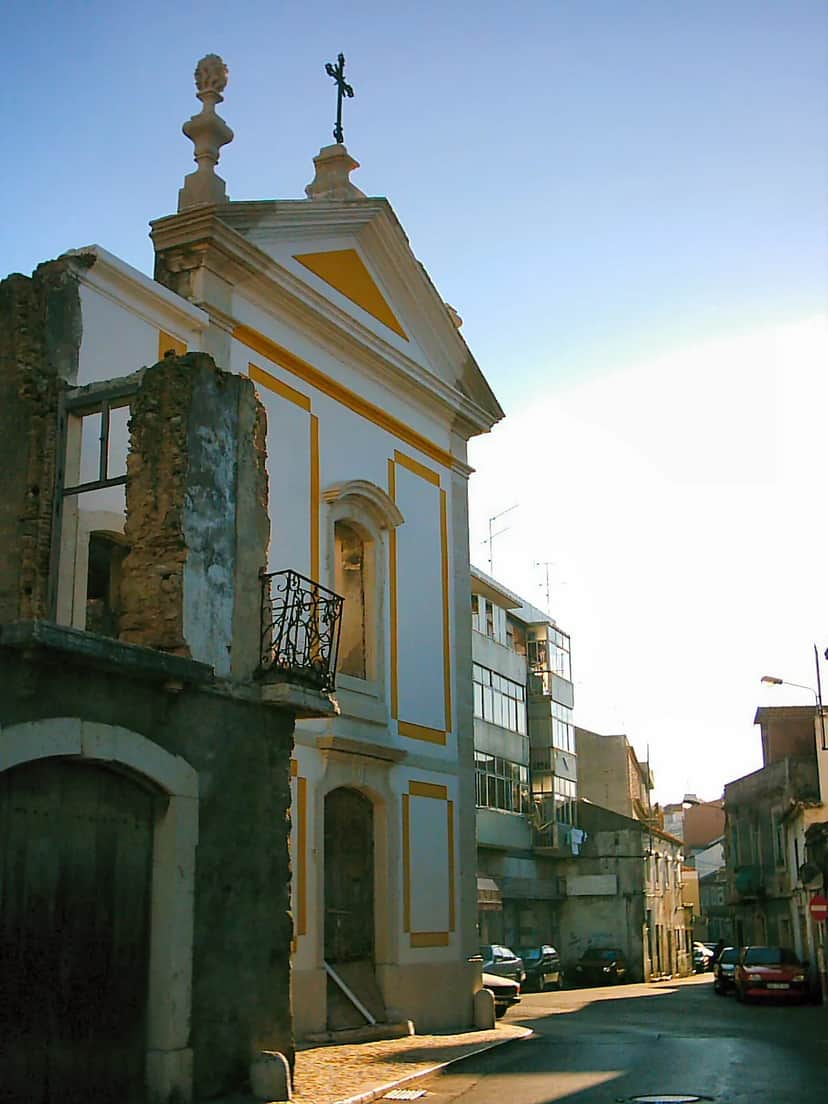 Church of Nossa Senhora da VitóriaOpens in a new tabLisbon · Churches & Religious SitesThe Church of Nossa Senhora da Vitória was the former mother church of Sacavém, located at the end of the old Rua Direita, in Sacavém de Cima.
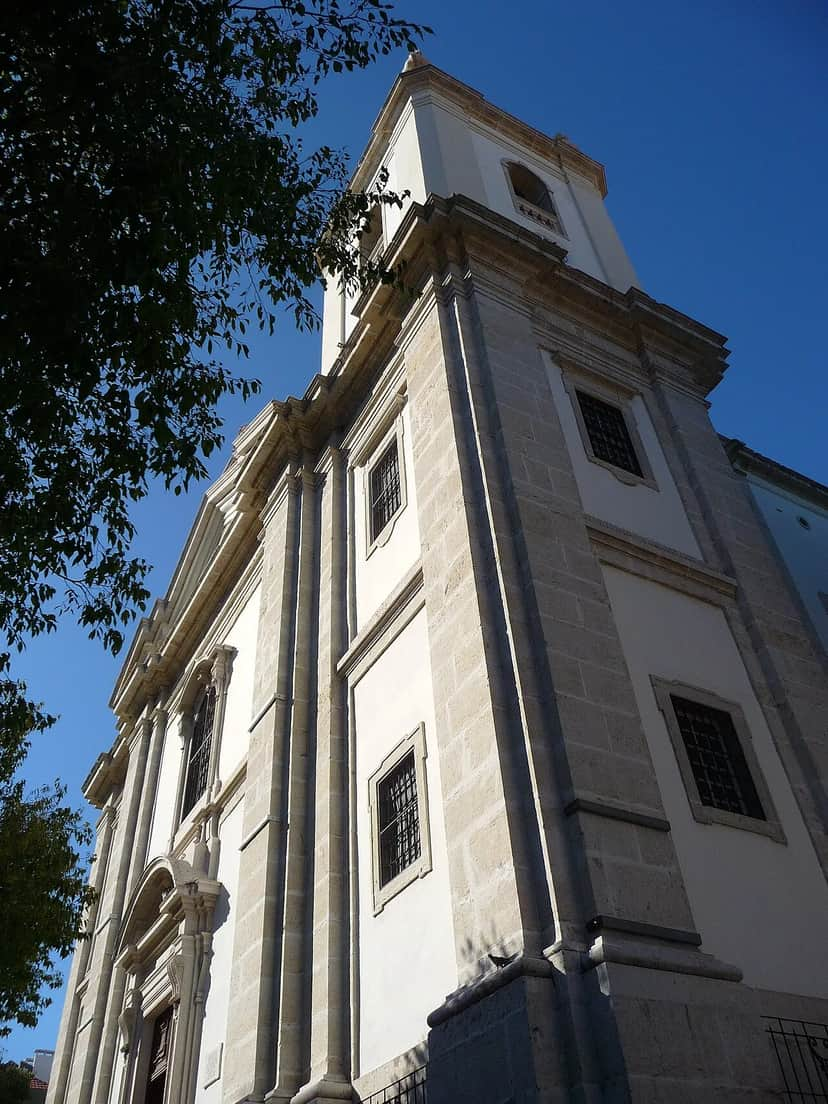 Church of Nossa Senhora do AmparoOpens in a new tabLisbon · Churches & Religious SitesThe Church of Nossa Senhora do Amparo is located in Benfica, Portugal.
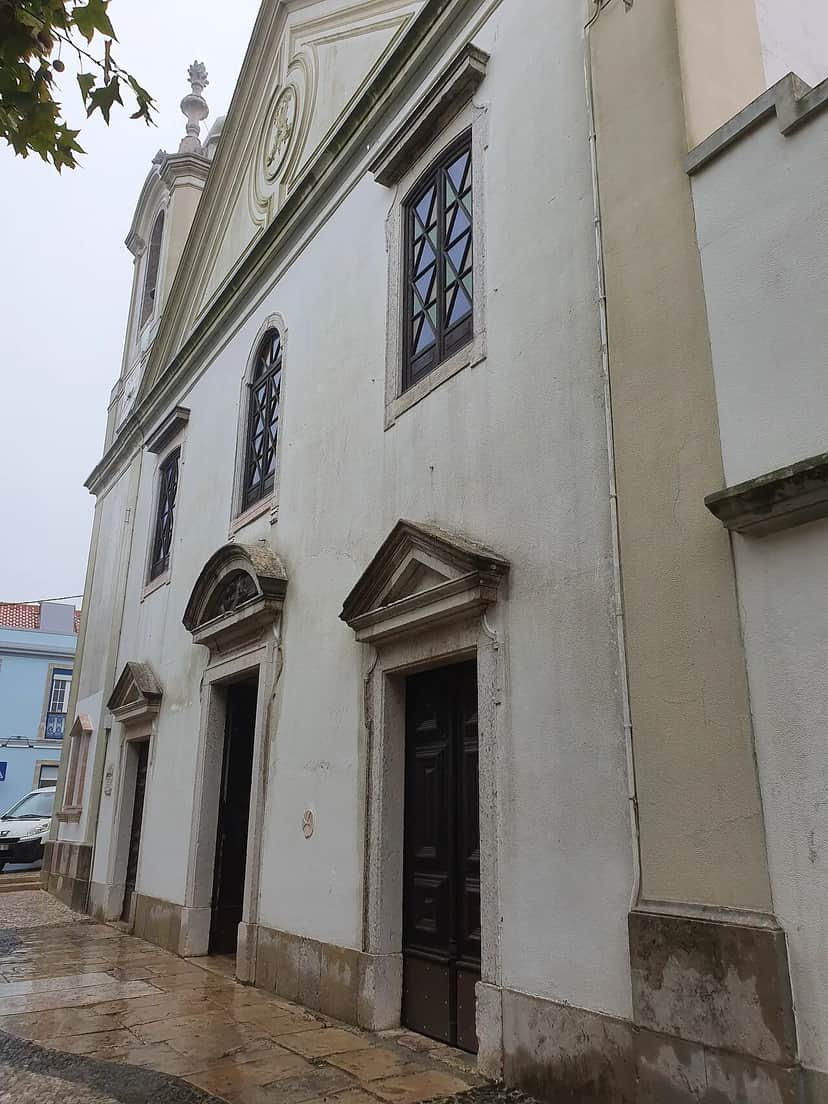 Church of Nossa Senhora do Monte de CaparicaOpens in a new tabAlmada · Churches & Religious SitesThe Church of Nossa Senhora do Monte de Caparica, also referred to as the Parish Church of Monte da Caparica, Church of Nossa Senhora do Monte, and Parish Church of Nossa Senhora da Concórdia, is located in Monte da Caparica, in the Municipality of Almada, Portugal.
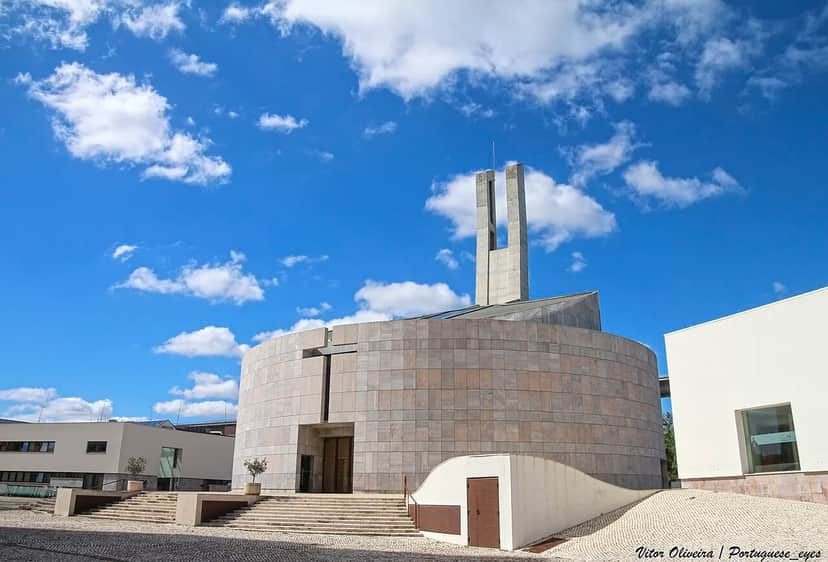 Church of Nossa Senhora dos NavegantesOpens in a new tabParque das Nações · Churches & Religious SitesThe Igreja de Nossa Senhora dos Navegantes, also known as the Igreja dos Navegantes, is the church of the parish of Nossa Senhora dos Navegantes in Parque das Nações, Lisbon. Construction of the building began in 2013. The church was dedicated on 30 March 2014 by the Cardinal-Patriarch of Lisbon, D. Manuel Clemente.
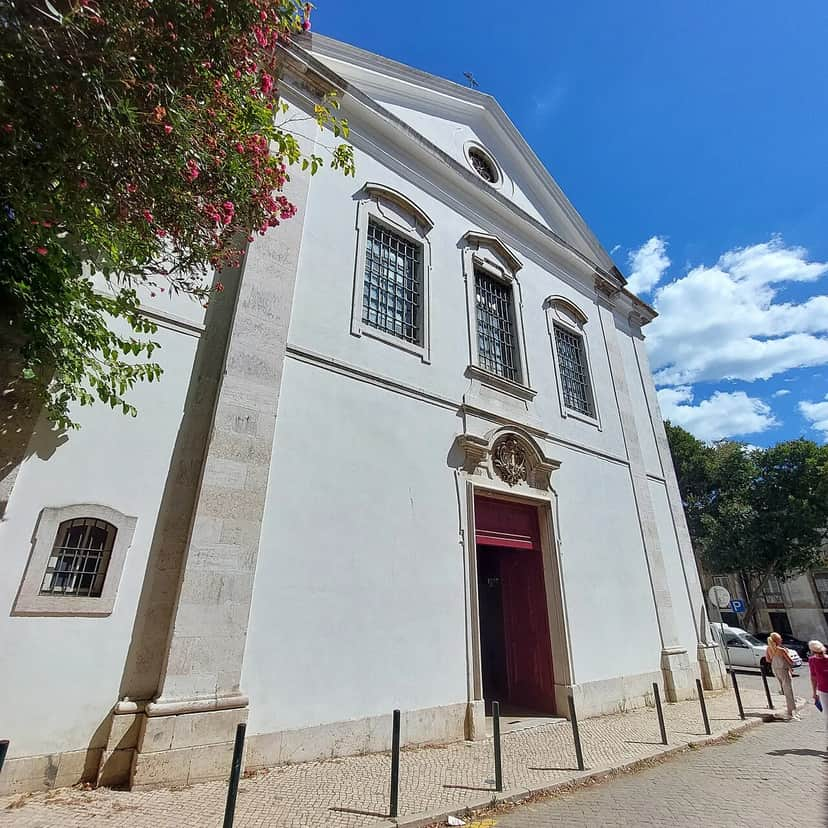 Church of Santa Cruz do CasteloOpens in a new tabMouraria · Churches & Religious SitesThe Church of Santa Cruz do Castelo is a church located in Lisbon. With a longitudinal plan, the building, erected on a hill attached internally to the wall of the alcáçova of Castelo de São Jorge, results essentially from the Pombaline reconstruction carried out after the 1755 earthquake, under the design of the architect João Paulo.
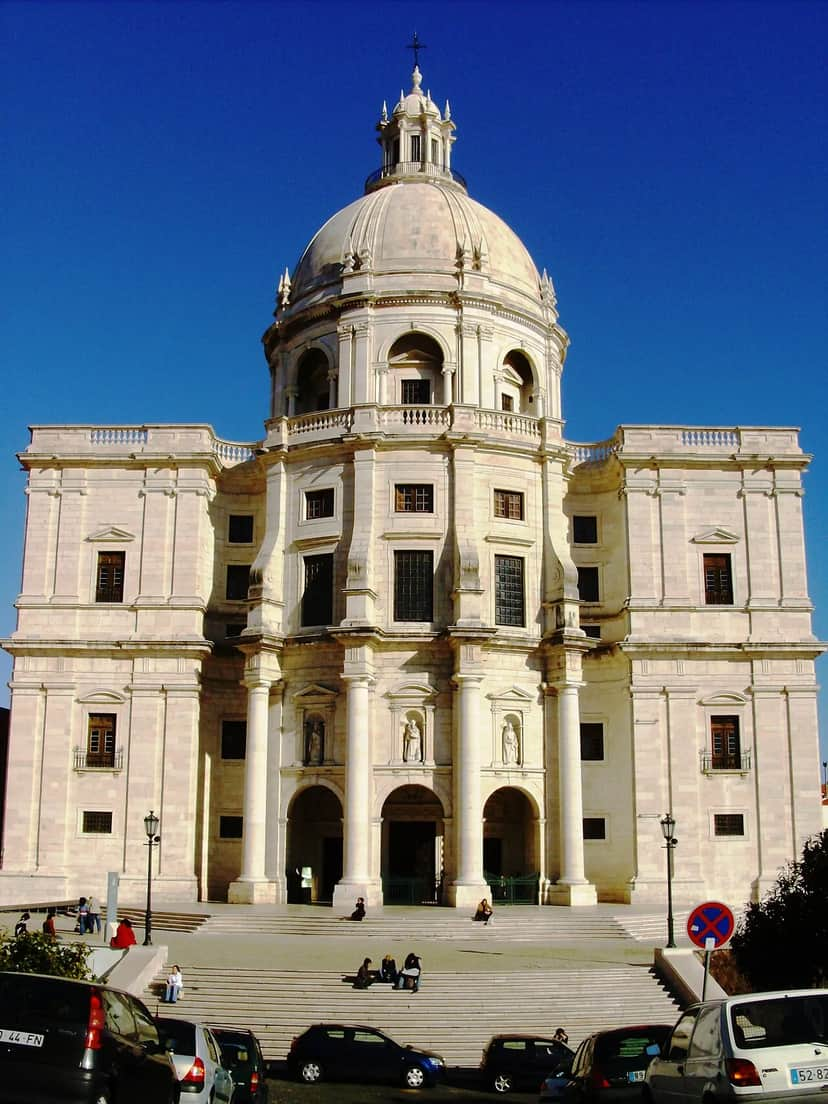 Church of Santa EngráciaOpens in a new tabAlfama · Churches & Religious SitesThe Church of Santa Engrácia is in the Alfama district of Lisbon, on Campo de Santa Clara, 1100-398, and is formally known as Panteão Nacional, after it’s function as the national pantheon was given to it in 1916. It is one of the more prominent and large Baroque structures in Lisbon and is designed in the shape of an Octagon with a dome. The authorization of the parish by Pope Pius V in 1568 was in response to a request by Maria, the Princess and daughter of King Manuel I of Portugal,. Princess Maria wanted the new parish to be located in the countryside of Santa Clara, where she lived. Construction on the church began c. 1570 and she died in 1577, before the work was completed. The chancel of the church was desecrated in 1630 and the consecrated hosts were removed; this incident is known as the Desacato. In 1632 the first stone was laid on a new chancel, but it collapsed in 1681 during a storm. The first stone of the design was laid in 1682. The construction was left incomplete with the death of Antunes in 1712. The church survived the earthquake of 1755. Because of the long and inconclusive construction period, the expression "Obras de Santa Engrácia" was coined. The interior of the church uses marble. The pantheon houses the remains of numerous notable Portuguese figures, including Amalia Rodrigues, and has a terrace offering scenic views. The church can be reached on foot from the Monastery of São Vicente. The Pantheon is closed on Mondays. A flea market is held near the pantheon on Saturday and Tuesday mornings, and Botto Machado Garden offers drinks. The “Voz do Operário” stop on tram line 28 offers access to the pantheon.
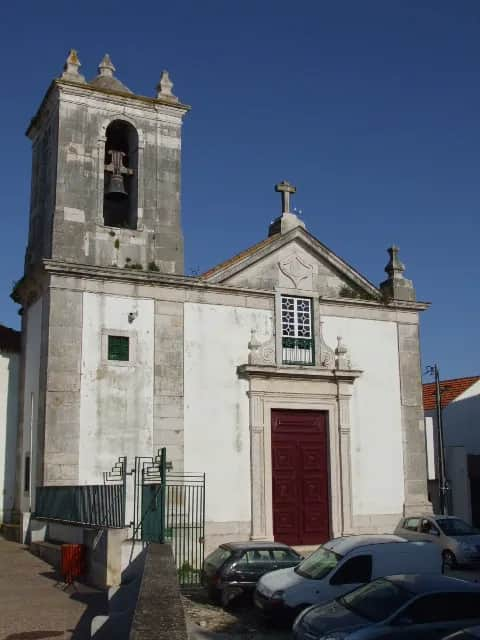 Church of SantiagoOpens in a new tabAlmada · Churches & Religious SitesThe Church of Santiago, also referred to as the Igreja Paroquial de Santiago or Igreja de São Tiago, is a church located on Largo 1º de Maio in Almada, next to the Castle of Almada and the Jardim do Castelo. Its construction dates from the 12th century, and it was "rebuilt" in 1724 following the instructions of the priest and royal architect Francisco Tinoco da Silva.
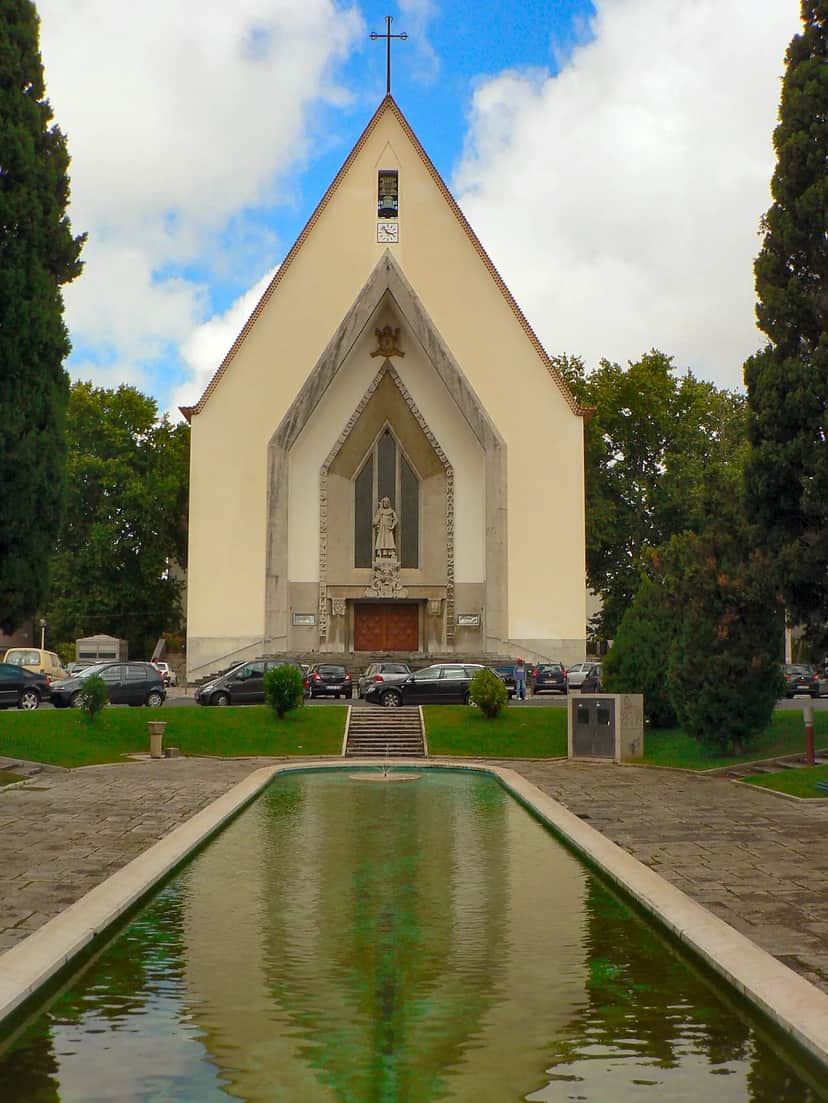 Church of São João de BritoOpens in a new tabAlvalade · Churches & Religious SitesThe Parish Church of São João de Brito is a church in the Alvalade district of Lisbon. The building was erected in the 1950s to a design by the architect Vasco Regaleira, and stands out both for its size and for its blend of the modernist style characteristic of the Estado Novo with a number of pieces brought from the former Conceição Nova church in the Baixa.
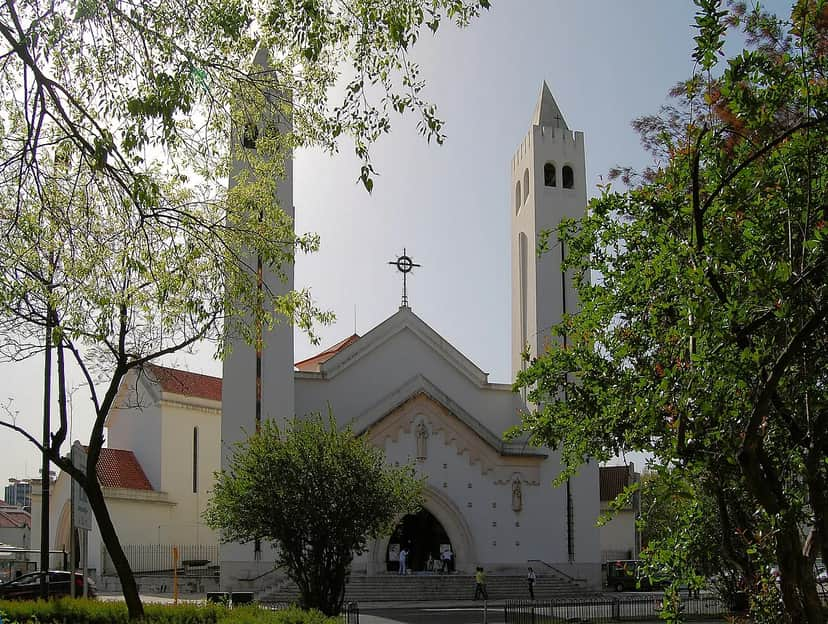 Church of São João de DeusOpens in a new tabSaldanha · Churches & Religious SitesThe Igreja Paroquial de São João de Deus is a church on Praça de Londres, in Lisbon. It is one of the most striking works of religious architecture built during the Estado Novo, combining modernist panels with neo-Gothic elements in its interior.
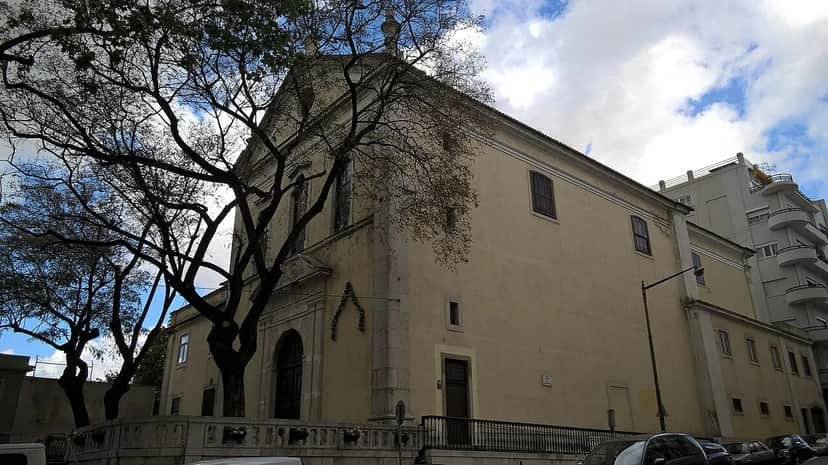 Church of São MamedeOpens in a new tabPríncipe Real · Churches & Religious SitesThe Igreja Paroquial de São Mamede existed in the former parish of São Mamede, in Lisbon, from at least 1190, standing on the slope of the Castle of Saint George, on what is today Rua de São Mamede; in 1769 it was moved to Vale do Pereiro, where a new territory was delimited and a new parish seat was built, beside Rua Nova de São Mamede.
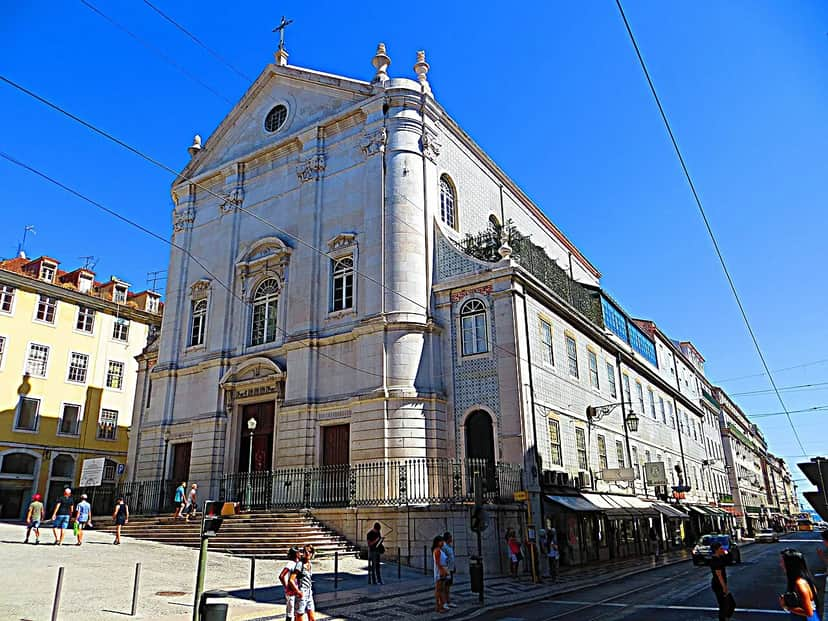 Church of São NicolauOpens in a new tabBaixa · Churches & Religious SitesThe Parish Church of São Nicolau e São Julião stands in Lisbon's Baixa district, between Rua de S. Nicolau, Rua da Prata and Rua dos Douradores. The Church of São Nicolau was built in the early 13th century, having been founded between 1209 and 1229 and rebuilt in the same century, in 1280, on the initiative of Bishop D. Mateus; after several reconstructions, it underwent its most significant transformation in the 1770s as a result of the 1755 earthquake.
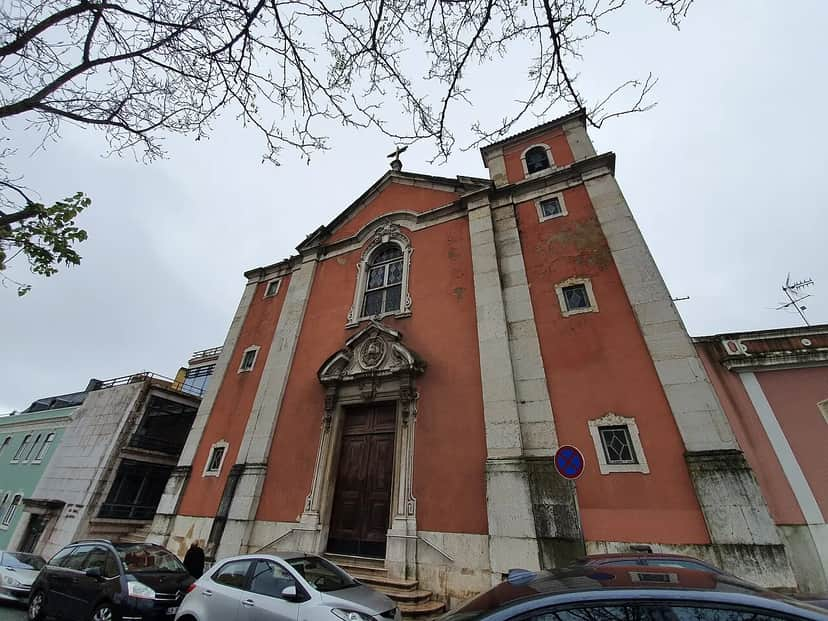 Church of São Pedro em AlcântaraOpens in a new tabAlcântara · Churches & Religious SitesThe Igreja de São Pedro em Alcântara stands in the Portuguese parish of Alcântara, in the municipality of Lisbon, more precisely at Calçada da Tapada no. 3 to 7 and Rua Padre António Botelho, no. 1.
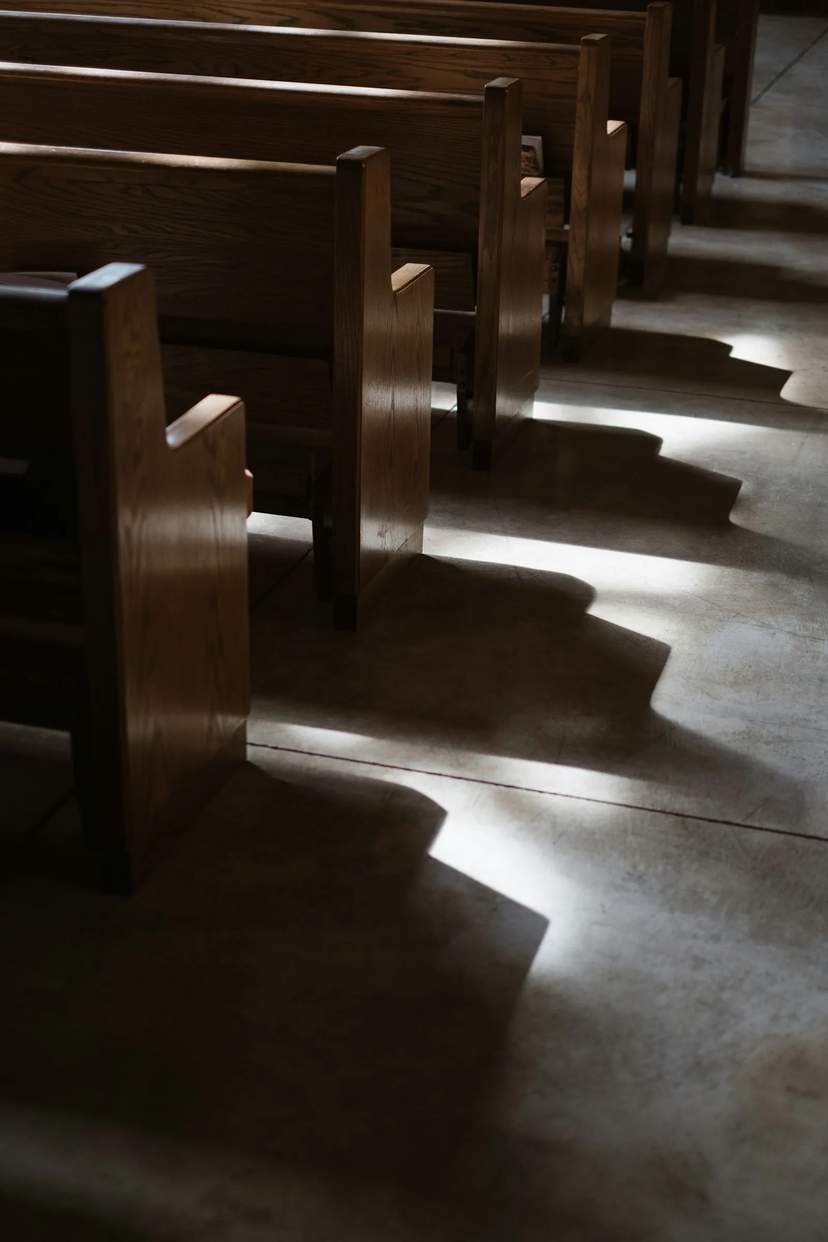 Church of the Holy Family of PontinhaOpens in a new tabOdivelas · Churches & Religious Sites · Illustrative photoParish church located in Pontinha, Odivelas
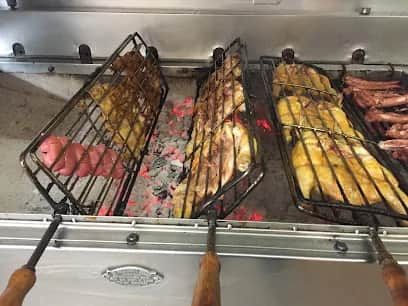 Churrasaqueira "O Lord"Opens in a new tabLisbon · Restaurants
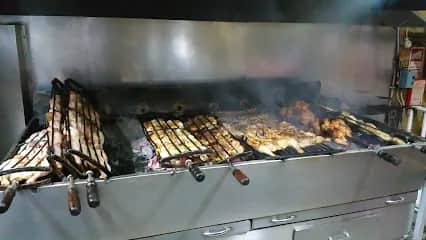 Churrascaria AvenidaOpens in a new tabLisbon · Restaurants
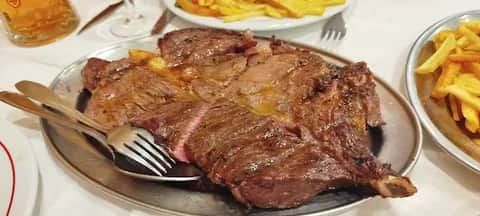 ChurrascoOpens in a new tabBairro Alto · Restaurants
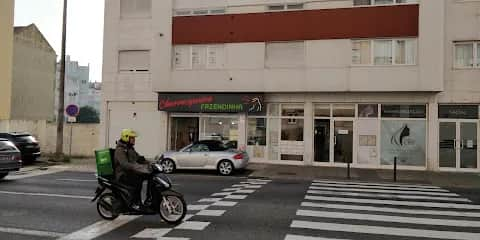 ChurrasqueiraOpens in a new tabLisbon · Quick Bites & Takeaway
 Churrasqueira 100 IgualOpens in a new tabLisbon · Restaurants
Photo and data credits ▾
Photos: DataForSEO · Vitor Oliveira from Torres Vedras, PORTUGAL (CC BY-SA 2.0), via Wikimedia Commons · No machine-readable author provided. Juntas assumed (based on copyright claims). (CC BY-SA 3.0), via Wikimedia Commons · Fimartinho (CC BY-SA 3.0), via Wikimedia Commons · GualdimG (CC BY-SA 4.0), via Wikimedia Commons · Threeohsix (CC BY-SA 4.0), via Wikimedia Commons · Carlos Luis M C da Cruz (Public domain), via Wikimedia Commons · Erva Danninha (CC BY-SA 3.0), via Wikimedia Commons · Paulo Juntas (CC BY-SA 2.5), via Wikimedia Commons · Paulo Juntas (CC BY-SA 3.0), via Wikimedia Commons · Mister No (CC BY 3.0), via Wikimedia Commons · Photo by Josh Applegate on Unsplash · Data: © OpenStreetMap contributors · Wikidata (CC0) · Wikipedia (CC BY-SA 4.0)
