

Places in Lisbon
Loading...
‹
⌕
Areas
⌖Campo de Ourique218⌖Graça151⌖Belém238⌖Alcântara202⌖Estrela40⌖Baixa308⌖Chiado232⌖Príncipe Real452⌖Mouraria161⌖Alfama180⌖Cais do Sodré161⌖Santos111⌖Lapa63⌖São Bento175⌖Saldanha506⌖Anjos166⌖Bairro Alto316⌖Arroios226⌖Avenidas Novas251⌖Alvalade292⌖Parque das Nações175⌖Intendente77⌖AlmadaNearby town533⌖LouresNearby town212⌖OeirasNearby town215⌖AmadoraNearby town177⌖MontijoNearby town125⌖SeixalNearby town82⌖OdivelasNearby town130⌖BarreiroNearby town71⌖SintraNearby town6Places in Lisbon
Loading...
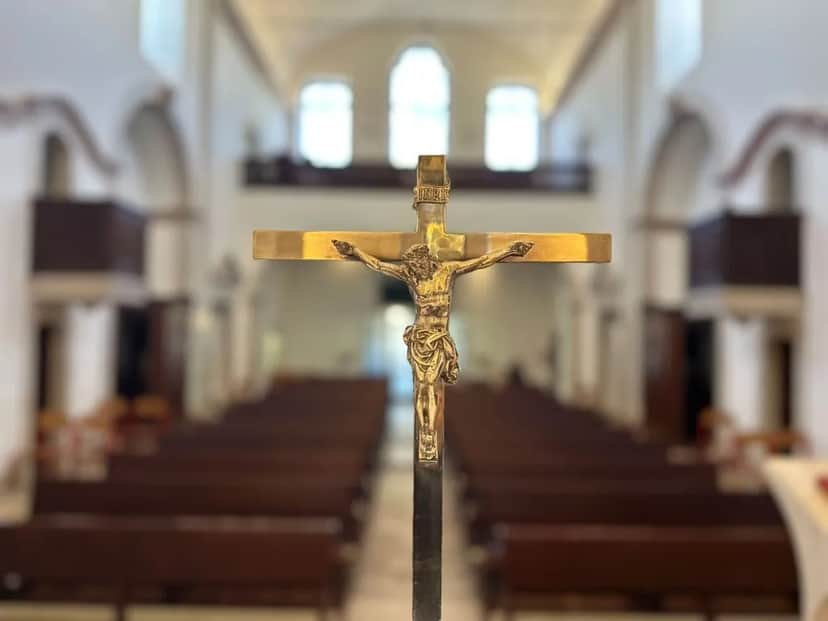 Igreja de Nossa Senhora da Porta do CéuOpens in a new tabLisbon · Churches & Religious SitesThe Parish Church of Nossa Senhora da Porta do Céu is a church located in Telheiras, in the parish of Lumiar, Lisbon. It belonged to the convent of Franciscan friars of Portugal and was built in 1633 at the behest of Dom João, Prince of Candia, in Asia (1578-1642). His tomb is there.
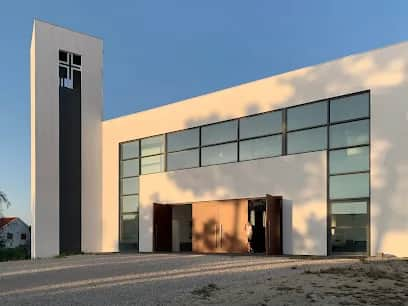 Igreja de Nossa Senhora da RosaOpens in a new tabAlmada · Churches & Religious Sites
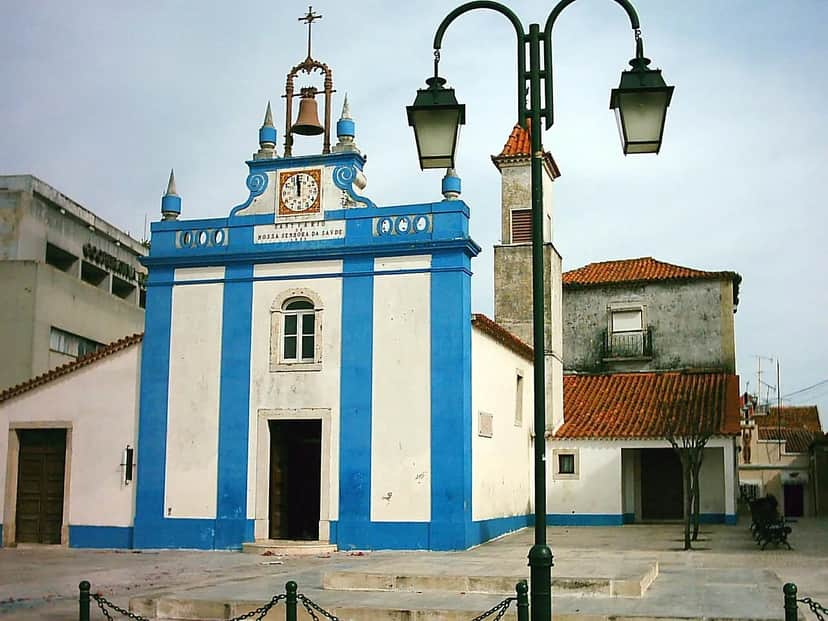 Igreja de Nossa Senhora da Saúde e Santo AndréOpens in a new tabLoures · Churches & Religious SitesThe Chapel of Nossa Senhora da Saúde e de Santo André, generally known by the shortened form of Chapel of Nossa Senhora da Saúde or Sanctuary of Nossa Senhora da Saúde, is a small temple located in Sacavém, in the area known as Sacavém de Cima, set apart in a square that corresponds to the historic centre of the city – Largo Cinco de Outubro, formerly known as Largo da Saúde, Largo da Capela, or Terreiro da Capela.
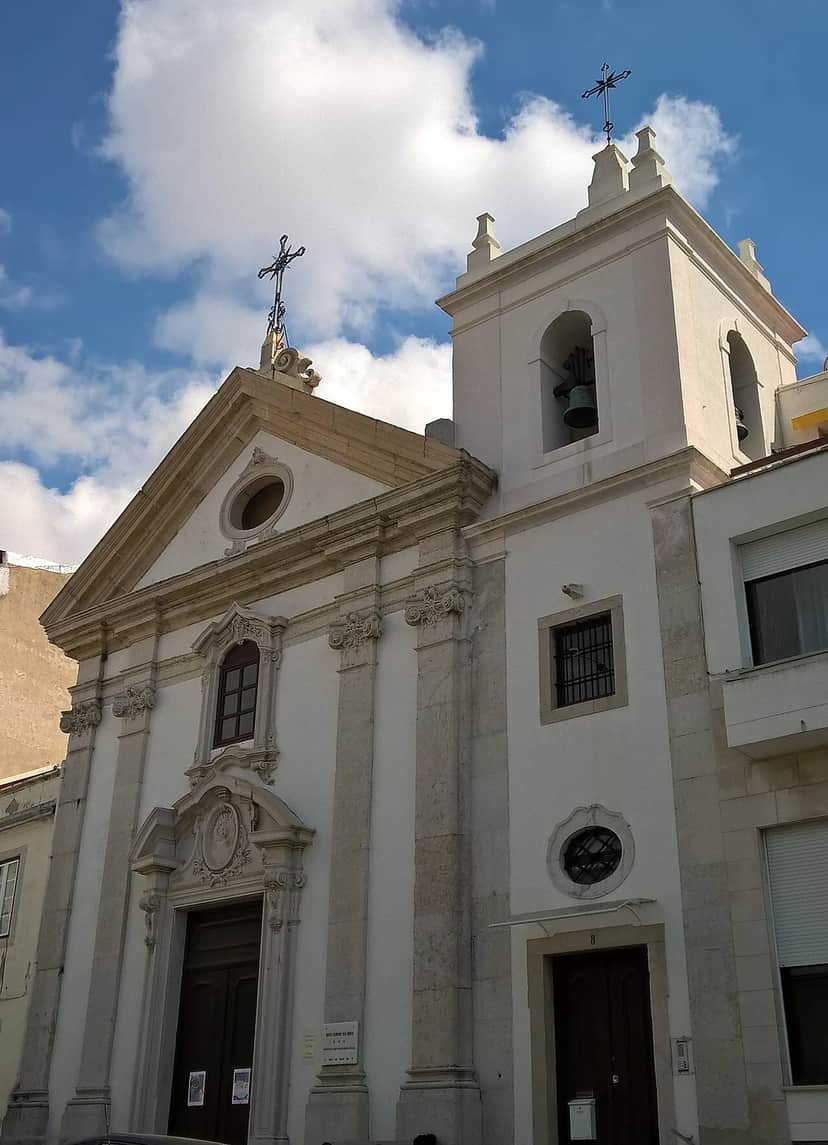 Igreja de Nossa Senhora das DoresOpens in a new tabCampo de Ourique · Churches & Religious Sites
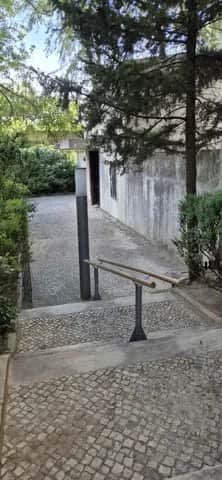 Igreja de Nossa Senhora das DoresOpens in a new tabAvenidas Novas · Churches & Religious Sites
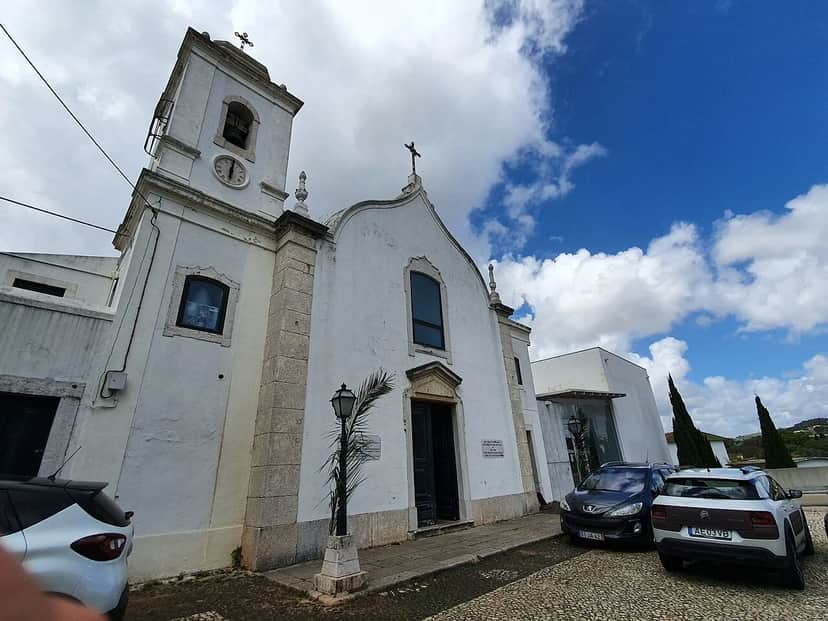 Igreja de Nossa Senhora das DoresOpens in a new tabOeiras · Churches & Religious Sites
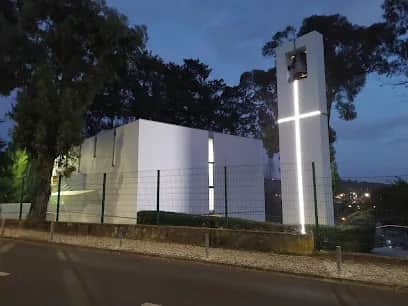 Igreja de Nossa Senhora das MisericórdiasOpens in a new tabAmadora · Churches & Religious Sites
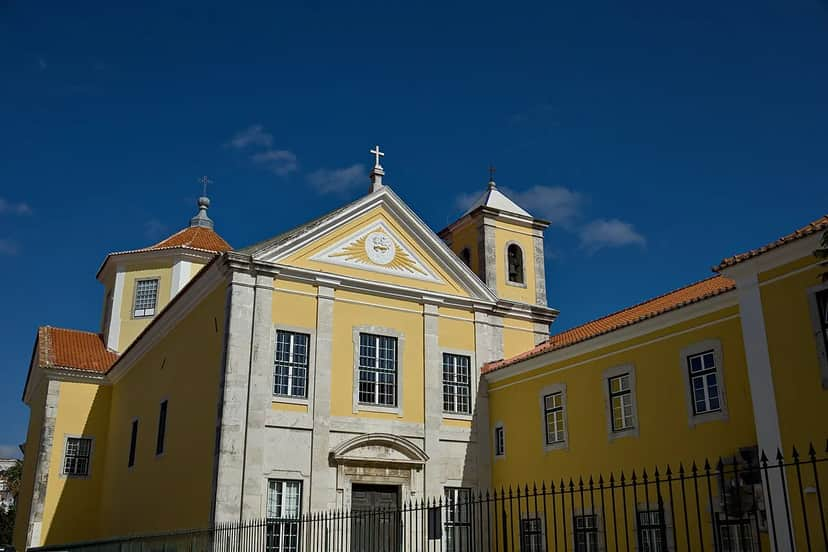 Igreja de Nossa Senhora da VisitaçãoOpens in a new tabLisbon · Churches & Religious Sites
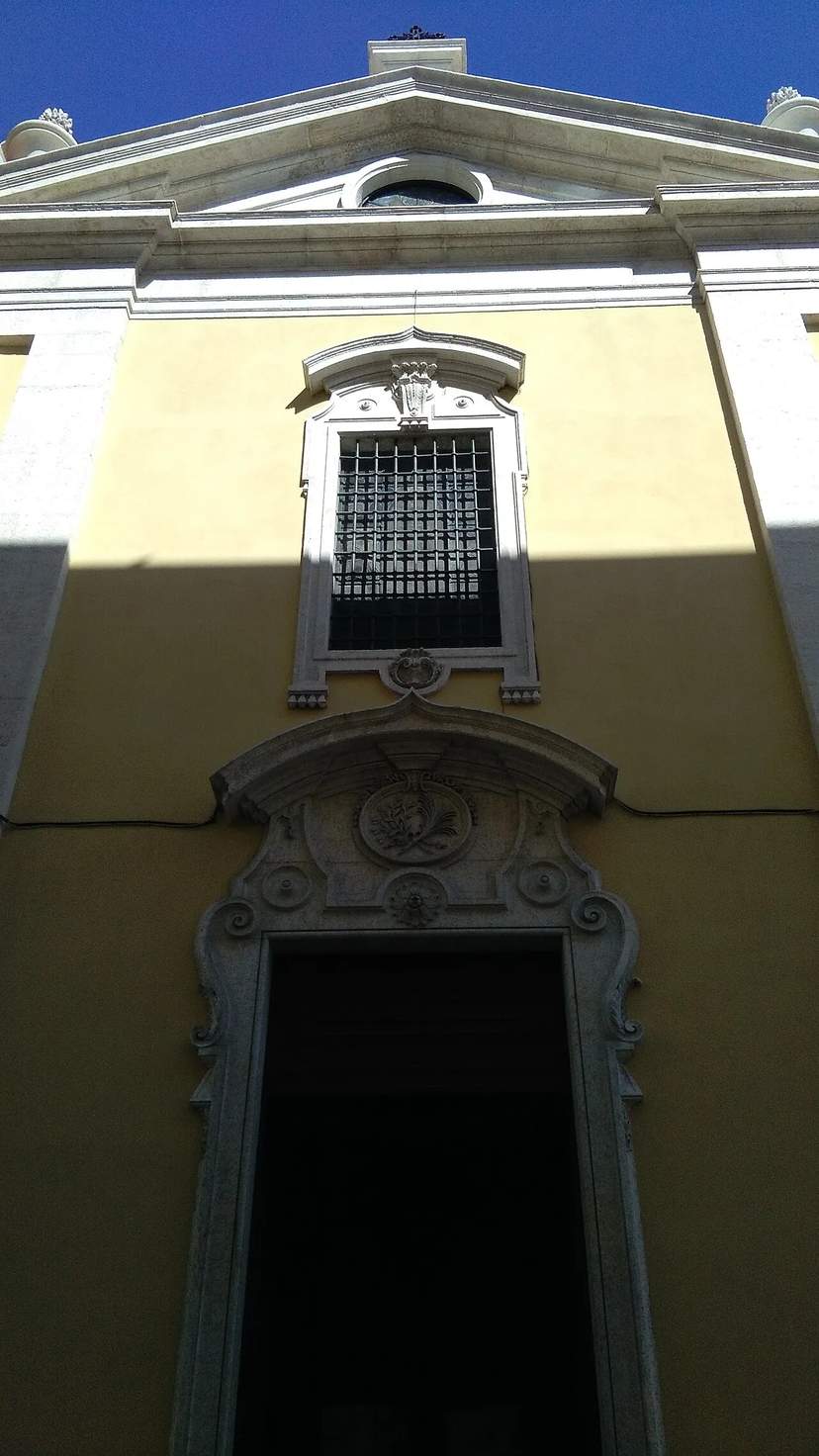 Igreja de Nossa Senhora da VitóriaOpens in a new tabBaixa · Churches & Religious SitesBuilt by the Brotherhood of Nossa Senhora da Vitória, made up of coppersmiths, it was inaugurated in 1556. Almost entirely destroyed by the 1755 earthquake, it was slowly rebuilt between 1765 and 1824, reopening for worship in that same year. It suff
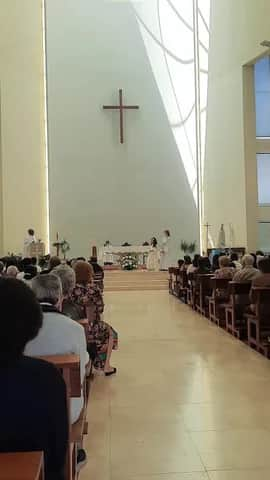 Igreja de Nossa Senhora de FátimaOpens in a new tabSeixal · Churches & Religious Sites
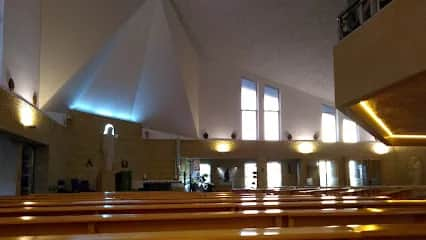 Igreja de Nossa Senhora de FátimaOpens in a new tabAlmada · Churches & Religious Sites
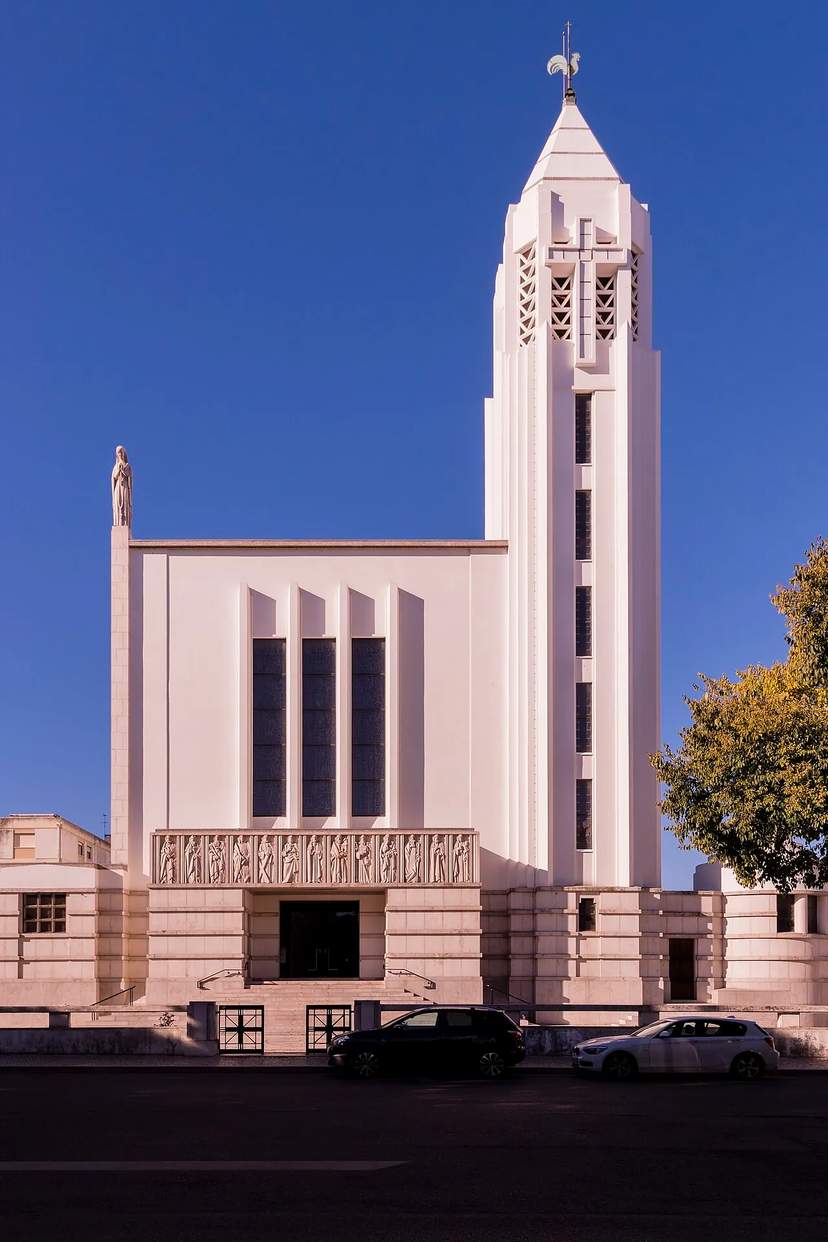 Igreja de Nossa Senhora de FátimaOpens in a new tabAvenidas Novas · Churches & Religious SitesThe Church of Nossa Senhora do Rosário de Fátima is a Catholic church located in the parish of Avenidas Novas, formerly the parish of Nossa Senhora de Fátima, in the city of Lisbon, Portugal.
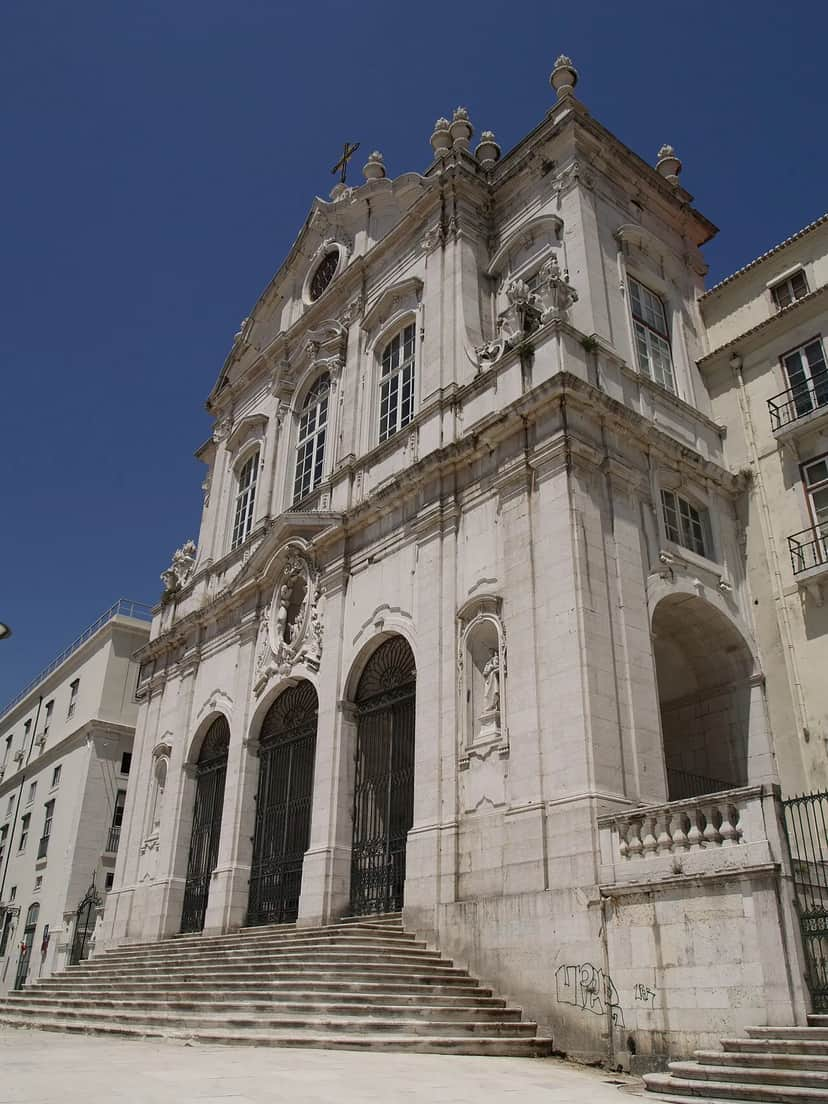 Igreja de Nossa Senhora de JesusOpens in a new tabSão Bento · Churches & Religious SitesThe church was built in 1615, with the Convento de Jesus inaugurated in 1632. Its reconstruction after the Earthquake was carried out immediately, overseen by Friar Manuel do Cenáculo and supported by the Marquis of Pombal. The church, with its 18th-cent
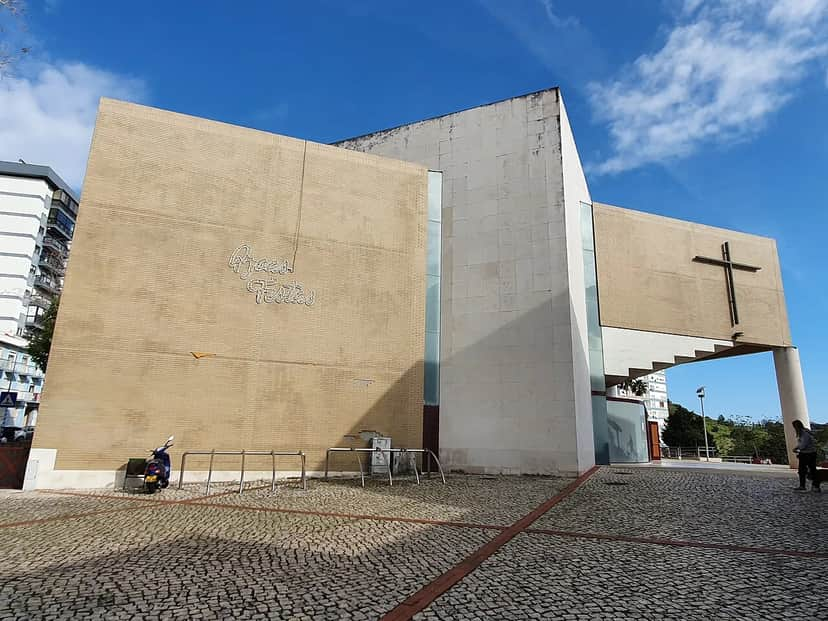 Igreja de Nossa Senhora do AmparoOpens in a new tabOeiras · Churches & Religious Sites
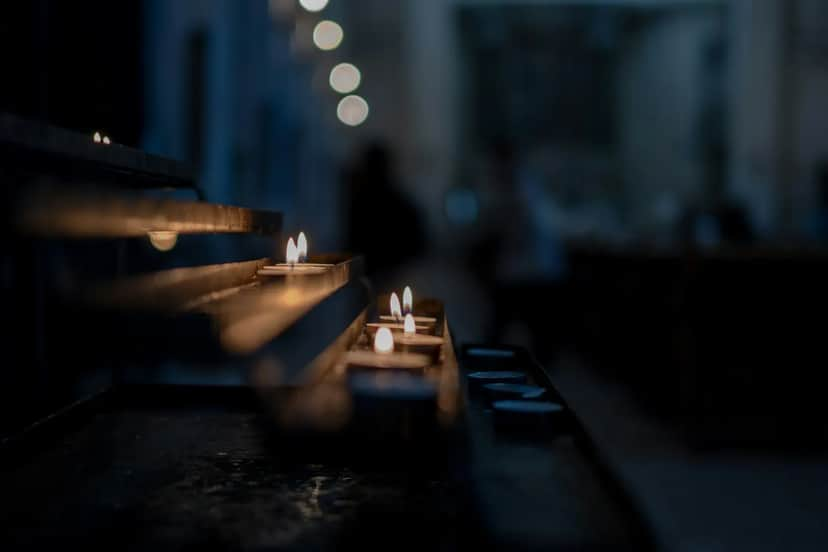 Igreja de Nossa Senhora do AmparoOpens in a new tabLisbon · Churches & Religious Sites · Illustrative photoThe Igreja de Nossa Senhora do Amparo is located in Benfica, Portugal.
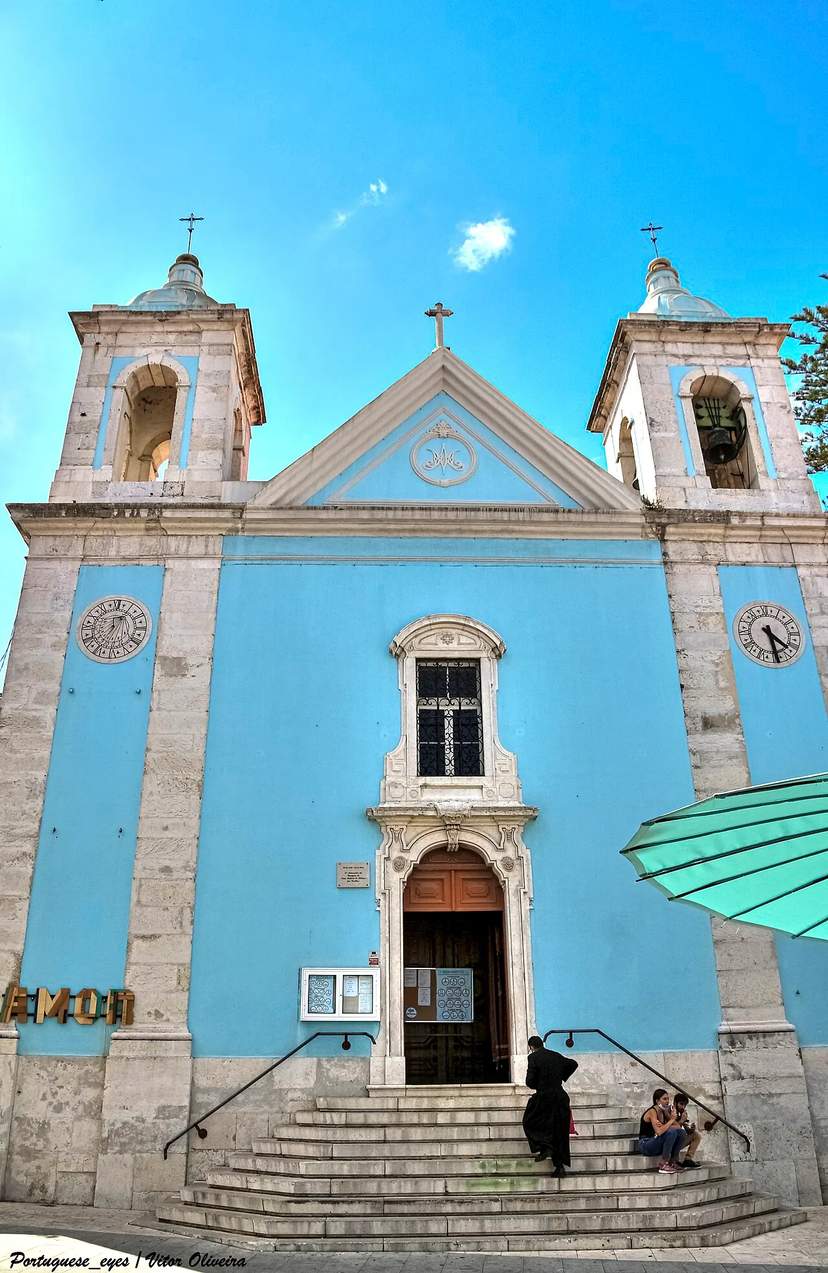 Igreja de Nossa Senhora do Bom SucessoOpens in a new tabAlmada · Churches & Religious Sites
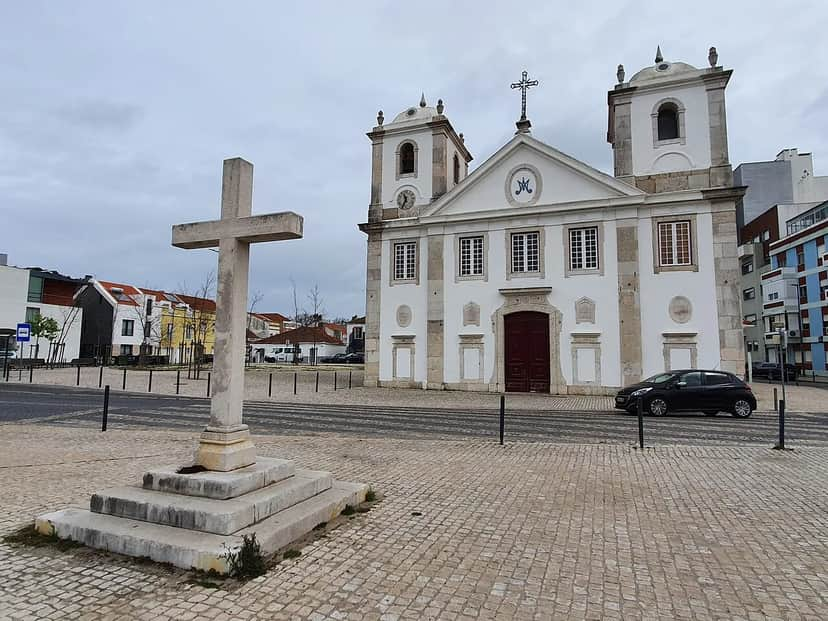 Igreja de Nossa Senhora do RosárioOpens in a new tabBarreiro · Churches & Religious Sites
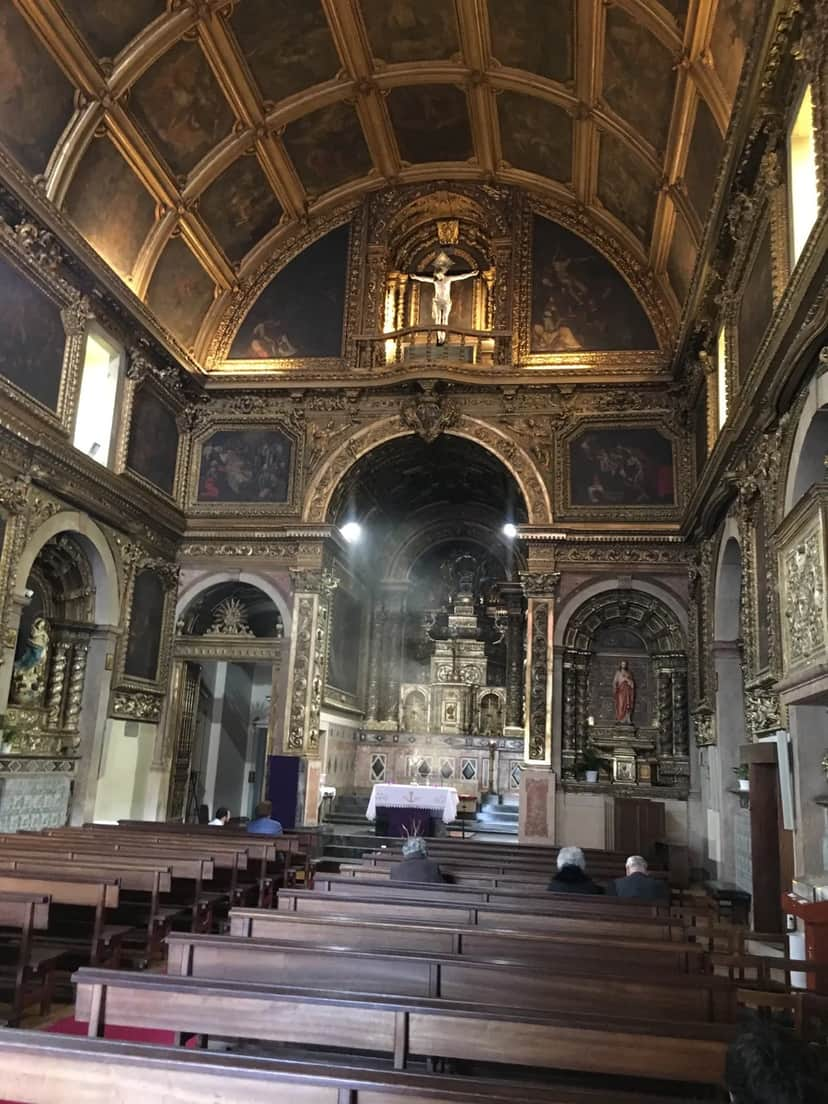 Igreja de Nossa Senhora dos AnjosOpens in a new tabAnjos · Churches & Religious SitesChurch inaugurated in 1910 replacing the original temple, demolished in 1908, upon the opening of Av. Rainha D. Amélia (now Av. Almirante Reis). Designed by architect José Luis Monteiro, it made remarkable use of architectural grammar.
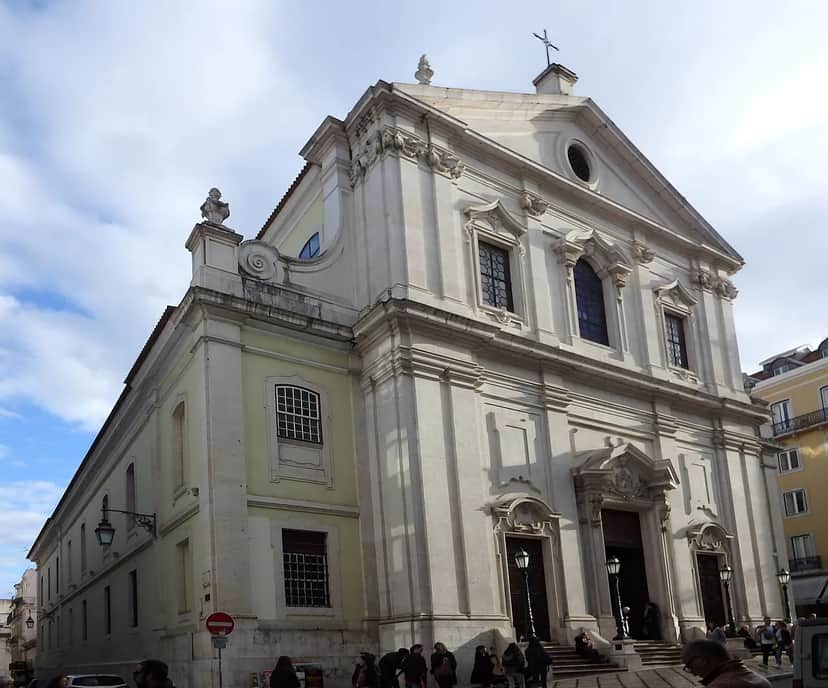 Igreja de Nossa Senhora dos MártiresOpens in a new tabChiado · Churches & Religious SitesRua Garrett s/n, 1200-203 Lisboa, Portugal is the location of the Basilica of Our Lady of the Martyrs or Basílica de Nossa Senhora dos Mártires. This church is in the Chiado district of Lisbon and is a parish church of the Roman Catholic Church. The church is formally a basilica. The architectural styles of the church are a combination of baroque and late neoclassical styles. The first records of the church are from 1147 and are associated with the conquest of Lisbon by Afonso Henriques. A chapel was built on Monte Fragoso, the site of a cemetery of English Crusaders and Portuguese soldiers, along with the Crusader fleet's icon of the Virgin. The church was enlarged and renovated numerous times. The last renovation was completed in 1750 and was in the style of full baroque. The church was damaged in the 1755 Lisbon earthquake and completely destroyed. The church was completely rebuilt beginning in 1769 and was dedicated in 1784. The rebuilding was funded by a merchant from Porto, Portugal named Manuel Pacheco Pereira, and was directed by the Brotherhood of the Blessed Sacrament. The church was rebuilt in a combination of neoclassical and baroque styles. The church was designed with a lioz stone façade typical of the Lisbon region. It is topped by a triangular pediment and includes an oculus. The bell tower is located at the back of the church. A relief at the top of the main door depicts King Afonso Henriques offering thanks to the Virgin for the gift of the city, with the Crusader William Longsword, and is the work of Francisco Leal García. Internally, the single nave is flanked by eight side chapels and a shallow transept. The program of color is evident in the marbles throughout the walls of the church. The floor is of inlaid marbles, sucupira, and satinwood. The highlight of the high altar is the image of Our Lady of the Martyrs, placed on a throne, and surmounted by the baldachin. A monstrance is place above.
- Igreja de Nossa Senhora do SocorroOpens in a new tabMouraria · Churches & Religious Sites · Illustrative photoThe Colégio de Santo Antão-o-Velho, which was the Mosteiro de Santo Antão and later called Coleginho, is located in the urban fabric of the Mouraria neighbourhood, on the site of the old Mesquita dos Mouros, according to Damião de Góis, expressing a
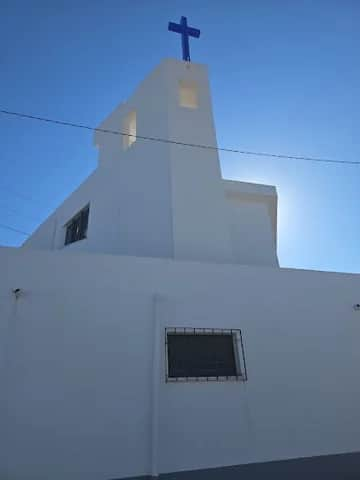 Igreja de Nosso Senhor do BonfimOpens in a new tabLisbon · Churches & Religious SitesIgreja de N.S. Bonfim, in Foros de Amora, is a church of the Parish of Amora that originated from Eucharist celebrations in a private house in 1970. The current church, with capacity for 350 people, was inaugurated on 21 April 1996, and the feast of the patron saint, Senhor do Bonfim, is celebrated on the 2nd Sunday of July.
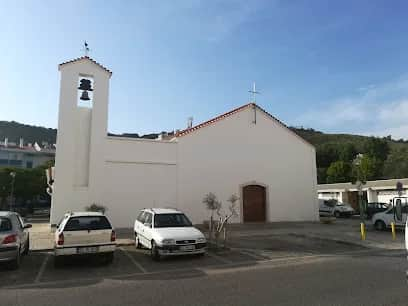 Igreja de Olival BastoOpens in a new tabOdivelas · Churches & Religious SitesThe Parish of Póvoa de Santo Adrião includes the Igreja do Olival Basto, a temple born from the efforts of a group of the faithful led by F. Gumersindo Moralles, built with donated land and demolition materials, and dedicated to Our Lady of Fátima in the early years of the 1960s by Cardinal Patriarch D. Manuel Gonçalves Cerejeira. Built as a temporary structure and described as a work of faith, it was restored from 2002 under the patronage of the parish priest Pe. Luís Ferreira.
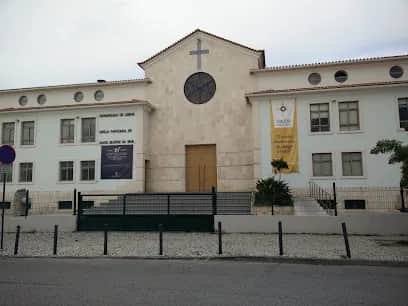 Igreja de Santa BeatrizOpens in a new tabLisbon · Churches & Religious Sites
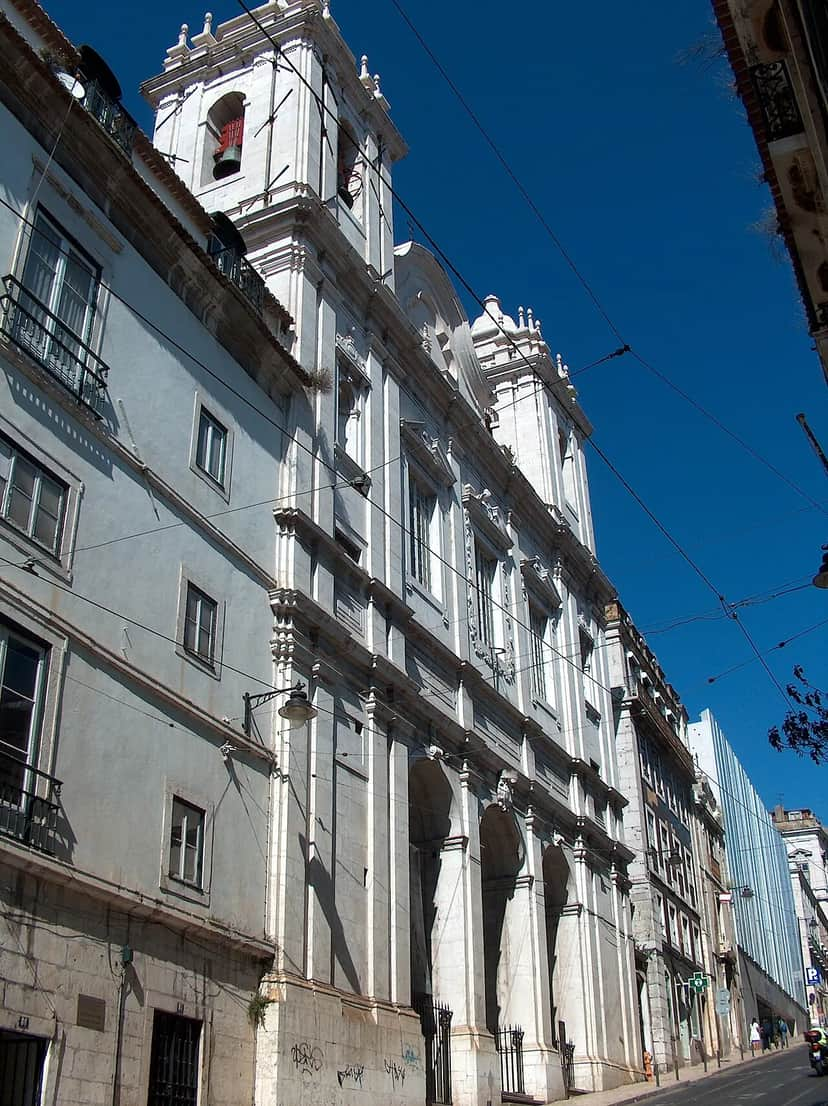 Igreja de Santa CatarinaOpens in a new tabBairro Alto · Churches & Religious SitesFounded by the religious of São Paulo da Serra de Ossa, the church then known as the Igreja do Santíssimo Sacramento was built in the second half of the 17th century, from 1654 onwards, adjoining the Convento dos Paulistas. After the 1755 Earthquake, it was rebuilt.
Powered by Foursquare ·Photo and data credits ▾
Photos: portadoceu.org · DataForSEO · GualdimG (CC BY-SA 4.0), via Wikimedia Commons · Vampiregrave (CC BY-SA 4.0), via Wikimedia Commons · RicardoFilipePereira (CC BY-SA 4.0), via Wikimedia Commons · Thomas Gartz from Lovisa, Finland (CC BY 2.0), via Wikimedia Commons · Jaime Silva (CC BY-SA 3.0), via Wikimedia Commons · Photo by Lu on Unsplash · Vitor Oliveira from Torres Vedras, PORTUGAL (CC BY-SA 2.0), via Wikimedia Commons · Mike Steele (CC BY 2.0), via Wikimedia Commons · João Carvalho (CC BY-SA 3.0), via Wikimedia Commons · Data: © OpenStreetMap contributors · Wikipedia (CC BY-SA 4.0) · Wikidata (CC0)
