

Filters (0)
Rating▾
 Igreja de Santa ClaraLisbon · Churches & Religious SitesAvenida Avelino Teixeira da Mota s/n, 1950-136 Lisboa
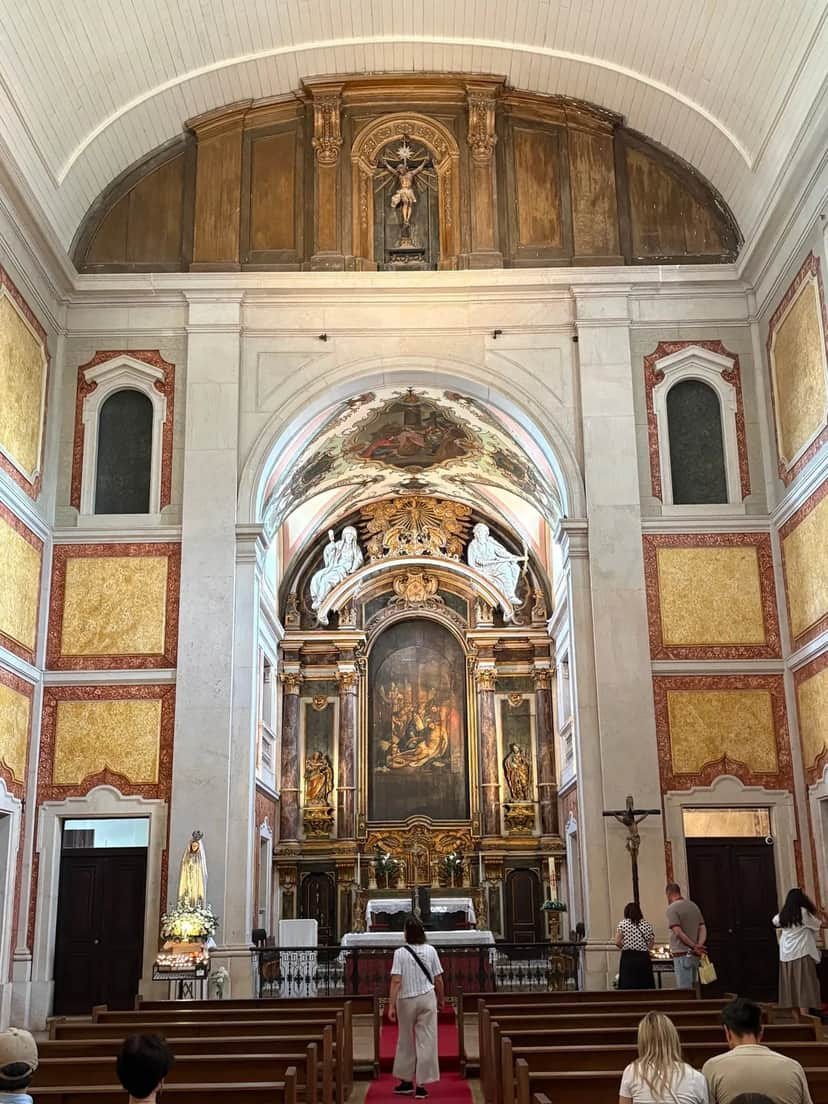 Igreja de Santa Cruz do CasteloMouraria · Churches & Religious SitesBuilt in the third quarter of the 18th century by architect João Paulo. It occupies the site of the previous church, which dated back to the second half of the 12th century and was destroyed by the 1755 earthquake. The bell tower rests on a tower of the wall of the citadel.
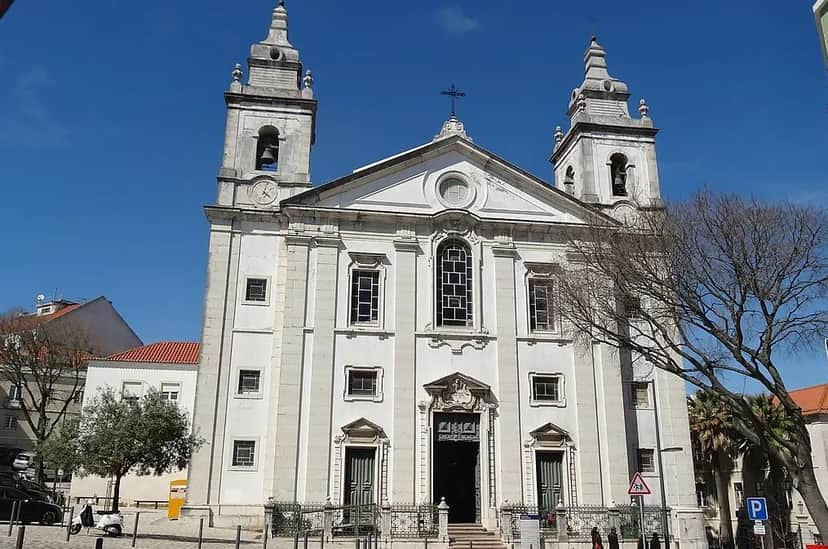 Igreja de Santa IsabelLapa · Churches & Religious SitesRua de São Joaquim s/n, 1250-180 Lisboa
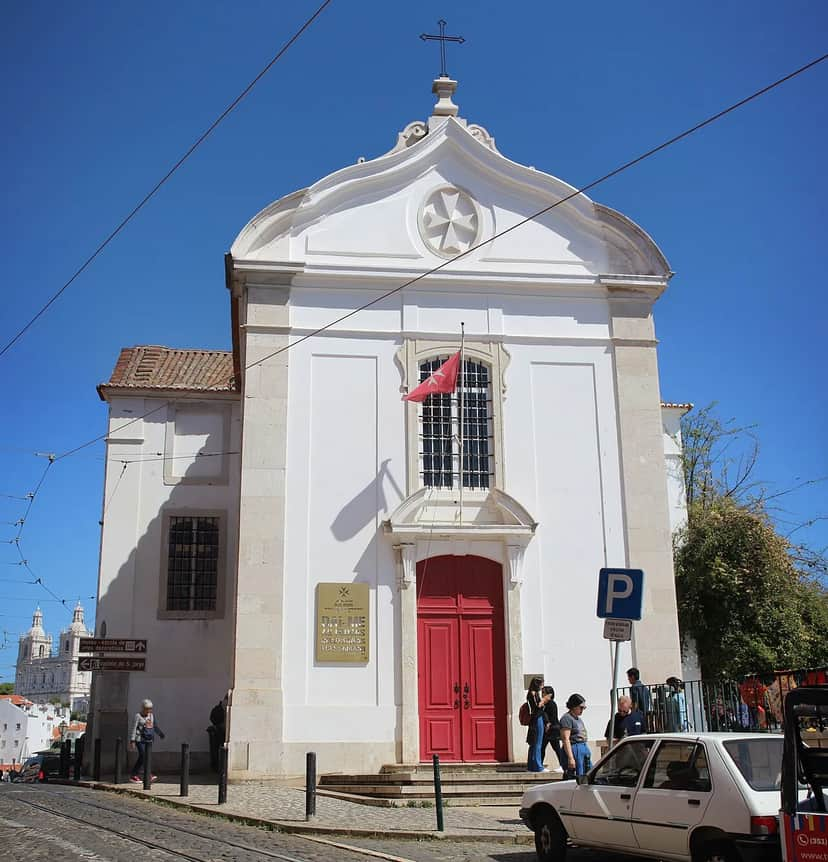 Igreja de Santa LuziaAlfama · Churches & Religious SitesIgreja de Santa Luzia, the Church of St. Lucy, stands at Largo de Santa Luzia, 1100-487 Lisboa, in the Alfama district of Lisbon. It functions as a Roman Catholic parish church and sits beside the Miradouro de Santa Luzia, a viewing terrace. The listed opening hours are Monday to Friday from 14:00 to 17:00, and Saturday and Sunday from 10:00 to 12:00. The church dates back to the 1100s, when the Order of Malta Knights built it. It was reconstructed in the 18th century after an earthquake damaged it, and the current structure was erected in the 1700s and renovated following that quake. A walking tour called Lisbon's Iconic Tiles, created by Context Travel and offered through VoiceMap, includes the church as location 30 of 32. The narrator places this stop near the end of the tile route. The tour points to the blue azulejo tiles on the church's exterior walls, inside the garden, as a notable feature. One panel shows medieval Lisbon and its downtown as seen from Praça do Comércio, before the earthquake of 1755 destroyed that medieval part of town. Above this scene is a depiction of Santa Luzia, the patron saint of the blind and of people with diseases of the eyes. A second panel, a little further along the wall and closer to the bougainvillea, shows Crusaders attacking the castle in 1147. After a five-month siege, they took the city from its Moorish rulers. These tiles originally came from elsewhere: they were first applied in the Church of Santo André in Lisbon, before that church was partially destroyed in 1755. A Google overview also describes the southern exterior wall as an outdoor gallery of traditional Portuguese azulejos. The adjoining terrace is decorated with blue and green azulejos showing animals, historical events and landscapes, and it gives panoramic views of the old town. From the viewpoint, visitors can look out over Alfama and the Tagus and see the façade of the Church of Santo Estêvão, the towers of the Church of São Miguel and the dome of Santa Engrácia. Visit Lisboa's Fado Route description also mentions verandas and a terrace covered in bougainvillea. The viewpoint costs nothing to enter and has no official timetable of its own, and morning and late afternoon are usually the better times to go. Visit Lisboa describes Alfama as the city's oldest and most traditional neighbourhood. The viewpoint is easy to combine with Lisbon Cathedral and São Jorge Castle.
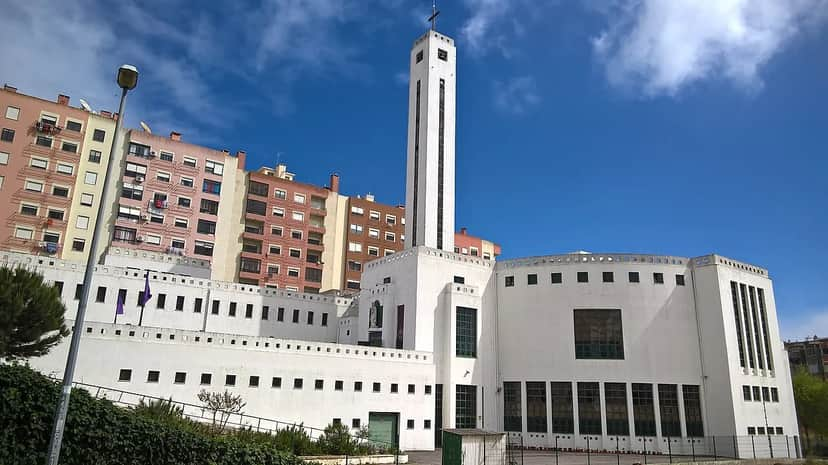 Igreja de Santa MariaLisbon · Churches & Religious SitesCatholic church in Agualva, Agualva e Mira Sintra, Sintra
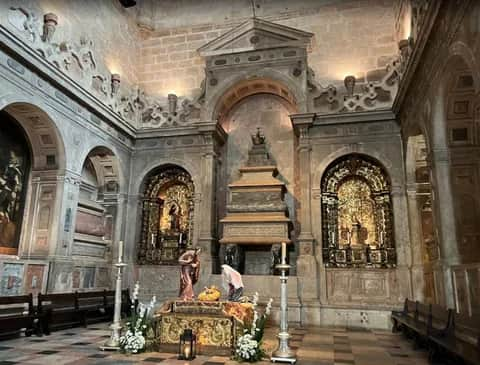 Igreja de Santa Maria de BelémBelém · Churches & Religious SitesThe Igreja de Santa Maria de Belém, also called the Church of Saint Mary of Bethlehem in English, stands at Praça do Império, 1400-206 Lisboa, in the Belém district of Lisbon. It is the southern church attached to the Jerónimos Monastery and is still an active monastery church. Its architecture is Manueline, and it holds national tombs. The monastery complex is listed as a UNESCO World Heritage site. Going into the church costs nothing, while the monastery's main cloisters require a paid ticket. The church has its own entrance within the same complex, reached from outside the paid cloister route. Its queue is separate from the monastery's, so anyone planning to see both should expect two lines. The church is closed on Mondays. It opens from 10:30 to 17:00 Tuesday to Saturday, and from 14:00 to 17:00 on Sundays. Branching columns and a wide open nave give the interior a scale that the cloister alone cannot offer. Just inside the entrance is the sarcophagus of Vasco da Gama. On the opposite side lies the poet Luís de Camões, whose works represent the pinnacle of Portuguese Renaissance literature. The broad transverse roof in front of the main altar has no pillars holding it up, and it is regarded as a medieval engineering marvel. A crucifixion figure is kept on the second floor, and the high choir looks down into the church. The outside is richly carved. The southern portal rises two stories and carries many reliefs. The coat of arms of Manuel I sits in the central spandrel, and the reliefs above the arch show St. Jerome removing a thorn from a lion's paw and St. Jerome in the desert. The main entrance has a Nativity scene carved above its arch, flanked by statues of Manuel I, the Virgin Mary, St. Jerome, St. John and other saints. The site has a long past. An earlier church dedicated to Santa Maria de Belém stood by the harbour of Praia do Restelo, where monks of the Order of Christ helped seafarers passing through. Vasco da Gama and his men spent a night in prayer there before leaving in 1497. One account says Manuel I started the present structure in 1495. Construction began on 6 January 1501 and took about a century. Monks of the Hieronymite order lived in the complex for over four centuries. After the earthquake of 1755, much of the artwork and treasure was moved to the crown or lost, and the building was emptied. Restoration began in the late 1800s, and the church's annex and facade were altered substantially then.
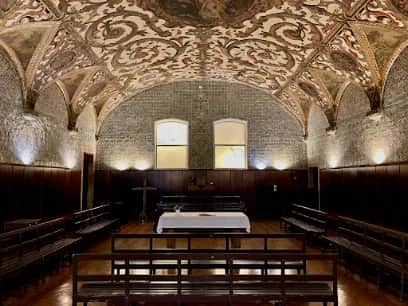 Igreja de Santa MartaArroios · Churches & Religious SitesFormer Convent of the Franciscan Poor Clare Nuns of the Second Order (Urbanists), under the invocation of St. Martha, whose foundation stone was laid in 1612. Built between the 17th and 18th centuries, it suffered severe damage from the 1755 earthquake. After the extinction (Após a extinç
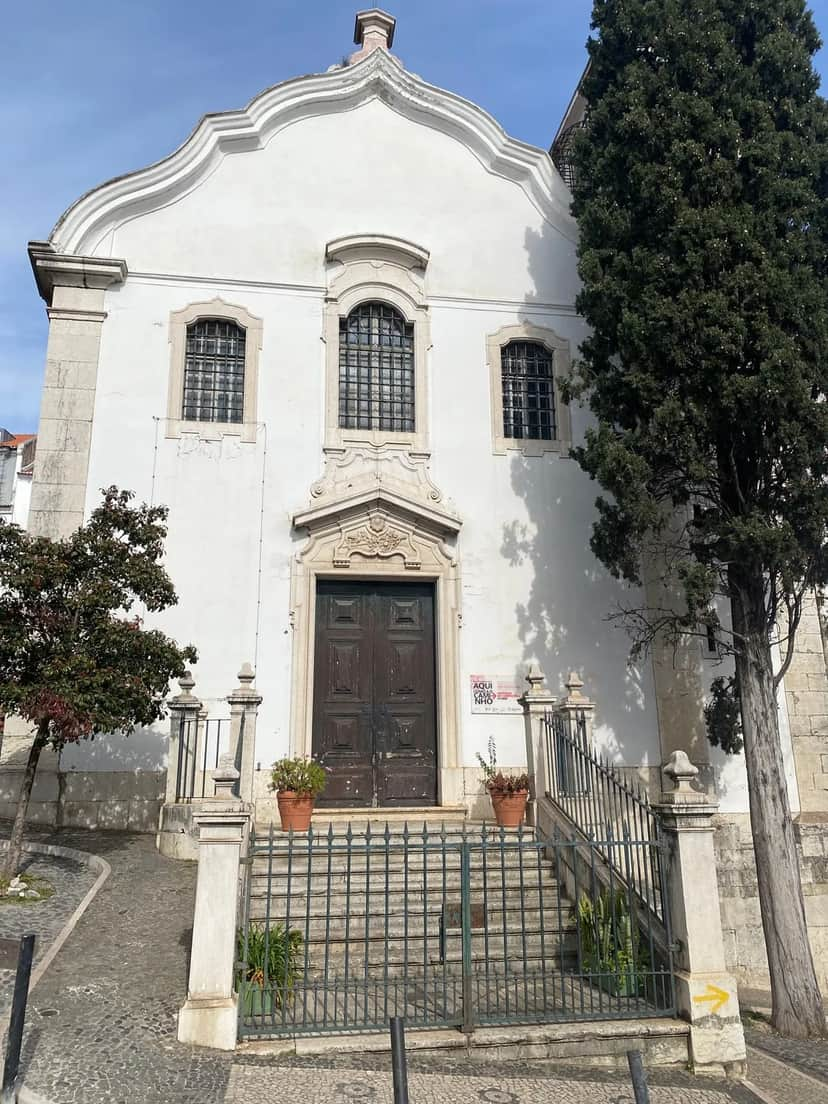 Igreja de SantiagoAlfama · Churches & Religious SitesFounded in the 12th century, according to some authors, and subject to modifications between the 16th and 18th centuries, it was almost entirely rebuilt from 1773 onwards due to damage caused by the earthquake, reusing some earlier structural elements.
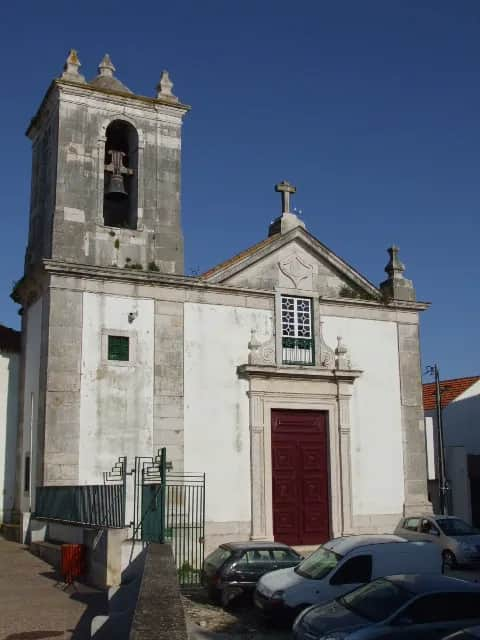 Igreja de SantiagoLisbon · Churches & Religious SitesIgreja de Santiago, also referred to as Igreja Paroquial de Santiago or Igreja de São Tiago, is a church located in Almada, next to Castelo de Almada and Jardim do Castelo. Its construction dates from the 12th century, and it was "rebuilt" in 1724 according to the instructions of the priest and royal architect Francisco Tinoco da Silva.
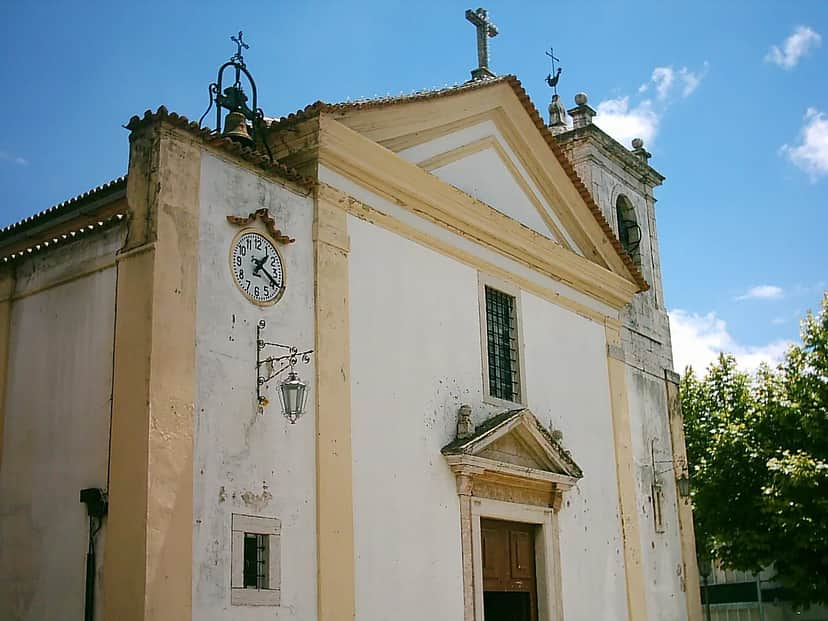 Igreja de Santiago de CamarateLoures · Churches & Religious SitesThe Igreja de Santiago Maior, the Parish Church of Camarate, also known as Igreja de São Tiago or Igreja Matriz Paroquial de Santiago Maior de Camarate, is located in the centre of the town of Camarate, in the Município de Loures, and it was around this building that the town's urban growth took place over the centuries.
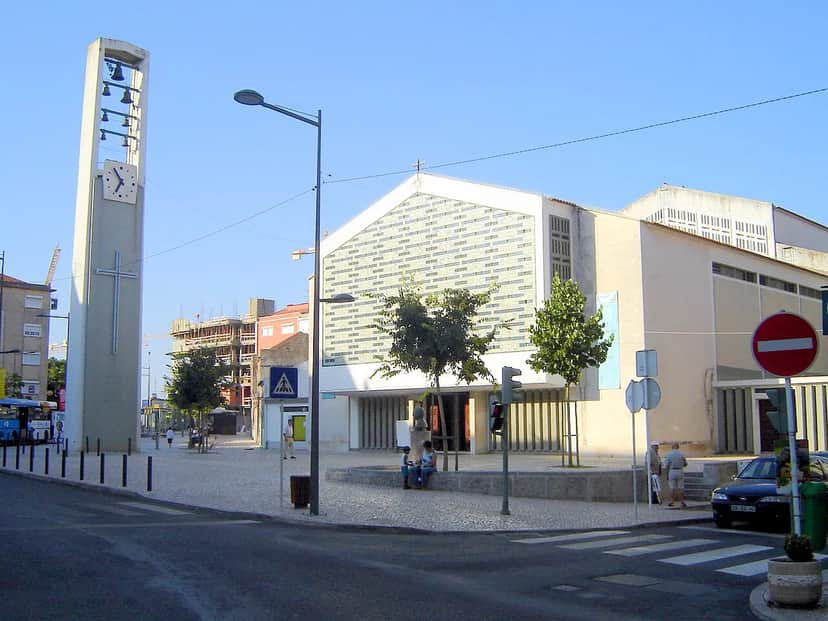 Igreja de Santo AntónioLoures · Churches & Religious SitesThe Igreja de Santo António in Moscavide is the mother church of the town of Moscavide. It was inaugurated in 1955, following the creation of the civil parish sixteen years earlier.
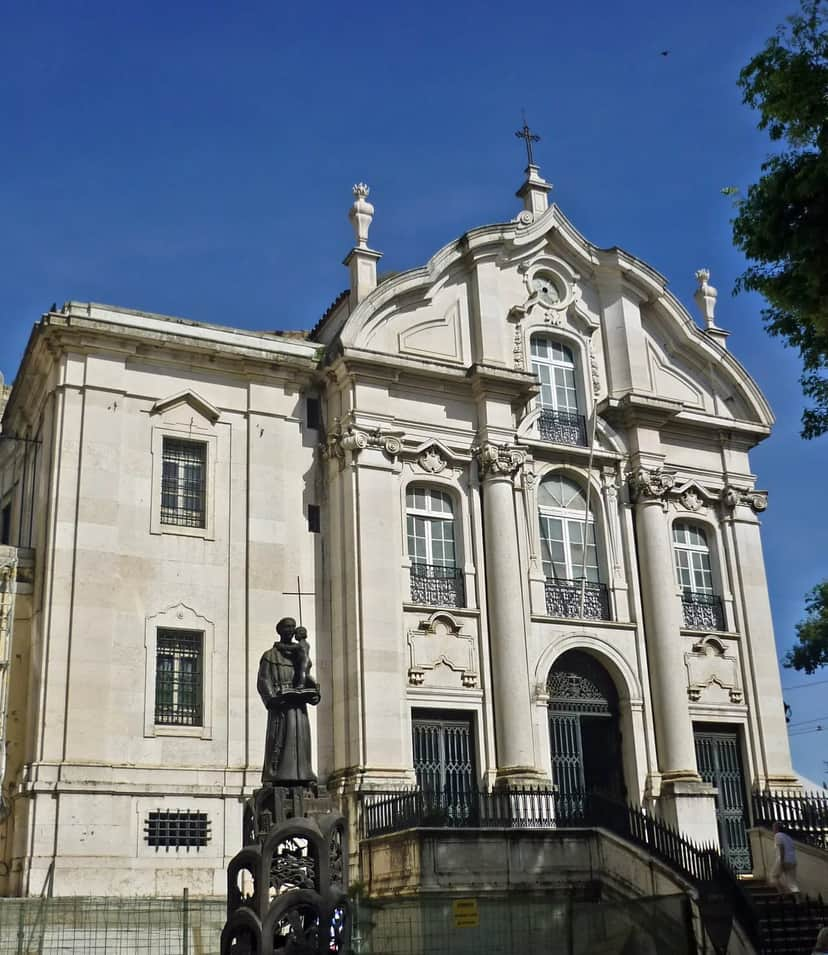 Igreja de Santo António de LisboaBaixa · Churches & Religious SitesLargo da Sé, 1100-112 Lisboa, Lisbon, Portugal In the Baixa district of Lisbon is the Roman Catholic Church Igreja de Santo António de Lisboa, which is located beside the Lisbon Cathedral. The church was built to honor Saint Anthony of Lisbon. His birthplace was on the site where the church was built. The church is a National Monument and is still a parish church. The church is open to the public from 8:00 to 5:00, daily. A chapel was built on the site in the 15th century, which was directly above Saint Anthony's family home. The municipality of Lisbon met from 1326 to 1753 in the Casa de Santo António. Direct dependence was granted to the church in 1433. King John II of Portugal commissioned the reconstruction of the church in 1495. The church gained a collegiate body in 1730. The reconstruction of the church was from 1767 to 1812. The design of the new church deviated from other churches that were designed in the Pombaline style. The church's location has a significant slope. The children of Lisbon raised money to help support the construction of the church. The Bulhões family arms as well as the arms of Portugal dominate the narthex ceiling. The dome allows ample sunlight to enter. Artwork located on the transept altars is of Pedro Alexandrino de Carvalho. The only surviving part of the original 1195 building is the crypt which marks the saint’s birthplace. One of the memorials in the crypt is dedicated to the visit of Pope John Paul II on 12 May 1982. The adjacent museum which houses a collection of arts related to the saint, is a branch of the Lisbon Museum. There is an admission charge of €3.00 and free access on Sundays until 1400 hours or with the Lisboa Card. The museum is closed on Mondays. Each year on his feast day, 13 June, a procession is held from the church through the historical district of Alfama and the cathedral.
- Igreja de Santo António de MoscavideLisbon · Churches & Religious SitesThe Igreja de Santo António de Moscavide is the parish church of the town of Moscavide. It was inaugurated in 1955, following the creation of the civil parish sixteen years earlier.
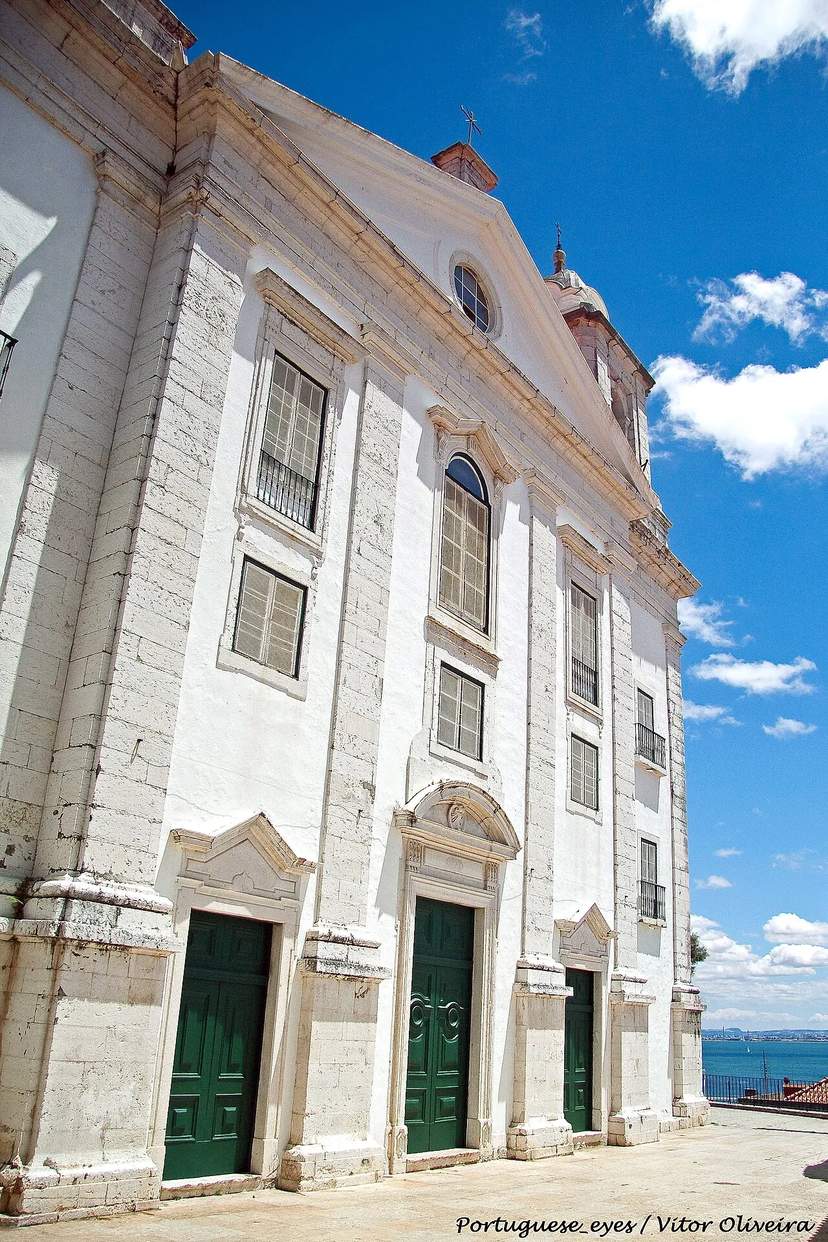 Igreja de Santo EstêvãoAlfama · Churches & Religious SitesIgreja de Santo Estêvão is a church in the Alfama district of Lisbon, at Largo de Santo Estêvão, 1100-505 Lisboa. It belongs to the Roman Catholic Church, follows the Latin Rite and sits within the Diocese of Lisbon. The building is classified as a National Monument, a status dating from 1918 under Decree № 5 046. On the Alfama skyline it stands alongside the National Pantheon and the St. Vincent Monastery. A church of the 12th century occupied this spot. In 1733 it was rebuilt in Baroque style by the architect Manuel da Costa Negreiros, on the foundations of that earlier temple. The 1755 Lisbon earthquake damaged the building, and after renovation it reopened in 1773. The quake harmed part of the exterior and left only one of the two original towers. The church has a rectangular plan. Pilasters divide its facade into three parts, and the central part is crowned by a triangular pediment topped with a cross and flanked by two towers. Inside, the church is an example of Portuguese Baroque. Unlike many churches of its period, including the nearby Igreja de São Miguel, it is not entirely covered in gilt. The main altar has a stone altarpiece, combined with wood ornaments and gold leaf. A group of sculptures shows a crucified Christ surrounded by angels. The interior also holds side altars, statuary and the tiles of the old sacristy. Beside the church is a terrace that serves as a viewpoint, known as Miradouro de Santo Estêvão, overlooking the river and the Alfama neighbourhood. From there, steps lead down the hill towards the waterfront, passing houses and alleys that give the area a village atmosphere. The guide reports no public transportation nearby. It suggests entering Alfama by the steps going down from the Portas do Sol viewpoint, which can be reached by tram 28 or bus 737, or on foot uphill from downtown and the cathedral, following the tram tracks. Entry is free, but the doors are usually closed, so seeing the interior means attending Mass on Sunday morning. Listed hours are 16:00 to 18:00 on Tuesday, Thursday and Saturday, and 10:00 to 12:30 on Sunday, with Monday, Wednesday and Friday off. Another source gives only Sunday at 11:30am and Tuesday at 6pm, with no Tuesday opening in July, August and September, and notes that hours can change without notice. Nearby, the other main church of the neighbourhood is Igreja de São Miguel, and the Fado Museum is down by the riverfront.
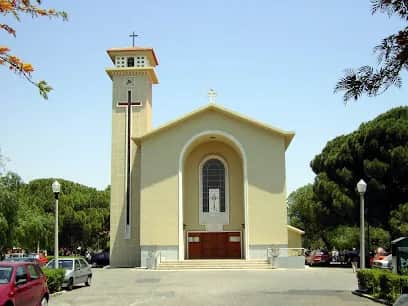 Igreja de Santo EugénioLisbon · Churches & Religious SitesAlameda da Encarnação s/n, 1800-190 Lisboa
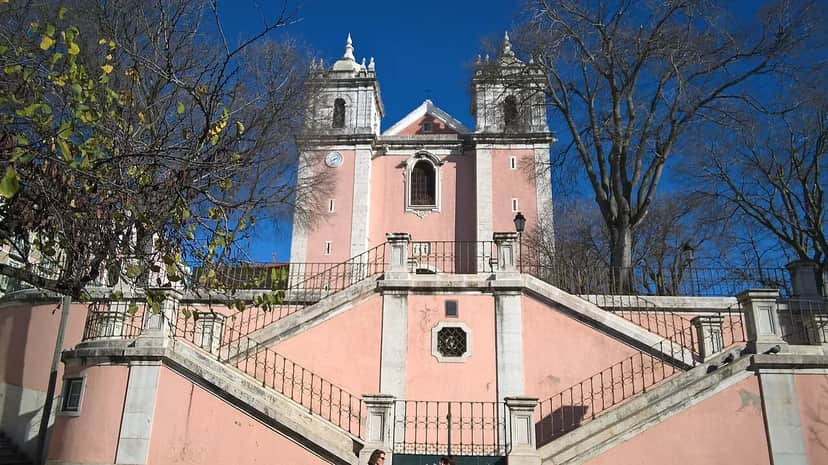 Igreja de Santos-o-VelhoSantos · Churches & Religious SitesOn the remains of a presumed late Roman temple of the 4th century, dedicated to the martyr saints Veríssimo, Máxima and Júlia, a new church was built in 1147. But it is the 1696 interventions by the architect João Antunes – bell towers...
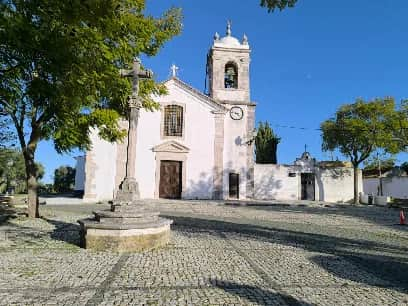 Igreja de São Bartolomeu da CharnecaLisbon · Churches & Religious SitesThe present church, dating from the 17th century (1685), was built on the same site as the original parish seat, incorporating some 16th-century elements, namely two holy-water fonts of Manueline workmanship, sepulchral slabs with Gothic inscriptions
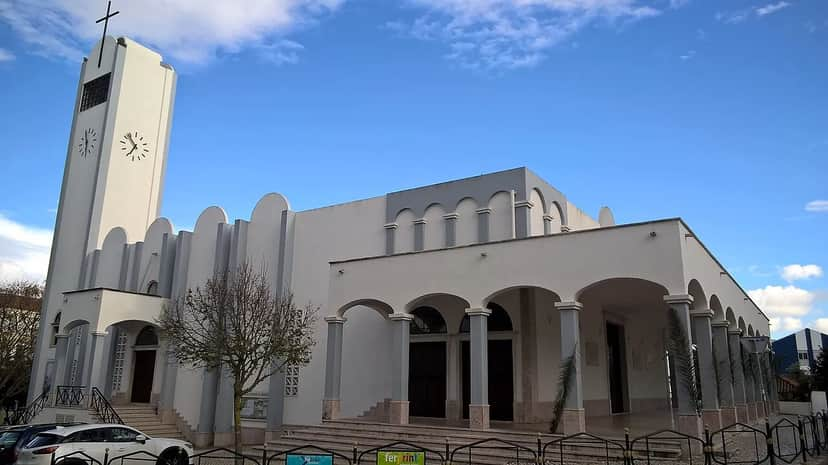 Igreja de São Bento de MassamáLisbon · Churches & Religious SitesAvenida Azedo Gneco s/n, 2745-000 Queluz
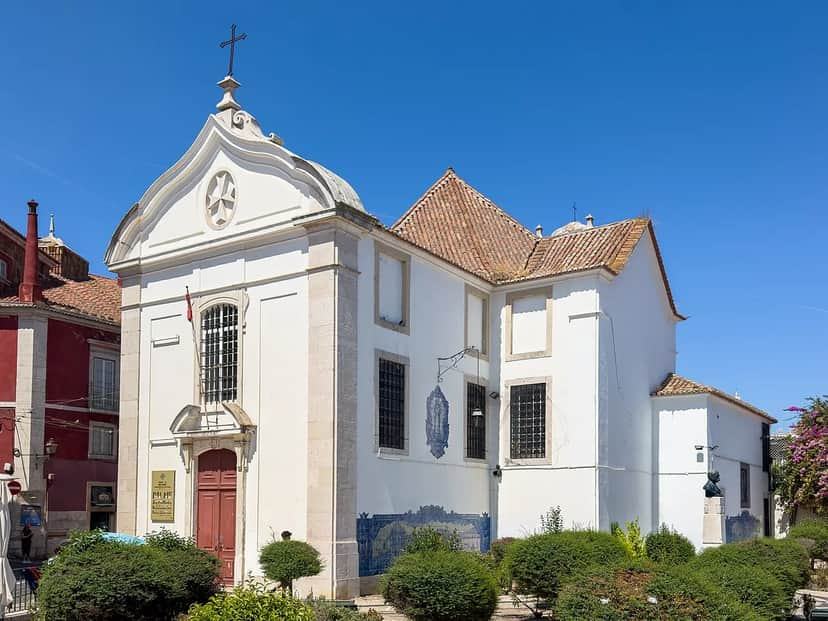 Igreja de São Brás e de Santa LuziaAlfama · Churches & Religious SitesA church built on the Moorish wall and closely linked to the Knights of the Order of Malta, whose origins appear to date back to the 12th century. Originally, it was a fortress-church looking out over the outskirts of the eastern part of the city.
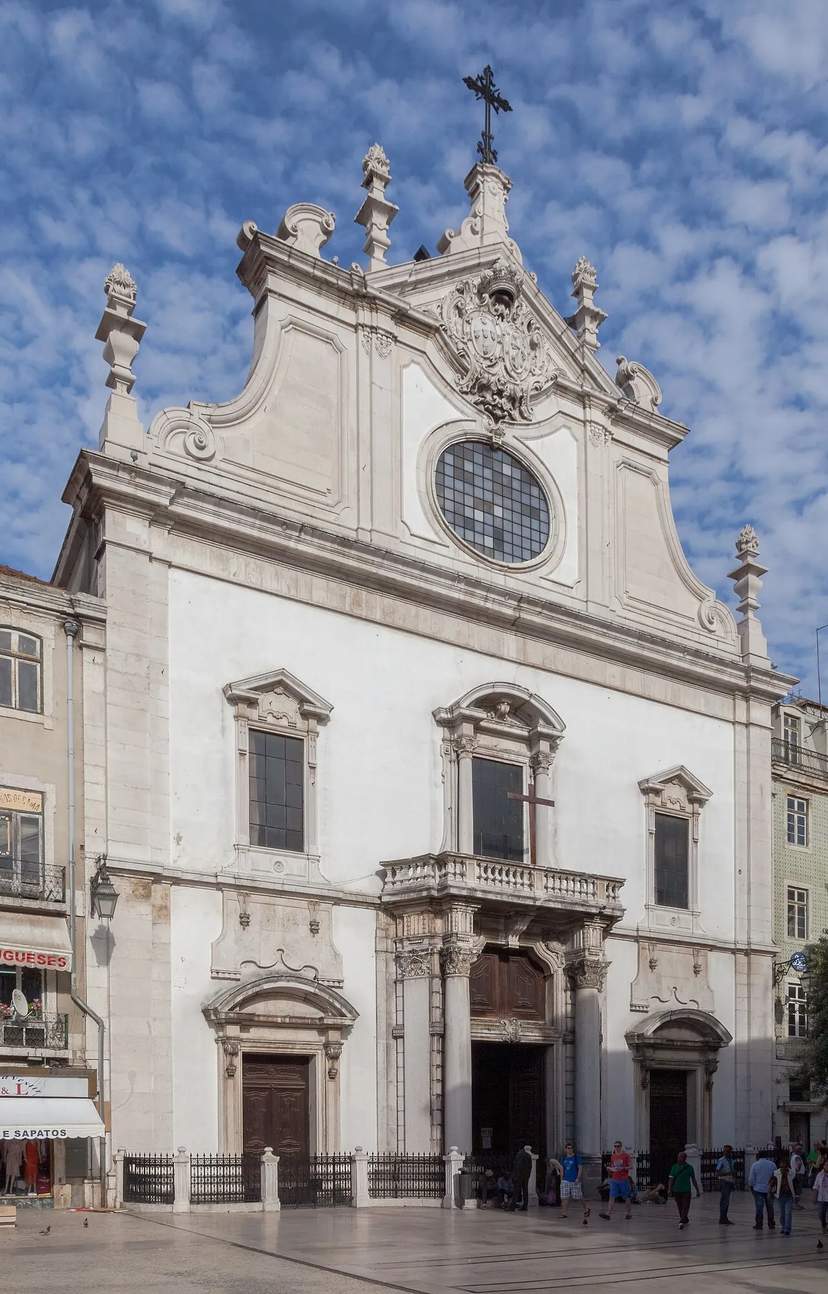 Igreja de São DomingosMouraria · Churches & Religious SitesIgreja de São Domingos is a Roman Catholic church on Largo de São Domingos, 1169-060 Lisboa, in the Mouraria neighbourhood. It stands just off Rossio Square and is classified as a National Monument. The church opens every day from 07:30 to 19:00, and admission is free. The nearest metro station is Rossio, on the green line, and the Santa Justa Elevator and the Rua Augusta Arch are within walking distance. The building has a long and sometimes grim past. It was dedicated in 1241, and Visit Lisboa credits King Sancho II with building it in the 13th century. At one time it was the largest church in Lisbon, and before the Portuguese republic was established in 1910 it typically hosted royal weddings. The São Domingos Convent stood on the site before the 1755 earthquake, and the Inquisition read out its sentences from there. People condemned for heresy by the Inquisition's neighbouring palace were taken out to be publicly executed in Rossio. In 1761 the Jesuit missionary Gabriel Malagrida was executed at the church after being accused of treason. In 1506, during Holy Week, a mob killed people accused of secretly being Jewish in the church and its square. A monument at the centre of the square now remembers them, facing a faded mural with the words "Lisbon, City of Tolerance" in 34 languages. The square is also a meeting point for the city's African community, since the church once had a black priest. Disaster struck the building more than once. An earthquake in 1531 damaged it and the 1755 earthquake almost completely destroyed it; rebuilding began quickly but was not finished until 1807. On 13 August 1959 a fire broke out just after dawn near the high altar. More than 100 firefighters attended, the roof collapsed, and two firefighters died. The blaze took over six hours to put out and gutted the church, destroying paintings, statues, the pipe organ and a 17th century image of Our Lady of the Rosary. The church reopened in 1994, and the restoration kept many traces of the fire. Scorched pillars and cracked stone slabs remain, and the chancel and its sculptures were never restored. The high altar has red marble columns supporting a sculptural composition of the Holy Trinity, and the high chapel was designed by the architect Ludovice. The sacristy long held the remains of King Afonso III before they were moved to Alcobaça. Art from other churches was brought here after the fire.
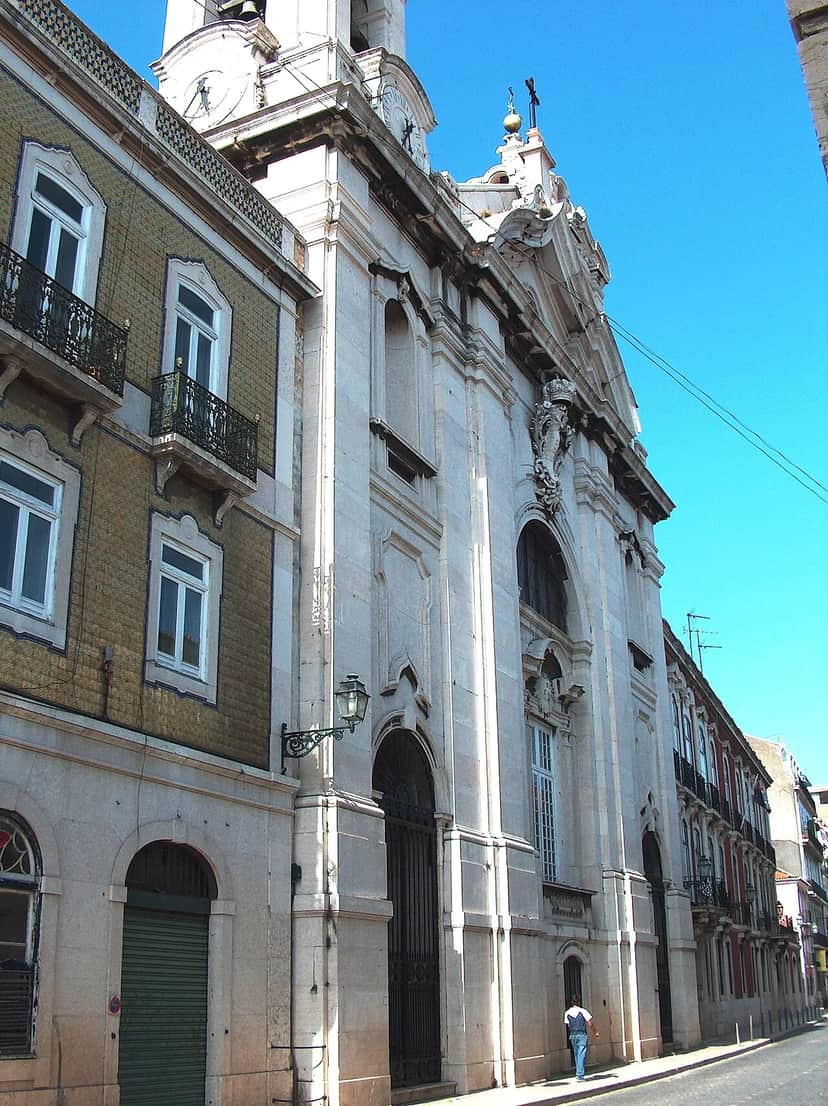 Igreja de São Francisco de PaulaSantos · Churches & Religious SitesThe Church of São Francisco de Paula, also referred to as the Convent of São Francisco de Paula, is located at Rua Presidente Arriaga, 86, in the parish of Estrela in Lisbon, in the historic area of the Pampulha neighbourhood.
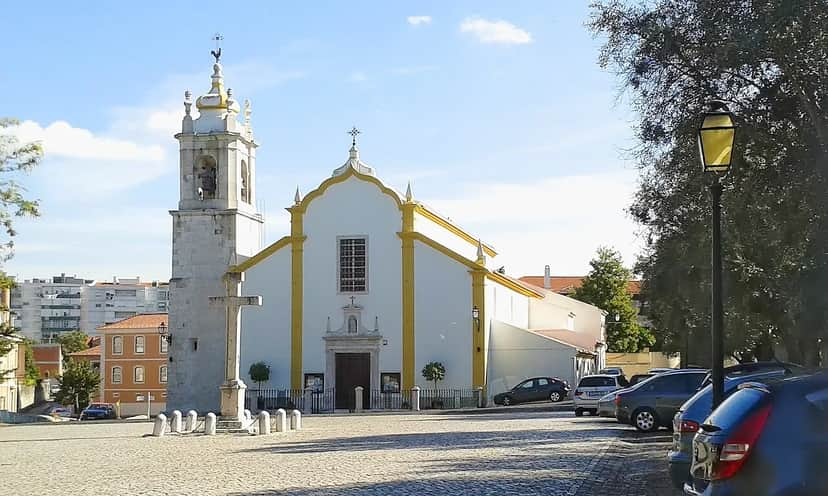 Igreja de São João Baptista (Lumiar)Lisbon · Churches & Religious SitesThe Igreja de São João Baptista, or Lumiar Parish Church, is located in Lisbon, in the parish of Lumiar, and forms part of the Paço do Lumiar complex together with the Palácio do Monteiro-Mor, the Museu Nacional do Traje and the Museu Nacional do Teatro e da Dança. The broad churchyard includes a stone cross dated 1619, according to the inscription on its base.
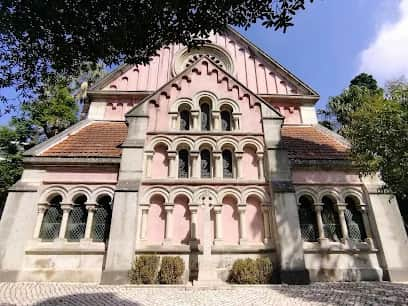 Igreja de São JorgeLapa · Churches & Religious SitesRua Saraiva de Carvalho s/n, 1269-099 Lisboa
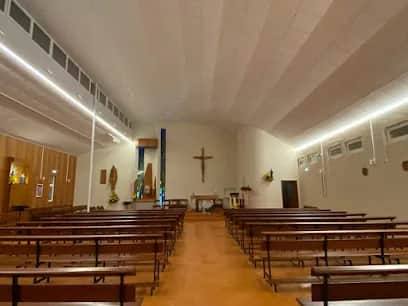 Igreja de São JoséLisbon · Churches & Religious SitesRua Cidade de Bissau s/n, 1800-075 Lisboa
Powered by Foursquare ·Photo and data credits ▾
Photos: Sete Margens · GualdimG (CC BY-SA 4.0), via Wikimedia Commons · Chabe01 (CC BY 4.0), via Wikimedia Commons · Dá nas Vistas · DataForSEO · Erva Danninha (CC BY-SA 3.0), via Wikimedia Commons · Joao.pimentel.ferreira (CC BY 3.0), via Wikimedia Commons · SchiDD (CC BY 3.0), via Wikimedia Commons · Vitor Oliveira from Torres Vedras, PORTUGAL (CC BY-SA 2.0), via Wikimedia Commons · Kent Wang (CC BY 4.0), via Wikimedia Commons · Diego Delso (CC BY-SA 3.0), via Wikimedia Commons · João Carvalho (CC BY-SA 3.0), via Wikimedia Commons · Juntas (CC BY-SA 4.0), via Wikimedia Commons · Data: © OpenStreetMap contributors · Wikidata (CC0) · Wikipedia (CC BY-SA 4.0)
