

Filters (0)
Rating▾
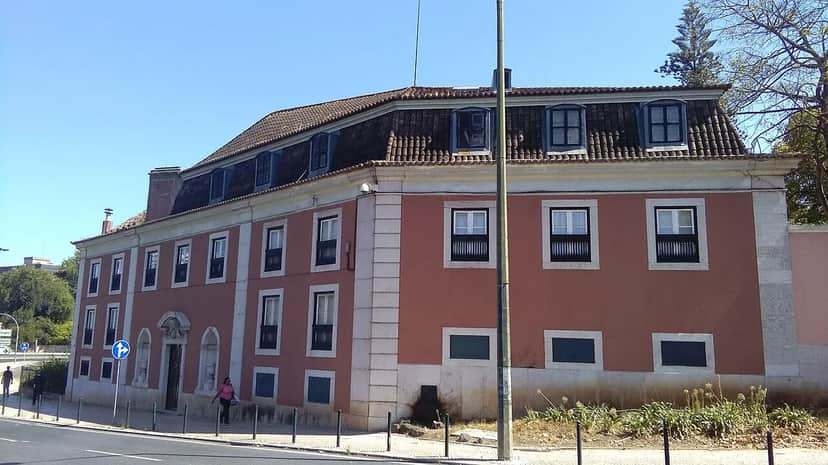 Palácio de PalhavãAvenidas Novas · Monuments & Historic BuildingsThe Palácio de Palhavã is a palace in the city of Lisbon, built in the 17th century in an area then considered to lie outside the city, in the rural parish of S. Sebastião da Pedreira. The Palace, as described by the art historian Monterroso Teixeira, has a character "governed by seigneurial display, a setting of power and representation".
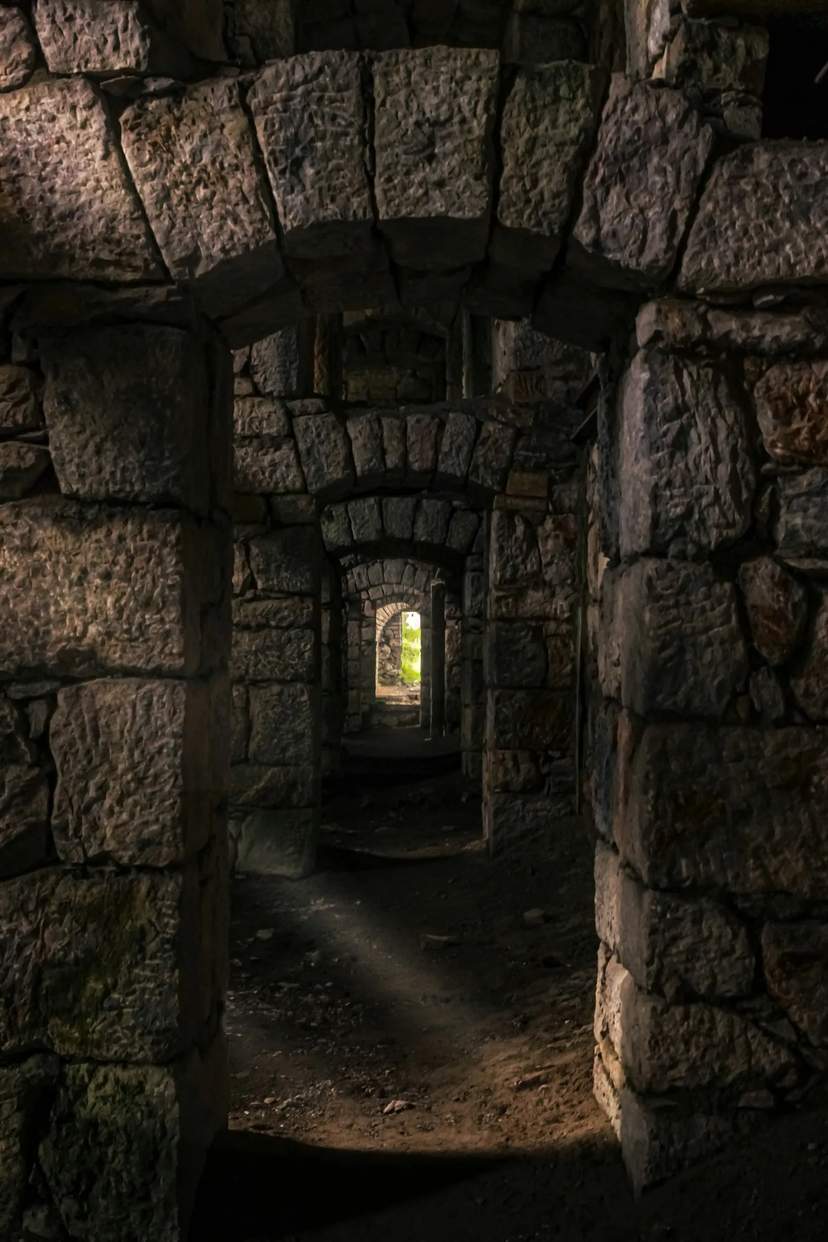 Palácio de Sá da BandeiraAvenidas Novas · Monuments & Historic Buildings · Illustrative photoLargo de São Sebastião da Pedreira, 1050-019 Lisboa
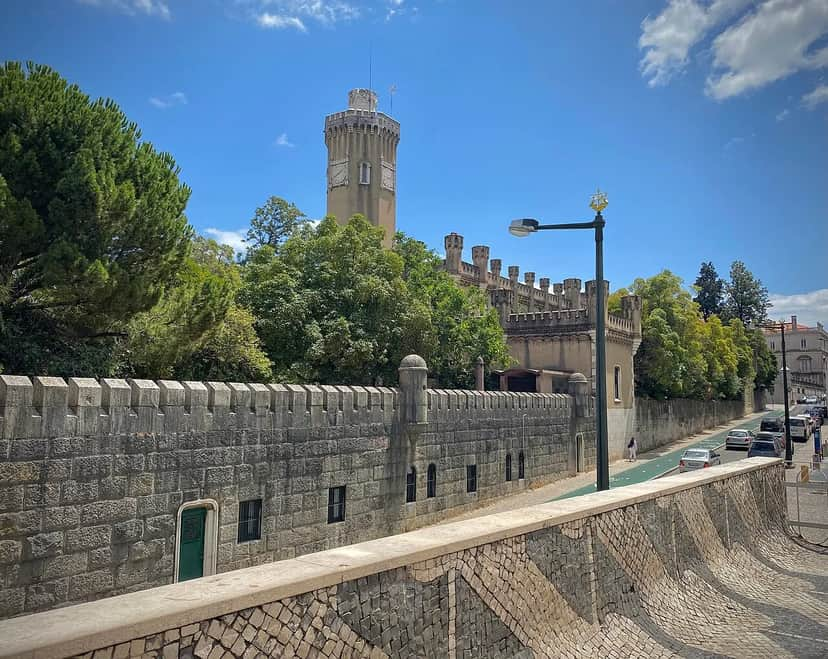 Palácio de Santa GertrudesAvenidas Novas · Monuments & Historic BuildingsRua Doutor Nicolau de Bettencourt s/n, 1050-021 Lisboa
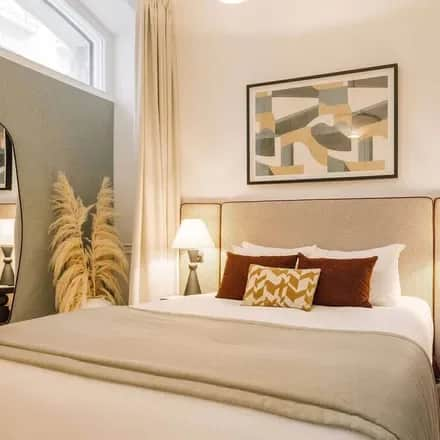 Palácio de São RoqueBairro Alto · Monuments & Historic BuildingsLargo Trindade Coelho 22, 1200-470 Lisboa
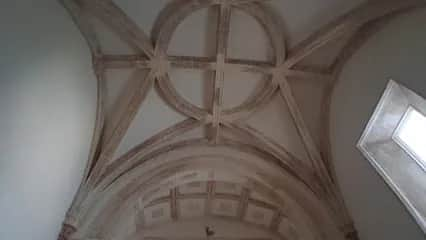 Palácio de ValfloresLoures · Monuments & Historic BuildingsRua da Alvorada, 2690-143 Santa Iria de Azóia
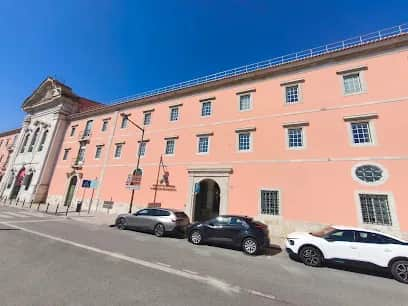 Palácio de XabregasLisbon · Monuments & Historic BuildingsRua de Xabregas 22, 1900-440 Lisboa
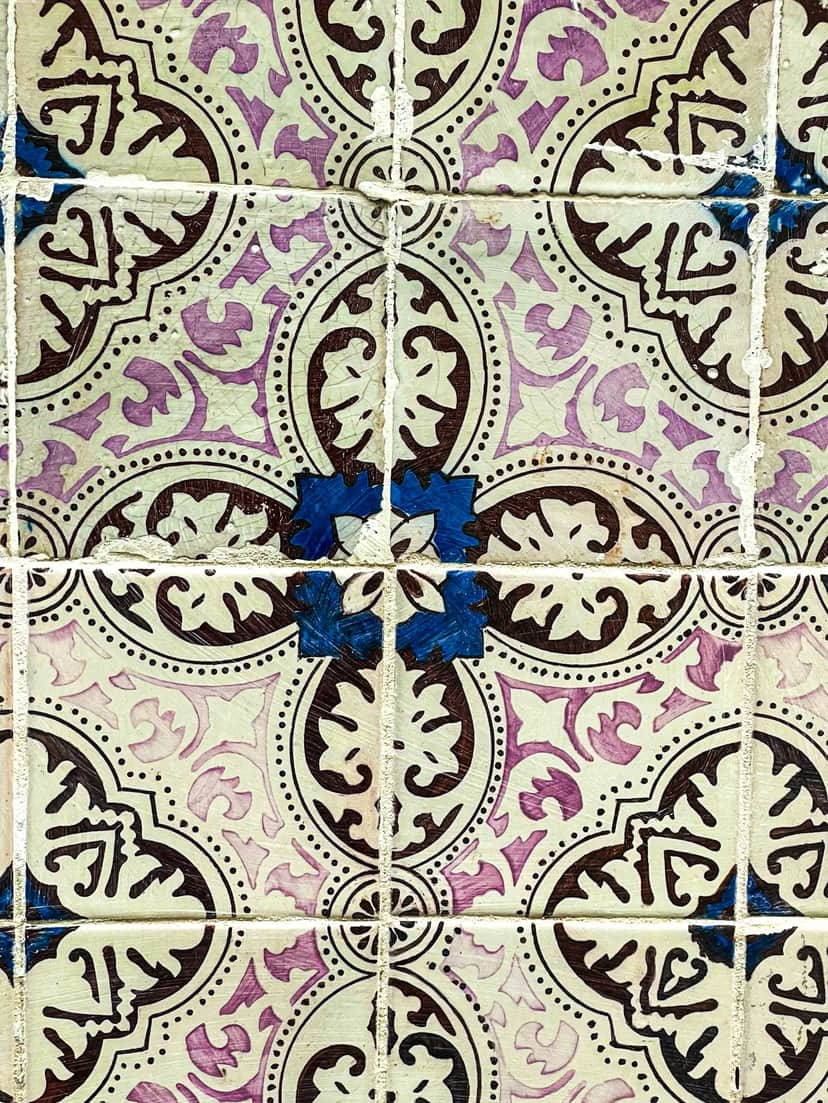 Palácio do AlfeiteAlmada · Monuments & Historic Buildings · Illustrative photoThe royal palace of Alfeite, also known as Palácio da Quinta Real do Alfeite, Paço Real do Alfeite, Palácio do Alfeite and Headquarters of the Command of the Lisbon Naval Base, is located within the perimeter of the Lisbon Naval Base, in the current parish of Laranjeiro e Feijó, in the Municipality of Almada.
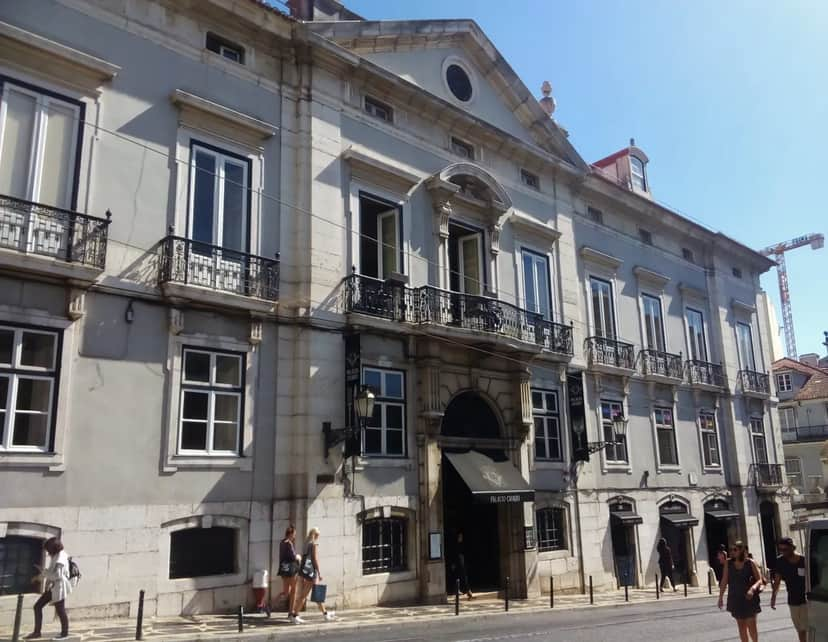 Palácio do Barão de Quintela e Conde de FarroboChiado · Monuments & Historic BuildingsThe Palácio Quintela, also known as the Palace of the Baron of Quintela and Count of Farrobo, is a palace in the parish of Misericórdia, Lisbon, built in the late 18th century at the initiative of the family of the Barons of Quintela as their residence.
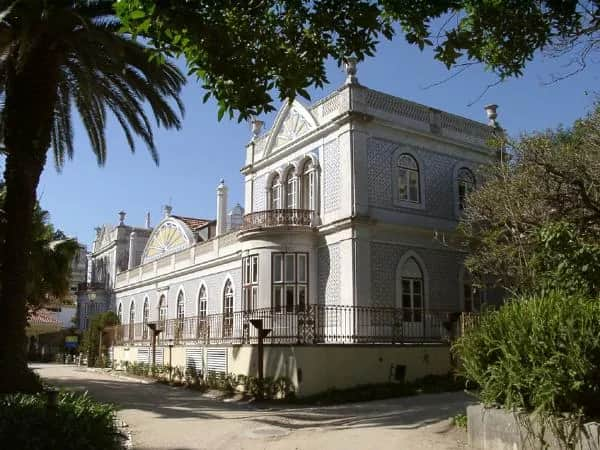 Palácio do Beau SéjourLisbon · Monuments & Historic BuildingsThe Palacete do Beau-Séjour was built as a summer house in the Romantic taste, on an estate acquired in 1849 by the Viscountess of Regaleira. Still in the 19th century, the property was sold to the Baron of Glória, António José Leite de Guimarães...
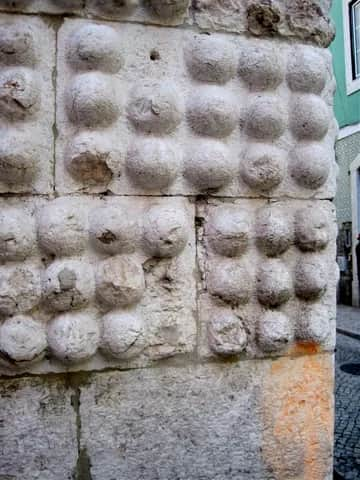 Palácio do Bichinho de ContaBairro Alto · Monuments & Historic BuildingsThis 17th-century palace belonged to the Monteiro Paim family, later Counts of Alva, and changed ownership at the end of the 19th century, when it was acquired by Leopoldo Wagner, who lived in it at the same time as the Pita e Castro family...
 Palácio do CalharizBairro Alto · Monuments & Historic BuildingsIt was built in the early 18th century and later rebuilt and enlarged (19th century), while maintaining the same architectural layout. The palace's history records different functions, from aristocratic and political to a venue for a mu...
 Palácio do CoimbraBarreiro · Monuments & Historic BuildingsLargo do Palácio do Coimbra, 2830-317 Barreiro
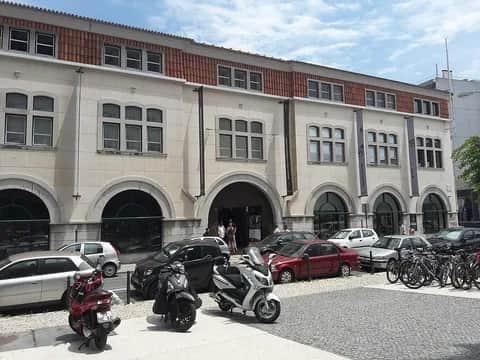 Palácio do Conde-Barão de AlvitoSão Bento · Monuments & Historic BuildingsThis is a palatial building of plain architecture, built at the end of the 16th century and transformed in 1606, undergoing some restoration work in the 18th, 19th and first half of the 20th centuries. It was the residence of the Barons of Alvito...
- Palácio do Conde de FarroboLisbon · Monuments & Historic Buildings · Illustrative photoThe Palácio do Conde de Farrobo was built in 1779, according to the design of the Oratorian Father Bartolomeu Quintela. This construction, with an E-shaped plan, reflects a main core, corresponding to the palace, and three projecting wings. The main façade,
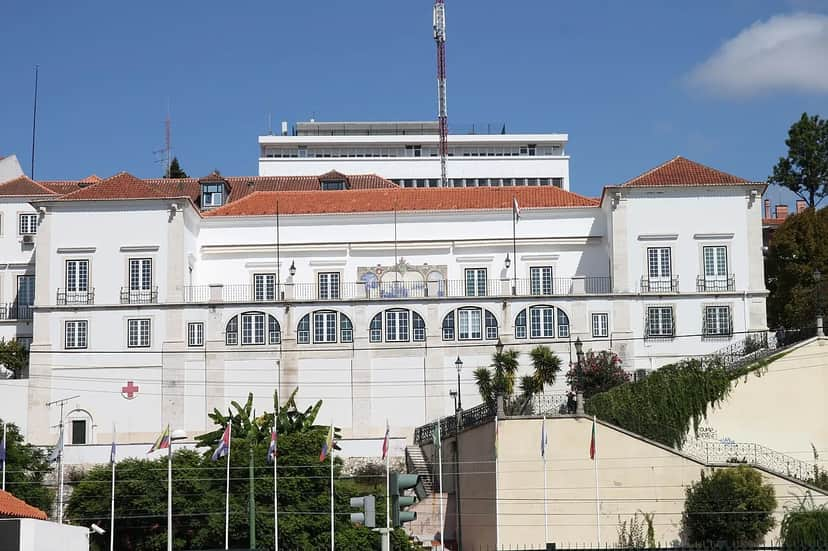 Palácio do Conde de ÓbidosSantos · Monuments & Historic BuildingsThe Palácio dos Condes de Óbidos, also called the Palácio da Rocha because it sits atop a huge crag that was once visible from the Tagus — now largely levelled and hidden — was built by D. Vasco de Mascarenhas in the 17th century. Its entrance is on Jardim 9 de Abril, in the parish of Estrela, in Lisbon (Portugal), and it is the current headquarters of the Portuguese Red Cross.
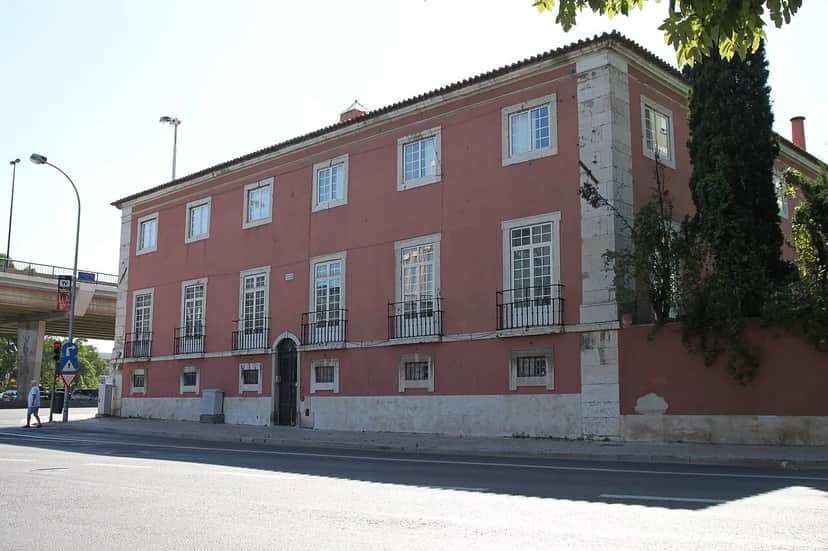 Palácio do Conde de VimiosoAlvalade · Monuments & Historic BuildingsReflecting Mannerist civil architecture, this palace, possibly dating from the 17th century, was remodelled in the 18th and 19th centuries. Classified as a Building of Public Interest, it has a square plan and is characterised by its horizontality
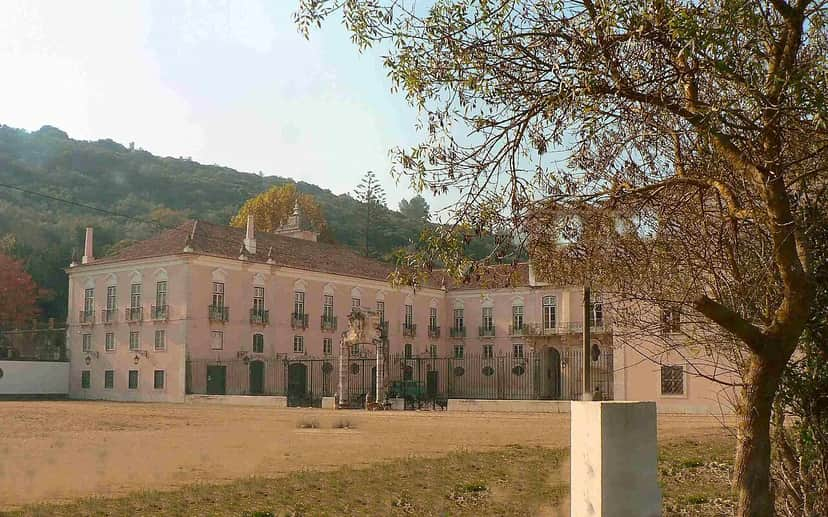 Palácio do Correio-MorLoures · Monuments & Historic BuildingsThe Palace of the Correio-Mor, Loures, is a palatial residence in the civil parish of Loures, in the municipality of the same name in the periphery of the Portuguese capital of Lisbon. The imposing Baroque-era residence, is a U-shaped layout, consisting of a courtyard leading to a staircase and a two-storey building decorated in azulejos, stucco artistic works, and paintings that were once home to the Counts and Marquesses of Penafiel. Appropriately translated into British English, the Estate is called Palace of the Postmaster General of Portugal.
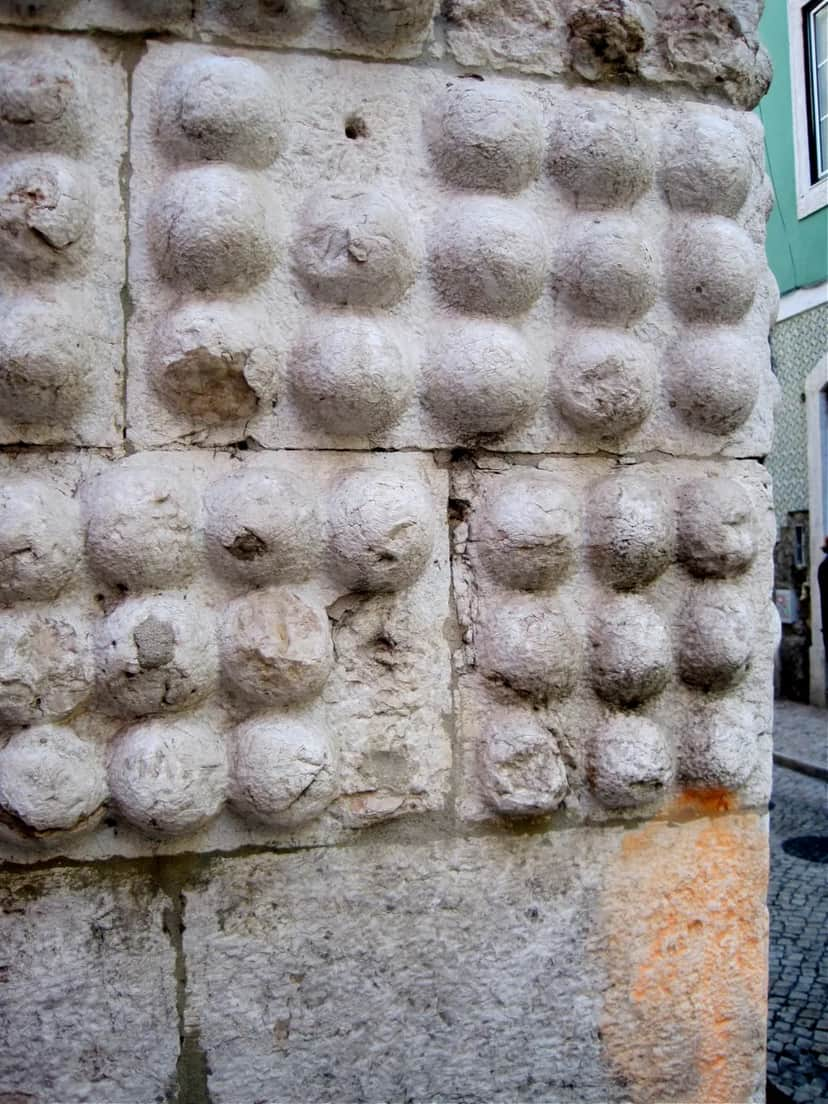 Palácio do Cunhal das BolasBairro Alto · Monuments & Historic BuildingsThe Palácio do Cunhal das Bolas is a famous Renaissance palace in Lisbon's Bairro Alto, characterised by the large spheres of carved stone on one of its great stone corner blocks facing the street, which are said to have originally been covered in real gold.
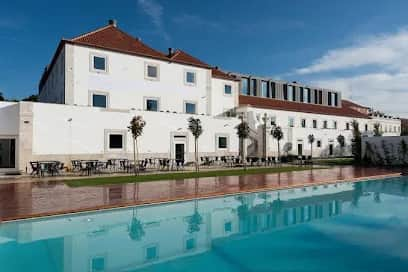 Palácio do GovernadorBelém · HotelsRua Bartolomeu Dias 117, 1400-030 Lisboa
 Palácio do Grémio LusitanoBairro Alto · Monuments & Historic BuildingsA palace dating from the 17th century, which housed the Grémio Lusitano, an association for education and leisure intended to provide the legal framework for Masonic activities in Portugal, from the last quarter of the 19th century onward...
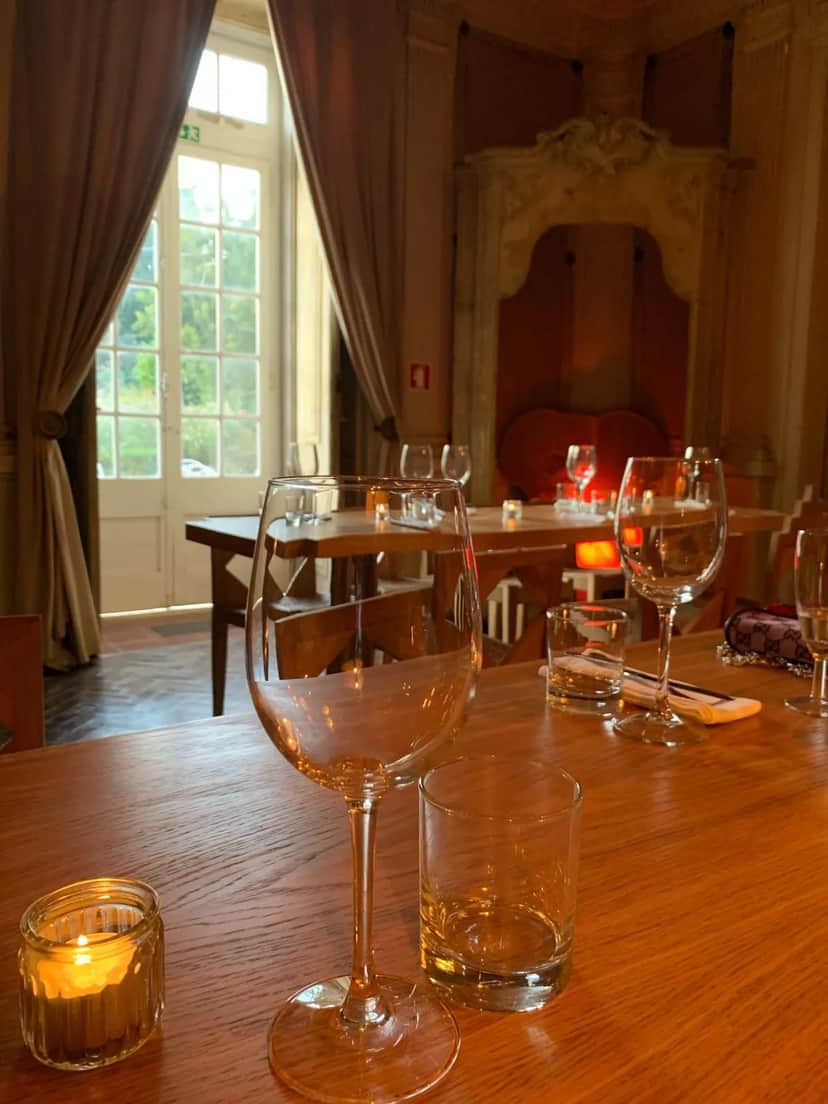 Palácio Do GriloLisbon · Monuments & Historic BuildingsPalácio Do Grilo stands at Calçada do Dq de Lafões 1, 1950-099 Lisboa, in Lisbon's Beato neighbourhood. This 18th-century palace is a museum, restaurant, bar and theatre in one, and visitors can treat it as whichever suits them. More than 200 rooms can be visited. The palace opens every day from 11am to midnight, and entrance is free. The palace has a history of over three centuries. Pedro Henrique de Bragança, the 1st Duke of Lafões, conceived it in the 18th century. ACUMEN Magazine calls him Dom Pedro, gives his years as 1718-1761, and describes him as a distant member of the Portuguese royal family, an illegitimate grandson of King Pedro II and Minister of Justice. Around 1750 he was a rival of the Marquis of Pombal. The grand project aimed to turn the dukes' small summer farm into their permanent residence. The setting lies on the banks of the Tagus River. Inside, sets of mural paintings by Cirilo Wolkmar Machado and tiles from the 18th and 19th centuries belong to themed rooms such as the Academy Room, the Venus Room and the Chinese Room. The rectangular chapel holds a gilded carved panel from the second half of the 18th century. Julien Labrousse, a French businessman who swapped Paris for Lisbon, found a notebook written by the Duke, in which the Duke imagined a place that is not quite a place, where the soul could take flight in whatever way suits it. Condé Nast Traveler says Labrousse bought the palace in 2020, and Visit Lisboa says it reopened in June 2022. He adapted it following the Duke's wishes, and his team kept the setting faithful to its origins, adding only a few new pieces of furniture and decoration while leaving the rest untouched. Actors and dancers perform in the various rooms, and ACUMEN Magazine says the staff are actors, with part of the company living in the palace. It credits the French visual artist Olivier Urman with staging shows that unfold with each course, described as whimsical and almost surreal, with a touch of humour. Condé Nast Traveler describes performers who parade, crawl or yell around diners. Its review also mentions a small discotheque and a bar serving cocktails. ACUMEN lists a menu of 27-month aged Iberian ham, gazpacho, fresh swordfish and homemade sorbets, plus a Portuguese wine list. Condé Nast mentions burrata and pumpkin with crispy sage, and lamb loin with pistachio paloise and goose fat potatoes.
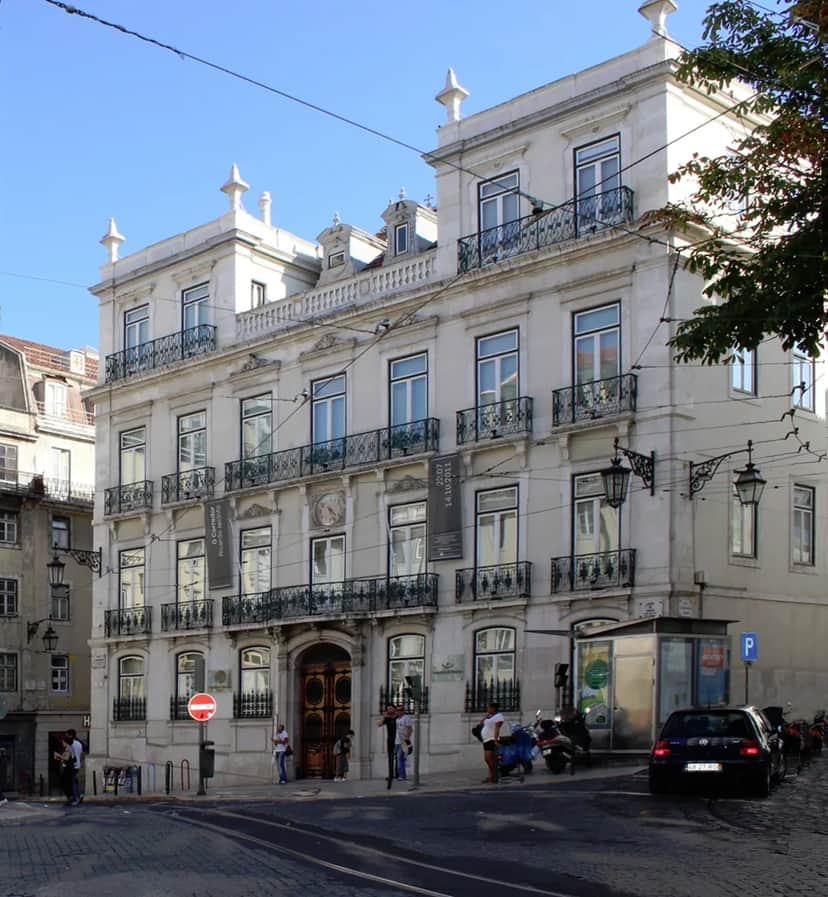 Palácio do LoretoChiado · Monuments & Historic BuildingsLargo do Chiado, 1200-310 Lisboa
- Palácio do MachadinhoSantos · Monuments & Historic Buildings · Illustrative photoWith origins dating back to the 17th century and rebuilt in the second half of the following century, this palace underwent significant transformations in 1860 that destroyed the church and much of the interior. Acquired by the municipality in 1948...
- Palácio do ManteigueiroBairro Alto · Monuments & Historic Buildings · Illustrative photoAlso known as Palácio Condeixa, it was built at the end of the 18th century. Its construction plan is owed to the Pombaline architect Manuel Caetano de Sousa. With an imposing 18th-century architecture, the palace went from a residence to...
Powered by Foursquare ·Photo and data credits ▾
Photos: RicardoFilipePereira (CC BY-SA 4.0), via Wikimedia Commons · Photo by Sergej Kaldesić on Unsplash · Sharon Hahn Darlin (CC BY 2.0), via Wikimedia Commons · rentberry.com · DataForSEO · Photo by Bernd Dittrich on Unsplash · RickMorais (CC BY-SA 4.0), via Wikimedia Commons · Rosário Carvalho, IPPAR (Attribution), via Wikimedia Commons · Mapcarta · João Carvalho (CC BY-SA 3.0), via Wikimedia Commons · Paulo Juntas (CC BY-SA 3.0), via Wikimedia Commons · ralmonline alm (CC BY 2.0), via Wikimedia Commons · Bruno Almeida (CC BY-SA 3.0), via Wikimedia Commons · Data: © OpenStreetMap contributors · Wikipedia (CC BY-SA 4.0) · Wikidata (CC0)
