

‹
⌕
Areas
⌖Campo de Ourique219⌖Graça151⌖Belém238⌖Alcântara202⌖Estrela40⌖Baixa309⌖Chiado232⌖Príncipe Real451⌖Mouraria160⌖Alfama181⌖Cais do Sodré161⌖Santos111⌖Lapa63⌖São Bento175⌖Saldanha507⌖Anjos166⌖Bairro Alto316⌖Arroios227⌖Avenidas Novas250⌖Alvalade293⌖Parque das Nações175⌖Intendente77⌖AlmadaNearby town533⌖LouresNearby town212⌖OeirasNearby town216⌖AmadoraNearby town177⌖MontijoNearby town125⌖SeixalNearby town82⌖OdivelasNearby town131⌖BarreiroNearby town71⌖SintraNearby town6Places in Lisbon
Loading...
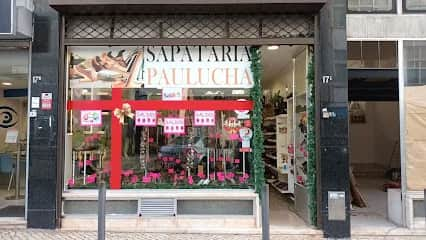 PauluchaOpens in a new tabAlcântara · Fashion & Apparel
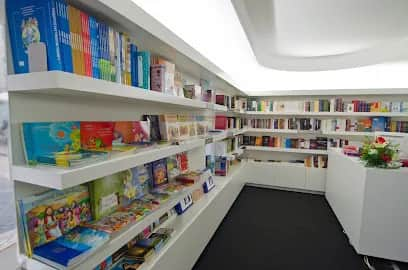 Paulus LivrariaOpens in a new tabBaixa · Books, Music & Art Shops
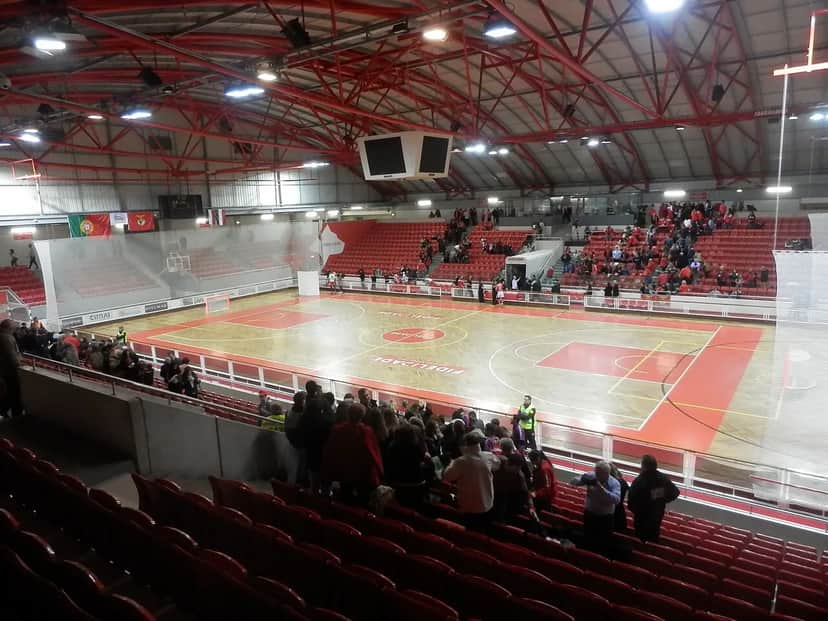 Pavilhão 1Opens in a new tabLisbon · Sports & FitnessThe Pavilhão da Luz Nº 1, currently known as Pavilhão Fidelidade for sponsorship reasons, is the main arena of Portuguese multi-sport club S.L. Benfica. It has a full capacity of 2,456 seats and is mainly used by the basketball, futsal and roller hockey departments of the club.
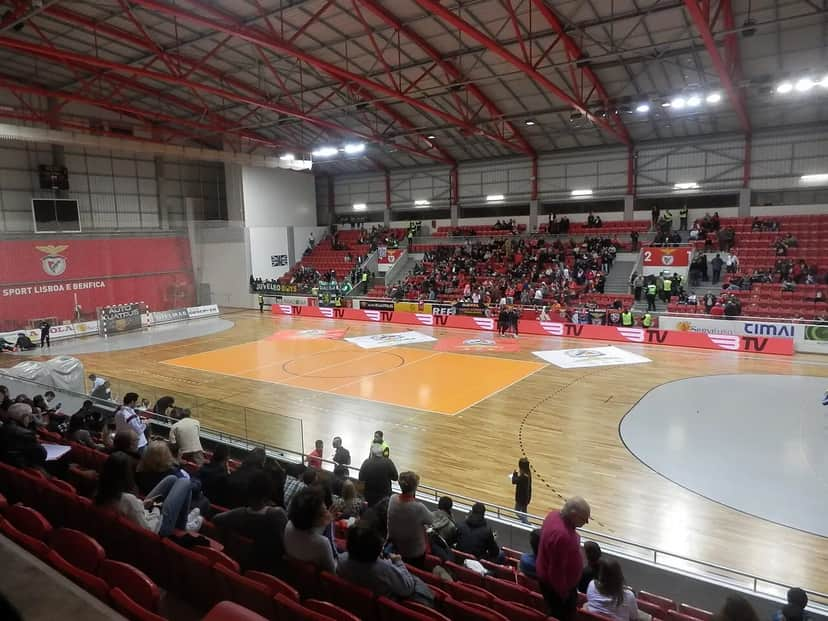 Pavilhão 2Opens in a new tabLisbon · Sports & FitnessPavilhão da Luz N.º 2 is the second arena of the Portuguese sports club Sport Lisboa e Benfica. It seats 1,800 and is used by the club's futsal, handball and volleyball departments. This pavilion has only two stands (along the sides), whereas Pavilhão Fidelidade has four.
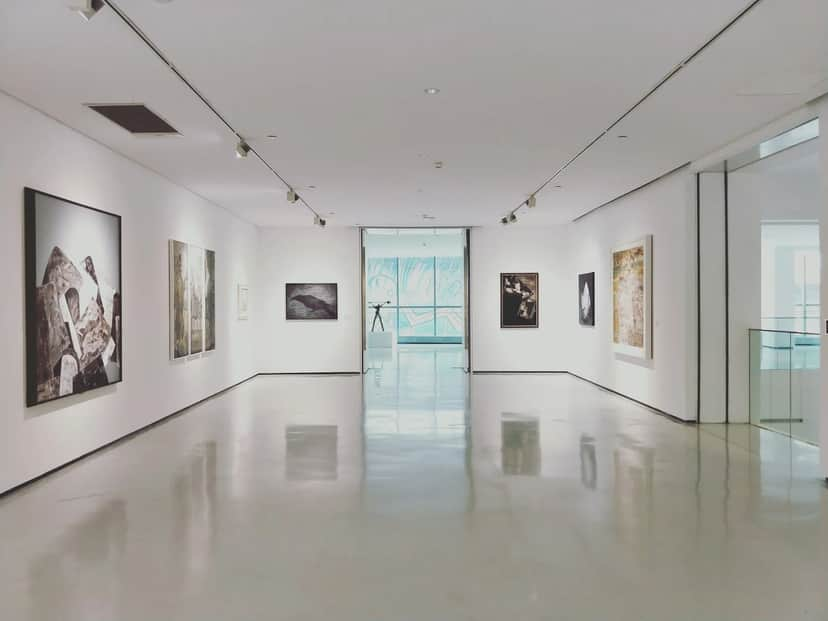 Pavilhão 31Opens in a new tabAlvalade · Art Galleries · Illustrative photo
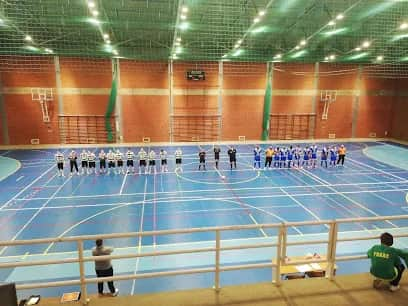 Pavilhão António Feliciano BastosOpens in a new tabLoures · Courts, Fields & Sports Clubs
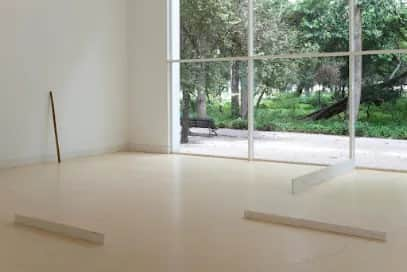 Pavilhão BrancoOpens in a new tabAlvalade · Art Galleries
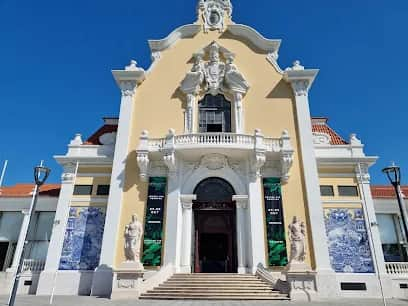 Pavilhão Carlos LopesOpens in a new tabSaldanha · Courts, Fields & Sports Clubs
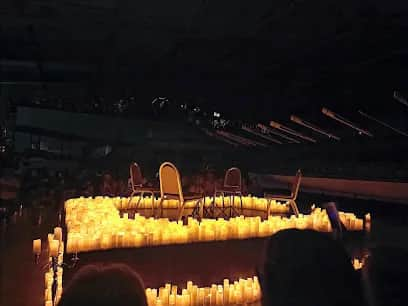 Pavilhão das GaleotasOpens in a new tabBelém · Museums
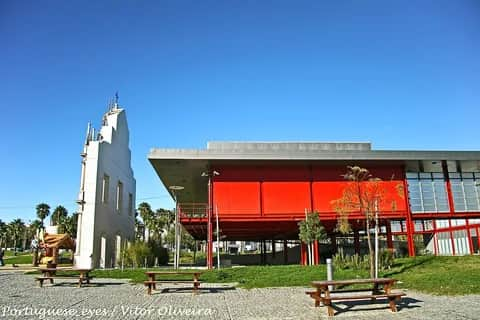 Pavilhão de MacauOpens in a new tabLisbon · Museums
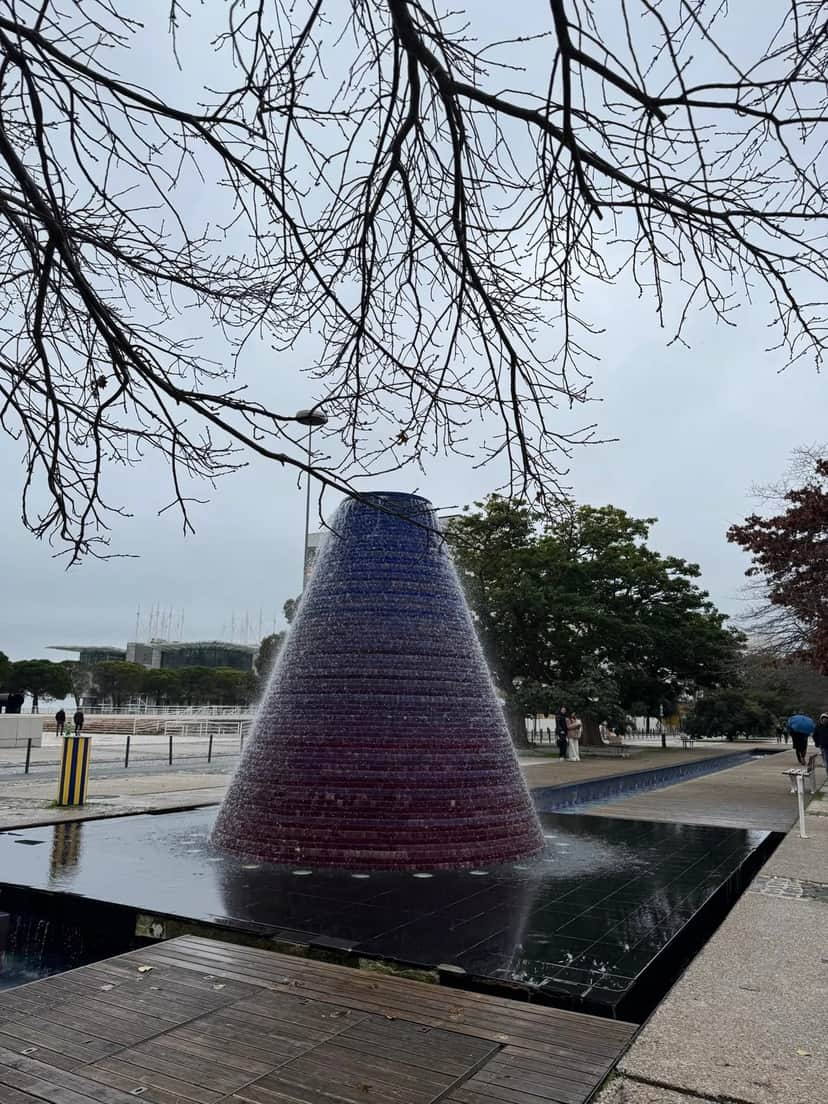 Pavilhão de PortugalOpens in a new tabParque das Nações · Sights & LandmarksThe Pavilhão de Portugal stands in Parque das Nações, the Lisbon district reshaped by the 1998 World Expo, with its address given as Cais Português, 1990-221 Lisboa. The building was created to house Portugal's national representation at Expo '98 and was inaugurated on 22 May 1998. Álvaro Siza Vieira designed it, working with the engineer António Segadães Tavares. It has two floors and a contemporary architectural style. The entrance area is a large square sheltered by a pre-stressed concrete canopy. The idea behind the roof is a sheet of paper laid across two bricks, and the concrete weighs 1,400 tonnes. Visit Lisboa describes the roof as an award-winning piece of engineering, and the building itself received the Prémio Valmor. In 2010 it was designated a Portuguese National Monument, with the category Monument of Public Interest. Seen from far away, the building conveys beauty and strength, and it envelops you as you get closer. When the exhibition ended, the pavilion sat empty while its future was debated. Suggestions included turning it into the headquarters of the Council of Ministers or into an architecture museum. In March 2015 the press reported that it would be sold to settle part of Parque Expo's debt to the State. Two months later, in May 2015, the Minister of Environment, Spatial Planning and Energy, Jorge Moreira da Silva, announced that it was being handed to the University of Lisbon, which became responsible for its upkeep. The university intends to be active in education, scientific research and the promotion of knowledge. Plans for the building include an auditorium for 600 people, exhibition rooms, offices, meeting rooms and a restaurant. A rehabilitation and requalification contract was set for 2019 to 2021, with total spending capped at 9.3 million euros, with value-added tax on top. Visit Lisboa says the building will be one of the city's major cultural hubs. The opening hours listed are Tuesday to Sunday from 10:00 to 18:00, and the venue is closed on Mondays. Because interior access depends on the programming, check the Visit Lisboa guide to learn whether the exhibition spaces are open on the day. The Oceanário de Lisboa and the Pavilhão do Conhecimento are nearby attractions in Parque das Nações. Gare do Oriente, served by metro, trains and buses, is an easy walk away. Walking around the perimeter shows how different the hanging roof looks from a distance compared with standing under its shade.
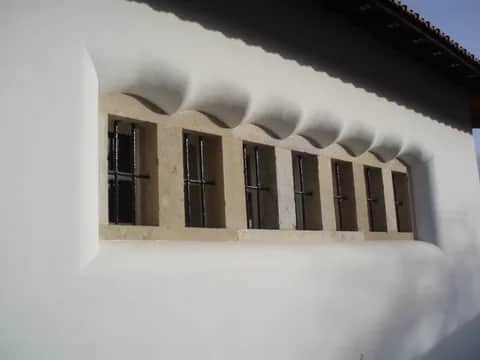 Pavilhão de SegurançaOpens in a new tabArroios · Monuments & Historic BuildingsBuilt in 1896 to confine the 'criminal insane', it is one of the rare buildings still standing in Europe that follows the panopticon system of architecture.
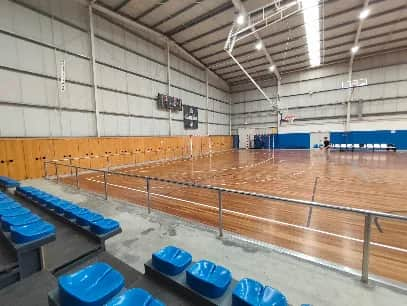 Pavilhão Desportivo Bairro Padre CruzOpens in a new tabLisbon · Sports & Fitness
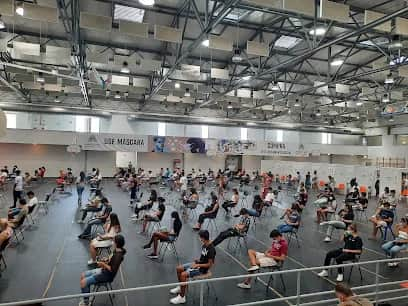 Pavilhão Desportivo Escolar Municipal Rita BorralhoOpens in a new tabAmadora · Courts, Fields & Sports Clubs
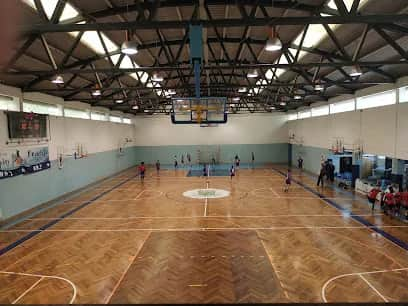 Pavilhão Desportivo Municipal José CaeiroOpens in a new tabAmadora · Courts, Fields & Sports Clubs
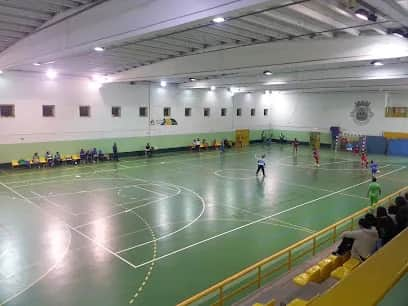 Pavilhão Desportivo Municipal N.º2Opens in a new tabMontijo · Sports & Fitness
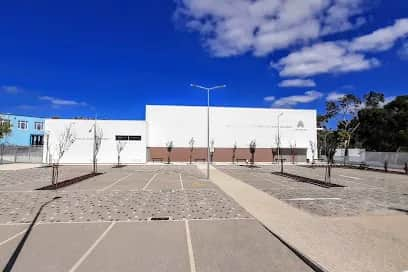 Pavilhão Desportivo Municipal Nuno DelgadoOpens in a new tabAmadora · Courts, Fields & Sports Clubs
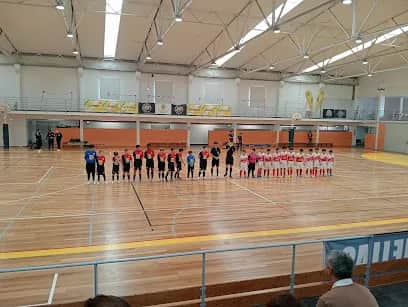 Pavilhão Desportivo Noronha FeioOpens in a new tabLisbon · Courts, Fields & Sports Clubs
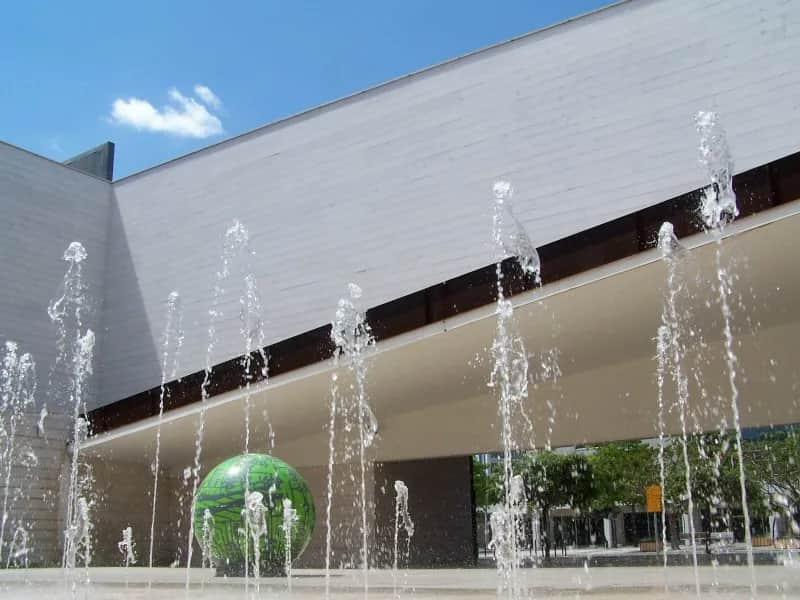 Pavilhão do ConhecimentoOpens in a new tabLisbon · MuseumsIt’s an interactive science museum that opened its doors to the public on July 25, 1999. Designed by João Luís Carrilho da Graça and António Adão da Fonseca, the Pavilhão do Conhecimento dos Mares (Knowledge of the Seas Pavilion) won the 1998 Valmor and Municipal Architecture Prize. Post Expo, the Knowledge of the Seas Pavilion was closed and restored to house The Pavilhão do Conhecimento, where it stands today. Explora originally debuted at the Exploratorium in San Francisco and featured 40 exhibits covering various issues, such as how the human mind and eyes perceive the world, waves, and complex systems. The exhibit gives visitors the opportunity to touch a tornado. Children ages 3 to 12 can enjoy TCHARAN! Circus of Experiments. The exhibit features a room with mirrors, and a musical floor, giant kaleidoscope, and a construction site, Unfinished House. Other exhibits let visitors interact with virtual animals and fish and participate in large scale installations, like a flying bicycle. Adult tickets are €15, Youth (3-17) are €10, Seniors (65+) are €11. A family ticket (2 Adults + Children 17 and under) is €35. There are discounts for people with special needs. Free entrance is offered on 16th May, 25th July, and 24th November, and the museum is closed on 24th, 25th, and 31st December and on 1st January. The average visit lasts 1 hour and 30 minutes. Oriente train and subway station is nearby, as well as the Carris bus stop Oceanário Lisboa. Guide dogs are allowed. Ramps, lifts and accessible bathrooms are available. The ticket office has strollers.
 Pavilhao do Conhecimento - Ciencia VivaOpens in a new tabLisbon · MuseumsPavilhão do Conhecimento - Centro Ciência Viva is a science communication venue hosting exhibitions such as "Era uma vez...", "Fishanário", "TCHARAN! Circo de Experiências", "Explora", "Mulheres na Ciência" and "Módulos em fuga", in addition to previous exhibitions and "Floresta: Uma Experiência de Raiz" from 24 October onwards. It has a cafeteria, a shop, an interactive virtual visit, exhibition and event space rentals, and organises birthday parties and activities for schools and families.
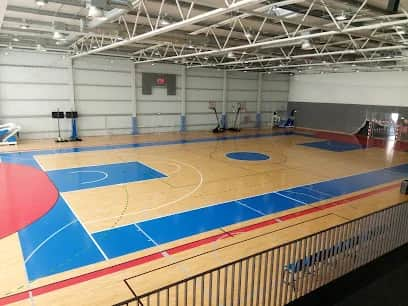 Pavilhão do OrienteOpens in a new tabLoures · Sports & Fitness
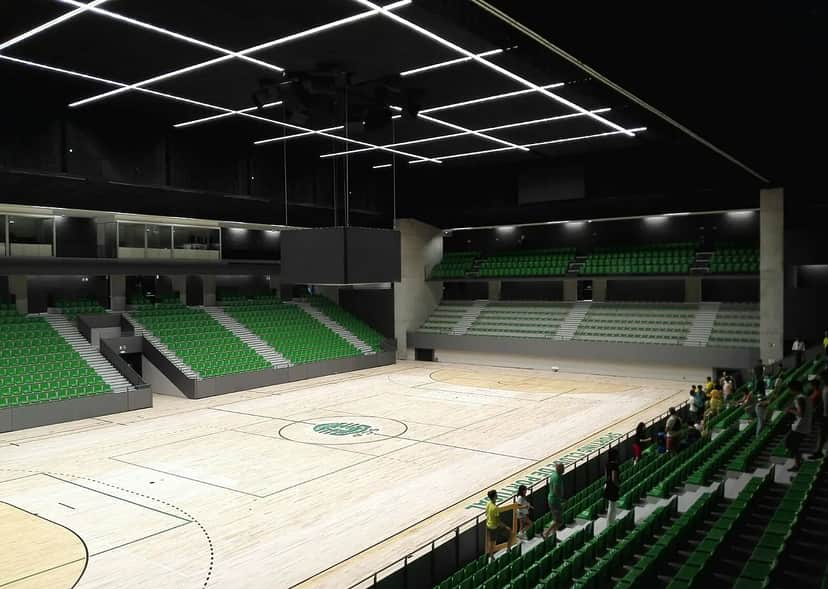 Pavilhão João RochaOpens in a new tabLisbon · Sports & FitnessPavilion João Rocha is a sports arena in Lisbon owned by Sporting CP. It is next to the Estádio José Alvalade and its address is Rua Francisco Stromp s/n, 1750-147 Lisboa. According to its hours of operation, it is open Monday through Saturday from 11:00 am to 7:00 pm and is closed on Sunday. The arena can seat 3,001 spectators. It is home to various Sporting CP teams and has tenants that play futsal, handball and roller hockey, as well as volleyball and basketball. It is also known as the Casa das Modalidades. The construction cost of the arena was 9,621,557 euros and it opened in 2017. Sporting CP's indoor arena, the Nave de Alvalade, was demolished to make way for the new Estádio José Alvalade. Until 2017, Sporting CP did not have a home arena and the various indoor sports teams were located throughout the Lisbon area. The name is in recognition of João Rocha’s presidency. During his 13 year presidency, Sporting counted 15000 athletes across 22 sports. The club also won 12 European titles. On 30th September 2012, it was unanimously decided that the new sports hall would be named Pavilhão João Rocha. Constructing the Pavilhão João Rocha formed part of the Missão Pavilhão project, initiated by Bruno de Carvalho after he was elected President of the Club in 2013. The project aimed to raise 10 million Euros to construct the Pavilhão João Rocha and renovate the Multidesportivo Sporting. Visitors of the José Alvalade stadium may also take the Stadium Tour and visit the Sporting Museum.
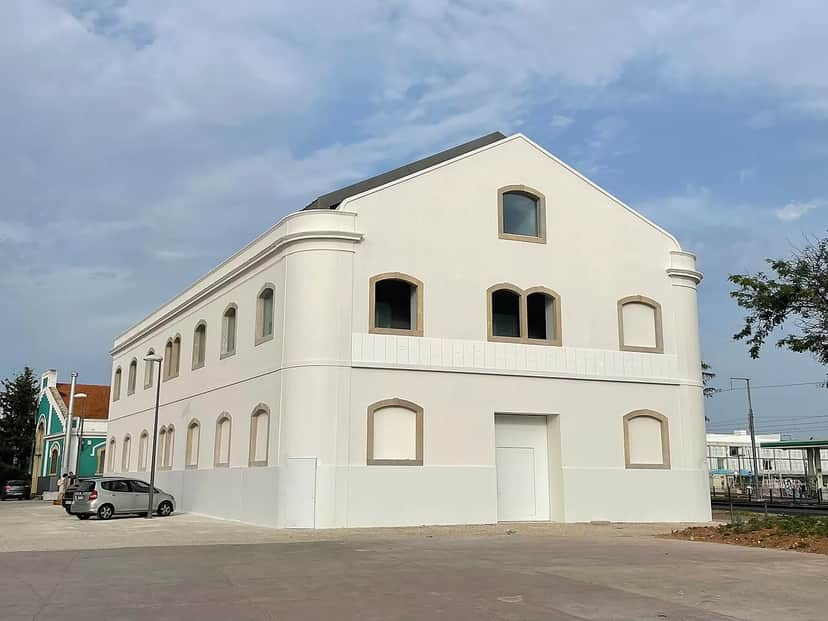 Pavilhão Julião SarmentoOpens in a new tabBelém · MuseumsPavilhão Julião Sarmento is a new museum in Lisbon, compact and intimate in scale and with an international vocation, housed in a former food warehouse restored as a contemporary art centre by architect João Luís Carrilho da Graça. It houses the collection of the artist Julião Sarmento (1948-2021), the anchor of a multidisciplinary programme spanning visual arts, film and performance.
 Pavilhão Liga de AlgésOpens in a new tabLisbon · Sports & FitnessA sports club in Algés offering futsal, figure skating, karate, kickboxing, chi kung and much more.
Powered by Foursquare ·Photo and data credits ▾
Photos: DataForSEO · Threeohsix (CC BY-SA 4.0), via Wikimedia Commons · Photo by Dannie Jing on Unsplash · pt.wikipedia.org · Lisboa Secreta · Filipe Rocha, sacavem (talk · contribs) - pt:Usuário:Sacavem (CC BY-SA 3.0), via Wikimedia Commons · pavconhecimento.pt · João Teles (CC BY-SA 4.0), via Wikimedia Commons · DiogoBaptista (CC BY-SA 4.0), via Wikimedia Commons · ligadealges.pt · Data: © OpenStreetMap contributors · Wikipedia (CC BY-SA 4.0) · © Overture Maps Foundation contributors (CDLA-Permissive-2.0)
