

Places in Lisbon
Loading...
‹
⌕
Areas
⌖Campo de Ourique218⌖Graça151⌖Belém238⌖Alcântara202⌖Estrela40⌖Baixa308⌖Chiado232⌖Príncipe Real452⌖Mouraria161⌖Alfama180⌖Cais do Sodré161⌖Santos111⌖Lapa63⌖São Bento175⌖Saldanha506⌖Anjos166⌖Bairro Alto316⌖Arroios226⌖Avenidas Novas251⌖Alvalade292⌖Parque das Nações175⌖Intendente77⌖AlmadaNearby town533⌖LouresNearby town212⌖OeirasNearby town215⌖AmadoraNearby town177⌖MontijoNearby town125⌖SeixalNearby town82⌖OdivelasNearby town130⌖BarreiroNearby town71⌖SintraNearby town6Places in Lisbon
Loading...
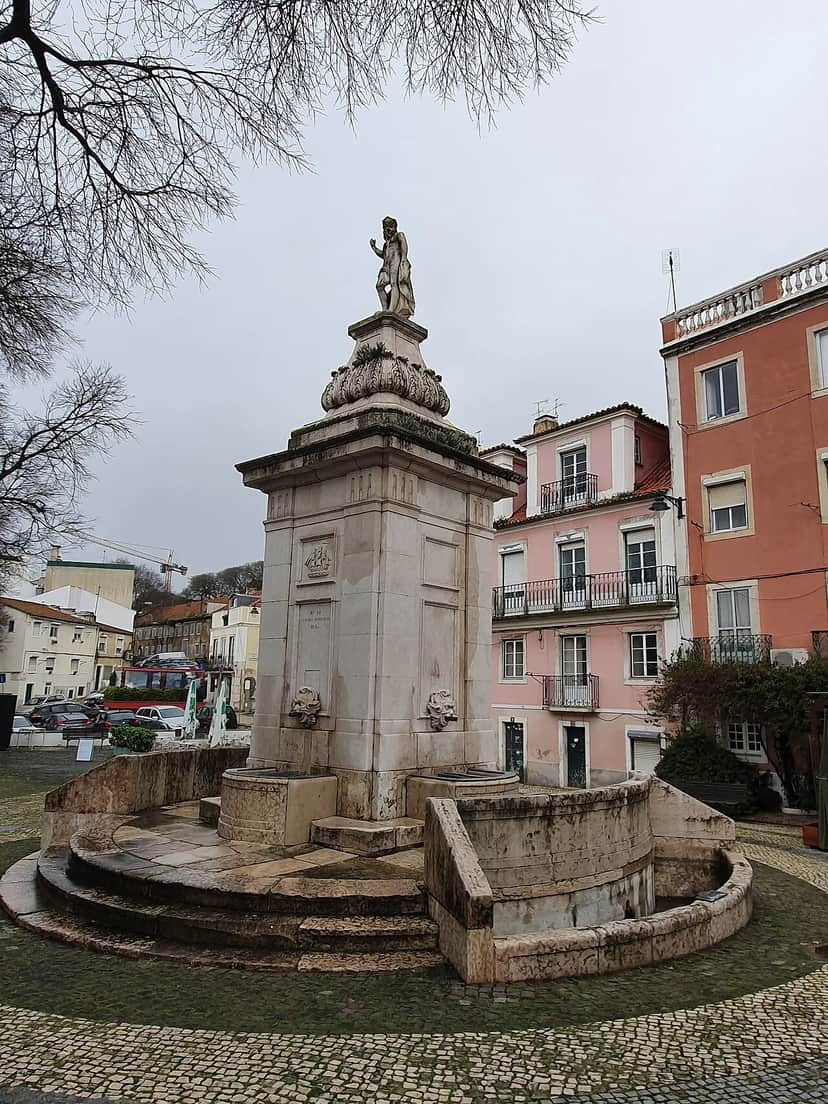 Chafariz da Praça da ArmadaOpens in a new tabAlcântara · Sights & LandmarksThis fountain, built between 1845 and 1846, is fed by the Águas Livres Aqueduct through a branch taken from the Chafariz das Necessidades — not from the obelisk fountain, but from another one set against the wall of the Oratorian convent. Resting o
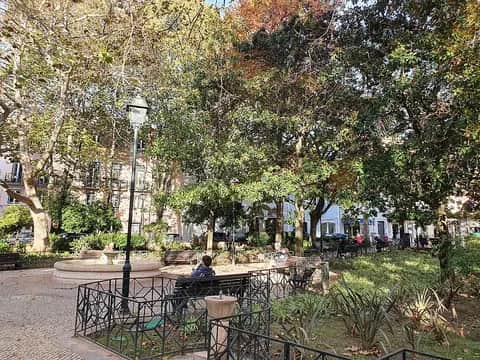 Chafariz da Praça das FloresOpens in a new tabPríncipe Real · Sights & LandmarksBuilt next to the Arco da Rua de S. Bento (since demolished and rebuilt at Praça de Espanha) in response to an order from the Direcção das Águas Livres dated 12 June 1805, it remained on that spot until 1838, when it was moved to the beginning of
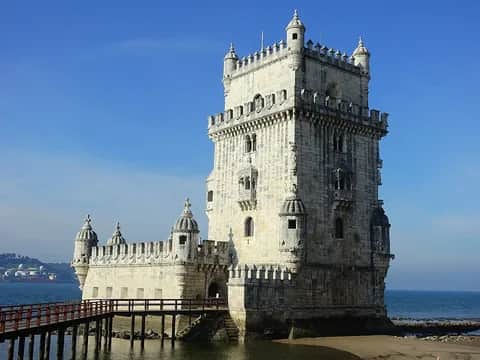 Chafariz da Praia de BelémOpens in a new tabBelém · Sights & LandmarksAttached to the rear side of the wall defined to the South of Largo da Princesa, in Pedrouços, this fountain with a stone backrest, delimited at the ends by pilasters, displays a plaque alluding to its construction, topped with a cornice. The spout, at the
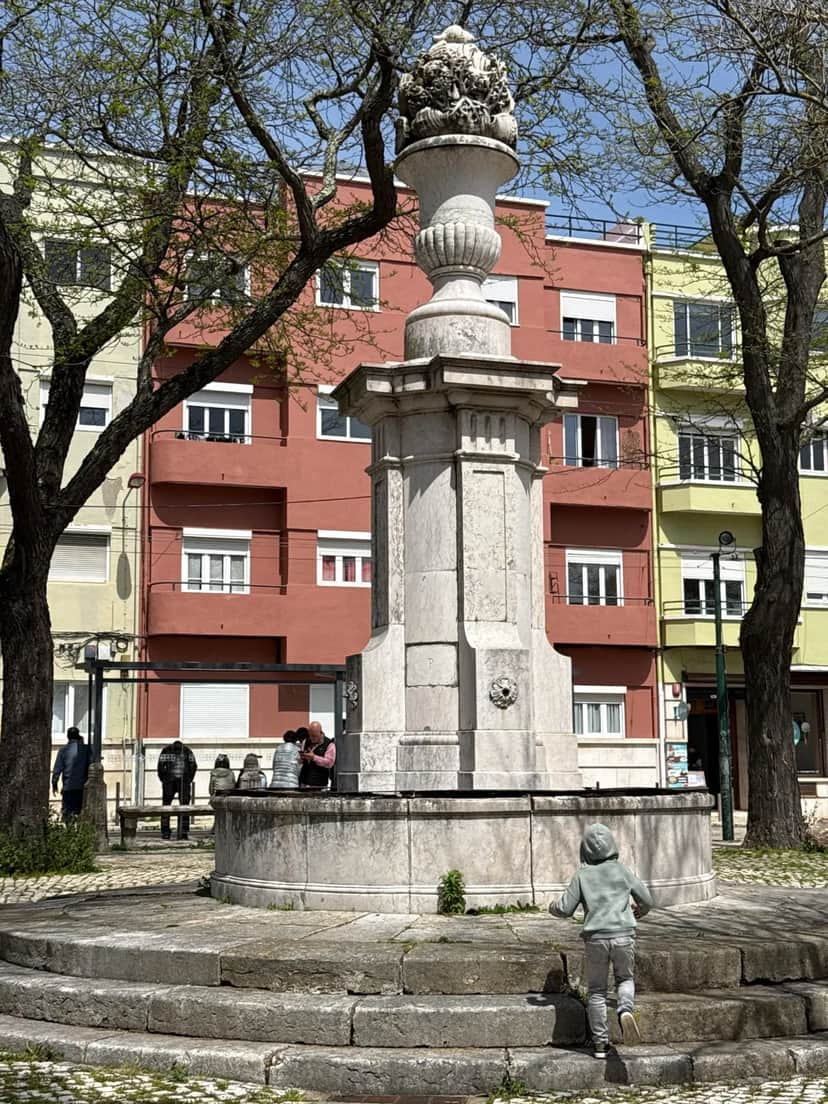 Chafariz da PrincesaOpens in a new tabBelém · Sights & LandmarksFountain located in the centre of Largo da Princesa, a garden space of quadrangular shape, with 3 sides defined by low walls, with attached benches, and another side open towards Rua de Pedrouços. Fed by the spring of Casal de Paio Calvo, it was ina
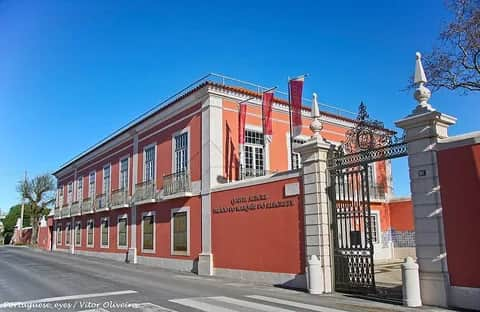 Chafariz da Quinta AlegreOpens in a new tabLisbon · Sights & Landmarks
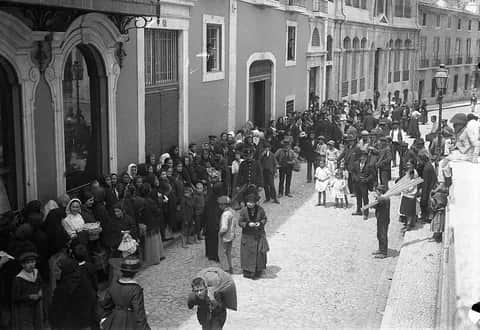 Chafariz da Rua de O SéculoOpens in a new tabBairro Alto · Sights & LandmarksThe second project by Carlos Mardel, this fountain was completed in 1762, taking on an important interventionist role in the urbanism of Lisbon, insofar as, on Rua Formosa (now Rua do Século), Mardel designed a square circumscribed by a ground plan without...
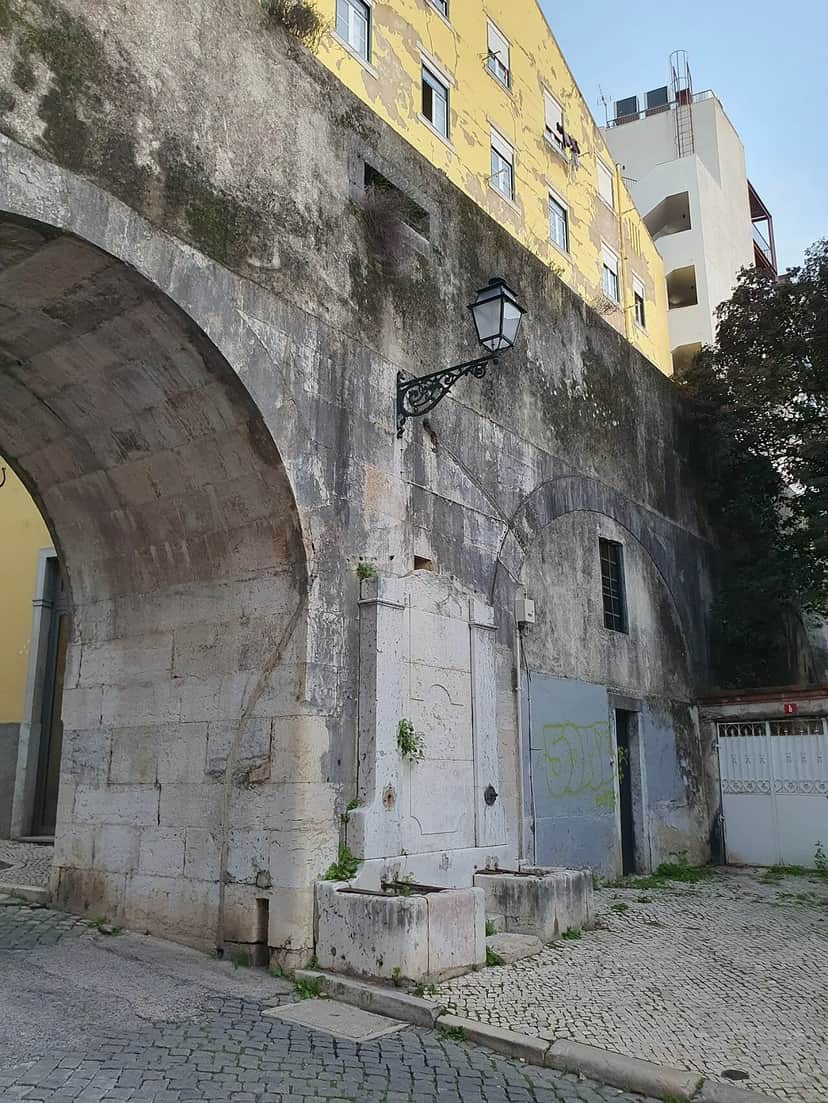 Chafariz da Rua do Arco a São MamedeOpens in a new tabPríncipe Real · Sights & LandmarksThis small wall fountain, set beside the Arco de S. Mamede, shows a clear influence of the aqueduct-linked fountain model introduced by the architect Reinaldo Manuel dos Santos. Following a design by the architect Honorato José Correia de Macedo e
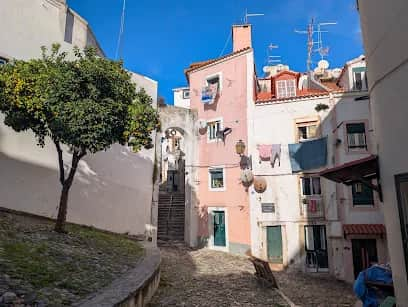 Chafariz das Escadinhas de São MiguelOpens in a new tabAlfama · Sights & LandmarksA stone fountain, attached to the wall, decorated with a triton or a kind of fish, where the circular, shell-shaped water-receiving basin rests on a circular base.
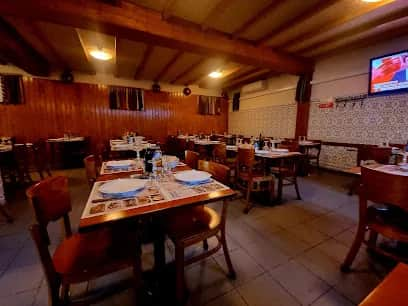 Chafariz das GravatasOpens in a new tabAmadora · Restaurants
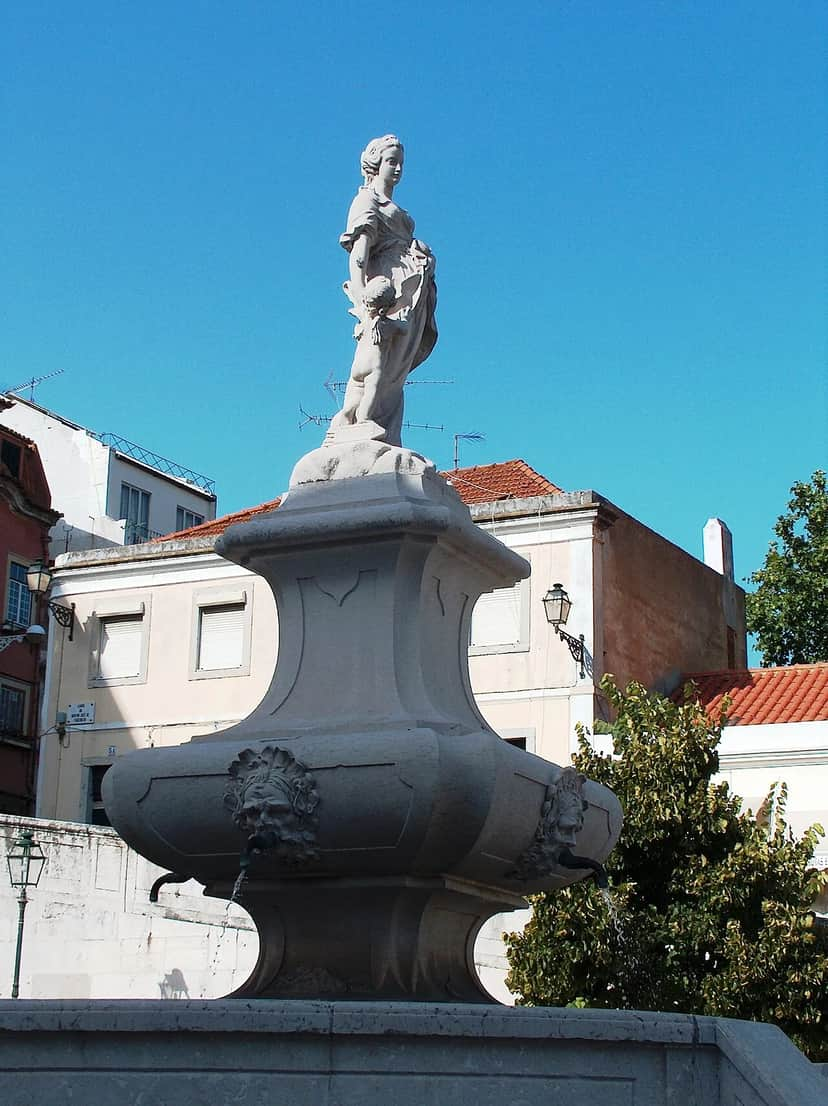 Chafariz das Janelas VerdesOpens in a new tabSantos · Sights & LandmarksThe construction of the fountain, facing the Palácio Alvor (Museu Nacional de Arte Antiga), brought about a genuine reorganisation of the urban layout, with the design of a new square planned by the architect Reinaldo Manuel dos Santos in 1774. Set
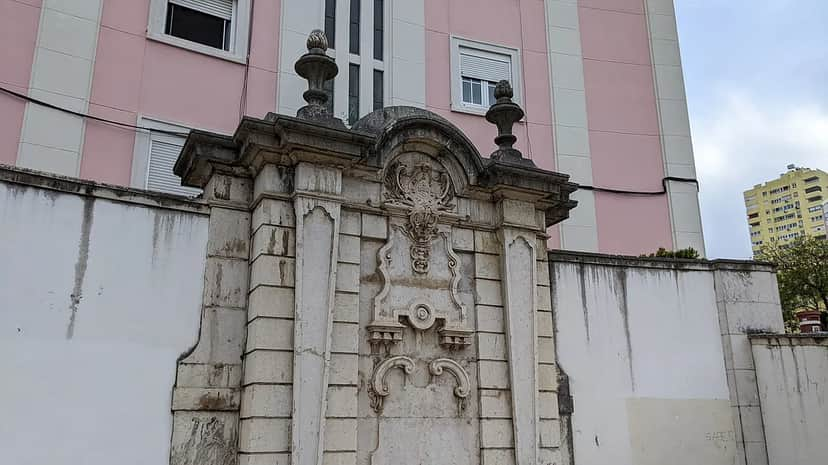 Chafariz das LaranjeirasOpens in a new tabLisbon · Sights & LandmarksThe idea of building this fountain dates back to December 1791; however, the works were only completed in 1795, to a design by the architects Honorato José Correia de Macedo e Sá and Francisco António Ferreira Cangalhas, as attested by a petition of
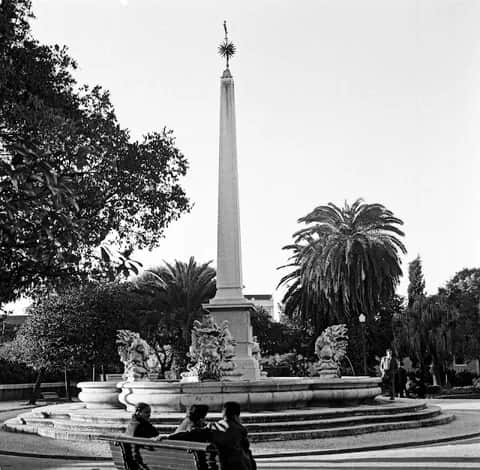 Chafariz das NecessidadesOpens in a new tabAlcântara · Sights & LandmarksLocated in Jardim Olavo Bilac, facing the Capela de Nossa Senhora das Necessidades, it forms part of the Palácio das Necessidades complex, classified as a Public Interest Property. This facility, dated 1745, was not built with the
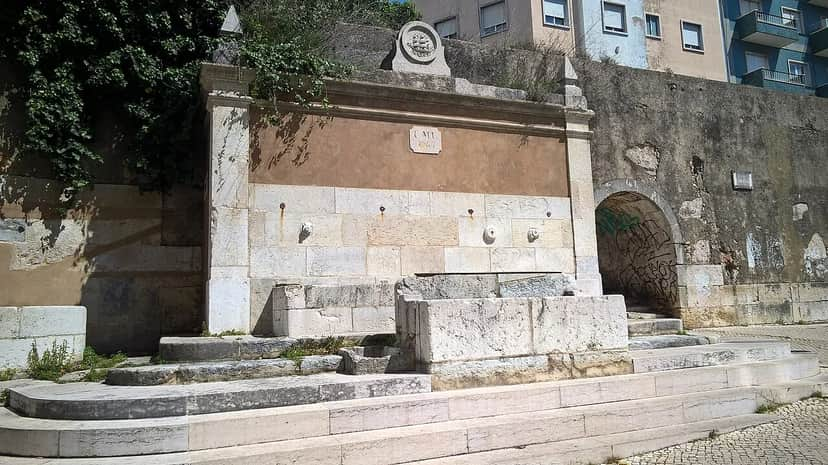 Chafariz das TerrasOpens in a new tabEstrela · Sights & LandmarksLocated in Largo das Terras, at Estrela, it stands against the Aqueduto das Águas Livres and is supplied by water from the Galeria das Necessidades. Of later construction, 1867, and built on the municipality's initiative, as the inscription attests
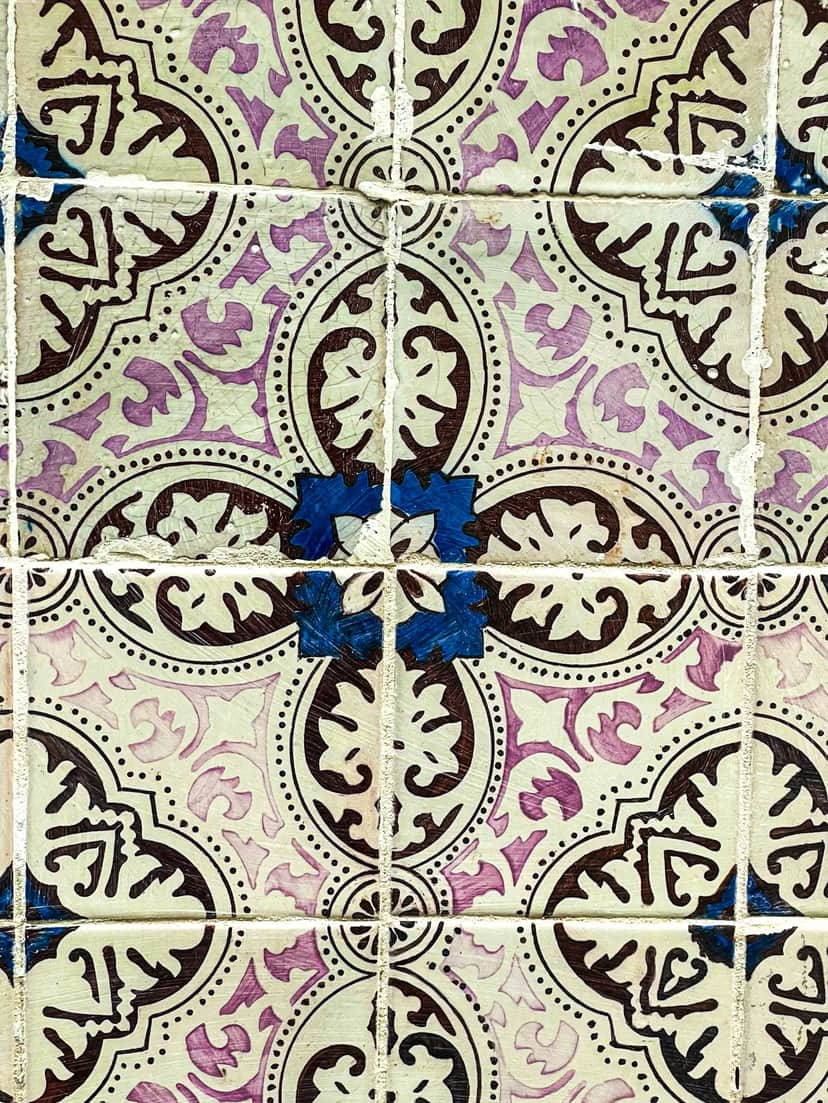 Chafariz da Travessa do PatrocínioOpens in a new tabLapa · Sights & Landmarks · Illustrative photoDating from the 19th century, this urban fountain, set in a small square, reflects a civil architecture of public amenity, in a neo-baroque revivalist style. It is a fountain made of limestone masonry and iron, with a centralised plan, comprising a circular basin
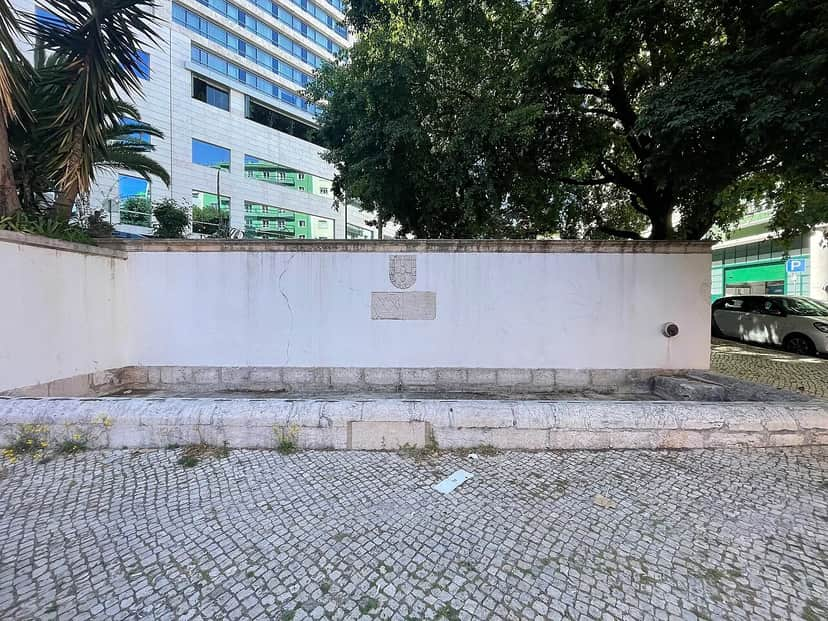 Chafariz de AndaluzOpens in a new tabArroios · Sights & LandmarksIt is one of the oldest fountains in Lisbon, its origins dating back to the 14th century (1336), fed by a spring located on the service area of a building on Rua de S. Sebastião da Pedreira. Rectangular in plan and very simple in design, it is characterise
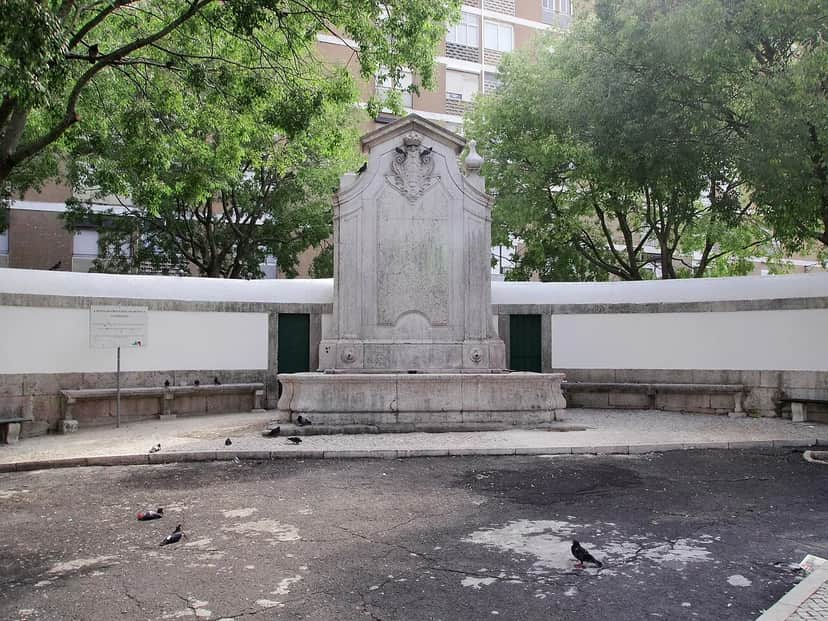 Chafariz de BenficaOpens in a new tabLisbon · Sights & LandmarksPiping works for the construction of a fountain on Estrada de Benfica began in July 1778, following a design by the Águas Livres architects Reinaldo Manuel dos Santos and Francisco António Ferreira Cangalhas; the fountain built s
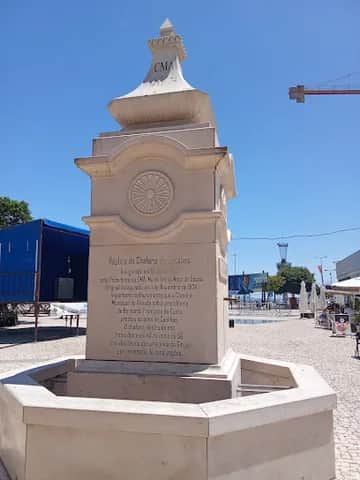 Chafariz de CacilhasOpens in a new tabAlmada · Monuments & Historic BuildingsThe Chafariz de Cacilhas was inaugurated on November 1, 1874 and was supplied by a water mine in Ginjal, providing water to the inhabitants of Cacilhas, who previously only drew water from Fonte da Pipa, 1,500 meters away. It is believed to have been demolished in the 1960s, with the arrival of piped water to homes; what can be seen today is a faithful replica of the original, inaugurated in 2012.
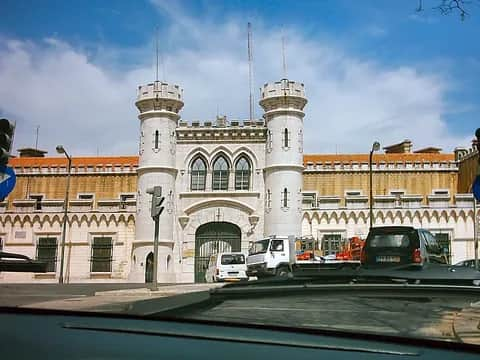 Chafariz de CampolideOpens in a new tabAvenidas Novas · Sights & LandmarksInstalled on a semicircular platform with steps, this stone fountain with simplified design, whose backing has a curved finish, displays a tap that pours water into a first rectangular basin, which flows into a second
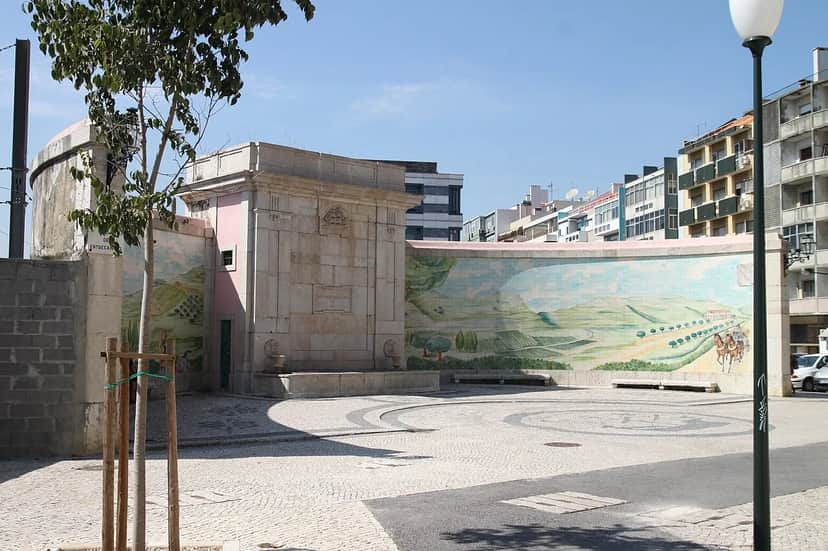 Chafariz de EntrecamposOpens in a new tabAlvalade · Sights & LandmarksBuilt in 1851 on the initiative of the city council, its structure follows the model of the Chafariz do Intendente, but with a more simplified crowning design. It is a parallelepiped-shaped volume framed by plain pilasters, with triglyphs on the
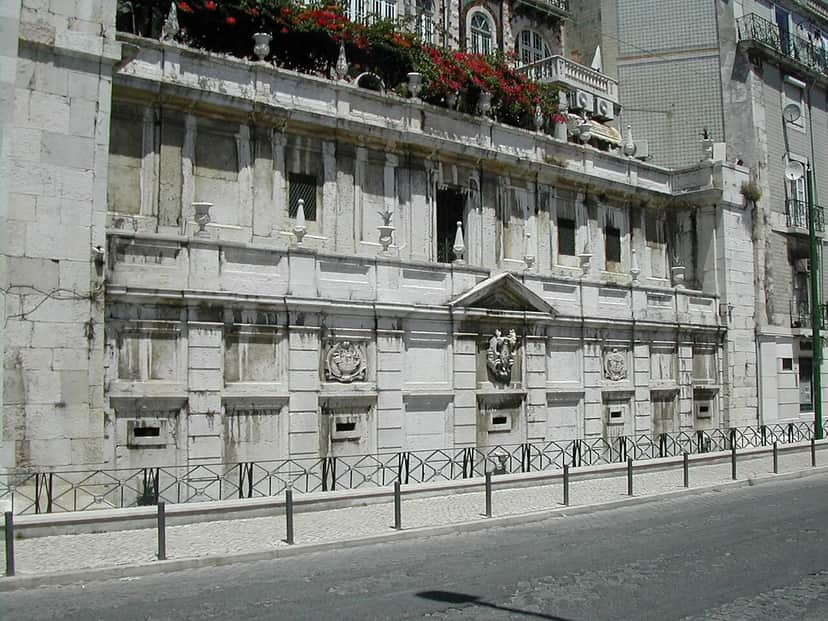 Chafariz d'El ReiOpens in a new tabAlfama · Sights & LandmarksOriginally known as Chafariz de S. João da Praça, it took its current name following the works undertaken by King Dinis. Documented since 1220, it is the oldest fountain in Lisbon and was for a long time the main and almost ex
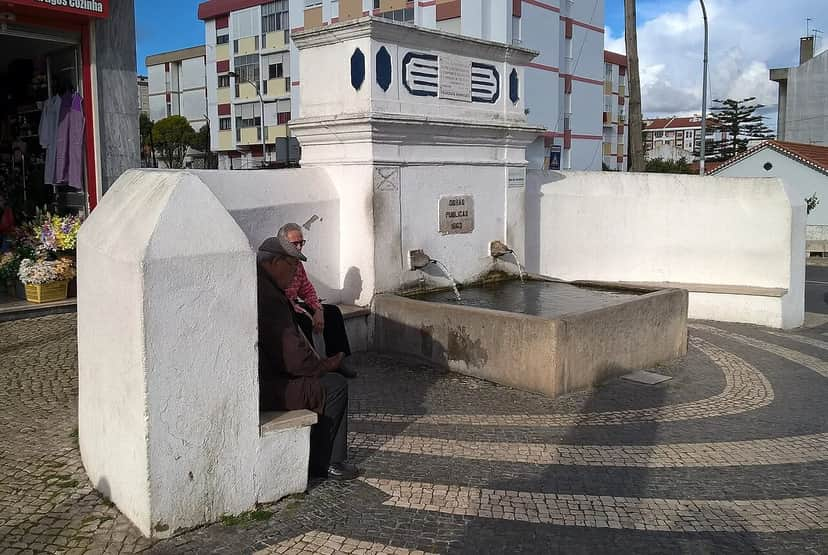 Chafariz de MassamáOpens in a new tabLisbon · Monuments & Historic BuildingsThe Chafariz de Massamá is part of Massamá's historical heritage and gives meaning to the name of the Massamá parish in the city of Queluz, which comes from the place name "Mactamã", meaning "place where good water is taken" or "spring".
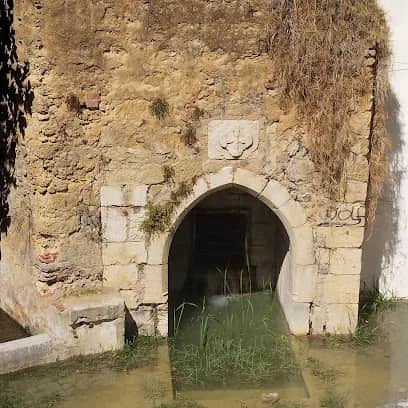 Chafariz de PombalOpens in a new tabAlmada · Monuments & Historic Buildings
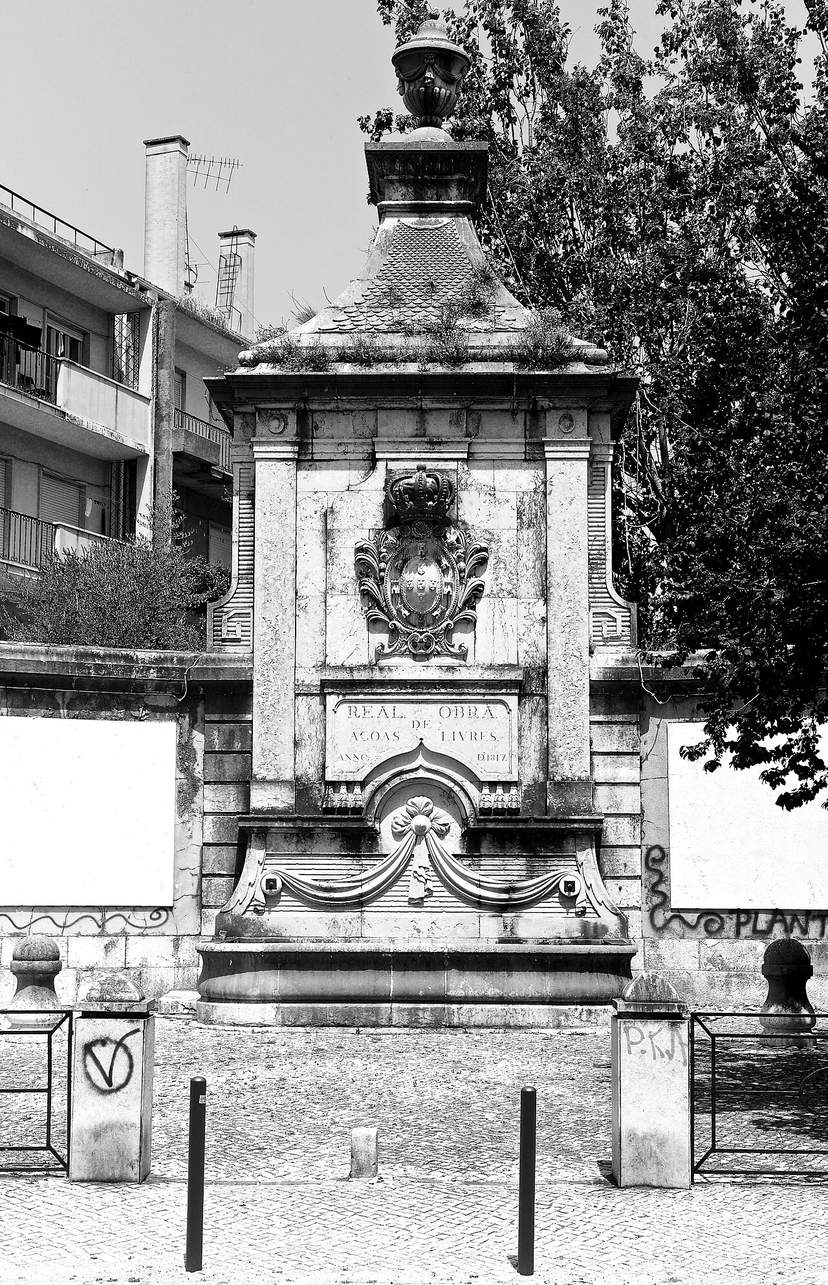 Chafariz de Santo António da ConvalescençaOpens in a new tabLisbon · Sights & LandmarksCommissioned by Queen Maria I, by provision of 12 December 1791, with the aim of supplying water from the Aqueduct to the residents of Estradas da Convalescença (today Estrada de Benfica) and Laranjeiras, it would only be completed
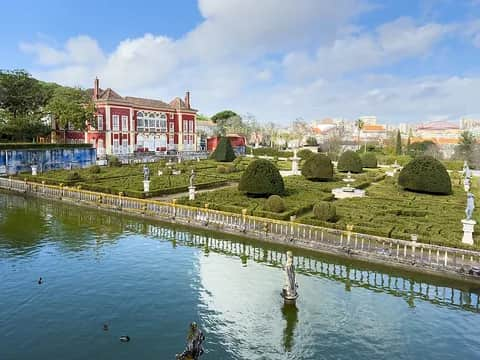 Chafariz de São Domingos de BenficaOpens in a new tabLisbon · Sights & LandmarksPublic fountain built with royal permission and on the initiative of Gérard Devisme, Pombaline bourgeois, who dominated the brazilwood trade until 1791, with the objective of channeling to his palace some waters that he had discovered and paid for from his cu
Powered by Foursquare ·Photo and data credits ▾
Photos: GualdimG (CC BY-SA 4.0), via Wikimedia Commons · Mapcarta · DataForSEO · João Carvalho (CC BY-SA 3.0), via Wikimedia Commons · JJ Merelo (CC BY-SA 2.0), via Wikimedia Commons · lisboadeantigamente.blogspot.com · Photo by Bernd Dittrich on Unsplash · DiogoBaptista (CC BY-SA 4.0), via Wikimedia Commons · Menosketiago (CC BY 3.0), via Wikimedia Commons · CorreiaPM (CC BY-SA 3.0), via Wikimedia Commons · Pedro Ribeiro Simões from Lisboa, Portugal (CC BY 2.0), via Wikimedia Commons · Data: © OpenStreetMap contributors · Wikipedia (CC BY-SA 4.0)
