

Places in Lisbon
Loading...
‹
⌕
Areas
⌖Campo de Ourique218⌖Graça151⌖Belém238⌖Alcântara202⌖Estrela40⌖Baixa308⌖Chiado232⌖Príncipe Real452⌖Mouraria161⌖Alfama180⌖Cais do Sodré161⌖Santos111⌖Lapa63⌖São Bento175⌖Saldanha506⌖Anjos166⌖Bairro Alto316⌖Arroios226⌖Avenidas Novas251⌖Alvalade292⌖Parque das Nações175⌖Intendente77⌖AlmadaNearby town533⌖LouresNearby town212⌖OeirasNearby town215⌖AmadoraNearby town177⌖MontijoNearby town125⌖SeixalNearby town82⌖OdivelasNearby town130⌖BarreiroNearby town71⌖SintraNearby town6Places in Lisbon
Loading...
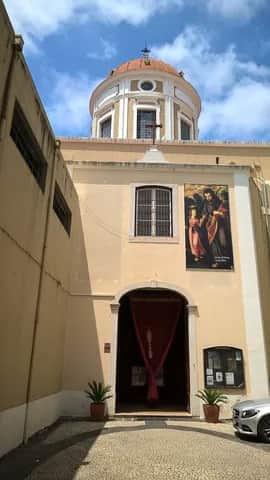 Igreja de São José da AnunciadaOpens in a new tabPríncipe Real · Churches & Religious SitesChurch located on the site formerly occupied by Mosteiro dos Frades Agostinhos, which in 1539 was exchanged to the Dominican Sisters of Nossa Senhora da Anunciada, an invocation that would persist despite the monastery completely collapsing during the
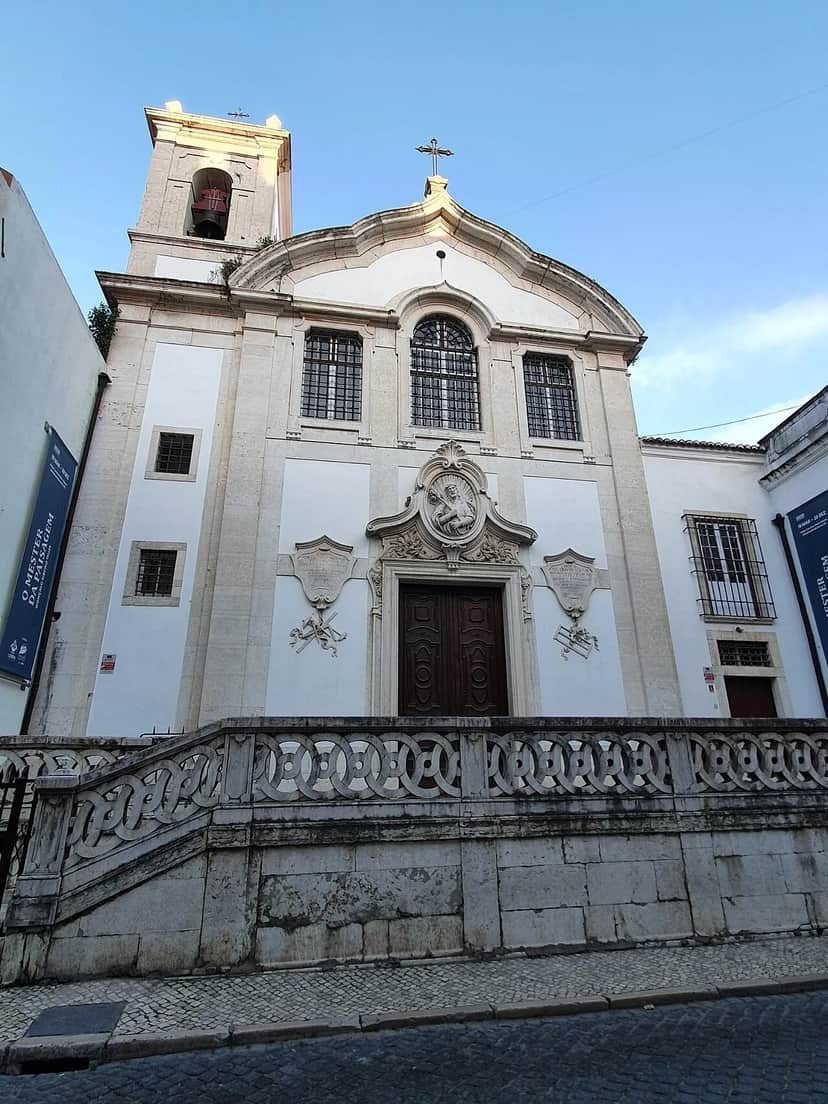 Igreja de São José dos CarpinteirosOpens in a new tabPríncipe Real · Churches & Religious SitesOriginating in a small hermitage in 1545, it was raised to parish church status in 1567. In the mid-17th century the 16th-century church underwent enlargement works, as recorded in an inscription placed in the nave. Rebuilt after the earthquake...
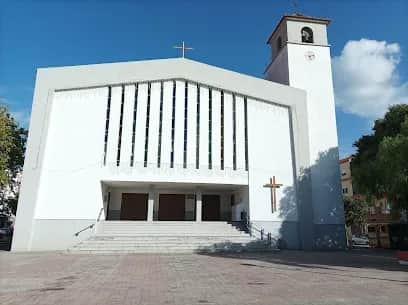 Igreja de São José Operário Baixa da BanheiraOpens in a new tabLisbon · Churches & Religious Sites
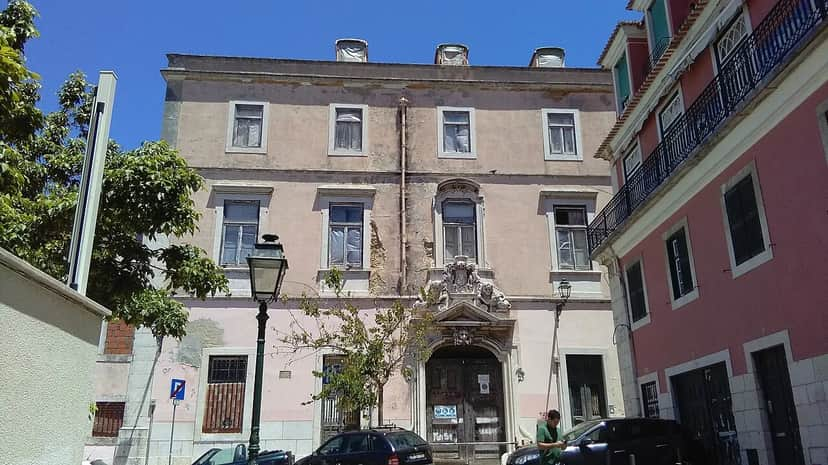 Igreja de São LourençoOpens in a new tabMouraria · Churches & Religious SitesReflecting both Gothic and Baroque architecture, it was founded in the second half of the 13th century by Mestre Pedro Nogueira, physician to King Dinis. Damaged over the centuries by the earthquakes that shook the city, it underwent rebuilding work after the great earthquake.
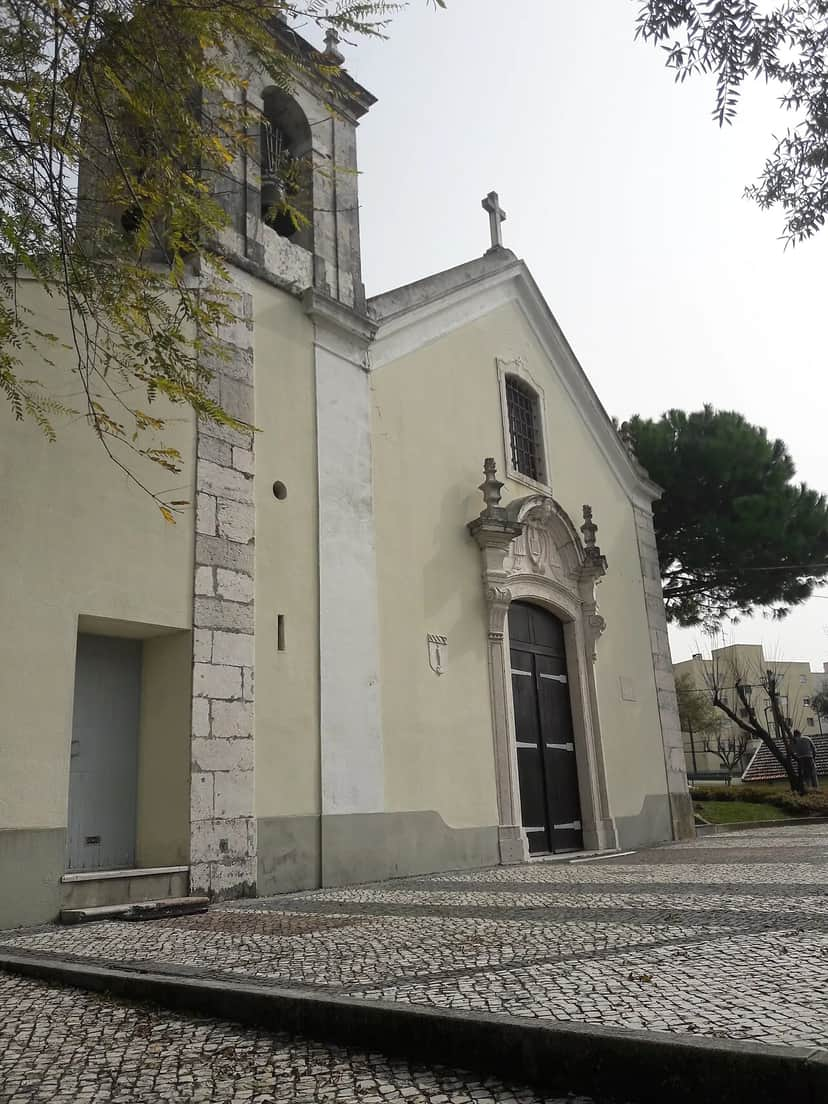 Igreja de São LourençoOpens in a new tabLisbon · Churches & Religious SitesThe Church of São Lourenço de Carnide is a church located on Estrada da Pontinha, in Lisbon. It stands next to the Carnide Parish Centre.
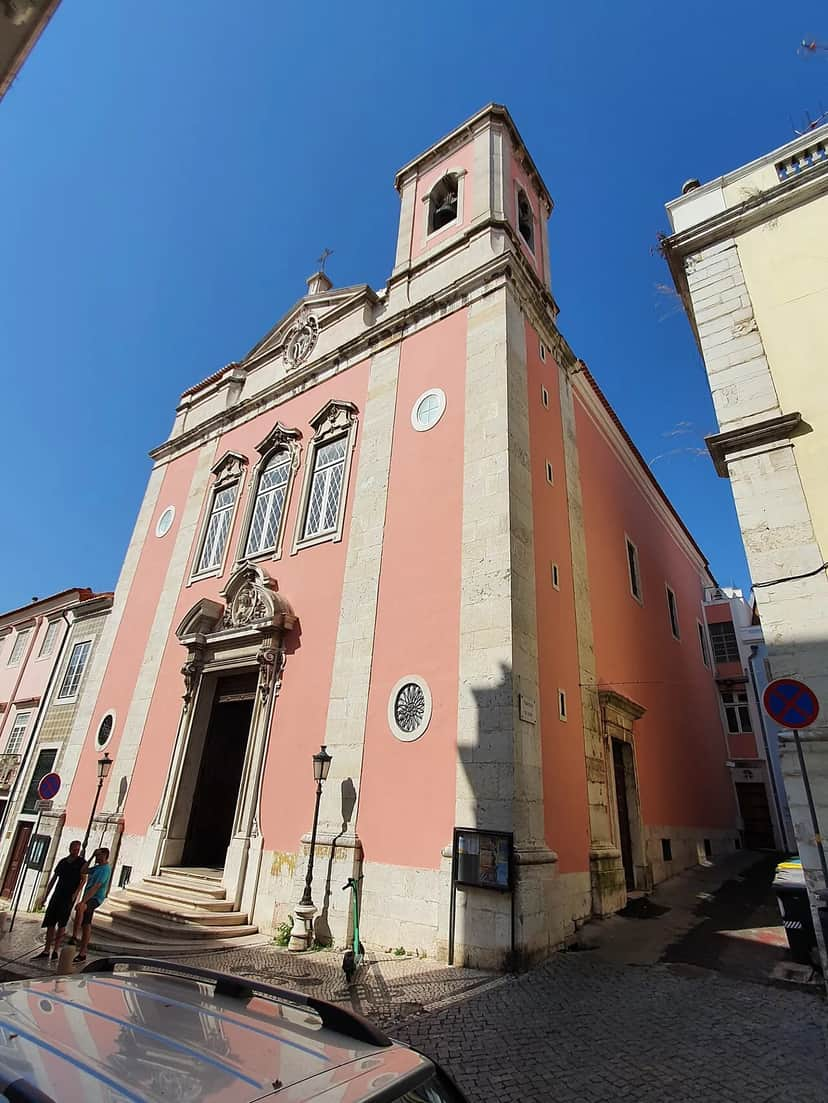 Igreja de São Luís da PenaOpens in a new tabMouraria · Churches & Religious SitesInaugurated as a parish church in 1705, its interior decoration stands as one of the earliest artistic expressions asserting the vigour of the "Joanine Baroque". The carved woodwork of the chancel retable, designed by Domingos da Costa...
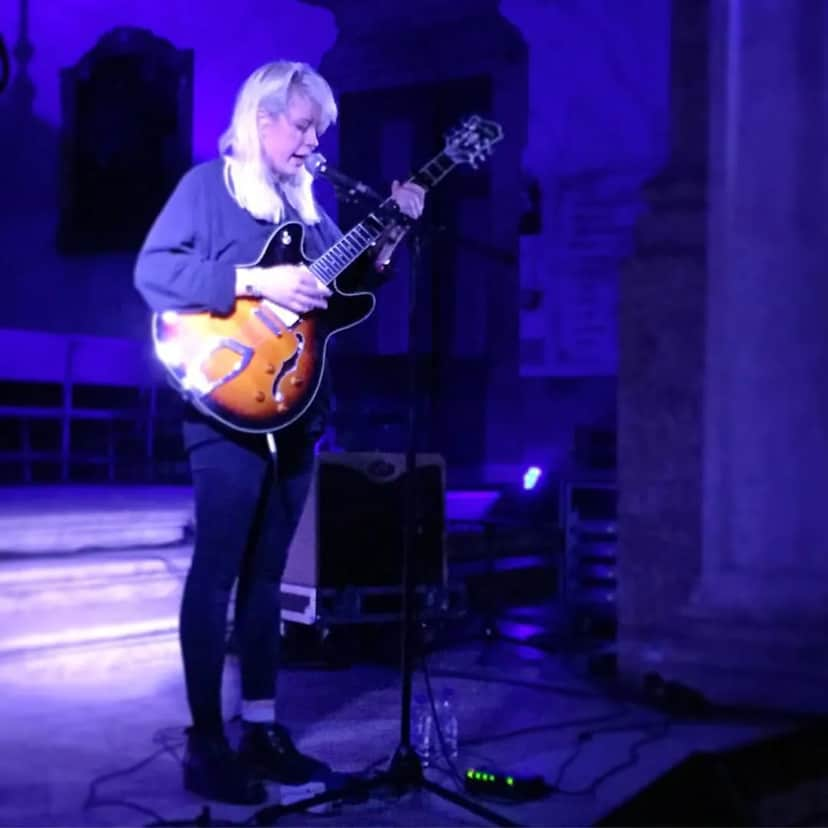 Igreja de São Luís dos FrancesesOpens in a new tabMouraria · Churches & Religious SitesInaugurated in 1572 by the Confraria do Bem Aventurado São Luís Rei de França, made up of French and Breton coppersmiths residing in Lisboa, it was left in ruins by the 1755 earthquake.
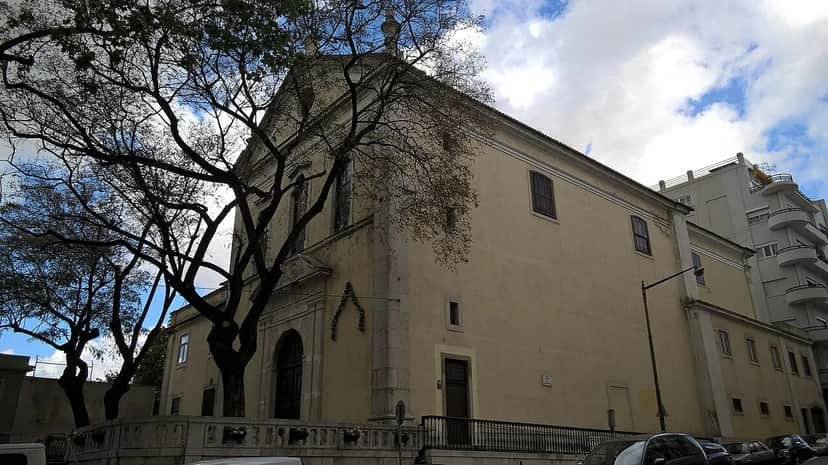 Igreja de São MamedeOpens in a new tabPríncipe Real · Churches & Religious Sites
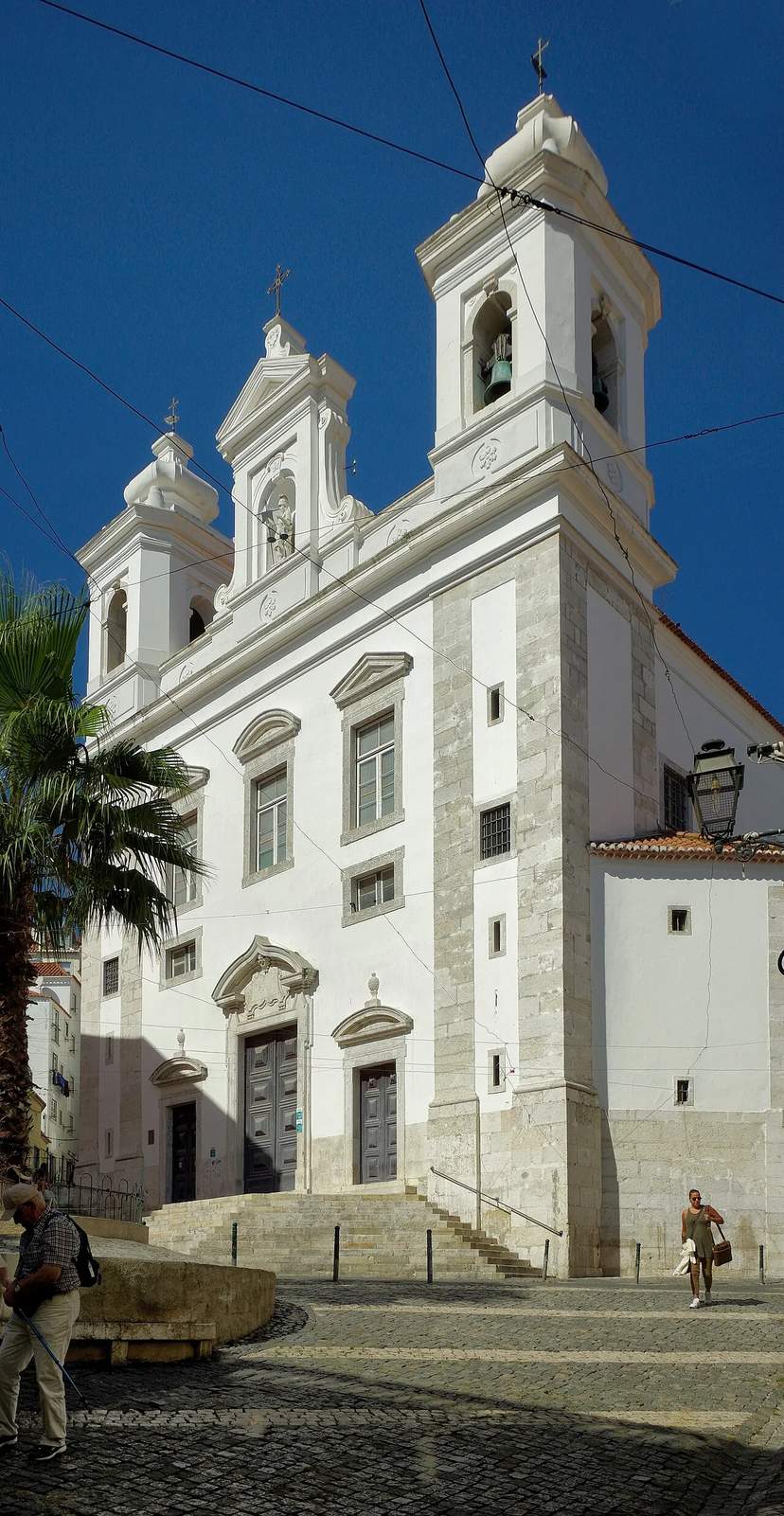 Igreja de São MiguelOpens in a new tabAlfama · Churches & Religious SitesA Mannerist and Baroque church whose foundation dates back to the mid-12th century. Completely rebuilt between 1673 and 1720 to a design by João Nunes Tinoco, it was damaged by the 1755 earthquake and quickly restored.
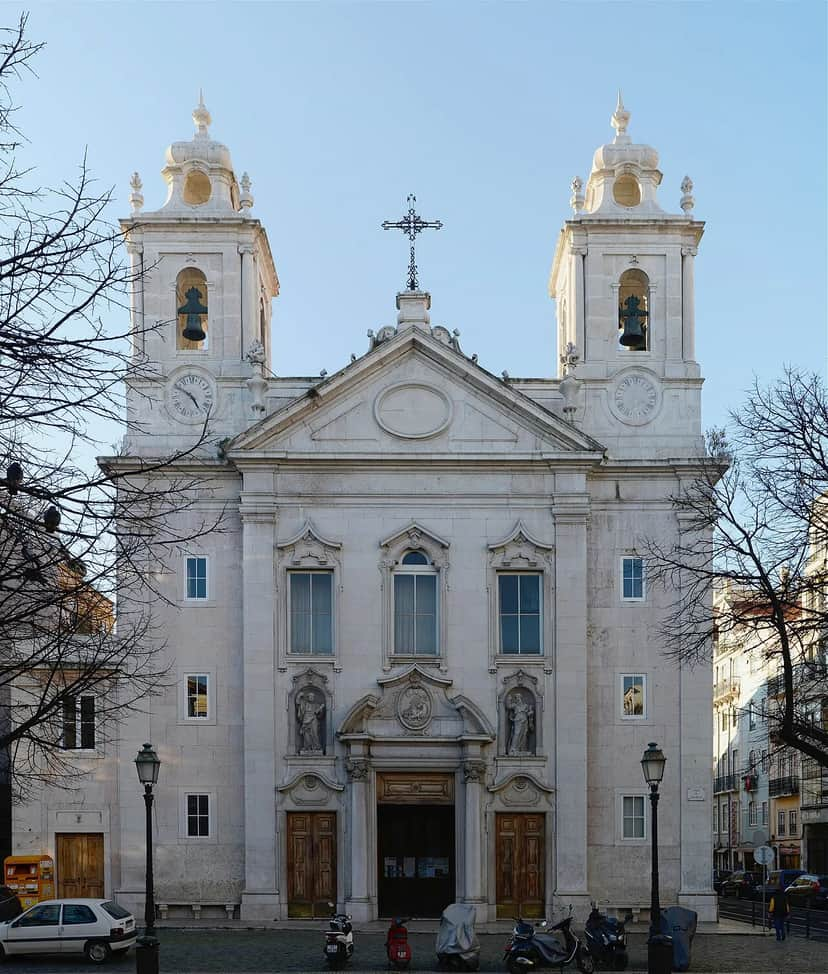 Igreja de São PauloOpens in a new tabCais do Sodré · Churches & Religious SitesConstruction of the present church dates back to 1768, replacing the original church built in the 15th century on the site of today's square, which was destroyed by the 1755 earthquake. Its Pombaline design is the work of architect Remígio Abreu.
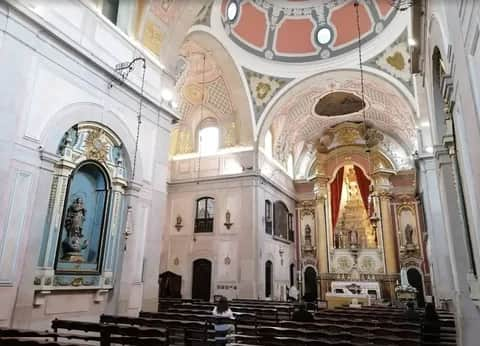 Igreja de São Pedro em AlcântaraOpens in a new tabAlcântara · Churches & Religious SitesChurch built to replace the original temple, dedicated to St. Peter, which existed in Alfama since 1344 and which suffered total destruction in the 1755 earthquake.
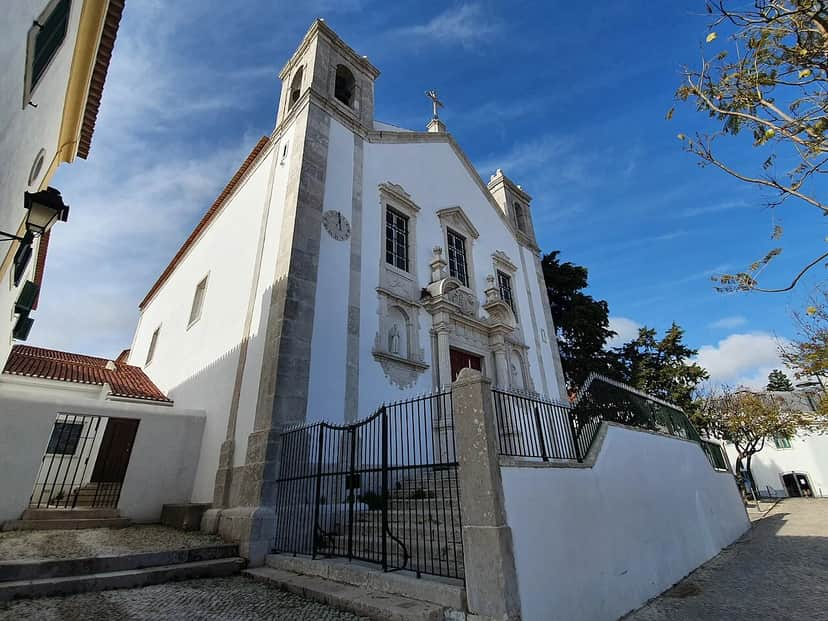 Igreja de São RomãoOpens in a new tabOeiras · Churches & Religious Sites
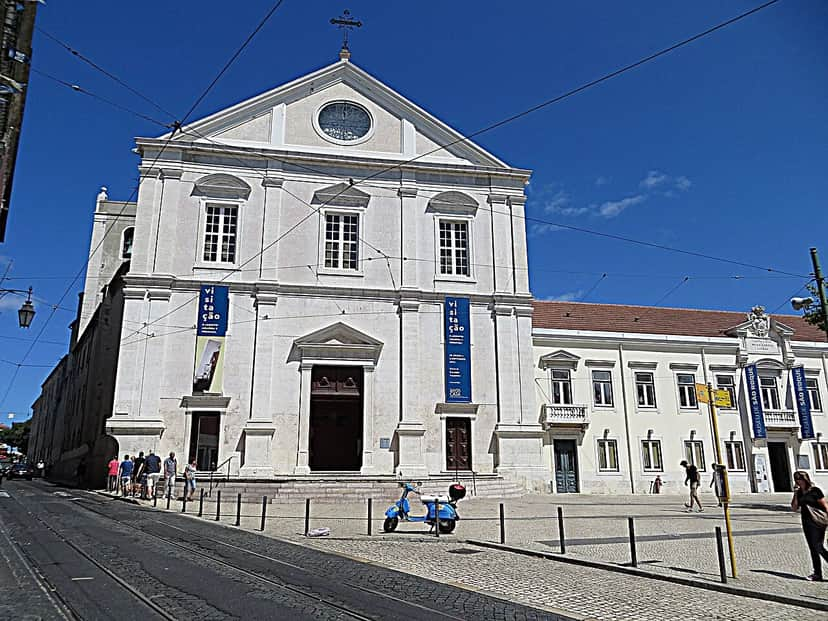 Igreja de São RoqueOpens in a new tabBairro Alto · Churches & Religious SitesThe Igreja de São Roque stands at Largo Trindade Coelho, 1200-470 Lisboa, in the Bairro Alto district. It opens from Tuesday to Sunday between 10:00 and 18:00, and on Mondays from 13:00 to 18:00. Admission to the church costs nothing. The site began as a small shrine built to the west of Lisbon by King Manuel I of Portugal, who believed a relic of São Roque, or Saint Roch, would protect the city. Roch lived from 1295 to 1327 and was canonised for healing plague victims; his feast day falls on 16 August. In the later 16th century the shrine became a meeting place for the Society of Jesus. The Jesuits built the church between 1553 and 1573, and it was the first Jesuit church constructed in Portugal. It stayed without a roof until 1582, because the planned vaulted ceiling gave way to a flat one made of Prussian timber, which is painted. The Jesuits used it as their main religious centre for over 200 years, until the Marquis of Pombal forced them out of Portugal in the late 18th century. The Chapel of St. John the Baptist was commissioned by King John V in 1742 and is the fourth chapel on the left as you enter. It was first built in Rome, where Pope Benedict XIV blessed it, then taken apart, shipped to Lisbon on three ships and rebuilt. Gold, ivory, lapis lazuli and agate went into it, and what look like paintings are in fact mosaics. Elsewhere, the Chapel of Our Lady of Doctrine is covered in gold, other chapels feature polychrome marble and gilded woodcarving, and the Chapel of St. Roch holds a tile composition completed in 1584 by Francisco de Matos, showing a "Miracle of St. Roch" on a yellow background. The building survived the 1755 earthquake, one of only a handful in the western districts not completely destroyed. Adjoining the church is a museum created in 1905. It displays sculptures, paintings, relics, jewelry, Flemish tapestry, and a collection of baroque goldsmith work and religious vestments. Museum entry is €2.50, with a 40% discount using the Lisboa Card, and multilingual guided tours cost nothing extra. To reach the church, walk up from Chiado or Bairro Alto, take bus 758 from outside Cais do Sodré Station, or ride the Glória funicular from Restauradores Square and turn left at the top. Behind the church lies the Miradouro de São Pedro de Alcântara.
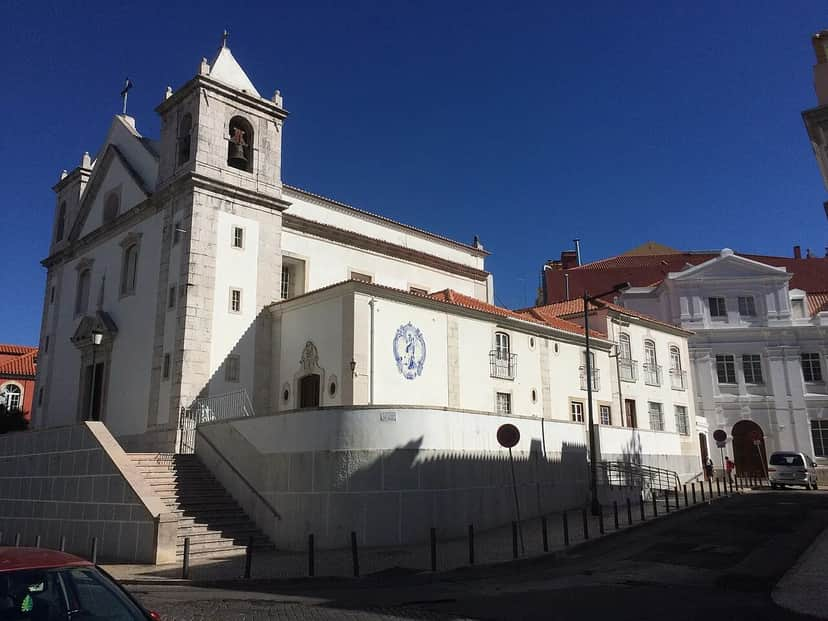 Igreja de São Sebastião da PedreiraOpens in a new tabAvenidas Novas · Churches & Religious SitesA church built in the 17th century, it underwent alterations over time, especially after the 1755 earthquake. Classified as a Property of Public Interest, it reflects the severe language of the "plain style"...
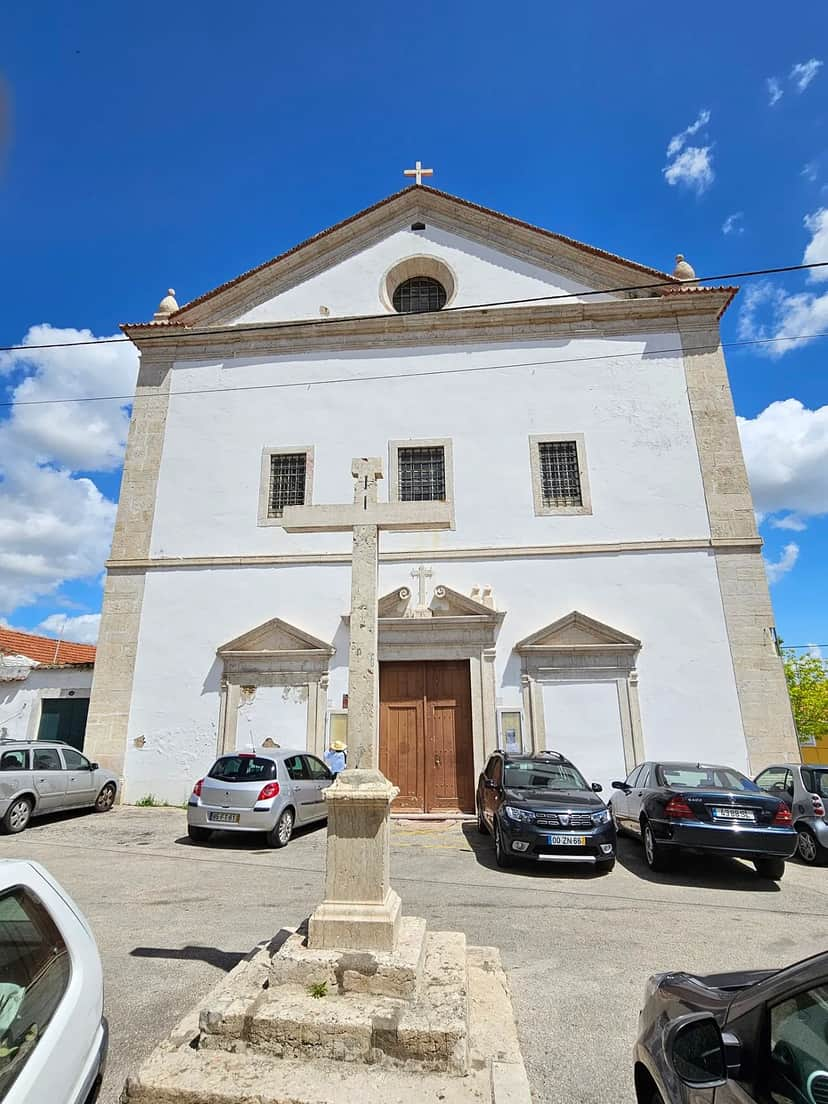 Igreja de São Silvestre de UnhosOpens in a new tabLoures · Churches & Religious Sites
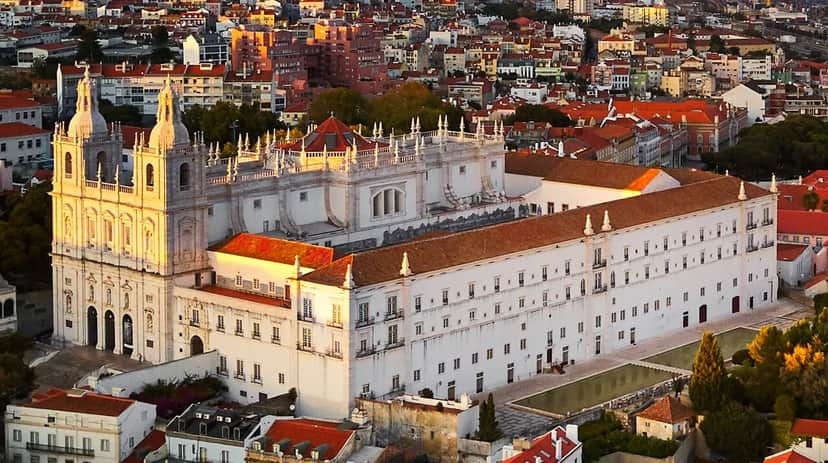 Igreja de São Vicente de ForaOpens in a new tabAlfama · Churches & Religious SitesIgreja de São Vicente de Fora stands at Largo de São Vicente, 1100-572 Lisboa, on a hill next to Alfama and Graça. The church belongs to a larger complex that also holds an Augustinian monastery, a museum of sacred art and the Royal Pantheon of the Braganza Dynasty. The name, meaning St. Vincent on the Outside, refers to the original church of 1147, which was built outside the city walls. The site grew out of a vow by Portugal's first king to build churches where crusaders from Portugal and northern Europe were buried. The present monastery dates from a reconstruction begun in 1582 by the Spanish architect Juan Herrera, who also designed the Escorial outside Madrid. Its Italian mannerist style served as a model for Portuguese religious architecture, influencing churches across the empire, from Brazil to Macau. The building originally had a dome, but it collapsed onto worshippers during the 1755 earthquake and was never rebuilt. The cloisters are richly decorated with baroque tiles, and the complex is also described as holding a large collection of 18th-century azulejos, the blue-and-white Portuguese ceramic tiles. Among them are 38 panels illustrating the fables of La Fontaine, created by Policarpo de Oliveira Bernardes between 1740 and 1750. Other panels show scenes from the history of Portugal, including the siege of Lisbon in 1147. There is also an ancient cistern. The pantheon of the Bragança dynasty includes the marble tomb of Catherine of Bragança, a Portuguese princess who married King Charles II in 1662 and so became queen of England. The main tomb is that of Carlos I, the next-to-last king of Portugal, who was assassinated shortly before Portugal turned into a republic. A life-size statue of a weeping woman, her hands covering her face, stands over it. Visitors can climb to the rooftop to get close to the towers and look out over Alfama, the river and the National Pantheon. Admission is €4.00 and is not covered by the Lisboa Card. The listed opening hours are Monday to Saturday from 10:00 to 18:00 and Sunday from 10:00 to 19:30, although one guide says the monastery is closed on Mondays. Tram 28 stops right outside, at the stop called Voz do Operário, and holders of the Lisboa Card ride it for free. You can also walk from the Portas do Sol viewpoint by following the tram tracks. Behind the monastery are the National Pantheon and the site of a flea market, held on Tuesday and Saturday mornings. Further up the hill along the tram tracks is the Graça viewpoint.
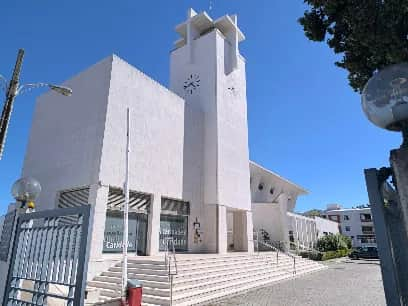 Igreja de São Vicente de PauloOpens in a new tabLisbon · Churches & Religious Sites
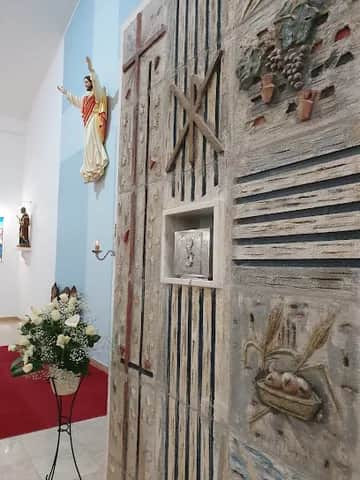 Igreja de Vale GrandeOpens in a new tabOdivelas · Churches & Religious Sites
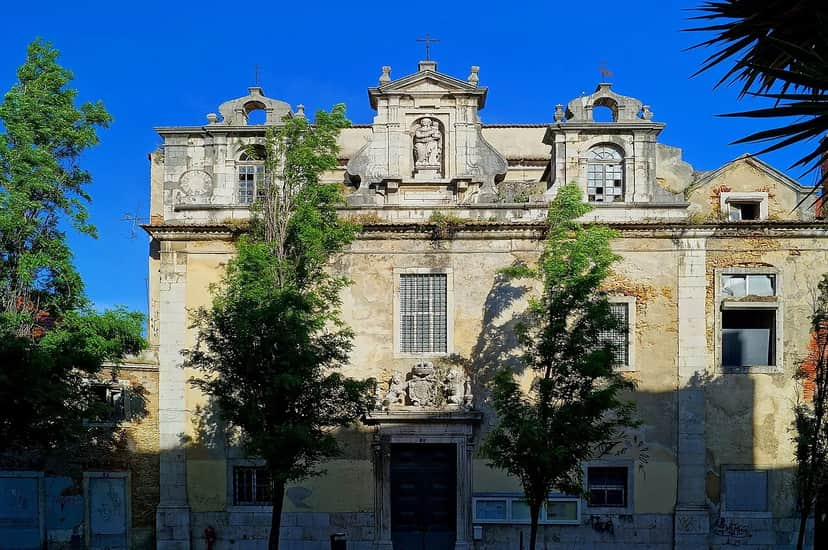 Igreja do Antigo Convento de ArroiosOpens in a new tabSaldanha · Churches & Religious SitesThe Convento de Nossa Senhora da Nazaré, better known as the Convento de Arroios, is a former eighteenth-century convent built in Arroios, in the city of Lisbon. Originally founded as a Jesuit college under royal patronage, the complex also housed a monastic community of the Order of the Immaculate Conception and the Hospital de Arroios, which remained in operation until the 1990s.
 Igreja do Bairro da FraternidadeOpens in a new tabLoures · Churches & Religious Sites · Illustrative photo
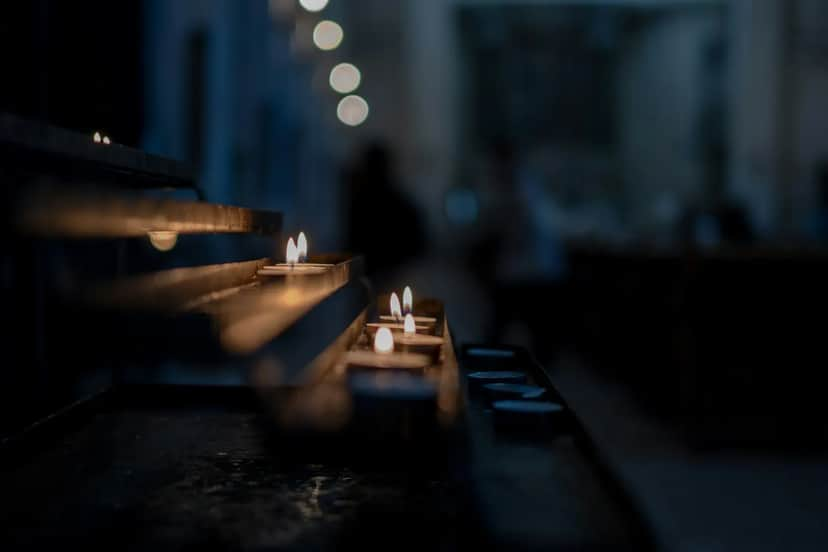 Igreja do Casal da Choca - Paróquia de Nossa Senhora de Porto SalvoOpens in a new tabLisbon · Churches & Religious Sites · Illustrative photo
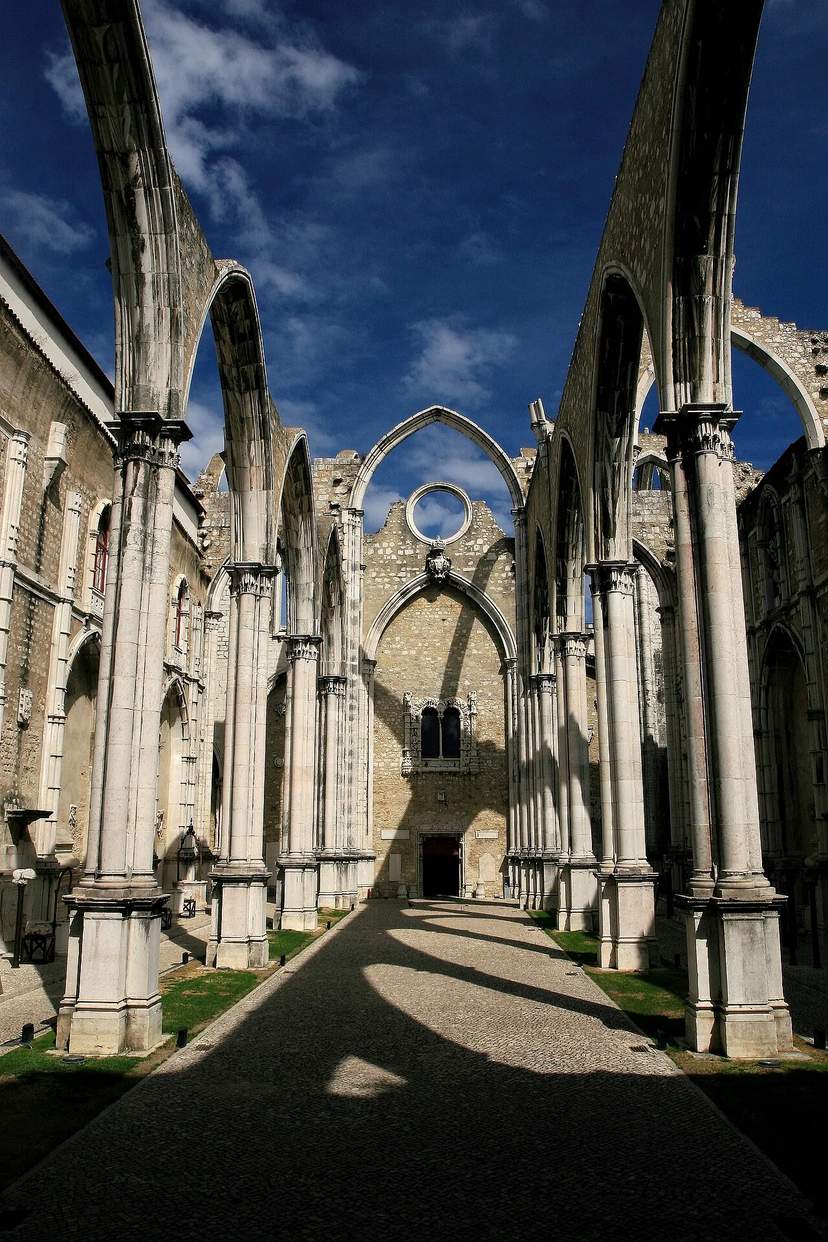 Igreja do Convento de Santa Maria do CarmoOpens in a new tabChiado · Churches & Religious SitesA former Carmelite convent of Nª Sra. do Vencimento do Monte do Carmo, commissioned in 1389 by the Constable D. Nuno Álvares Pereira and completed in the first decades of the 15th century. Severely affected by the 1755 earthquake, it never returned
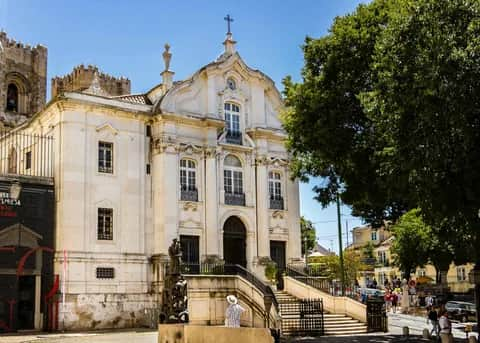 Igreja do Convento de Santo AntónioOpens in a new tabArroios · Churches & Religious Sites
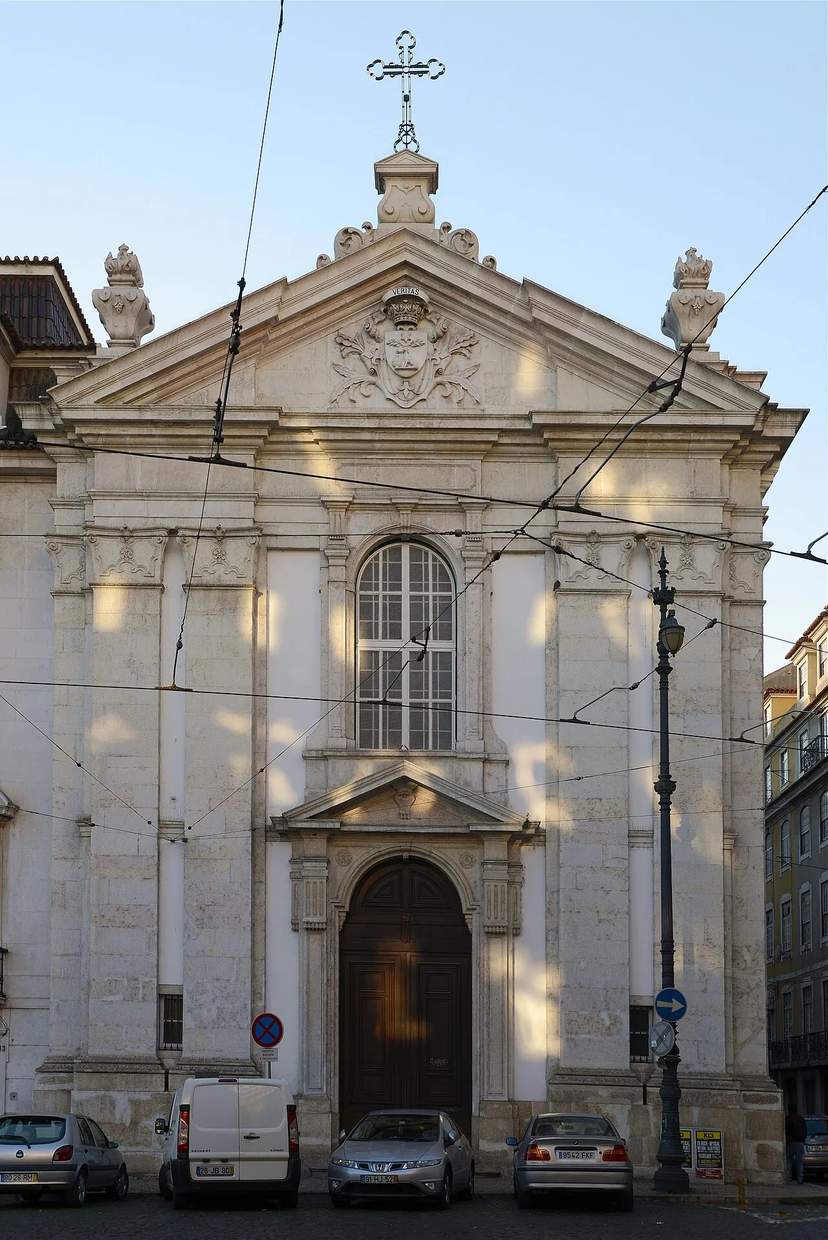 Igreja do Corpo SantoOpens in a new tabCais do Sodré · Churches & Religious SitesThe complex formed by the Igreja de Nossa Senhora do Rosário, also known as do Corpo Santo, and the former convent and seminary of the Irish Dominican fathers settled permanently in Largo do Corpo Santo in 1659, occupying an entire block.
Powered by Foursquare ·Photo and data credits ▾
Photos: Mapcarta · GualdimG (CC BY-SA 4.0), via Wikimedia Commons · DataForSEO · Ricardo Filipe Pereira (CC BY-SA 4.0), via Wikimedia Commons · Hipersyl (CC BY-SA 4.0), via Wikimedia Commons · Berthold Werner (CC BY-SA 4.0), via Wikimedia Commons · Alvesgaspar (CC BY-SA 4.0), via Wikimedia Commons · Dá nas Vistas · Mister No (CC BY 3.0), via Wikimedia Commons · Petr Urbanec (CC BY-SA 4.0), via Wikimedia Commons · Deensel (CC BY 2.0), via Wikimedia Commons · P.G. de Mendonça (CC BY-SA 4.0), via Wikimedia Commons · Photo by Daniel Gomez on Unsplash · Photo by Lu on Unsplash · Joaomartinho63 (CC BY-SA 3.0), via Wikimedia Commons · stoantoniolisboa.com · Data: © OpenStreetMap contributors · Wikipedia (CC BY-SA 4.0) · Wikidata (CC0)
