

Places in Lisbon
Loading...
‹
⌕
Areas
⌖Campo de Ourique218⌖Graça151⌖Belém238⌖Alcântara202⌖Estrela40⌖Baixa308⌖Chiado232⌖Príncipe Real452⌖Mouraria161⌖Alfama180⌖Cais do Sodré161⌖Santos111⌖Lapa63⌖São Bento175⌖Saldanha506⌖Anjos166⌖Bairro Alto316⌖Arroios226⌖Avenidas Novas250⌖Alvalade292⌖Parque das Nações175⌖Intendente77⌖AlmadaNearby town533⌖LouresNearby town212⌖OeirasNearby town215⌖AmadoraNearby town177⌖MontijoNearby town125⌖SeixalNearby town82⌖OdivelasNearby town130⌖BarreiroNearby town71⌖SintraNearby town6Places in Lisbon
Loading...
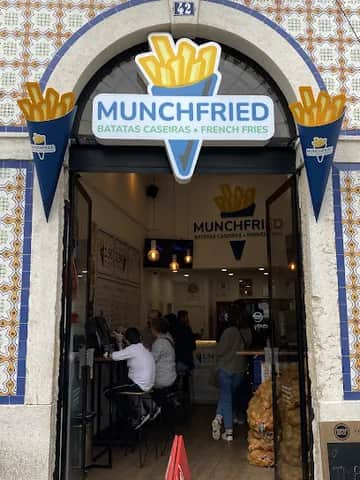 MunchfriedOpens in a new tabCais do Sodré · RestaurantsA restaurant in Lisbon focused on fries and potatoes, served with a choice of sauces. Fresh fries come in generous portions, and beer is available to go with them.
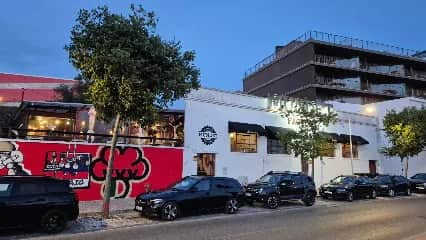 Mundet FactoryOpens in a new tabSeixal · RestaurantsWelcome to Mundet Factory, a restaurant/bar located in the riverside area of Seixal, where anything can happen.
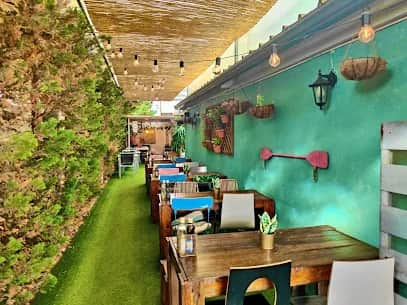 Mundi foodOpens in a new tabLisbon · Cafés & Coffee Shops
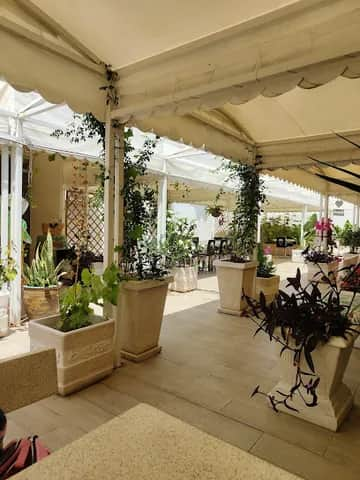 Mundi Green HouseOpens in a new tabAlmada · Restaurants
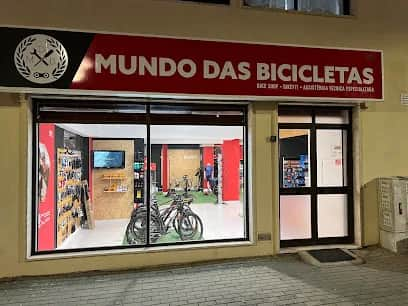 Mundo das BicicletasOpens in a new tabLoures · Shops & Markets
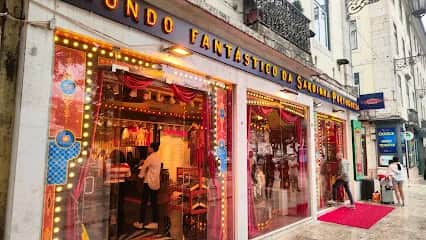 Mundo Fantástico da Sardinha PortuguesaOpens in a new tabChiado · Food & Drink Shops
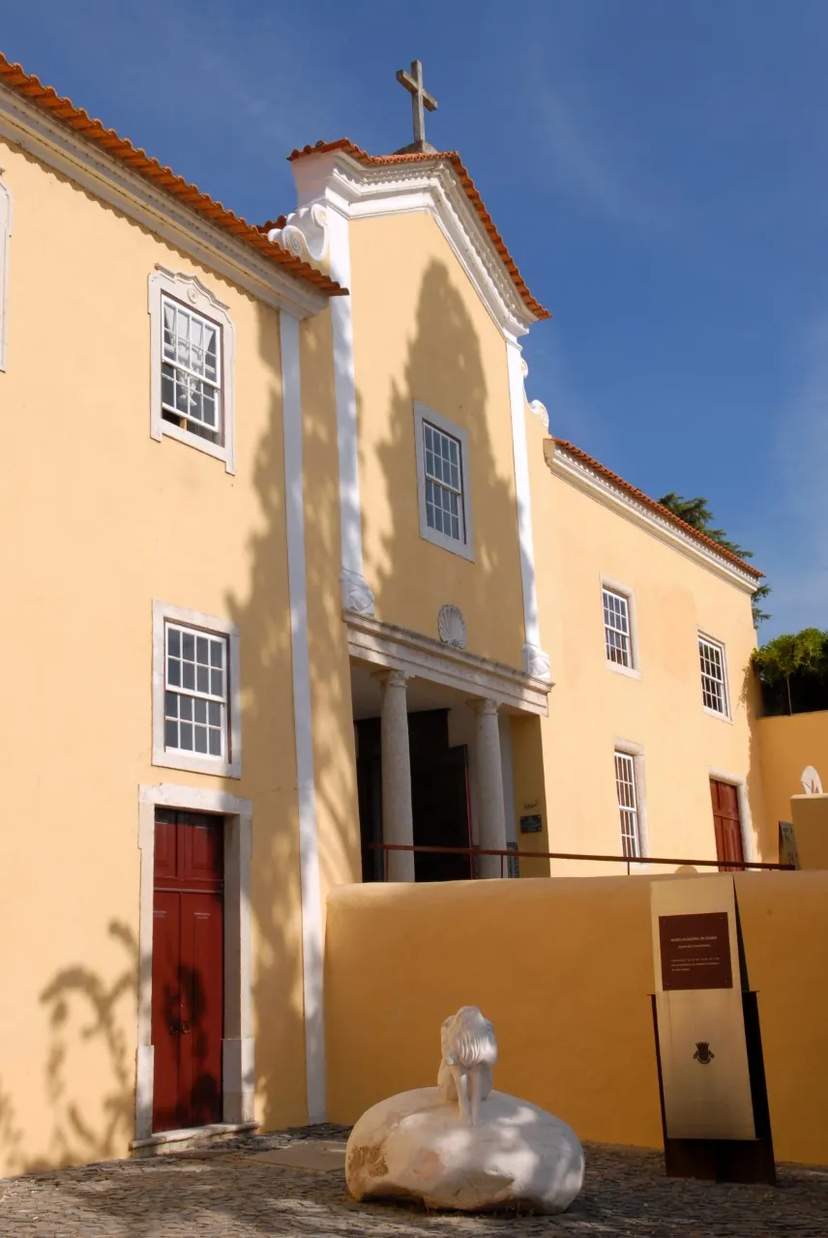 Municipal museum of LouresOpens in a new tabLoures · MuseumsThe Museu Municipal de Loures is a museum in Santo António dos Cavaleiros, in the municipality of Loures, Portugal. Since 1998 it has been housed in the Quinta do Conventinho, with a mission of studying and promoting local history.
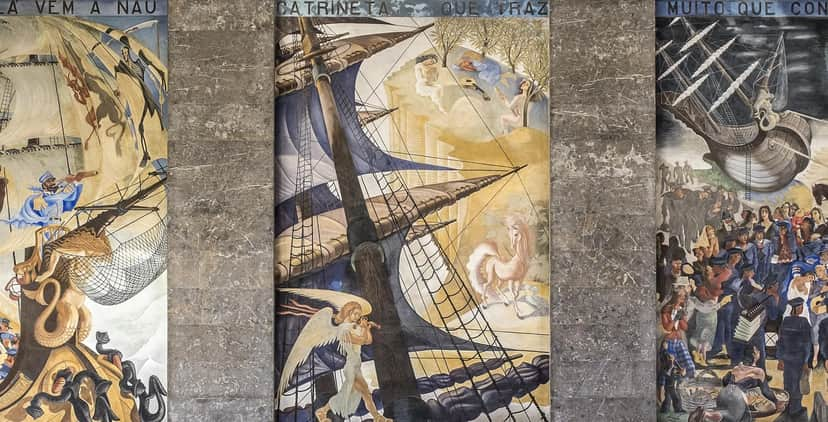 Murais de Almada Negreiros nas Gares MarítimasOpens in a new tabAlcântara · Museums8 murals divided into two triptychs and two standalone panels. They depict the Portuguese nationalist imagination, highlighting shipbuilding, the legends of the naus and the departure of the navigators
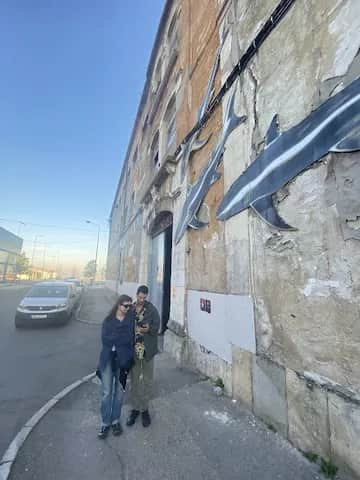 Mural dos tubarões de MarvilaOpens in a new tabLisbon · Sights & Landmarks
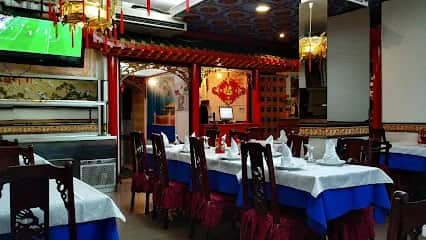 Muralha de PequimOpens in a new tabOeiras · Restaurants
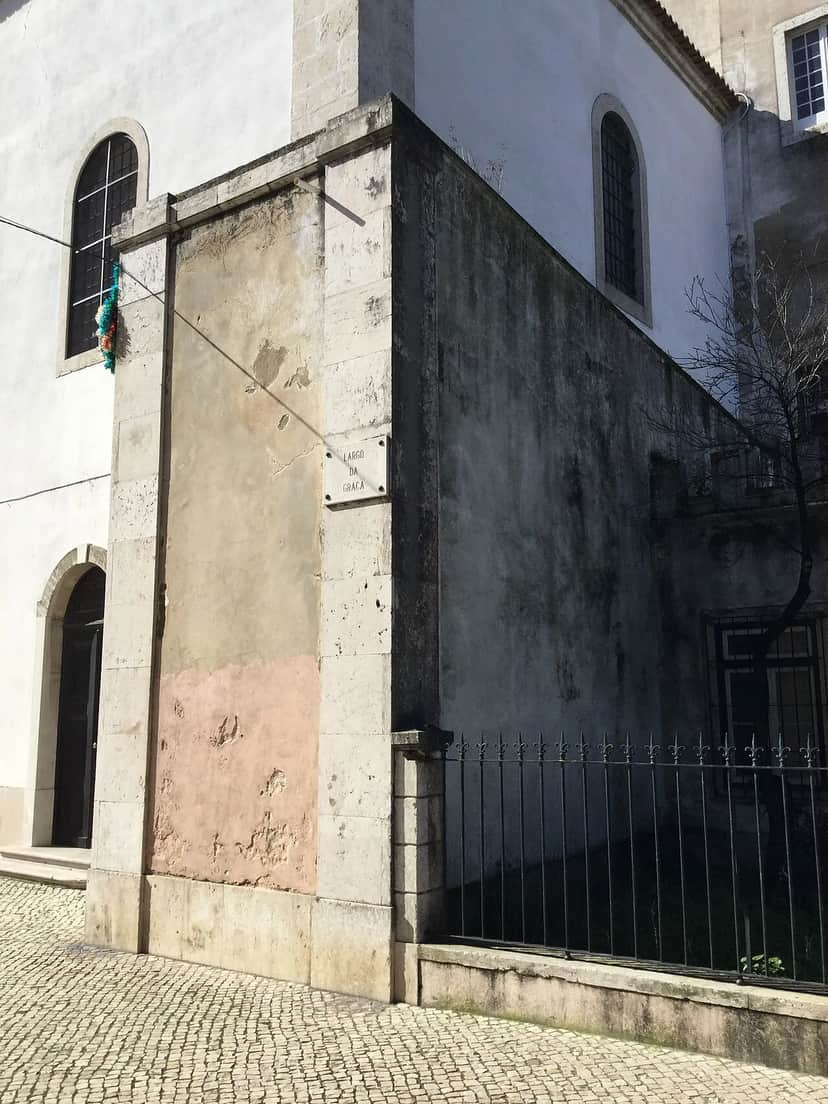 Muralha FernandinaOpens in a new tabBairro Alto · Monuments & Historic BuildingsThe Cerca Fernandina, also known as the Fernandine Walls of Lisbon, are the city walls of Lisbon corresponding to the extension of the old wall dating from the era of Caesar, carried out by King Ferdinand I in 1373.
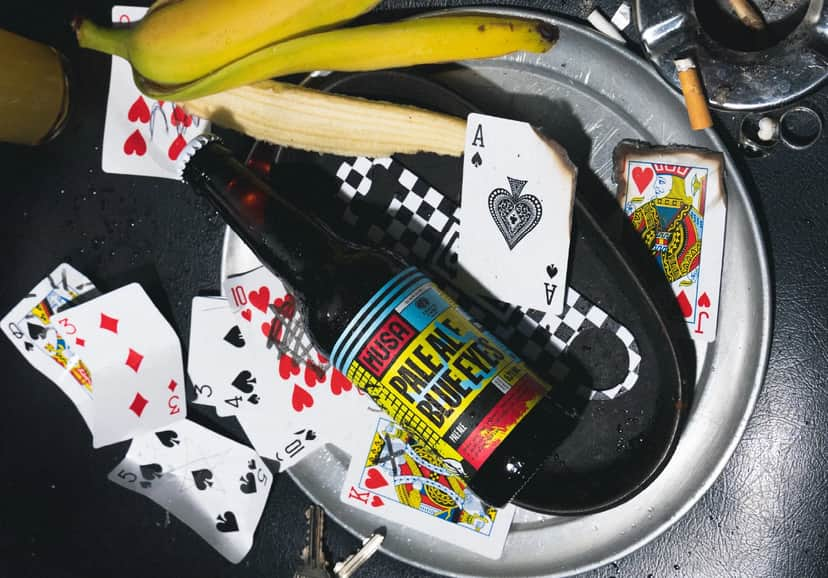 Musa da MarvilaOpens in a new tabLisbon · Bars & NightlifeMusa is a beer for people who think "I really fancy drinking a beer", made by people who think "I really fancy making a beer". A beer that makes you laugh before the first sip and makes you want to dance after the second.
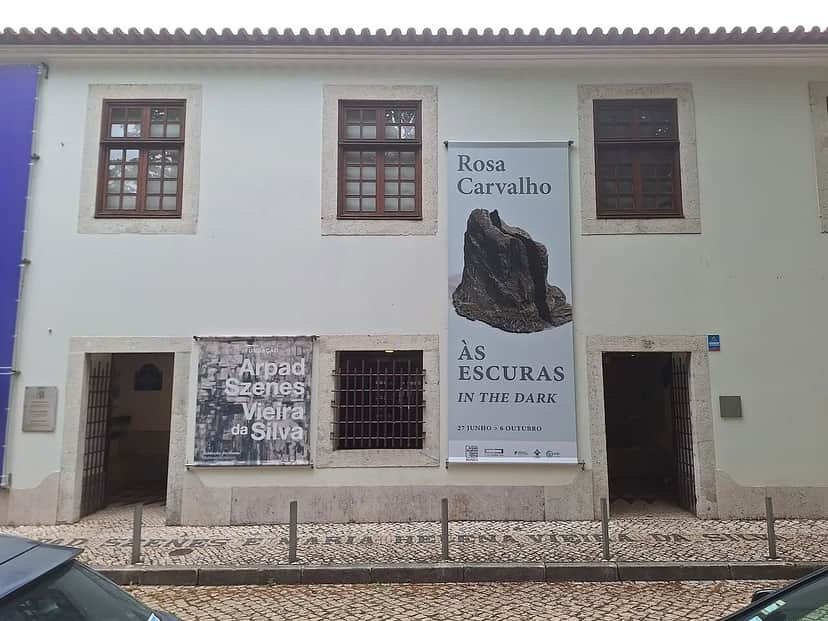 Museu Arpad Szenes - Vieira da SilvaOpens in a new tabPríncipe Real · Museums
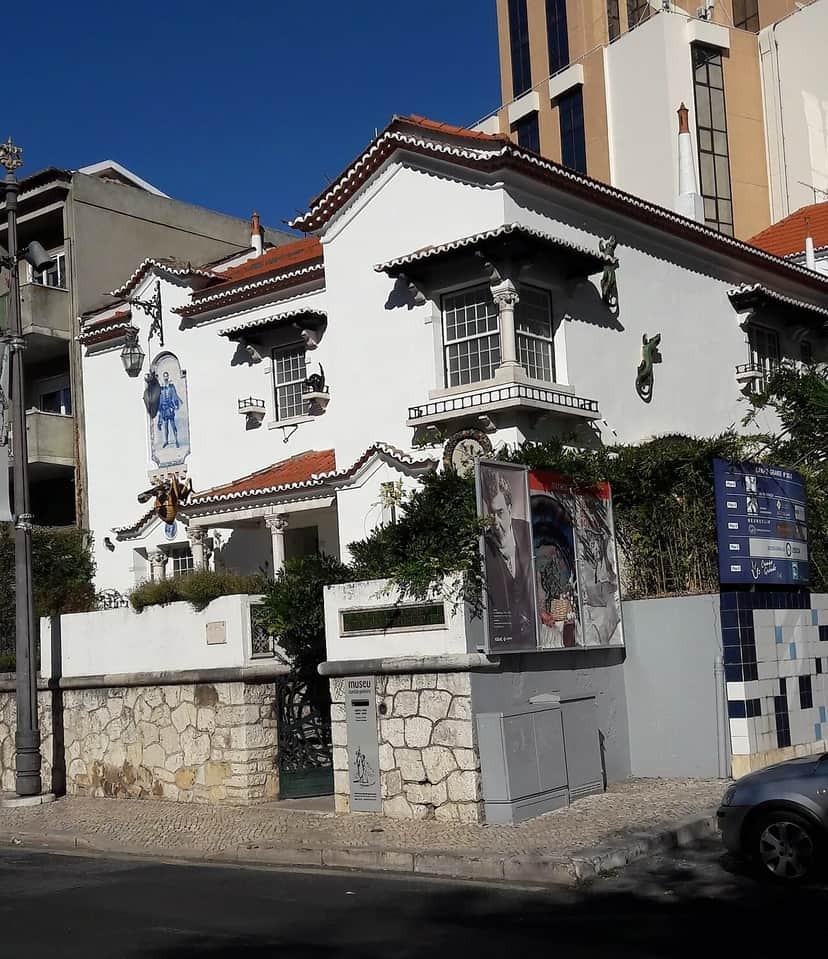 Museu Bordalo PinheiroOpens in a new tabAlvalade · MuseumsRafael Bordalo Pinheiro Museum is a municipal museum, in Lisbon, Portugal. It is entirely dedicated to the life and works of the artist Rafael Bordalo Pinheiro (1846–1905). It shows many of his collections of caricatures and ceramics.
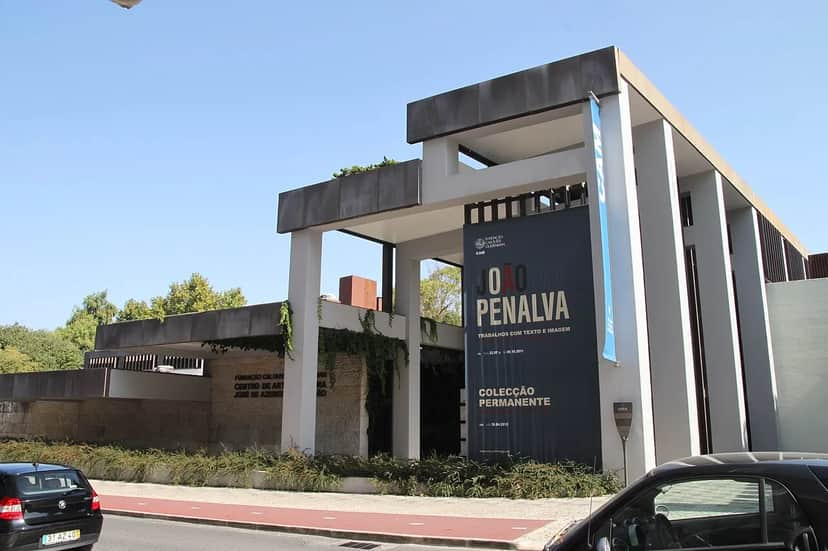 Museu Calouste Gulbenkian - Centro de Arte ModernaOpens in a new tabAvenidas Novas · MuseumsThe Museu Calouste Gulbenkian – Centro de Arte Moderna, usually shortened to CAM, stands at Rua Doutor Nicolau de Bettencourt 8A, 1050-021 Lisboa, in the Avenidas Novas neighbourhood of Lisbon. It forms part of the Calouste Gulbenkian Foundation complex, yet it holds its own distinct architectural and creative space, devoted to how modern and contemporary art has evolved. It sits inside the Foundation's park, and one description presents it as a serene, light-filled refuge that links fine art with nature. A British architect, Sir Leslie Martin, conceived it, and it opened in 1983 to house a collection of modern and contemporary Portuguese art. After an extensive reimagining led by the Japanese architect Kengo Kuma, the centre reopened to the public on 21st September 2024. The project was Kuma's first completed work in Portugal. ArchDaily credits Kengo Kuma & Associates together with OODA and VDLA, and gives the year as 2024. Buro Happold and QUADRANTE are listed for structural engineering. Vladimir Djurovic is the landscape architect, with Traços na Paisagem - Lugar Invisível named for the landscape. Benjamin Weil is listed as director and Ana Botella as deputy director. CAM holds roughly 9,000 works. The focus is on modern and contemporary Portuguese creators, shown alongside major international figures. The collection explores how art reflects social change, identity and avant-garde movements, from the 1900s to the present day. One description calls CAM a vibrant cultural hub rather than a static warehouse for paintings. Visit Lisboa says the centre has the largest collection of 20th-century Portuguese art. Visit Lisboa describes the wider Gulbenkian site as including the collections, the centre of modern art, a bookshop, gardens and an open-air auditorium. The foundation was created through the will of Calouste Gulbenkian, whom the listing calls a humanist, and its purpose is to promote the universal values of humankind. Arts, science and education receive special emphasis. The museum, art library, modern art centre and temporary exhibitions attract thousands of visitors every day. Gulbenkian Música, with its choir and orchestra, organises programmes whose tickets sell out quickly. The gardens, research centre and publications draw further visitors. Enquiries can go to +351 217 823 000 or museu@gulbenkian.pt, and further information is at gulbenkian.pt/museu. The listing also mentions 20% with the Lisboa Card.
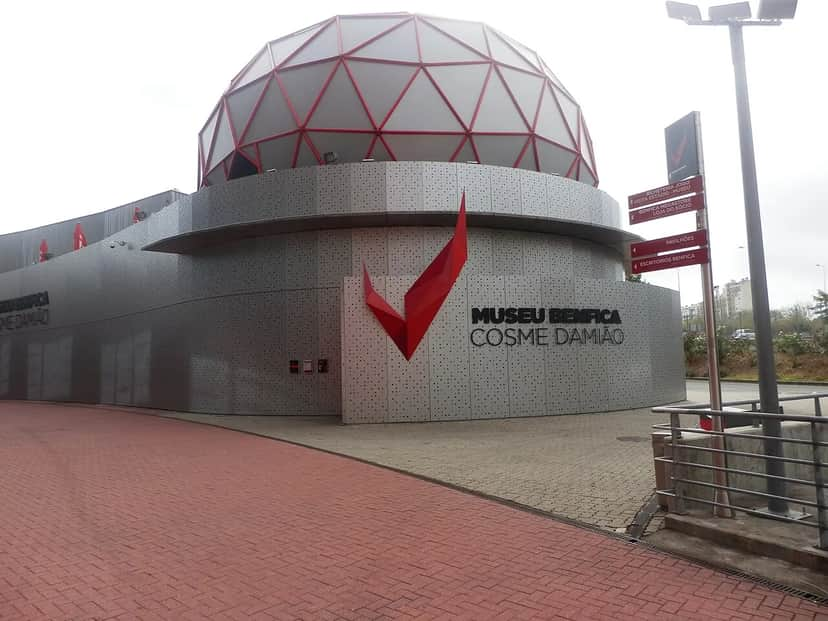 Museu Cosme DamiãoOpens in a new tabLisbon · MuseumsMuseu Benfica – Cosme Damião, also called the Benfica Museum, is an interactive museum devoted to the history of Sport Lisboa e Benfica. It takes its name from Cosme Damião, one of the club's principal founders in 1904. The museum spreads over three floors and 29 themed areas, where around 1,000 artifacts, historical documents and a large display of trophies are shown. Visit Lisboa describes the space as more than the memory of a sports club: it preserves and shares the history of Lisbon, Portugal and the world. The museum links sports history with the cultural identity of Lisbon and with twentieth-century world history. It also presents Benfica's identity through its sporting, social and heritage sides. Its approach is contemporary and uses modern technologies, putting knowledge, emotion and experience first. It is a Lisbon Tourism member, and Lisboa Card holders get 15%. The museum also features in a combined Benfica Stadium and Museum Tour, listed on Booking.com and operated by Museu Benfica – Cosme Damião. The stadium is one of the largest football stadiums in Portugal and hosted the Champions League final in 2014 and 2020. On the tour, guests see the locker rooms, executive suites and press conference room, and walk across the lawn. The adjoining museum then shows exhibits and documents on the story of Portuguese football and the origins of the stadium. Duration runs from 1 hour to 3 hours 30 minutes, with tours in Portuguese and English. Admission is included, but food and drinks are not. Tickets are presented at the Stadium Tours entrance, Gate 17. Tours do not run on international or national match days, or the day before and after. Children must be accompanied by an adult, and booking requires being 18 or older. Surfaces are wheelchair accessible, and the tour is open to pushchairs. Opening hours are 10:00 to 18:00 Monday to Thursday and at weekends, and 10:00 to 23:00 on Friday. Visit Lisboa shows 10:00 to 18:00 on every day. The address is Avenida General Norton de Matos, 1500-313 Lisboa, while other listings give Avenida Eusébio da Silva Ferreira with the same postcode. By metro, take the Blue Line to Alto dos Moinhos or Colégio Militar. Carris buses 3, 726, 767 and 768 stop at Estrada da Luz, and 750 is the 2nd Circular. Rodoviária de Lisboa no. 210 and Lisboa Transportes 101, 128, 142 and 163 serve Colégio Militar. CP trains stop at Benfica or Sete Rios. The museum can be reached on +351 217219590 or +351 707200100, at museu@slbenfica.pt, or at museubenfica.slbenfica.pt. Tripadvisor shows 4.7 from 274 reviews.
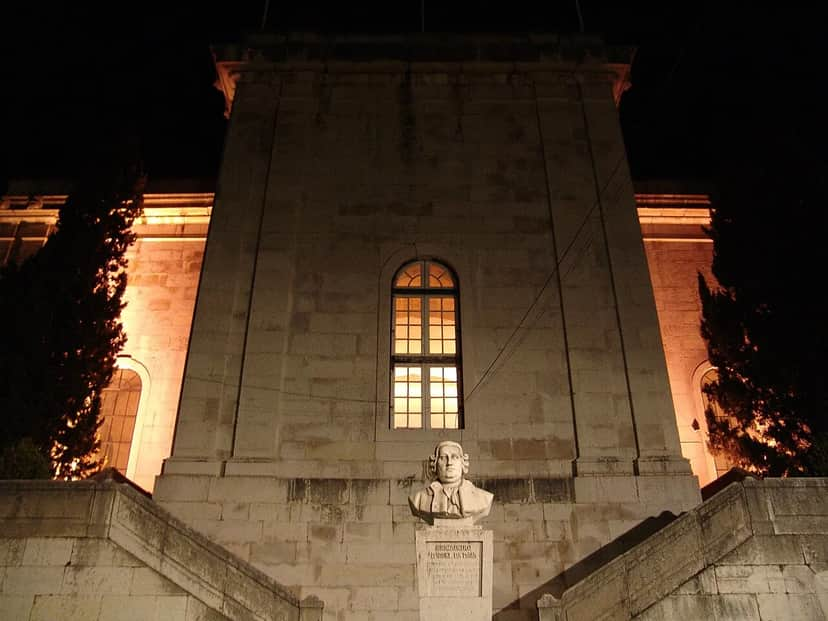 Museu da ÁguaOpens in a new tabGraça · MuseumsThe Museu da Água (Water Museum), operated by EPAL – Empresa Portuguesa das Águas Livres, is located in Rua do Alviela, 12, in the Graça neighborhood of Lisbon. The headquarters also contains the Barbadinhos Steam Pumping Station (Estação Elevatória a Vapor dos Barbadinhos) which was built in 1880, and was the last section built for the Museum. The Pumping Station represents an important part of Lisbon’s industrial heritage. The Steam Pumping Station represents an important part of Lisbon’s industrial heritage and history. The Steam Pumping Station contains a number of steamed engines, that are still operational. Permanent exhibits provide visitors information on how water is polluted, the water cycle, the history of water supply to the city of Lisbon, the museum’s collection of water supply machinery. Visitors can observe how the water supply history influenced the development of the city of Lisbon. The Museum is designed to be a educational facility for visitors of all ages. One visitor guide describes the museum, which charts the various historical methods of providing the city of Lisbon with water from Roman times, in a small space. It gives details of Lisbon's initial fountains and offers visitors an opportunity to locate them. Still, another guide describes Lisbon's transition from primitive ways of providing water to the public and from fountams to an urban water supply system. The system was made up of numerous water pipes. The museum has numerous displays and exhibits to help visitors understand the water supply system and how it was gradually improved. Other buildings within the Lisbon Museum system include the Águas Livres Aqueduct, the Mãe d'Água das Amoreiras Reservoir which were all constructed between the 17th and 19th centuries. The museum is open from Tuesday to Sunday from 10:00 to 18:00. It is closed on public holidays. The museum can be contacted by telephone on (351) 218 100 215. More information about the museum can be obtained at epal.pt/epal. The Museum also has a Facebook page.
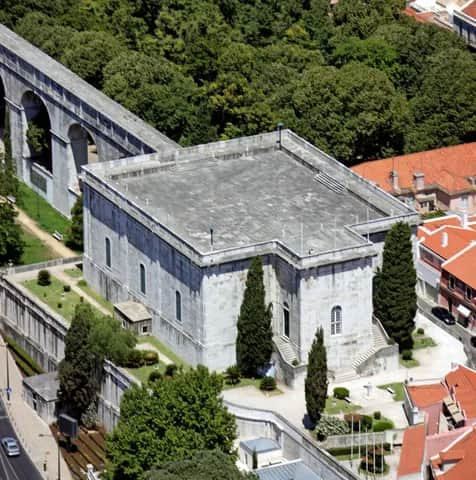 Museu da ÁguaOpens in a new tabPríncipe Real · MuseumsThe Museu da Água, housed in the building of the former Estação Elevatória a Vapor dos Barbadinhos, resulted from a process of musealisation of the estate of the Companhia das Águas de Lisboa that began in 1919, with the inventorying of the collection from the end of the 1930s onwards. In 1987 a permanent exhibition was inaugurated, dedicated to the history of Lisbon's water supply from the Roman presence to the present day, displaying pieces from the company's collection; in 1990 the museum received the Council of Europe Award, being the only Portuguese museum distinguished in this way. This exhibition remained until December 2013, when requalification works on the building began, with improvements to accessibility and modernisation of the exhibition space.
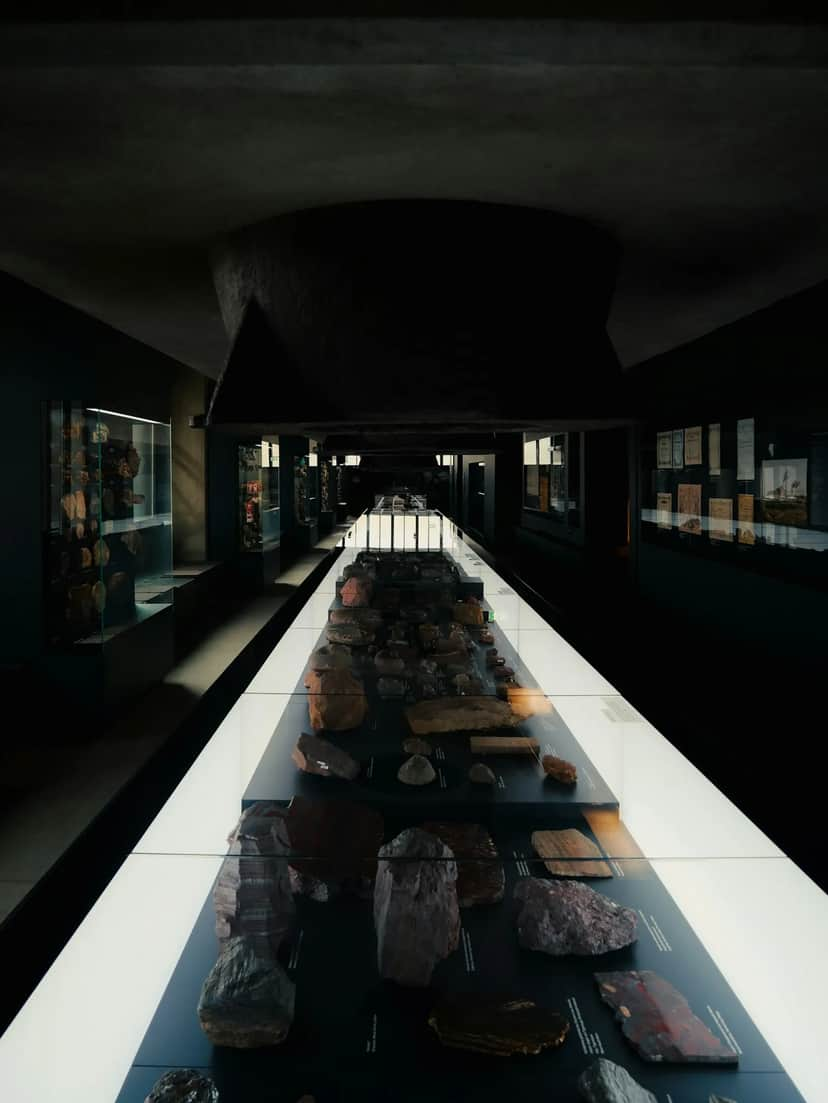 Museu da Casa de GoaOpens in a new tabAlcântara · Museums · Illustrative photo
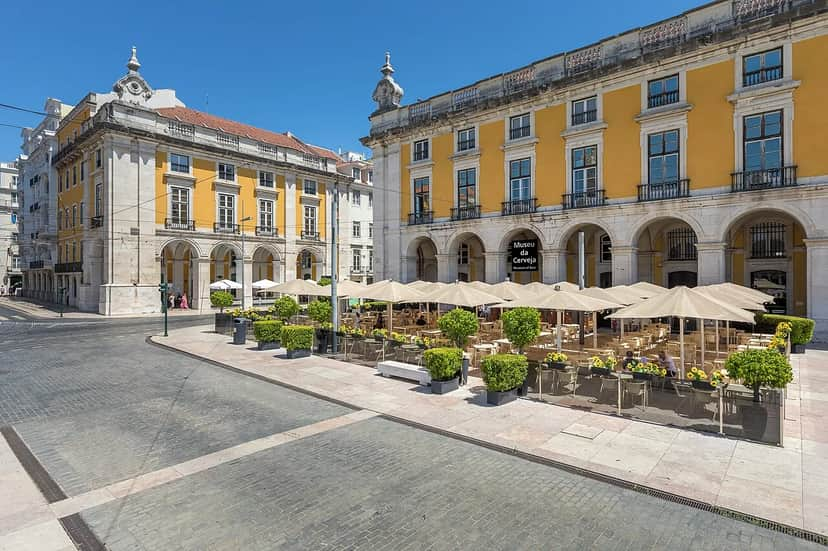 Museu da CervejaOpens in a new tabBaixa · RestaurantsOpened on Portugal Day in 2012 on Praça do Comércio, the Museu da Cerveja is both a restaurant focused on Portuguese cuisine and a museum presenting the history of beer, the most widely consumed alcoholic drink in the world.
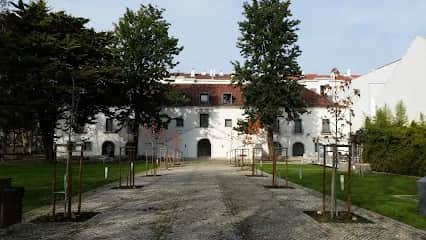 Museu da Cidade de AlmadaOpens in a new tabAlmada · Museums
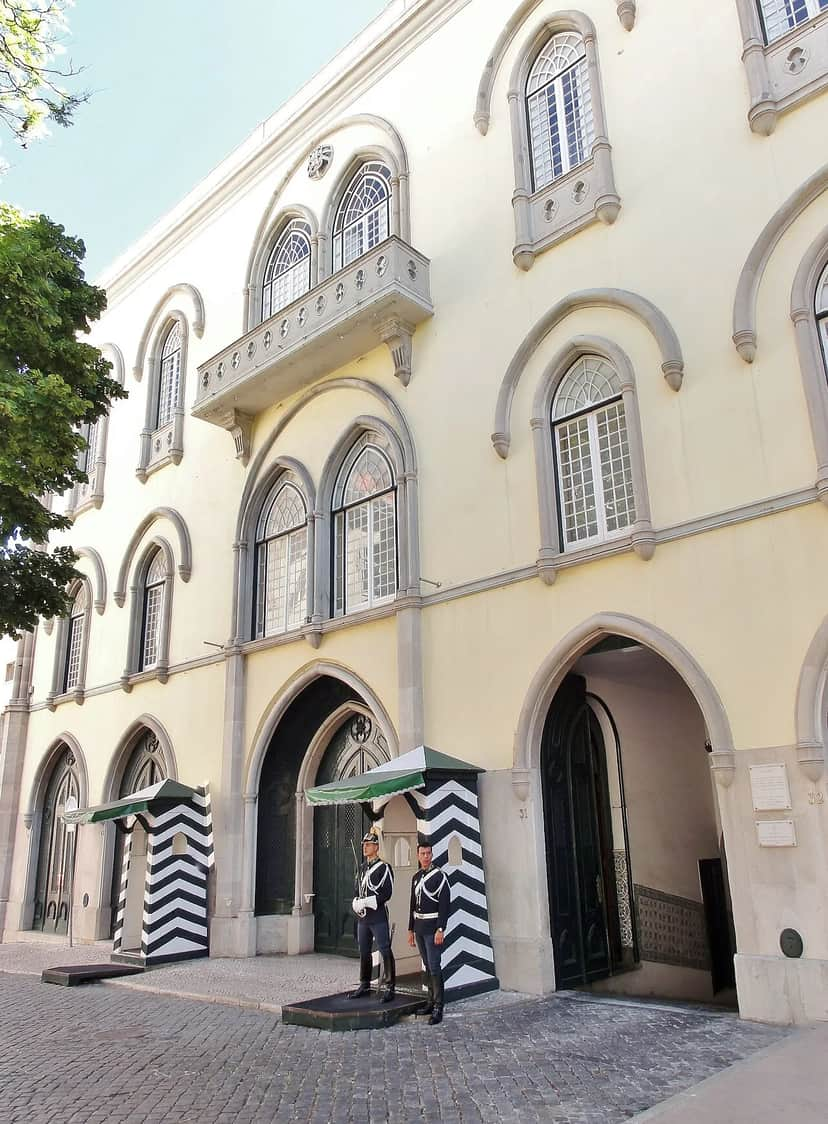 Museu Da Guarda Nacional RepublicanaOpens in a new tabChiado · Museums
 Museu da Liga dos Combatentes (Núcleo da Sede Social)Opens in a new tabBairro Alto · Museums
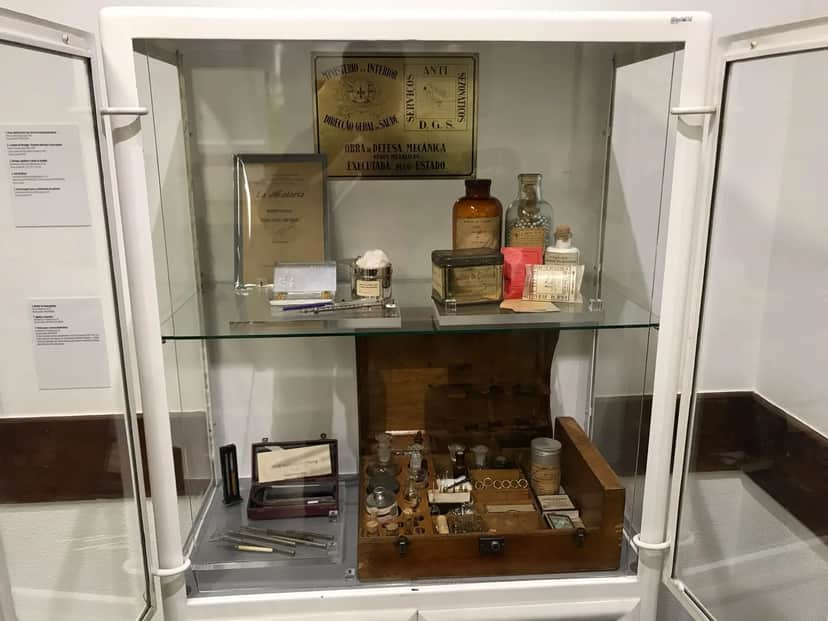 Museu da SaúdeOpens in a new tabArroios · MuseumsMuseum located in Lisbon dedicated to the history of health in Portugal
Powered by Foursquare ·Photo and data credits ▾
Photos: DataForSEO · Inesmmloures (CC BY-SA 4.0), via Wikimedia Commons · muraisalmadagaresmaritimas.pt · Osoraku (CC BY-SA 4.0), via Wikimedia Commons · cervejamusa.com · JnpoJuwan (CC0), via Wikimedia Commons · Hipersyl (CC BY-SA 4.0), via Wikimedia Commons · João Carvalho (CC BY-SA 3.0), via Wikimedia Commons · Threeohsix (CC BY-SA 4.0), via Wikimedia Commons · watermuseums.net · Photo by Jutta Elisabeth on Unsplash · Luísa Paulos (CC BY-SA 4.0), via Wikimedia Commons · Jose Manuel (CC BY-SA 3.0), via Wikimedia Commons · Data: © OpenStreetMap contributors · Wikidata (CC0) · Wikipedia (CC BY-SA 4.0)
