

Filters (0)
Rating▾
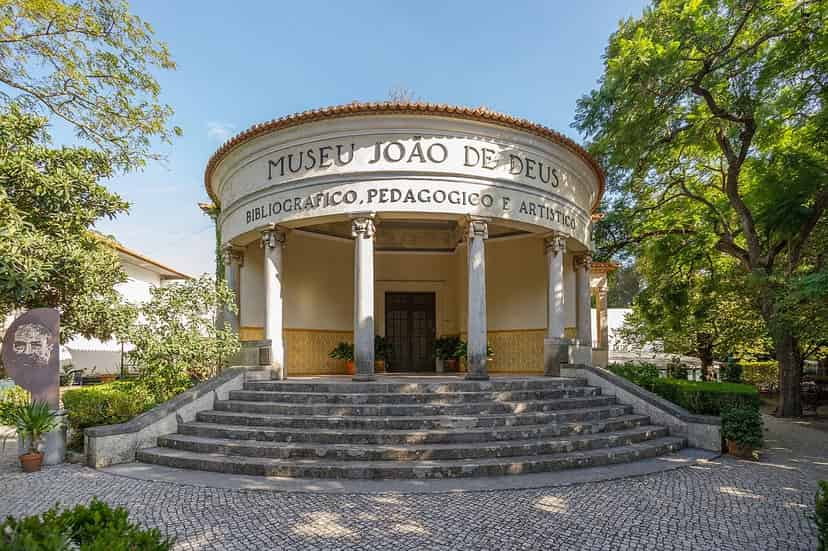
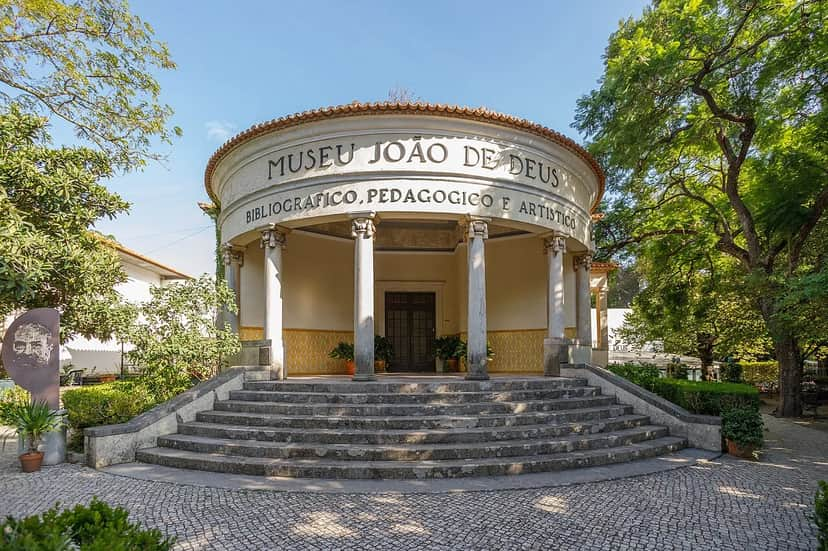 Museu João de DeusThe Museu João de Deus is a house-museum of a bibliographic, educational and artistic nature. It was formally inaugurated on 12 January 1917. After the proclamation of the Republic, a group of Republicans approached João de Deus Ramos, son of the poet João de Deus, to carry out a project for spreading their ideals. They had the help of Afonso Lopes Vieira, who took to the press the idea of building the Museu João de Deus, with two aims: to be a monument to the poet and also a library supporting Portuguese culture. Designed by the architect Raul Lino, it features paintings by Leal da Câmara.LapaMuseums
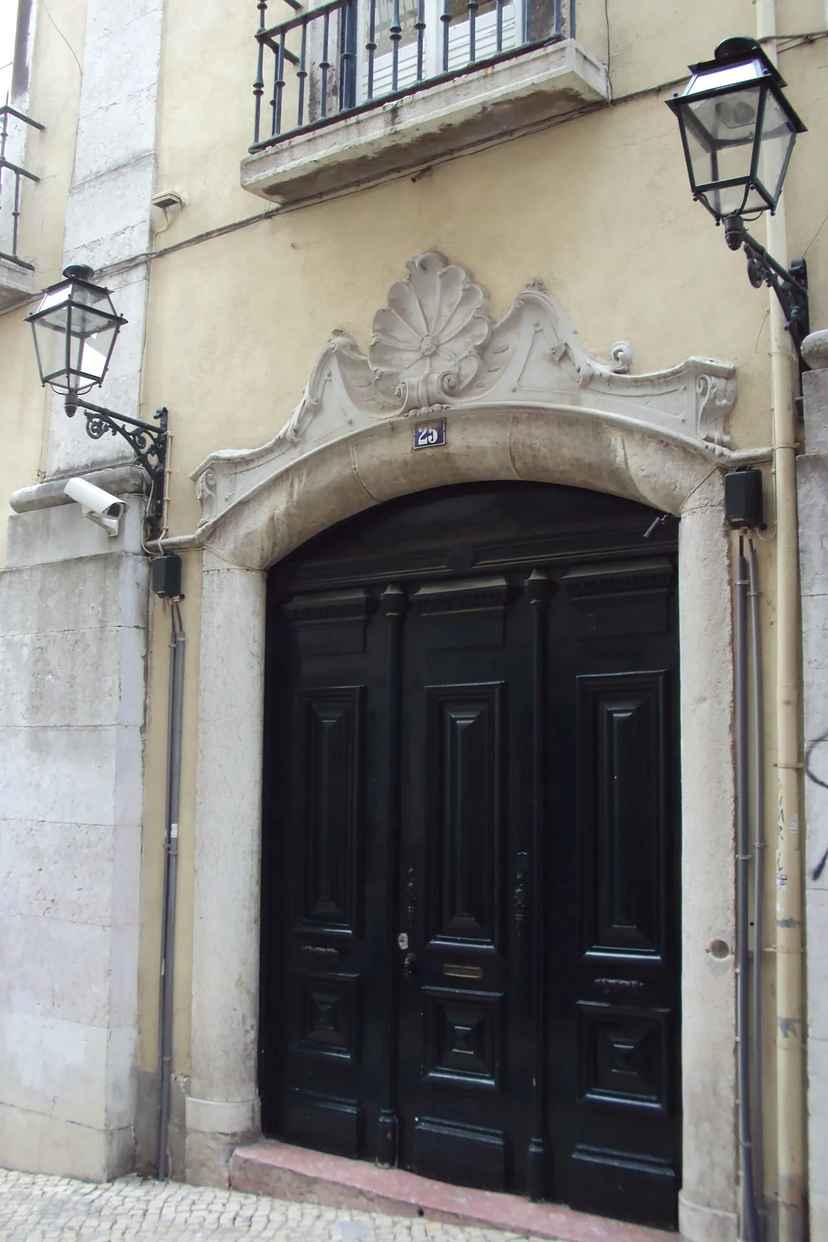
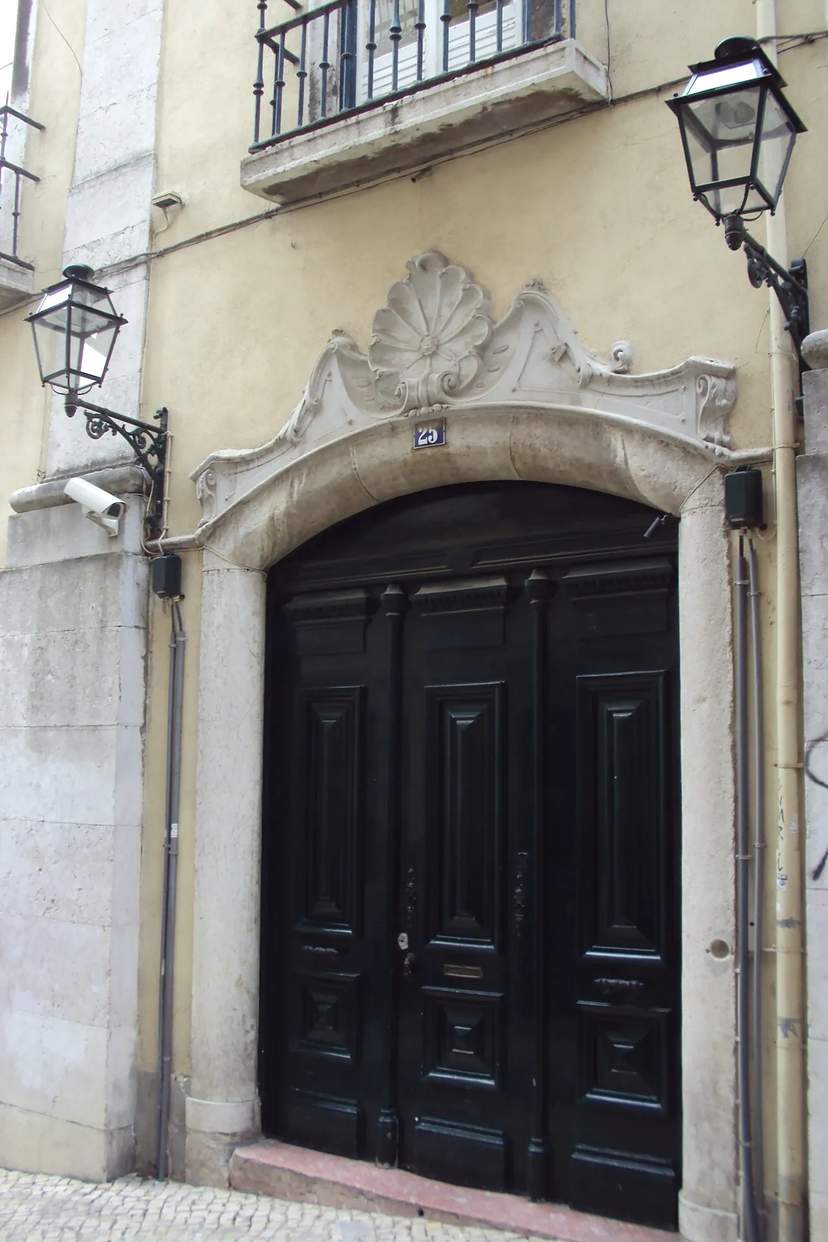 Museu Maçónico PortuguêsThe Museu Maçónico Português is a museum founded in 1984 in the Bairro Alto district of Lisbon, housed in the headquarters of the Grande Oriente Lusitano, a Masonic obedience founded in 1802.Bairro AltoMuseums
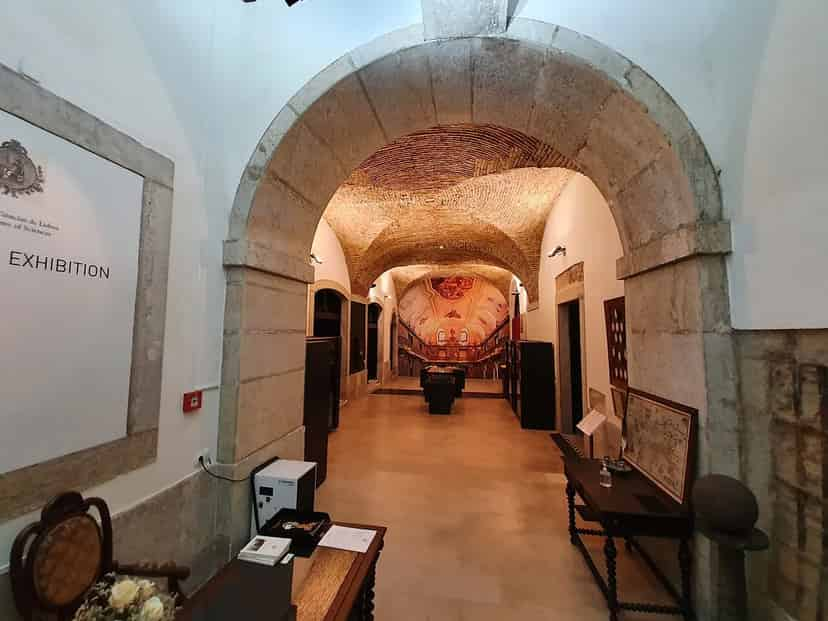
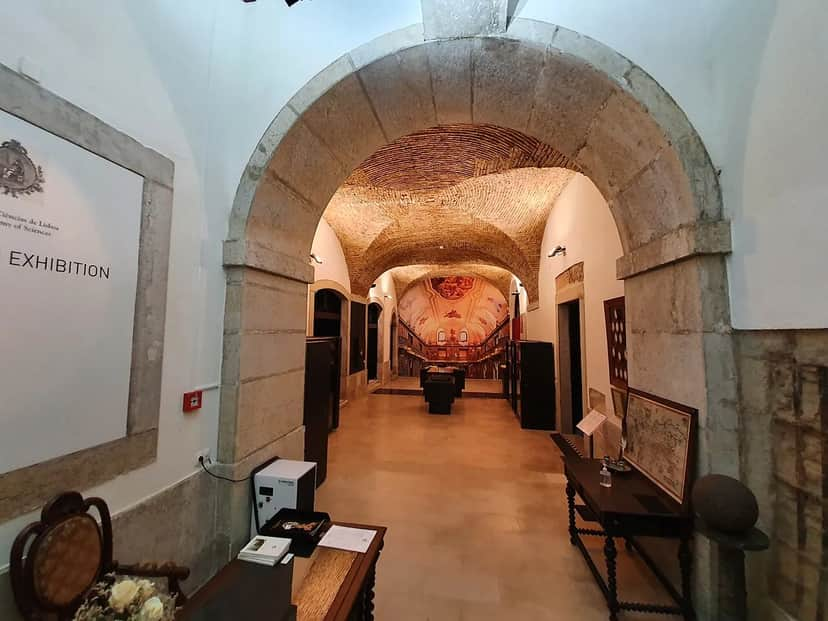 Museu MaynenseHome Introduction The Museum holds a vast and diverse material heritage linked to the educational and research activities carried out by the Academia das Ciências de Lisboa over more than two centuries. A significant part of this historical and scientific collection – made up of archaeology, ethnography, geology, palaeontology and zoology collections, conventual relics and scientific instruments, among others, […]São BentoMuseums
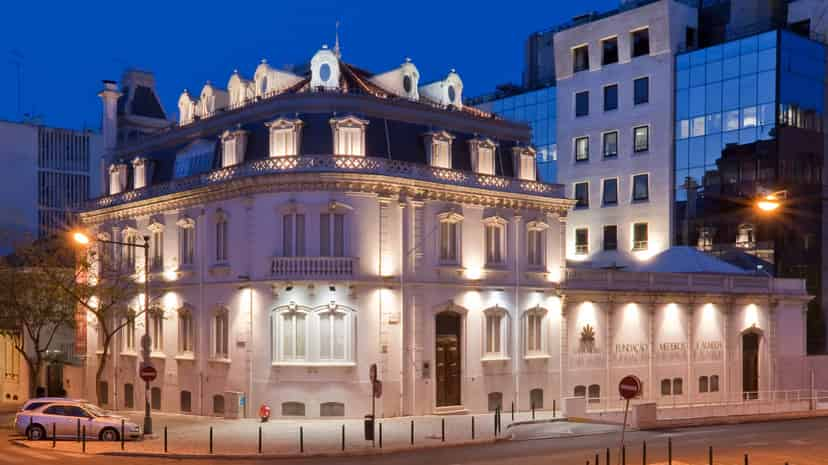
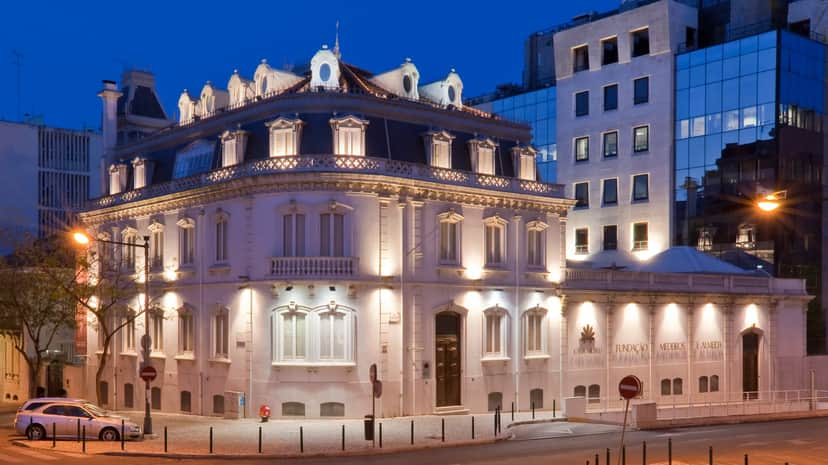 Museu Medeiros e AlmeidaThe Medeiros e Almeida Museum is located at Rua Rosa Araújo 41, Lisboa. It's in the neighborhood of Principe Real, a short walk from Avenida da Liberdade. The closest subway stops are Marques de Pombal and Avenida. The home was commissioned in 1896 by a Lisbon lawyer,. The home stayed in the Santos family until it was sold to Eduardo Guedes de Sousa in 1921. Two years later the house was expanded by the architect Carlos Rebelo de Andrade. In 1927, the house was purchased by the Vatican to serve as their diplomatic headquarters and representative office in Portugal. It was again sold in 1943 to António Medeiros e Almeida, who remodeled the house to serve as his residence. Medeiros e Almeida's interest in art and collecting grew tremendously in the years following the second World War. In the 1970's Medeiros e Almeida made additions and renovations to the house to make galleries to display his extensive decorative arts. With no heirs, Medeiros e Almeida opened a foundation in 1972, to preserve his house and collections. The Foundation welcomes visitors to view the collections. The new building houses 2,000 pieces of decorative art. Displays include Chinese terracotta and porcelain, furniture from Portuguese and French periods, and paintings by Dutch and Flemish artists. The collection includes watches and jewelry. The display of clocks and watches includes a 17th century night clock once owned by Catherine of Braganza and a Breguet watch. The collection of Chinese porcelain includes an ewer from the early Ming dynasty with the arms of King Manuel I. The collection includes works by Dutch artists, including Jan Davidsz de Heem and Anna Ruysch, as well as Jan van Goyen. The collection of European hand fans includes fans owned by Empress Eugénie and Queen Amélia of Portugal. General admission is 8 euros. Admission is 6 euros for people over 65, students, and youth card holders (12-29) and Lisbon card holders. Children under 18 are admitted free of charge. Temporary exhibitions are an additional 2 euros. Admission is free the first Saturday of each month from 10 am to 1 pm. The museum is closed on Sundays and on Good Friday, 1 May, 24 and 25 December. Listed hours vary, so check the museum website.Príncipe RealMuseums
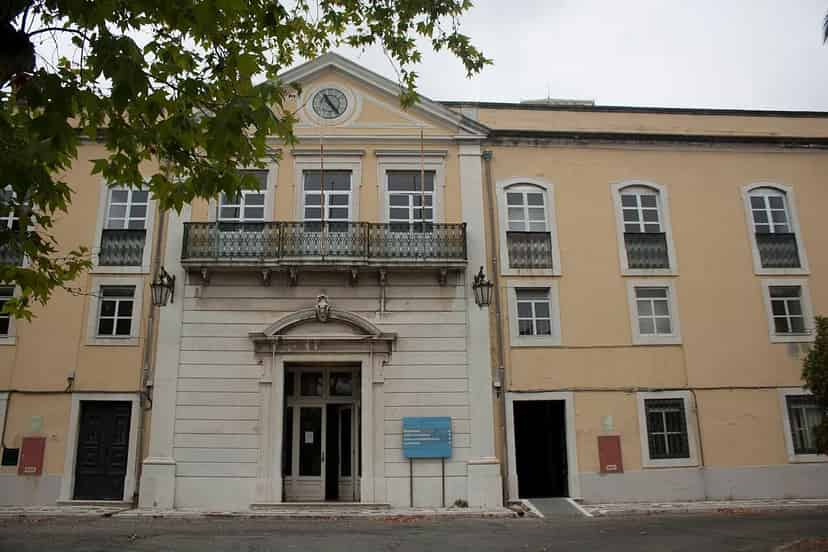
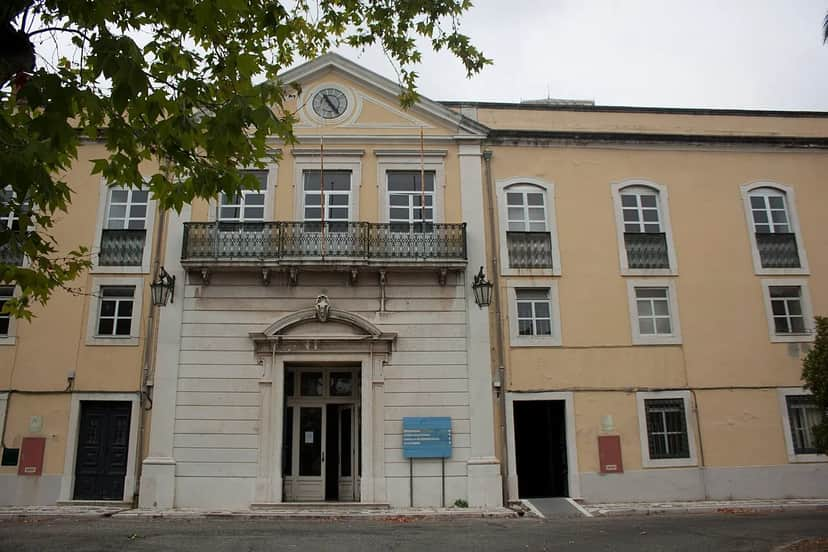 Museu Miguel BombardaThe Convent of Rilhafoles, later the Hospital of Rilhafoles and since 1911 the Miguel Bombarda Hospital GOB, belonged first to the Congregation of the Mission of St. Vincent de Paul and was founded by papal authorization and that of Cardinal-Patriarch D. Tomás de Almeida. It was also known as: Mother House of the Congregation of the Mission, House of the Congregation of the Mission in Rilhafoles, House of St. John and St. Paul, House of Rilhafoles.ArroiosMuseums
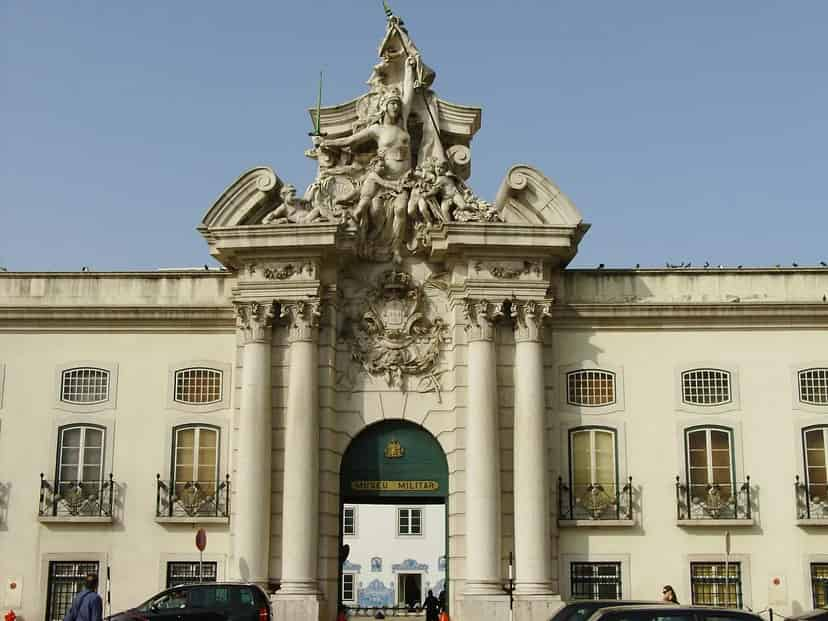
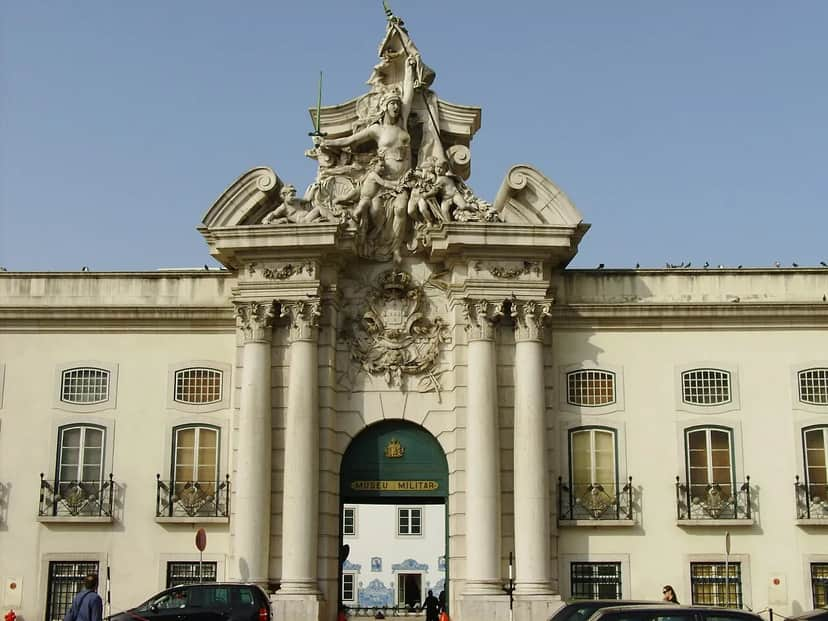 Museu Militar de LisboaIt is the oldest museum in the city of Lisbon. Its rooms, of great ornamental beauty in carved woodwork, tiles and painting, display valuable collections, notably the artillery collection, considered the most complete in the world...AlfamaMuseums
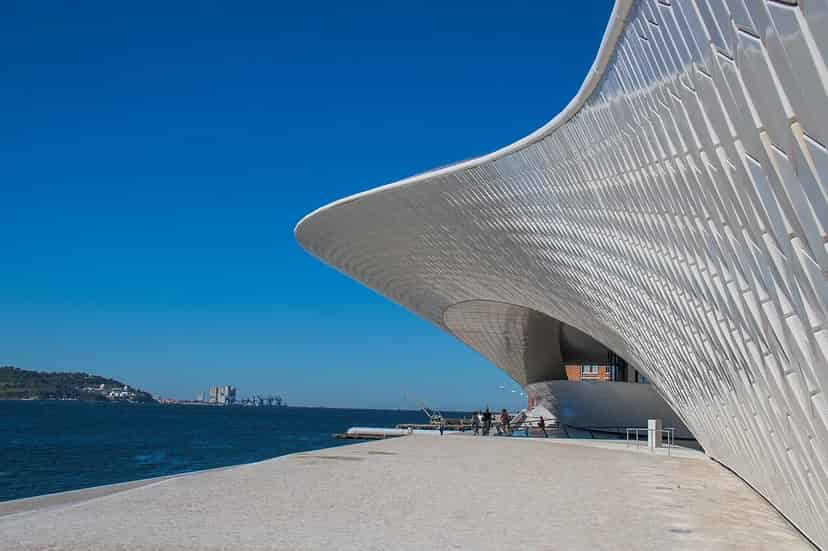
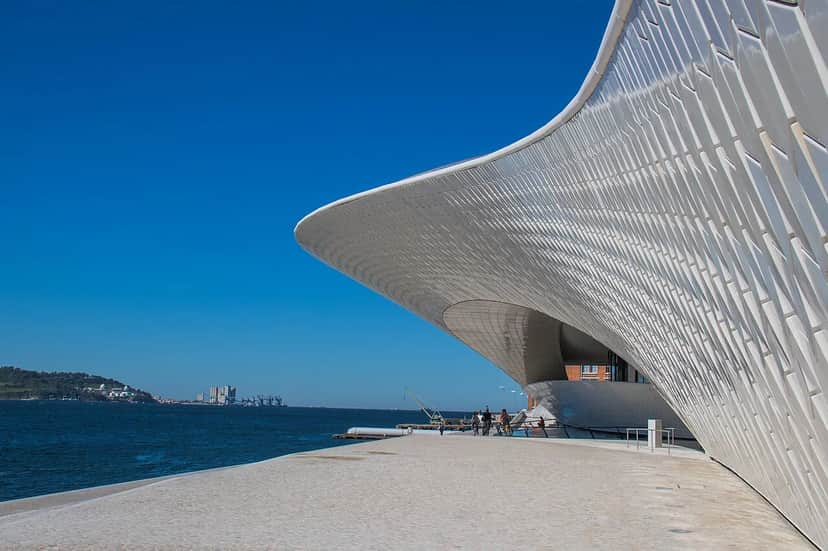 Museum of Art, Architecture and TechnologyThe Museum of Art, Architecture and Technology (MAAT) is a contemporary art museum in Lisbon, Portugal, bringing three fields together in a space for debate, discovery, critical thinking and international dialogue. It stands in the Belém area, beside the River Tagus, on land reclaimed by Lisbon from the Tagus in the late 19th century, in one of the city's most historically monumental districts, home to the Jerónimos Monastery, the Belém Cultural Centre, the Belém Tower, the Padrão dos Descobrimentos, the Palace and Museum of the Presidency of the Portuguese Republic and the Cordoaria Nacional, among others.Passeio Carlos do Carmo s/n, 1300-999 LisboaMuseums
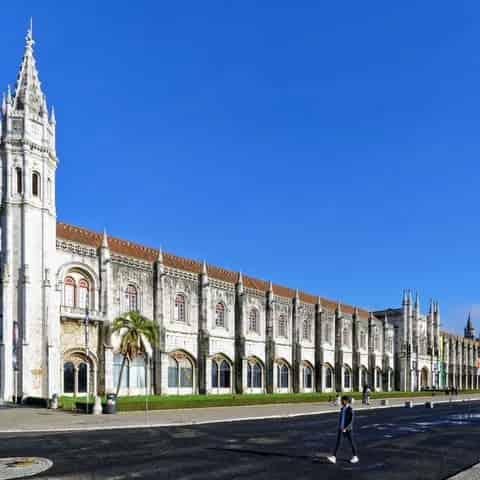
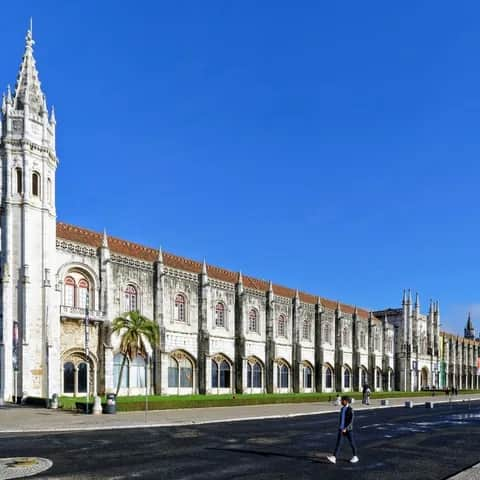 Museum of Contemporary Art - Belém Cultural CenterThe MAC/CCB – Museum of Contemporary Art and Architecture Centre is a museum dedicated to modern and contemporary art, housed in the Belém Cultural Center in Lisbon.BelémMuseums
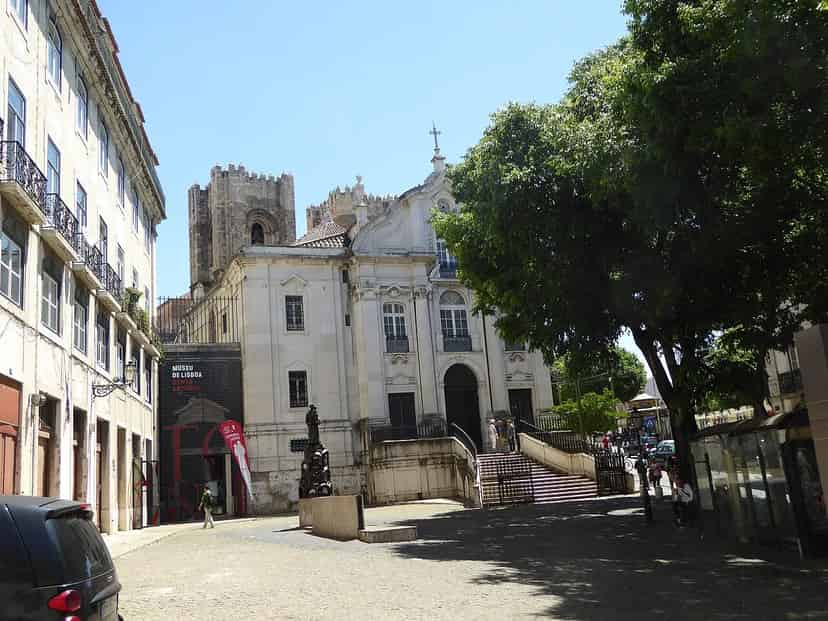
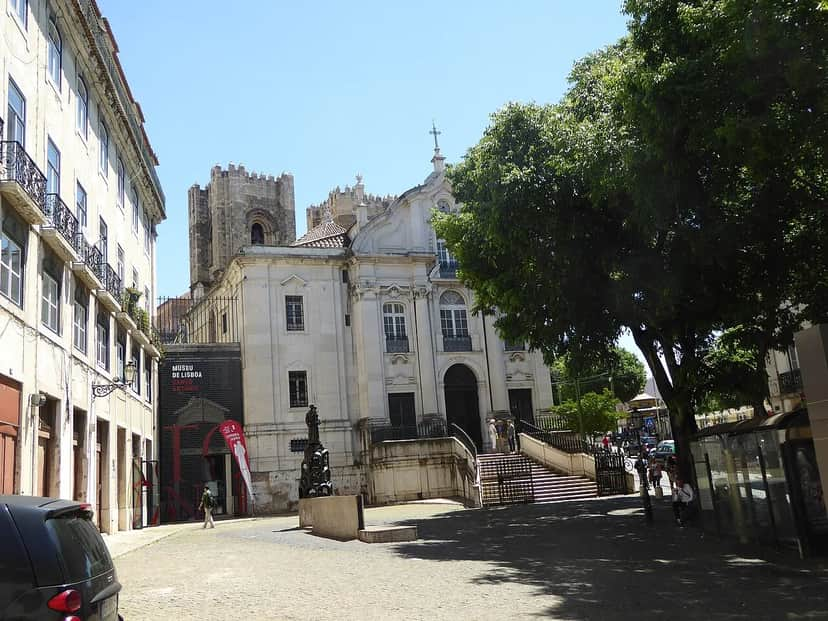 Museum of Lisbon - Saint AnthonyThe Museu de Lisboa - Santo António is a museum in the city of Lisbon, Portugal, dedicated to Saint Anthony, and is one of the five sites of the Museu de Lisboa.BaixaMuseums
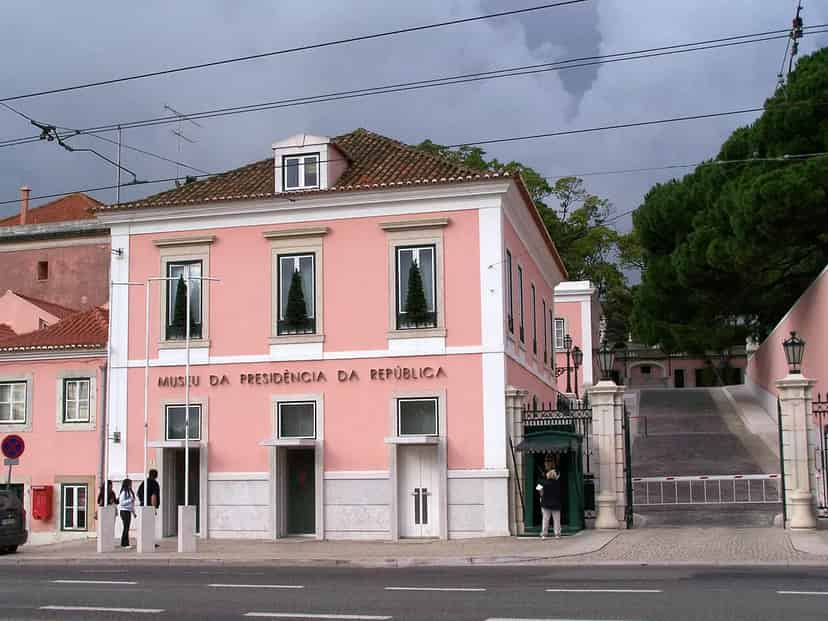
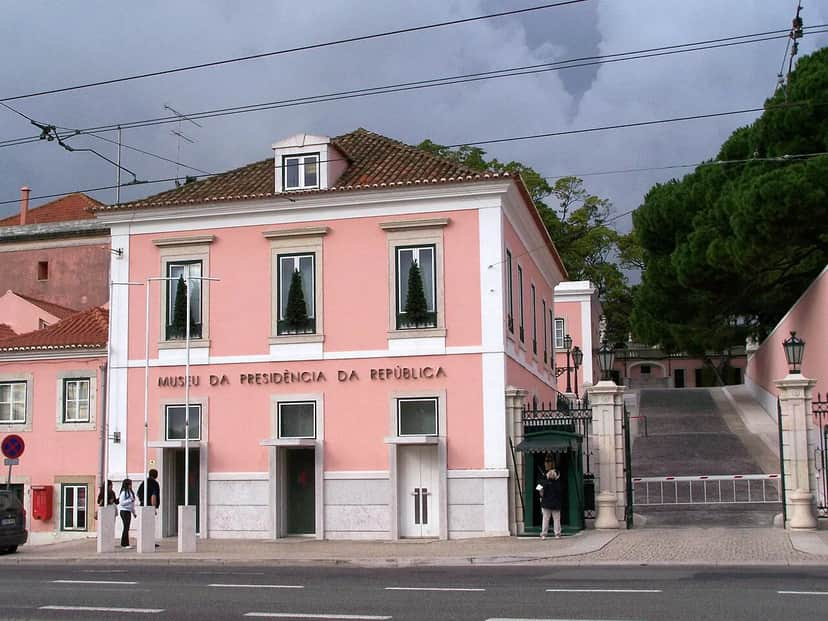 Museum of the Presidency of the RepublicThe Museu da Presidência da República is a presidential museum located in the Palácio de Belém, in Lisbon, Portugal.BelémMuseums
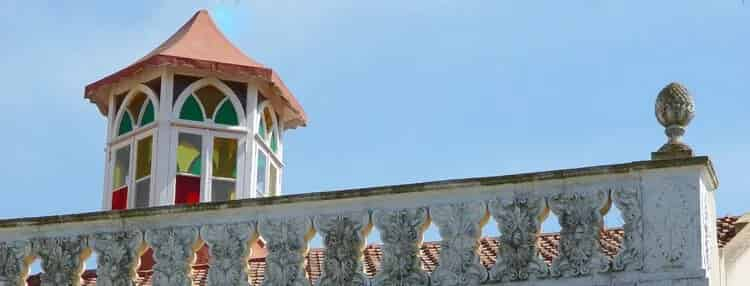
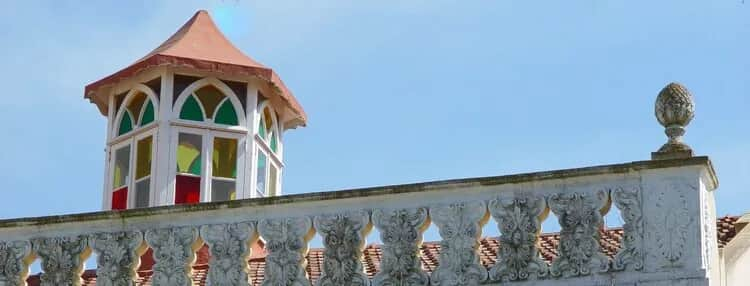 Museu MunicipalThe Museu Municipal - Casa Mora occupies a house built in the second half of the 19th century as the private residence of Domingos Tavares and Margarida Inácia dos Anjos, major rural landowners of what was then the municipality of Aldeia Galega, completed around 1875. Eclectic in taste, following 19th-century fashion, it presents a refined façade in the design of the mouldings around the openings, in the iron railing of the main floor and in the corbels that support the balcony. The museum includes exhibitions and a museum collection.MontijoMuseums
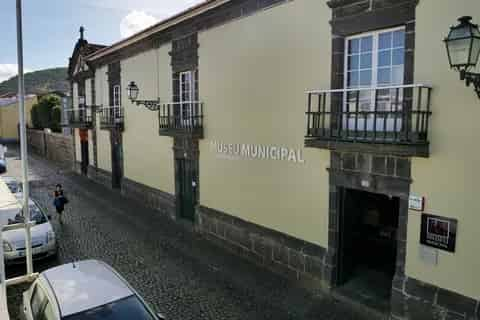
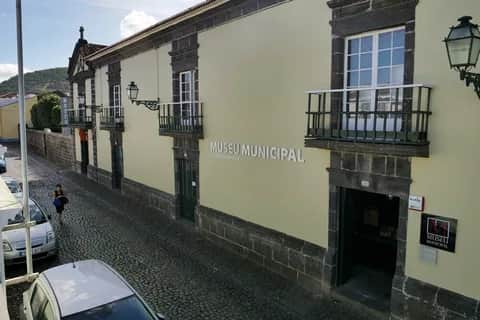 Museu Municipal da Ribeira GrandeMunicipal museum located in Ribeira Grande, PortugalAlfamaMuseums
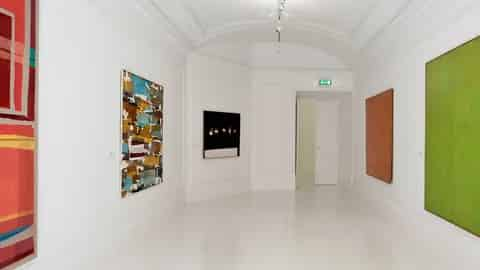
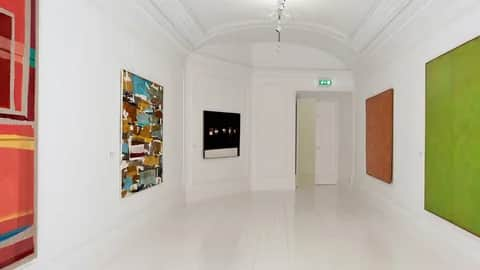 Museu Nacional de Arte Contemporânea (MNAC)MNAC – Museu Nacional de Arte Contemporânea do Chiado is a national museum in Lisbon whose collection comprises founding works of contemporary Portuguese art historiography from 1850 to the present day, including several national treasures. Alongside its permanent exhibition, it presents temporary exhibitions, guided tour series, education services and learning resources, a documentation centre, and a shop and coffee shop. Some areas are temporarily closed due to renovation works under Portugal's Recovery and Resilience Plan.ChiadoMuseums
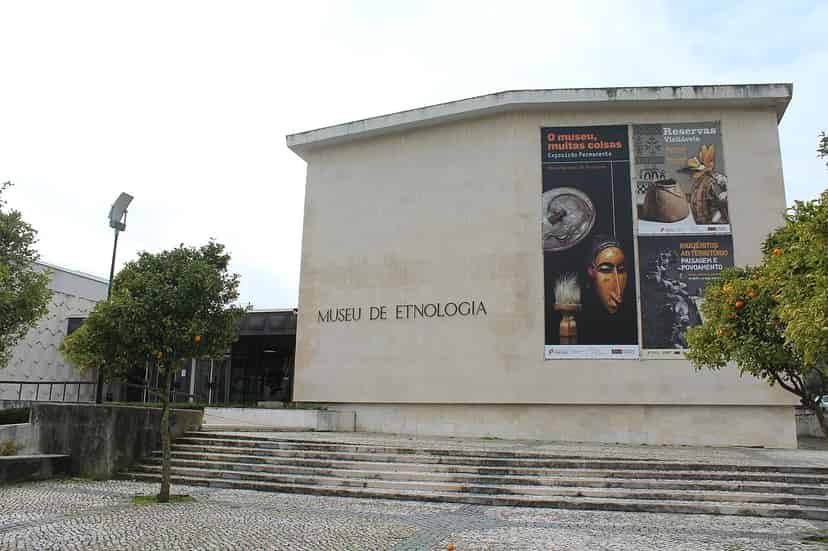
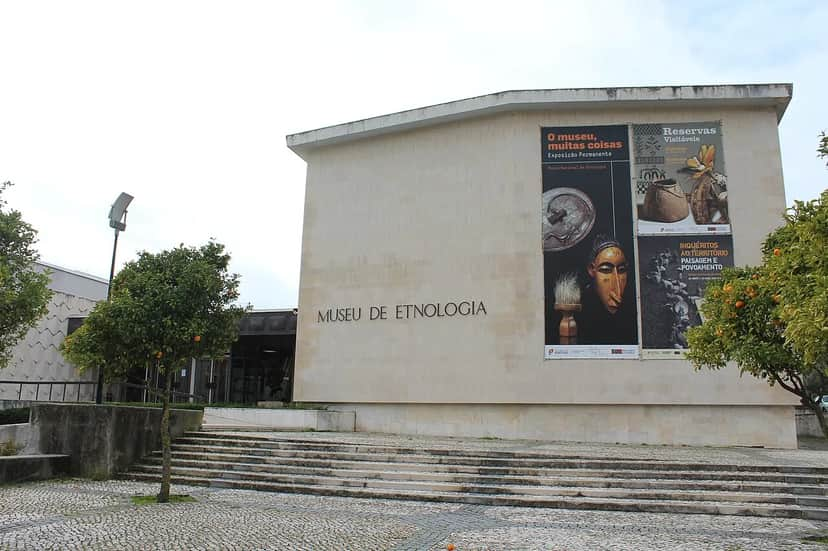 Museu Nacional de EtnologiaThe Museu Nacional de Etnologia stands on Avenida Ilha da Madeira, 1400-203 Lisboa, in the Belém neighbourhood. Its story is bound up with the history of Portuguese anthropology. The collection holds around 40,000 objects gathered in several parts of the world and represents about 80 countries across five continents. The strongest holdings come from Portugal, mainland and islands alike, and from the former colonies. The idea for the museum took shape in 1959, when an exhibition called "Vida e Arte do Povo Maconde" was assembled from objects gathered in research led by Jorge Dias among ethnic minorities of the Portuguese overseas empire. The museum itself was founded in 1965 as the "Museum of Overseas Ethnology", with Jorge Dias as first director. After his death in 1973, Ernesto Veiga de Oliveira became director. In 1975 it moved from temporary facilities into its present building, designed by the architect António Saragga Seabra, which opened in 1976 with the exhibition "Modernismo e Arte Africana". A lack of staff and materials closed it a year later. It reopened in 1985, and in 1990 it received its current name. Most objects came from missions organised by the museum or requested by it, while others were bought from private collectors or donated. The museum also holds 11,600 objects from the Popular Art Museum, mostly gathered in the 1930s and early 1940s for the propaganda exhibitions of the Estado Novo. The Portuguese Rural Life Galleries, open since 2000, present agricultural, grazing, traditional technology and home utensil collections, largely assembled in the 1960s and 1970s by Ernesto Veiga de Oliveira and Benjamim Pereira. The Amazonian Galleries, from 2006, show pieces from around 40 Amazonian groups, especially on the Brazilian side. Since January 2013 the permanent exhibition "The museum, many things" has been organised around seven sets that may change over time. They are Balinese shadow theatre; dolls from Southwest Angola; pot lids with sayings from Cabinda; Portuguese folk music instruments; the tally from Rio de Onor, a set devoted to one object; masks and puppets from Mali; and the sculptures of Franklim, a set devoted to an author. Two storage rooms can be visited on guided tours, with previous booking required. The museum opens on Tuesday from 14:00 to 18:00 and Wednesday to Sunday from 10:00 to 18:00. It is closed on 1 January, 1 May, 13 June, 25 December and at Easter. An adult ticket costs 3 euros. Free visitor parking is available, entered from Rua Luís Castanho de Almeida. Carris routes 728, 714, 732 and 751 serve it, as does Belém station on the Cascais line.BelémMuseums
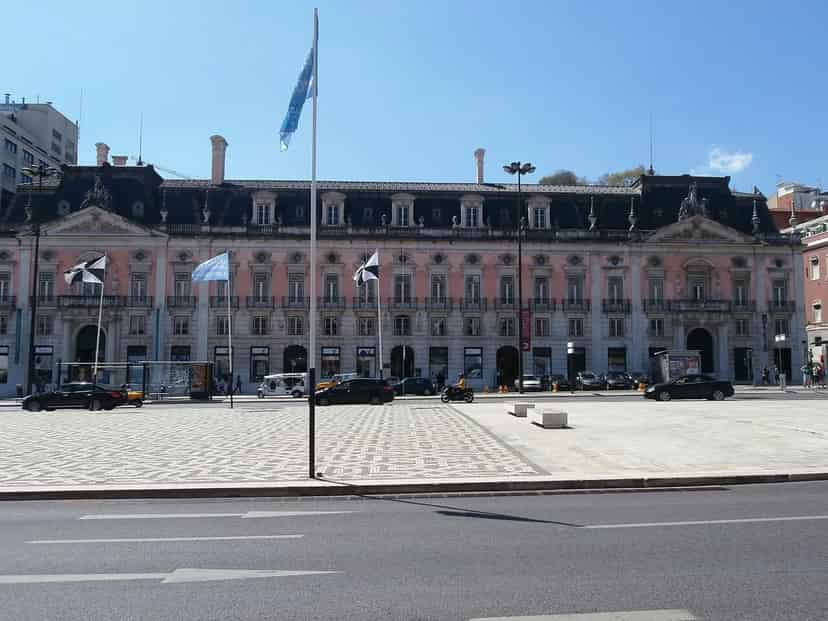
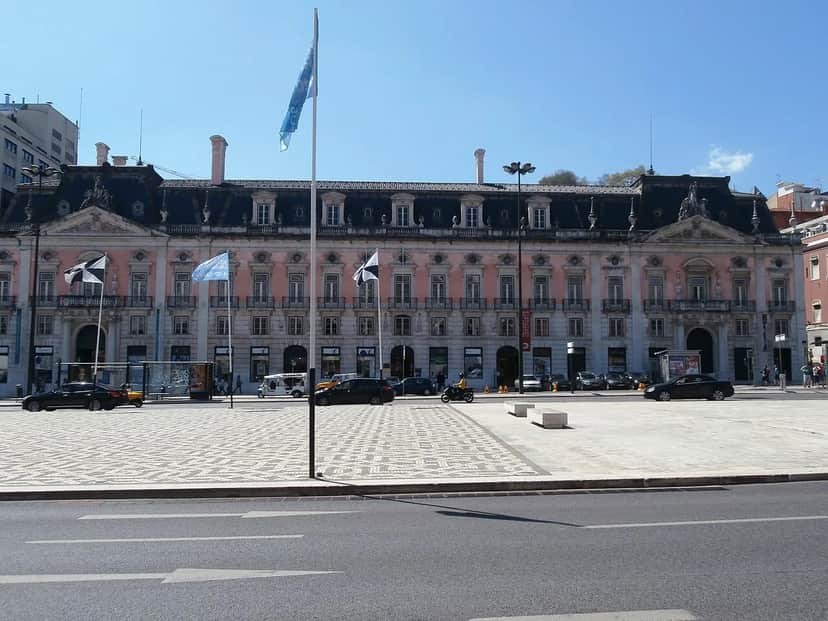 Museu Nacional do DesportoPraça Restauradores Palácio Foz, 1250-187 LisboaBairro AltoMuseums
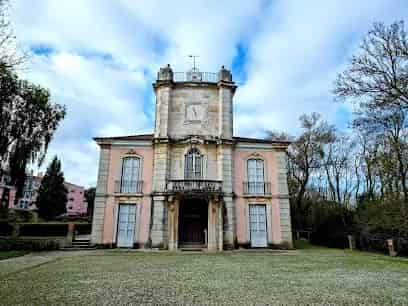
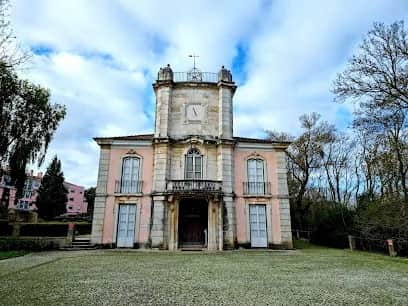 Museu Nacional do Teatro e da DançaEstrada do Lumiar 10, 1600-495 LisboaLisbonMuseums
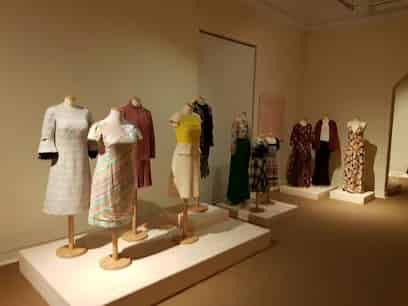
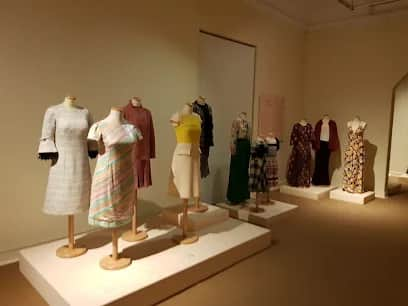 Museu Nacional do Traje e da ModaThe Museu Nacional do Traje e da Moda is located at Largo Júlio de Castilho, 1600-483 Lisboa, in the Lumiar part of the city. It opened to the public in 1977, built around an exhibition called The Civil Costume in Portugal, which Natália Correia Guedes, the first director, led. The museum occupies the Angeja-Palmela Palace, a building that stands on a former recreational farm in Lisbon. The palace takes its name from the two families who owned the property. Its garden, the Monteiro-Mor Botanical Park, is open to visitors too. The museum building is presently closed to the public for renovation, but the Botanical Park remains open from Tuesday to Sunday, from 10am to 1pm and from 2pm to 6pm, and the ticket for it costs 3€. For the museum and park together, the Visit Lisboa listing gives Tuesday as 2pm to 6pm and Wednesday to Sunday as 10am to 6pm, with last entry at 5:30 pm and no opening on Monday. Closing days are January 1st, Easter Sunday, May 1st, June 13th, which is a municipal holiday, and December 25th. Admission is free with the Lisboa Card. The collection consists of historical garments and accessories. The museum's own site dates them from the 18th century to today, while the Visit Lisboa listing says the 17th century onward. About 38,000 items make up the holdings, and more than 90% came as donations. The museum began with gifts from private individuals and with pieces transferred from other museums, notably the National Coach Museum, which had held an important set of costumes from the Royal House since 1904. Most of the civil costume represents the dress of the aristocracy and the upper or middle bourgeoisie. Popular costume was almost absent when the museum was created. Women's clothing forms the largest part of the collection, together with accessories of all kinds, and a plentiful collection of underwear covers the nineteenth and twentieth centuries. Men's clothing is also present, especially from the period when silk and linen were preferred fabrics. Children's clothing rounds out the civil costume core. Dolls and their costumes, paintings and furniture are among other holdings. The permanent exhibition presents items from different periods and styles, and the selection changes regularly. Collections in Detail is a series of temporary exhibitions. The museum's mission covers research, conservation and dissemination of costume and textiles, and safeguarding the Botanical Park.Largo Júlio de Castilho, 1600-483 LisboaMuseums
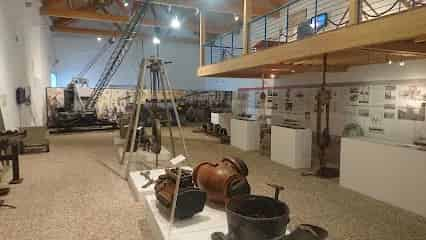
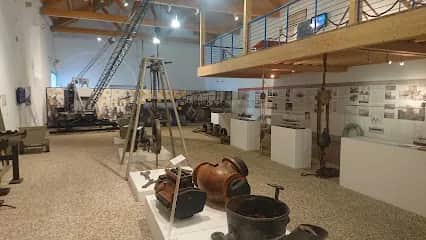 Museu Naval2800-202 AlmadaAlmadaMuseums
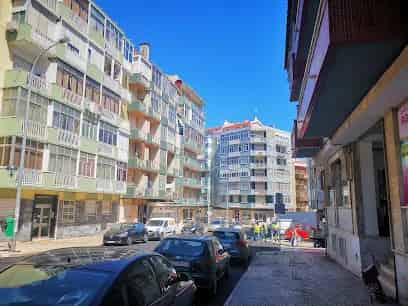
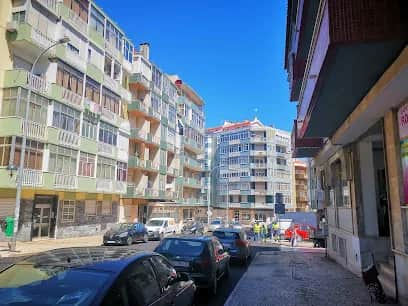 Musgo VerdeRua Garcia de Orta s/n, 2720-214 AmadoraAmadoraCafés & Coffee Shops
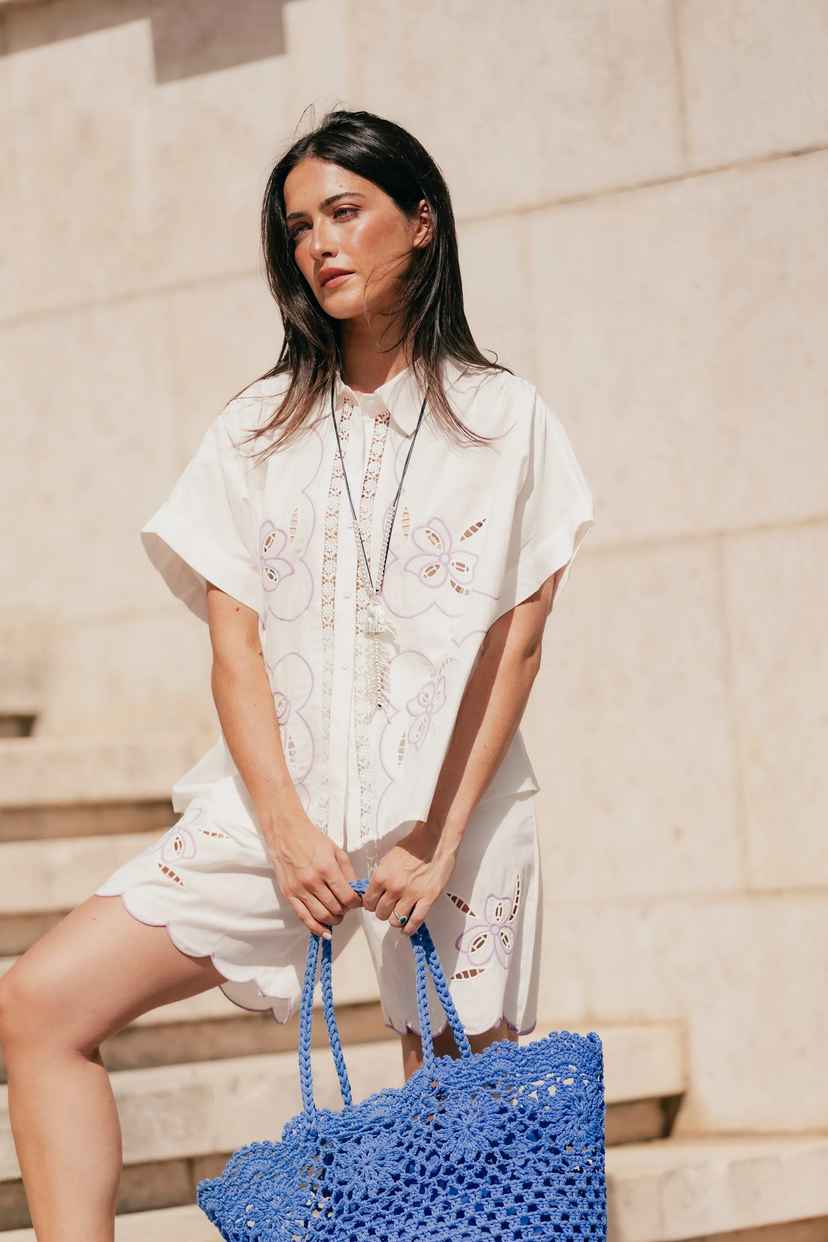
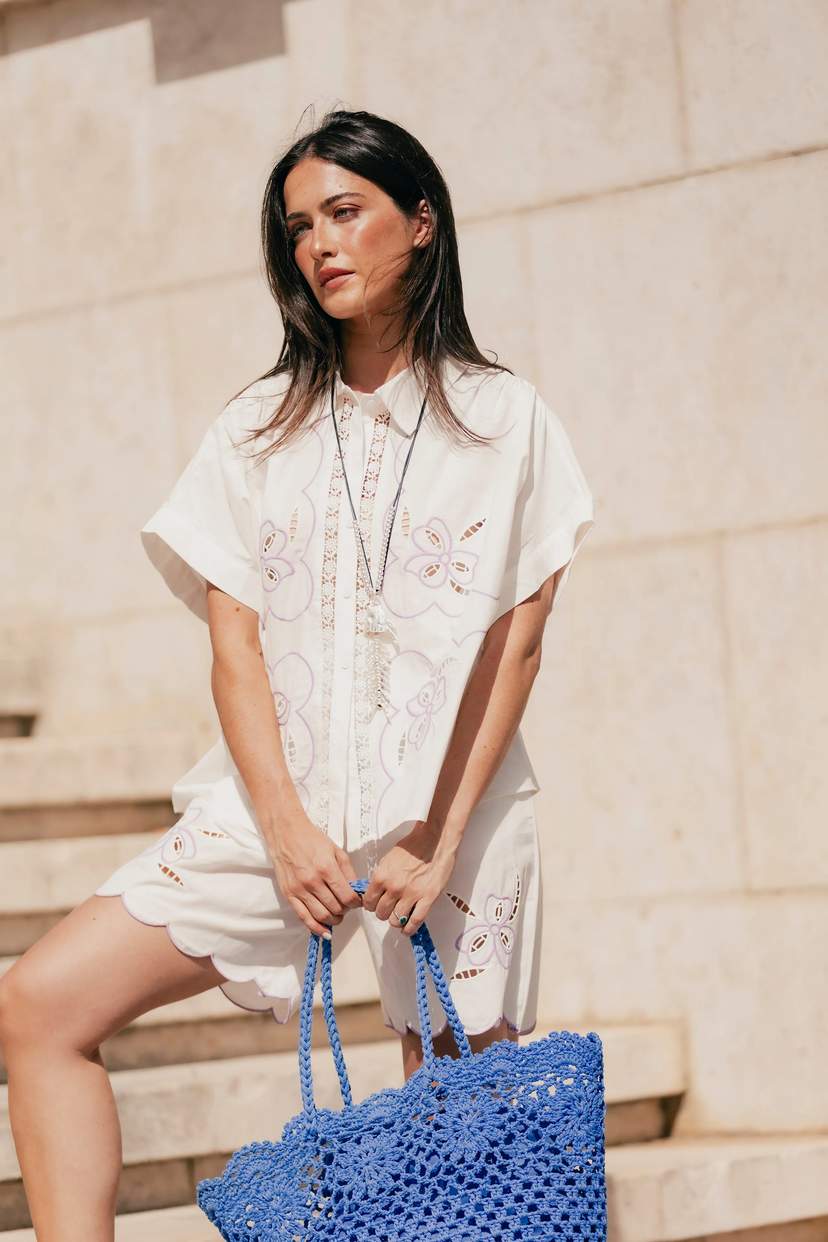 MUSIMUSI is a fashion store in Lisbon, also selling online, offering dresses, sets, jumpsuits and dungarees, trousers and shorts, skirts, coats and waistcoats, tunics and shirts, knitwear, purses, belts and accessories. It presents seasonal collections, with new arrivals and a sale section, and offers free shipping for mainland Portugal from €200, as well as exchanges and returns.Cais do SodréFashion & Apparel
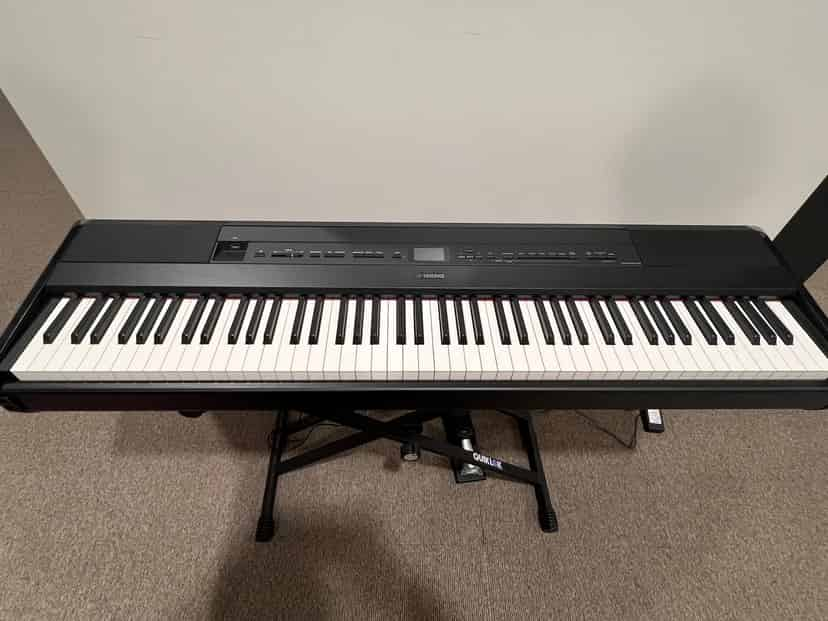
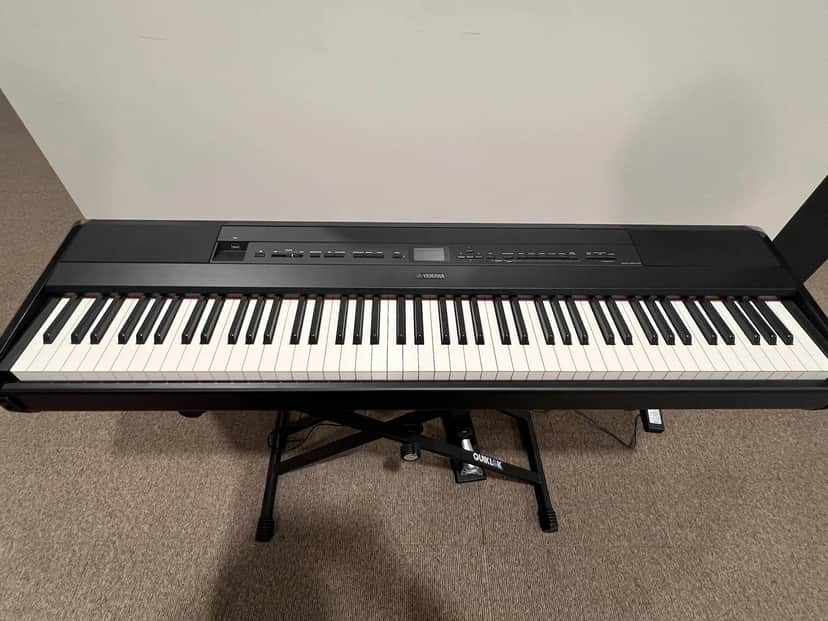 Music FactoryMusic Factory - Musical instrument shop. Pianos, guitars, drums and more. Official Steinway & Sons dealer in Portugal.Rua do Proletariado 15A, 2790-138 CarnaxideBooks, Music & Art Shops
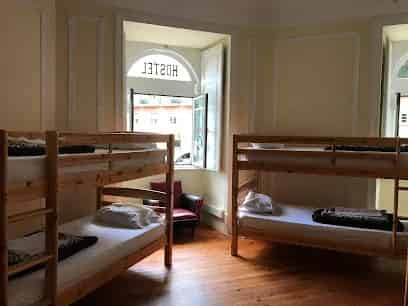
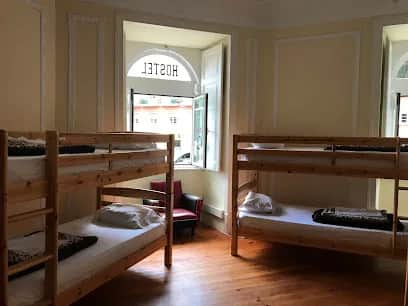 Music Hall Lisbon HostelA budget hostel in Lisbon with a kitchen for guests to use.SaldanhaHostels & Budget Stays
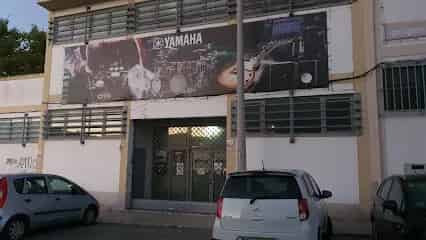
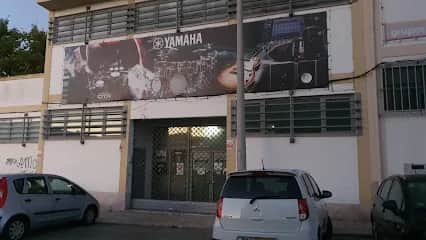 MusifexPraceta Professor Francisco Gentil s/n, 2620-101 Póvoa de Santo AdriãoOdivelasBooks, Music & Art Shops
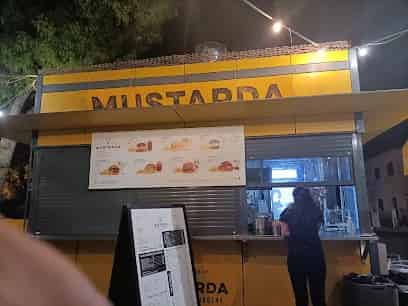
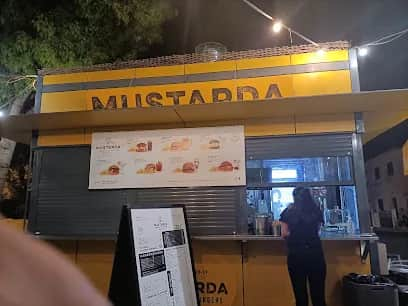 Mustarda BeatoRua Simões Telhadas s/n, 1900-311 LisboaLisbonCafés & Coffee Shops
Powered by Foursquare ·Photo and data credits ▾
Photos: Camilla Morselli (CC BY-SA 4.0), via Wikimedia Commons · Fotografado por Lightwarrior2 (Public domain), via Wikimedia Commons · GualdimG (CC BY-SA 4.0), via Wikimedia Commons · museumedeirosealmeida.pt · Lijealso (CC BY-SA 3.0), via Wikimedia Commons · Carlos Luis M C da Cruz (Public domain), via Wikimedia Commons · Susanne Nilsson (CC BY-SA 2.0), via Wikimedia Commons · aroundus.com · Ardfern (CC BY-SA 4.0), via Wikimedia Commons · Jcornelius (CC BY-SA 2.0 de), via Wikimedia Commons · mun-montijo.pt · cm-ribeiragrande.pt · Time Out Lisboa · Dguendel (CC BY 4.0), via Wikimedia Commons · Hipersyl (CC BY-SA 4.0), via Wikimedia Commons · DataForSEO · musi.pt · Data: © OpenStreetMap contributors · Wikipedia (CC BY-SA 4.0) · Wikidata (CC0)
