

‹
⌕
Areas
⌖Campo de Ourique219⌖Graça151⌖Belém238⌖Alcântara202⌖Estrela40⌖Baixa309⌖Chiado232⌖Príncipe Real451⌖Mouraria160⌖Alfama181⌖Cais do Sodré161⌖Santos111⌖Lapa63⌖São Bento175⌖Saldanha507⌖Anjos166⌖Bairro Alto316⌖Arroios227⌖Avenidas Novas250⌖Alvalade293⌖Parque das Nações175⌖Intendente77⌖AlmadaNearby town533⌖LouresNearby town212⌖OeirasNearby town216⌖AmadoraNearby town177⌖MontijoNearby town125⌖SeixalNearby town82⌖OdivelasNearby town131⌖BarreiroNearby town71⌖SintraNearby town6Places in Lisbon
Loading...
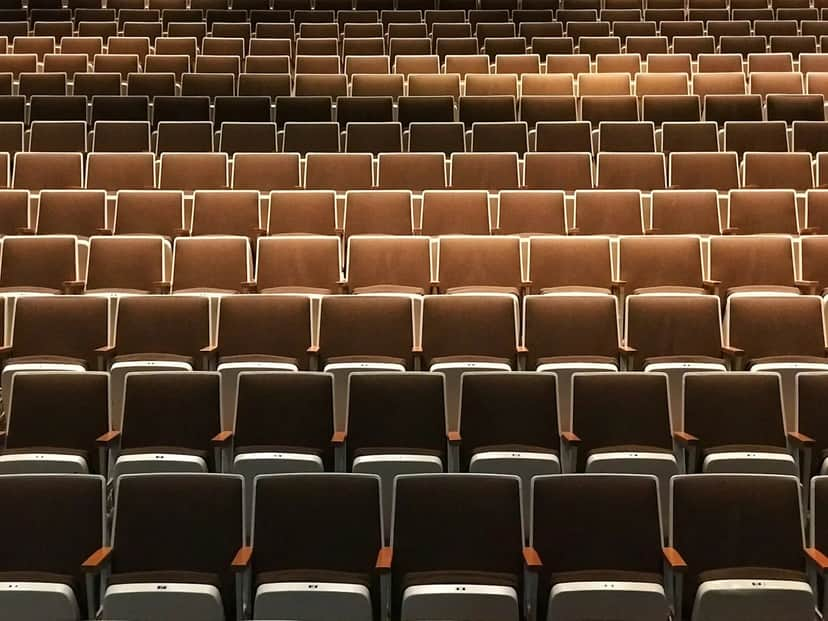 Teatro Municipal do BarreiroOpens in a new tabBarreiro · Theatres, Cinemas & Music Venues · Illustrative photo
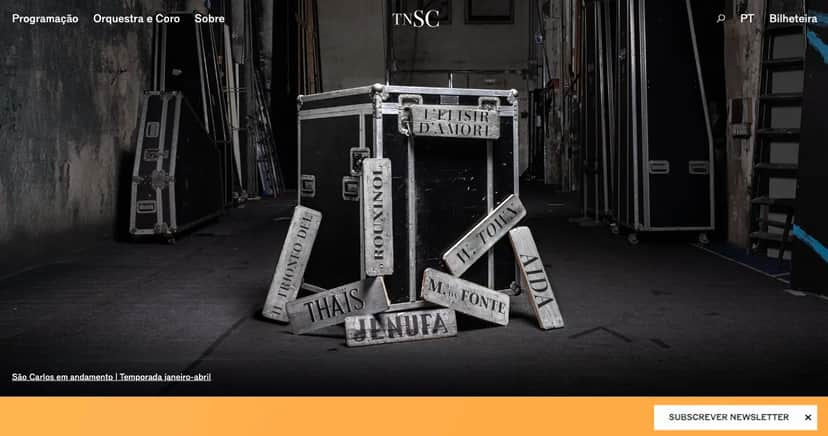 Teatro Nacional de São CarlosOpens in a new tabChiado · Theatres, Cinemas & Music VenuesThe Teatro Nacional de São Carlos is situated in Rua Serpa Pinto, 9 in the Chiado district of Lisbon. It was opened on the 30th June 1793 by the Prince Regent, D. João. It is the only Portuguese theater dedicated to Opera, Choral and Symphonic presentations. It replaced Teatro da Ópera do Tejo which was destroyed in the earthquake of 1755. It was designed by José da Costa e Silva and took six months to build. At the time, Portugal did not have a financial institution and consequently, the theater was constructed with the financial support of a group of influential merchants of Lisbon. The state completely acquired the Theater only in 1854. It was only in 1940 that the State took over the private box of the Quintela family. It was named in honor of Princess D. Carlota Joaquina de Bourbon, Infanta of Spain and dedicated to her by a number of Latin inscriptions. Construction of the Theater was completed in the Neo-Classical style with elements of Rococo. Similar theaters of Italy and in particular, La Scala of Milan, served as its models. It was declared a National Monument of Portugal in 1928. The theater was known as “Teatro Italiano” before the monarchy ended, and only Italian theater groups used the venue. Most performances were in Italian, and even Portuguese composers were required to write Italian librettos. The interior of the main theater features a tiered balcony which frames the Royal Box. Crystal chandeliers adorn the main hall and the bar. There are two resident companies: The Coro do Teatro Nacional de São Carlos, a professional choir formed in 1943, and the Orquestra Sinfónica Portuguesa formed in 1993. The main hall of the theater is used for opera and dance. Smaller performances are held in the Noble Hall and Foyer. Throughout the year, a variety of events are held, including lectures and concerts. Master classes are also offered. Each season, the theater presents a series of opera and theatrical performances in front of the theater. The performances are free and open to the public. The phone number for the theater is +351 213 253 000.
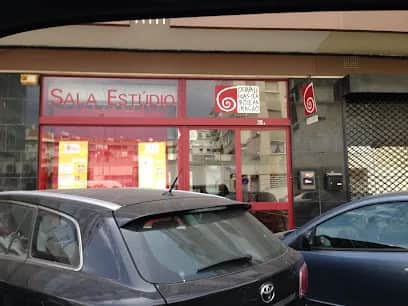 Teatro Papa-LéguasOpens in a new tabLisbon · Theatres, Cinemas & Music Venues
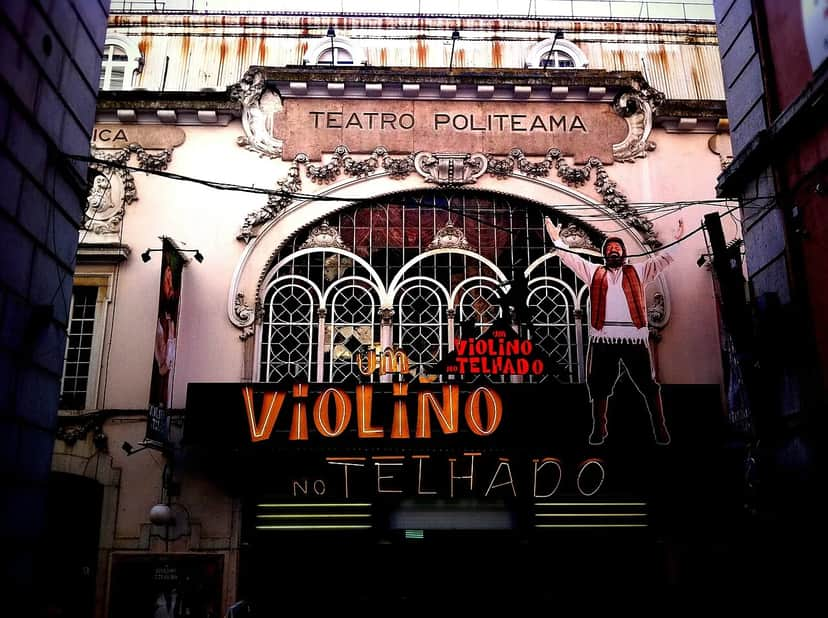 Teatro Politeama in LisbonOpens in a new tabBairro Alto · Theatres & Opera HousesThe Teatro Politeama, or Cine-Teatro Politeama, is a performance venue in Lisbon, in the heart of the Baixa district, on Rua das Portas de Santo Antão.
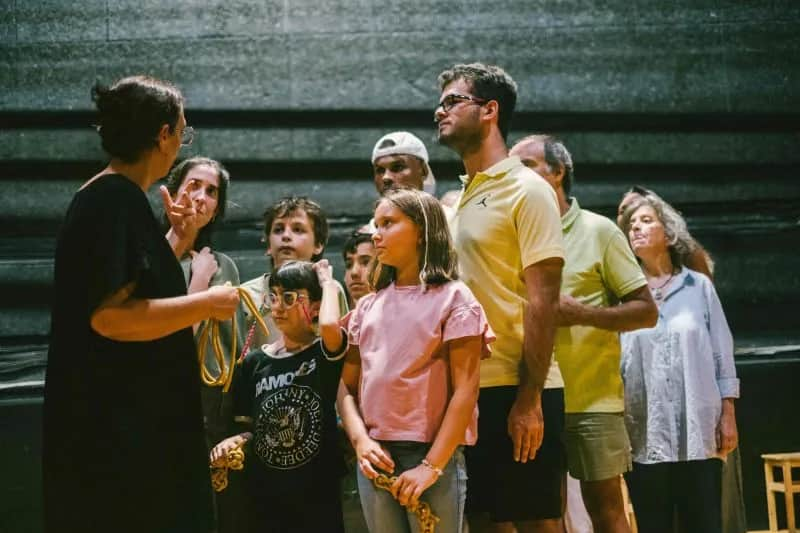 Teatro São LuizOpens in a new tabChiado · Theatres & Opera Houses
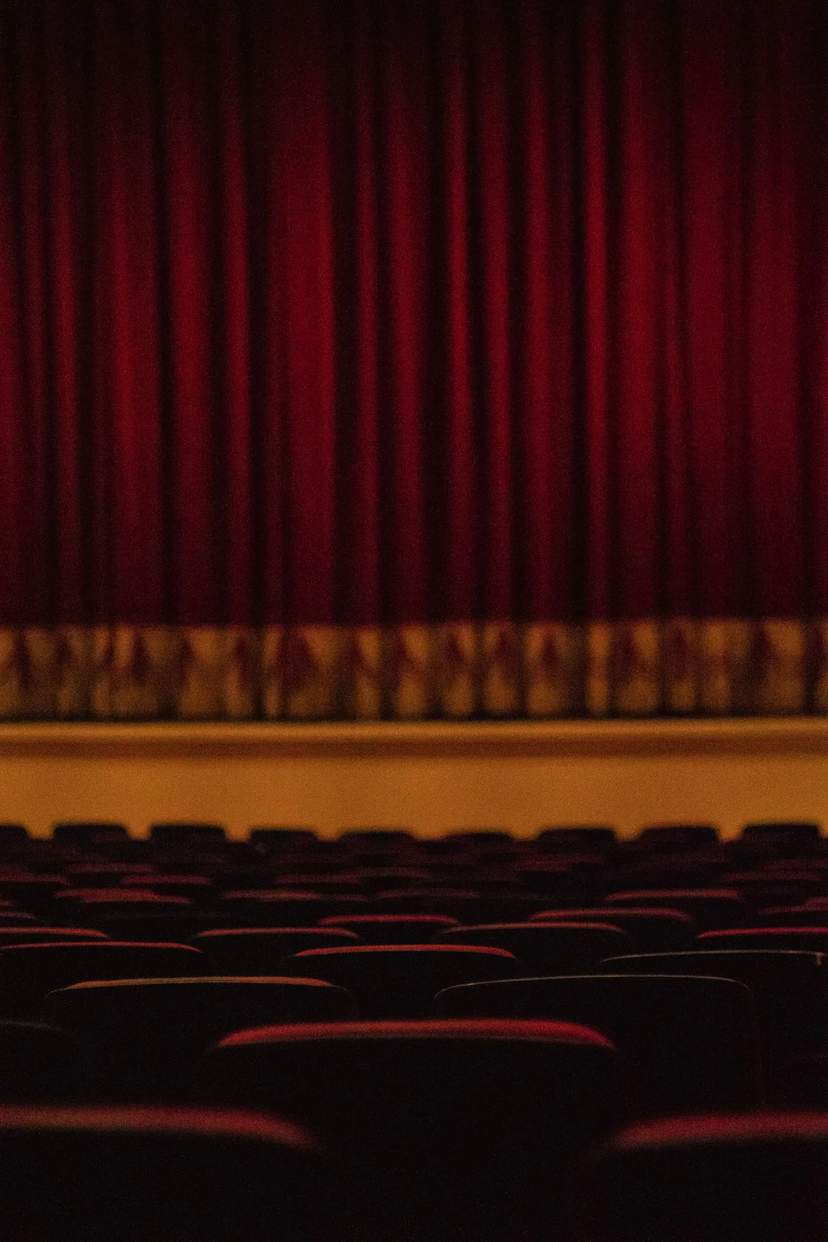 TeatrosferaOpens in a new tabLisbon · Theatres, Cinemas & Music Venues · Illustrative photo
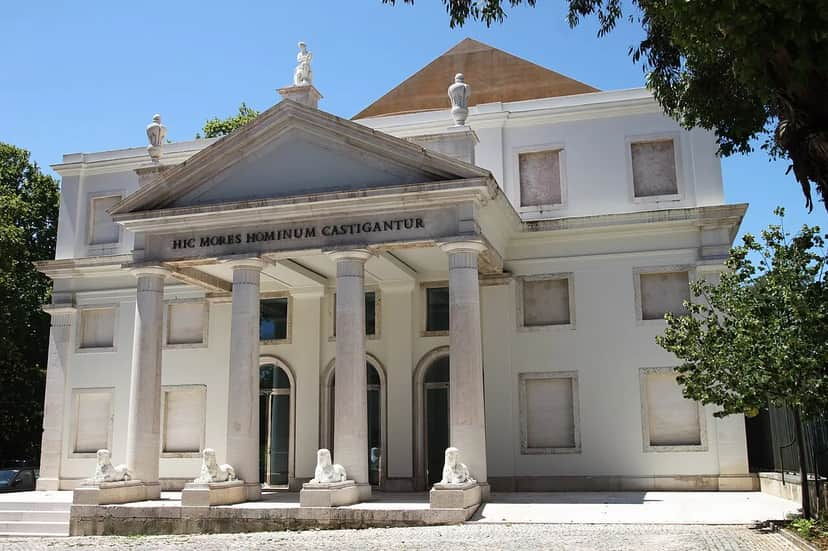 Teatro ThaliaOpens in a new tabLisbon · Theatres, Cinemas & Music VenuesThe Teatro Thalia, or Teatro Talia, also known as the Teatro das Laranjeiras, is a small theatre adjoining the Palácio das Laranjeiras, both of which initially belonged to Joaquim Pedro Quintela, 1st Count of Farrobo. They stand on Estrada das Laranjeiras, in the parish of São Domingos de Benfica, in Lisbon, close to the present-day Lisbon Zoo.
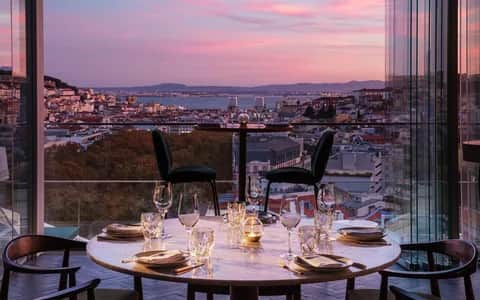 Teatro Tivoli BBVAOpens in a new tabPríncipe Real · Theatres, Cinemas & Music VenuesLocated at Avenida da Liberdade 186, Príncipe Real, 1250 Lisboa, Tivoli operates a daily schedule from 9am to 5pm. One source identifies the historic Teatro Tivoli BBVA, located at numbers 182-188, on Avenida da Liberdade. According to the same source, the Hotel Tivoli Avenida Liberdade is located at number 185. The Tivoli hotel is located at Avenida da Liberdade 185, 1269-050 Lisboa, with a telephone number of +351 213 198 900, and a GPS location of 38.72108, -9.14720. The hotel contains 264 rooms and suites. The hotel contains a spa, outdoor pool, fitness center, and restaurant. The hotel claims to be family and pet friendly. A bar is located on the hotel's rooftop. Other restaurant's located within the hotel offer Portuguese and seafood dishes. Getting here is easy. Three metro stations are in the surrounding area: Avenida (Blue Line), Rossio and Restauradores. The airport is about a 20-minute drive away. For an additional charge, private airport transfers can be scheduled. Advanced booking is recommended. The hotel offers private garage parking for a charge. From Rua Júlio César Machado, you can access the parking garage. The hotel is situated near Eduardo VII Park and the Botanical Gardens, and a short walk from Baixa, Chiado and Príncipe Real. It is near several of Lisbon's cultural and historic landmarks including the Praça do Comércio, Alfama, St. Jorge’s Castle, Jerónimos Monastery and Belém Tower, as well as the Calouste Gulbenkian Museum, MAAT (the Museum of Art, Architecture and Technology) and Sintra. Shopping areas listed by the hotel include Chiado and Príncipe Real, Baixa, Avenida da Liberdade and A Vida Portuguesa. The hotel is situated near the Santa Apolónia Train Station. Beaches listed by the hotel include Comporta, Cascais, Estoril and the Troia Peninsula. Nearby golf courses include Penha Longa, Quinta Da Marinha in Cascais and Oitavos Dunes.
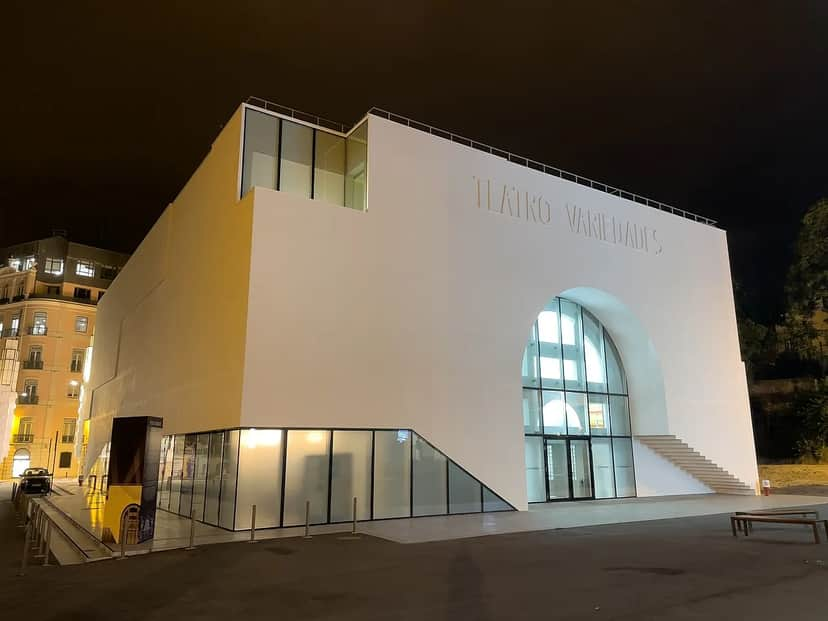 Teatro VariedadesOpens in a new tabPríncipe Real · Theatres, Cinemas & Music VenuesThe Teatro Variedades was a theatre in Lisbon, capital of Portugal, that offered variety or revue shows of the type known in Portugal as Teatro de Revista. Opened in 1926, it has not been used since 1992, but as of 2020 there were active plans to construct a new theatre on the site, incorporating elements of the existing building.
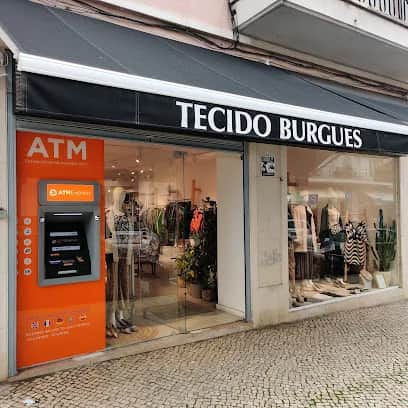 Tecido BurgêsOpens in a new tabAlvalade · Fashion & Apparel
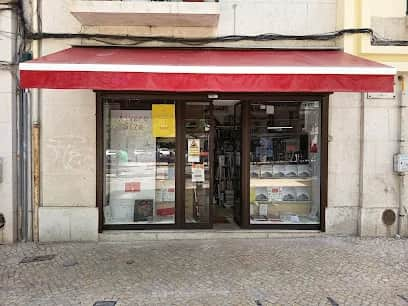 Técnica LivrariaOpens in a new tabAvenidas Novas · Books, Music & Art Shops
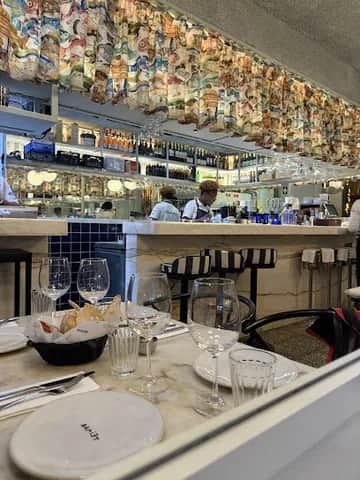 TeimarOpens in a new tabCampo de Ourique · Neighbourhood Bars & Pubs
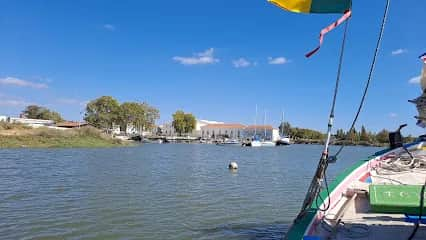 TejoConVida Passeios Maritimo-TurísticosOpens in a new tabLisbon · Sights & Landmarks
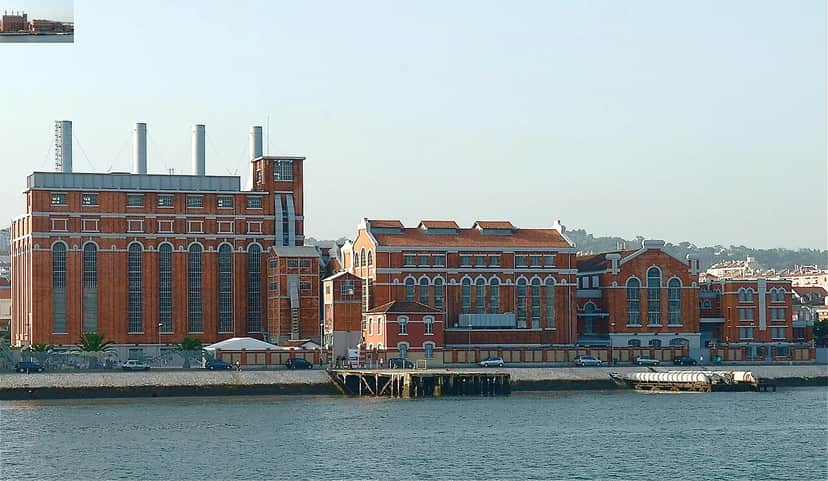 Tejo Power StationOpens in a new tabLisbon · Monuments & Historic BuildingsLocated at Avenida de Brasília, 1300-598, in Lisbon, Portugal, the Tejo Power Station sits on the bank of the river. Now part of MAAT, it helped light up the streets of Lisbon, as well as powering the industrial factories in the area. The power stations of Lisbon, located in Boavista and Avenida, became outdated. Small and constricted by the built-up urban environment, the power stations caused inconvenience and disruption to the residents in the area. The Companhias Reunidas de Gás e Electricidade commenced the construction of a larger power plant in Belém in early 1908. During the construction, the plant was referred to as the “Junqueira Power Plant” after the district it was located in. The completed plant was, however, renamed the “Tejo Power Plant” after the river. Lucien Neu designed the last version of the project, placing the turbines centrally and boilers on the sides. Construction continued until 1910. Additional larger turbo-alternators and a larger boiler room with a 36 meter chimney was added. The original 1 MW turbine alternators were supplied by the Boavista Power Station, along with six Delaunay-Belleville boilers. Three larger Brown Boveri and Cia. turbo-alternators increased the power output to 7.75 MW. Operation of the power station commenced in 1909 and continued until 1975. During the 1950s the power station served as a standby/reserve power plant. It was also the largest power station in Lisbon and served the area until 1975. The power station was converted into a museum of electricity in 1990 and restored in 2006. The exterior design of the power plant incorporates Art Nouveau. The original plant equipment is displayed in the power plant and illustrates the development of the use of electricity and various electricity technologies. The power plant is situated near Belém and is easily accessible by public transport.
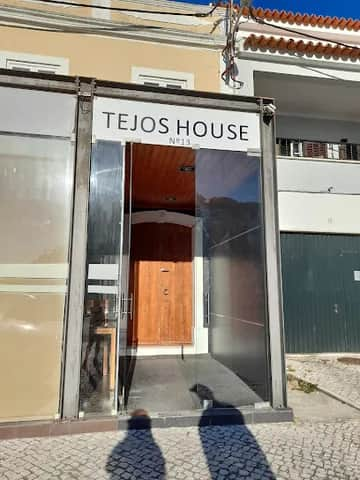 Tejo's HouseOpens in a new tabAlmada · Guesthouses & B&Bs
 Teknik 3Opens in a new tabLisbon · Hair & Beauty Salons
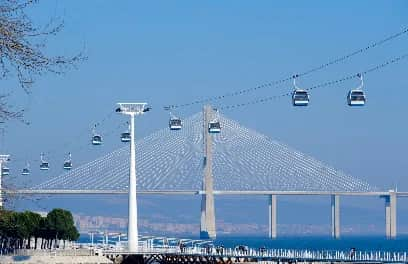 Telecabine LisboaOpens in a new tabLisbon · Shops & Markets
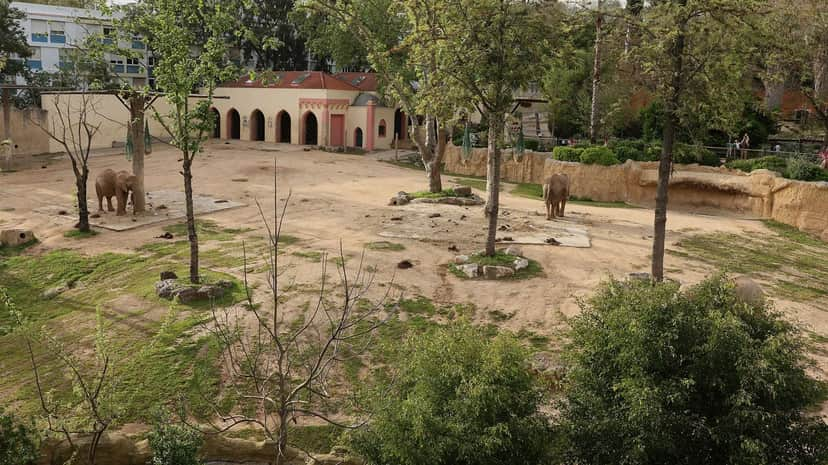 TeleféricoOpens in a new tabLisbon · Sights & LandmarksThe cable car system at Jardim Zoológico de Lisboa opened in 1994. It runs a panoramic closed circuit inside the grounds, with a single entry/exit point and no stops.
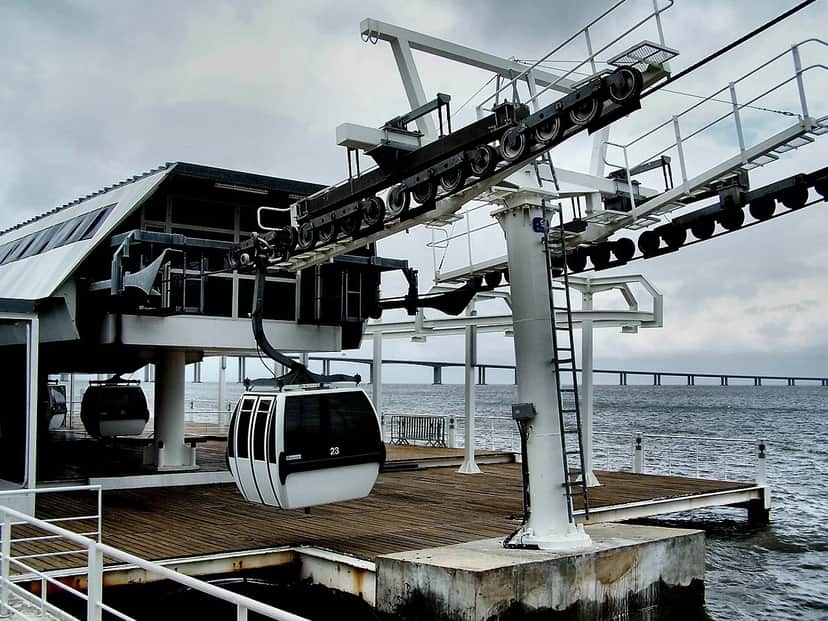 Teleférico do Parque das NaçõesOpens in a new tabLisbon · Sights & LandmarksThe Teleférico do Parque das Nações, also called Teleférico da Expo, is a cable transport system located in Lisbon, Portugal, intended for tourist purposes. It is operated by the company Telecabine Lisboa and is part of the EXPO’98 site.
 TelepizzaOpens in a new tabLisbon · Quick Bites & Takeaway
 TelepizzaOpens in a new tabCampo de Ourique · Quick Bites & TakeawayDiscover the irresistible pizzas! Enjoy exclusive promotions and order online for fast home delivery.
- TelepizzaOpens in a new tabAmadora · Quick Bites & Takeaway
- TelepizzaOpens in a new tabLisbon · RestaurantsDiscover our irresistible pizzas! Take advantage of exclusive promotions and order online for fast home delivery.
- TelepizzaOpens in a new tabLisbon · Quick Bites & TakeawayDiscover Telepizza's irresistible pizzas! Take advantage of exclusive offers and order online for fast home delivery.
Photo and data credits ▾
Photos: Photo by Tyler Callahan on Unsplash · saocarlos.pt · DataForSEO · inakihuarte (CC BY 2.0), via Wikimedia Commons · teatrosaoluiz.pt · Photo by Sonder Quest on Unsplash · João Carvalho (CC BY-SA 4.0), via Wikimedia Commons · Avenida da Liberdade · DiogoBaptista (CC BY-SA 4.0), via Wikimedia Commons · Pedro Simões from Lisboa, Portugal (CC BY 2.0), via Wikimedia Commons · zoo.pt · Filipe Rocha,user:sacavem (pt), Sacavem1 11:23, 16 November 2007 (UTC) (CC BY-SA 3.0), via Wikimedia Commons · telepizza.pt · Data: © OpenStreetMap contributors · Wikipedia (CC BY-SA 4.0) · Wikidata (CC0)
