Museums & Heritage
Pierre-Jérôme Jehel - Exhibition "Une doublure d'invisible" at the Maison d'Auguste Comte
- When
- Sat 28 Nov – Wed 16 Dec · 14:00
- Price
- From €4
About
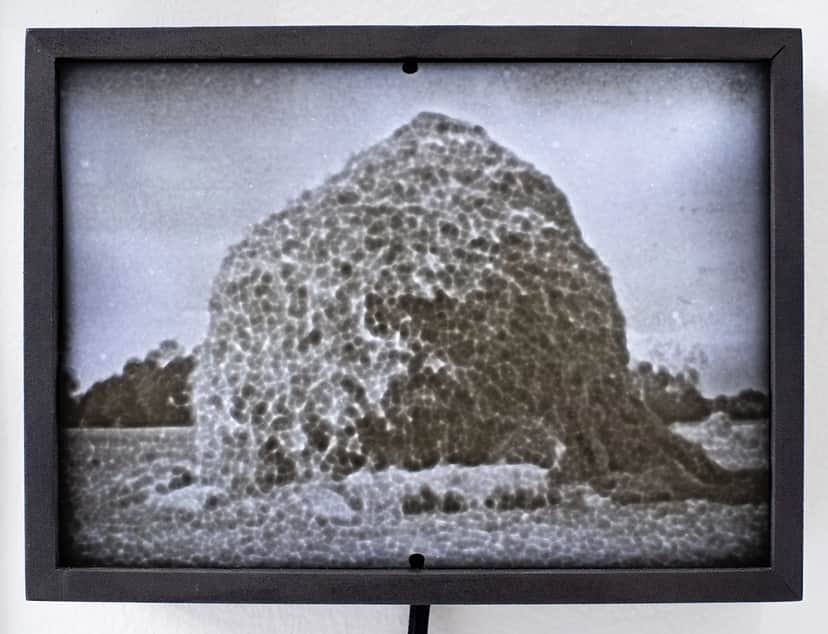
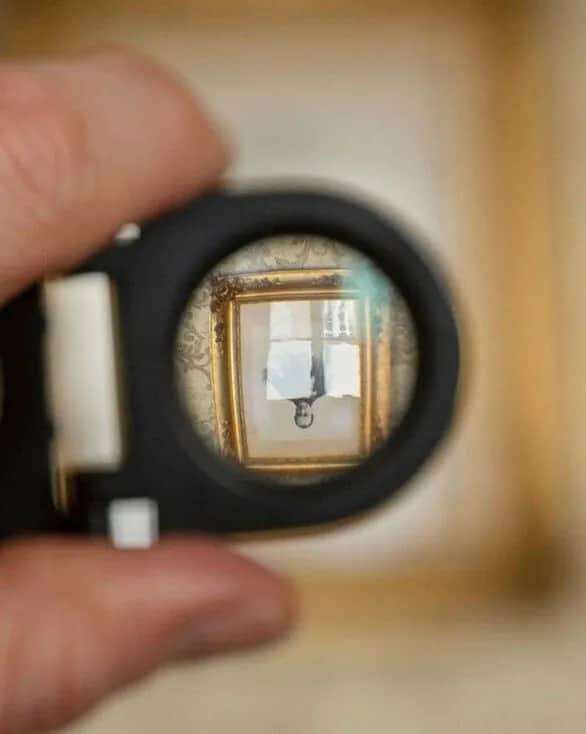
The exhibition is the result of a photographic residency in the Museum during which the photographer worked on the site and on the photographic archives. The images take their place in the very space where the photographs were made and the archives are kept. The aim is to invite the public to perceive the deep dimension of this intimate territory by bringing reflections, images and memories into dialogue. Open to all, the project questions the notion of a house as a place inhabited by a presence and a thought; it opens onto the curiosity and mystery of images. Each series is inspired by a device that echoes the invention of the photographic principle: lens focusing, contact tracing, negative/positive, virtual image, diffraction. This experimental, observational approach evokes the approach and teaching of Auguste Comte, which he carried out notably in this apartment. The walls, objects and furniture of the house reflect the outside world that inhabits the place through its images. The project also focuses on the photographic collections kept in the House, exploring the photographic object through its nature and uses: negatives in their materiality and their transcription of the world, albums in their logic of classification, portraits in their play on identity. The 19th century is swept by the breath of positivism, and the invention of photography could be part of this new vision of the world. Revealed to the world by the physicist-astronomer François Arago, photography has always been perceived as giving access to a scientific "objectivity". Numerous scientific projects soon made use of it, from microscopy to medicine, from nascent anthropology to forensic identification. At the same time, however, photography would immediately lean toward aesthetic and artistic concerns. One of the richest specificities of the photographic medium certainly lies in this tension between apparent rationality and sensory perception. The Maison Auguste Comte, today a Museum devoted to the philosopher of positivism, is a Parisian apartment preserved almost in its original state since 1841, when Auguste Comte settled at 10 rue Monsieur-le-Prince. Deeply attached to this place, he called it the "saint domicile". The Museum holds an exceptional collection of books, documents, objects and works of art that shed light on Comte's personality and his intellectual environment. The photographic archives it houses are explored in the project, and the exhibition will present an overview of them. They consist mainly of two collections, characteristic of two uses of photography. On the one hand, a series of views of the apartment made after the death of Auguste Comte in 1857. This is a documentary commission carried out with a view camera, whose aim is a rigorous "recording" of the space. But within this logic of professional objectivity there slip intangible elements of a deposited memory, of a presence. "We see the places that saw Auguste Comte", to quote Barthes. On the other hand, a few albums bringing together a hundred or so portraits in "carte de visite" format, according to the process invented by Disdéri in 1854. We discover a multitude of faces of members of the Positivist Society that seems to recreate a human community scattered across the world. These figures, women and men in formal dress, are brought together by their positivist conviction through their photographic image. This collection appears as a prophetic use for our time: self-images that are exchanged, or faces that shape a social "profile".
Source: Original page · Licence Ouverte 2.0 · Text translated or changed