

L'Arc de triomphe. Deux siècles d'images et de mémoire
Updated Nov 2026
About
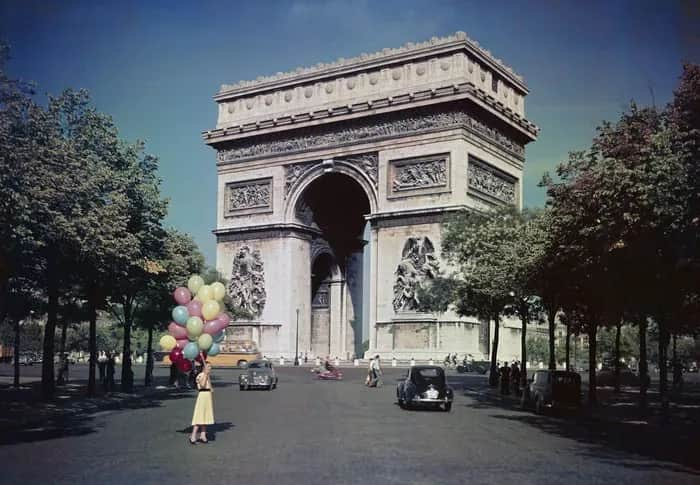
The Arc de Triomphe ranks among the most photographed monuments in Paris. Its role in building national memory makes it a recurring motif in imagery. A historic site, a political symbol, and an artistic subject, it stands out as a photographic object at the crossroads of national history, technical innovation, and contemporary creation. This selection of photographs, presented on the occasion of the Bicentenary of Photography 2026–2027, illustrates the diversity of perspectives brought to bear on the monument and bears witness to its function in collective memory. Ordered by Napoleon I in honor of the imperial armies in 1806, the Arc de Triomphe was completed under the reign of Louis-Philippe I in 1836, who dedicated it to the Revolution and the Empire. On January 28, 1921, the burial of the Unknown Soldier made the monument a major site of national memory. The Flame of Remembrance was lit there for the first time on November 11, 1923. The Republic gathers there on November 11, May 8, and during the National Day on July 14. Although it still celebrates the triumph of the French armies to this day, its meaning has nevertheless evolved. It holds a prominent place in the civic and popular life of France, contributing to its national and international influence. Each year, nearly 2 million visitors come to admire its sculpted facades, visit its rooms and its panoramic terrace, which offers an exceptional vantage point over the capital. Proposed by the staff of the Arc de Triomphe, this exhibition invites visitors to rediscover this history of the monument, between little-known and emblematic photographs.
Getting there
Source: Original page · Licence Ouverte 2.0 · Text translated or changed
