Skip to content
Hours
Mon: ClosedTue–Sun 10:00–17:30
Where
Rua da Alfândega 104050-029 Porto · Ribeira

About

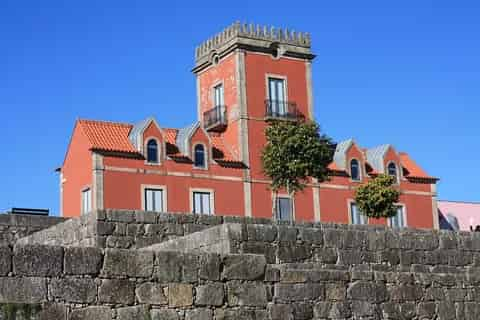
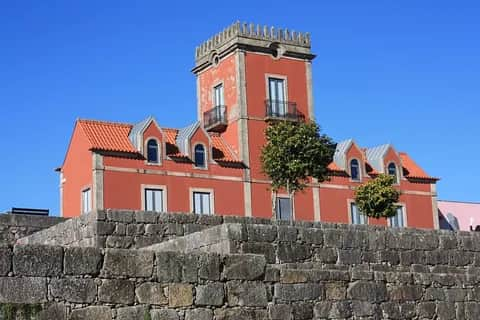
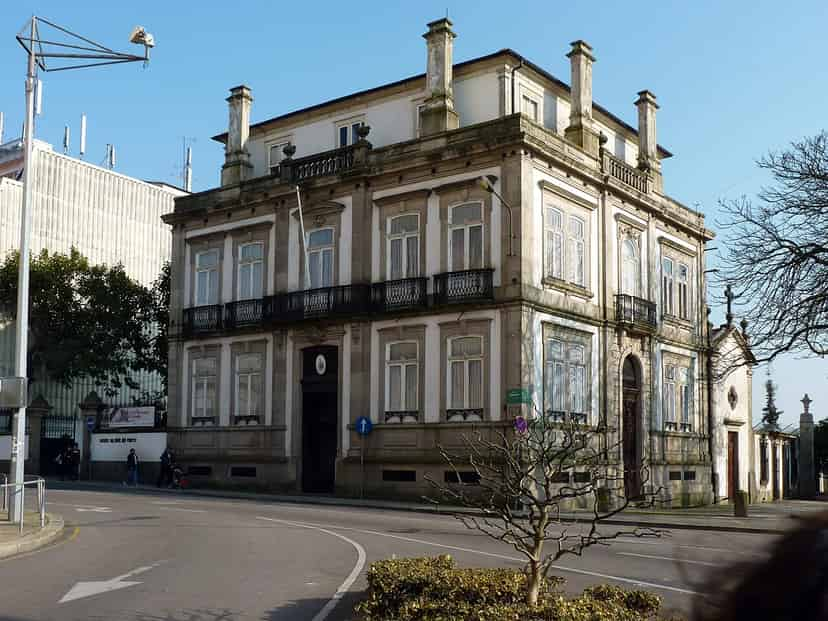
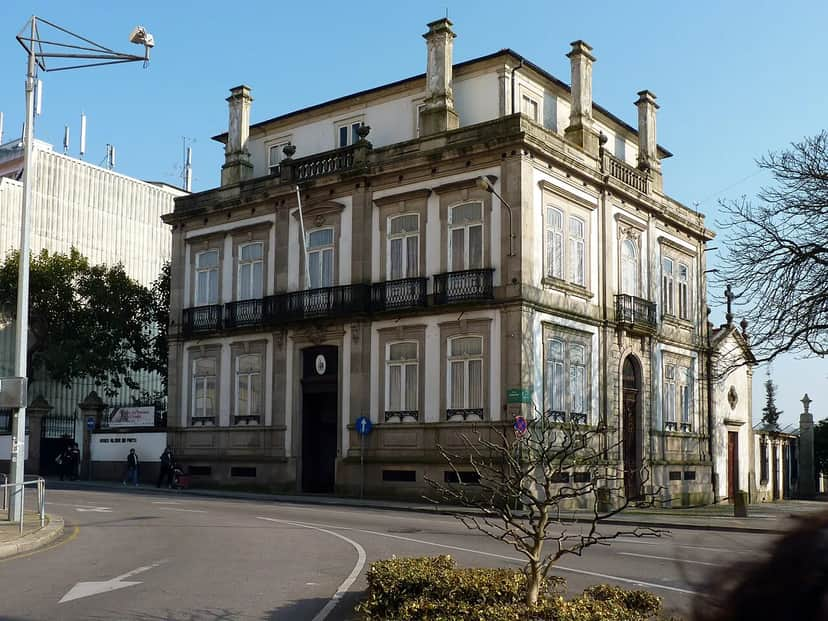
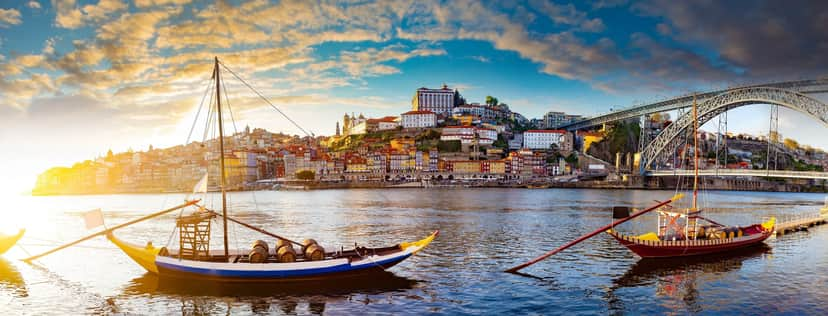
The Museu Municipal Casa do Infante stands at Rua da Alfândega 10, 4050-029 Porto, in the Ribeira neighbourhood. Its name means Prince's House. It is a municipal museum in one of the oldest houses in Porto, which began as the city's customs house. In royal times it also served as a residence for Portugal's senior officials, and it would have been central to trade in and out of the city. Afonso IV had it built in 1325 to hold the royal warehouse and customs services, and it has been modified many times since. Merchandise arriving from overseas, especially from Venice and Northern Europe, was stored here.

Coin-making came to the site decades after the customs house was built. King Fernando I installed the royal mint around 1370, and it produced Porto's coinage from 1370 until 1721. In 1387, João I married Philippa of Lancaster at the building. She was the daughter of John of Gaunt and the granddaughter of Edward III of England.

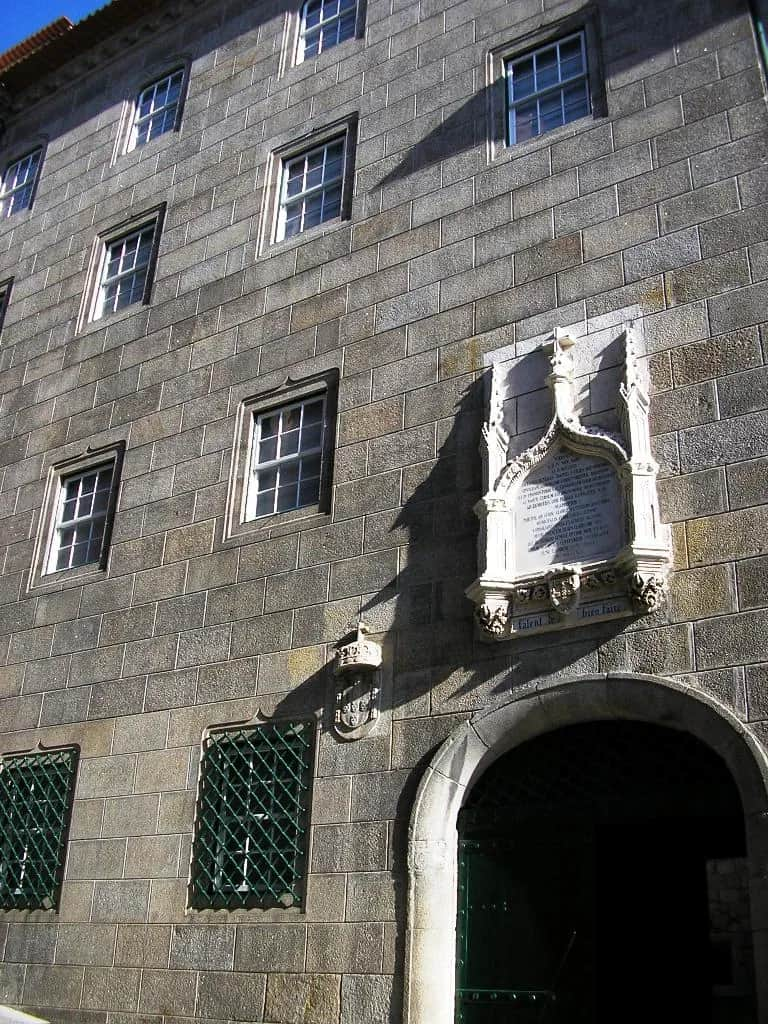
The house takes its name from Prince Henry the Navigator, who orchestrated Portugal's voyages of discovery in West Africa and is described as one of the forerunners of those discoveries. According to tradition, he was born on the premises in 1394, the fifth son of João I and Filipa. In 1894, a stone was placed at the entrance to mark the royal birth, five centuries after it happened. The building was classified as a national monument in 1924 and has been renovated since.

Today the building offers several services. Besides the museum, it holds the Municipal Historical Archive, a thematic library about Porto, a Memory Room, an exhibition room and an auditorium. It also serves as the headquarters of the Porto Historical Archive. Archaeological digs here have brought up old merchandise, coins, pottery and 17th-century pipes, along with a Roman mosaic floor.

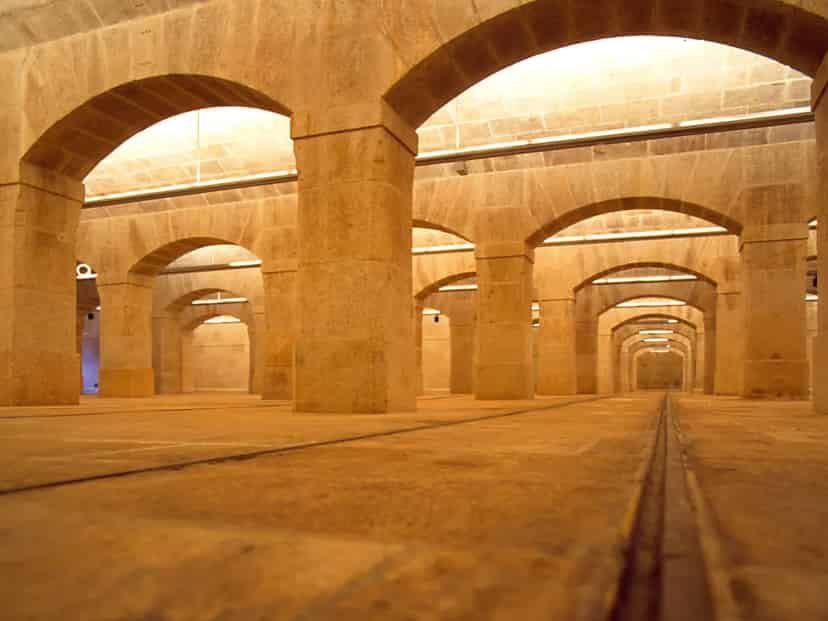
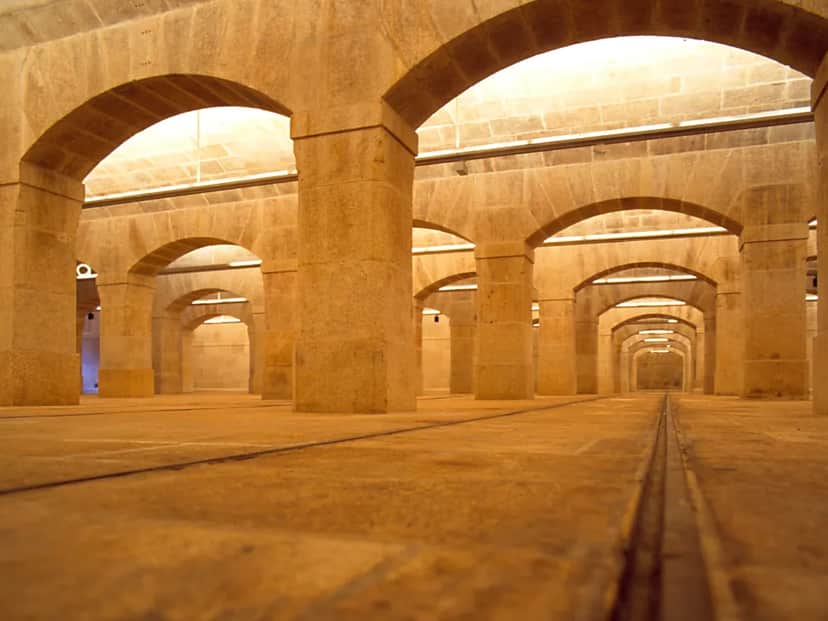
The medieval building can be visited, and Roman mosaics and other traces of the Romans in Porto can still be seen. The displays include an exhibition of tiles and another about the building and its passage through time since Roman days. There are also a model of the building and a model of medieval Porto.

The museum opens Tuesday to Sunday from 10:00 to 17:30 and is closed on public holidays. For enquiries, call 222 060 400 or write to casadoinfante@cm-porto.pt.
Share

Was this listing right?
Is this your place?
© OpenStreetMap contributors; Wikipedia (pt): https://pt.wikipedia.org/wiki/Casa_do_Infante — CC BY-SA 4.0 · Manuel de Sousa (Public domain), via Wikimedia Commons · Photos may be subject to copyright. Terms

Similar places.

  1. Museu de Serralves, Porto
    Museu de Serralves
    Porto
    Museums
    Museu de Serralves is part of the Serralves Foundation in Porto, at Rua D. João de Castro, 210 (Avenida Marechal Gomes da Costa), 4150-417 Porto. The Foundation was created in 1989 as a private institution of public utility, starting a partnership between the State and civil society. Its mission is to bring audiences of varied backgrounds and ages closer to contemporary art, architecture, cinema, the landscape, the environment and critical issues facing society. It rests on four heritage assets: the Museum of Contemporary Art, the Villa, the Park and the House of Cinema. The museum building is a project by the architect Álvaro Siza, winner of the Pritzker Prize in 1992. He began work on the plans in 1991, and the building was inaugurated in June 1999. It has a main body with two exhibition wings extending southwards, arranged in a U shape so that the garden can enter the museum. Visitors approach along a covered walkway from the entrance gate, passing the ticket office where it narrows, to a patio with a magnolia tree that links the auditorium on the left with the museum ahead. Upstairs, the restaurant and cafeteria have an esplanade looking over the Park. In 2024 a new wing, named the Álvaro Siza Wing, opened with exhibitions dedicated to the Serralves Collection and Architecture. The Park covers 18 hectares and was designed by Jacques Gréber. In 1997 it received the Henry Ford Prize for the Preservation of the Environment. It includes formal gardens, woodlands, a traditional farm and a Treetop Walk, an elevated route beside the treetops. The Villa is an example of Art Deco architecture, with interior contributions from Émile Jacques Ruhlmann, René Lalique and Edgar Brandt. In 2012 the Park and buildings were jointly classified as a National Monument. The Casa do Cinema Manoel de Oliveira, also a Siza project, is dedicated to cinema and offers exhibitions, film cycles and conferences. Current museum exhibitions include Jenny Holzer's Wrong Answers, from 18 June 2026 to January 2027, and Alice Neel's Beautifully Imperfect, from 16 July 2026 to 17 January 2027. One visitor guide lists daily opening from 10am to 7pm and entry from €15, covering the park, the treetop walk and an optional museum, villa or cinema house visit. It suggests 2–3 hours for most visitors and advises seeing the museum first.
  2. Quinta da Caverneira, Porto
    Quinta da Caverneira
    Porto
    Museums
    Rua Dom António Barroso s/n, 4425-159 Maia
  3. Casa-Museu Guerra Junqueiro, Porto
    Casa-Museu Guerra Junqueiro
    Ribeira
    Museums
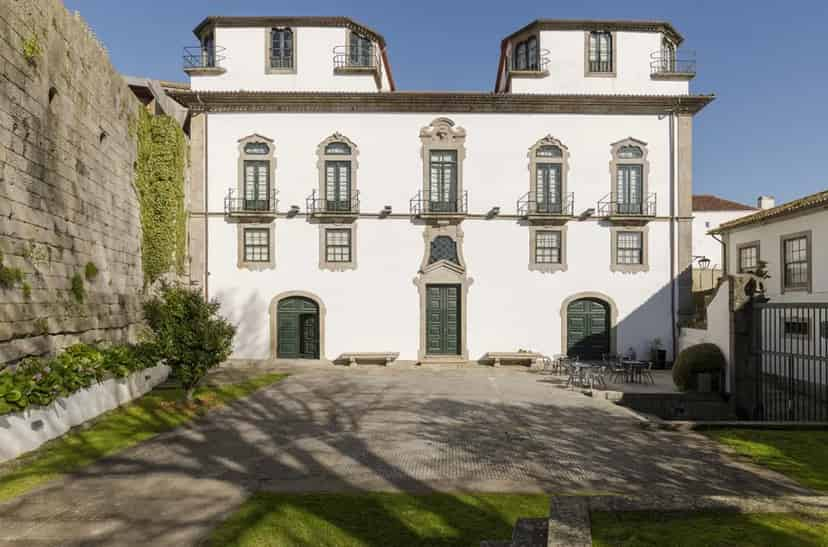
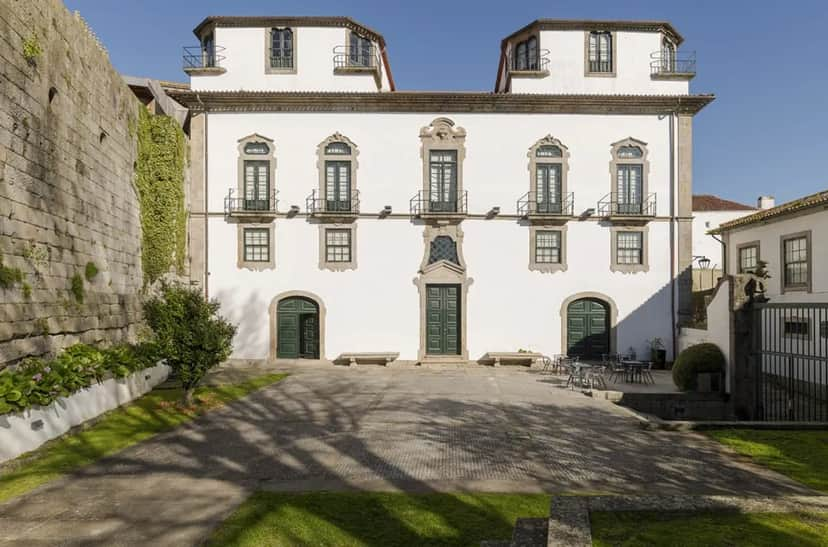
    Located in Porto’s Ribeira district at Rua de Dom Hugo 32, Casa-Museu Guerra Junqueiro is a house museum for the famous Portuguese poet, Abílio Guerra Junqueiro. The museum is located in a 18th century noble house. Guerra Junqueiro is known as one of the greatest Portuguese poets of all times. The mansion was built between the years 1730 and 1746. It is an example of the architecture of the 18th century. The priest of the Cathedral of Porto at that time, Domingos Barbosa commissioned the building. In 1934 Guerra Junqueiro’s daughter bought the mansion. In 1940 she donated the mansion to the Municipal Chamber of Porto to create a museum for his personal collection. The collection is on display in the museum. The collection covers different areas of applied arts. These include furnishing and textiles, metalwork, ceramics and sculpture. The collection also includes tapestries and armors. The museum also houses a collection of religious artifacts. Abílio Guerra Junqueiro was an anticlerical. He collected a number of religious artifacts. The museum is closed on Mondays and public holidays, and has the hours of 10:00-17:30 the rest of the week. Some sources say the museum is currently closed. Check the website to double check before going. According to some sources you can get in free with the Porto Card. The museum is located behind the cathedral. People who are interested in Portuguese literature and the Romantic era would be interested in the exhibits. There are three metros that are fairly close: São Bento, Aliados and Bolhão. There are several buses that can get you fairly close as well.
  4. Museu Militar do Porto, Porto
    Museu Militar do Porto
    Bonfim
    Museums
    Rua do Heroísmo 329, 4300-256 Porto
  5. Museu dos Transportes e Comunicações, Porto
    Museu dos Transportes e Comunicações
    Miragaia
    Museums
    The Museu dos Transportes e Comunicações stands at Rua Nova da Alfândega 59, 4050-430 Porto, in the Miragaia neighbourhood. It is housed in the historic Alfândega Nova building on the banks of the Douro River, and one English-language listing calls it the Museum of Transport and Telecommunications. The site works as two attractions in one: the nineteenth-century former customs building is interesting in its own right, and inside it the museum offers a diverse range of exhibits that suit the whole family. The Alfândega Nova was constructed in the 1870s to replace the old medieval warehouses at Casa do Infante. This Neo-classical edifice operated as the customs house for cargo ships that moored at the mouth of the Douro River. During its heyday, a rail connection linked the building to Campanhã train station, so goods could be distributed easily. Later the building became obsolete, because cargo ships grew larger and trade moved to the port of Leixões, 4km to the north in Matosinhos. A few rooms in the building still maintain bureaucratic services, but the majority of the space was handed over for public use in 1992. The cavernous rooms and former warehouses make suitable exhibition space, and the building also contains a conference centre. The building sits in a picturesque district west of central Porto, known for its cobbled streets lined with townhouses, small traditional restaurants and views of the river. The old tram number one passes by on its way to the Tram Museum and continues on to Foz. The impressive river-facing façade can still be admired from the quayside in Vila Nova da Gaia. Opening hours run from Tuesday to Friday, 10:00 to 13:00 and then 14:00 to 18:00, with a break between 13:00 and 14:00. At weekends, on Saturday and Sunday, the doors are open only in the afternoon, from 15:00 to 19:00. No Monday hours are listed. An online overview describes the museum as a fascinating cultural space on the banks of the Douro. It suggests combining a visit with nearby sights such as the Palácio da Bolsa, and looking for a place to eat nearby. A tourist website for the region lists the museum among Porto's museums and galleries, alongside the Tram Museum, the Casa do Infante Museum, the National Printing Museum, the Soares dos Reis National Museum and the Museu dos Bombeiros.
Powered by Foursquare ·Photo and data credits
Photos: pt.wikipedia.org · museudoporto.pt · JotaCartas (CC BY-SA 3.0), via Wikimedia Commons · amtc.pt
We use cookies
Necessary cookies keep you signed in. Analytics, recordings and personalised ads only if you agree. Change it any time.