

Filters (0)
Rating▾
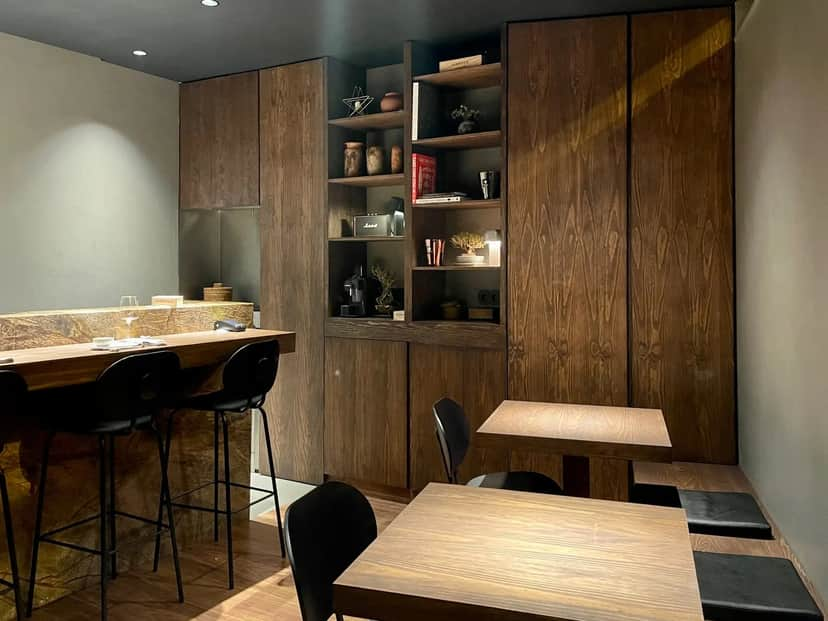 IzakayaBonfim · RestaurantsThe space transports guests to a 12-seat dining room, accepting reservations for dinner service and not rotating tables per shift. Visitors enjoy an innovative and more inclusive experience in the city through Japanese culture, Edomae style. The form, materiality, and architectural concept coexist in harmony with the execution of the dishes, allowing guests to become immersed in the experience created for them.
 JacadiPorto · Fashion & ApparelPiso -1, 4460-841 Senhora da Hora
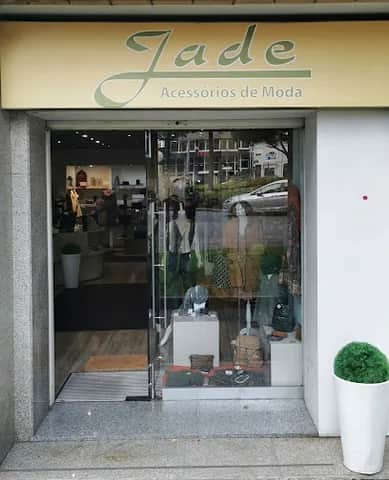 JadeMatosinhos · Fashion & ApparelAvenida Dom Afonso Henriques s/n, 4450-010 Matosinhos
 Jardim 31Miragaia · Cafés & Coffee ShopsCampo dos Mártires da Pátria 31, 4099-012 Porto
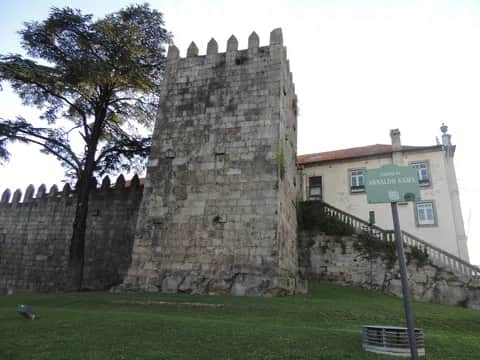 Jardim Arnaldo GamaRibeira · Parks & GardensLargo Primeiro de Dezembro, 4049-019 Porto
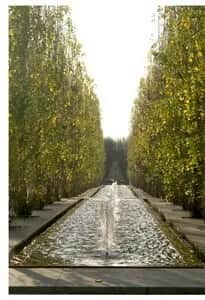 Jardim Basílio TelesMatosinhos · Parks & GardensOfficial website of the Matosinhos City Council. Information about the municipality, its composition and activities. Includes an events calendar for the municipality.
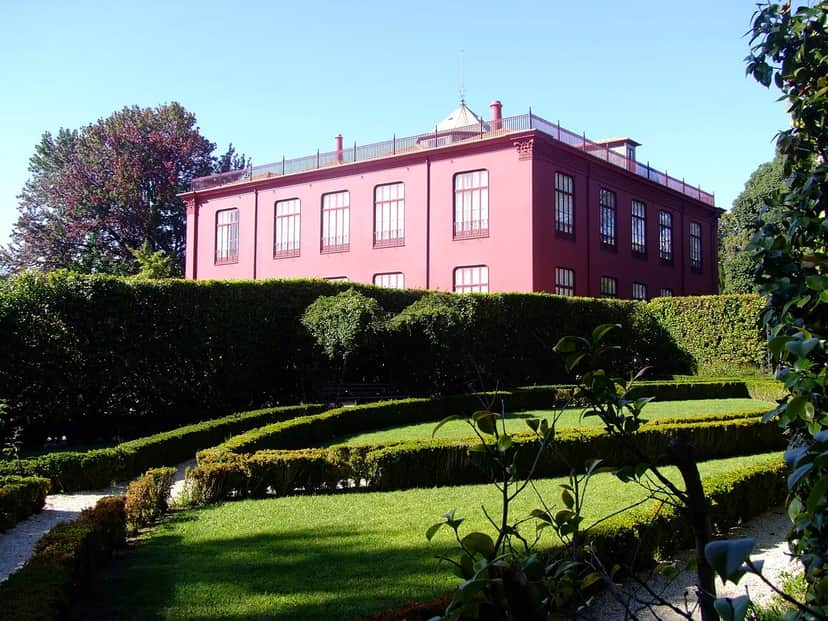 Jardim Botânico do PortoBoavista · Parks & GardensJardim Botânico do Porto stands at Rua do Campo Alegre 1191, 4150-181 Porto, in the Boavista neighbourhood. The University of Porto manages this historic green space, which covers 4 hectares and holds roughly 1,300 plant species. Its character comes from 19th-century romantic landscaping and a rich literary heritage. The grounds descend across three levels, set apart by tall, century-old clipped hedges, water features and distinct botanical zones. The site is the former Quinta do Campo Alegre. It was once owned by the Order of Christ, and João Henrique Andresen Júnior held it between 1895 and 1949. Two great names of Portuguese literature lived there, Sophia de Mello Breyner Andresen and Reuben Andresen. In 1949 the Portuguese government bought the estate from the Andresen family, and in 1951 the botanical garden was founded as part of the University of Porto. The state renovated the gardens but kept their original layout and the romantic style of the time they were built. Thanks to its botanical value, its conservation of native and exotic species and its literary side, the garden holds high importance for the city. Today the garden offers a variety of spaces and habitats, including bosquets, formal gardens, a cactus garden and an arboretum. Its collection is organised into groups such as camellias, native plants, cacti and succulents, rhododendrons and conifers. Recent transformations have aimed to promote biodiversity and build a closer relationship with the public. Many features of the original Quinta do Campo Alegre survive, among them clipped hedges of Camellia japonica cultivars, most from the late 19th century. The hedges stretch over 500 metres and include 616 plants more than three metres high, enclosing the formal garden. The garden is linked to the cultivar 'Dona Jane Andresen', a sport of Camellia japonica 'Doutor Balthazar de Mello'. Alfredo Moreira da Silva selected it in 1896, and its name honours the late owner of the quinta. The camellia collection totals 753 plants, 266 cultivars and 26 species. Outdoors, most are C. japonica and C. sasanqua, while the garden is starting to expand the collection with greenhouse-grown C. sinensis, C. azalea, C. semisserrata, C. hongkongensis and C. yunnanensis. The garden opens daily from 09:00 to 18:00, with hours extended to 19:00 from April to October, and it closes on 1 January and 25 December. Access is currently free, and guided visits are possible. The grounds also house the Biodiversity Gallery, a Live Science Centre dedicated to spreading knowledge of biological sciences, evolution and biodiversity, and the E-Learning Café.
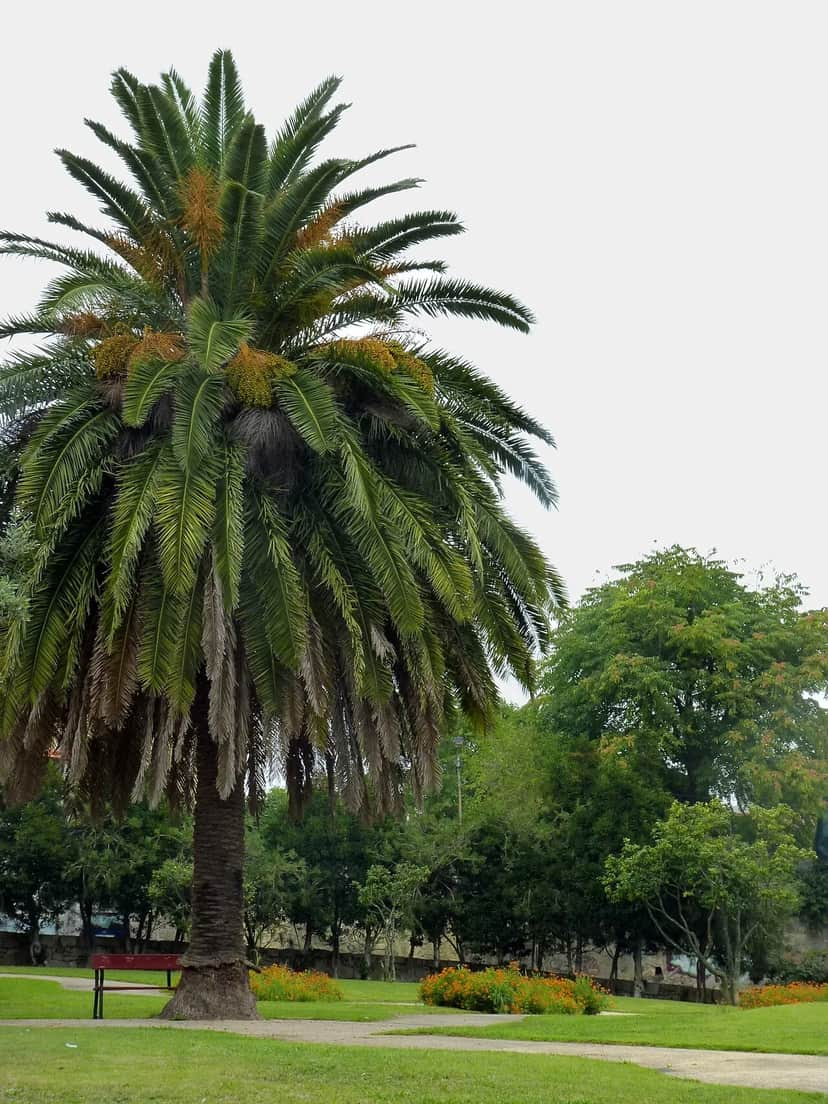 Jardim da PenaMassarelos · Parks & GardensJardim da Pena is a garden in the parish of Massarelos, in the city of Porto, Portugal.
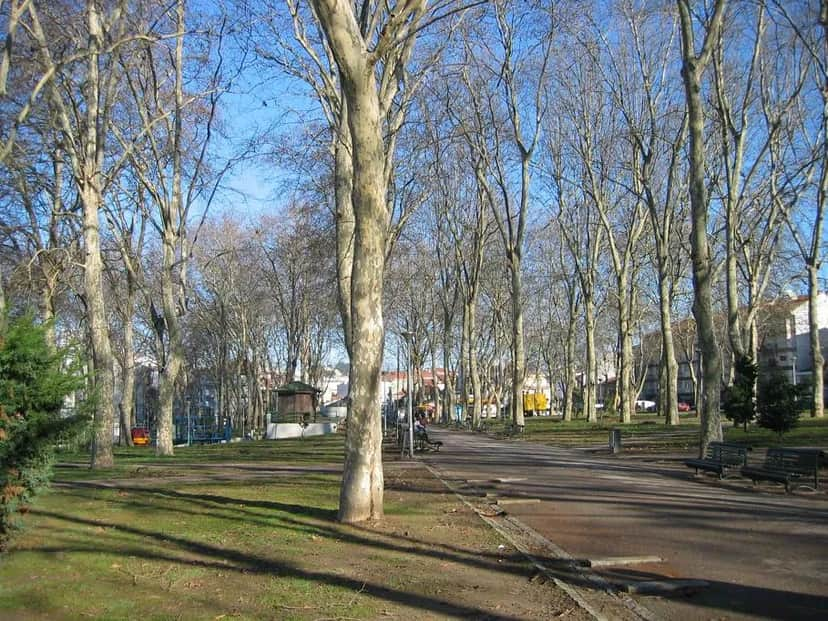 Jardim da Praça da CorujeiraCampanhã · Parks & GardensJardim da Corujeira is located in Praça da Corujeira, in the parish of Campanhã, in the city of Porto, Portugal.
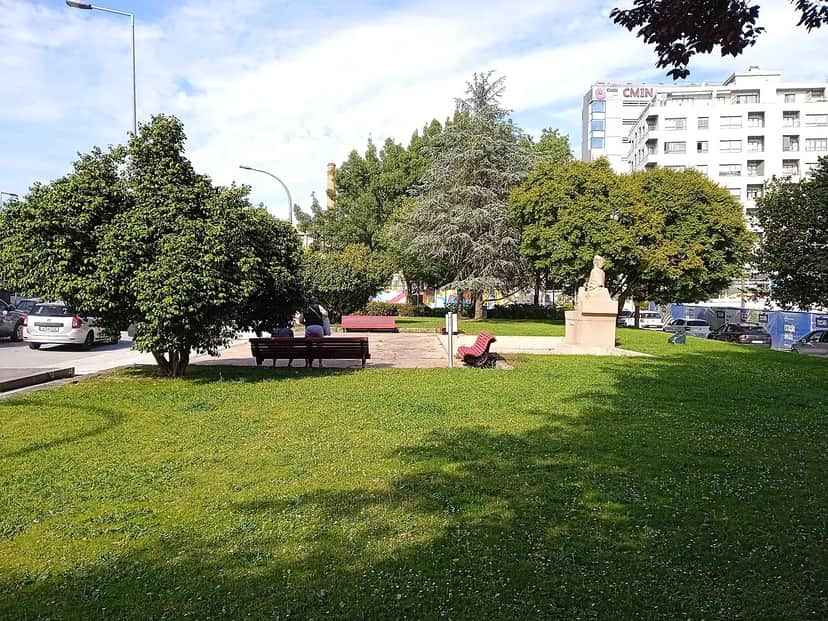 Jardim da Praça da GalizaCedofeita · Parks & GardensPraça da Galiza, 4150-344 Porto
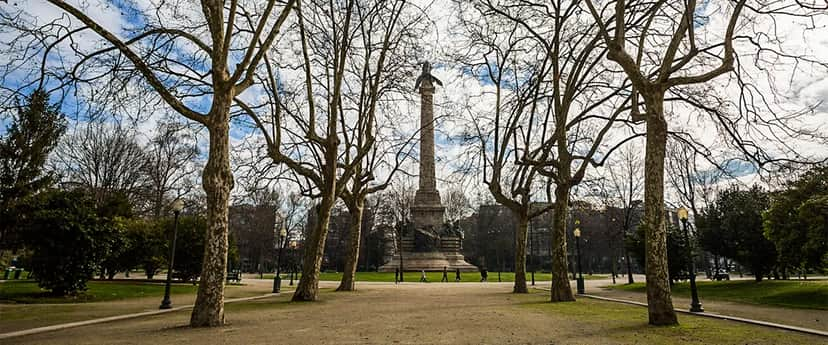 Jardim da Praça de Mouzinho de AlbuquerqueCedofeita · Parks & GardensThe garden of the Rotunda da Boavista, Praça Mouzinho de Albuquerque, dates from the early 20th century and has a formal layout arranged around the Monument to the Heroes of the Peninsular War, designed by sculptor Alves de Sousa and architect Marques da Silva. From 1876 onwards it hosted the São Miguel Fairs, moved here from Cordoaria, and the Feiras dos Moços, which came from Praça de Carlos Alberto. About a century ago it staged bullfights, and its bicycle races also became famous. Originally designed by Jerónimo Monteiro da Costa, its paths extend the avenues that converge on it, defining areas for lingering. The whole space turns in on a central flower bed that holds the monument. In this garden, camellias, sweetgums, brachychitons and lime trees grow side by side, among other notable trees such as the fan palms classified as being of public interest. Did you know? This is one of the places associated with the traditional São João festivities, held at the summer solstice - 24 June, the City's day.
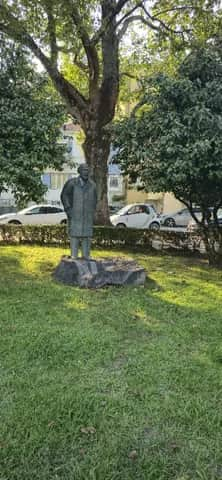 Jardim da Praça de Pedro NunesCedofeita · Parks & GardensA public garden in Porto, set on a square and linked with a secondary school.
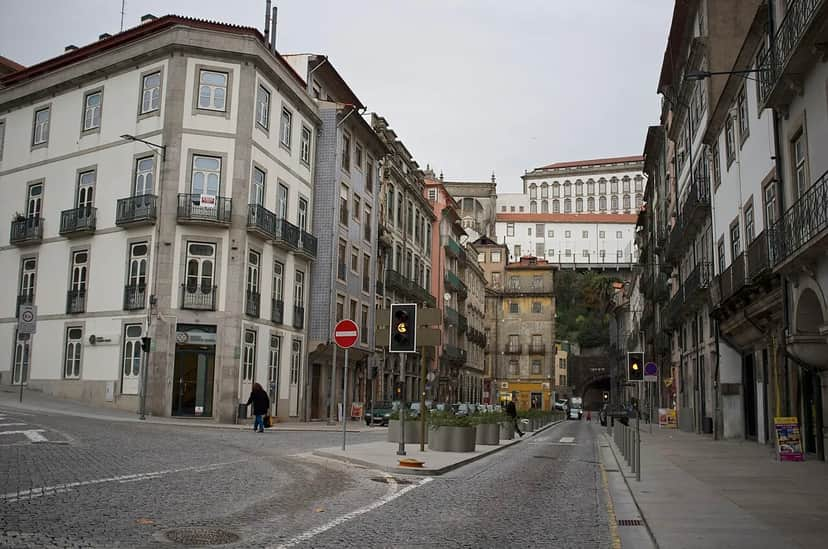 Jardim da Praça do Infante Dom HenriqueRibeira · Parks & GardensPraça do Infante D. Henrique is a square located in the parish of São Nicolau, in the city of Porto, Portugal.
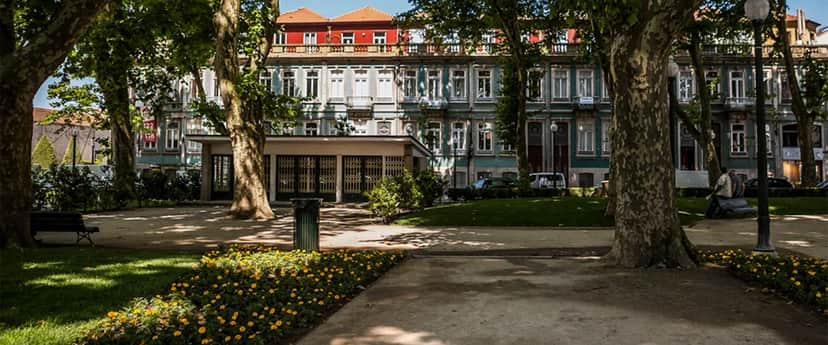 Jardim da Praça do Marquês de PombalBolhão · Parks & GardensThis garden, in Praça Marquês de Pombal, dates from the early 19th century and stands on the former Largo da Aguardente. By around 1850 the square already had its current layout, and in 1870 the Aguardente bullring was built there; together with the bullring at Rotunda da Boavista, these were the only two bullfighting venues in the city of Porto. The garden opened in 1898 and had a romantic character. In 2006, following the construction of the Marquês Metro Station as part of the urban regeneration for Porto 2001 - European Capital of Culture, it was altered, and the circular fountain that once stood in Praça de D. João I was installed there. Trivia: it was one of the city's lines of defence during the French invasions and the Siege of Porto.
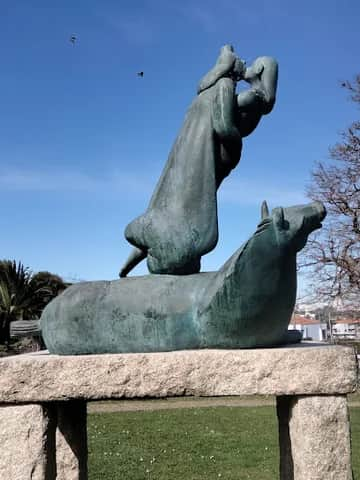 Jardim da Rua do Capitão LeitãoGaia · Parks & GardensRua de Castro Portugal s/n, 4400-086 Vila Nova de Gaia
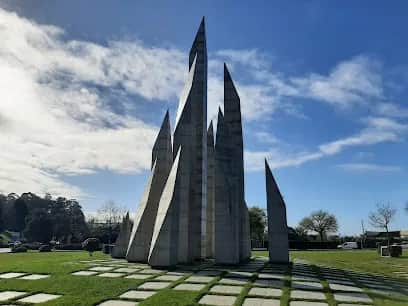 Jardim das PirâmidesMaia · Parks & Gardens4470-183 Maia
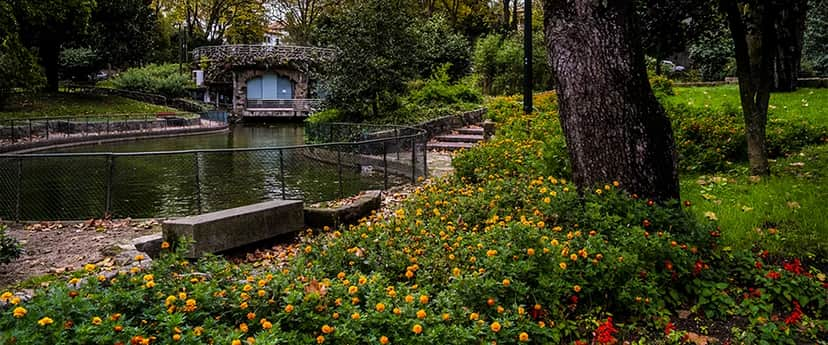 Jardim de Arca d'ÁguaPorto · Parks & GardensIn Paranhos in the north of Porto, Portugal, is Jardim de Arca d'Água situated on Praça Nove de Abril. It sits next to the universities and according to many, is a park that is not as famous as others in Porto. This park is open to the public at all times of the day and people have been known to spend an average of 1.5 hours here according to Wanderlog. This park was opened to the public in 1928. It is home to over 200 trees including 96 plane trees (Platanus acerifolia), 57 Japanese camellias (Camellias japonicas), 13 Southern magnolias (Magnolia grandiflora), and many others. In 2021, the ICNF classified the Southern Magnolias. Many walking paths lined with trees, a small pond, and a bandstand are some of the attractions this park has to offer. Patrons of the park say that it is a great location to have a picnic. Three springs in the district of Paranhos gave water to the city of Porto. The earliest records of these springs are from 1120 when the Couto do Porto was granted to Bishop Hugo by Theresa, Countess of Portugal. Near these springs, in 1866, a duel was fought between Antero de Quental and Ramalho Ortigão. The first part of the underground aqueduct of the city of Porto, built in 1607, is located here and connects the garden to the Praça dos Leões. It is about 3.5 km long and supplied many fountains in the city. Guided tours of the aqueduct tunnels stopped around 2020. The renovation changed the paving to a more porous material. The renovation kept the trees and changed the layout of the garden very little. The garden has a 4.3 rating on Google.
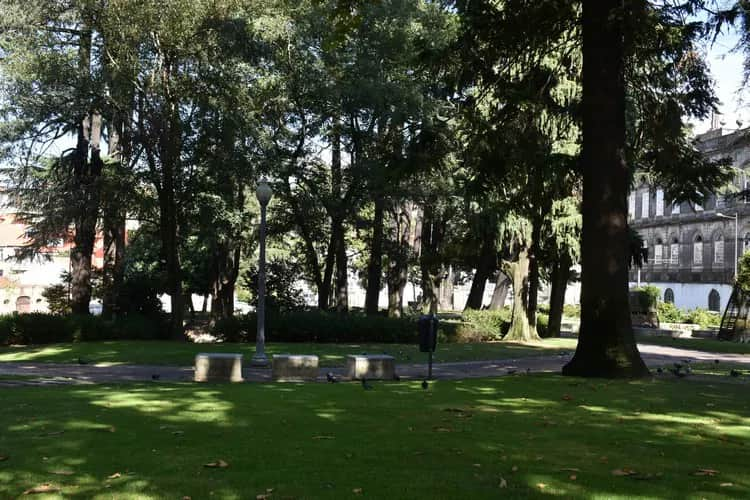 Jardim de Carrilho VideiraMiragaia · Parks & GardensThe garden's first design dates back to 1897 and was drawn up by the gardener-landscaper Jerónimo Monteiro da Costa, who at the time held the post of Director of Municipal Gardens. This garden, named Jardim Carrilho Videira, was considered one of his most successful works, given the uniqueness of some of its specimens within the small universe of the city's gardens. It is probably the last Romantic garden in Porto with nineteenth-century characteristics. Its name comes from the presence of a grass-like wetland plant — the Carrega — which grew on the banks of the Rio Frio. Situated close to Hospital de St. António, it offers the quietness of its Romantic layout and dense vegetation. It has several clusters of period plants that flower in profusion. Did you know? There was once a centuries-old giant sequoia (Sequoiadendron giganteum) whose importance was recognised by all, so much so that it gave rise to a set of temporary, performance-based interventions entitled Soft Monuments.
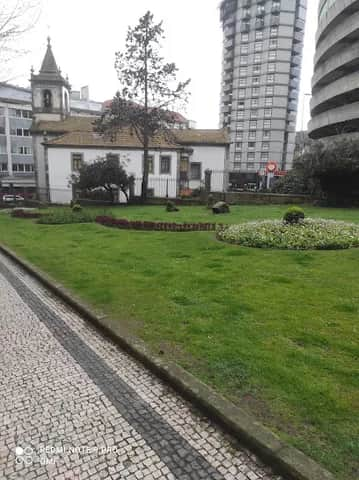 Jardim de FradelosBolhão · Parks & GardensRua das Carvalheiras s/n, 4000-159 Porto
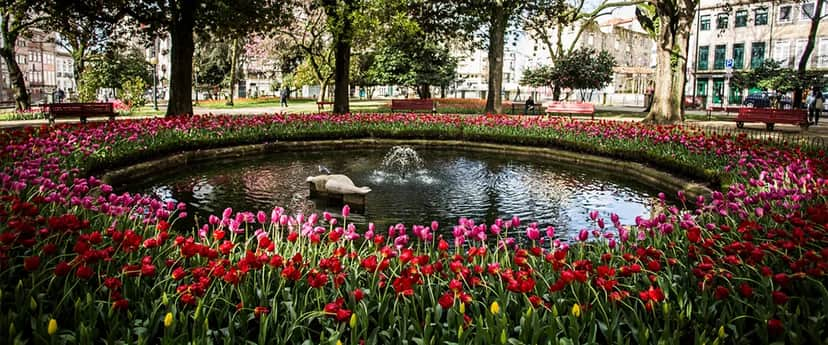 Jardim de São LázaroBolhão · Parks & GardensOpened in 1834, the São Lázaro Garden is the oldest garden in Porto, with a romantic layout, large magnolias, a central lake and colourful camellias. It was designed by João José Gomes, Porto's first municipal gardener, retains its original layout and stands out for its fountains and sculptures by artists such as Soares dos Reis and Henrique Moreira.
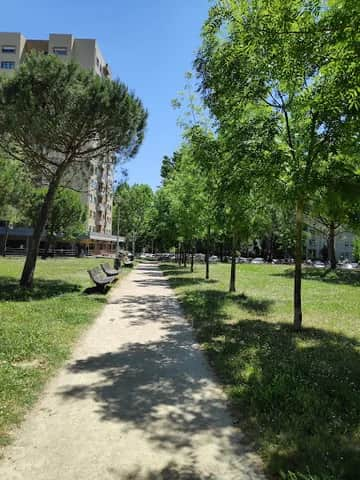 Jardim de Sarah AfonsoPorto · Parks & GardensRua Professor Antão de Almeida Garrett s/n, 4250-000 Porto
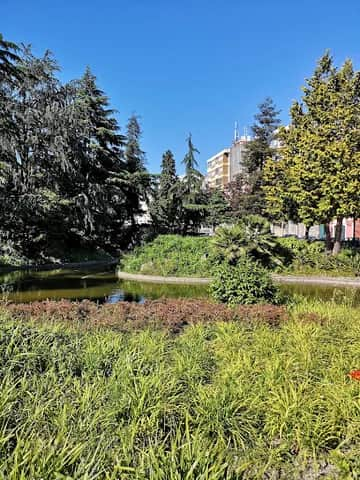 Jardim do Campo 24 de AgostoBonfim · Parks & GardensCampo 24 de Agosto, 4300-505 Porto
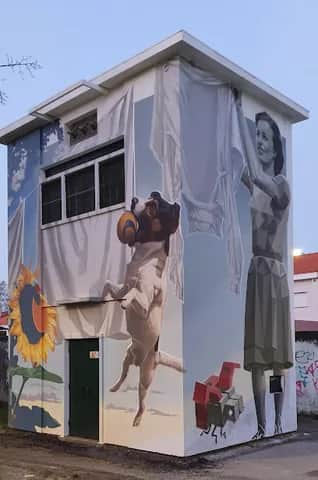 Jardim do CedroGaia · Parks & GardensAlameda do Cedro s/n, 4430-055 Vila Nova de Gaia
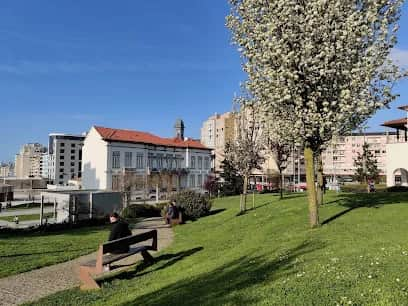 Jardim do Centro Cívico de GaiaGaia · Parks & GardensRua de Álvares Cabral s/n, 4400-317 Vila Nova de Gaia
Powered by Foursquare ·Photo and data credits ▾
Photos: DataForSEO · minube.pt · cm-matosinhos.pt · JotaCartas (CC BY-SA 3.0), via Wikimedia Commons · Maria Lemos (CC BY-SA 2.0), via Wikimedia Commons · Henrique Matos (CC BY 2.5), via Wikimedia Commons · Estevoaei (CC BY-SA 4.0), via Wikimedia Commons · ambiente.cm-porto.pt · Aleksandr Zykov from Russia (CC BY-SA 2.0), via Wikimedia Commons · Data: © OpenStreetMap contributors · Wikipedia (CC BY-SA 4.0)
