

Places in Porto
Loading...
Places in Porto
Loading...
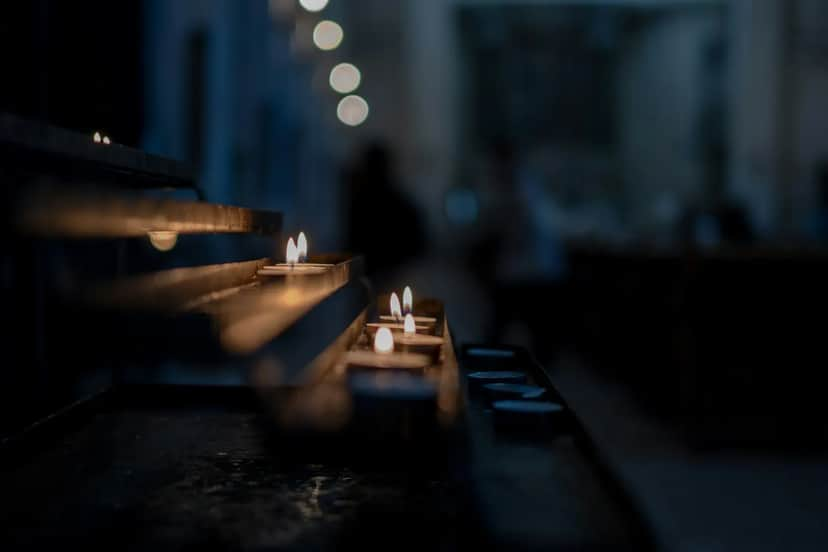 MórmonsOpens in a new tabGaia · Churches & Religious Sites · Illustrative photo
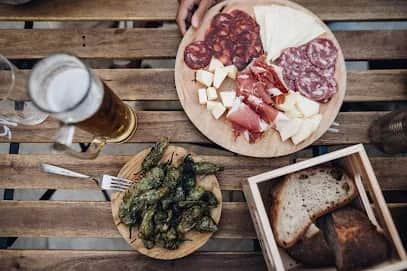 MorriñaOpens in a new tabBaixa · RestaurantsA restaurant in Porto serving Galician cuisine, including tortilla, Padron peppers and a charcuterie plate, with sangria, wine by the glass and beer. It has outdoor and rooftop seating, live music, small plates, vegetarian options and a bar.
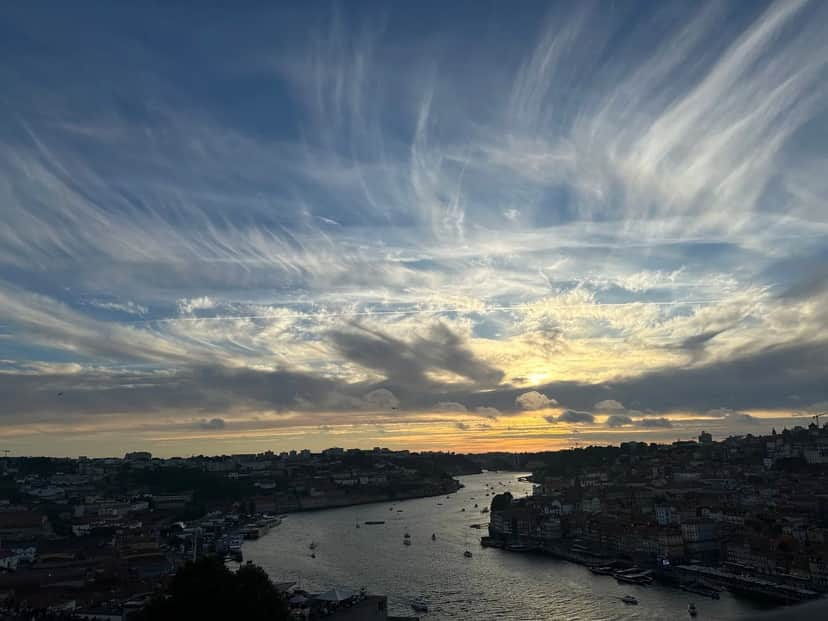 Mosteiro da Serra do PilarOpens in a new tabGaia · Sights & LandmarksThe Mosteiro da Serra do Pilar is located at Largo de Avis, 4430-329 Vila Nova de Gaia, in the Gaia district of Vila Nova de Gaia. It stands on a rocky outcrop and overlooks the Dom Luís I Bridge, Porto and the river. The Monastery was built by the Order of Saint Augustine and served as the new home for the Augustinian friars of the Monastery of Grijó. The monastery's church is circular, the main chapel is rectangular and the monastery's cloister is also circular. The circular cloister is the only one of its kind in the country. Due to its location, the monastery was strategic to both Porto and Gaia. It was first captured by the French. It aided the French invasion. Since then it has been used by both the military and the church. When the religious orders in Portugal were dissolved, it came under the control of the state. It is currently used by the Portuguese army. Porto received its UNESCO status in 1996 and the Monastery is included in this classification. Visitors can find a scenic spot to take pictures of Porto from the small square in front of the church. The plaza is free to enter. A guided tour will cover the church's history. The church balcony offers a nice view of Porto, the surrounding mountains, and the sea. It is said that the view is beautiful during sunset. The monastery is open Tuesday to Sunday. The hours change during the year. From April to October, the monastery is open from 10am to 6:30pm. From November to March, the hours are 10am to 5:30pm. The monastery is closed on public holidays. To avoid walking, you can take the Gaia cable car to the top and take a short walk to the monastery, or take the metro to Jardim do Morro and walk to the monastery. This attraction is also nice to visit before or after you walk across the upper level of the Dom Luis I bridge. You can call the monastery for more information at 220 142 425.
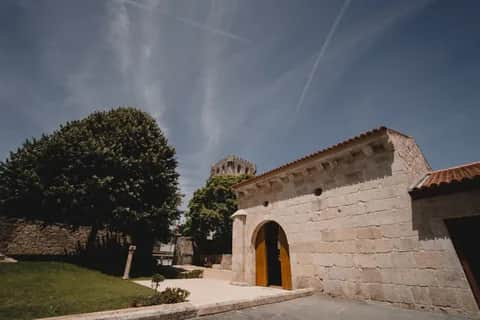 Mosteiro de Leça do BalioOpens in a new tabPorto · Churches & Religious SitesThe Monastery of Leça do Balio, which houses the Church of Santa Maria de Leça do Balio, is located in the parish of Custóias, Leça do Balio e Guifões, in the municipality of Matosinhos, district of Porto, Portugal.
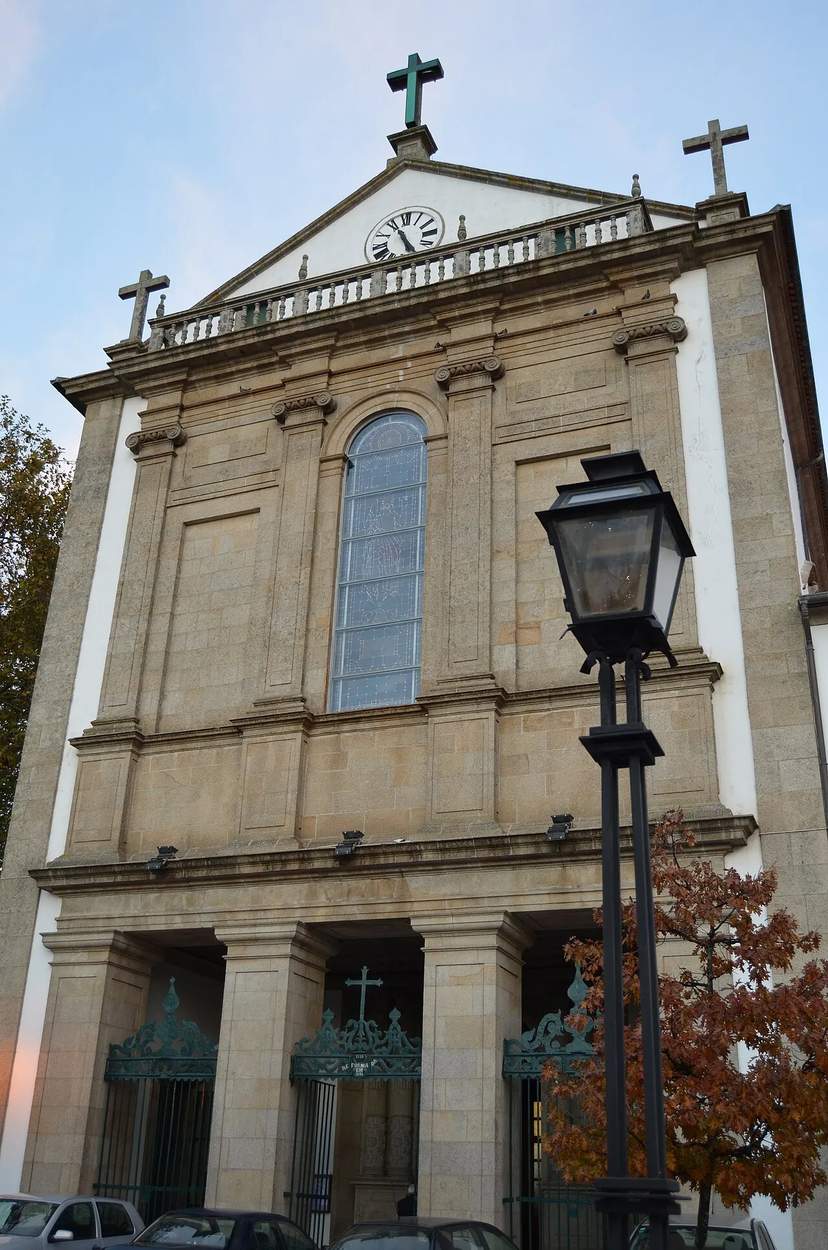 Mosteiro de São Salvador de MoreiraOpens in a new tabPorto · Churches & Religious SitesThe Mosteiro do Divino Salvador de Moreira, also known as the Mosteiro de Moreira da Maia, Igreja Matriz de Moreira, Igreja Conventual, or unofficially as the Cathedral of the Lands of Maia, is a former monastery in the Mannerist style, located in the parish of Moreira, municipality of Maia.
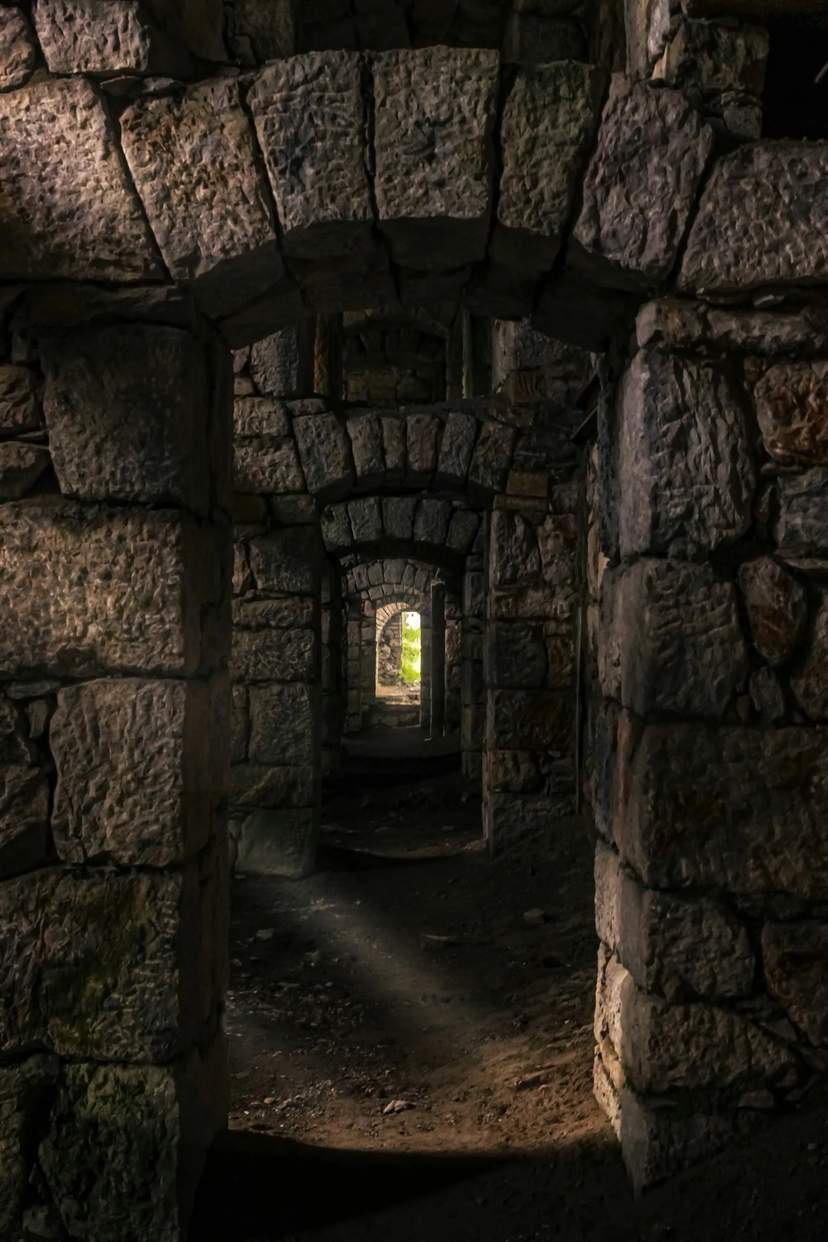 Mota de MadoufeOpens in a new tabMatosinhos · Monuments & Historic Buildings · Illustrative photo
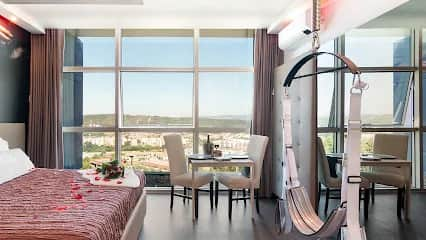 Motel Alto de ValongoOpens in a new tabPorto · Hotels
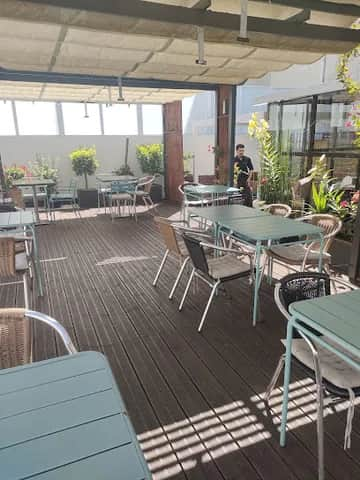 MotherforksOpens in a new tabPorto · Restaurants
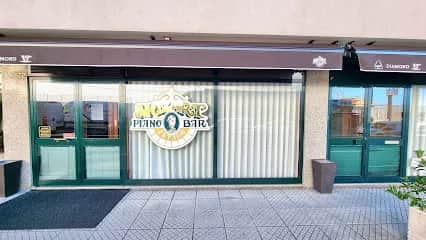 Mozart Piano BarOpens in a new tabGaia · Bars & Nightlife
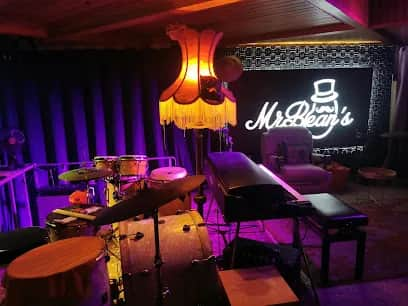 Mr. Bean's Music ClubOpens in a new tabMiragaia · Bars & Nightlife
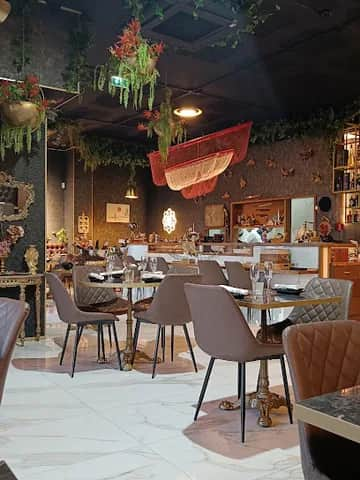 Mr. BinhoOpens in a new tabMatosinhos · Restaurants
 Mr. BlueOpens in a new tabCedofeita · Fashion & Apparel
 Mr. BlueOpens in a new tabMatosinhos · Fashion & Apparel
 Mr. Boss Barber Shop and Miss Boss Hair SaloonOpens in a new tabBoavista · Hair & Beauty Salons
 Mr PizzaOpens in a new tabMatosinhos · RestaurantsMr.Pizza, an Italian pizzeria in Portugal and Spain. The best Italian pizzas. This will be your favorite pizza. Always Tradizionale Mr.Pizza
 Mr. Pizza Porto 1Opens in a new tabBaixa · Quick Bites & TakeawayMr.Pizza, an Italian pizzeria in Portugal and Spain. The best Italian pizzas. This will be your favourite pizza. Always Tradizionale Mr.Pizza
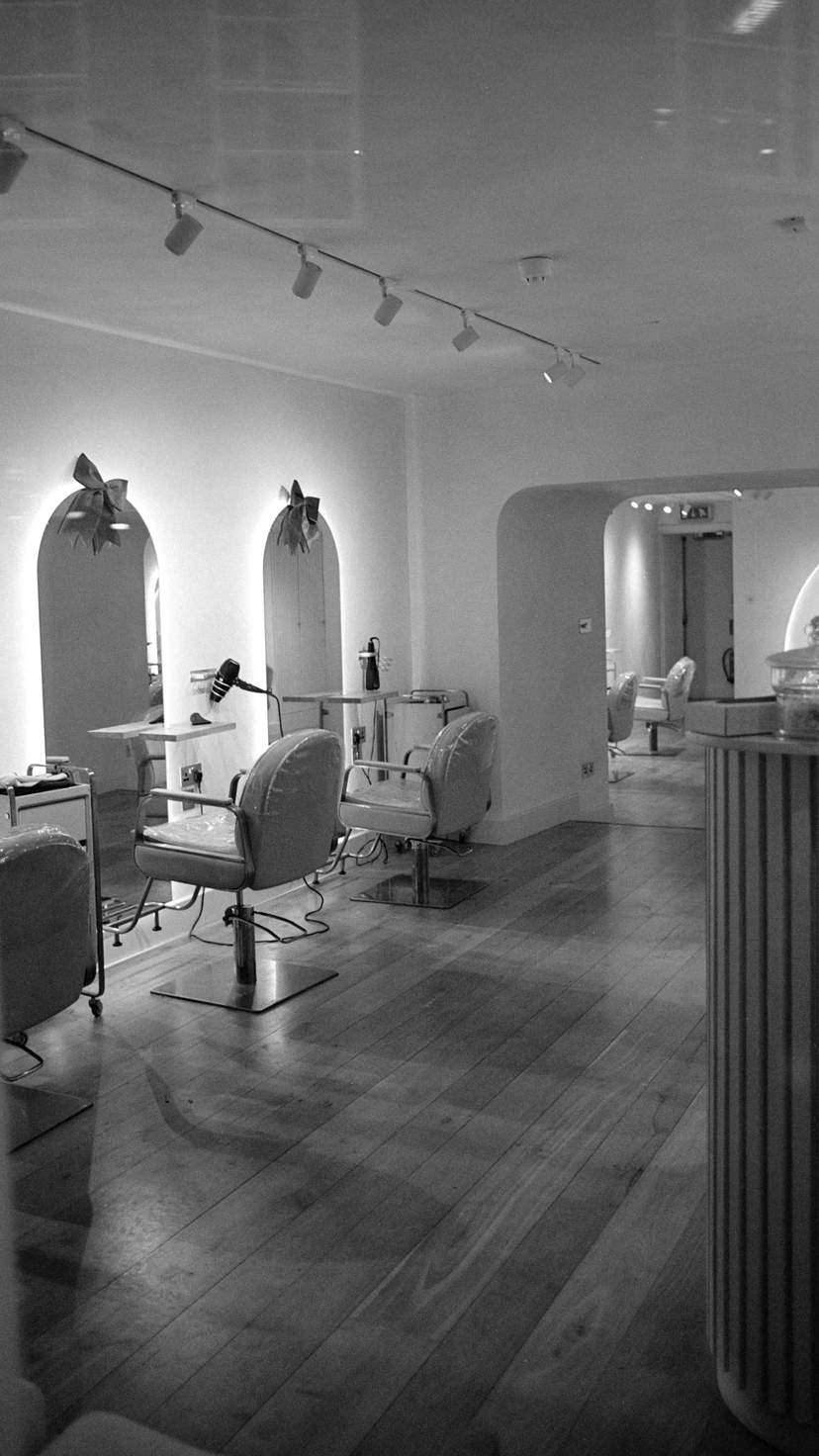 MS NailsOpens in a new tabBolhão · Hair & Beauty Salons · Illustrative photoEyebrow designer, manicure, pedicure, tip application, gel nails, nail forms
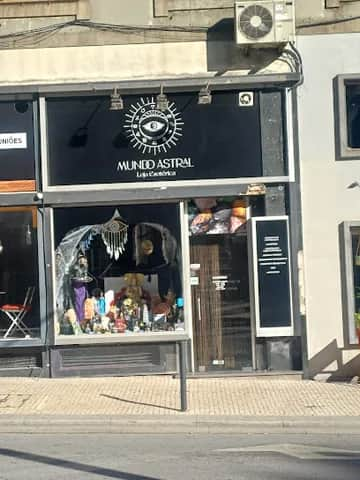 Mundo AstralOpens in a new tabBaixa · Shops & MarketsAn esoteric shop in Porto with a varied range of products, including tarot and bracelets. An attendant is on hand in the store to help visitors browse the selection.
 Mundo dos DoçesOpens in a new tabMaia · Food & Drink Shops
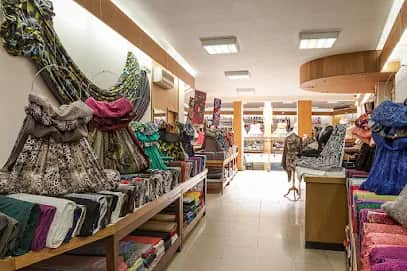 Mundo dos TecidosOpens in a new tabBolhão · Shops & Markets
- Muralha Fernandina (troço da Rua do Doutor Barbosa de Castro)Opens in a new tabMiragaia · Sights & Landmarks · Illustrative photo
- Muralha Fernandina (Troço de São João Novo)Opens in a new tabMiragaia · Sights & Landmarks · Illustrative photo
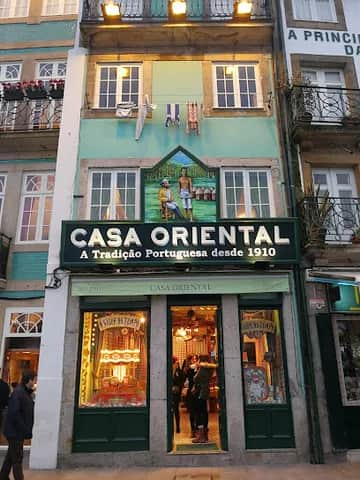 Muralhas do Olival - Pão Quente ConfeitariaOpens in a new tabBaixa · Cafés & Coffee Shops
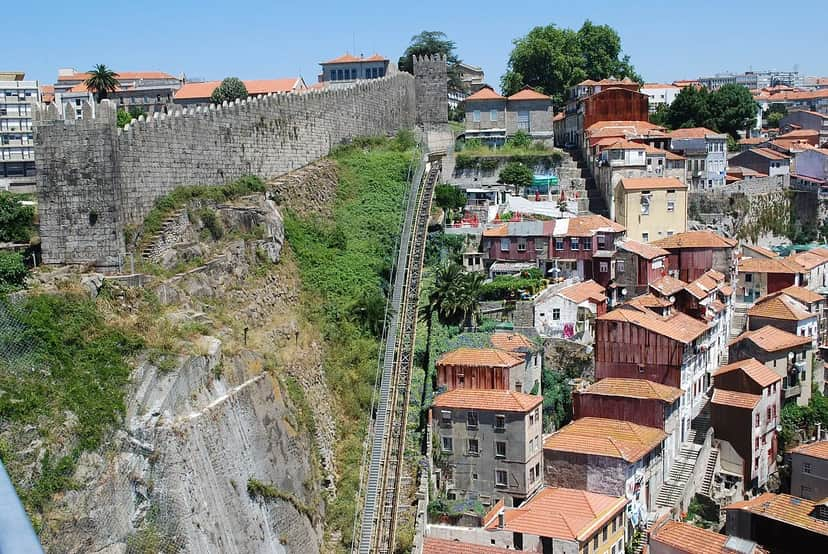 Muralhas Fernandinas do PortoOpens in a new tabRibeira · Monuments & Historic BuildingsThe Fernandine Walls are a section of fortification constructed in the medieval era. They can be found in the Ribeira neighborhood of Porto. Their official address is Rua da Bainharia 49, 4050-538 Porto. They are also known as the Walls of Dom Fernando and are located within the civil parish of Cedofeita, Santo Ildefonso, Sé, Miragaia, São Nicolau e Vitória, of the city of Porto. According to Wikipedia, the walls are still preserved. Their owner is defined as the Portuguese Republic. Wikipedia also states that the site is open to the public. Because the older medieval walls no longer sufficed for the city of Porto in the 15th century, the Fernandine Walls were constructed to replace them. Dom Fernando is credited with their construction. According to Visit Porto, this reconstruction occurred between 1368 and 1437. Dom Fernando completed the construction of the walls in 1376. The wall measured roughly 3000 paces in length, about 30 feet in height, and was fortified with battlements, bastions, and towers. The earlier Romanesque wall, built in the 12th century, represented the limits of Porto in administration and urbanization. Only two walled sections remain. Trecho dos Guindais is situated along Rua Arnaldo Gama. Trecho do Caminho Novo is along the Caminho Novo Steps. A view of the former wall defensive lines is appreciated from the D. Luís Bridge. This line of defense consists of a wall and road protected by two rectangular towers. The fortification is along the Urban Wine Route and is in the center of Porto, as defined by Visit Porto. The history of Porto’s walls is reflected by the city gates. Postigo dos Carros was built in 1409. Porta Nova dos Carros, which replaced the Postigo da Praia, was built in 1521. In 1529, the section between Porta de Santo Elói and Porta do Olival was in an advanced state of deterioration. During this time, 360 arms-lengths of the wall was ruined.
Powered by Foursquare ·Photo and data credits ▾
Photos: Photo by Lu on Unsplash · DataForSEO · Fundação Livraria Lello · Pedro from Maia (Porto), Portugal (CC BY 2.0), via Wikimedia Commons · Photo by Sergej Kaldesić on Unsplash · mrpizza.pt · Photo by Barney Goodman on Unsplash · Concierge.2C (CC BY-SA 3.0), via Wikimedia Commons · Data: © OpenStreetMap contributors · Wikipedia (CC BY-SA 4.0)
