

Places in Porto
Loading...
Places in Porto
Loading...
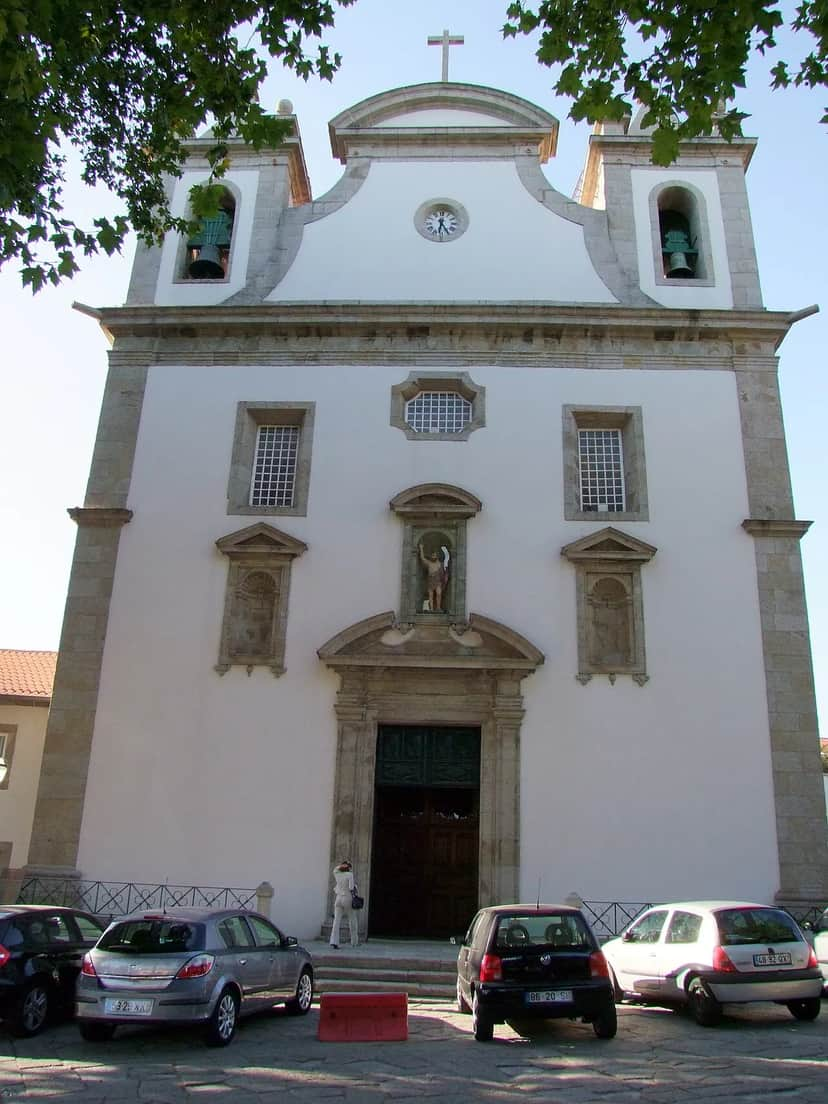 Igreja de São João Baptista da Foz do DouroOpens in a new tabFoz · Churches & Religious SitesChurch of São João Baptista, in Foz do Douro, including its carved retables, the baptismal font and the remaining ancient elements of decorative art, sculpture and painting
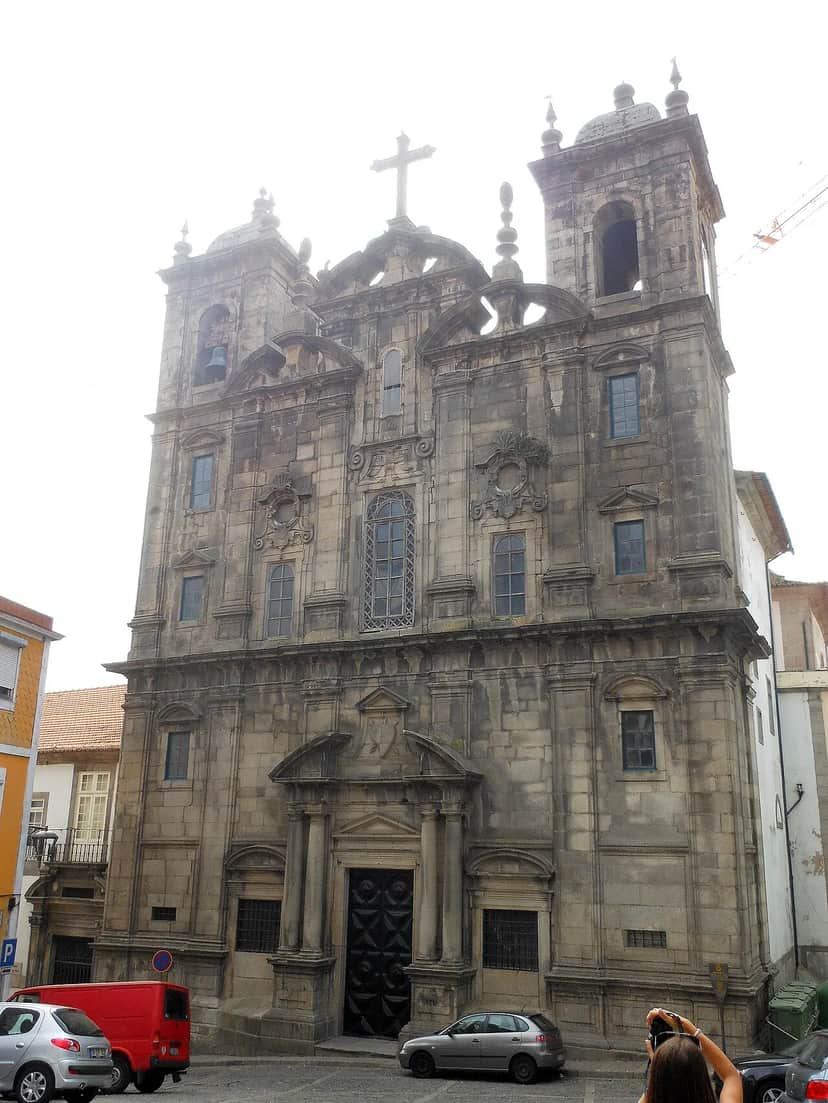 Igreja de São João NovoOpens in a new tabMiragaia · Churches & Religious SitesThe Igreja de São João Novo is a Catholic church in the União das freguesias de Cedofeita, Santo Ildefonso, Sé, Miragaia, São Nicolau e Vitória, in the city of Porto. It is a monument listed in the ZEP of the Historic Centre of Porto, a UNESCO Cultural Heritage of Humanity site.
 Igreja de São JoséOpens in a new tabGondomar · Churches & Religious Sites · Illustrative photo
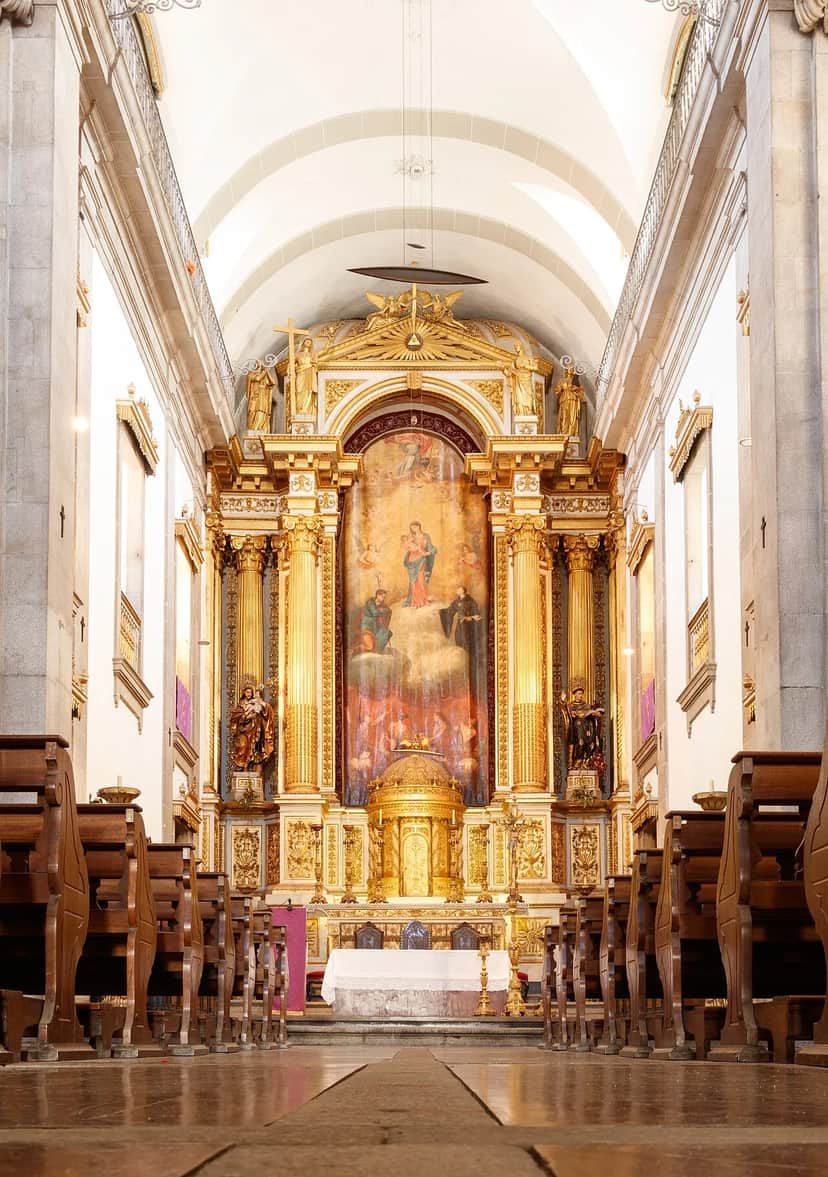 Igreja de São José das TaipasOpens in a new tabMiragaia · Churches & Religious Sites
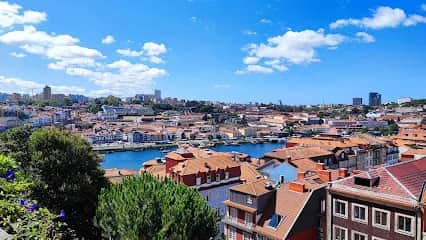 Igreja de São LourençoOpens in a new tabRibeira · Churches & Religious SitesA church in Porto with a baroque façade, linked to the 16th century.
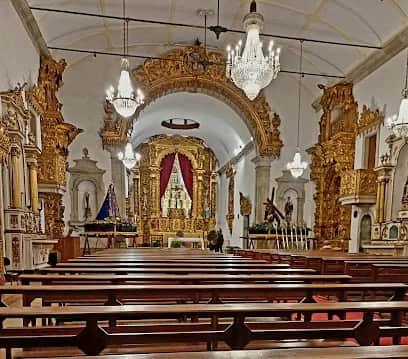 Igreja de São Mamede de InfestaOpens in a new tabPorto · Churches & Religious Sites
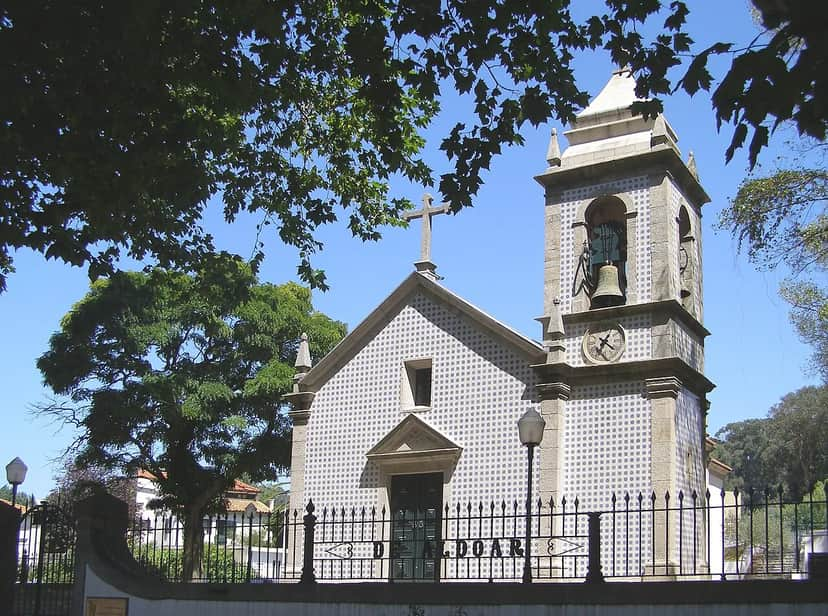 Igreja de São Martinho de AldoarOpens in a new tabPorto · Churches & Religious SitesThe Igreja de São Martinho de Aldoar, also referred to as Igreja da Vilarinha, is located in the parish of Aldoar, in the city, municipality and district of Porto, Portugal.
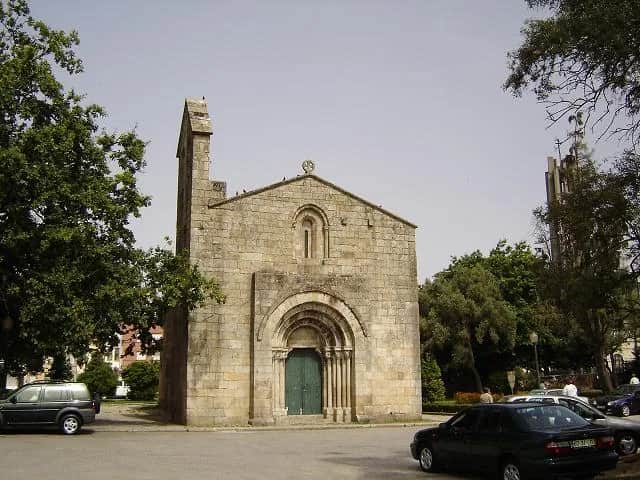 Igreja de São Martinho de CedofeitaOpens in a new tabCedofeita · Churches & Religious SitesThe Igreja de São Martinho de Cedofeita stands at Largo do Priorado, 4050-110 Porto, in the Cedofeita neighbourhood. It is widely considered the oldest church in Porto and is classified as a National Monument. The neighbourhood takes its name from the church. The building is Roman Catholic, belongs to the Diocese of Porto, follows the Romanesque style and is dedicated to Martin of Tours. Architecturally, the church is a rare example of a single-nave temple with a vaulted ceiling, and it is the only one of its kind in the traditional Entre-Douro-e-Minho province. Its main facade still keeps Romanesque elements and dark granite stone. The oldest document that mentions the church dates from 1087, when it was consecrated and money was set aside for its upkeep. Surveys of the building show that at least two earlier structures stood on the same spot. One was built around the 10th century, and two Pre-Romanesque capitals from it are preserved inside. The other was consecrated in 1098 by the Bishop of Braga, and the lower part of the main chapel survives from it. Soft limestone from the Coimbra region was used, which contrasts with the widespread use of granite in later public works. The truly Romanesque phase began late, around the 13th century. Records from the 12th and 13th centuries refer to a monastery at Cedofeita, alternating with mentions of a religious college that continued until the first quarter of the 13th century. The community of clerics followed the Canons Regular of Saint Augustine. By the 16th century the College of Cedofeita was one of the largest property-owners in the Porto area, funded by rents on district land and by donations from the faith community. In 1571 the Bishop of Porto, D. Rodrigo Pinheiro, received a request to transfer the church because too few people attended its celebrations; he did not grant it. The local neighbourhood stayed isolated until the second half of the nineteenth century, when a daycare, schools and a library were built. Legend says a king, hoping to cure his sick child, vowed to Saint Martin of Tours to build a church, and the building went up so fast it was called "cedo feita", meaning early made. An inscription on the porch from 1767 marks this story. In 1934 the General Directorate of National Buildings and Monuments began restoration that removed added structures hiding the original design. The doors are not often open.
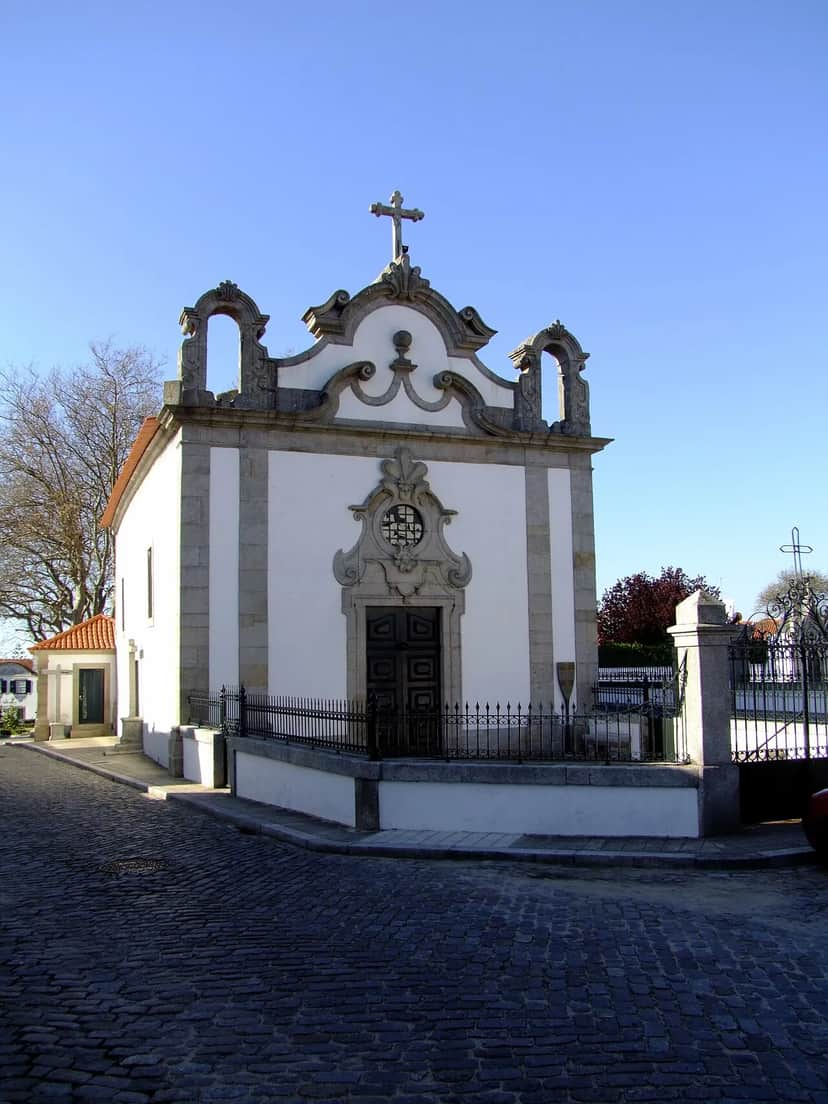 Igreja de São Miguel de NevogildeOpens in a new tabPorto · Churches & Religious SitesThe Igreja de São Miguel de Nevogilde stands at Largo de Nevogilde s/n in Porto, in the parish of Nevogilde, part of the united freguesia of Aldoar, Foz do Douro e Nevogilde. Heritage records also list it as the Igreja Paroquial de Nevogilde and the Igreja de São Miguel. It is a Baroque church from the eighteenth century, built when Nevogilde had few inhabitants, most of them engaged in farm work. Its size is small, with one nave and a chancel. Construction ran from 1729 to 1737, but the chancel and sacristy were completed later, in 1750, and the tower was finished only in 1881. Nevogilde joined the municipality of Porto only at the end of the nineteenth century. The plan is longitudinal, with a rectangular nave and chancel and the tower placed on the chancel's axis. Two more rectangular spaces at the sides house the sacristy, a mortuary chapel, the parish archive and various services. The layout recalls the Clérigos church and tower and the church of Santo António da Torre Velha in Ponte de Lima, where a tower rises over the chancel and contrasts with the horizontal volumes, despite differences in scale. Another temple probably stood on the site before, of which nothing is known, though it is supposed to have been Romanesque. Nobody knows who drew the plan of the new church, but it is attributed to Domingos da Costa, who worked there as a master mason. He also took part in São Pedro de Miragaia and in the infirmary and tower of the Clérigos church, among other works, most of them linked to Nicolau Nasoni, from whom he may have learned. The façade has simple, symmetrical lines and departs from the Clérigos model. Its decoration is modest yet clearly expresses the exuberance of Joanine Baroque. Pilasters line up with the bell towers, the portal opens in the centre beneath an oculus wrapped in volutes, and the bell towers rise above the entablature. Inside, a contract signed in 1750 with Manuel da Costa Andrade covered the chancel altarpiece, in Joanine style. The side altarpieces are similar and are attributed to the same carver. The seventeenth-century pulpits also stand out, lacking a canopy but with doors covered in carved woodwork. The church was classified as a Monument of Public Interest by Portaria n.º 687/2010, dated 16 September 2010. Its listed coordinates are 41.164215 and -8.676914.
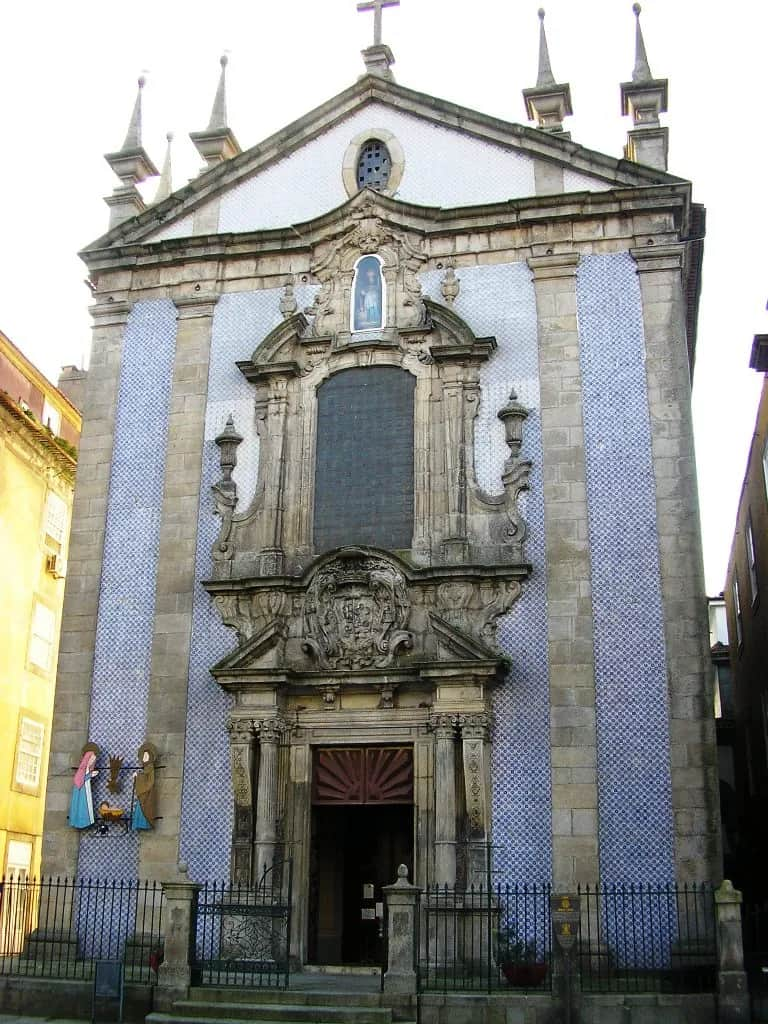 Igreja de São NicolauOpens in a new tabRibeira · Churches & Religious Sites
 Igreja de São Paulo do VisoOpens in a new tabPorto · Churches & Religious Sites
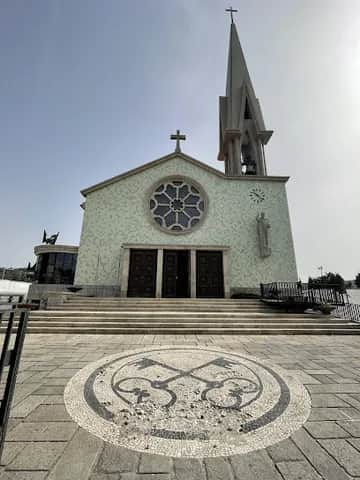 Igreja de São Pedro da CovaOpens in a new tabGondomar · Churches & Religious Sites
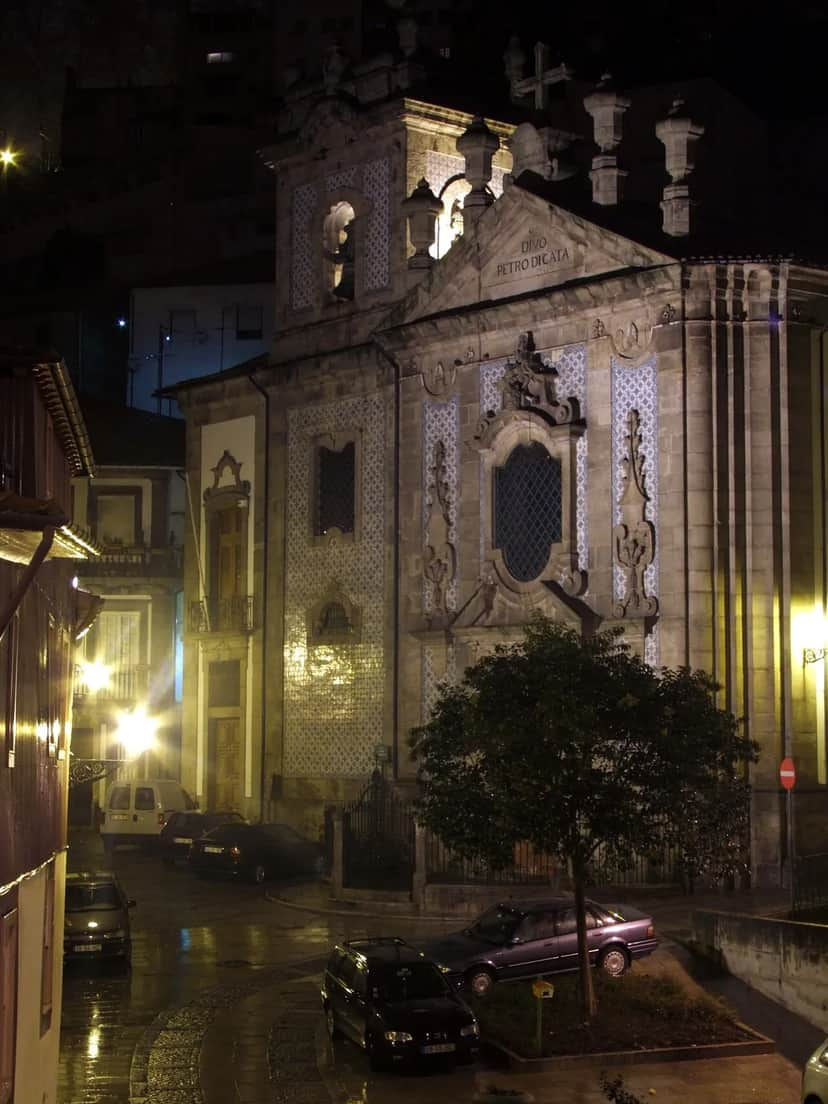 Igreja de São Pedro de MiragaiaOpens in a new tabMiragaia · Churches & Religious SitesThe Igreja de São Pedro de Miragaia is located in the parish of Miragaia, in the city and District of Porto, Portugal.
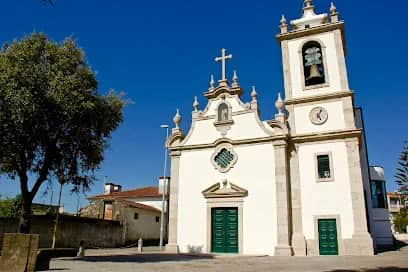 Igreja de São Pedro FinsOpens in a new tabPorto · Churches & Religious Sites
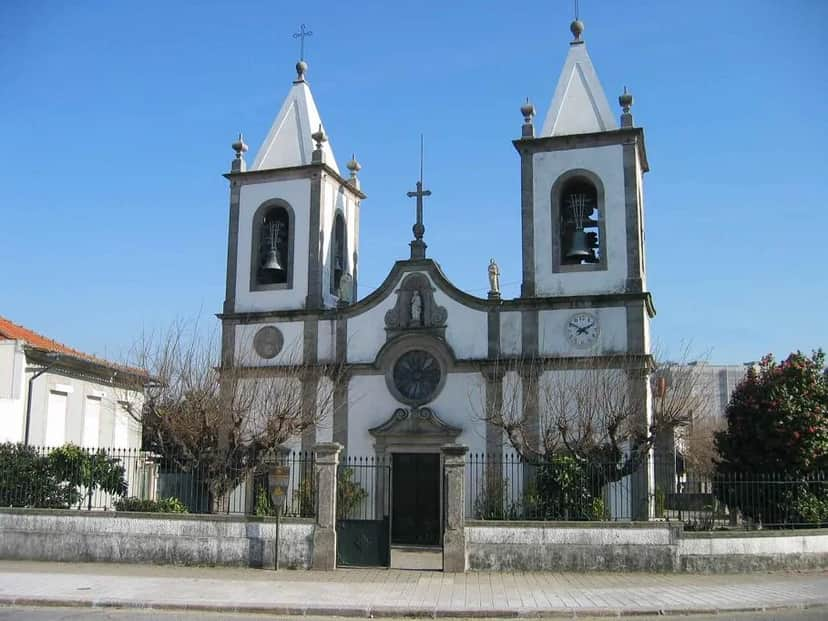 Igreja de São Veríssimo de ParanhosOpens in a new tabPorto · Churches & Religious SitesA Roman Catholic church building in Porto, protected as a classified heritage site.
 Igreja de ValadaresOpens in a new tabGaia · Churches & Religious Sites · Illustrative photo
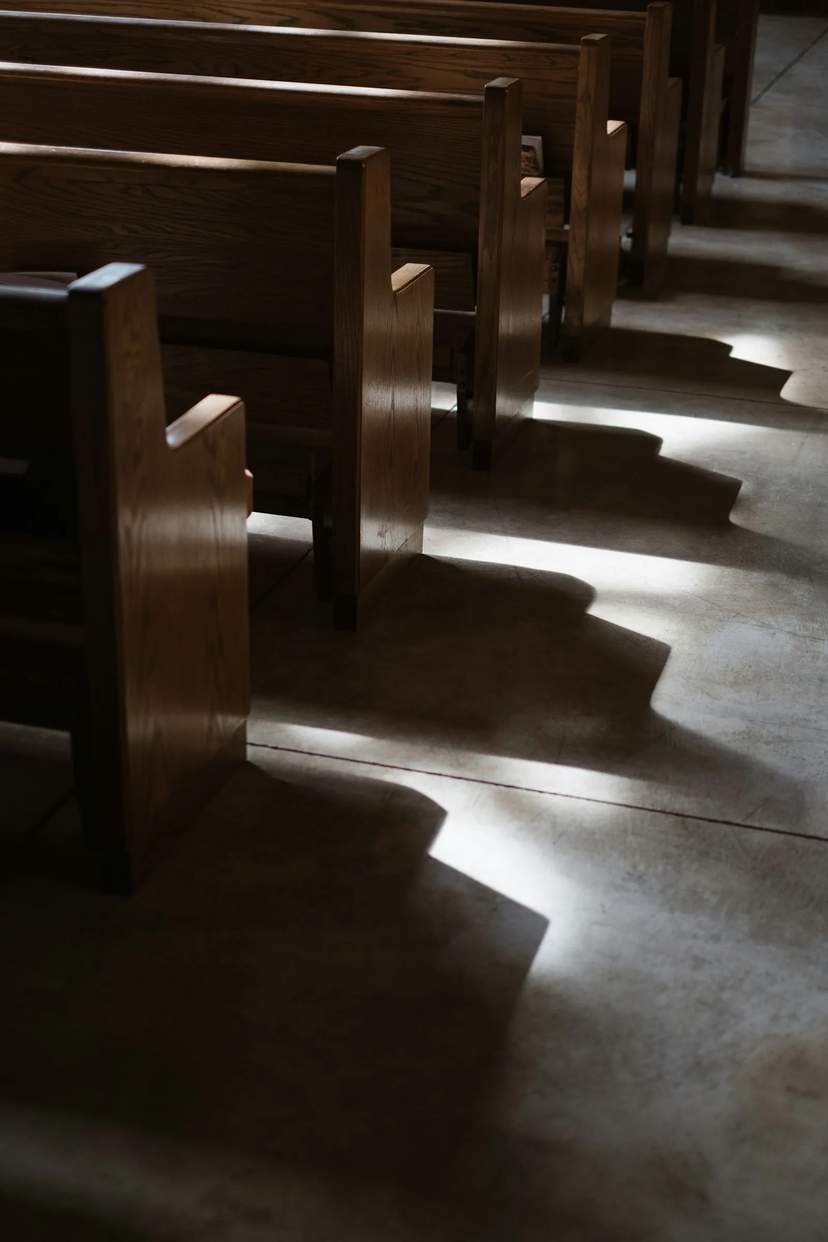 Igreja do AraújoOpens in a new tabMatosinhos · Churches & Religious Sites · Illustrative photo
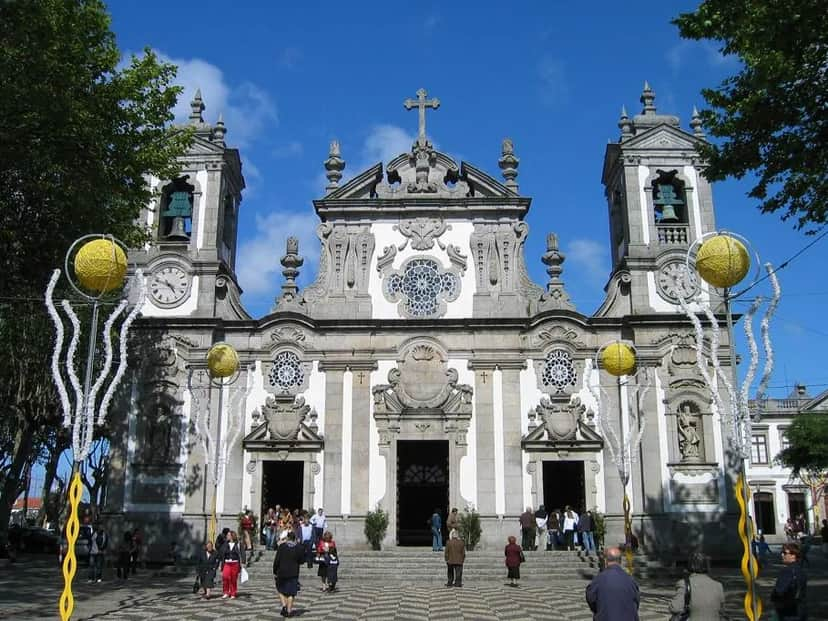 Igreja do Bom Jesus de MatosinhosOpens in a new tabMatosinhos · Churches & Religious SitesThe Igreja do Bom Jesus de Matosinhos is a Roman Catholic parish church in the heart of Matosinhos, on Rua Silva Cunha, in the Porto area. Today it serves as the Matriz Church of Matosinhos. It is described as one of the main and oldest pilgrimage destinations in Portugal, linked to the Festas do Senhor de Matosinhos. In 1982 the church was classified as a Property of Public Interest, and it is listed as a monument and heritage site within the religious category. Construction began in 1559. In the 18th century the original church was extended by the Italian architect Nicolau Nasoni, and that extension produced the configuration the building has today. The façade is built of granite and is Baroque in style. It has three portals, of which the central one is the largest. That central portal is decorated with a medallion in which a scallop shell is set. On either side, two lateral niches hold statues of S. Pedro and S. Paulo. The grandeur of the surrounding churchyard is also worth mentioning. Inside, the church follows a Latin cross plan divided into three naves, with a rectangular main chapel. The high altar is richly decorated in gold Baroque style. On it stands the image of Bom Jesus de Matosinhos, a life-sized figure of Christ crucified. The image dates from the late 12th or early 13th century, which places it among the oldest of its kind in the world, and it is attributed to Nicodemus. Legend gives the crucifix the same attribution. Because the church is an active place of worship, visitors should dress modestly, with shoulders and knees covered, and keep noise low while services or private prayers are under way. Anyone wishing to attend a service, or to hear the church while mass is in progress, can check the local parish schedule beforehand, though general sightseeing is better done outside mass times. The entrance is relatively accessible, but those with mobility concerns should verify current accommodations first. A visit can be planned around lunch or dinner, to eat grilled fish at one of the traditional harbour restaurants nearby. The church's address is Rua Silva Cunha s/n, 4450-172 Matosinhos, and the telephone number listed is 229 397 980.
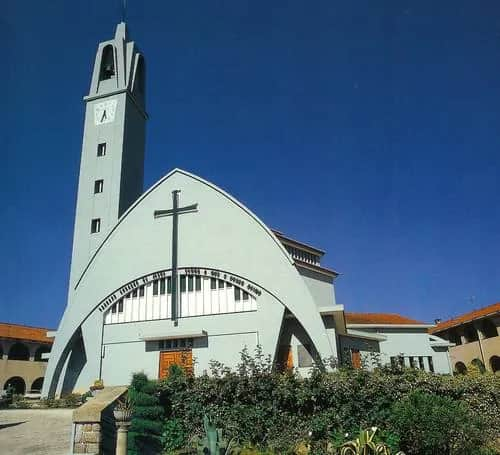 Igreja do Bom PastorOpens in a new tabPorto · Churches & Religious SitesThe Igreja do Bom Pastor is a Catholic church in Ermesinde, a city in the municipality of Valongo, in the district of Porto. It is also called the Igreja do Sagrado Coração de Jesus and the Santuário do Coração de Jesus, and it is dedicated to the worship of the Sacred Heart of Jesus. The church belongs to the Diocese of Porto and is modernist in style. Valongo's municipal listing of Ermesinde's built heritage places it at Largo das Oliveiras, 4445-538 Ermesinde. The church has a two-stage history. It was first built in the city of Porto and later destroyed. A new church was then raised in Ermesinde, with construction running from 14 July 1957 to 21 April 1966. It was consecrated to the Heart of Christ to fulfil a vow of Sister Maria do Divino Coração, countess Droste zu Vischering, a religious who became well known for having influenced Pope Leo XIII to carry out the consecration of the world to the Sacred Heart of Jesus. Sister Maria do Divino Coração belonged to the Congregation of Our Lady of Charity of the Good Shepherd and served as Mother Superior of the Good Shepherd Convent in Porto. The Catholic Church proclaimed her Venerable in 1964, and Pope Paul VI beatified her on 1 November 1975. Her writings record why the church has its dedication. She had long wanted to build a church on the Good Shepherd grounds but was undecided about its dedication, so she prayed and consulted many people without reaching a conclusion. On the first Friday of a month, after Holy Communion, she wrote that Jesus told her the church should be consecrated to his Heart as a place of reparation and of graces. She understood it was wanted above all as a place of reparation for sacrileges and to obtain graces for the clergy. By that promise, the church became an important pilgrimage destination for Christians who want to deepen their devotion to the Sacred Heart of Jesus through the life, virtues and work of the Blessed Sister Maria do Divino Coração. Her tomb-reliquary is kept inside. The Parish of Ermesinde lists the Igreja do Bom Pastor among its churches, alongside the Igreja Matriz, the Santuário de Santa Rita and the Capela de São Silvestre, and describes it as a place of worship and parish meetings with regular celebrations and community activities.
- Igreja do CalvárioOpens in a new tabPorto · Churches & Religious Sites · Illustrative photo
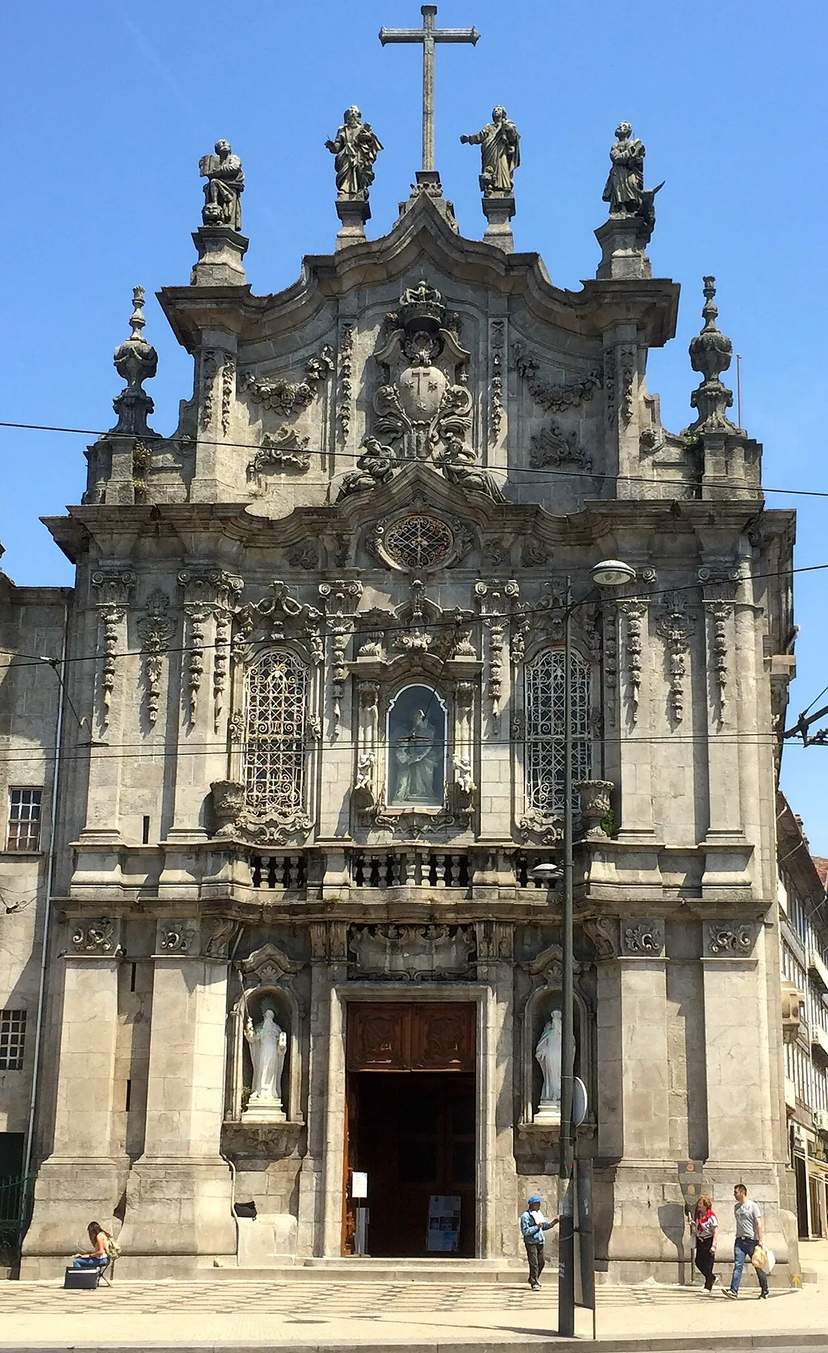 Igreja do CarmoOpens in a new tabBaixa · Churches & Religious SitesIgreja do Carmo is located in Porto’s Baixa neighborhood at Rua do Carmo, 4060-164. Construction began in 1756 by the Carmelite Order and finished in 1768. The church is a national monument, and is an example of the late baroque style with elements of rococo. There is a side wall covered in azulejos (traditional tin-glazed ceramic tiles of the Iberian Peninsula). The mosaic panel, created by Silvestre Silvestri in 1912, depicts the Order of the Carmelites and Mt. Carmel. Tiles gained popularity as public art during the 20th century. Talha dourada, gilt carvings, adorn the church. Next door is Igreja dos Carmelitas, or the Church of the Carmelites. However, they are entirely separate from each other. Between the two churches is a narrow house known as Casa Escondido, which means the Hidden House, and is one of the narrowest houses in all of Porto. According to tradition, this house was built to keep the nuns of the Carmelitas from coming in contact with the monks of the Carmo. Previously, this house was a residence for chaplains, as well as artists and doctors. Now, it is completely unoccupied. Both churches are located in Praça de Gomes Teixeira, a public square named after the first rector of the University of Porto. The square is home to the fountain known as the Fonte dos Leões. A short distance from the fountain, there is a shop where the only merchandise is azulejos. The phone number for the church is +351 22 207 8400. If you cannot find the information you need, you can visit the tourist information center and ask the staff for assistance.
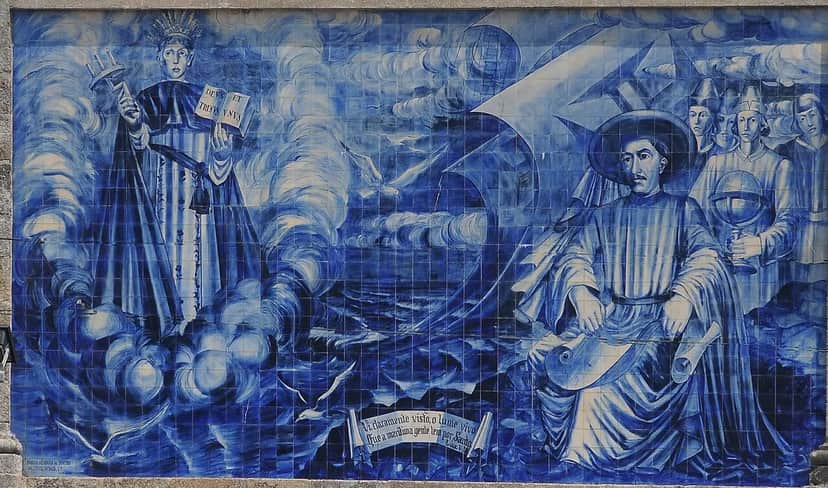 Igreja do Corpo Santo de MassarelosOpens in a new tabMassarelos · Churches & Religious SitesThe Church of Corpo Santo de Massarelos, in Porto, began to be built in 1776 and became the parish church of Massarelos when the church of Santa Maria da Boa Viagem fell into ruin. It belongs to the Confraternity of the Souls of Corpo Santo de Massarelos, founded, according to tradition, in 1394, and is the confraternity's third temple; of the previous one, built after 1640, the original chapel survives. It has a single nave, a façade of azulejo tiles, two bell towers, and a niche with the image of its patron saint, St. Pedro Gonçalves Telmo, and the chancel was decorated with frescoes by the Italian painter Silvestro Silvestri. The brotherhood's treasury holds silver pieces, among them a sixteenth-century monstrance.
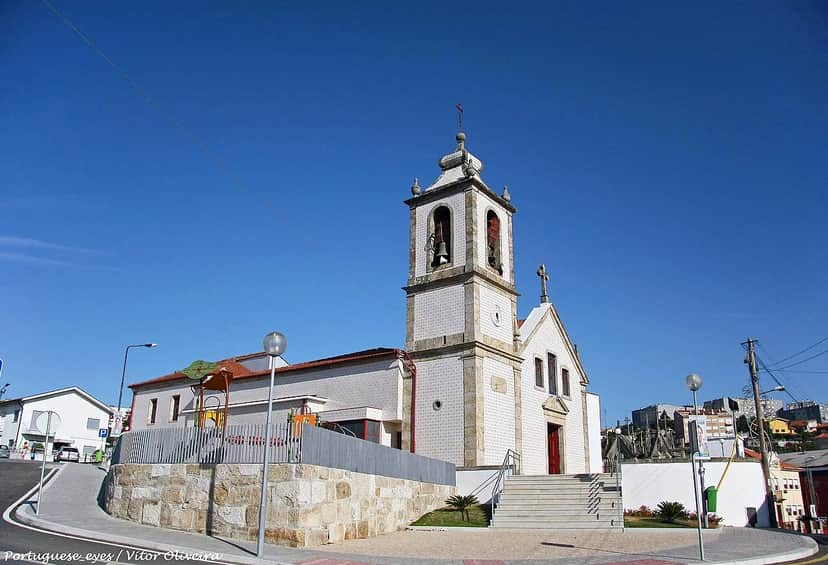 Igreja do Divino Salvador de FânzeresOpens in a new tabGondomar · Churches & Religious Sites
- Igreja do Padrão da LéguaOpens in a new tabMatosinhos · Churches & Religious Sites · Illustrative photo
Photo and data credits ▾
Photos: Jota (CC BY-SA 2.0), via Wikimedia Commons · Manuel de Sousa (CC BY-SA 3.0), via Wikimedia Commons · Photo by Daniel Gomez on Unsplash · Rodrigo.Argenton (CC BY-SA 4.0), via Wikimedia Commons · DataForSEO · Júlio Reis (CC BY-SA 3.0), via Wikimedia Commons · pt:usuário:JoaoMiranda (CC BY-SA 3.0), via Wikimedia Commons · JotaCartas (CC BY-SA 3.0), via Wikimedia Commons · Henrique Matos (CC BY 2.5), via Wikimedia Commons · Photo by Lu on Unsplash · Photo by Josh Applegate on Unsplash · Anjo-sozinho (CC0), via Wikimedia Commons · Xcia0069 (CC BY-SA 4.0), via Wikimedia Commons · Joseolgon (CC BY-SA 3.0), via Wikimedia Commons · Vitor Oliveira from Torres Vedras, PORTUGAL (CC BY-SA 2.0), via Wikimedia Commons · Data: © OpenStreetMap contributors · Wikipedia (CC BY-SA 4.0)
