

Places in Porto
Loading...
Places in Porto
Loading...
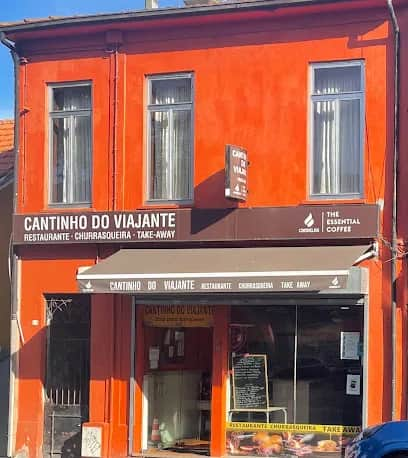 Cantinho do ViajanteOpens in a new tabPorto · Restaurants
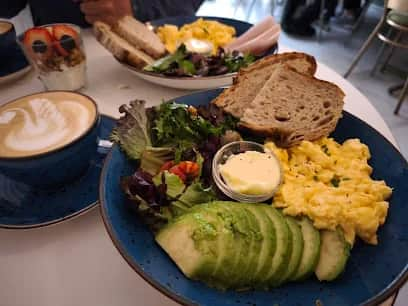 Canvas - Speciality Coffee and BrunchOpens in a new tabBolhão · Cafés & Coffee Shops
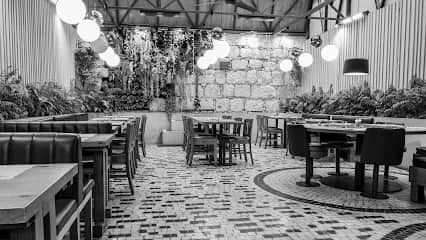 Capa na Baixa - Grill Cervejaria by Capa NegraOpens in a new tabBaixa · Restaurants
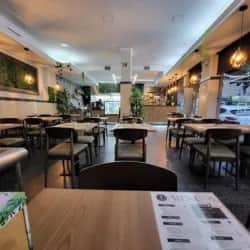 Capa Negra IOpens in a new tabBonfim · Restaurants
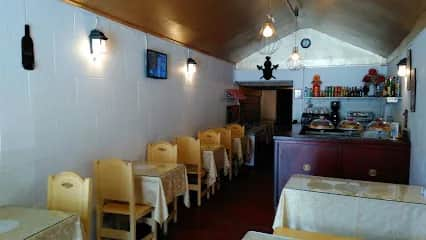 Capela 51Opens in a new tabMiragaia · Restaurants
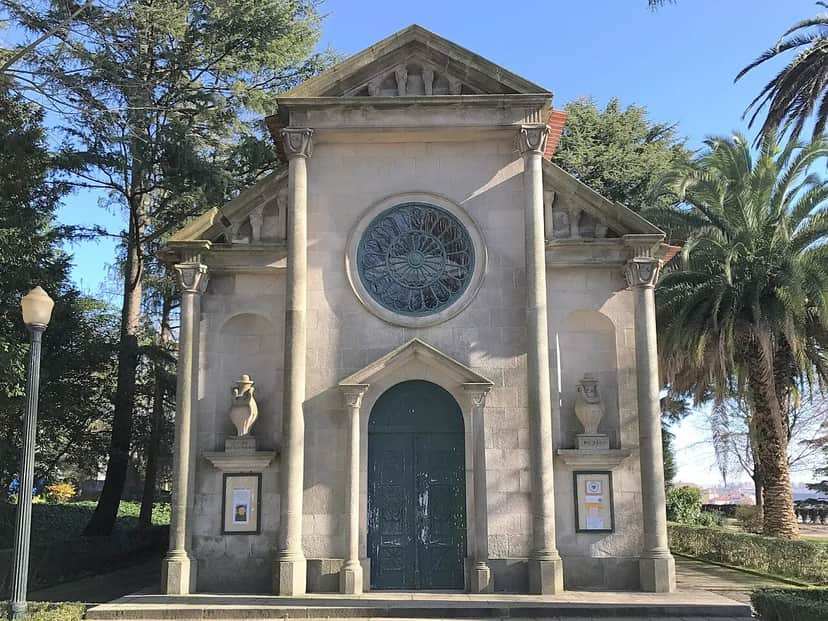 Capela Carlos Alberto: Igreja Luterana do PortoOpens in a new tabMassarelos · Churches & Religious SitesCapela Carlos Alberto, also called the Igreja Luterana do Porto, stands at Avenida das Tílias s/n, 4050-346 Porto, in the Massarelos neighbourhood. It sits inside the Jardins do Palácio de Cristal and is described as a modest, elegant nineteenth-century romantic chapel. It began as a cenotaph, a memorial to someone buried elsewhere, and the gardens came to surround it only some years after it was built. It is regarded as the largest romantic cenotaph in Portugal. The chapel was built on the initiative of Princess Augusta of Montléart in memory of her half-brother, Carlos Alberto, King of Piedmont-Sardinia. Carlos Alberto is generally seen as the father of Italian unification, although Italy took shape only after his death. He wanted to bring all of Italy under his sceptre, but after the Austrians defeated him at the Battle of Novara he had to abdicate and went into exile in Porto in 1849. On arriving in the city, the king stayed at the Hospedaria do Peixe, which operated in the Palacete dos Viscondes de Balsemão on what was then the Praça dos Ferradores. That square is today the Praça Carlos Alberto, named to recall his stay. He later moved to the Quinta da Macieirinha, which afterwards became the Museu Romântico, and he died there in 1849. His body was transferred to Turin. Augusta had the cenotaph raised next to that estate, and the works took close to six years. Inside, three sculptures bought in Paris were placed. The first mass was celebrated on 25 December 1861. Ownership later passed to the House of Braganza, which kept the chapel until 1950, when the exiled queen Dona Amélia donated it to Porto's city council. It remains municipal property, though in recent times it has housed the services of the Parish of the Holy Trinity of the Lutheran Church of Portugal. Notices from the church place its Sunday services at 16:00 in the chapel. The church's calendars show the chapel in use. One lists Sundays in autumn 2023, including 5 November, which marked the Lutheran Reformation. A spring 2026 calendar runs from Palm Sunday on 29 March, and adds a solemn mass at 11:00 on Saturday 11 April with a brass ensemble from the Evangelisch-Lutherische Freikirche in Germany. For May and June 2026, it lists Pentecost on 24 May and no service on 31 May. In 2020 the city council closed the Palácio de Cristal, so the weekly services were suspended.
 Capela da AlheiraOpens in a new tabPorto · Churches & Religious Sites
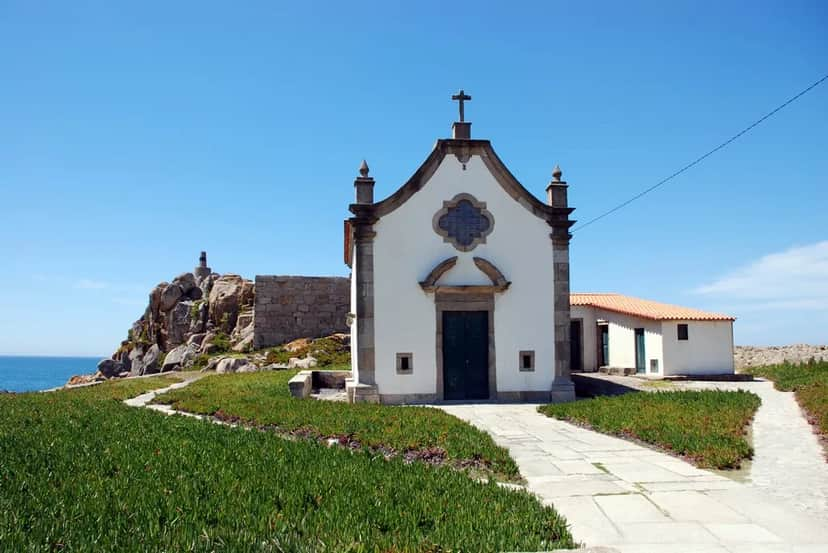 Capela da Boa NovaOpens in a new tabPorto · Churches & Religious SitesThe Capela da Boa Nova is located in Leça da Palmeira, in the present-day parish of Matosinhos e Leça da Palmeira, Municipality of Matosinhos, District of Porto.
 Capela da Confraria de Santo IldefonsoOpens in a new tabBonfim · Churches & Religious Sites · Illustrative photo
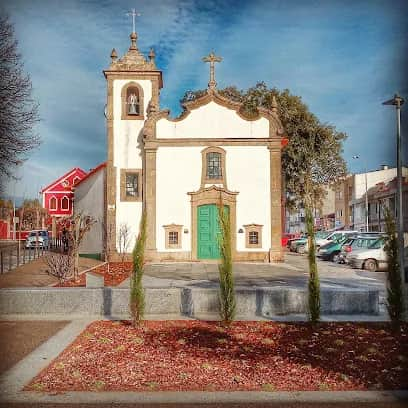 Capela da ErmidaOpens in a new tabPorto · Churches & Religious Sites
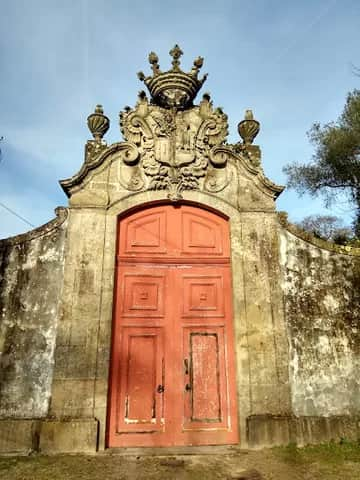 Capela da Quinta da RevoltaOpens in a new tabCampanhã · Churches & Religious Sites
- Capela da Quinta de Nossa Senhora do RosárioOpens in a new tabGondomar · Churches & Religious Sites · Illustrative photo
 Capela da Quinta do RioOpens in a new tabPorto · Churches & Religious Sites · Illustrative photo
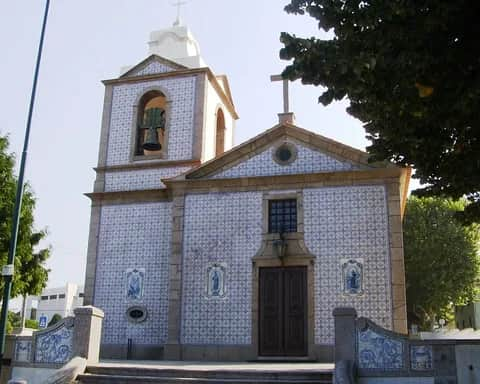 Capela da Rainha Santa IsabelOpens in a new tabPorto · Churches & Religious Sites
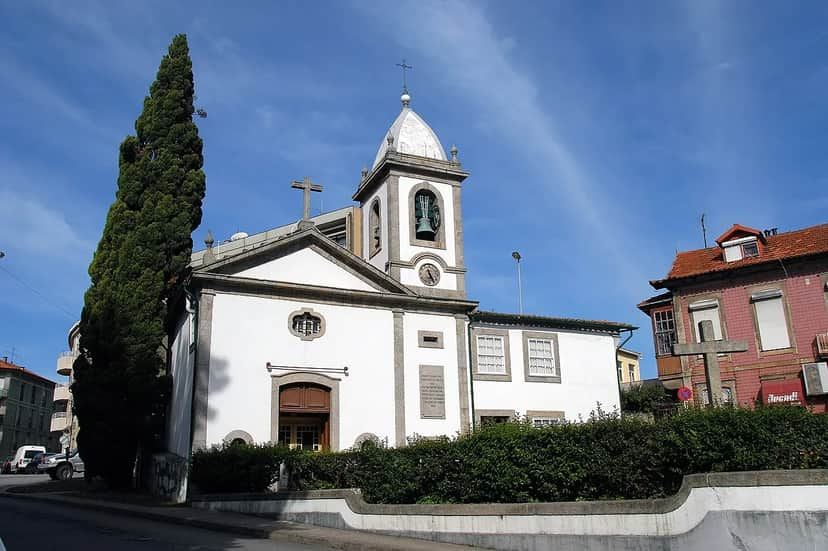 Capela da Ramada AltaOpens in a new tabCedofeita · Churches & Religious SitesA Roman Catholic chapel in Porto, recognised as a classified heritage site.
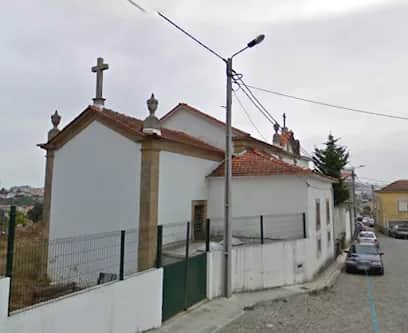 Capela da Sagrada FamíliaOpens in a new tabPorto · Churches & Religious Sites
- Capela da Sagrada FamíliaOpens in a new tabMaia · Churches & Religious Sites · Illustrative photo
- Capela da Sagrada FamíliaOpens in a new tabGondomar · Churches & Religious Sites · Illustrative photo
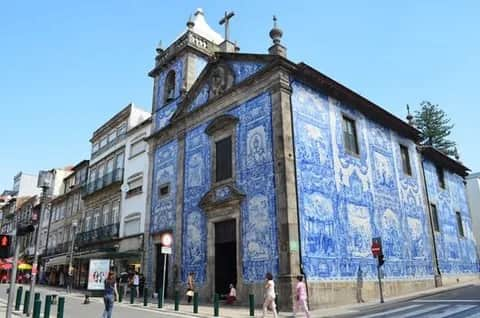 Capela das AlmasOpens in a new tabBolhão · Churches & Religious SitesCapela das Almas, the Chapel of Souls, is also called Capela de Santa Catarina. It stands in Porto's Bolhão neighbourhood, within the parish of Santo Ildefonso, at the corner where Rua de Santa Catarina meets Rua de Fernandes Tomás. Rua de Santa Catarina is the city's main shopping street and is pedestrianised, so walkers come upon the chapel whether or not they were looking for it. The postal code given for the venue is 4000-209. The building dates to the early eighteenth century, when a small wooden chapel honouring Saint Catherine occupied the site. One year after construction, expansion works altered its original style. The exterior look that draws cameras today is much newer: in 1929 the outer walls were covered with 15,947 hand-painted tiles, spanning about 360 square metres. Eduardo Leite painted them, and they were produced at Fabrica de Ceramica Viuva Lamego. Leite worked in an eighteenth-century manner rather than the style of his own decade, so the facade seems far older than it is. The blue-and-white panels tell two stories. The death of Saint Francis of Assisi runs along one side, and the martyrdom of Saint Catherine along the other. One source places Francis on the large wall to the left and Catherine near the entrance at the front. The main facade also has a stained glass window representing the souls. The chapel has a small bell tower, and one source describes its look as neoclassical. Visitors are advised to step back far enough to see a whole panel before photographing details, since up close the tiles are just blue. Inside, the chapel is smaller and plainer than the outside suggests. The main altar and the side altars pay homage to Nossa Senhora de Fátima, Sagrado Coração de Jesus, Nossa Senhora das Dores, Nossa Senhora da Conceição and São João, in keeping with the neoclassical style. The images of saints are modern, whereas the image of Nossa Senhora das Almas dates from the 18th century. The chapel is dedicated to Nossa Senhora das Almas, Our Lady of the Souls, which explains its name. It is a working chapel rather than a museum, and someone may be praying there. Entry is free, and a donation box helps maintain the building. The facade is outdoors, so it can be seen at any hour, and early morning is suggested for photographing it without a crowd. The Bolhão market is a couple of minutes away, and Bolhão metro station is closer still.
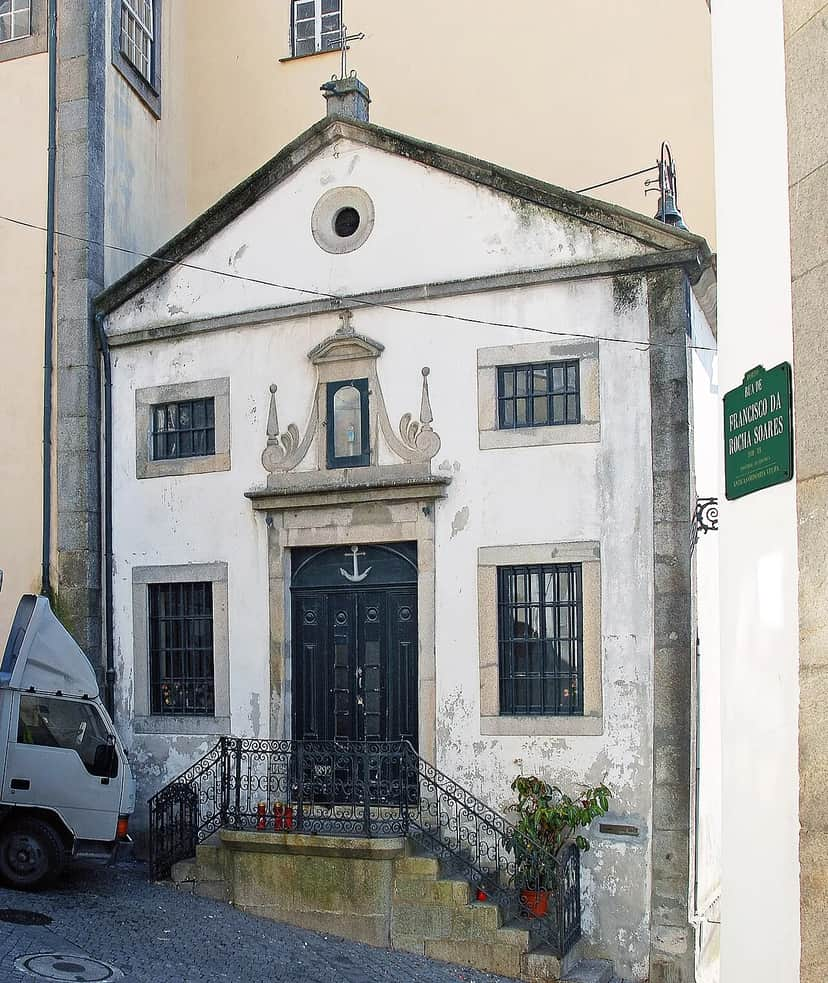 Capela da Senhora da EsperançaOpens in a new tabMiragaia · Churches & Religious SitesA Roman Catholic chapel in Porto, recognised as a classified heritage site.
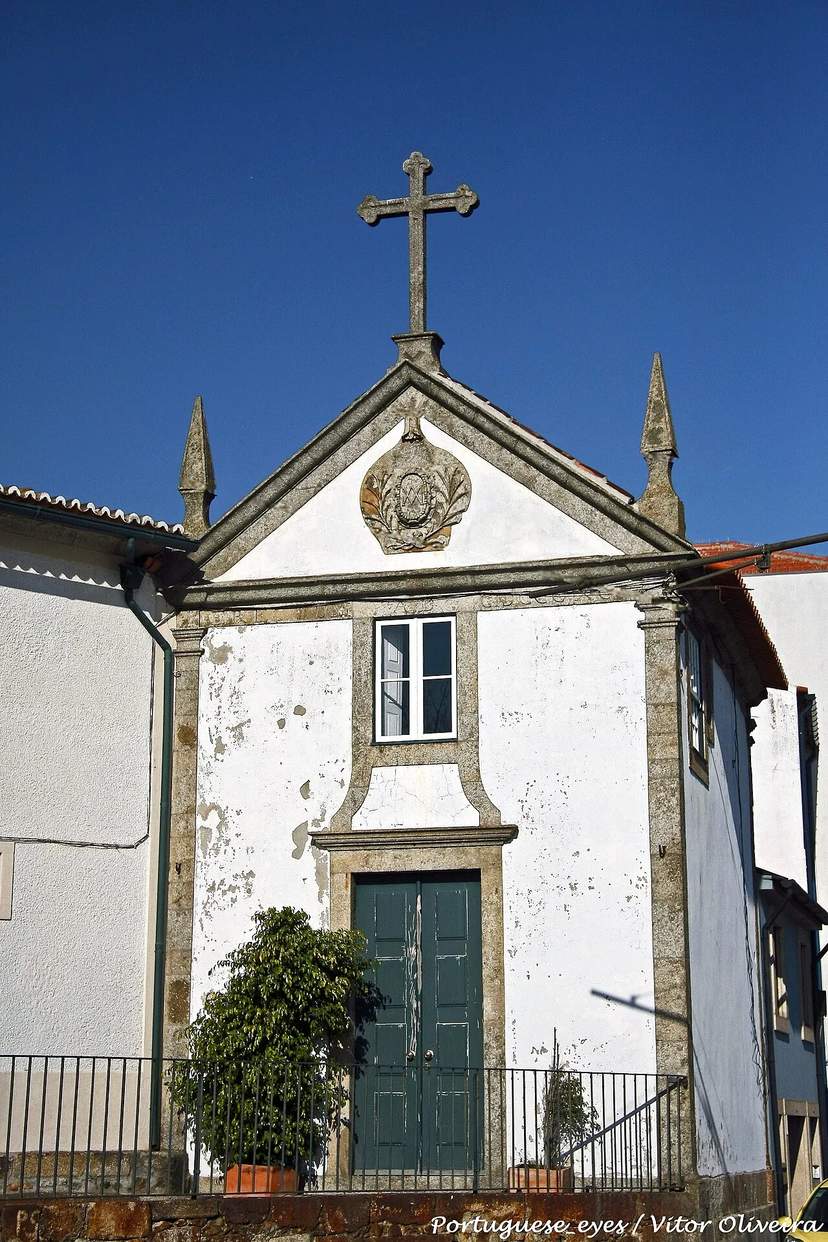 Capela da Senhora da LapaOpens in a new tabFoz · Churches & Religious Sites1819 – The chapel bears an inscription recording its construction in the year 1819.
- Capela da Senhora da LapaOpens in a new tabBaixa · Churches & Religious Sites · Illustrative photoSmall chapel closed to public access, visible only from the outside through a glass door, reachable via the middle flight of the staircase; due to the slope of the street, the chapel lies beneath the church.
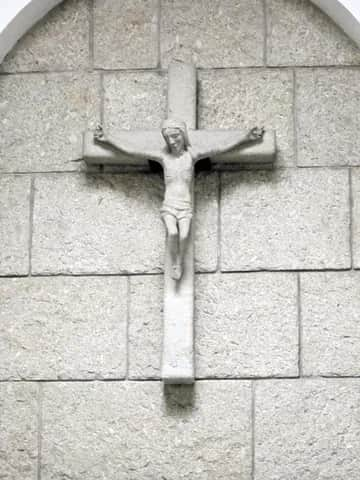 Capela da Senhora da SaúdeOpens in a new tabBonfim · Churches & Religious Sites
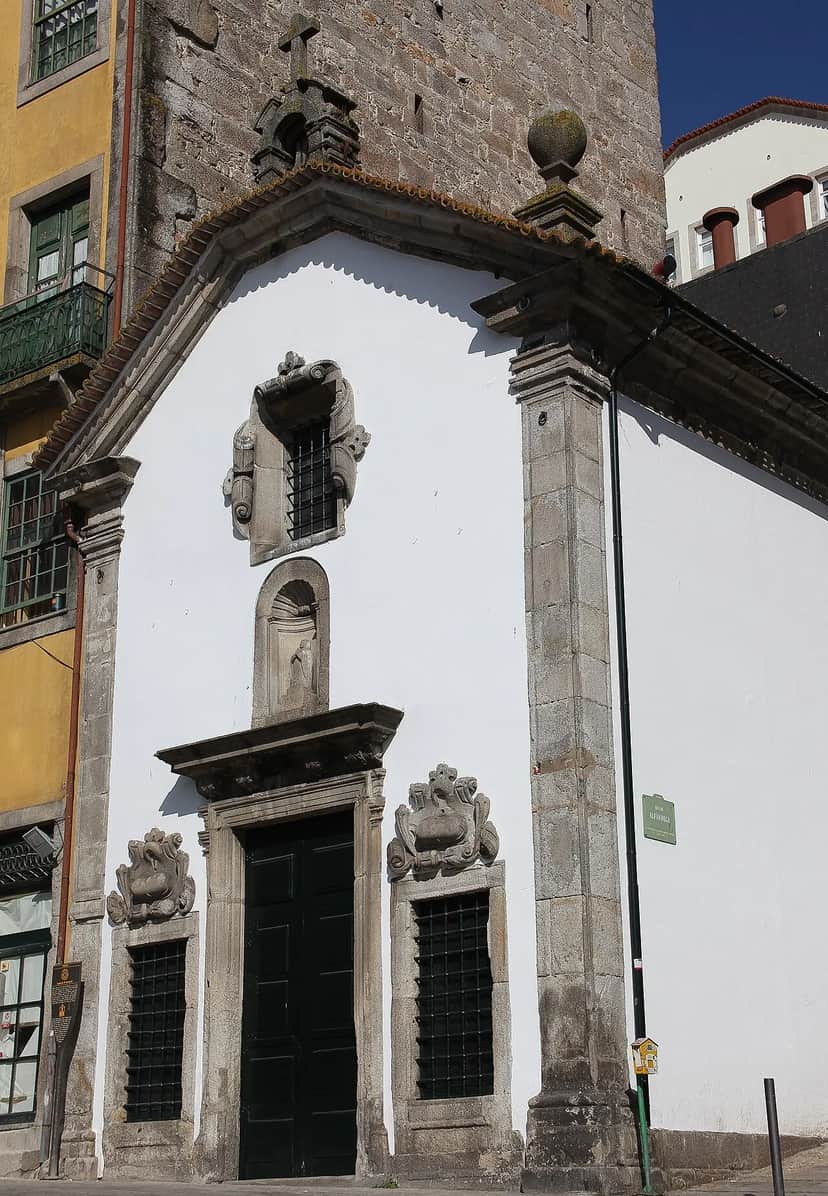 Capela da Senhora do ÓOpens in a new tabRibeira · Churches & Religious SitesA Roman Catholic chapel in Porto dating from the 17th century, housed in a chapel building and recognised as a classified heritage site. It is a place of worship for the Roman Catholic denomination, and it is part of the city's religious sites.
Photo and data credits ▾
Photos: DataForSEO · -wuppertaler (CC BY-SA 4.0), via Wikimedia Commons · Yellow.Cat from Roma, Italy (CC BY 2.0), via Wikimedia Commons · Photo by Josh Applegate on Unsplash · Photo by Lu on Unsplash · Mapcarta · António Amen (CC BY-SA 3.0), via Wikimedia Commons · Agenda Cultural do Porto · Vitor Oliveira from Torres Vedras, PORTUGAL (CC BY-SA 2.0), via Wikimedia Commons · Portugallook · Rick Ligthelm from Rotterdam, The Netherlands (CC BY 2.0), via Wikimedia Commons · Data: © OpenStreetMap contributors · Wikipedia (CC BY-SA 4.0)
