Skip to content
Hours
Mon: ClosedTue–Sun 10:00–13:00, 14:00–18:00
Where
Campo Grande 2451700-091 Lisboa · Alvalade
Rating
4.1 · Foursquare

About

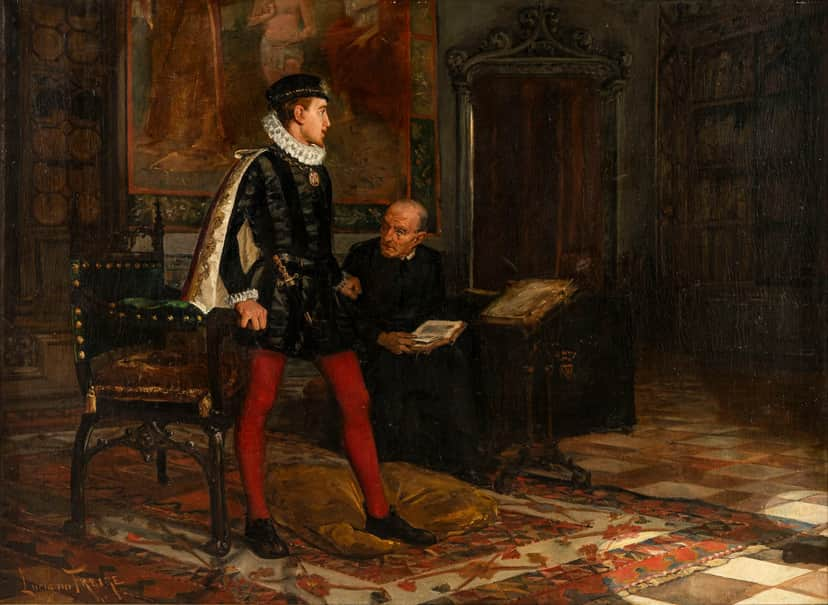
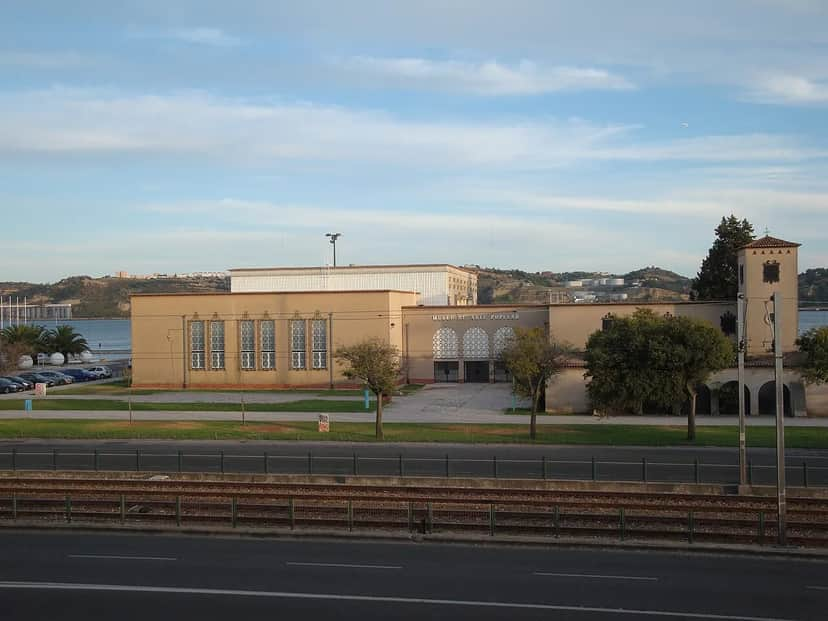
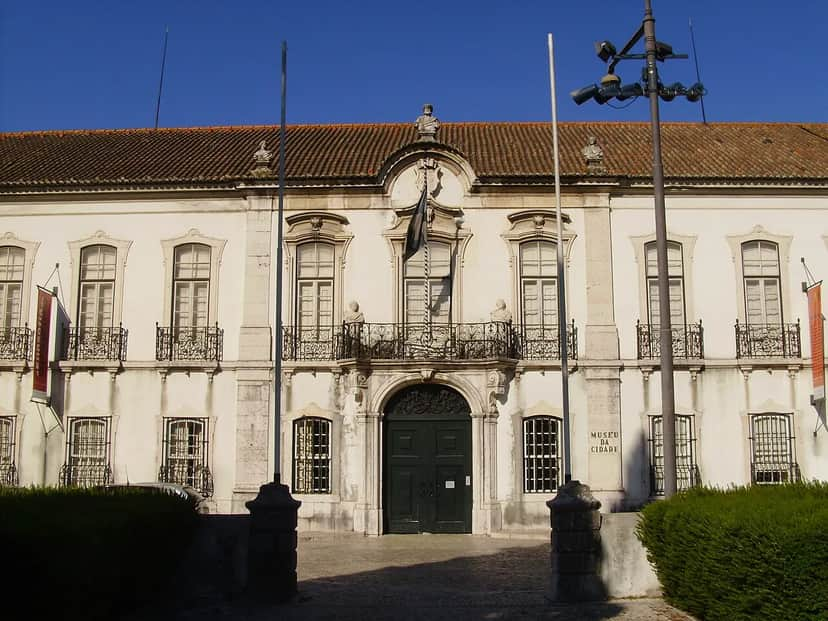
Established in 1942 as the Museu da Cidade (Museum of the city), and renamed in 2015 as the Museu de Lisboa (Museum of Lisbon), this museum highlights the numerous historical periods and events that defined the city of Lisbon.

The museum is spread across several sites. The Pimenta Palace in Campo Grande is its core location. The other sites are the Roman Theatre of Lisbon, the Casa dos Bicos and the Santo António site, and a site on Praça do Comércio.

Pimenta Palace is an eighteenth century edifice that was used as a summer house. It was bought by the museum in 1962.

The collections at the Pimenta Palace include painting, ceramics, prints, cartography, azulejo tilework and archaeology. The museum holds the country's second-largest collection of azulejos, after the Museu Nacional do Azulejo. It is made up of tiles rescued from ruined or demolished buildings.

The museum owns a model of pre-1755 Lisbon, designed by the historian Gustavo de Matos Sequeira. It was built in the workshop of Ticiano Violante.

Share

Was this listing right?
Is this your place?
Wikidata (CC0); Wikipedia (pt): https://pt.wikipedia.org/wiki/Museu_de_Lisboa — CC BY-SA 4.0 · Carlos Luis M C da Cruz (Public domain), via Wikimedia Commons · Powered by Foursquare · Photos may be subject to copyright. Terms

Upcoming here · 5.

Similar places.

  1. Museu Calouste Gulbenkian, Lisbon
    Museu Calouste Gulbenkian
    Avenidas Novas
    Museums
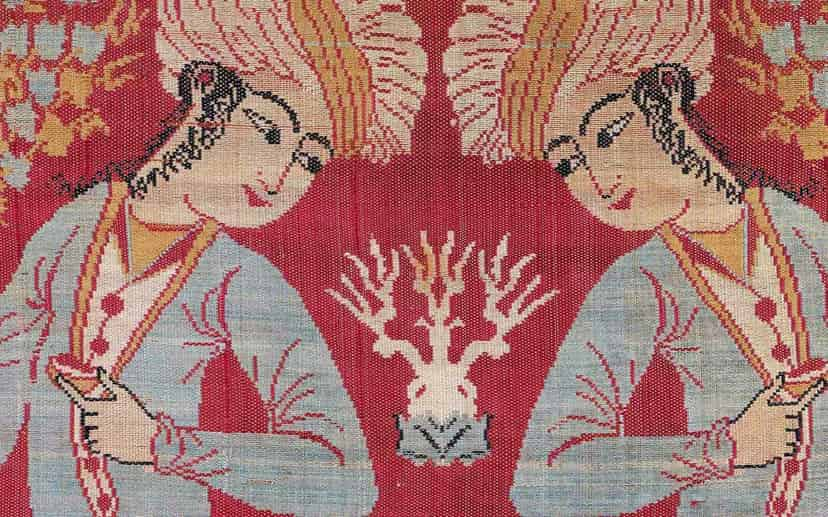
    The Museu Calouste Gulbenkian stands at Avenida de Berna 45A, 1067-001 Lisboa, in the Avenidas Novas neighbourhood. It opens from Wednesday to Monday, between 10:00 and 18:00. Sources describe it as a calm cultural refuge set in the heart of Lisbon, away from the busy tourist areas of Belém and the Baixa, and many regard it as among Europe's finest private art museums. The institution occupies a garden campus of 7.5 hectares and rests on two cultural pillars. The first is the Founder's Collection, shown in the main museum building. It draws on the personal collection assembled by Gulbenkian, and roughly 1,000 to 2,000 pieces are on display at any one time. Rather than sorting works by medium, the galleries follow chronology and geography, so a visit moves through thousands of years of human creativity. Gulbenkian's collection is described as eclectic and meticulously curated, and the display is arranged so that a visitor can walk through it without a break between eras. The material falls into several areas. Egyptian, Greco-Roman and Mesopotamian art brings together mummy masks, ancient coins, Roman medallions and ancient glassware. Islamic art includes Persian carpets, Iznik ceramics and mosque lamps dating from the 12th to the 18th centuries. European art runs from the Renaissance through the Impressionists, with works by Rembrandt, Rubens, Manet, Degas and Renoir. A dedicated room presents jewellery, glass art and tiaras by René Lalique, an Art Nouveau master. The Persian carpets are called exquisite, the Roman medallions stunning, and the Lalique room jaw-dropping. The second pillar is the Modern Art Centre, known as CAM, which sits in a separate building on the same grounds. It concentrates on twentieth-century and contemporary Portuguese art and is described as holding the largest collection of that kind. Alongside it, the centre hosts major international temporary exhibitions and rotating installations of sound, video and design. It stands apart from the main museum building yet shares its garden setting. Descriptions of the museum stress its human scale. It is called intimately scaled, brilliantly lit and peaceful, in contrast to cavernous national museums that can induce museum fatigue. The same sources say the 5,000 years of art can be viewed in a fluid journey without that fatigue. In short, the museum combines a lush garden campus with two collections under separate roofs, one of historic range and one of recent Portuguese art.
  2. Museu Arqueológico do Carmo, Lisbon
    Museu Arqueológico do Carmo
    Chiado
    Museums
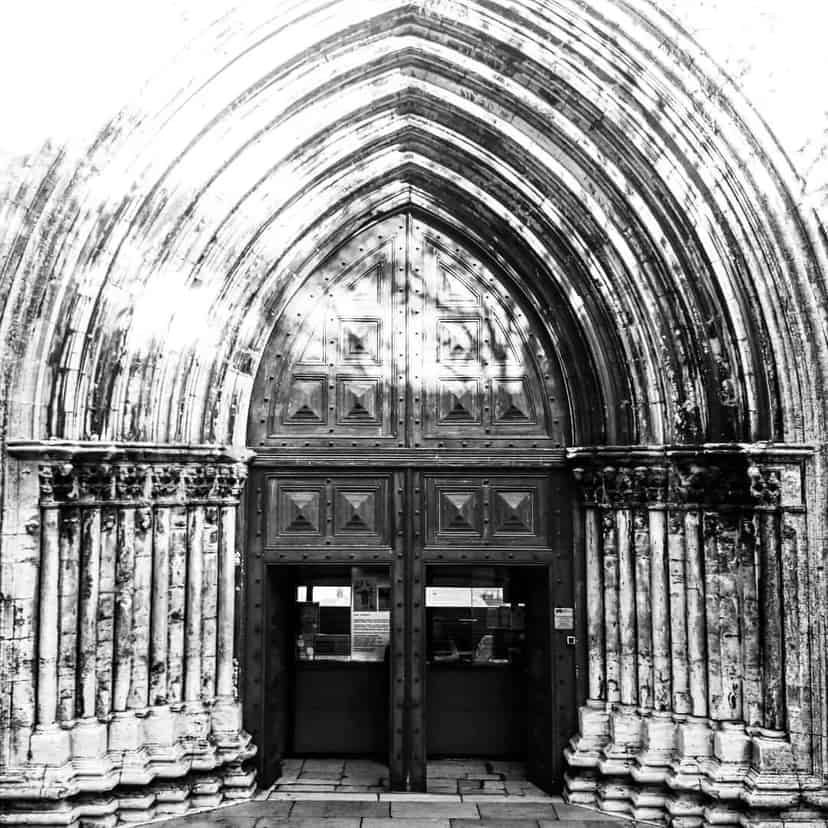
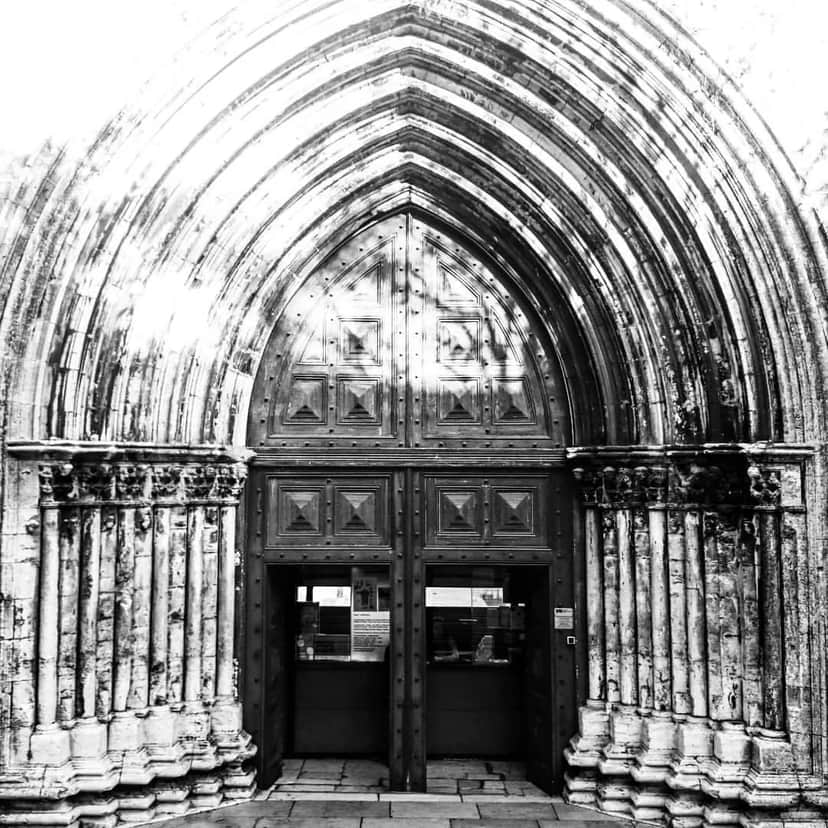
    The museological collection of the Association of Portuguese Archaeologists, which gave rise to the Carmo Archaeological Museum (MAC), has been housed since 1864 in the so-called Carmo Ruins, classified as a National Monument, corresponding to the anti
  3. Queluz National Palace (Palácio Nacional de Queluz), Lisbon
    Queluz National Palace (Palácio Nacional de Queluz)
    Lisbon
    Museums
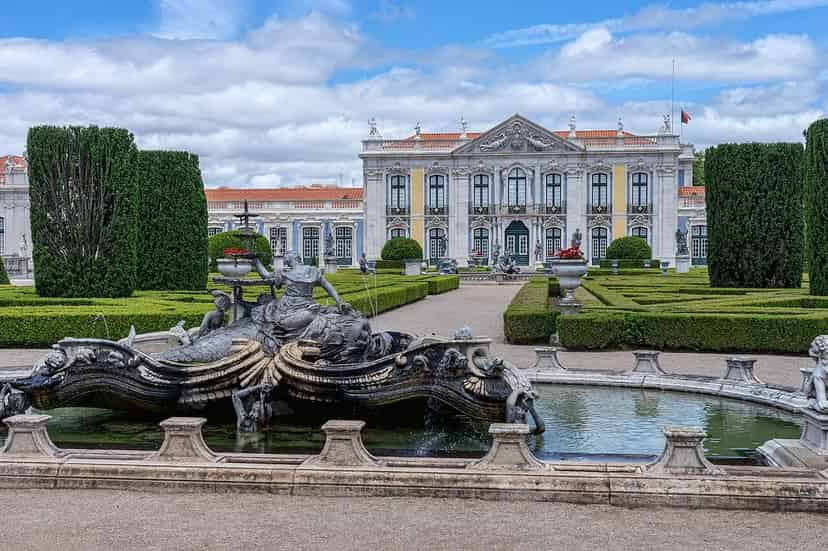
    Queluz National Palace (Palácio Nacional de Queluz), Largo do Palácio, 2745-191 Queluz, is located between Lisbon and Sintra, approximately 15 kilometers from the center of Lisbon. In 1747, construction of a new palace began for Prince Pedro (later King Pedro III) on the site of a former royal lodge. Over the years the palace was added onto, with the major renovations being done under Queen Maria I in the 1780's. Rococo and Neoclassical elements were added to the design over the years. The palace is formally known as the Palácio Nacional de Queluz, but is referred to as the "Portuguese Versailles". Queluz served as the summer palace of the Portuguese monarchy. After a fire destroyed Ajuda Palace in 1794, Queluz served as the main residence of the royal family until the court was forced to relocate to Brazil in 1807 due to the invading French army. Dom Quixote room is one of the more famous rooms of the palace. The palace has many rooms, including the Throne Room, the Hall of Ambassadors, the Music Room, and the royal apartments. The palace has a Clementi pianoforte in the Music Room. The room is designed by Mateus Vicente de Oliveira. The French style gardens, done in the 18th century, contain statues of mythological figures, and a canal. There are box hedges. The grounds are used for performances by the Portuguese School of Equestrian Art. The palace is opened daily from 9 am to 6 pm. From Rossio and Entrecampos, the Sintra train line takes about 30-40 minutes to reach the destination.
  4. Museu de Arte Popular, Lisbon
    Museu de Arte Popular
    Belém
    Museums
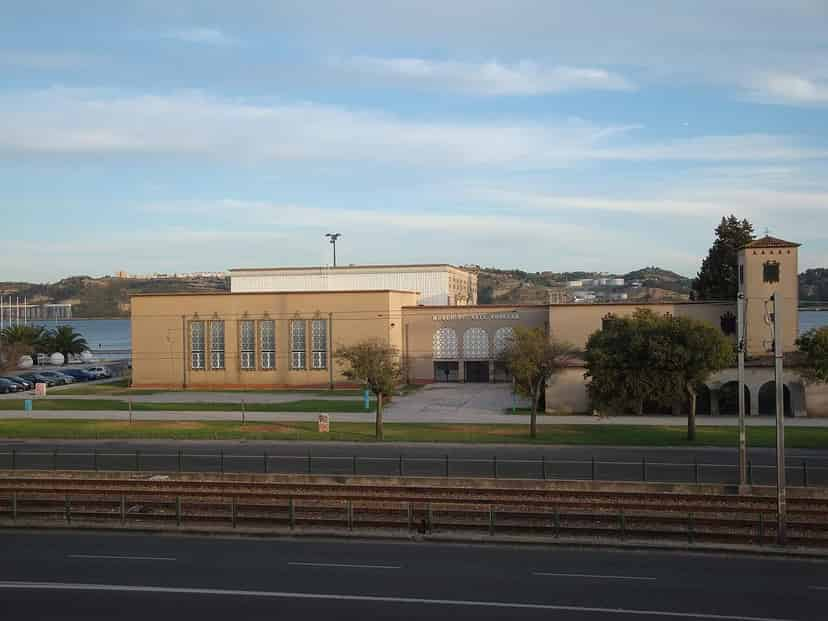
    The Museu de Arte Popular sits on the Tagus waterfront in Belém, between the Padrão dos Descobrimentos and the Torre de Belém. The building began life as the Popular Life pavilion of the 1940 Portuguese World Exhibition, designed by Veloso Reis Camelo and João Simões, and opened as a museum on 15 July 1948. Its rooms were laid out by region of Portugal, from Entre-Douro-e-Minho and Trás-os-Montes to the Alentejo and the Algarve, with farm tools, ceramics, basketry, costumes, musical instruments and jewellery. The interiors are a period piece in their own right, with wall decorations by artists such as Carlos Botelho and Estrela Faria, and reliefs of rural life by Henrique Moreira and Júlio de Sousa. The museum was closed for years and nearly turned into something else, until a public campaign kept it as a museum of Portuguese folk art. Its exhibition rooms reopened in December 2016, and the building is classified as a Monument of Public Interest.
  5. National Museum of the Azulejo (Museu Nacional do Azulejo), Lisbon
    National Museum of the Azulejo (Museu Nacional do Azulejo)
    Lisbon
    Museums
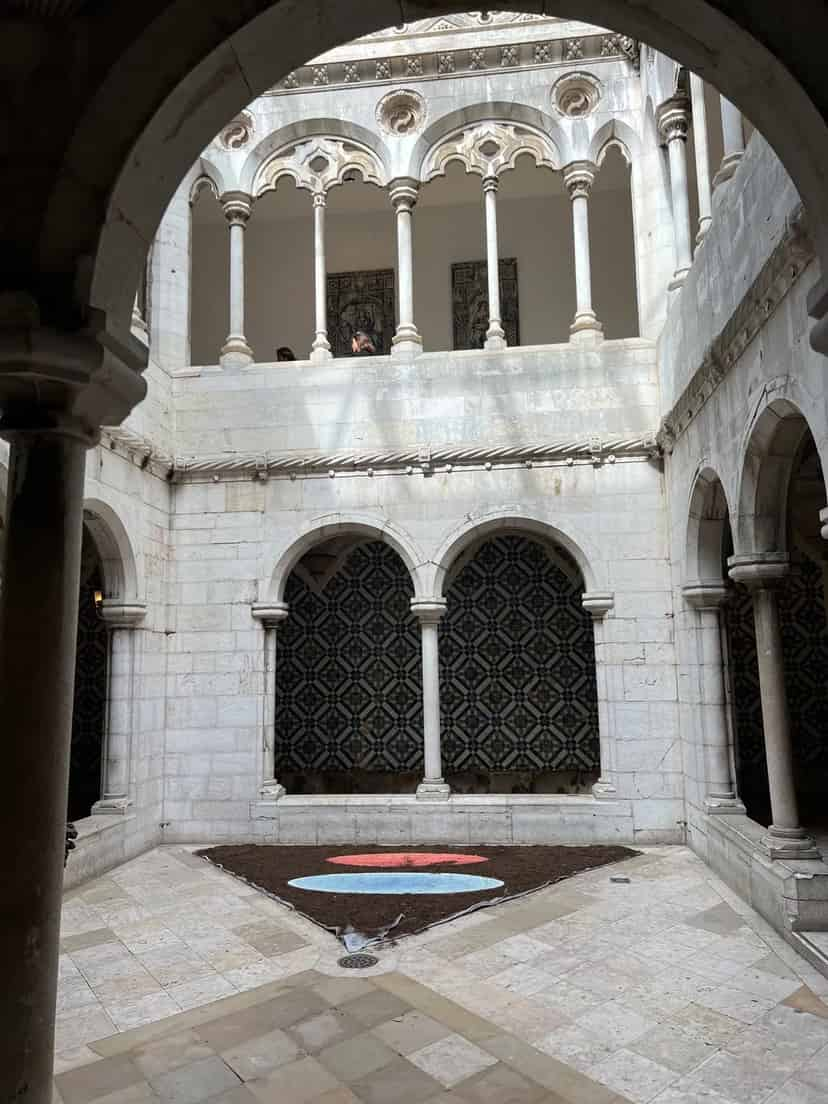
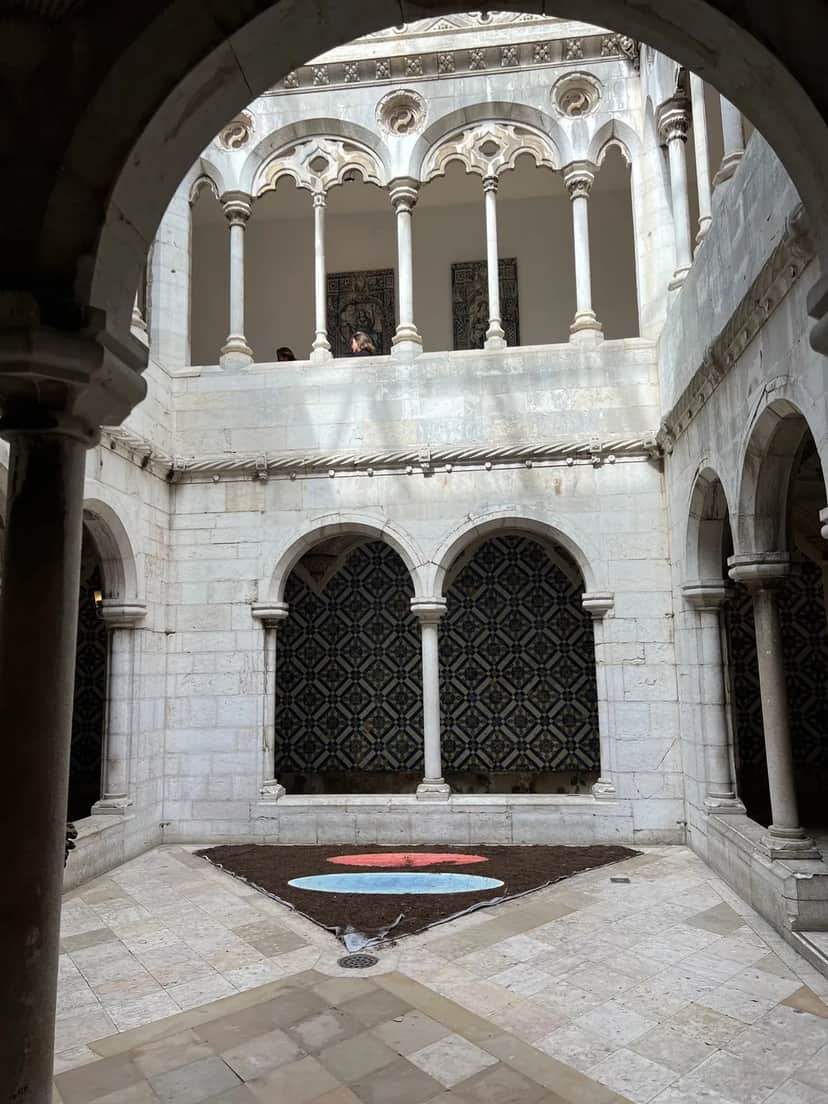
    Monastery founded in 1509 by Queen D. Leonor, underwent several building campaigns, particularly after the 1755 earthquake, so the building reflects a summary of styles: Mudéjar (ceiling of D. Leonor's chapel); Manueline (ground floor of the small cloister and
  6. Palácio Nacional da Ajuda, Lisbon
    Palácio Nacional da Ajuda
    Lisbon
    Museums
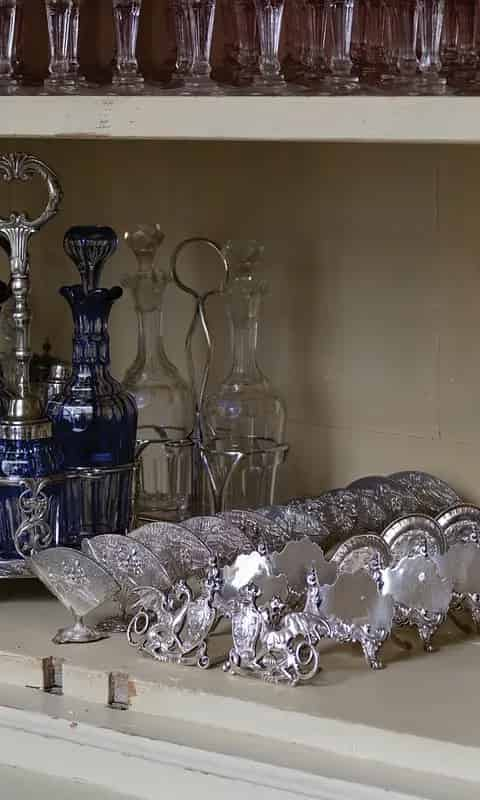
    Palácio Nacional da Ajuda, in Lisbon, offers a visit to the authentic interiors of the home of the kings of Portugal, with spaces such as the Mesa Real and O Quotidiano. It also includes the Museu do Tesouro Real, collections, an educational service, the Biblioteca da Ajuda, and a shop, and promotes guided tours such as "Quintas-feiras no Palácio" with volunteers.
Powered by Foursquare ·Photo and data credits
Photos: gulbenkian.pt · Jean-Christophe BENOIST (CC BY-SA 4.0), via Wikimedia Commons · Lijealso (CC BY 3.0), via Wikimedia Commons · palacioajuda.gov.pt
We use cookies
Necessary cookies keep you signed in. Analytics, recordings and personalised ads only if you agree. Change it any time.