Art & Exhibitions
Exhibition 'Cartografia Besòs', by Eva Parey
- When
- Fri 6 – Sat 28 Nov
- Where
- Oliva Artés. Museu d'Història de Barcelona
- Price
- No price info
About
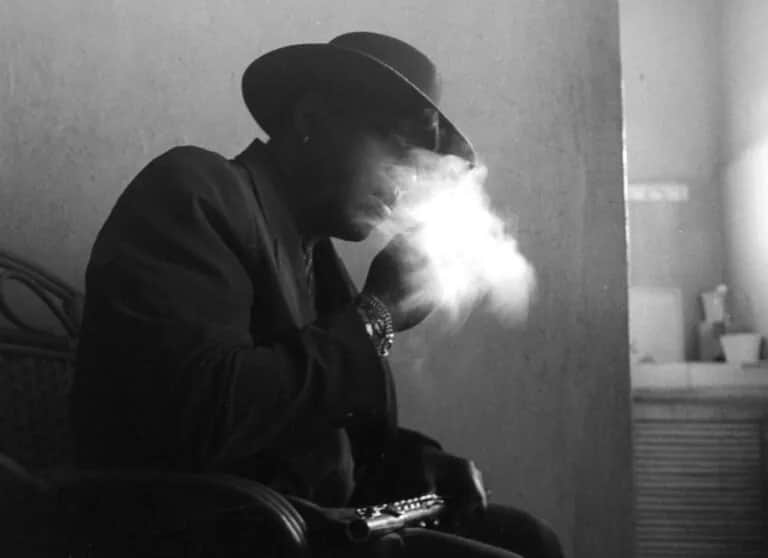
Since 2007, Eva Parey has been building a visual archive of the communities that inhabit the territories of the Besòs, tracing the social, cultural and urban transformations that have shaped Barcelona's metropolitan periphery. From the river mouth to the mountain slopes, Cartografia Besòs draws a human map of a territory marked by displacement, rootedness and survival strategies. Beyond its specific geography, the project invites reflection on phenomena that run through many contemporary cities: the capacity to welcome in the face of demographic growth, identity and social inequalities.
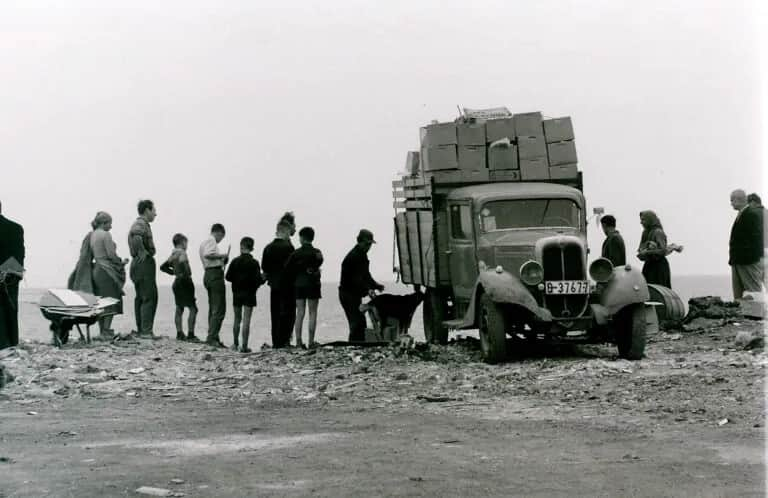
Between the 1950s and 1970s, the mass arrival of population from other parts of Spain transformed Barcelona and its metropolitan area. Industrial and demographic growth drove an accelerated expansion marked by urban developmentalism. On former farmland and riverside landscapes, where alders once abounded, large housing estates grew up, some intended to house families coming from the shanty settlements of "informal Barcelona".
At the beginning of the 21st century, new waves of migration from Latin America, Asia, Africa and Eastern Europe once again transformed these territories. In the context of globalisation, migrations respond to the search for job opportunities, family reunification and displacements caused by conflicts and crises. Newcomers have woven support networks and spaces of belonging, often based on ties of origin or shared cultural references. These dynamics take place in neighbourhoods where diversity coexists with social inequalities and urban transformations.
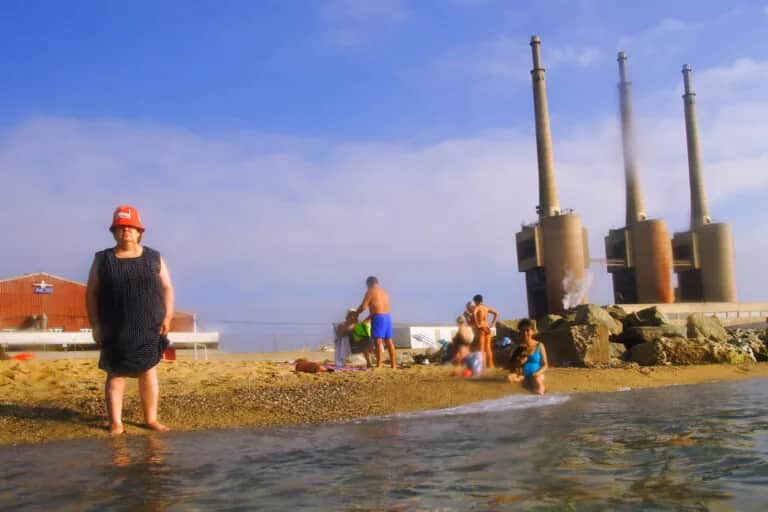
The visual narrative begins at the mouth of the Besòs, with the Tres Xemeneies (Three Chimneys) during the final years of operation of the thermal power station, closed in 2011. It continues through the disappeared neighbourhood of La Catalana, in Sant Adrià de Besòs, before its urban redevelopment, until reaching La Mina, where the Venus building appears in an almost dreamlike vision that contrasts with the reality of residential vulnerability and the tensions between urban transformation and the right to housing.
Between La Mina and Sant Roc de Badalona, two teenage brides celebrate their wedding according to the Roma rite, after the "test of the handkerchief". The images form part of the series Yelis y Rosas, which approaches tradition from a perspective on gender issues. In Sant Roc, the Pakistani community lives according to its own cultural codes: women who work in the domestic sphere and men who share overcrowded flats while working to be able to reunite their families.
In the area of La Verneda, the last days of the "cases barates" (cheap houses) of Bon Pastor coexist with situations of evictions and express clearances. An evangelical church and a Shia mosque bring us closer to different ways of living and sharing faith, and to the diversity of cultural and religious practices that form part of everyday life in the territory.
The Besòs route climbs up to Ciutat Meridiana, a neighbourhood built in the 1960s and promoted with the image of an attractive natural setting. Following the economic crisis of 2008, it began to be popularly known as Villa Desahucio (Eviction Villa). The summer camp of La Indomable becomes an oasis for the children, who from a very young age know words such as eviction, police or shopping ticket.
Finally, in the mountains, the shanty settlements refer to the precarious forms of dwelling that persist. These images connect the shantytowns of other eras with the present moment. At the same time, they question the idea that urban progress guarantees, by itself, the right to a dignified life.
Cartografia Besòs vindicates the periphery as a living territory, a producer of memory, identity and culture. The project aims to transcend the geographical scope of the Besòs and