Neighbourhood bars in Lisbon with a story: Duque da Rua and Botequim
By Charmed Giraffe · Published Nov 23, 2026 · 3 min read
Duque da Rua suits an evening of live fado in a very small room, with professionals and amateurs singing in turn. Botequim suits a drink in a bar with a literary past. Duque da Rua is in Bairro Alto and Botequim in Graça, about a 20-minute walk apart.
Duque da Rua
Duque da Rua is a fado, wine and tapas bar where Chiado, Bairro Alto and the Lower Town (Baixa) meet. It’s small and family run. Helder runs it together with musician friends, and the fadistas (fado singers) are friends of the house.
On a fado vadio night the programme is not fixed. Professionals and amateurs take the floor one after another, up to ten in an evening, so the next voice may belong to an amateur. Tuesday to Sunday the singing usually goes from 20:00 to 23:00, and the bar shuts on Mondays. Confirm event times on its Facebook page.
Fado is Portuguese music whose name means fate or destiny. Many songs are about longing or mourning, and some celebrate love or country. When a song begins, put your phone on silent and stop talking. Applaud when it ends.
The wines and liqueurs come from regions across Portugal. Tapas include cheeses, cured meats and olives.
Before you go
- Book. The room fills fast and capacity is very limited. A 2021 visitor who said so also found the prices gentle.
- Allow extra time. Reaching the bar means steep, winding stairways and cobbled alleys on the border of Chiado and Bairro Alto.
- Restaurante Duque, on the same street, is a different place.
- Children are admitted from the age of five.
Botequim
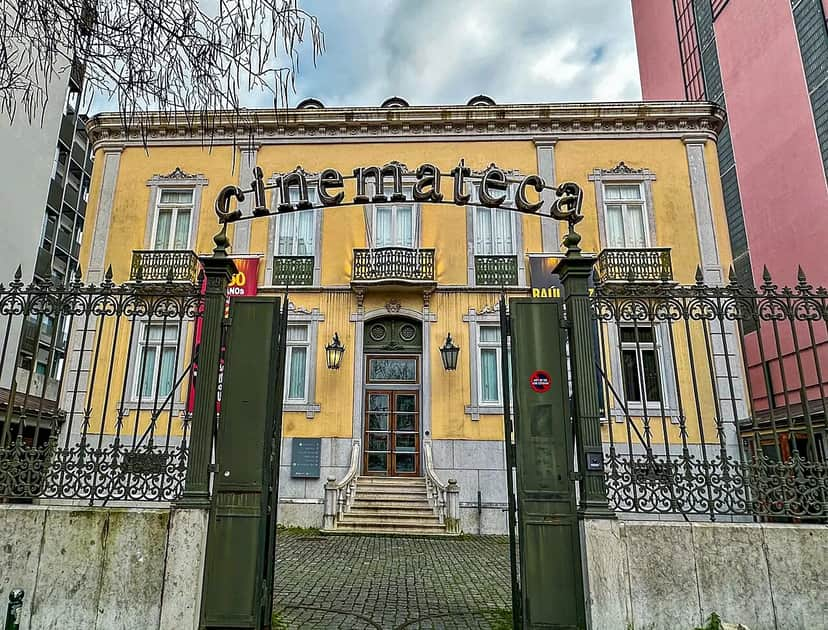
Botequim occupies the ground floor of Vila Sousa, a block of worker housing from the end of the 19th century. Previously the building had been a coal shop.
Natália Correia, a poet and political activist, founded the bar in 1968. Her partners were Isabel Meyrelles, Júlia Marenha and Helena Roseta, and Meyrelles stayed with her until Correia died in 1993. In the 1970s and 1980s the tertúlias (literary gatherings) held here drew a large part of Portugal's intelligentsia, among them the poet José Carlos Ary dos Santos and the novelist José Cardoso Pires.
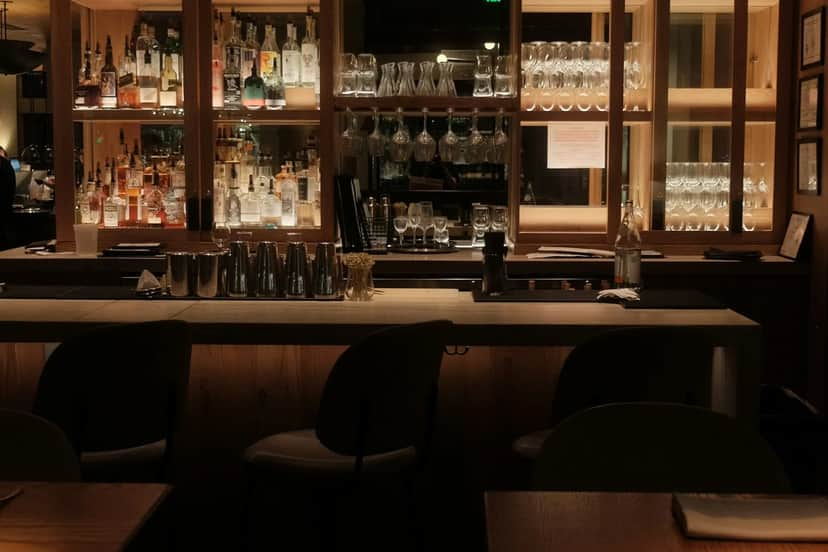
The bar closed soon after Correia's death and stayed shut for roughly 15 years. Four friends brought it back in August 2010, and they kept her dark-wood counter.
The room today is tiny, with semi-broken tables. Correia's photograph hangs near wooden shelves of spirits, and objects linked to art and literature hang on the walls. Thursday brings concerts, colder nights bring poetry, and the records are Amália Rodrigues and Zeca Afonso.
In the late afternoon, people usually order wine or a craft beer alongside petiscos (small plates), such as salt cod pie or chouriço. The Portuguese liqueurs come in fig, cherry and carob, and a house cocktail of mint, lemonade and port is called "suddenly in summer". Locals come for the strong drinks.
Getting there
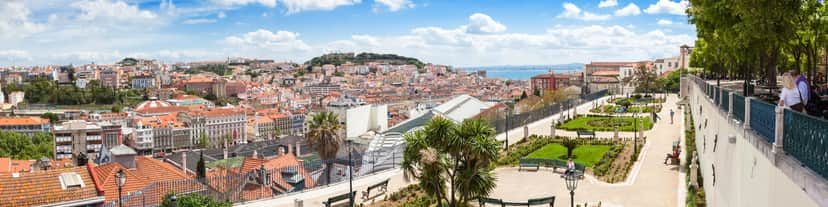
Take tram 28E, on the eléctrico 28 line, or bus 734. The Miradouro da Graça (Miradouro Sophia de Mello Breyner Andresen) is about 100 m away on Largo da Graça, so you can watch the sunset there and then go to the bar.
Listings disagree on opening times, so confirm them with the bar before you go.
Photo and data credits
Frequently asked questions
Who founded Botequim in Graça, Lisbon?
The poet and political activist Natália Correia founded Botequim in 1968, with Isabel Meyrelles, Júlia Marenha and Helena Roseta as her partners.
What is fado vadio at Duque da Rua?
On a fado vadio night the programme is not fixed: professionals and amateurs take the floor one after another, up to ten in an evening. The singing usually runs from 20:00 to 23:00, Tuesday to Sunday.
Do you need to book at Duque da Rua?
Yes, book. It is a small, family-run bar, the room fills fast and capacity is very limited.
Is there live music or poetry at Botequim?
Thursday brings concerts and colder nights bring poetry, and the records are Amália Rodrigues and Zeca Afonso. Listings disagree on opening times, so confirm them with the bar before you go.