

Filters (1)
Rating▾
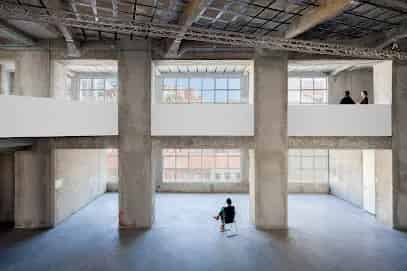
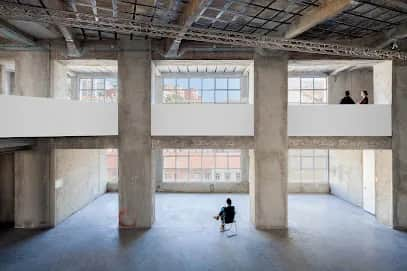 Carpintarias de São LázaroRua de São Lázaro 72, 1150-199 LisboaMourariaArt Galleries
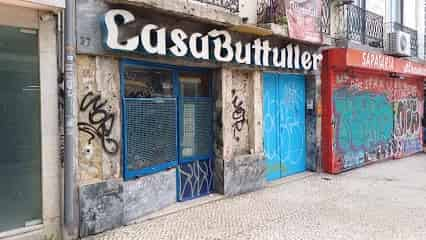
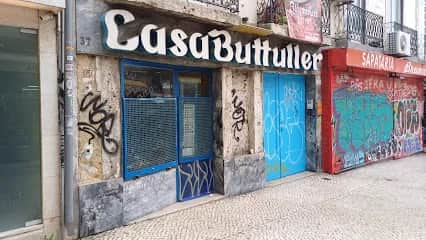 Casa ButtullerRua de Barros Queirós 37, 1150-169 LisboaMourariaShops & Markets
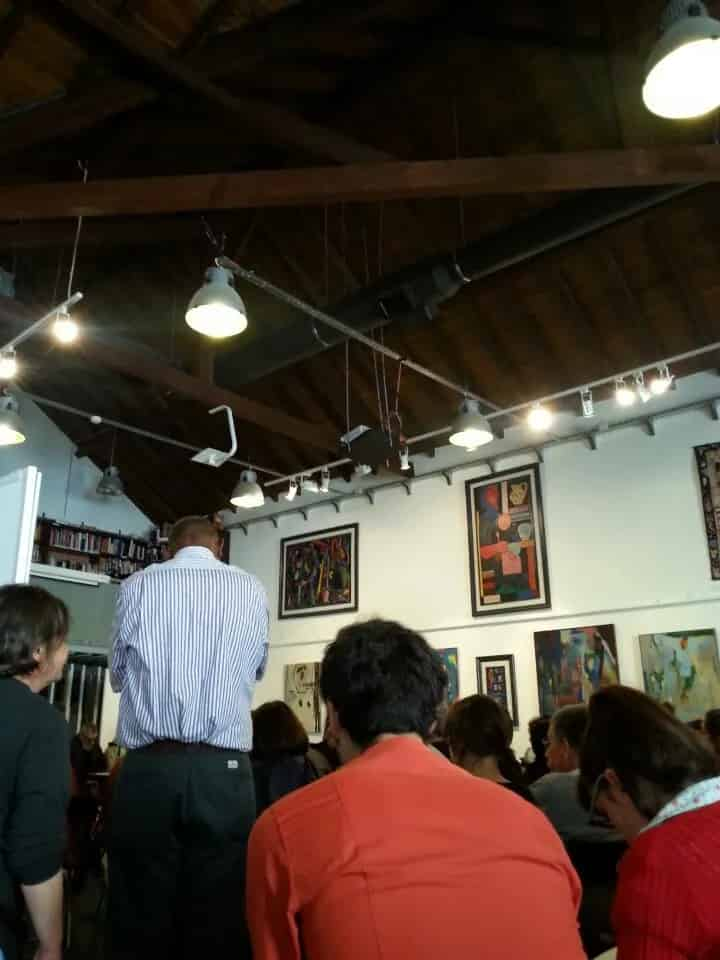
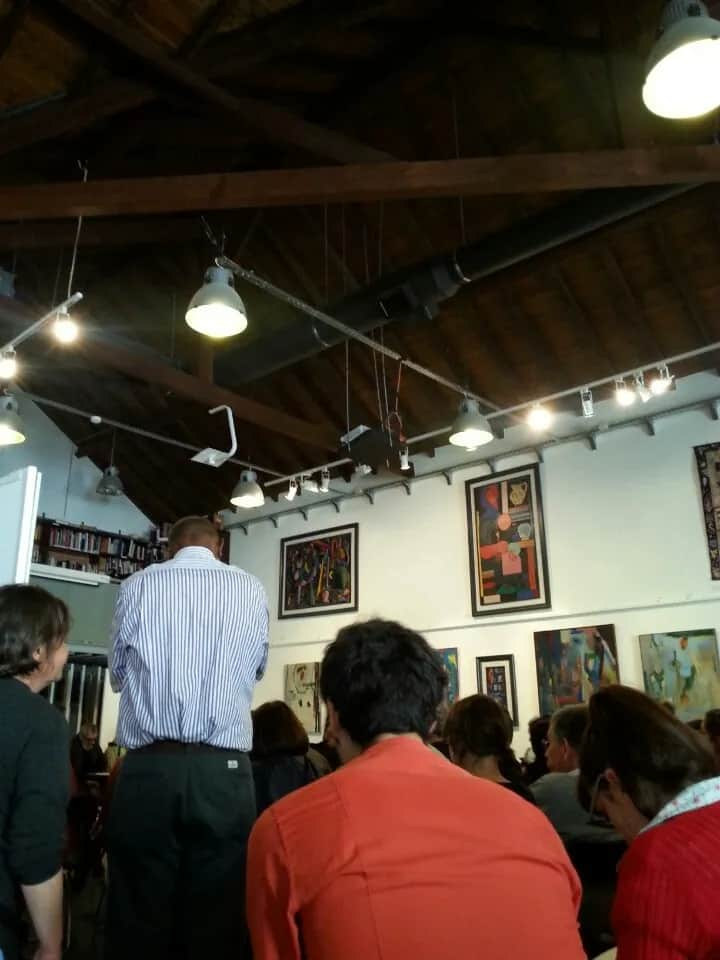 Casa da Achada - Centro Mário DionísioCasa da Achada - Centro Mário Dionísio, founded in Lisbon in September 2008 and opened to the public in September 2009, aims to be a cultural hub in Lisbon based on the estate, interests and work of the writer, painter and teacher Mário Dionísio. It has a Documentation Centre with his literary and artistic estates, personal archive and libraries (around 6,000 volumes), and a Public Area dedicated to exhibitions, readings, cinema, talks, courses, workshops and socialising, with a popular lending library.MourariaMuseums
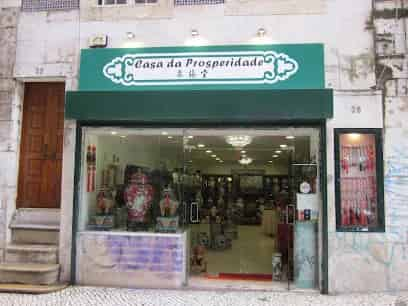
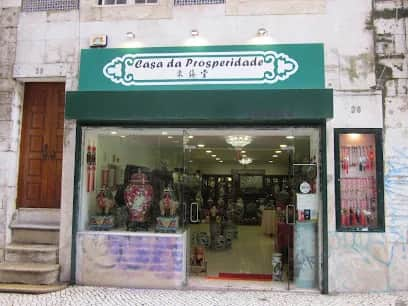 Casa da ProsperidadeRua de Barros Queirós 26, 1100-077 LisboaMourariaBooks, Music & Art Shops
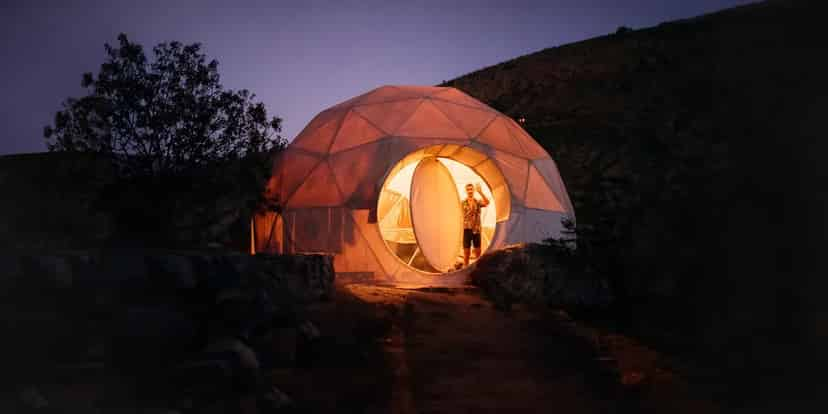
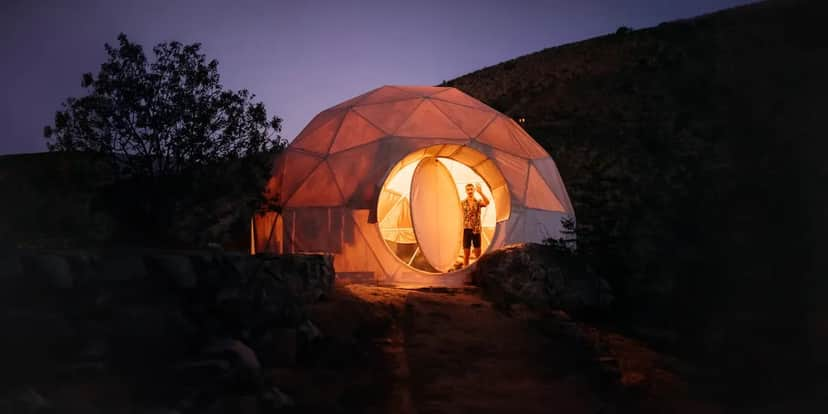 Casa del LimoneroGet an Airbnb for every kind of trip → 8 million vacation rentals → 2 million Guest Favorites → 220+ countries and regions worldwideMourariaHotels
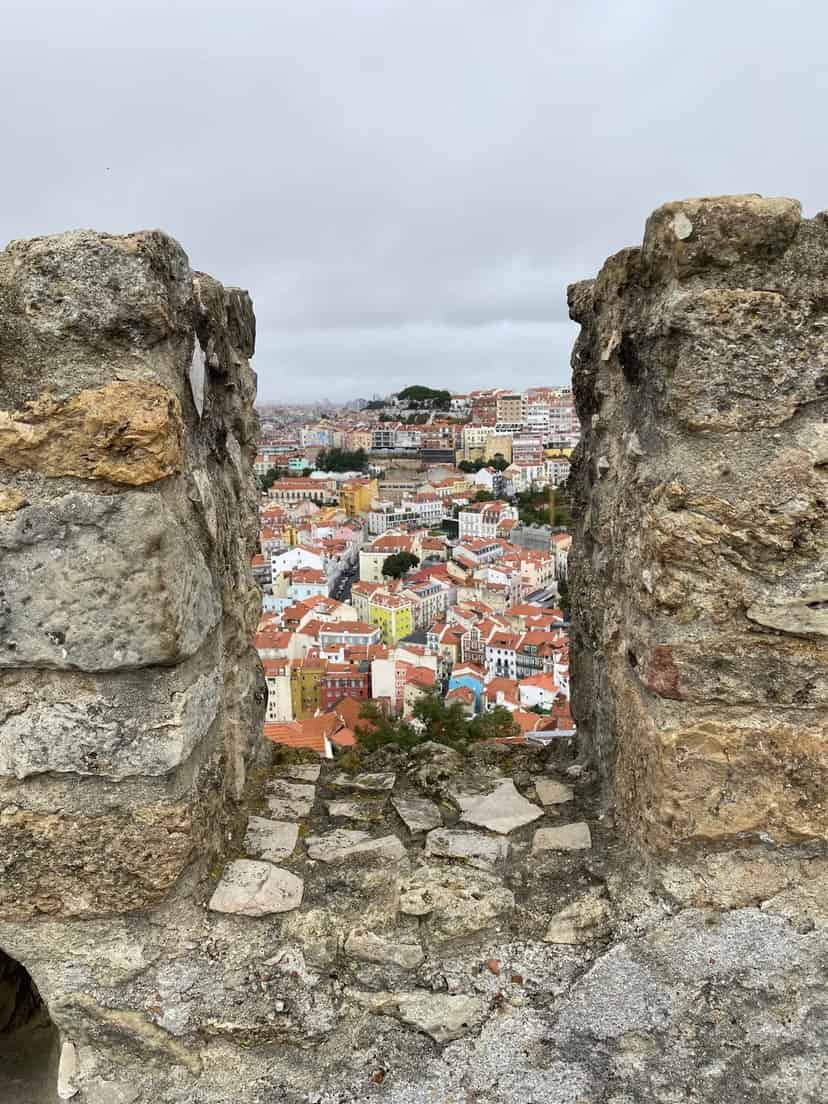
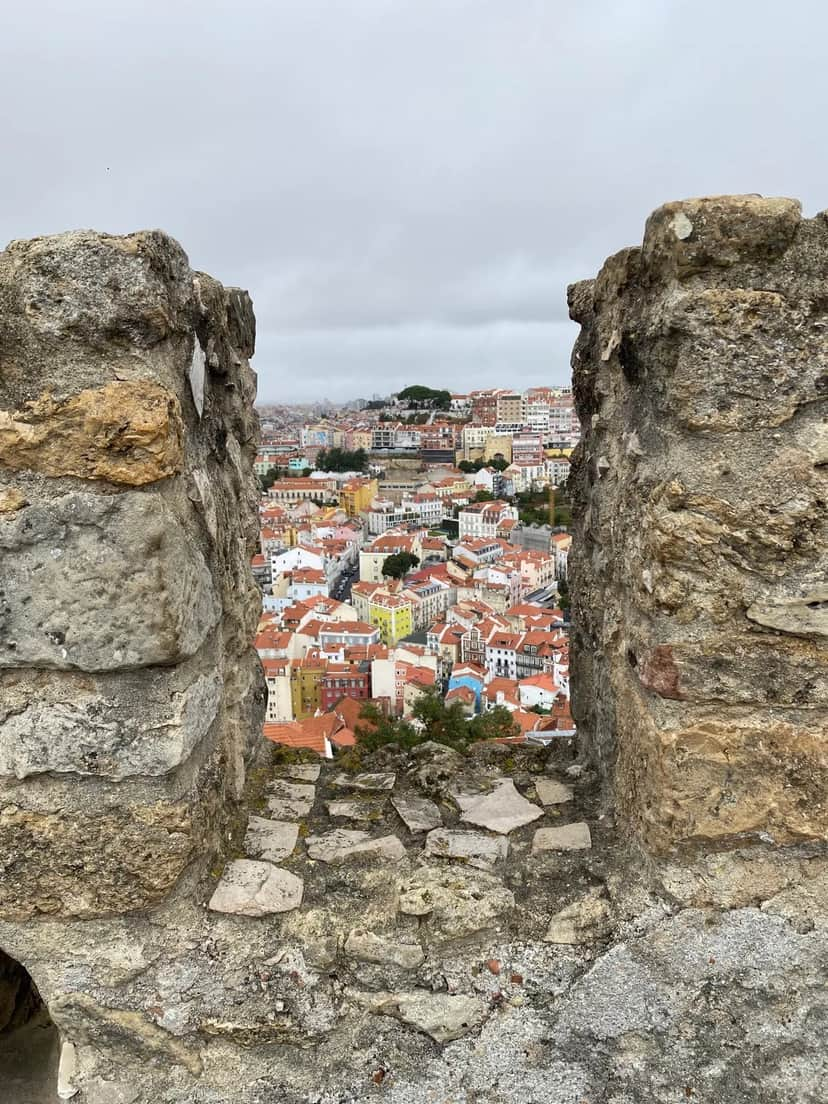 Castelo de São JorgeCastelo de São Jorge, also known as St. George's Castle, stands on the highest hill in the historic centre of Lisbon. Its address is Rua de Santa Cruz do Castelo, 1100-129 Lisboa, in the Mouraria neighbourhood. The listed opening hours are every day of the week from 10:00 to 20:00. The castle has three entrances, and a ticketing site recommends allowing about three hours for a visit, with tickets starting from $6.72. The complex is both a Moorish citadel and a medieval castle. Within it are sturdy stone walls, 11 towers, an archaeological site and a permanent exhibition space. From its position on the hill, it looks out over the historic neighbourhoods of Alfama, the Baixa district and the wide Tagus River. Inside the walls visitors find battlements, towers and an inner courtyard, and the Moorish and medieval architecture is described as exceptionally well preserved. The Moors built the castle in the 11th century, during their occupation of the Iberian Peninsula, as a fortress to defend Lisbon against invading forces. It was first called the Castle of Alcáçova. The hill has a long history of fortification, since Celtic tribes, Phoenicians, Carthaginians, Romans and Moors all contributed to its fortifications. In 1147, Christian forces led by King Afonso Henriques captured the castle during the Siege of Lisbon, and it became a royal palace and the residence of the Portuguese monarchy. Another account says crusaders aided the king and that the castle served as a royal residence until the 1755 earthquake. Later rulers left their mark. The castle served as a fortified residence for Alfonso III in 1255, King Denis I carried out renovations, and King Ferdinand I had a protective wall built. In the 16th century it was a military stronghold during the Spanish occupation of Portugal. Across the centuries, renovations and expansions brought Gothic and Manueline styles into a design that began as Moorish. The original Moorish design is described as using limestone and granite, along with horseshoe arches, decorative tiles and geometric patterns. No specific architect is credited with the castle, because the Moors built it as a military stronghold; its architectural significance lies instead in the blend of styles from different periods of its history. In the 20th century the castle was restored and opened to the public as a historical landmark and tourist attraction. Today it functions as a cultural centre, hosting exhibitions, events and performances that present Portugal's history and culture.MourariaSights & Landmarks
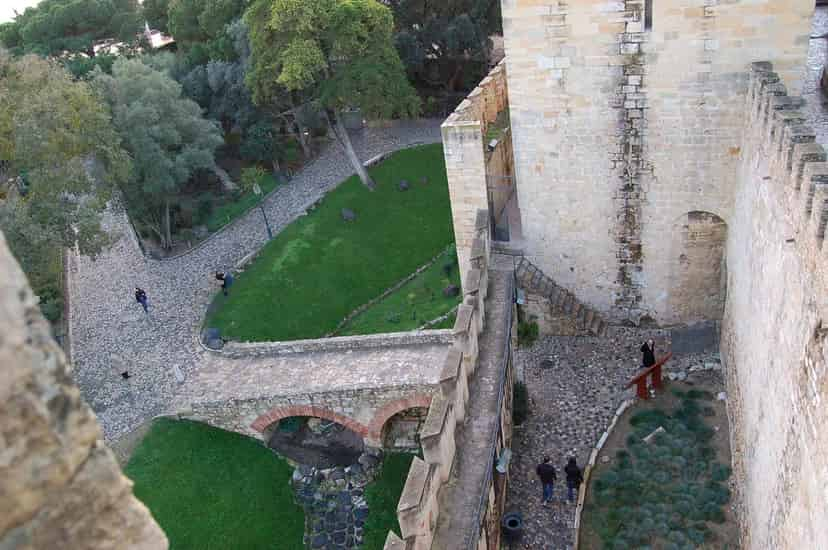
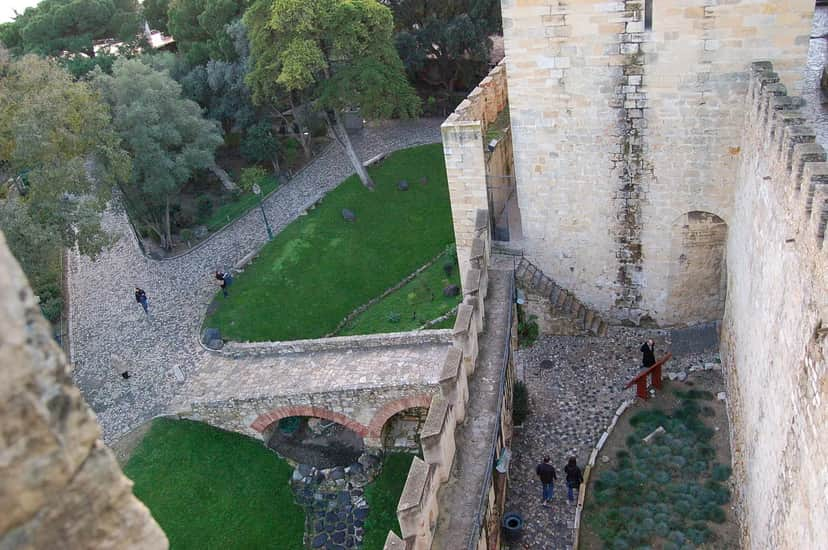 Castle of Saint GeorgeThe Castle of Saint George, formerly the Paço da Alcáçova, is located in the parish of Santa Maria Maior (Castelo), in the city and municipality of Lisbon, Portugal. Classified as a National Monument since 1910, it stands in a commanding position atop the highest hill of the historic centre, offering visitors one of the finest views over the city and the estuary of the River Tejo.MourariaMonuments & Historic Buildings
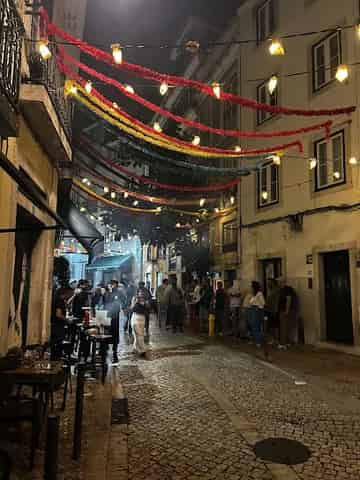
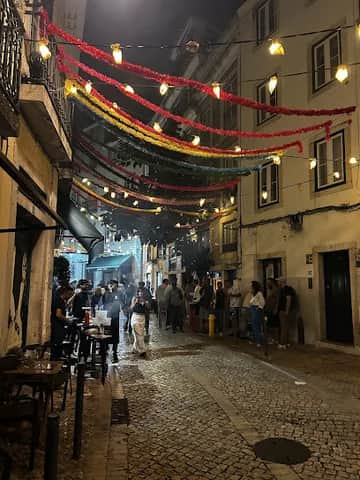 CatedraisCatedrais Tapas | Bar | Restaurante is located in the centre of Lisbon at Baixa, on Rua de São Cristóvão, and serves traditional Portuguese food made with local, fresh regional products — steaks, burgers, seafood, fish, tapas, salads and some vegan options. Alongside the food it offers wines and cocktails, and its interior features a mural. It is open every day from 12:00 to 01:00.MourariaRestaurants
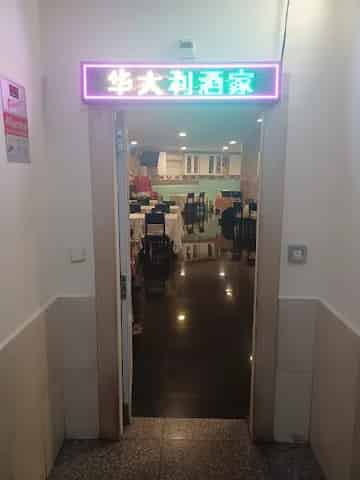
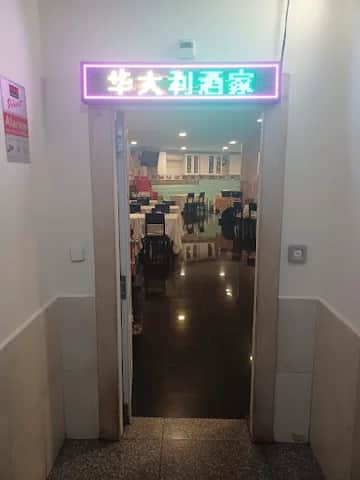 Centro Comercial Martim MonizRua Tomé Pires s/n, 1100-390 LisboaMourariaShops & Markets
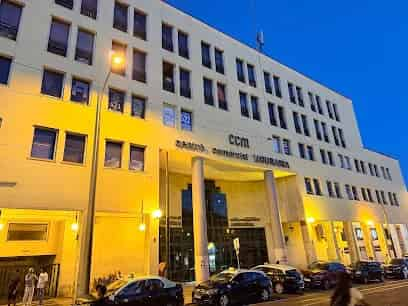
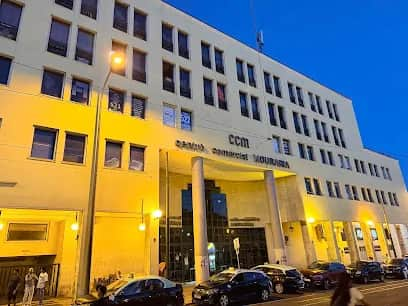 Centro Comercial MourariaRua da Mouraria s/n, 1100-364 LisboaMourariaShops & Markets
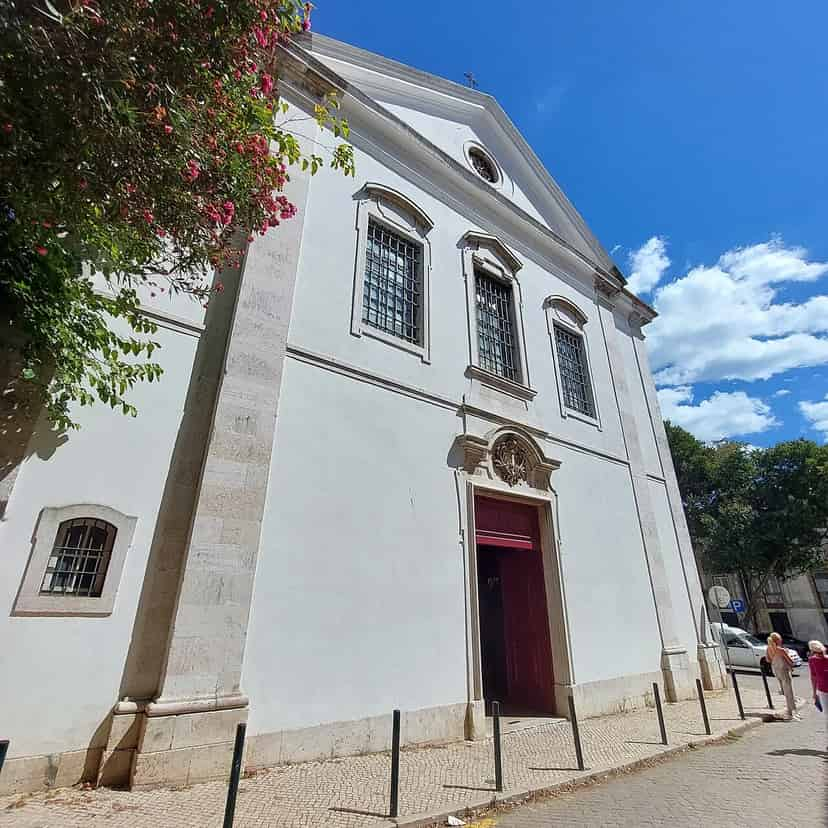
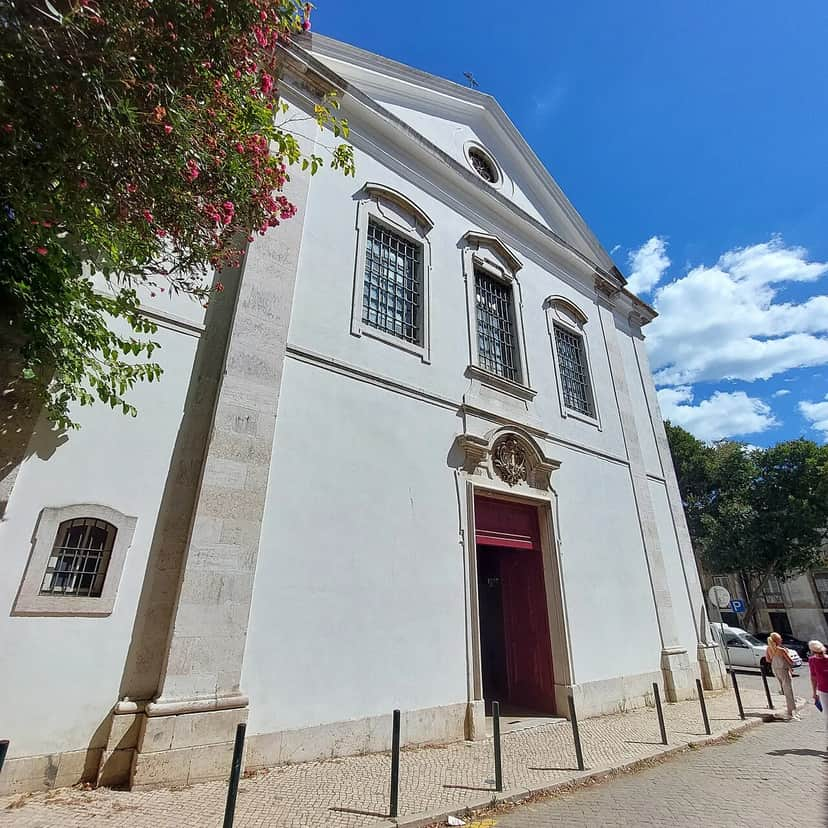 Church of Santa Cruz do CasteloThe Church of Santa Cruz do Castelo is a church located in Lisbon. With a longitudinal plan, the building, erected on a hill attached internally to the wall of the alcáçova of Castelo de São Jorge, results essentially from the Pombaline reconstruction carried out after the 1755 earthquake, under the design of the architect João Paulo.MourariaChurches & Religious Sites
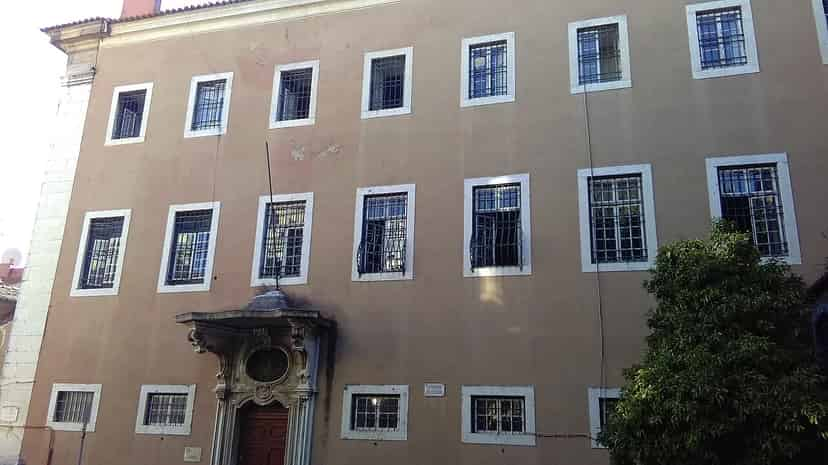
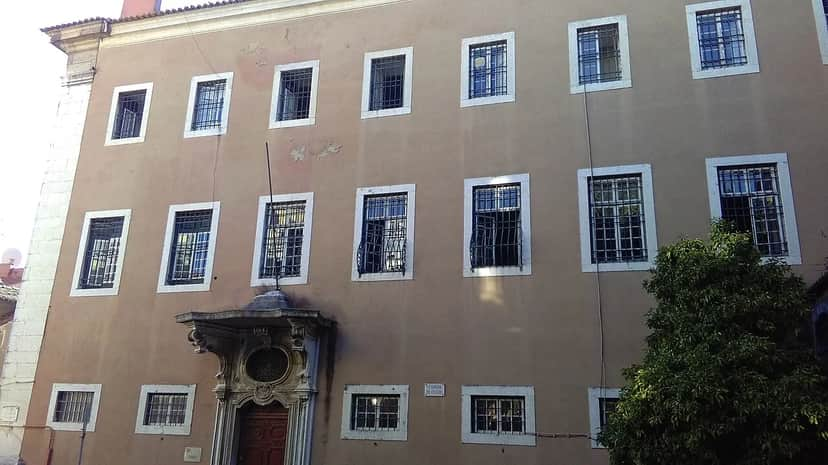 Convento da Encarnação, incluindo a igrejaThe Convento da Encarnação, also known as Mosteiro da Encarnação das Comendadeiras de São Bento de Avis or Recolhimento da Encarnação, is a former convent located on Largo do Convento da Encarnação, in the parish of Arroios, in Lisbon.MourariaChurches & Religious Sites
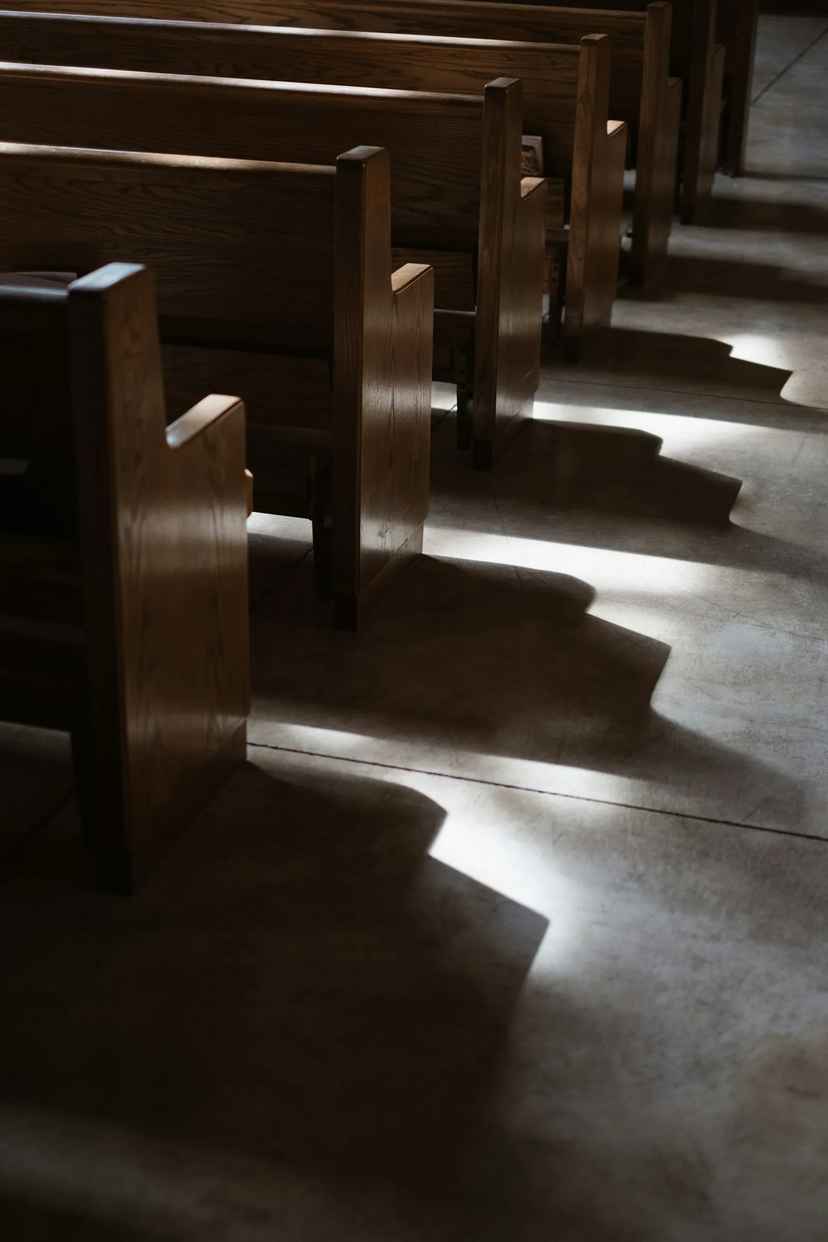
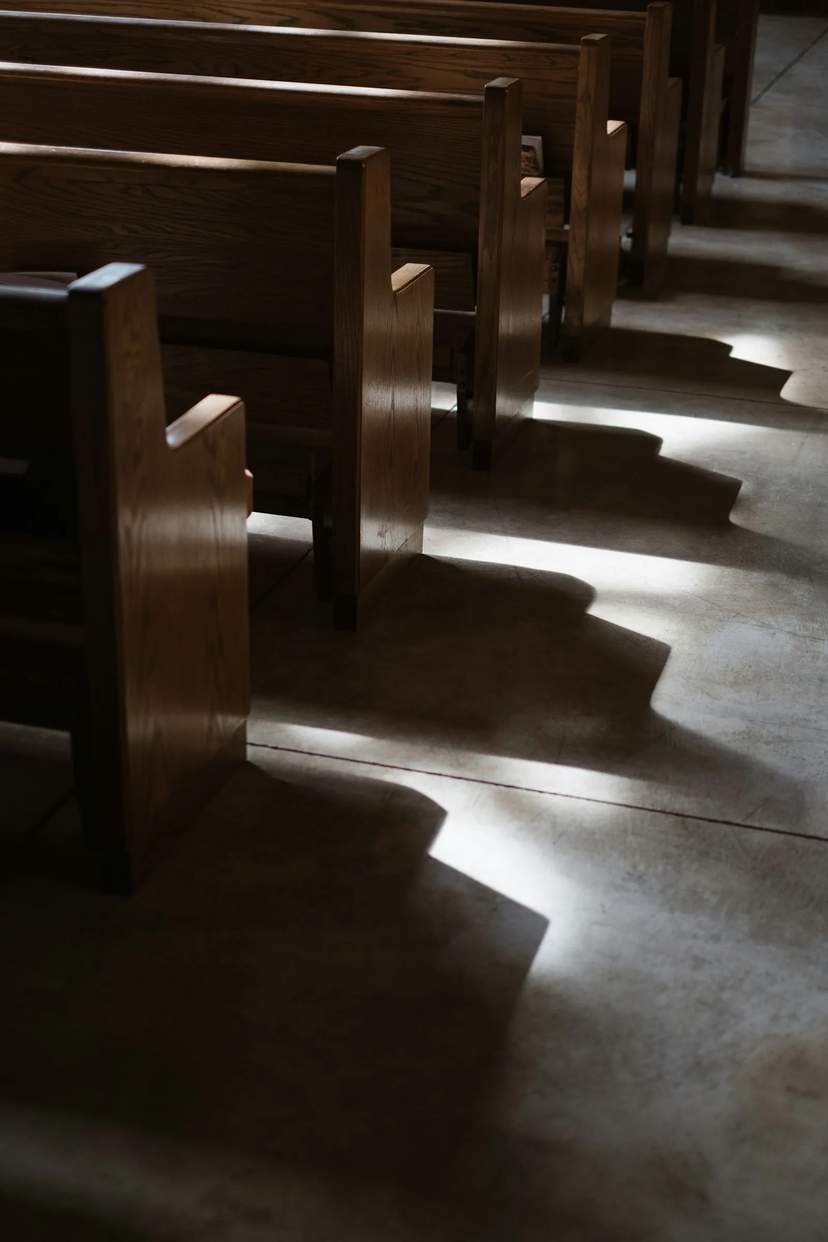 Convento e Igreja de Santo Antão-o-NovoFormer Jesuit convent and college of Santo Antão-o-Novo, whose main building is classified as Imóvel de Interesse Público (Property of Public Interest), was built from 1579 onward under the design of Baltazar Álvares. The church was built between 1613 and 1653.MourariaChurches & Religious Sites · Illustrative photo
 Cozinha Popular da MourariaRua das Olarias 5, 1100-012 LisboaMourariaRestaurants
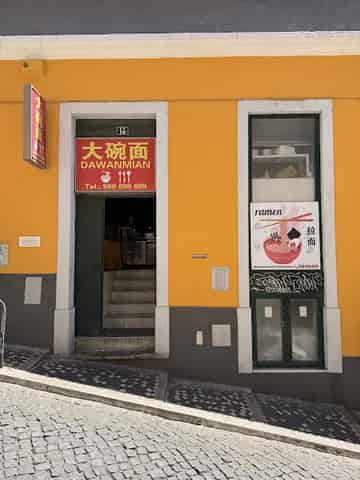
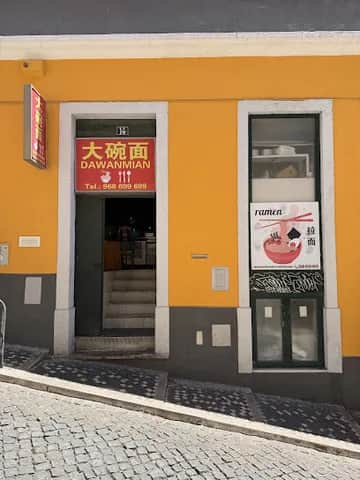 Da Wan MianA Chinese restaurant in Mouraria, Lisbon, serving handmade noodles, dumplings, beef noodle soup, zha jiang noodles and pork liver noodles. Free side dishes come with the meal, and beer, wine and small plates are available. The style is no frills.MourariaRestaurants
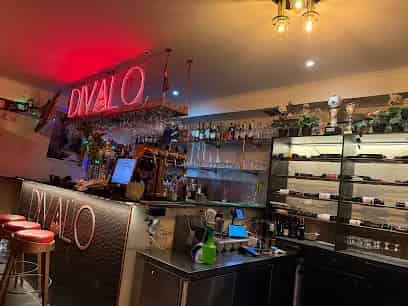
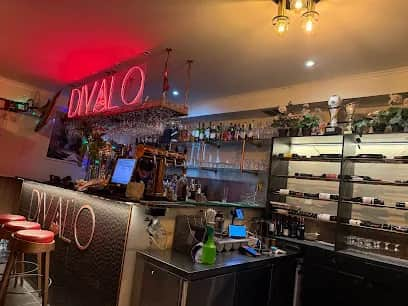 DiyaloDiyalo is a restaurant in the Martim Moniz area of Lisbon that opened in 2016. It serves a menu of Nepalese, Indian and Portuguese food prepared by experienced chefs, including dishes such as vegetable pakoras and chicken thali, along with drinks.MourariaRestaurants
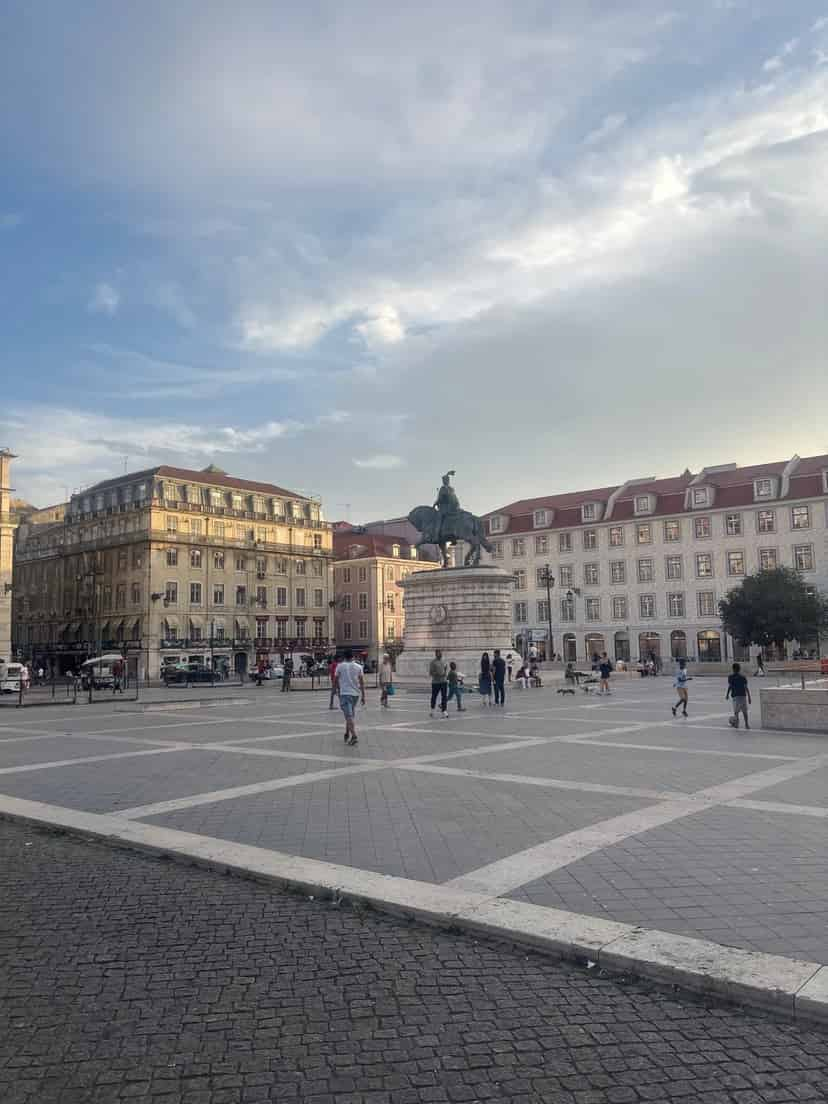
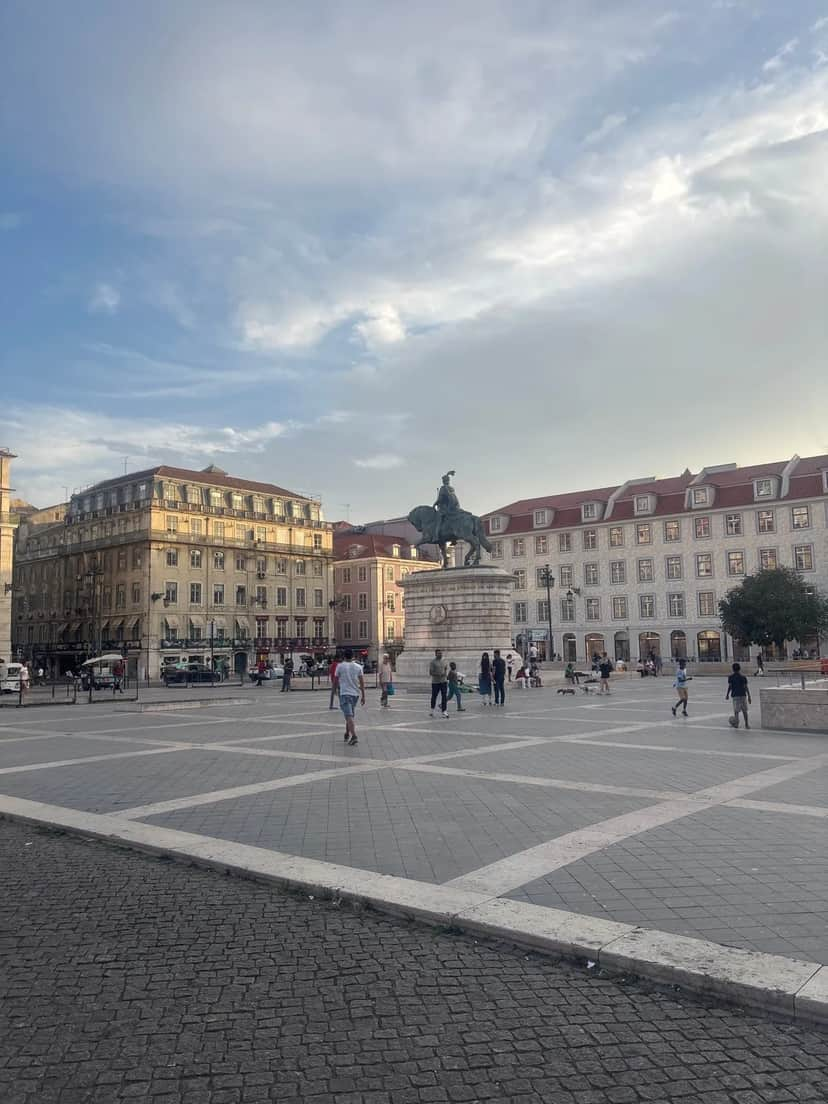 D. João ID. João I (1357-1433), founder of the Avis Dynasty, ascended to the throne by popular will, after the death of King D. Fernando, in 1383, and was acclaimed king at the Cortes of Coimbra, in 1385.MourariaMonuments & Historic Buildings
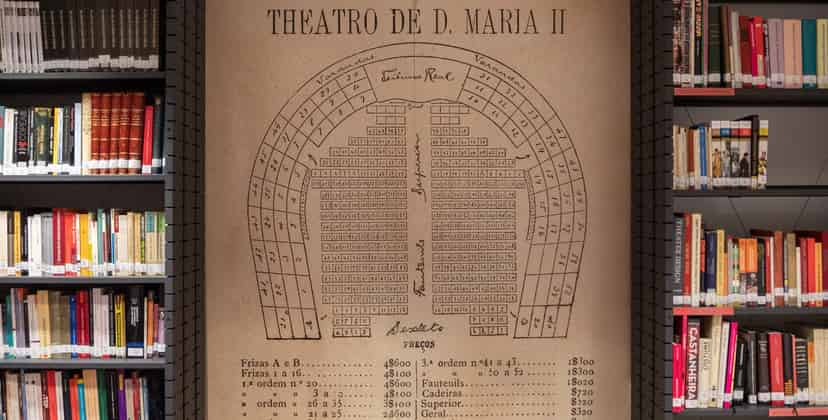
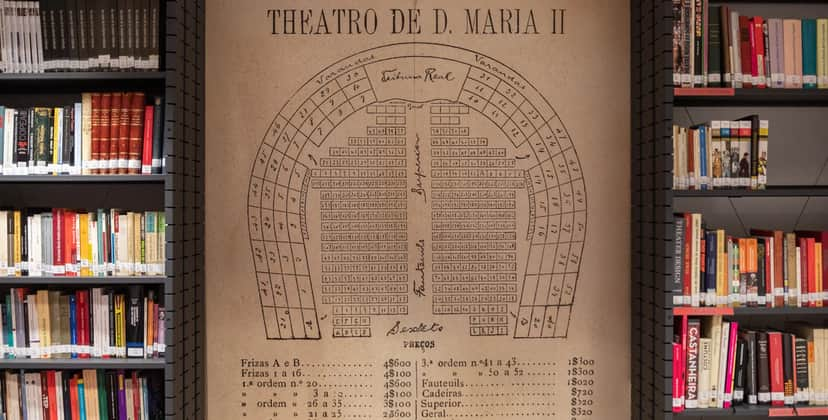 D. Maria II National Theatre ArchiveThe website of the Teatro Nacional D. Maria II serves culture, keeping you informed at all times about the plays on stage, the people involved and the spaces of this cultural building with its centuries-old history. Access the box office, choose what you want to see,MourariaLibraries & Archives
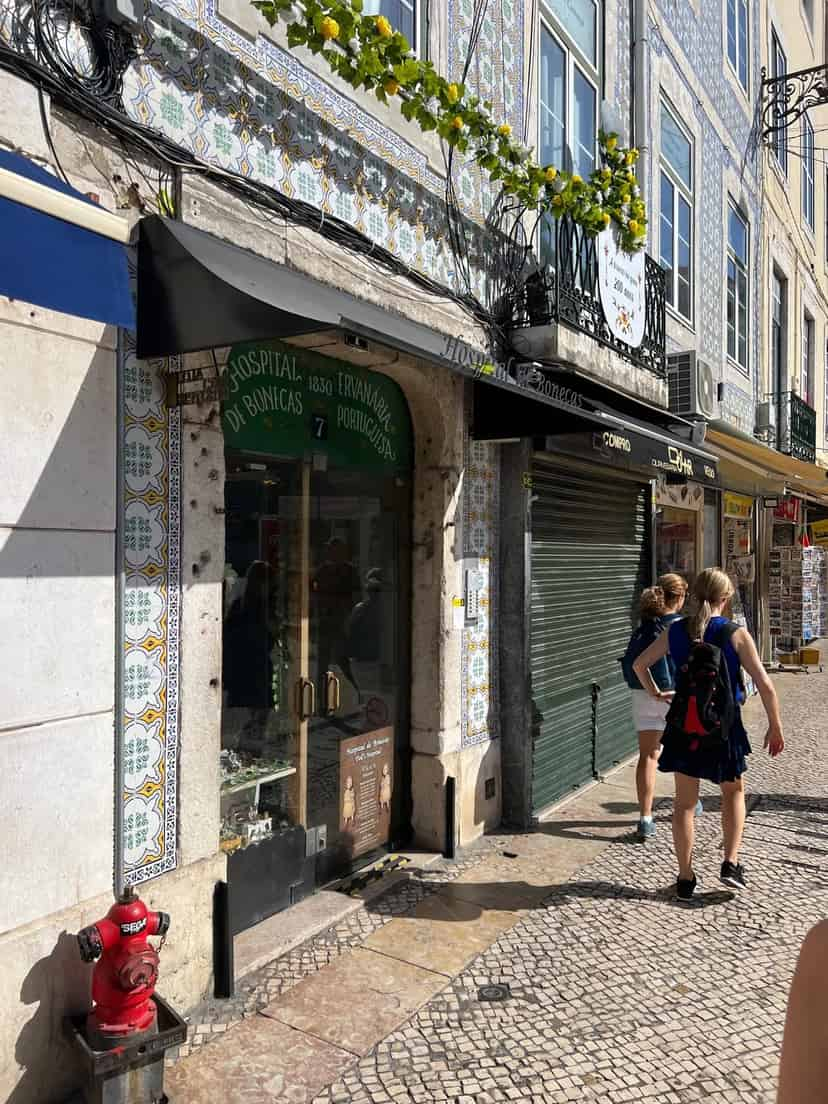
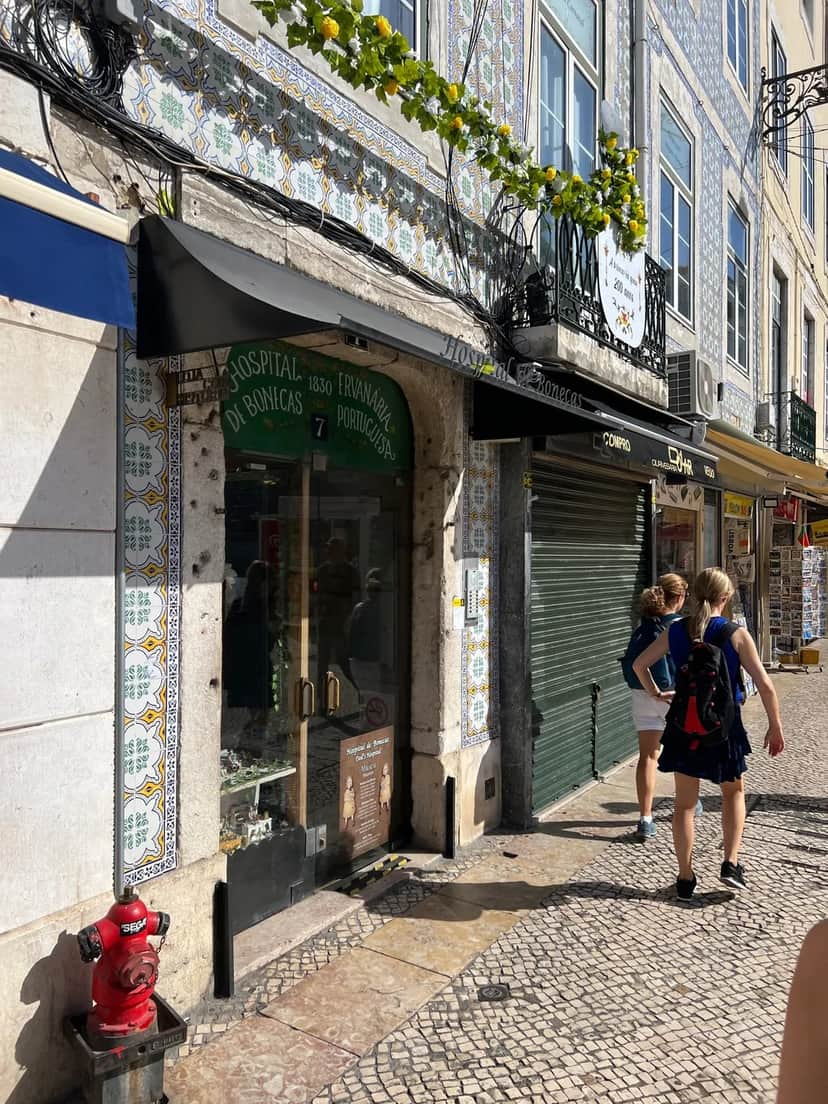 Doll Hospital (Hospital de Bonecas)A "doll hospital" that repairs dolls, with a museum inside. The museum has an admission fee, but the shop does not.MourariaMuseums
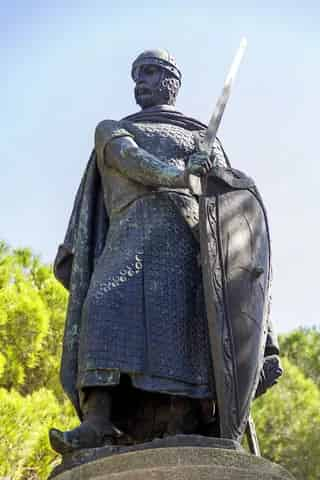
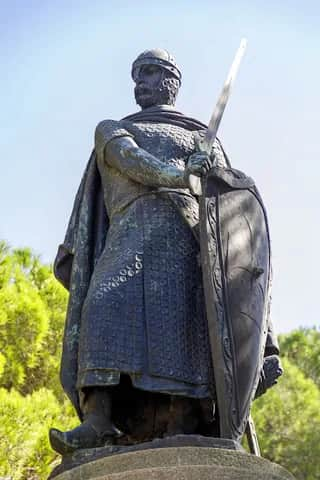 Dom Afonso HenriquesThe monument to the first King of Portugal consists of a bronze statue, 6.5 m tall, standing on a cylindrical stone plinth. The statue is a replica of the one executed by Soares dos Reis in 1887.MourariaMonuments & Historic Buildings
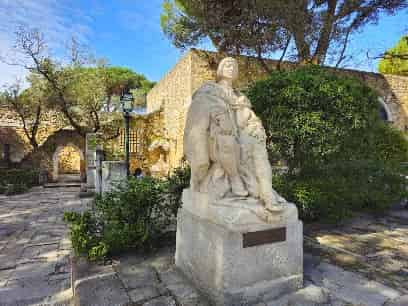
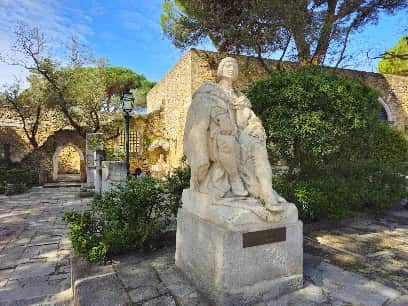 Dom Manuel ID. Manuel I (1469-1521), known as 'O Venturoso' (The Fortunate), the 14th king of Portugal, reigned for 26 years, between the late 15th century and the early 16th century, a period of great Portuguese maritime activity around the world.MourariaMonuments & Historic Buildings
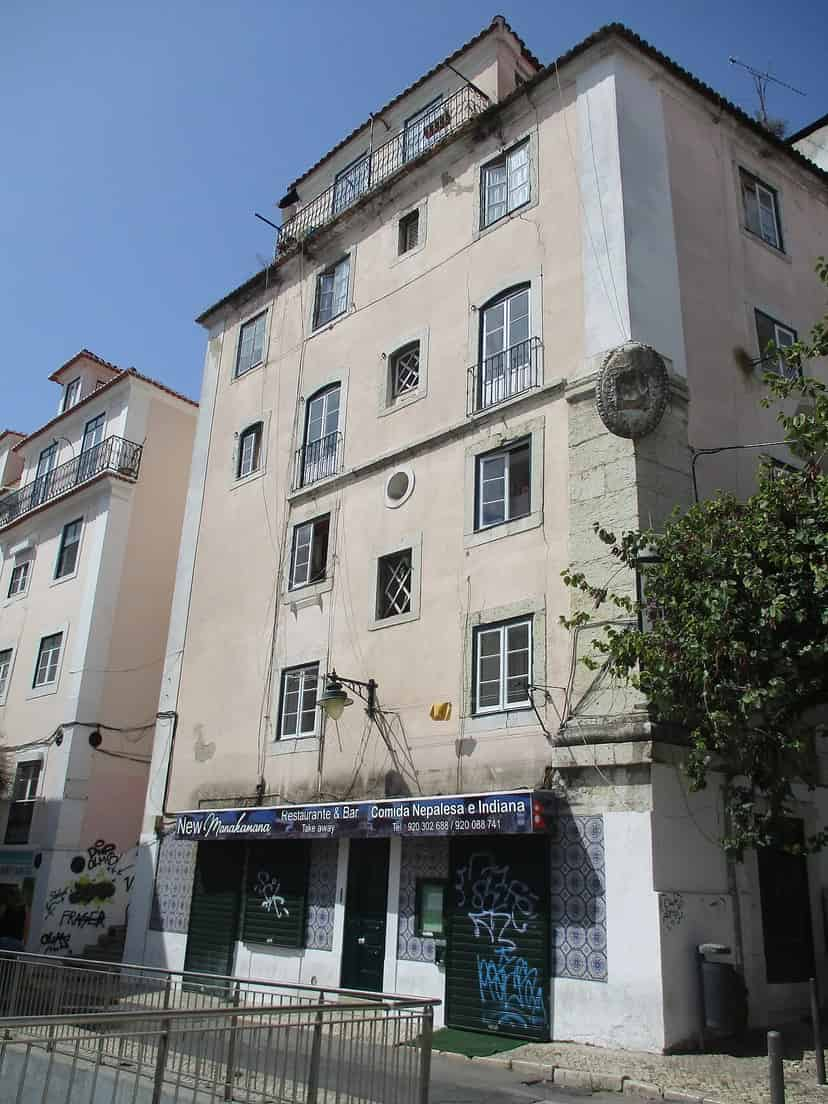
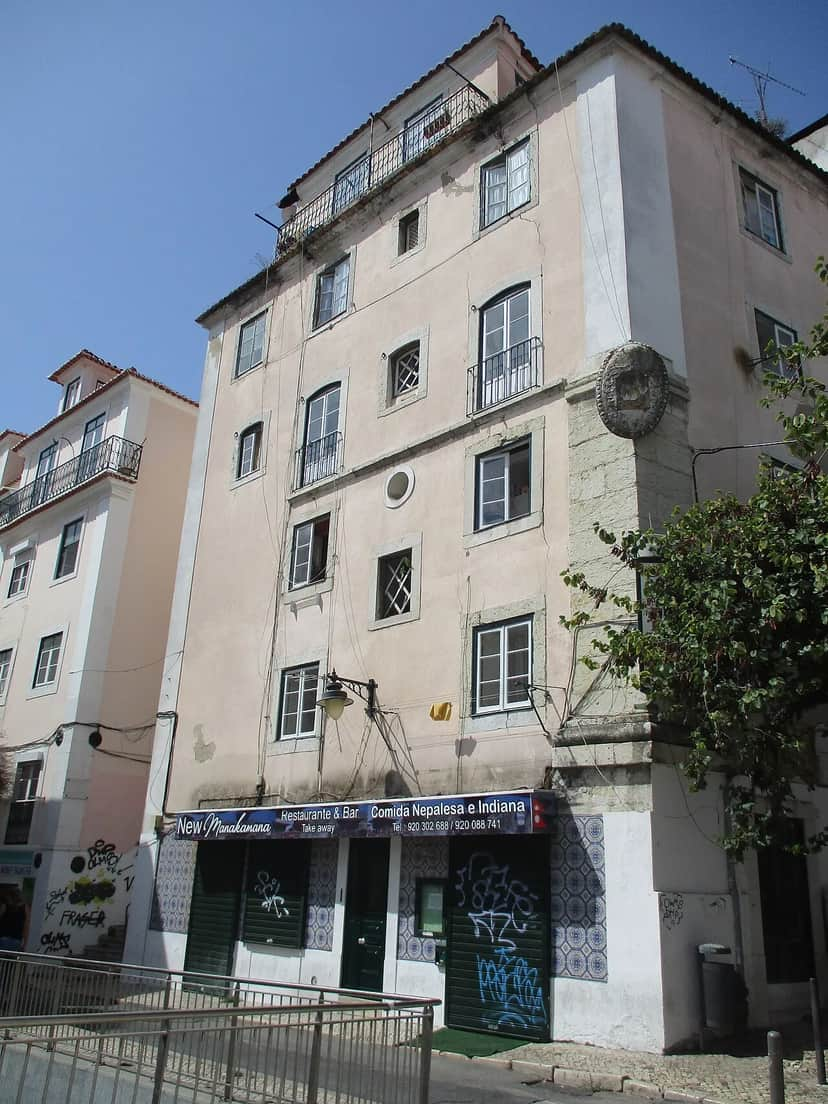 Edifício na Rua do Arco da Graça, esquina com a Calçada Nova do ColégioA corner building, possibly pre-Pombaline, heavily altered by recent additions. It is classified as a Property of Public Interest and, despite its abandoned and dilapidated state...MourariaMonuments & Historic Buildings
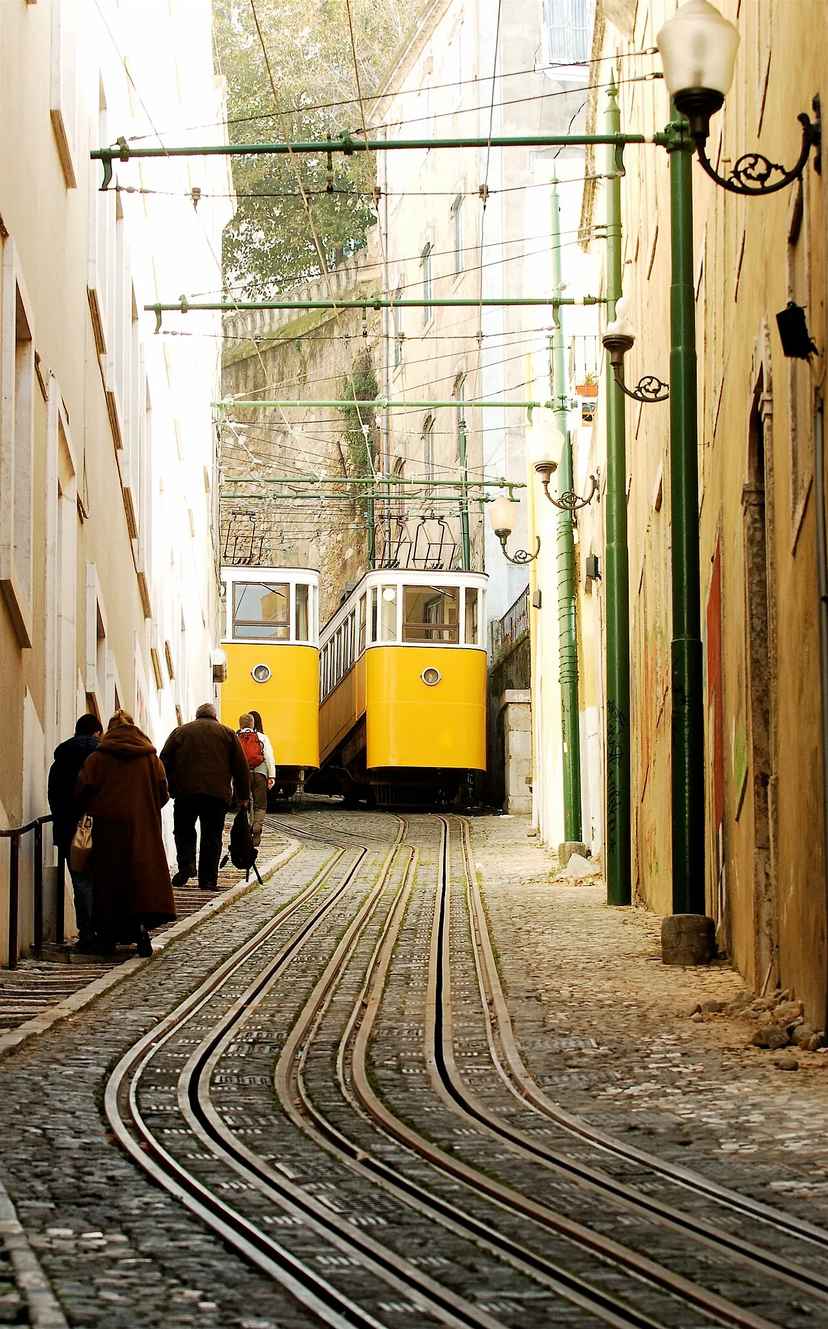
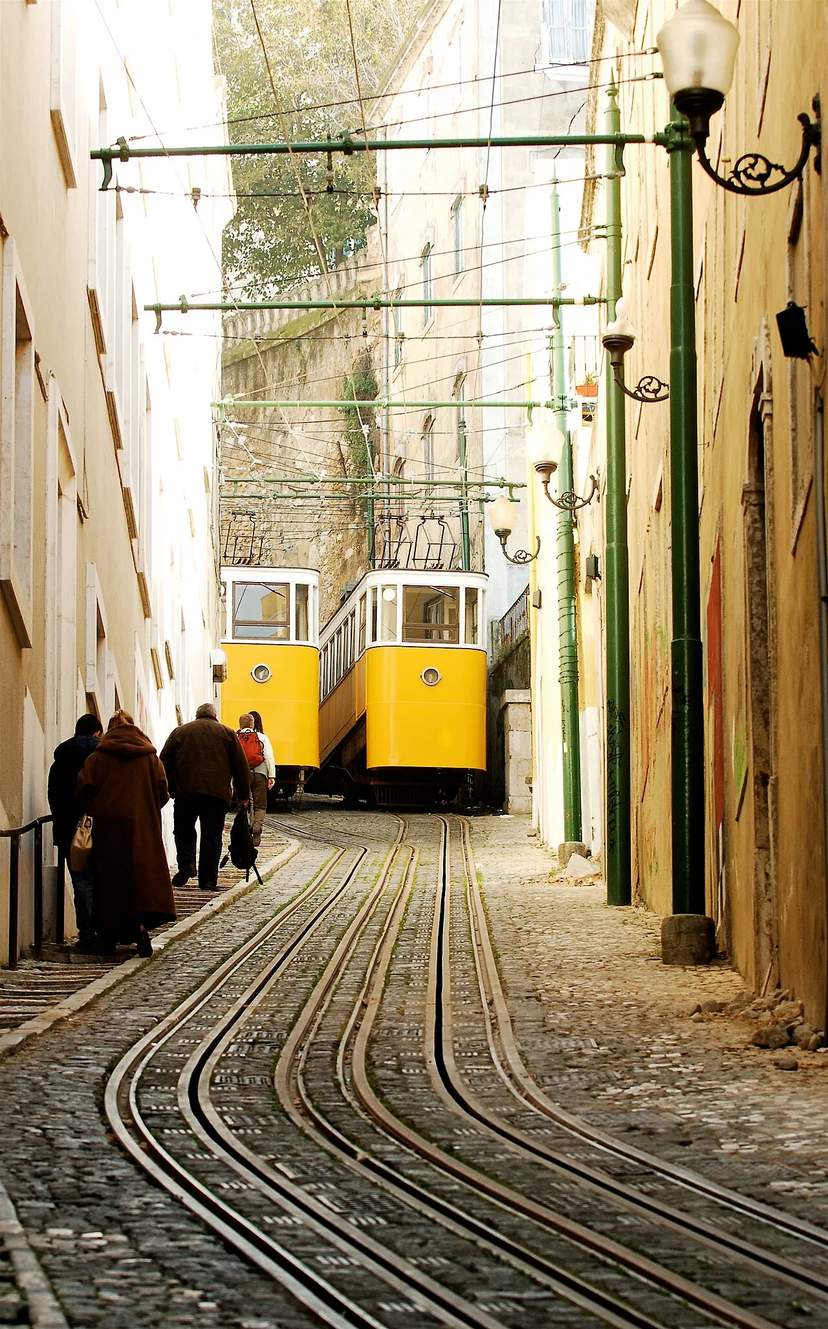 Elevador do LavraSituated in the Mouraria district of Lisbon, Elevador do Lavra (also known as Ascensor do Lavra and Lavra Funicular) is a funicular railway that is a point of interest in the city. Be sure to double check the status of the funicular before making the trip, as it can be suspended for inspection. This line was the first to open in 1884. On February 19, 2002, the Portuguese government declared the funicular a national monument, assigning it the reference number IPA.00003040. Covering a distance of 188 meters and having an average grade of 22.9 percent, the Elevador do Lavra has two stops and a track gauge of 900 mm. Each of the funicular cars are powered by 600 V DC. Like the Ascensor da Glória, both utilise a similar system of a base steel carriage with a wooden structure with two long benches attached to steel walls that are walled with glass. Both vehicles have a yellow and white exterior. The lower section of the tracks are interleaved. The two vehicles are connected in such a way that when one climbs the other descends. The descending vehicle serves as a counterweight to the ascending vehicle and helps draw the ascending vehicle up. The Lavra started off as a water balanced funicular. After a year it converted to steam power. The steam powerhouse was built at the top of Calçada do Lavra. In 1915, it was converted to electric power. Alongside the Ascensores da Bica and da Glória, the Lavra is also listed on the Wikipedia page of tourist attractions and landmarks of Lisbon.MourariaSights & Landmarks
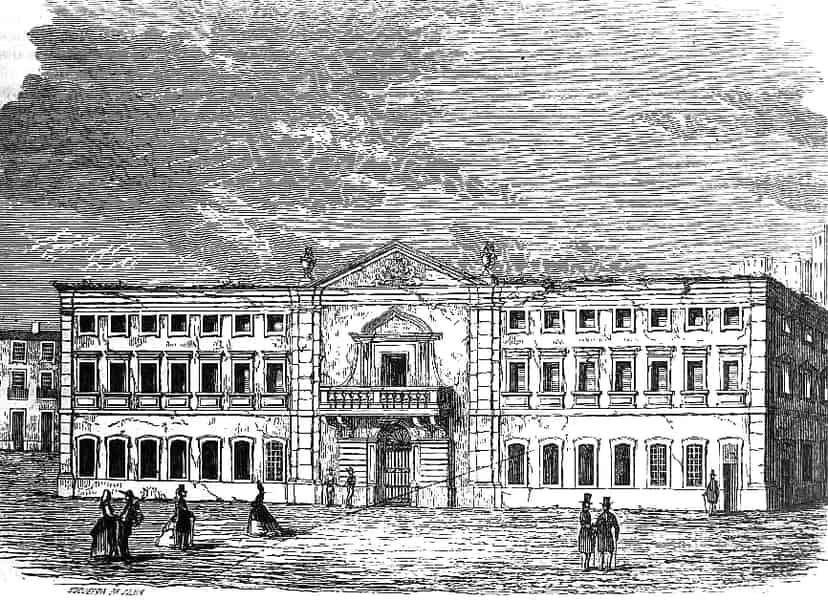
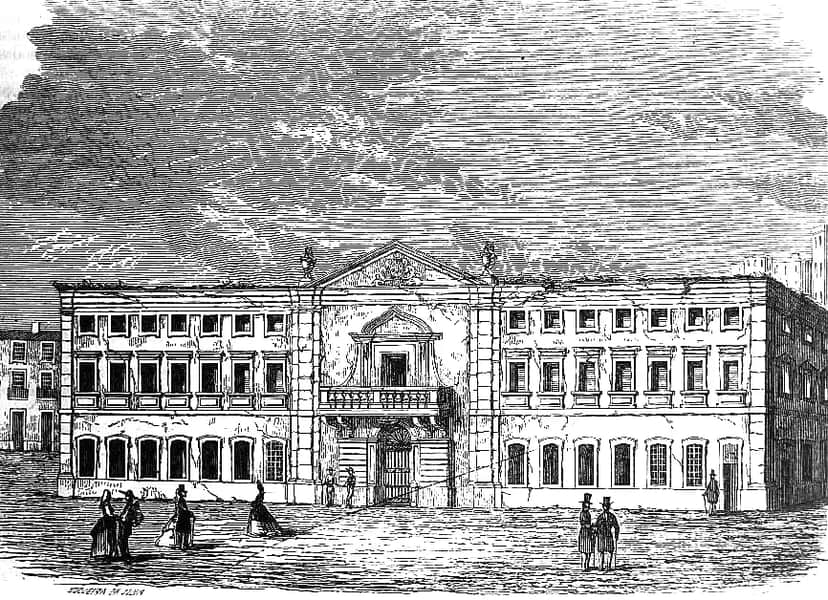 Estaus PalaceThe Estaus Palace, called Paço dos Estaus or Palácio dos Estaus in Portuguese, no longer stands as a building. It occupied the north side of Rossio Square in Lisbon, at Praça Dom Pedro IV, 1100-201 Lisboa, in the Mouraria neighbourhood. Around 1450 it was built to lodge foreign dignitaries and noblemen visiting the city. Rossio is the everyday name for the square, whose official name is Praça Dom Pedro IV; the word means a large public square. In 1536, under King John III, the Inquisition was installed in Portugal, and the palace eventually became the seat of the institution. It held a prison and a tribunal. People accused of heresy, witchcraft and, in particular, of secretly practising the Jewish faith, known as New Christians, faced trial, persecution, torture and execution there. Rossio and the nearby St. Domingos square were frequently used for public executions, and heretics were burned at the stake in front of the palace. The first official auto-da-fé took place in 1540. Among the thousands accused by the Inquisition, those held in the Estaus prison included the historian Damião de Góis, the poet Manuel Maria Barbosa du Bocage and the dramatist António José da Silva, nicknamed "the Jew", who was executed in 1737. The 1755 Lisbon earthquake heavily damaged the Inquisition Palace, and it was rebuilt to designs by Carlos Mardel. Fire destroyed that rebuilt building in 1836. The Inquisition itself was not abolished in Portugal until 1821. In 1842 the Teatro Nacional D. Maria II replaced the palace, thanks to the efforts of the writer Almeida Garrett. The Italian architect Fortunato Lodi designed it in the Neoclassical style, and it stands today on the site of the old palace. Above the pediment stands a statue of Gil Vicente, a Renaissance playwright, and ironically the Inquisition had censured some of his plays in the late 16th century. A fire destroyed the theatre's interior in 1964, and it reopened to the public in 1978. In the middle of the square today stands a 23-metre column topped by a statue of Dom Pedro IV, installed in 1870. Rossio metro station, on the Green Line, opens onto the square, which lies roughly 5 to 10 minutes on foot from Praça do Comércio via Rua Augusta. Rossio railway station, built in 1887 in the Neo-Manueline style, sends trains to Sintra.MourariaMonuments & Historic Buildings
Powered by Foursquare ·Photo and data credits ▾
Photos: DataForSEO · airbnb.com · Robert Nyman (CC BY 2.0), via Wikimedia Commons · Threeohsix (CC BY-SA 4.0), via Wikimedia Commons · RicardoFilipePereira (CC BY-SA 4.0), via Wikimedia Commons · Photo by Josh Applegate on Unsplash · tndm.pt · SCarrolo (CC BY-SA 4.0), via Wikimedia Commons · Pedro Simões (CC BY 2.0), via Wikimedia Commons · Data: © OpenStreetMap contributors · Wikidata (CC0) · Wikipedia (CC BY-SA 4.0)
