

Filters (0)
Rating▾
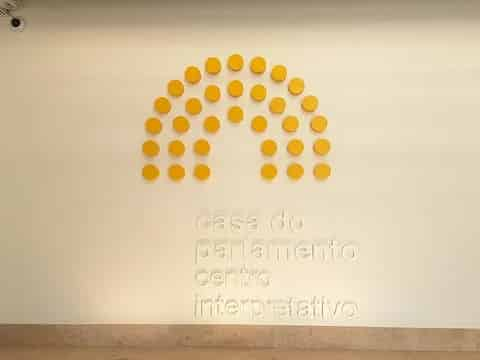
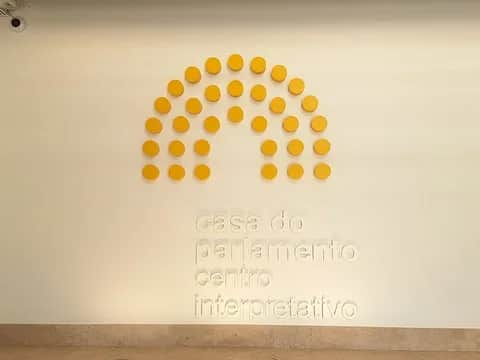 Praça da Constituição de 1976A small space, located in front of the new Assembleia da República building, where one can see the statue of José Estevão de Magalhães, a notable Portuguese politician and parliamentary orator, by the sculptor Vítor Bastos, ...São BentoParks & Gardens
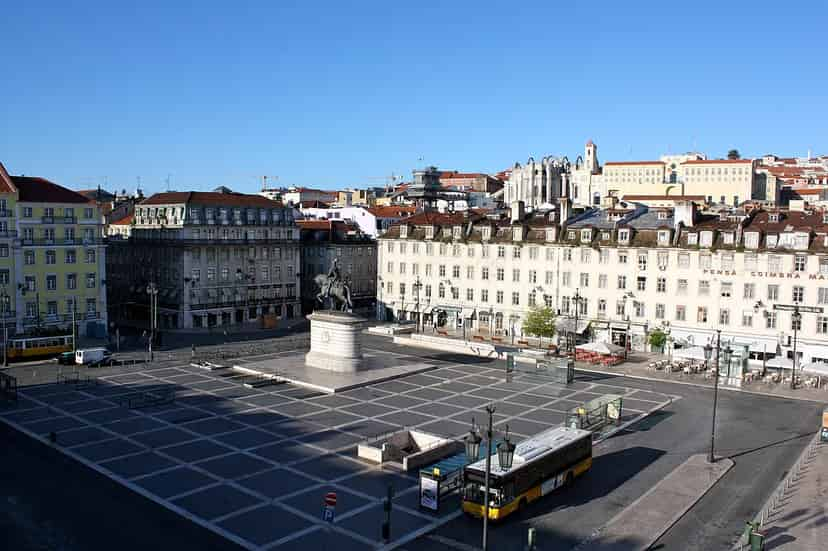
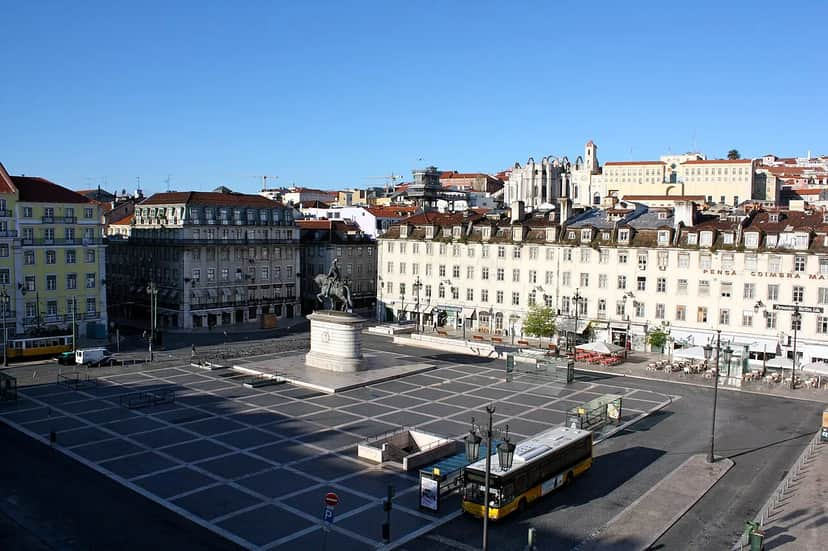 Praça da FigueiraPraça da Figueira, whose name translates as Square of the Fig Tree, is a public square in central Lisbon at Praça da Figueira, 1100-240 Lisboa. The listing places it in the Mouraria neighbourhood, while other descriptions set it in the downtown Baixa district. It works as a major transit hub and a gateway for exploring the historic centre, and locals treat it as a meeting point. Buses cycle through the square, vendors set up, and the surrounding buildings have nineteenth century facades, pastry counters and views toward the castle. The ground has a layered past. Before the 1755 earthquake, the site held the All Saints Royal Hospital, which was Lisbon's main hospital. The earthquake wrecked it, and merchants began gathering over its ruins. The area went on to become the city's central market, and in the nineteenth century it was the main place where Lisbon residents did their daily shopping. An iron structure was built for it, in the manner of markets such as Covent Garden, and King Luis and Queen Maria Pia launched it in 1885. One source describes a covered hall of 8,000 square meters built in the 1880s. The market was closed and ordered dismantled in 1947 so the square could open to traffic, although another source gives 1949 as the year the hall was removed. The square is anchored by a bronze equestrian statue of King João I, the 14th century ruler tied to Portugal's independence at Aljubarrota. Leopoldo de Almeida sculpted it, and it was unveiled in 1971. It doubles as a handy rendezvous point. The big permanent market is long gone, though small stall clusters or seasonal events sometimes appear. A blog post from December 2014 says Praça da Figueira receives a pop-up market called Figueira Marca-te, or Figueira Marks You, on the last weekend of each month. It gathers local producers, regional products and artisans, with teas, chocolates, convent sweets, sausages, suckling pig sandwiches, hot wine in winter and breads from various parts of Portugal, paired with cheeses of Alentejo and Serra da Estrela. Rossio station on the Metro's Green line has an exit directly to the square, and Rossio Railway Station, used for Sintra day trips, is a short walk away. Several Carris routes and tram connections stop on the edges. For sweets, Confeitaria Nacional, dating from 1829, is known for seasonal bolo-rei, and side streets toward Rossio and Baixa have tascas and bakeries.MourariaSquares, Streets & Bridges
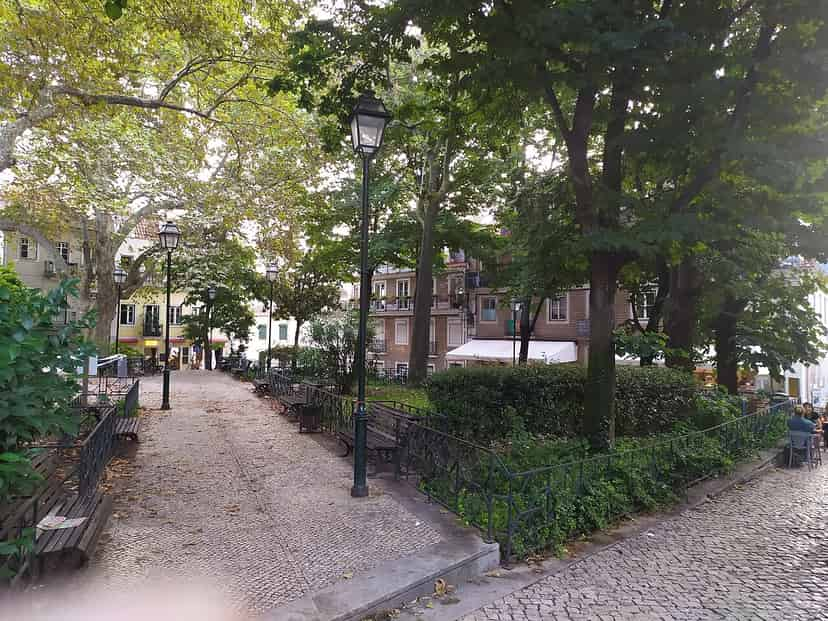
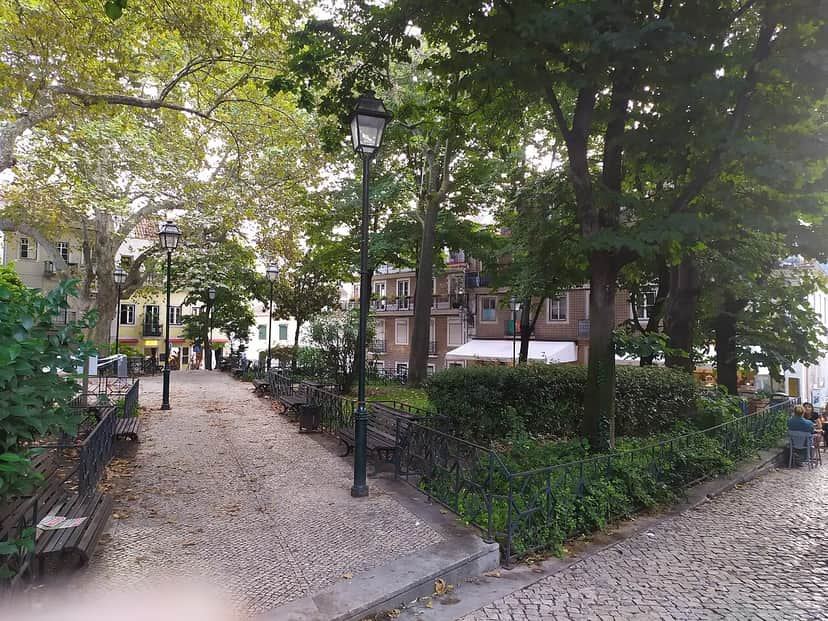 Praça das FloresPraça das Flores is a square in the parish of Misericórdia, in Lisbon. It lies close to the Palácio de São Bento (Parliament) and is bounded by Rua Nova da Piedade, Rua da Palmeira and Rua de São Marçal. The square is home to the Jardim Fialho de Almeida.Príncipe RealSquares, Streets & Bridges
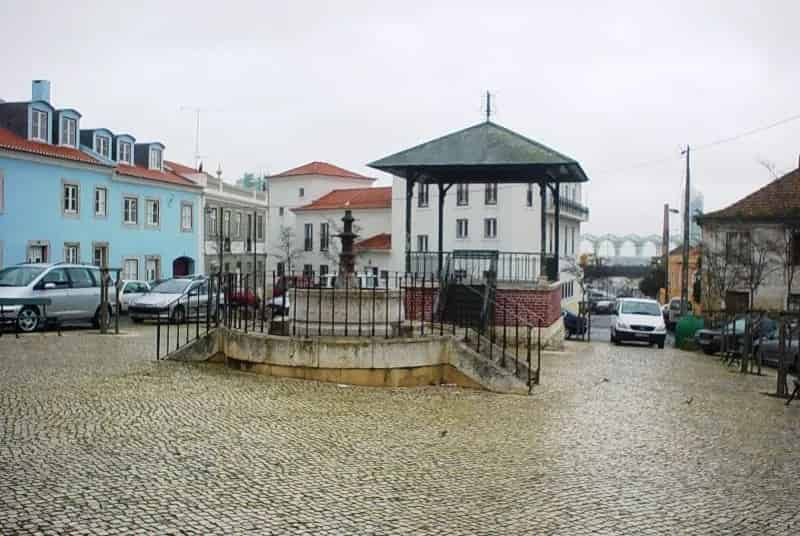
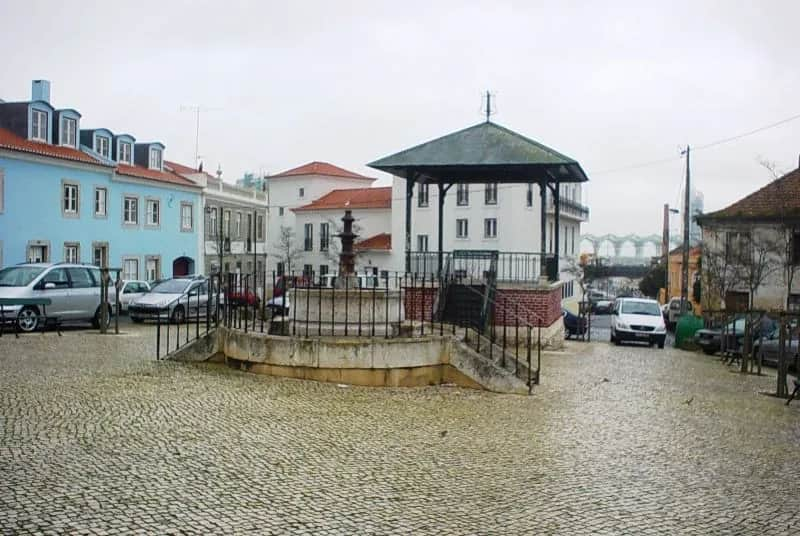 Praça da Viscondessa dos OlivaisPraça da Viscondessa dos Olivais, 1800-379 LisboaParque das NaçõesSquares, Streets & Bridges
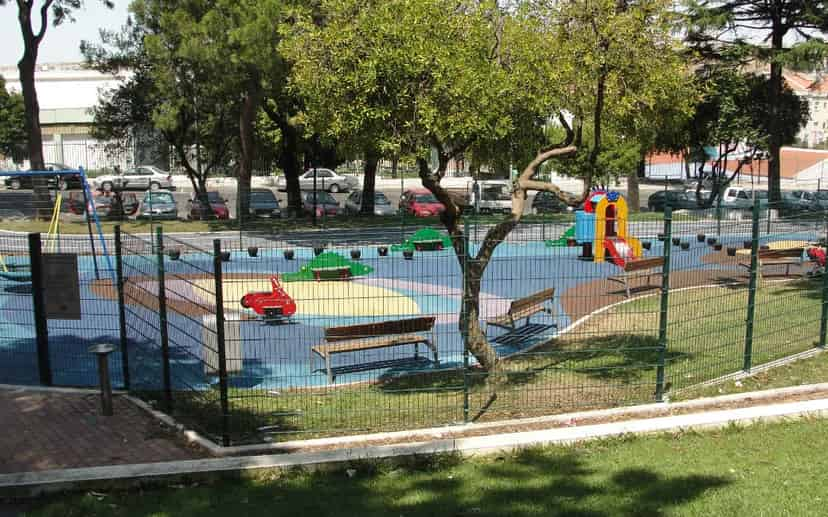
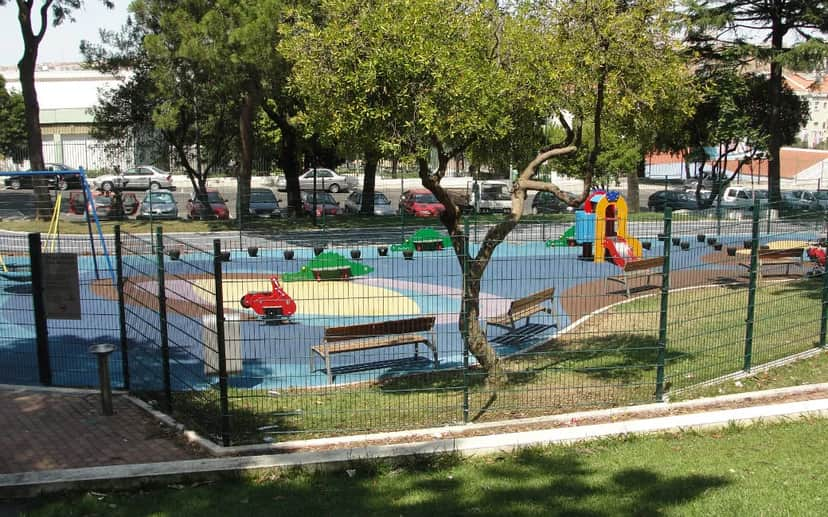 Praça de AngolaLocated in the parish of Venteira, Bairro Janeiro Park offers a children's playground with 10 pieces of play equipment, a cycle path and a pedestrian circuit with 3 lanes. These facilities are set within the perimeter around the José Caeiro Municipal Sports Pavilion and the Venteira EB1/JI school.AmadoraParks & Gardens
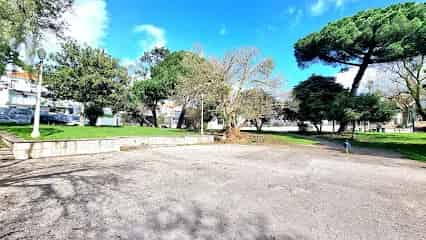
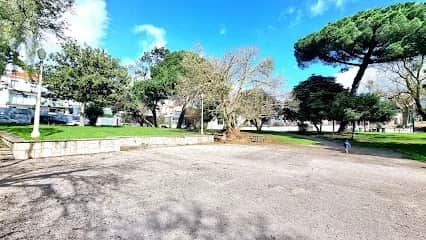 Praça de GoaPraça de Goa, 1400-184 LisboaBelémParks & Gardens
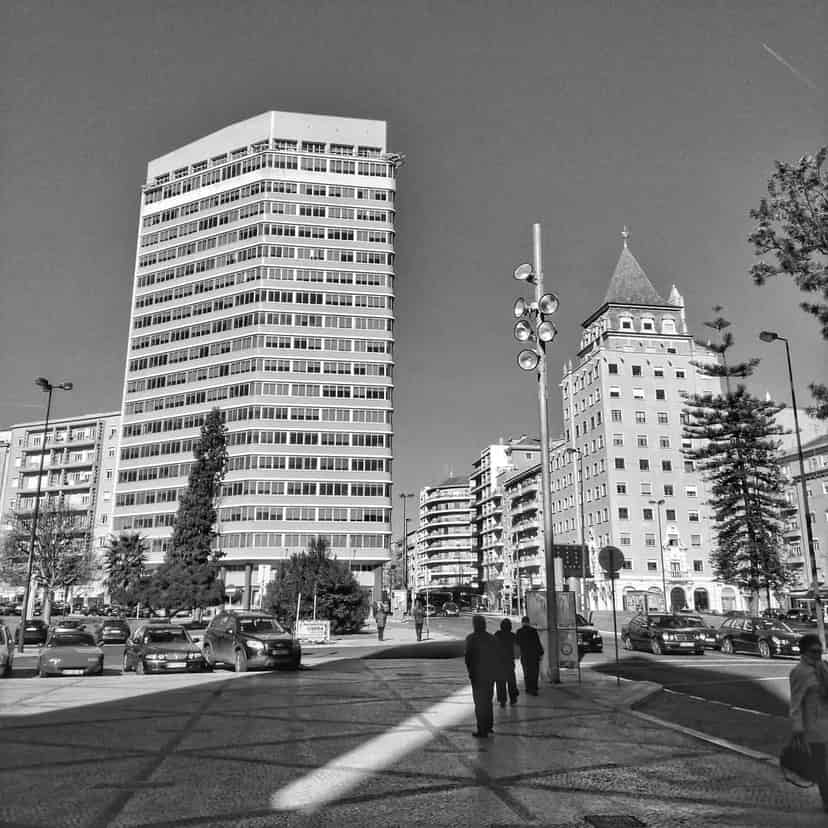
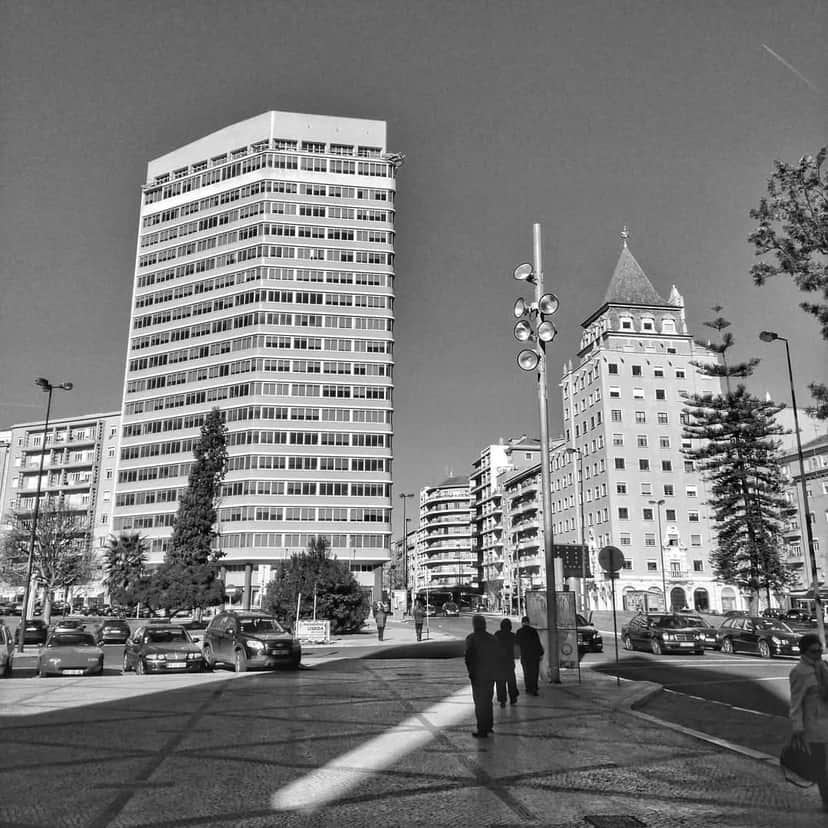 Praça de LondresPraça de Londres is a square in the Bairro do Areeiro, designed in 1938 by the architect and urban planner João Faria da Costa, in the parish of Areeiro. At the centre of the square there is a garden; on the western side stands the Igreja de São João de Deus, by the architect António Lino; to the north-east the Tower designed by Cassiano Branco; to the north-west the headquarters of the Ministry of Labour and Social Solidarity, by the architect Sérgio Andrade Gomes; and to the south-east the Pastelaria Mexicana, designed by the architect Jorge Ferreira Chaves.SaldanhaSquares, Streets & Bridges
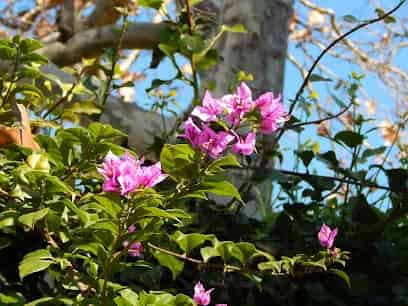
 Praça de MalacaPraça de Malaca, 1400-239 LisboaBelémParks & Gardens
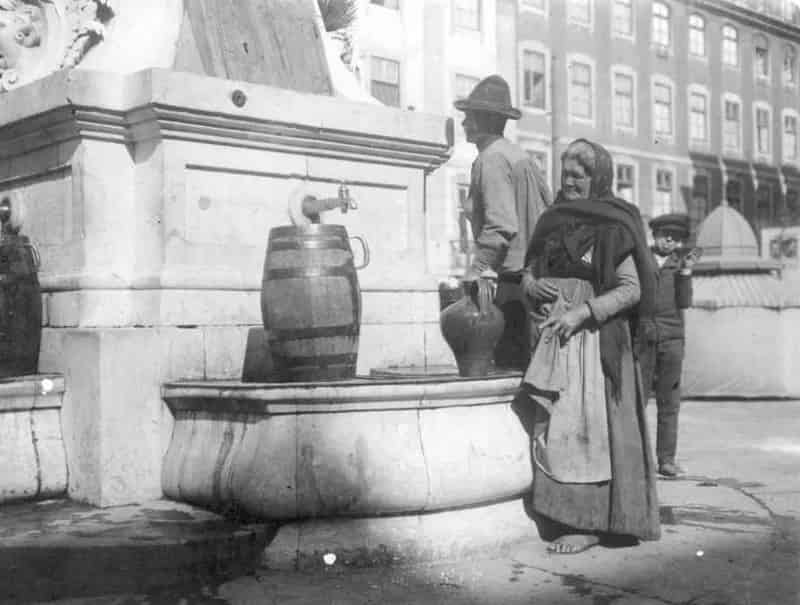
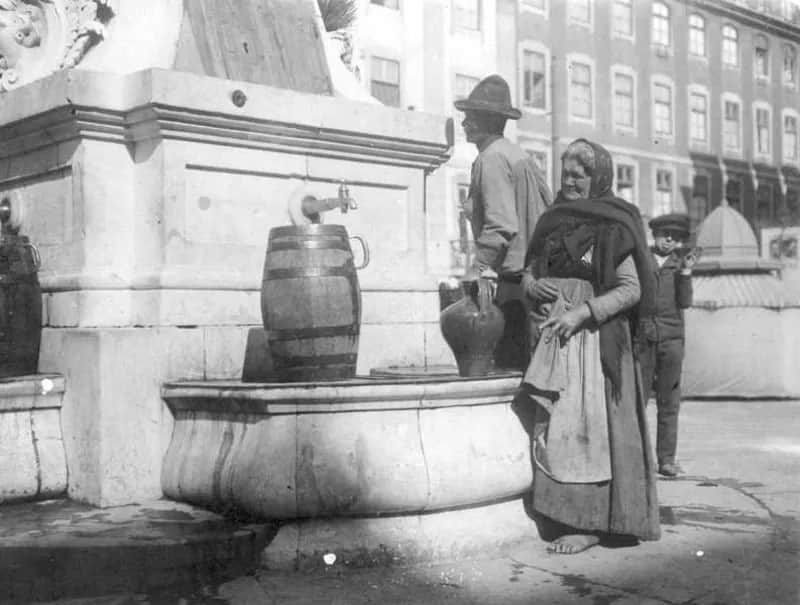 Praça de São PauloPraça de São Paulo, 1200-376 LisboaCais do SodréSquares, Streets & Bridges
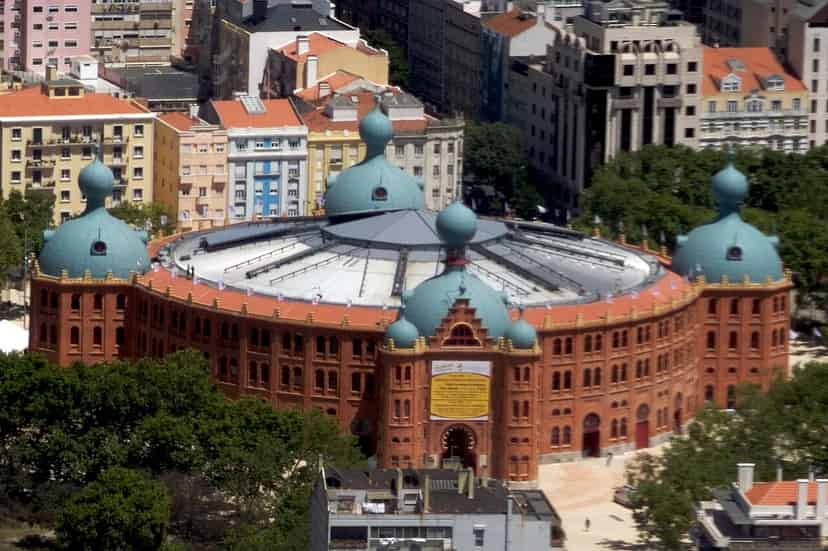
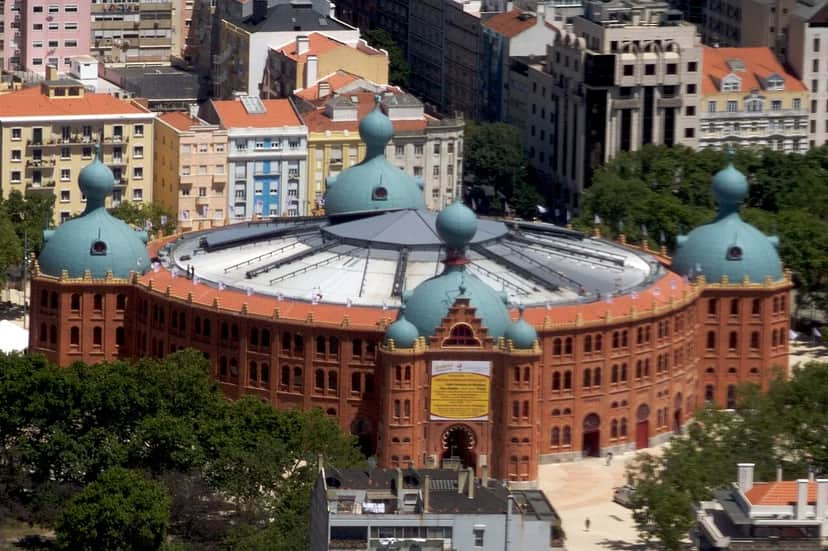 Praça de Touros do Campo PequenoThe Praça de Touros do Campo Pequeno is Lisbon's bullring, standing on Avenida da República in the Saldanha neighbourhood, at Campo Pequeno, 1000-306 Lisboa. Ground was broken in 1890 and the arena opened in 1892. Its architect, António José Dias da Silva, drew on Madrid's bullring for inspiration and worked in a neo-Mudéjar style. The structure is circular, with four octagonal towers, each crowned by an arabesque dome. Orange brickwork and Moorish arches mark its doors and windows. The western tower is the main entrance and has a turret on each side. The arena inside measures 80 metres. It has 6,848 seats for bullfighting, and the capacity rises to 10,000 people for concerts. A decree of 24 January 1983 classified the building as a Property of Public Interest. It replaced the bullring at Campo de Santana, which stood from 1831 until 1888, when an inspection barred its use because of its poor state of conservation. On 19 February 1889 the Lisbon Town Hall granted land at Campo Pequeno to Casa Pia, the institution that still organises bullfights in Lisbon. Because of financial complications, Casa Pia gave a private company the right to build and run the arena for 90 years, after which the building returns to the institution free of charge. Portuguese shareholders paid the construction cost of 161 200$000 réis and owed Casa Pia an annual rent of 3500$000 réis. A deep restoration at the start of the 21st century was completed in 2006. The outer ring stayed structurally unchanged, receiving only repairs and reinforcement, and the most significant change was a removable cover that lets the arena be used all year for different purposes. Beneath it now sit a shopping centre, restaurants, a Pingo Doce supermarket and a cinema multiplex. Rui Bento Vasques has directed the bullfighting activities since the 2006 opening. Bullfighting usually takes place in spring and summer, and a visitor was told the season runs from Easter to October. The Museu do Campo Pequeno covers the history of the building, Portuguese tauromachy and the architecture behind it. A visitor paid 3 € per person, and the ticket included a view into the arena from the upper gallery; the displays included suits worn by toreros and many bullfight photographs. The Lisbon Metro Yellow Line stops at Campo Pequeno station. Anyone not interested in bullfighting can check the schedule, since a craft market, exhibition or indoor concert offers a look at the arena floor without attending a tourada.SaldanhaSights & Landmarks
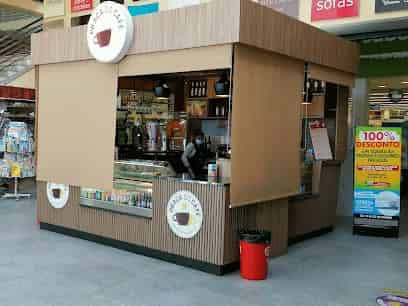
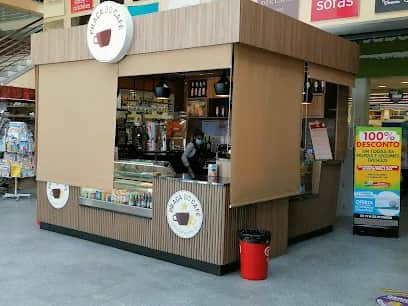 Praça do CaféTravessa da Boa Hora à Ajuda s/n, 1300-100 LisboaAlcântaraCafés & Coffee Shops
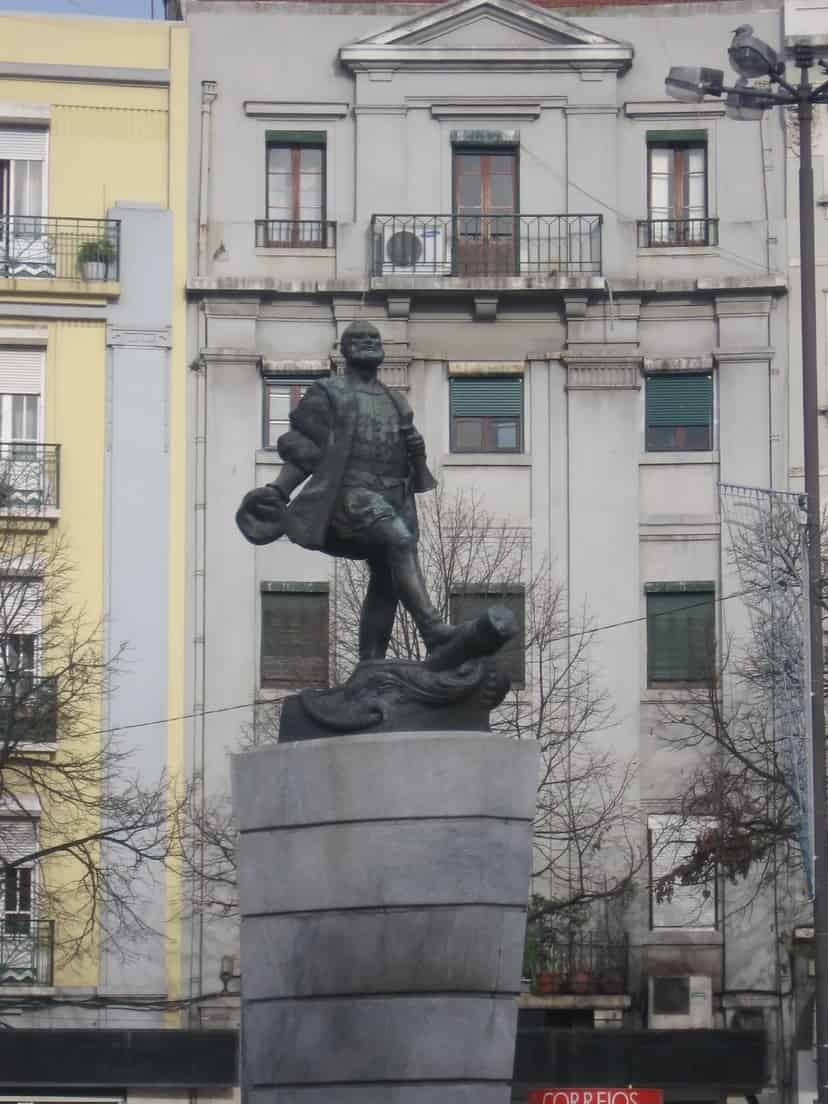
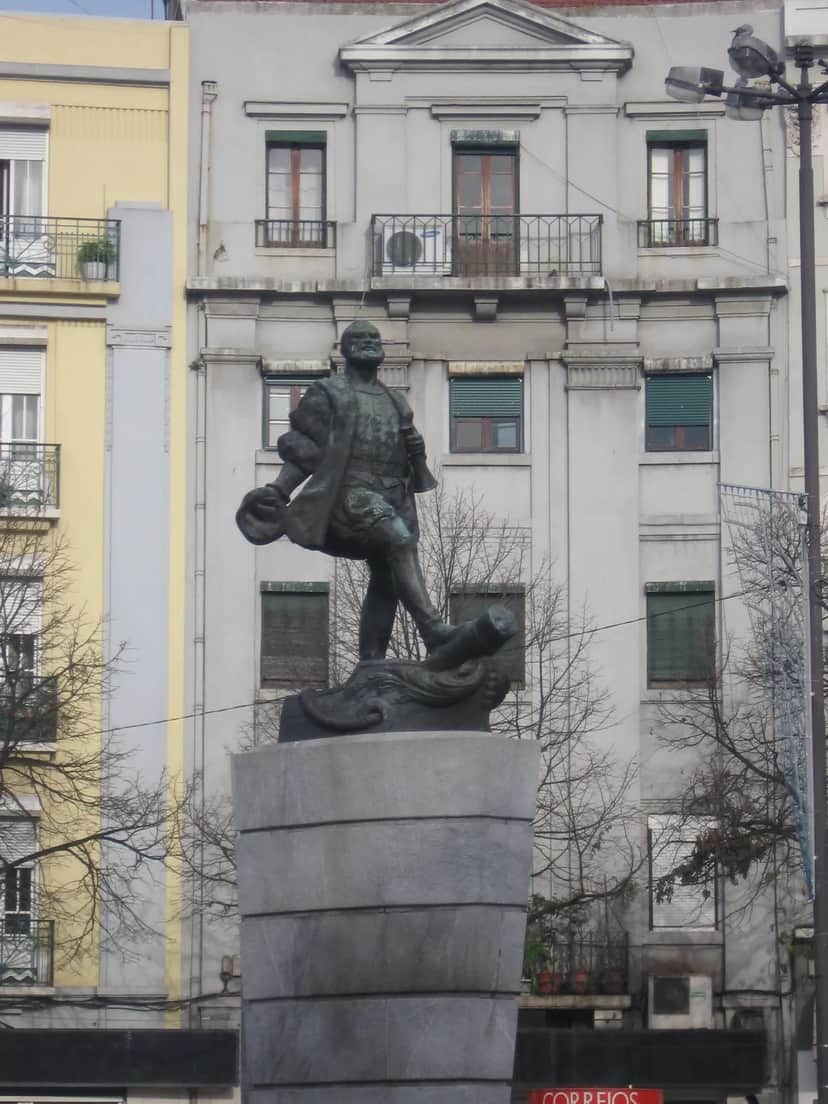 Praça do ChilePraça do Chile is a square in the parish of Arroios, Lisbon. It took its current name in 1928 in honour of the Republic of Chile.SaldanhaSquares, Streets & Bridges
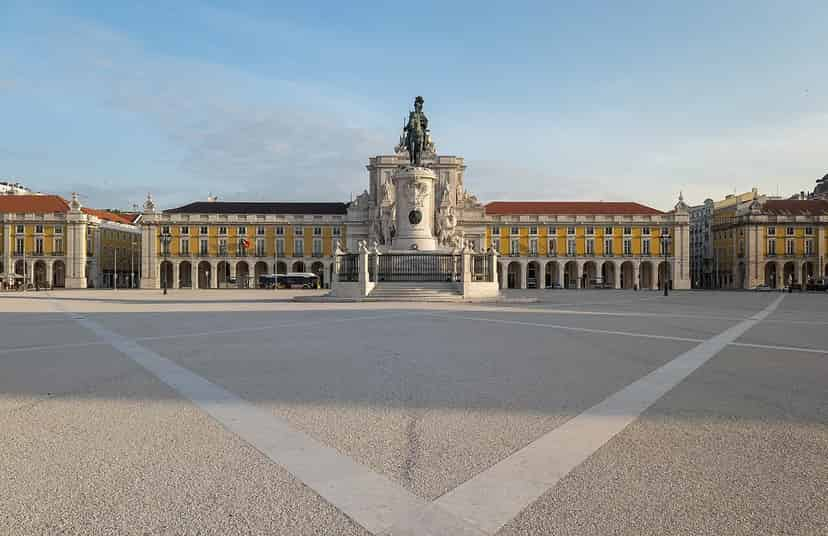
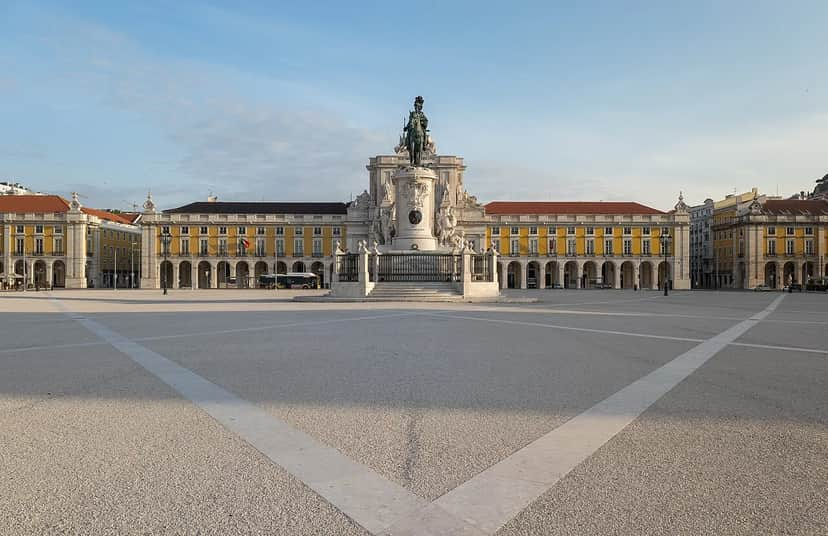 Praça do ComércioThe square facing the harbor in Lisbon’s Baixa district, is officially known as Praça do Comércio (Portuguese for “Square of Trade”). Located at 1100-148 Lisboa, it is 175 meters on each side and covers approximately 30,600 square meters, making it one of the largest public squares in Europe. Locally, it is known as the Terreiro do Paço or “square of the palace” and commemorates the palatial building which was formerly located there. The Ribeira Palace was constructed outside Lisbon’s city walls by King Manuel I. Later, a ship building yard (the Ribeira das Naus) and the Casa da Índia were built. On November 1, 1755, during the reign of King José I, an powerful earthquake and subsequent tsunami obliterated the palace and most of the city. Jósé I's Prime Minister, The Marquis of Pombal, directed the rebuilding of many areas of Lisbon after the 1755 earthquake. With arcades, the plan finished with two large towers. The east tower, and Augusta Street Arch, which was designed by Santos de Carvalho, were completed much later, in the 19th century. The statues atop the Arch, completed in 1873, depict important Portuguese figures such as Vasco da Gama and the Marquis of Pombal. In the 19th century, important Portuguese government ministries such as Agriculture and Maritime, and Internal Administration, and Finance, were located in the square. Before the Carnation Revolution, important ministries such as the War and Navy, and the Colonies ministries, were also located in the square. The square thus represented the entire Portuguese Government. Currently, the metro station is located beneath the plaza. On one side, a ferry terminal is situated, and trams run on the other side of the plaza. Condé Nast Traveler mentions the arcades and the Cais das Colunas, and notes that the buildings of the plaza are done in a sunflower, yellow color. According to Visit Lisboa, another good viewpoint is the Arco da Rua Augusta. From there, you can also see the Calçada portuguesa and the Tejo river. The sculptor Machado de Castro, created the 1775 equestrian statue of King Jose I, with his horse Gentil, and crushing the snakes. The Pousada de Lisboa is situated next door and is the former Interior Ministry.BaixaSquares, Streets & Bridges
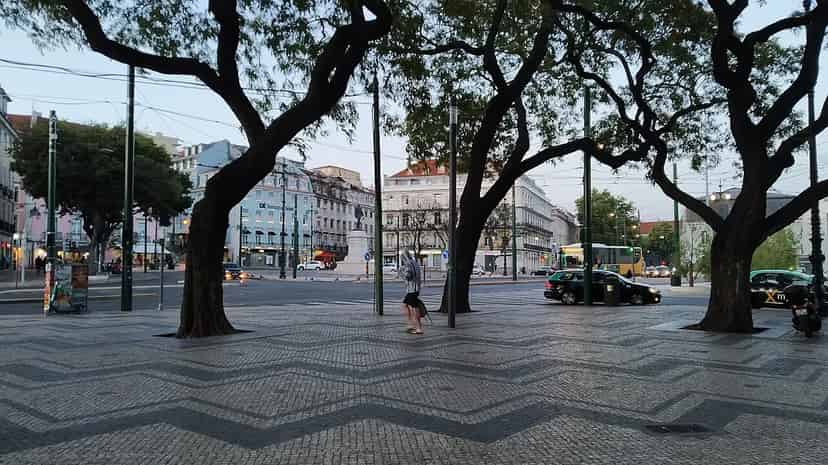
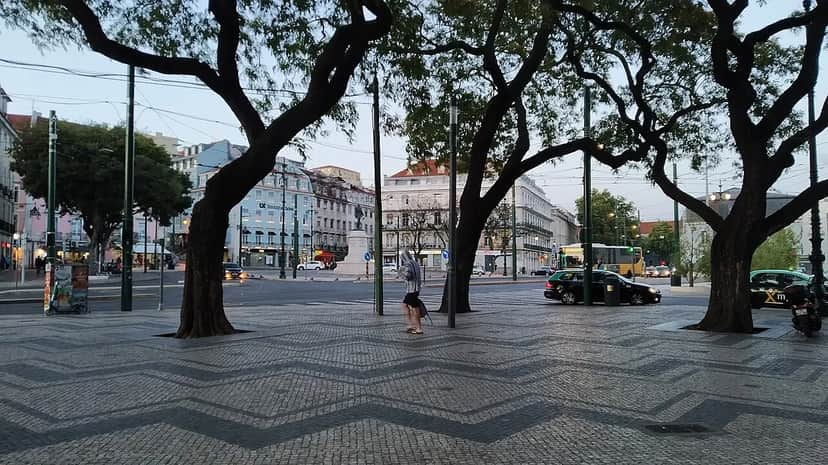 Praça do Duque da TerceiraPraça do Duque da Terceira, 1200-371 LisboaCais do SodréSquares, Streets & Bridges
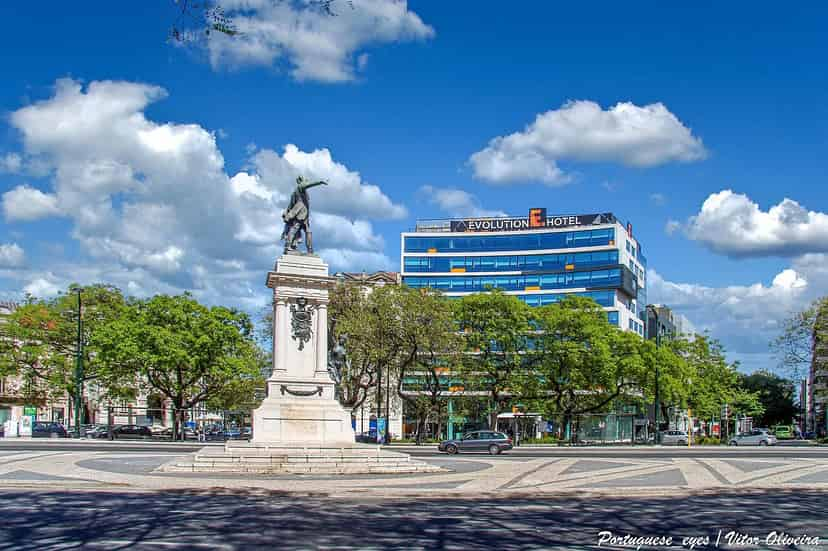
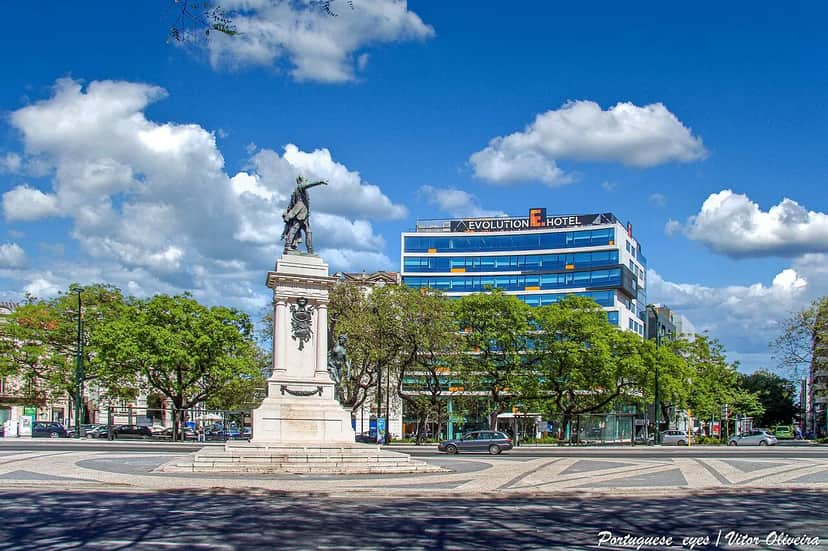 Praça do Duque de SaldanhaPraça do Duque de Saldanha is one of the main squares in the city of Lisbon, shared by the parishes of Arroios and Avenidas Novas. It took its current name in 1909, in honour of Marshal the Duke of Saldanha. Two of Lisbon's main avenues meet at the square: Avenida Fontes Pereira de Melo to the south and Avenida da República to the north. Avenida Praia da Vitória and Avenida Casal Ribeiro also converge on the square.SaldanhaSquares, Streets & Bridges
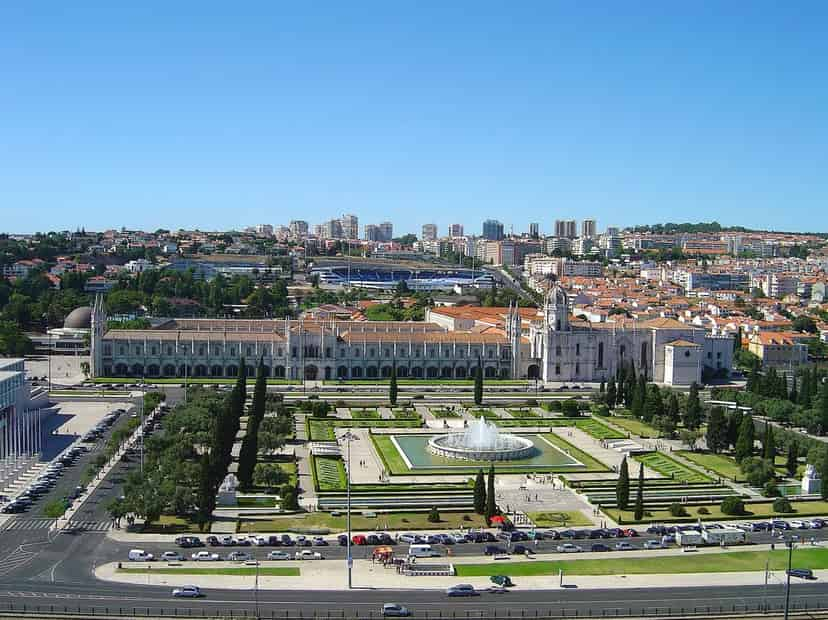
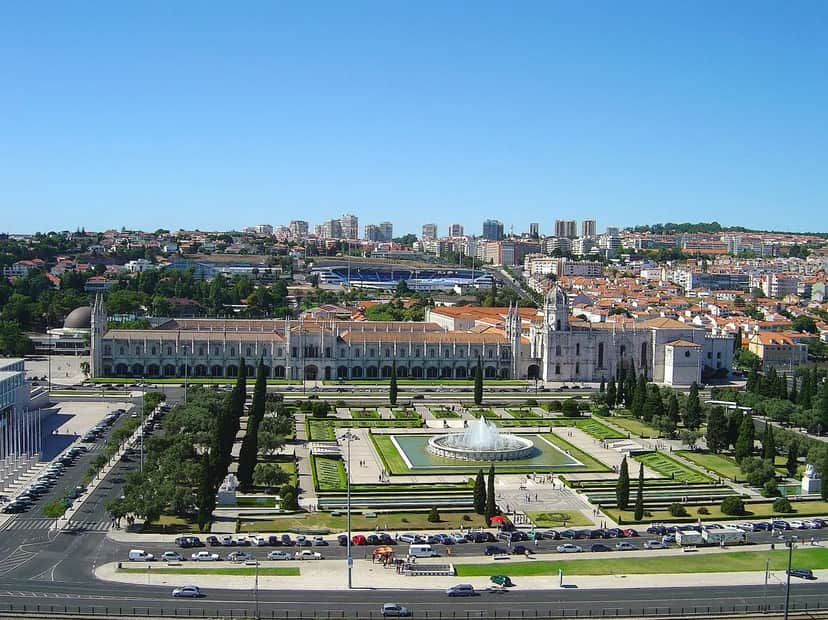 Praça do ImpérioThe Jardim da Praça do Império is a 3.3-hectare public garden in Lisbon, in the parish of Belém, near the Mosteiro dos Jerónimos. It was built in 1940 on the occasion of the Grande Exposição do Mundo Português, in an area formerly known as "praia do Restelo". The central lake displays coats of arms of navigators from the Age of Discovery, and the gardens feature 30 floral coats of arms representing the Portuguese districts, the archipelagos and the former colonies, as well as the crosses of Christ and of Avis.BelémSquares, Streets & Bridges
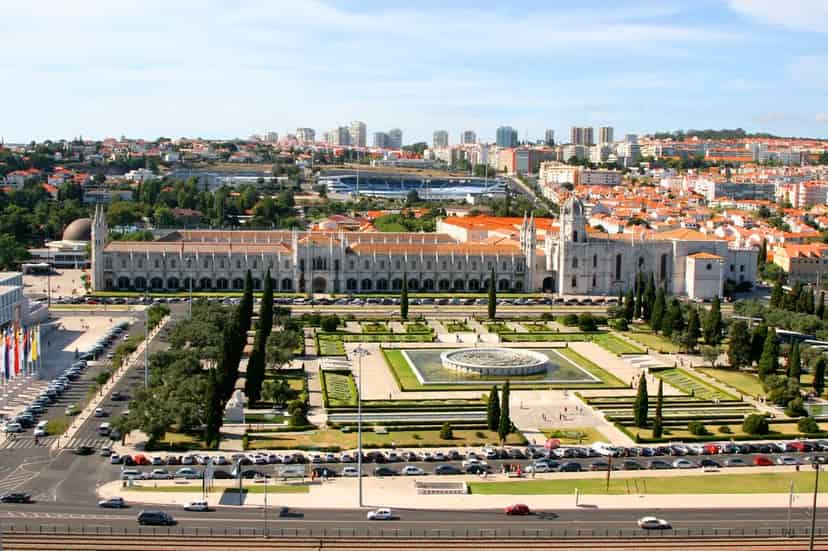
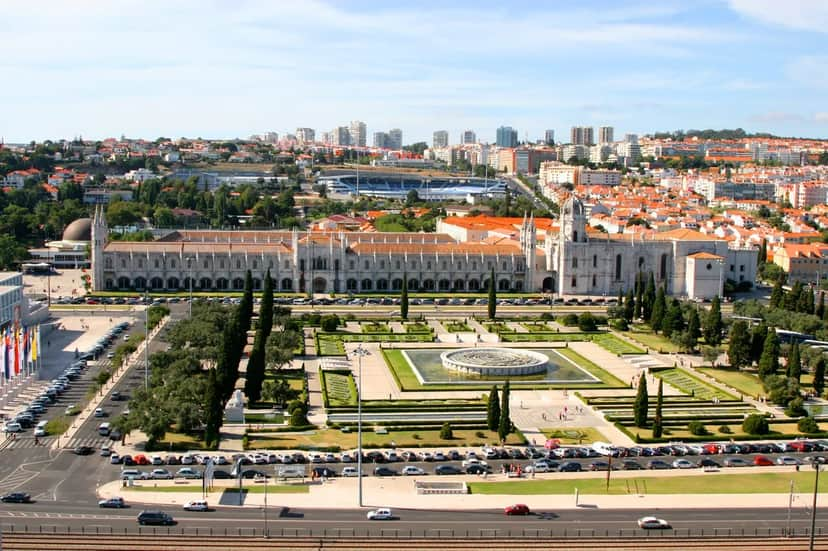 Praça do ImpérioThe Jardim da Praça do Império is a garden located in Lisbon.BelémParks & Gardens
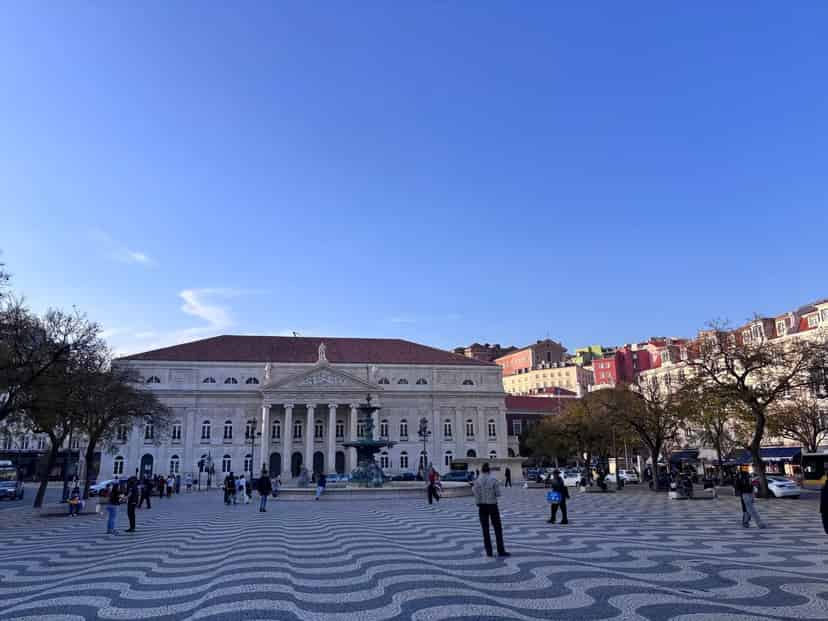
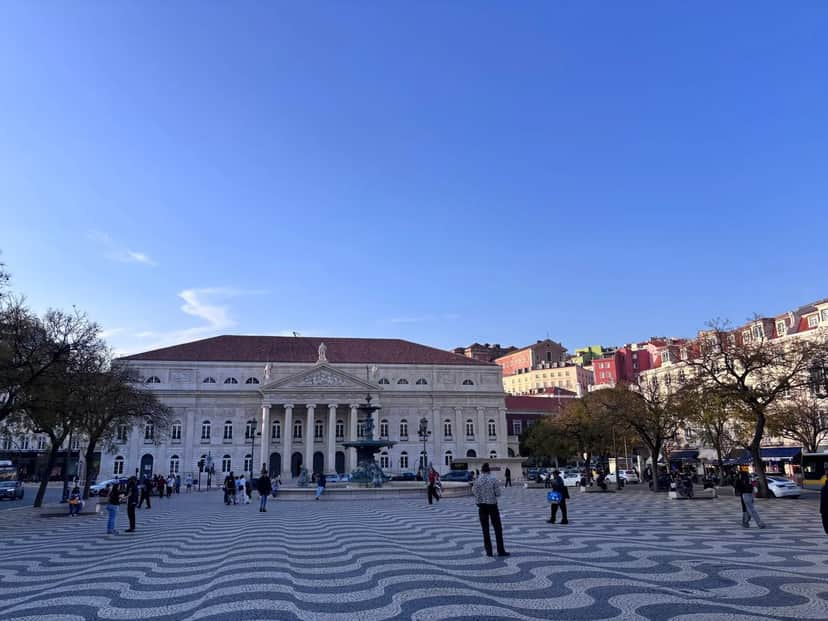 Praça Dom Pedro IVThe formal name of the square in Lisbon's Baixa district, which is commonly known as Rossio, is Praça Dom Pedro IV. 'Rossio' is a type of large public square, and this is an old name of the site. The formal name of the square, in honor of Pedro IV, the Portuguese king and the first Brazilian emperor, was given in the 19th century; however, the old name is still used. Rossio is free to use by the public, at all hours. The landmarks on the square are often visited and photographed by tourists. A prominent landmark of the square is the column with Pedro IV's bronze statue. The column is 23 m high, and was erected in 1870. Statues of allegorical figures of various virtues are situated at the bottom of the column. It is rumored that the statue was commissioned to portray Maximilian of Mexico; however, this is not historically accurate. The site has two identical baroque fountains on the side of the column, that are decorated by figures of mythical beings. At night the fountains are illuminated. The center of the square has been closed to vehicular traffic, and is paved with a wave like design of black and white stones. People use the benches of the square, and the pedestal of the monument, to meet. Taxis and other means of transport circle the center. The magnificent Teatro Nacional Dona Maria II is the crowning glory of the north side of the square. Erected in the mid-1800s in the Neoclassical style, the theater was built on the site of the Estaus Palace of the 1400s, where the headquarters of the Inquisition was located. A fire destroyed much of the interior of the theater in 1964, and it wasn’t until 1978 that the theater reopened to the public. The facade of the theater is topped by a pediment upon which sculptures of Apollo and the muses are carved, and is supported by six Ionic columns. Rossio railway station, located on the northwest corner of the square, was the Central station of Lisbon when it opened in 1887. The Neo-Manueline style of the facade frames a set of horseshoe arches, and currently services trains to Sintra. The Rossio station of the Lisbon Metro, on the Green line, provides access to the square. The square is known for its bustling cafe culture.BaixaSights & Landmarks

 Praça do Tejo Gastropub MarvilaRua 3 da Matinha s/n, 1950-132 LisboaLisbonRestaurants
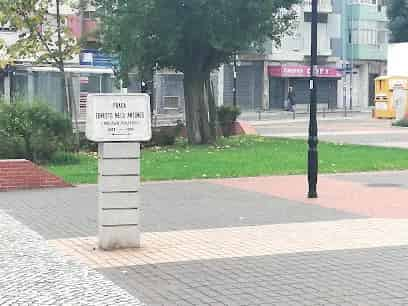
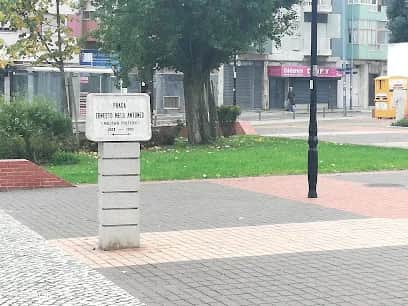 Praça Ernesto Melo AntunesRua Ernesto Melo Antunes s/n, 2700-193 AmadoraAmadoraParks & Gardens
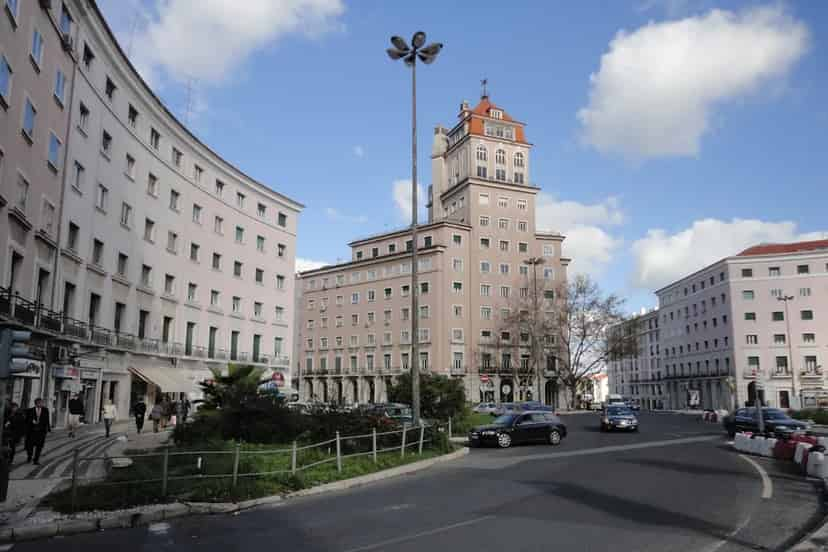
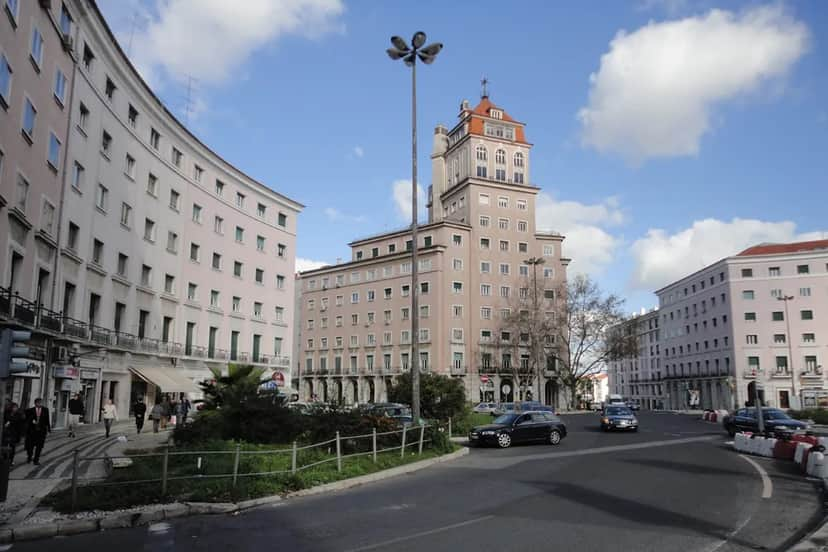 Praça Francisco Sá CarneiroPraça Francisco Sá Carneiro, better known as Praça do Areeiro, lies on the border between the former parishes of São João de Deus and Alto do Pina, now combined into the parish of Areeiro. The square forms part of the plan for the Bairro do Areeiro, designed in 1938 by the architect and urban planner João Faria da Costa, with the design of the square's buildings entrusted to the architect Luís Cristino da Silva. The square is unanimously regarded as one of the landmarks of the style known as Português Suave.LisbonSquares, Streets & Bridges
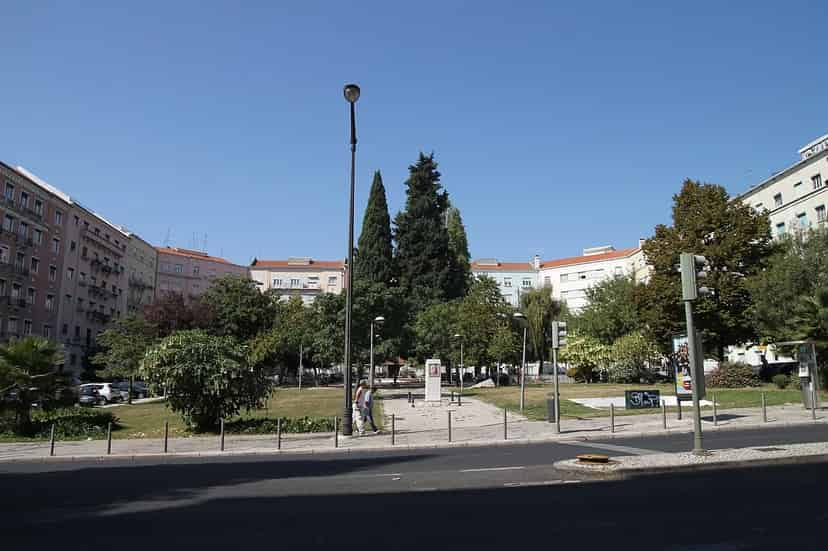
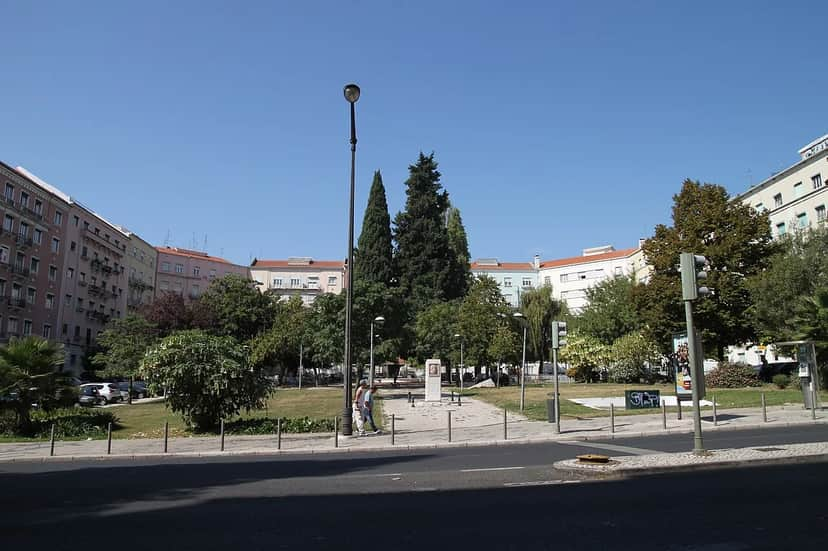 Praça João do RioPraça João do Rio is a square in the city of Lisbon, Portugal.SaldanhaSquares, Streets & Bridges
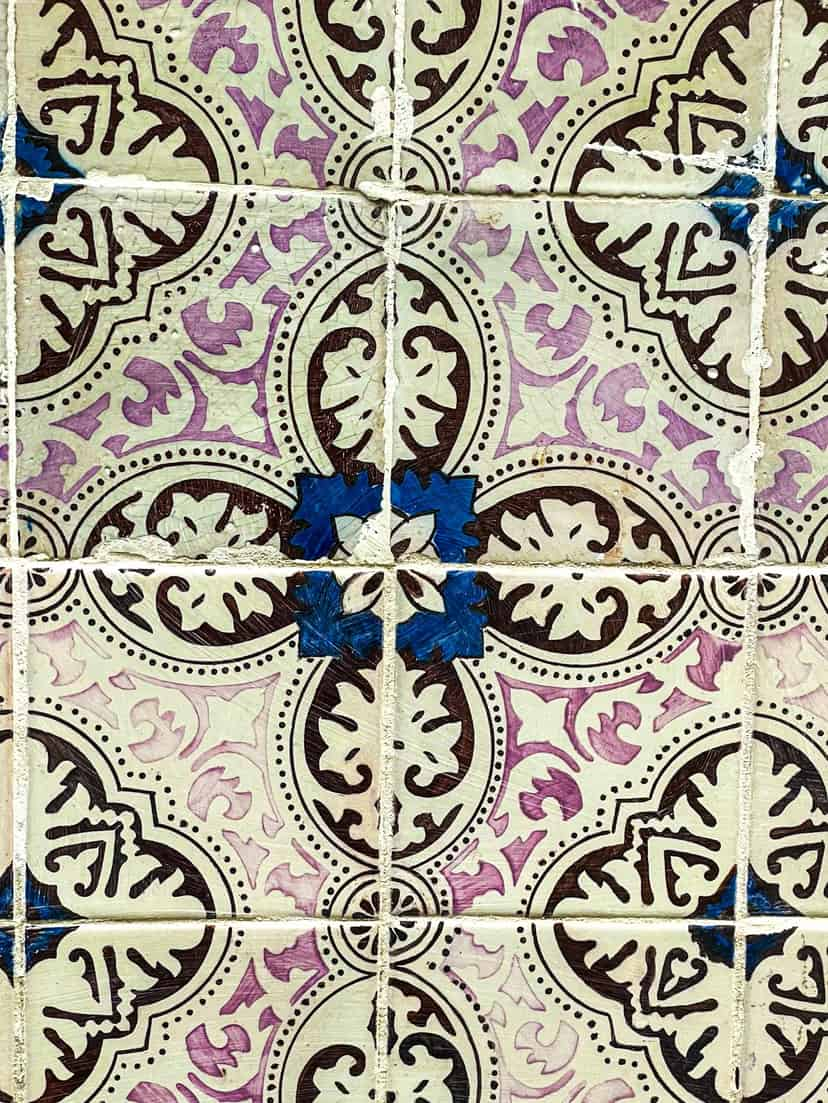
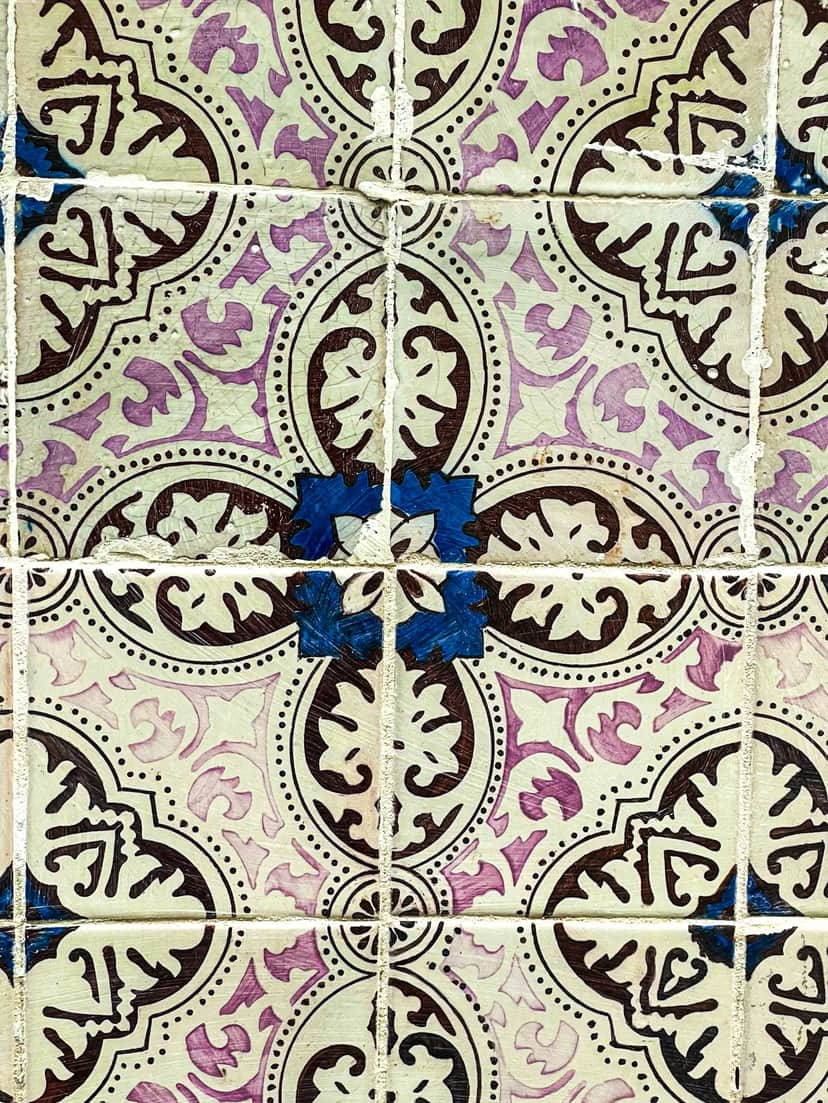 Praça João do Rio ou O Segundo Poema do Português ErranteIrregularly shaped stone block located in the garden of Praça João do Rio, bearing the inscription of a poem by Manuel Alegre: Praça João do Rio ou o Segundo Poema do Português Errante.SaldanhaMonuments & Historic Buildings · Illustrative photo
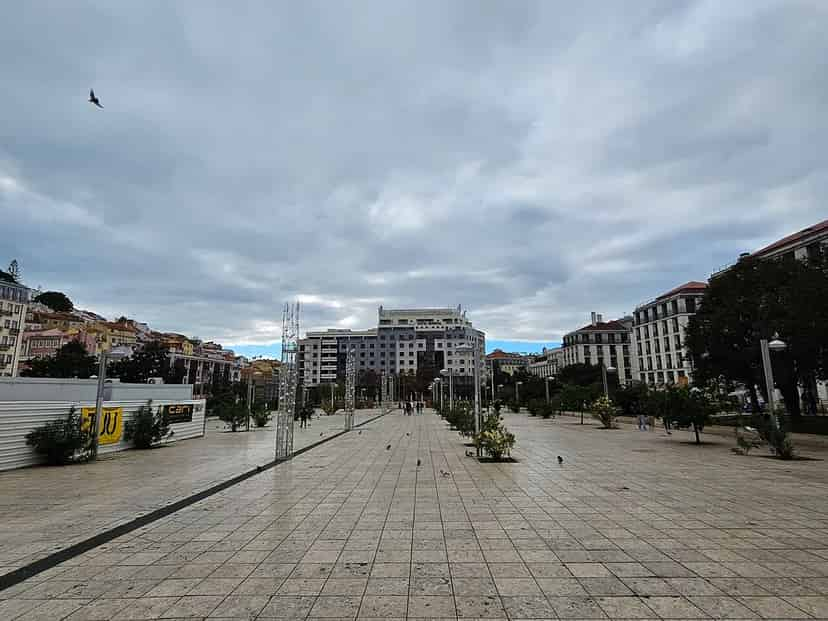
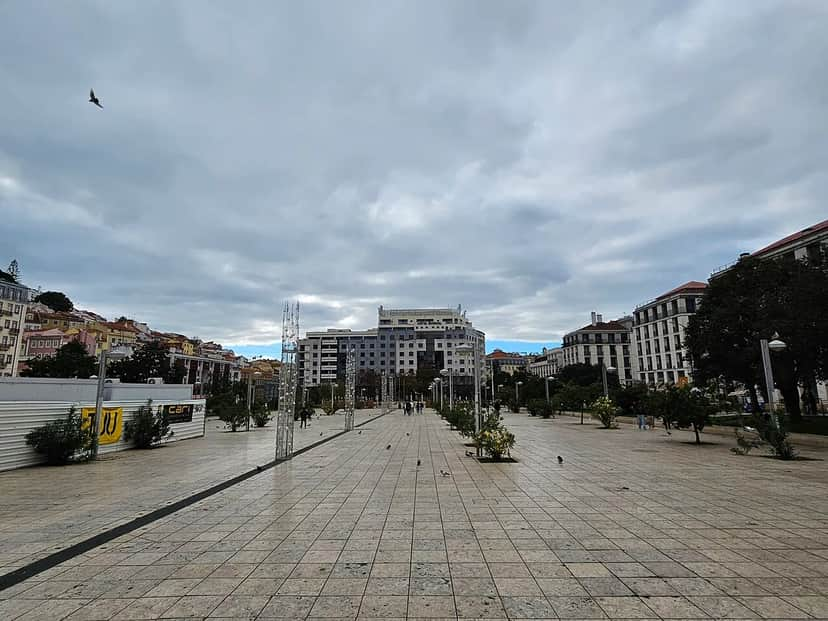 Praça Martim MonizRua Martim Moniz, 1100-342 LisboaMourariaSquares, Streets & Bridges
Powered by Foursquare ·Photo and data credits ▾
Photos: Mapcarta · Kyle Taylor from London, 84 Countries (CC BY 2.0), via Wikimedia Commons · Vanbasten 23 (CC BY-SA 3.0), via Wikimedia Commons · Jogador.pensador (CC BY-SA 3.0), via Wikimedia Commons · cm-amadora.pt · DataForSEO · Joshua Benoliel (Public domain), via Wikimedia Commons · Ricardo Liberato (CC BY-SA 2.0), via Wikimedia Commons · CorreiaPM (Public domain), via Wikimedia Commons · Jules Verne Times Two (CC BY-SA 4.0), via Wikimedia Commons · Ivanhercaz (CC BY-SA 4.0), via Wikimedia Commons · Vitor Oliveira from Torres Vedras, PORTUGAL (CC BY-SA 2.0), via Wikimedia Commons · Fernando de Sousa from Melbourne, Australia (CC BY-SA 2.0), via Wikimedia Commons · Manuelvbotelho (CC BY-SA 3.0), via Wikimedia Commons · João Carvalho (CC BY-SA 3.0), via Wikimedia Commons · Photo by Bernd Dittrich on Unsplash · GualdimG (CC BY-SA 4.0), via Wikimedia Commons · Data: © OpenStreetMap contributors · Wikidata (CC0) · Wikipedia (CC BY-SA 4.0)
