

Filters (0)
Rating▾
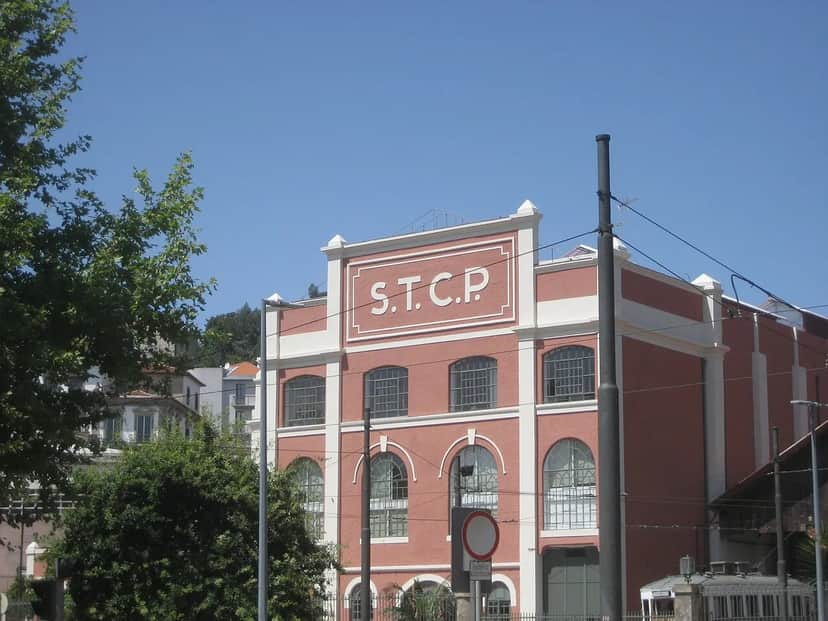 Museu do Carro EléctricoMassarelos · MuseumsThe Tram Museum, or Museu do Carro Eléctrico, is housed in Massarelos, Portugal, on the shores of the Douro River, in the building located at Alameda Basílio Teles 51, 4150-127. It was opened in 1992. The museum celebrates the history of urban light rail systems in Porto and displays various trams and related service vehicles. It also exhibits a trolley bus, which is drawn by a horse, and which was used in Porto in the year of our Lord 1872. The museum is housed in the former Massarelos power plant, which is protected as part of the city's architectural heritage. The museum displays various equipment and transformers that were used in the power plant to generate and distribute electricity to the city's urban tramways. The museum offers educational and entertaining activities and has a documentation center. Various events and celebrations can be organized at the museum, including the rental of the museum's facilities and trams. The museum does not have a restaurant or cafe, but one should be constructed in the future. The museum is open from Tuesday to Sunday, 10:00 to 18:00, with last entry at 17:30. It is closed on 25 December, 1 January, and Easter Sunday (at 13:00). Adult tickets are €8, and youth and student tickets, ages 6 to 18, are €4. Family tickets, which include 1 adult and 1 child/youth, are €8, with an additional adult for €5 and child/youth for €3. Children, 6 and under, as well as Porto Ponto cardholders, are free. Tickets can be purchased at the museum the day of your visit. There are free admissions on the day of the Electric Car Parade (first Saturday of May), International Museum Day (18 May), and the Entrelinhas event. Tram tickets are sold on board. Booked groups can schedule Portuguese and English tours. The ZoomGuide provides audio and written info in 7 languages. The museum is reachable by the STCP bus lines 403, 500, and 900, and the Porto Tram lines 1 and 18.
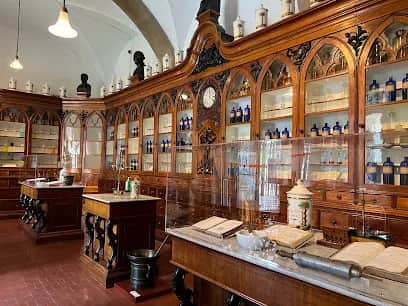 Museu do Centro Hospitalar do PortoMiragaia · MuseumsRua Professor Vicente José de Carvalho 3, 4050-623 Porto
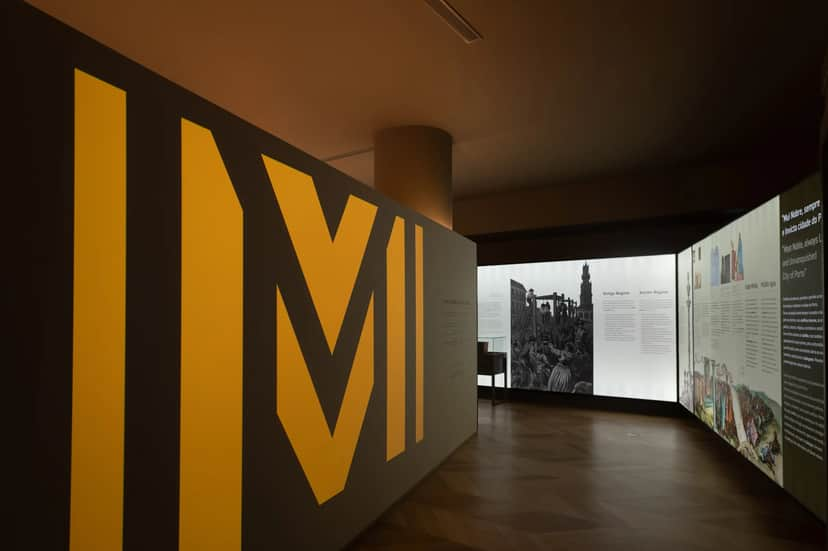 Museu do ConflitoMiragaia · MuseumsMuseum of Conflict Judicial Museum of the Porto Court of Appeal
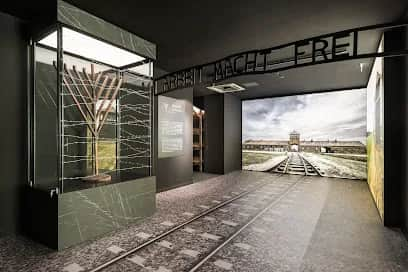 Museu do Holocausto do PortoBoavista · MuseumsRua do Campo Alegre 790, 4150-171 Porto
 Museu do Instituto Superior de Engenharia do PortoPorto · MuseumsCreated in 1999, the ISEP Museum gathers and exhibits a collection of scientific and educational instruments used in the institution's offices and laboratories since the founding of the Industrial School in 1852, documenting the evolution of engineering education over the last 175 years. It covers areas such as Physics, Electrical Engineering, Mining Engineering, Mechanics, Chemistry and Civil Engineering, and also has a library with more than two thousand titles, including bibliographic rarities, and a documentary archive. It has been part of the Portuguese Museum Network since August 2015.
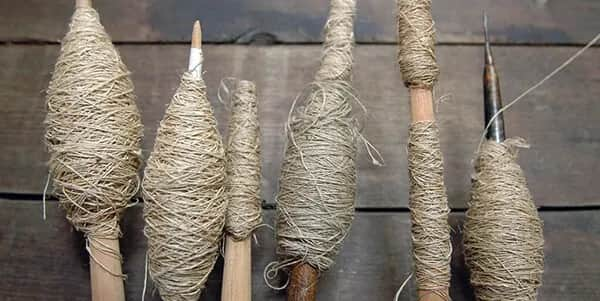 Museu do Linho e do LinhoPorto · MuseumsRua Carlos de Oliveira 207, 4465-055 São Mamede de Infesta
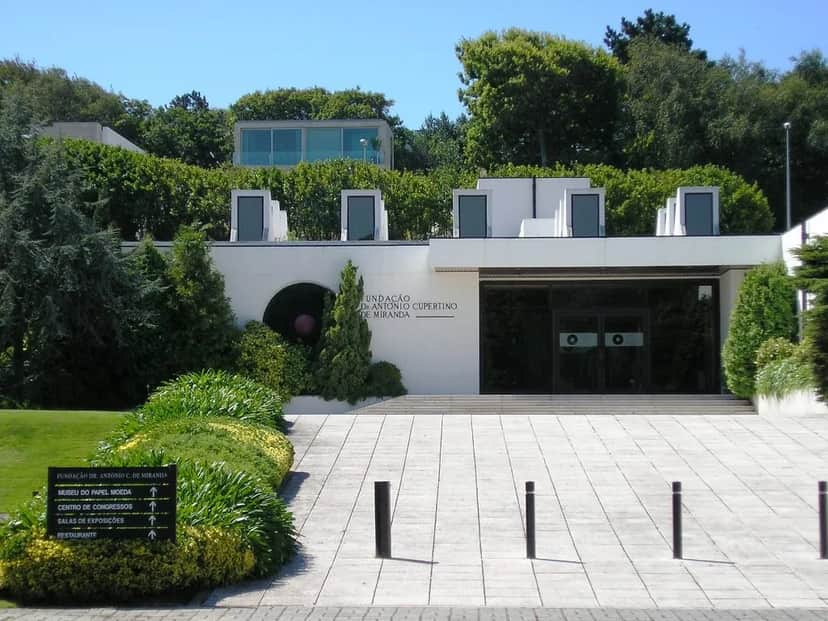 Museu do Papel MoedaPorto · MuseumsAvenida da Boavista 4245, 4100-140 Porto
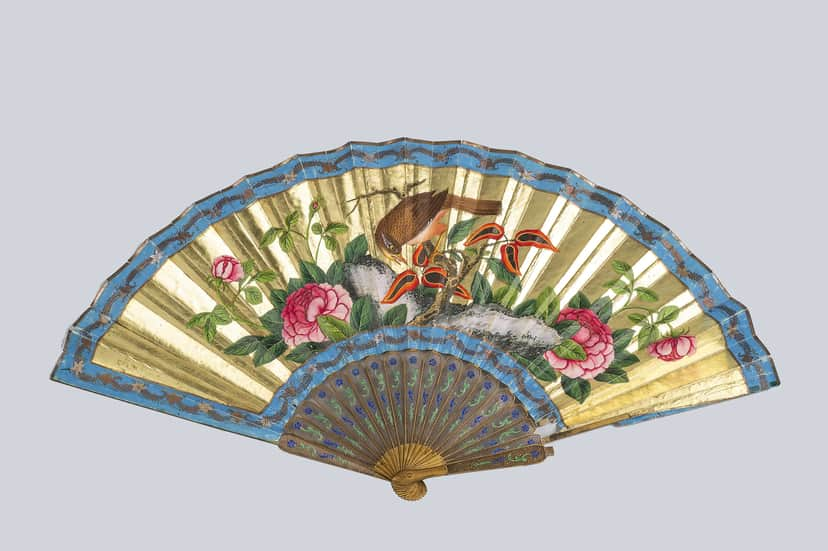 Museu do RomânticoMassarelos · MuseumsThe Romantic Museum is one of the museum centres of the Museu da Cidade do Porto, in Portugal.
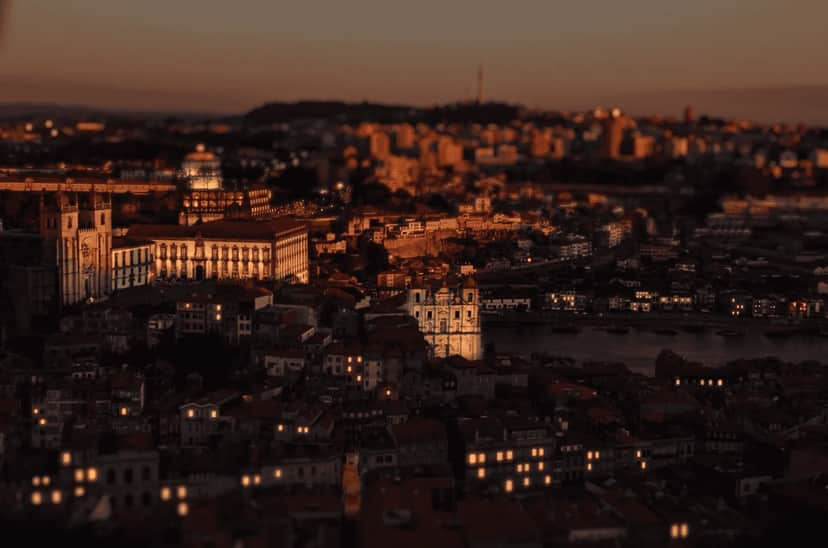 Museu dos ClérigosBaixa · MuseumsA landmark of the city of Porto, dominating the landscape since 1763.
 Museu do SexoCedofeita · MuseumsSex Museum Portugal is the first and only museum dedicated to the history, art and culture of sexuality in Portugal, located on Rua do Breiner in the heart of Porto. It presents provocative artistic and historical collections and experiences for individual visitors, couples, hen and stag parties and groups, including private and corporate events. It is open every day from 10am to 7pm.
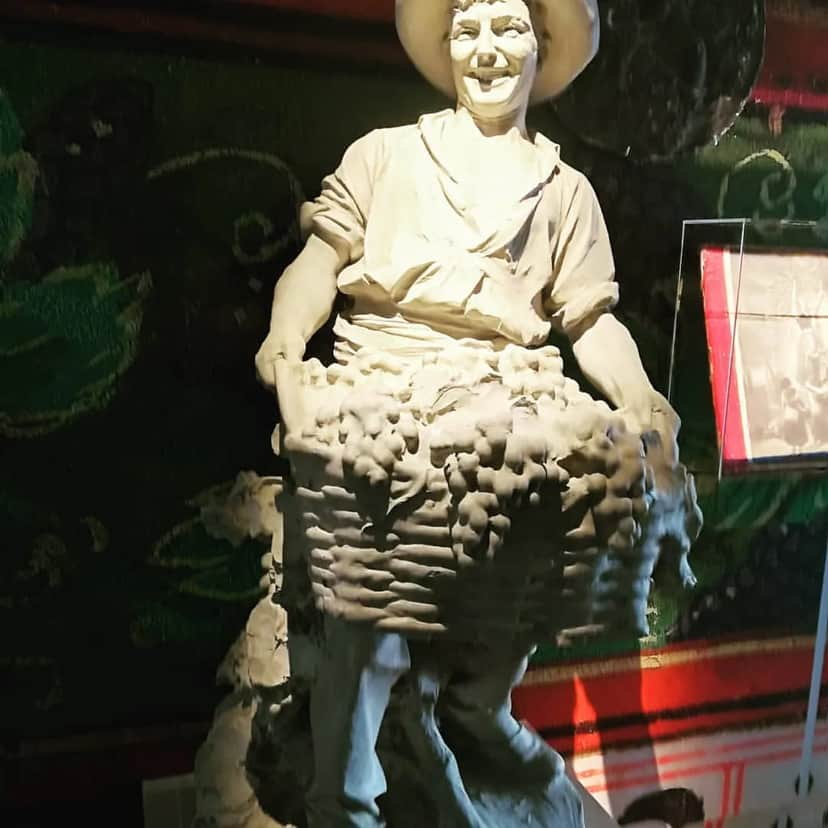 Museu Do Vinho Do PortoRibeira · MuseumsThe Museu do Vinho do Porto is located at Rua da Reboleira 37 in Porto’s Ribeira district and is dedicated to the production and history of Portugal’s famous Port Wine. Its collection is on display Tuesday through Sunday, 10 a.m. to 5:30 p.m. This museum is part of the Museu da Cidade (City Museum) network operated by the Municipality of Porto and is separated from commercially operated wine tasting facilities, across the river in Vila Nova de Gaia,. The economic impact of Port Wine helps to shape Porto and the Douro Valley regions. Other exhibits look at how this trade influenced the social and urban development of these two regions. The exhibitions cover all four floors of the museum. At the end of the tour, visitors receive a sample of Port. The museum is archival-based, academic, and contemplative. It's described as a haven or peaceful sanctuary from the hustle and bustle of riverfront tourism. There are several visitor services nearby. The Ribeira Ticket office is 215 meters away, the Vila Nova de Gaia Tourism Office is 291 meters away, the Mercadores Ticket Office is 324 meters away, and the Tourism Offices of Sé and Gaia are 398 and 512 meters away, respectively. Museums in the vicinity include the Portuguese Photography Center (506 meters away), the Porto region Across the Ages museum (518 meters away), the Atkinson museum (560 meters away), The Art of Drinking (575 meters away), the Pink Palace (617 meters away), Wondersense museum (747 meters away). Finally, Porto wine lovers can go on a visit to the Porto wine museum to learn about the history, trade and regulation of the wine, and enjoy a taste of port at the end.
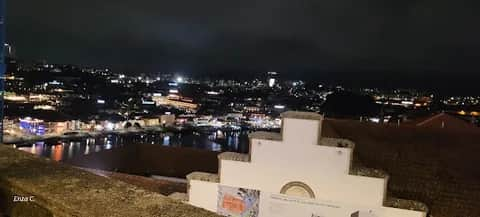 Museu do VitralRibeira · MuseumsCluster of museums, restaurants & bars in cellars, telling the story of Porto's port wine industry.
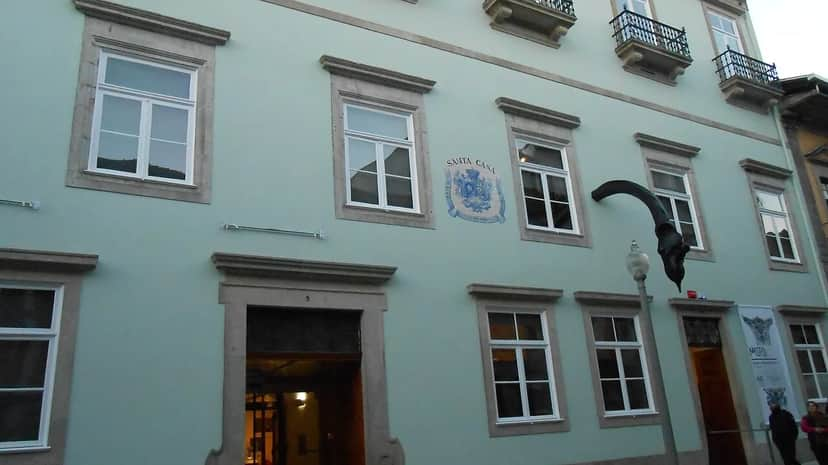 Museu e Igreja da Misericórdia do PortoRibeira · MuseumsRua das Flores 15, 4050-265 Porto
 Museu Futebol Clube do PortoCampanhã · MuseumsThe Museu Futebol Clube do Porto stands in the Campanhã neighbourhood of Porto, at Via Futebol Clube do Porto s/n, 4350-415 Porto, next to Estádio do Dragão. It opened in September 2013, timed to coincide with the club's 120th anniversary. The museum is a private institution of public utility, and its purpose is to preserve and share the tangible and intangible heritage of FC Porto. It also explores the club's strong connection to the city, gathering collections that bear witness to Porto identity. Technology shapes the way the story is told. Holograms, touchscreens and sensory installations run through several thematic zones, so the traditional trophy room becomes an immersive historical archive. Beyond its role as a place of memory, the museum describes itself as an active centre for research, education and culture, offering its collection to the community and to national and international audiences. The silverware on show covers European Champions League trophies, Intercontinental Cups and domestic league titles. Several individual pieces mark turning points in the club's history. Visitors can see the ball with which Zé Maria scored the first Porto goal in European competitions, the original Intercontinental Cup, Fernando Gomes' Golden Boots from the 1980s, and the cap of José Maria Pedroto. The Arsenal Cup is also part of the collection. Historic match balls, vintage boots and other personal artifacts complete the memorabilia. The museum opens on Mondays from 14:30 to 19:00, and from Tuesday to Sunday from 10:00 to 19:00. Admission is free for children aged 0 to 4. It costs €10.00 for ages 5 to 12, €15.00 for visitors aged 65 and over, and €20.00 for adults. Questions can be sent to museu@fcporto.pt. Accessibility is documented in some detail. The main entrance has a ramp that can be used autonomously, with a door at least 78 cm wide, and a customer service desk near the entrance is set at a height suited to wheelchair users. The building has more than one floor, and visitors can change levels by lift or by steps. The lift cabin is big, with highly embossed, contrasting buttons, and the three steps have a handrail. An adapted toilet is available, and parking reserved for people with reduced mobility lies next to the museum. Support staff, sign language guides and audio guides are offered, and assistance dogs are allowed. Signposting is present, although the accessibility report notes that interior lighting is not adequate.
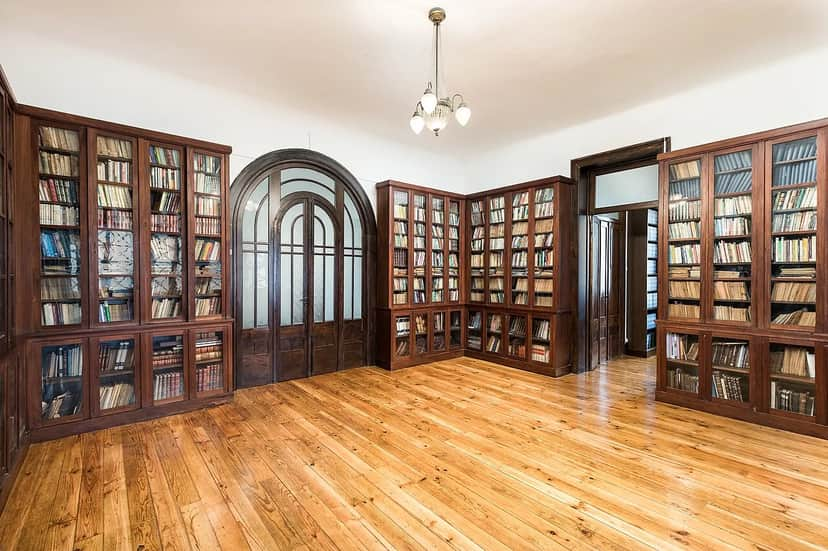 Museu Judaico do PortoBoavista · MuseumsThe Porto Jewish Museum was inaugurated in 2019 by the Jewish Community of Porto (CIP/CJP) in partnership with B'nai B'rith International. In the inauguration speech, the President of this Jewish organisation, the oldest in the world, said: "This Jewish Museum will mark the awakening of Jewish life in Portugal and serves as a beacon of light for the rest of Europe, a land today darkened by resurgent antisemitism".
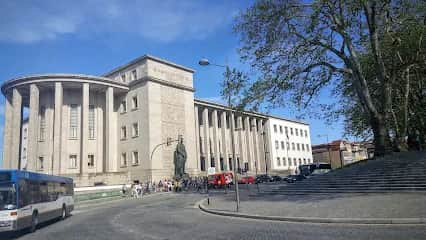 Museu Judiciário do Tribunal da Relação do PortoMiragaia · MuseumsCampo dos Mártires da Pátria, 4099-012 Porto
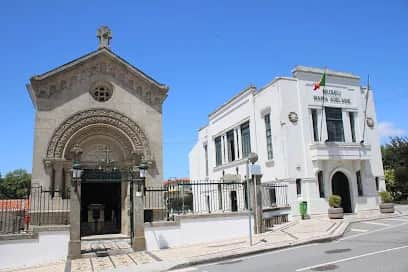 Museu Maria AdelaideGaia · MuseumsAvenida João Paulo II s/n, 4405-070 Vila Nova de Gaia
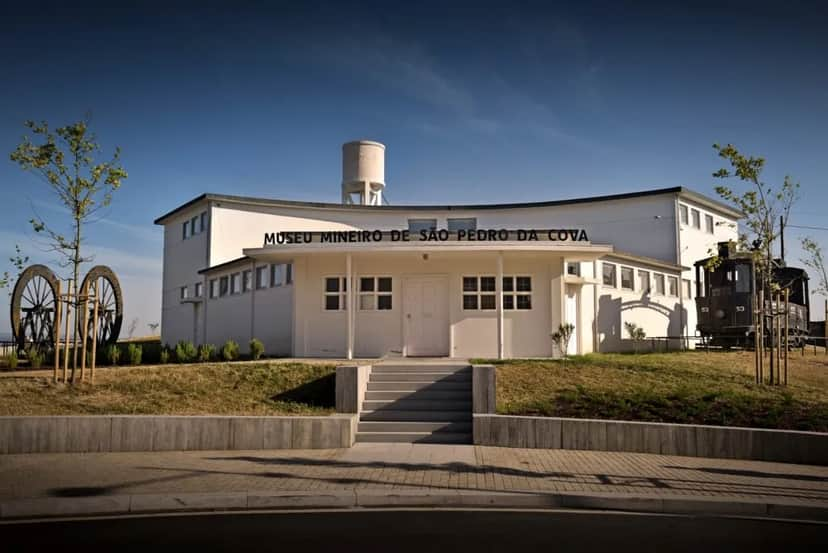 Museu Mineiro de São Pedro da CovaPorto · MuseumsRua de Silveirinhos 1, 4510-178 São Pedro da Cova
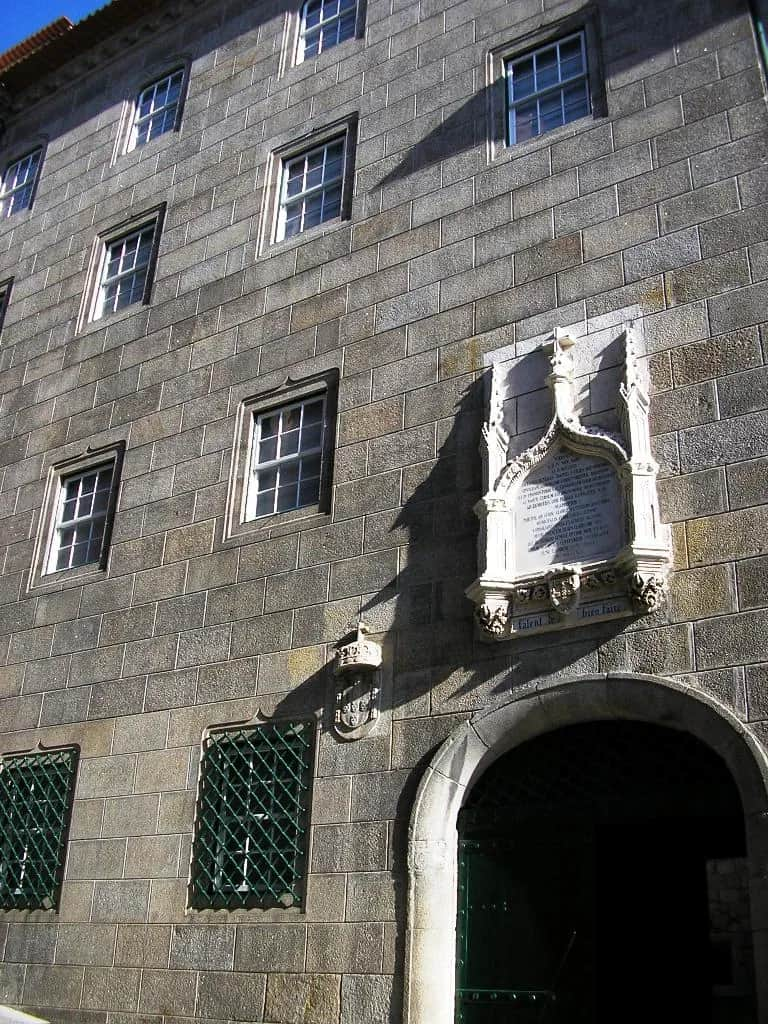 Museu Municipal Casa do InfanteRibeira · MuseumsThe Museu Municipal Casa do Infante stands at Rua da Alfândega 10, 4050-029 Porto, in the Ribeira neighbourhood. Its name means Prince's House. It is a municipal museum in one of the oldest houses in Porto, which began as the city's customs house. In royal times it also served as a residence for Portugal's senior officials, and it would have been central to trade in and out of the city. Afonso IV had it built in 1325 to hold the royal warehouse and customs services, and it has been modified many times since. Merchandise arriving from overseas, especially from Venice and Northern Europe, was stored here. Coin-making came to the site decades after the customs house was built. King Fernando I installed the royal mint around 1370, and it produced Porto's coinage from 1370 until 1721. In 1387, João I married Philippa of Lancaster at the building. She was the daughter of John of Gaunt and the granddaughter of Edward III of England. The house takes its name from Prince Henry the Navigator, who orchestrated Portugal's voyages of discovery in West Africa and is described as one of the forerunners of those discoveries. According to tradition, he was born on the premises in 1394, the fifth son of João I and Filipa. In 1894, a stone was placed at the entrance to mark the royal birth, five centuries after it happened. The building was classified as a national monument in 1924 and has been renovated since. Today the building offers several services. Besides the museum, it holds the Municipal Historical Archive, a thematic library about Porto, a Memory Room, an exhibition room and an auditorium. It also serves as the headquarters of the Porto Historical Archive. Archaeological digs here have brought up old merchandise, coins, pottery and 17th-century pipes, along with a Roman mosaic floor. The medieval building can be visited, and Roman mosaics and other traces of the Romans in Porto can still be seen. The displays include an exhibition of tiles and another about the building and its passage through time since Roman days. There are also a model of the building and a model of medieval Porto. The museum opens Tuesday to Sunday from 10:00 to 17:30 and is closed on public holidays. For enquiries, call 222 060 400 or write to casadoinfante@cm-porto.pt.
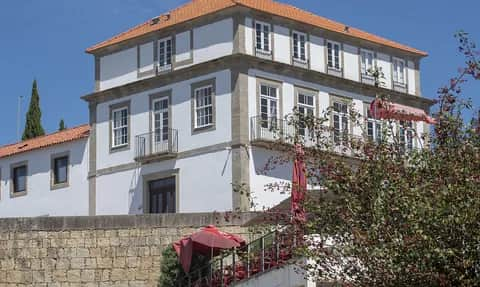 Museu Municipal da Filigrana de GondomarPorto · MuseumsThe Museu Municipal da Filigrana de Gondomar is housed in the Casa Branca de Gramido (an 18th-century manor house where the Convenção de Gramido was signed in 1847). Since 2016, this space has hosted a permanent exhibition of filigree, the result of the donation of tools, machinery and furniture by local goldsmiths, with the aim of promoting and […]
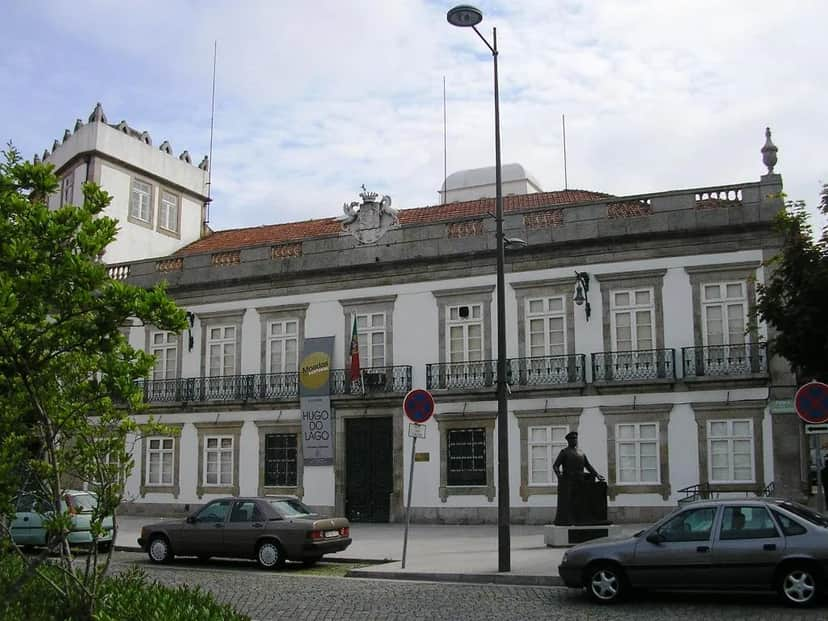 Museu Municipal de NumismáticaBaixa · MuseumsAlong with other collections, the Museu Municipal de Numismática, or Gabinete de Numismática, is part of the municipal museums and collections of the Museu do Porto. It is in the Palacete dos Viscondes de Balsemão (71 Praça de Carlos Alberto), in Porto’s downtown (Baixa) district. With its holdings that span the Greek and Roman periods, as well as the Visigoth, Christian, Arab and Portuguese periods, it is one of the most relevant Portuguese numismatic collections. Other collections of the Museu do Porto include: Archaeological Site of Rua D. Hugo, Casa do Infante, Port Wine Museum, and the Romantic Museum. The collection includes coins and medals of different periods, from ancient to medieval. Some coins of the Greek and Roman (including Republican denarii) and medieval (including the Arabs and Portuguese) periods, as well as banknotes and stamps, can be seen in the collection. It has a bracteate of the 4th century BCE, discovered in the Bragança region. Other medals include those relating to the Peninsular and Liberal Wars. Started by João Allen (1781-1848), a British merchant living in Porto, the collection was purchased in 1850 by the Municipality of Porto. The Museum was inaugurated in 1852 on Rua da Restauração. The collection continued to grow. It was relocated to the Municipal Library of Porto, in 1905. In 1937, the collection was sent to the Palace of Carranca. In December 1988, the collection was once again relocated, this time to Casa Tait. The collection was moved to its current location, Palacete dos Viscondes de Balsemão, in September 2008. The Palacete closed on February 1, 2018, for repairs. Rui Centeno curated an exhibition at the Palacete in 2026, titled Exército, Guerra e Moeda na Hispania, which focused on the Iberian Peninsula, the Roman civilizations and wars, the Suevi and the Visigoths. The exhibition explored the different ways that conflict was financed and how unstable times caused people to horde money. This exhibition has an admission price of 0 euros. It is open to the public from Tuesday to Sunday from 10 am to 5:30 pm. The nearest public transit is the Trindade metro stop and the buses 22, 304, 305, 507, 601, and 602. The nearest parking is at Carlos Alberto, Leões, and Praça de Lisboa.
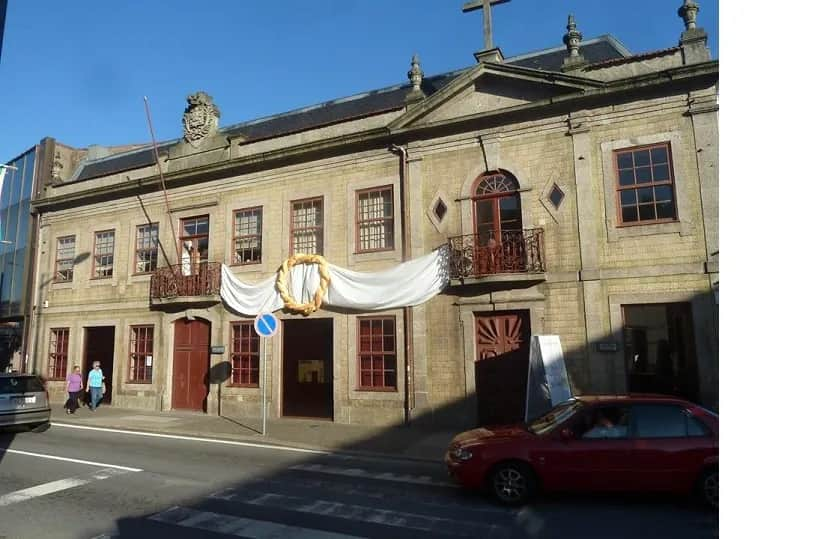 Museu Municipal de ValongoPorto · MuseumsIt is housed in a building commissioned by Bernardo Martins da Nova in the early 19th century, to which was added the chapel of ...
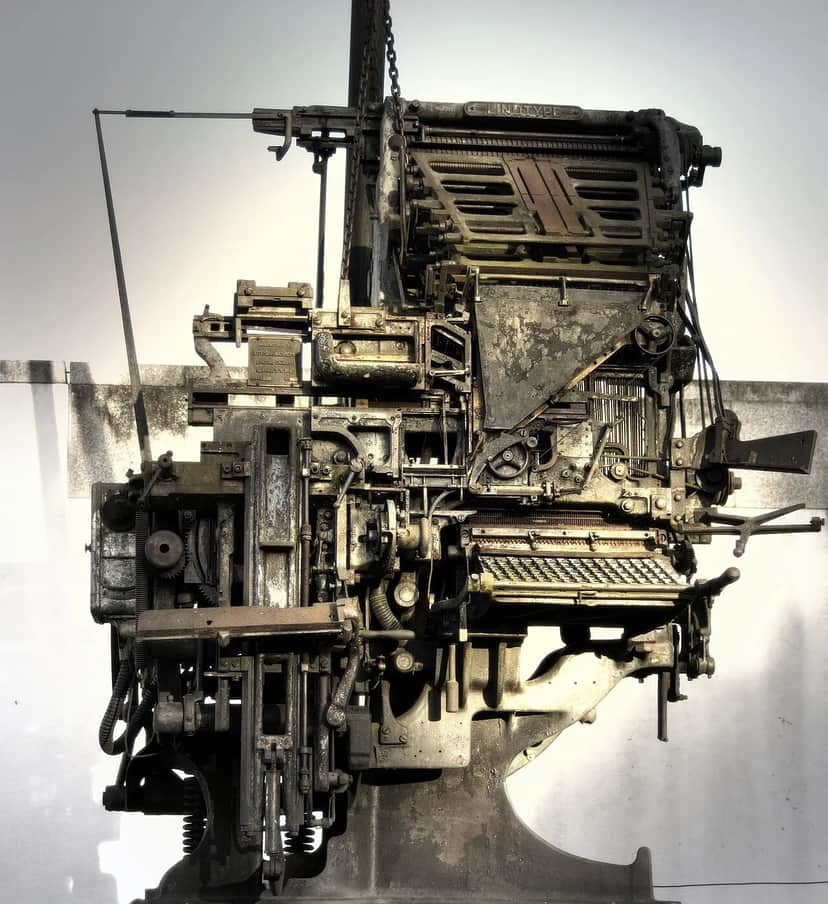 Museu Nacional da ImprensaPorto · MuseumsThe Museu Nacional da Imprensa (MNI), in Porto, founded in 1997, came about in response to the need to showcase the history of the press and the graphic arts.
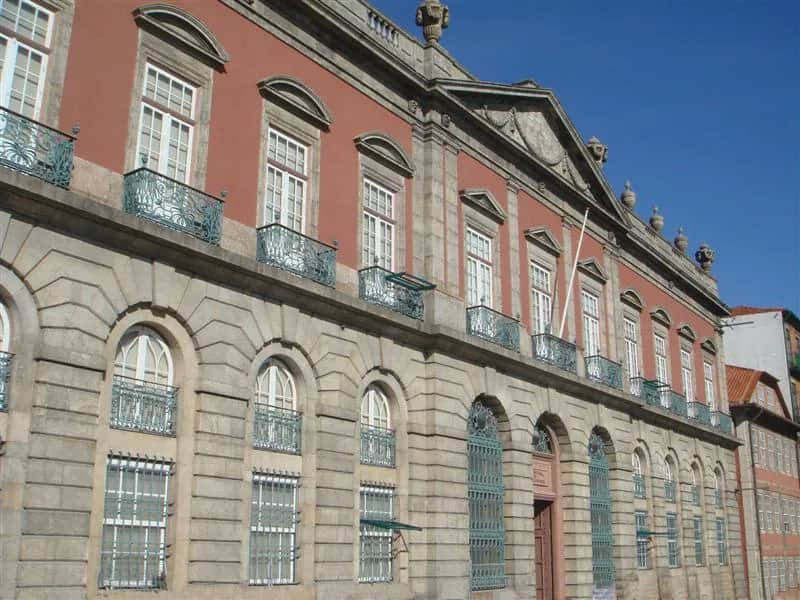 Museu Nacional Soares dos ReisMiragaia · MuseumsMuseu Nacional Soares dos Reis is located at Rua Dom Manuel II, 44, 4050-342, Porto. It was founded in 1833, and is the first Portuguese public art museum. It is a public establishment, operated by the Portuguese State, through the Ministry of Culture. The present director is Mr. António Manuel Torres da Ponte. The museum is situated in a building that was a palace in the 18th century, and later became the home of Jean-de-Dieu Soult, and later Wellington and Pedro I of Brazil. The museum acquired the sculptures of António Soares dos Reis, and as a result, the museum was renamed to the current one. The collection consists of more than 18 000 works, including sculptures and paintings, created in different periods in the Portuguese history. Among the works, is the famous O Desterrado by Soares dos Reis. The museum also has a digital version of the catalog of Aurelia de Souza. The average visit is one hour. The museum is closed on Mondays and the following dates: 1 January, Easter Sunday, 1 May, 24 June, 25 December. The last entry is at 17:30. The museum is open from 10:00 to 18:00 on Tuesdays to Sundays. General admission is 10 euros. Portuguese citizens and residents are allowed free admission (52 free admission per year) and are asked to show their citizen's card. Large articles (i.e. suitcases and umbrellas) are not allowed and lockers are provided. The museum is near the Santo António General Hospital and Palácio de Cristal. The STCP bus lines: 200, 201, 207, 300, 302, 501, 507, 601, and 602 stop near the museum. Other transit options, S. Bento (line D) and Carolina Michaelis (lines A, B, C, E and F) are a 20 minute walk from the museum. Elevators are available to all floors and floor 0 has ramps. The exhibition has benches and stairs with handrails. There are accessible restrooms on floor 0 and 1, and a wheelchair is available. Texts are published with clear language. Subtitles are in English and Portuguese.
Powered by Foursquare ·Photo and data credits ▾
Photos: Vysotsky (CC BY-SA 4.0), via Wikimedia Commons · DataForSEO · museuconflito.org · www2.isep.ipp.pt · cm-matosinhos.pt · Manuel de Sousa (CC BY-SA 3.0), via Wikimedia Commons · museudoporto.pt · torredosclerigos.pt · sexmuseumportugal.com · 69joehawkins (CC BY-SA 4.0), via Wikimedia Commons · visitar-porto.com · ComunidadeIsraelitaPorto (CC BY-SA 4.0), via Wikimedia Commons · fanzeres-saopedrodacova.pt · Manuel de Sousa (Public domain), via Wikimedia Commons · Portugal Faz Bem · Manuel de Sousa (CC BY 3.0), via Wikimedia Commons · cm-valongo.pt · Feliciano Guimarães from Guimarães, Portugal (CC BY 2.0), via Wikimedia Commons · Jose Goncalves (Public domain), via Wikimedia Commons · Data: © OpenStreetMap contributors · Wikipedia (CC BY-SA 4.0)
