

Filters (0)
Rating▾
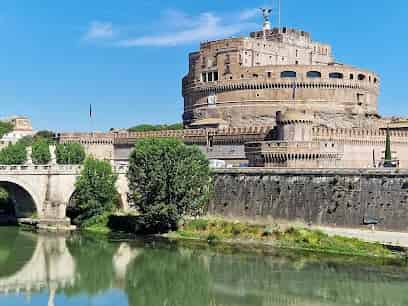
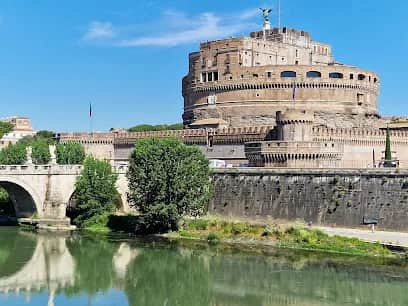 Castel Sant'AngeloCastel Sant'Angelo in Rome is a national museum and historic monument under the management of the Italian Ministry of Culture. It sits on the right bank of the Tiber, and the ancient Pons Aelius bridge links it directly to the opposite bank. The building began life between 134 and 139 AD as the tomb of the Roman Emperor Hadrian. Later it served in turn as a military fortress, a residence for popes and a prison. Its form is a decorated round drum set on a square base. Pope Clement VII took shelter here during the Sack of Rome in 1527, and Benvenuto Cellini was held prisoner within its walls. Inside, visitors can go through the papal apartments, a chapel, the prison cells and the collection rooms, then walk the ramparts and the Passetto di Borgo. The displays cover historical artefacts, Renaissance art and weapons, reflecting the years when the castle was a fortress and a refuge for popes.RomeSights & Landmarks
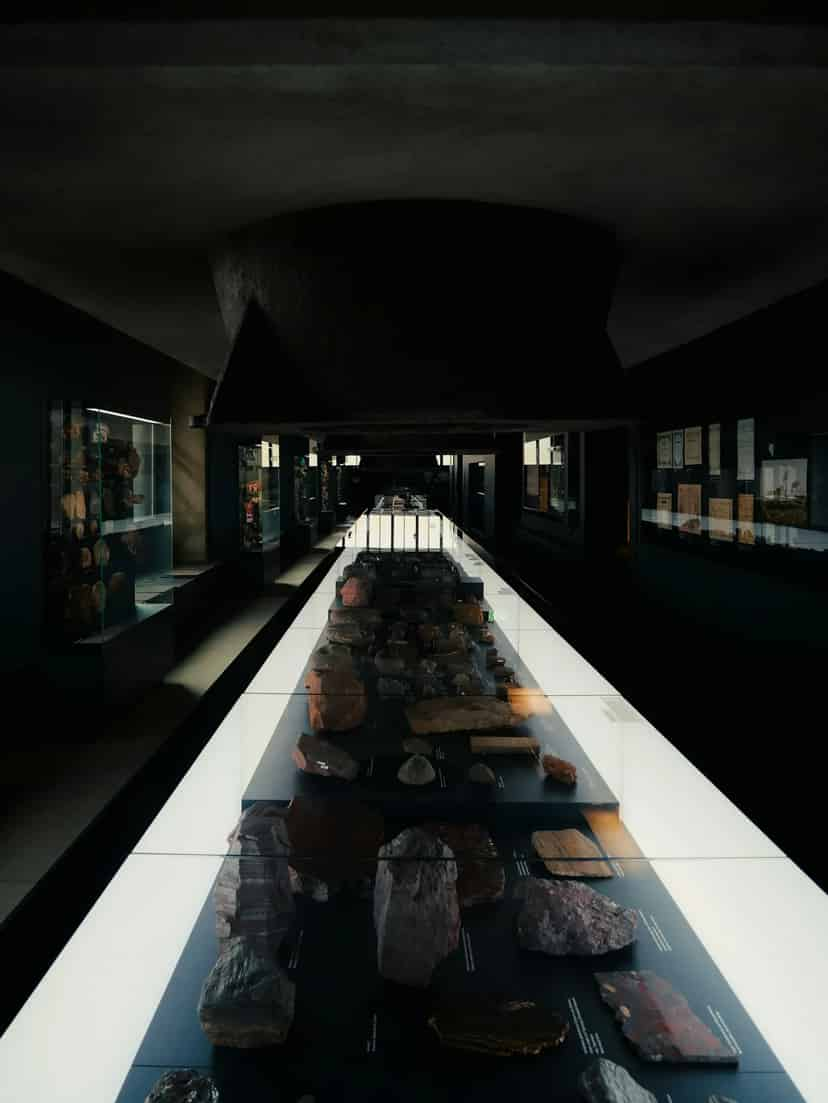
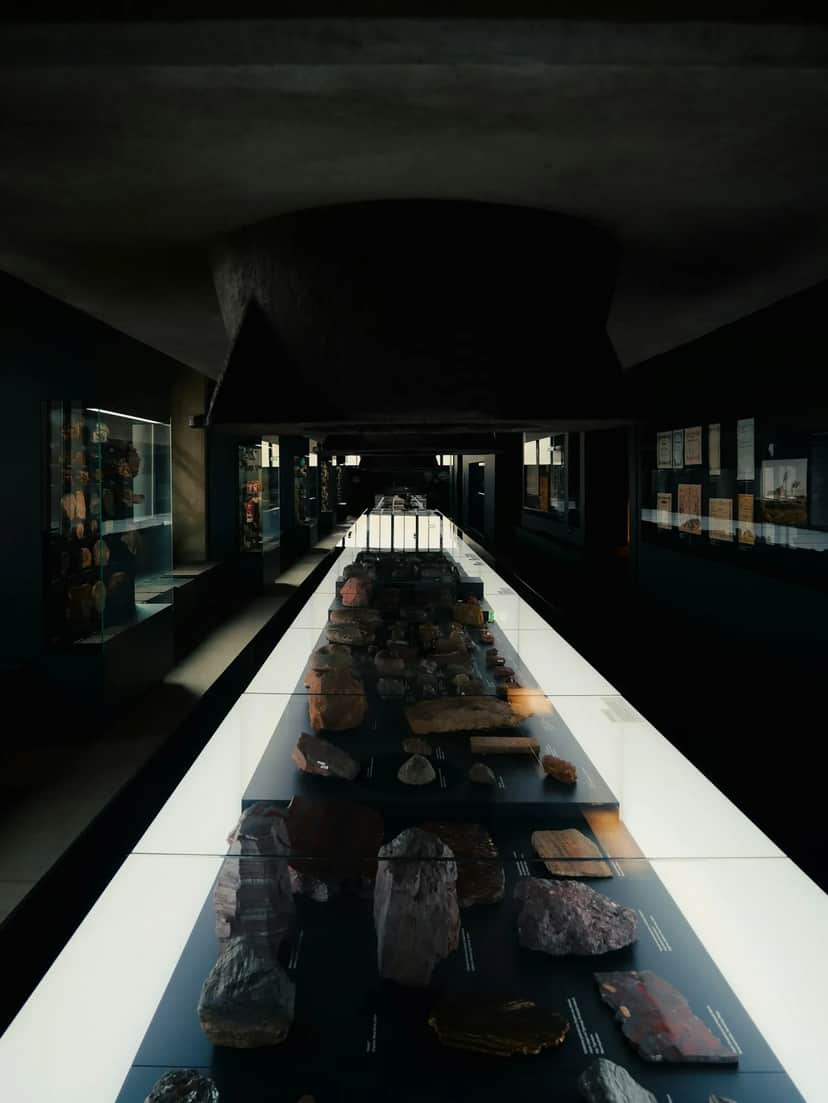 Galleria BorgheseThe Galleria Borghese stands in the Villa Borghese park, in the villa Cardinal Scipione Borghese built in the early 17th century for his collection. Its rooms hold sculptures by Gian Lorenzo Bernini, including Apollo and Daphne, Antonio Canova's statue of Pauline Bonaparte, and paintings by Caravaggio, Raphael and Titian. Entry is by timed booking only, so reserve before you go.RomeMuseums · Illustrative photo
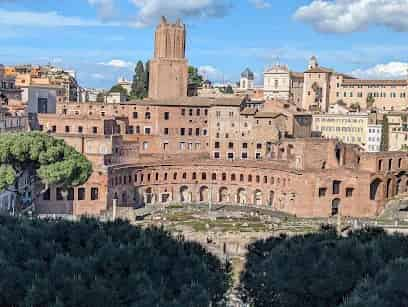
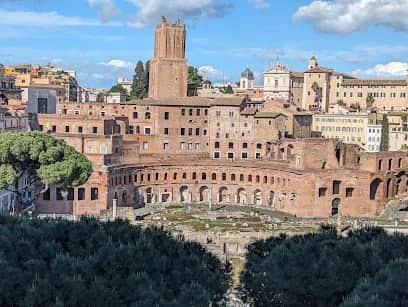 Mercati di Traiano - Museo dei Fori ImperialiTrajan's Markets were built in the early 2nd century AD as part of the Forum of Trajan, on the slope of the Quirinal Hill. Today they house the Museum of the Imperial Fora, which shows the architecture and decoration of the forums.RomeMuseums
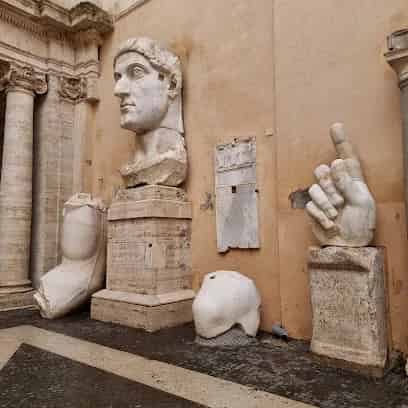
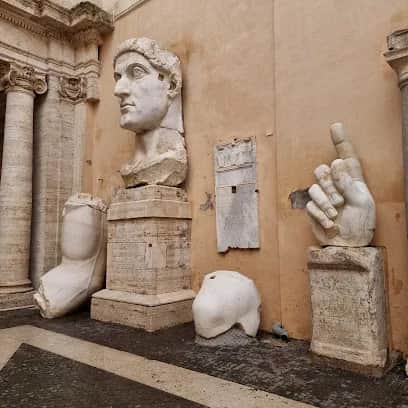 Musei CapitoliniThe Capitoline Museums stand on Piazza del Campidoglio, the square Michelangelo designed on the Capitoline Hill. Their collection began in 1471 with a gift of ancient bronzes from Pope Sixtus IV, and it includes the Capitoline Wolf and the original bronze statue of Marcus Aurelius. An underground gallery links the two palaces and leads to the Tabularium, which overlooks the Roman Forum.RomeMuseums
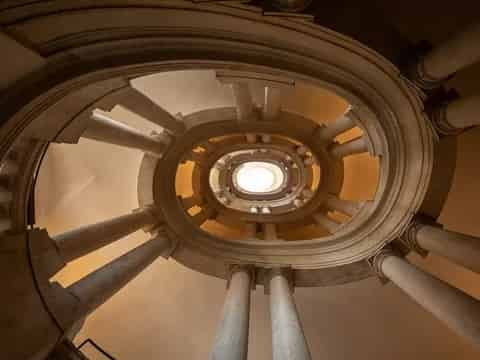
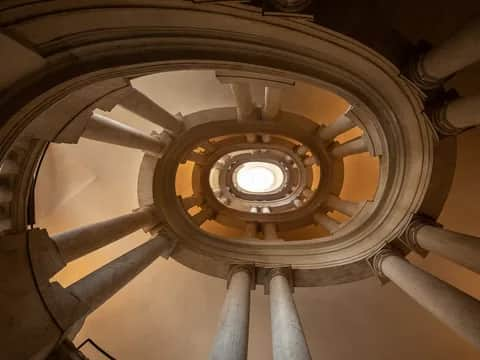 Palazzo BarberiniPalazzo Barberini on Via delle Quattro Fontane is a 17th-century palace built for the Barberini family, with work by Carlo Maderno, Gian Lorenzo Bernini and Francesco Borromini. It houses the Gallerie Nazionali di Arte Antica, whose paintings include Raphael's La Fornarina and Caravaggio's Judith Beheading Holofernes. The main hall has Pietro da Cortona's ceiling fresco, the Triumph of Divine Providence.RomeMuseums
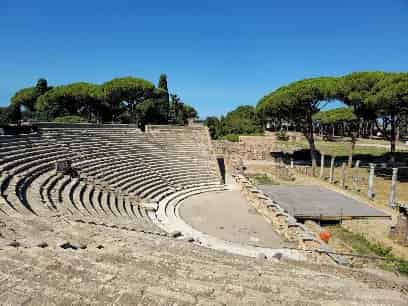
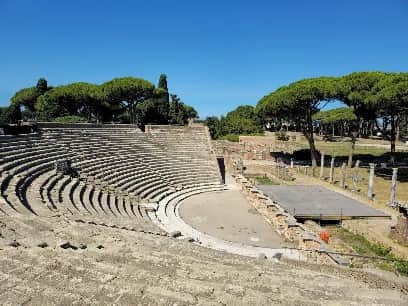 Parco Archeologico di Ostia AnticaViale dei Romagnoli 717, Ostia Antica, 00119, RomeRomeMonuments & Historic Buildings
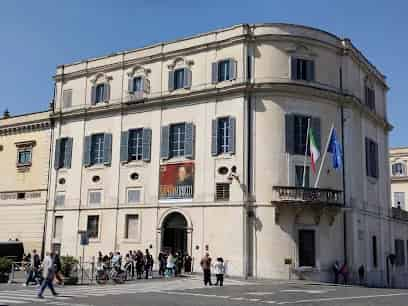
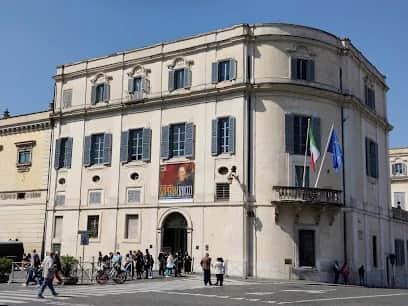 Scuderie del QuirinaleThe Scuderie del Quirinale were the papal stables of the Quirinal Palace, built in the 18th century and opened as an exhibition space in 1999. They have no permanent collection and open only for temporary exhibitions, so check what is on before you go. A large panoramic window looks out over the domes of Rome.RomeMuseums
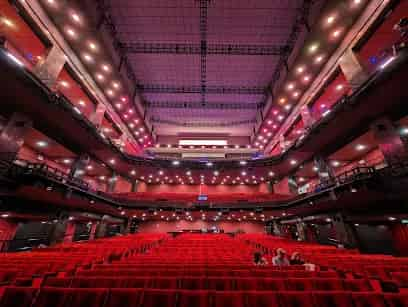
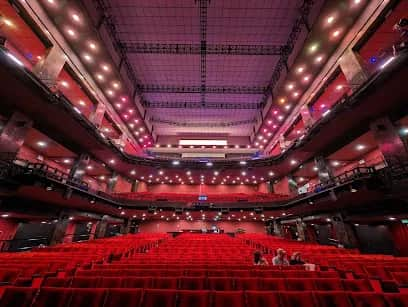 Teatro BrancaccioVia Merulana 244, 00185 RomaRomeTheatres, Cinemas & Music Venues
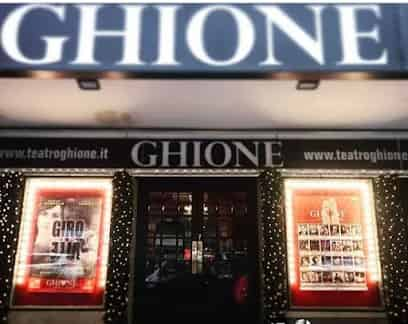
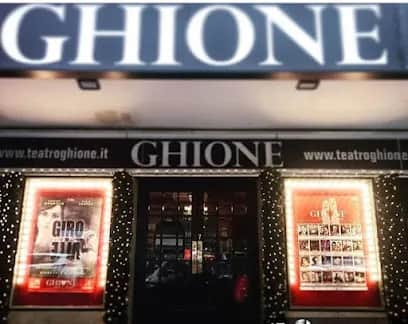 Teatro GhioneTeatro Ghione is a theatre on Via delle Fornaci, a short walk from St Peter's Square. Its season mixes plays, comedy and concerts, which makes it a good choice for an evening indoors near the Vatican.RomeTheatres, Cinemas & Music Venues
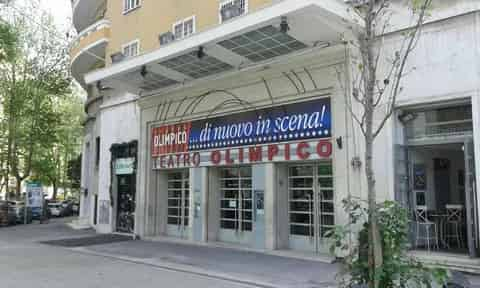
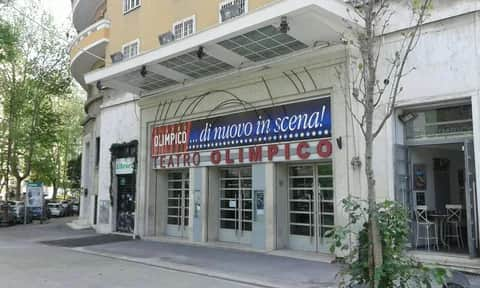 Teatro OlimpicoTeatro Olimpico is a venue for live performance in Rome and home to the Accademia Filarmonica Romana. It sits on the northern part of a block close to the Tiber, in an area of tree-lined streets. Built in 1935 and 1936, it first opened in 1936 as the Cine-Teatro Olimpico and became Teatro Olimpico in 1981. The construction firm Garbarino, Sciaccaluga, and Mezzacane designed it in a late-Rationalist style, working in reinforced concrete and travertine. Restoration has kept those late-Rationalist features inside, and the technical equipment has been brought up to date. Audiences enter through a round foyer at the centre of the building. The auditorium has 1,410 seats over more than one level: 966 in the stalls and 444 in the gallery. The stage measures 10 x 12 metres and has an orchestra pit in front. The programme covers plays, comedies, musicals, dance, cabaret and one-man shows. Touring companies, concert series and cultural events also appear regularly.RomeTheatres, Cinemas & Music Venues
Photo and data credits ▾
Photos: DataForSEO · Photo by Jutta Elisabeth on Unsplash · Data: Location data © OpenStreetMap contributors
